
Phrynoponera gabonensis
- Sci. Name
- Phrynoponera gabonensis
- Tribe
- Ponerini
- Subfamily
- Ponerinae
- Author
- André, 1892
- Distribution
- Found in 12 countries
Introduction
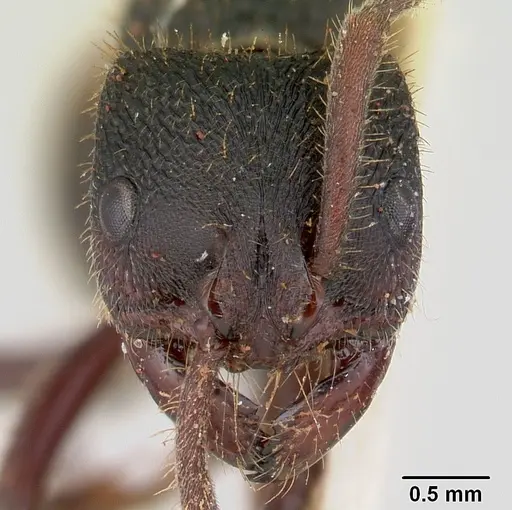
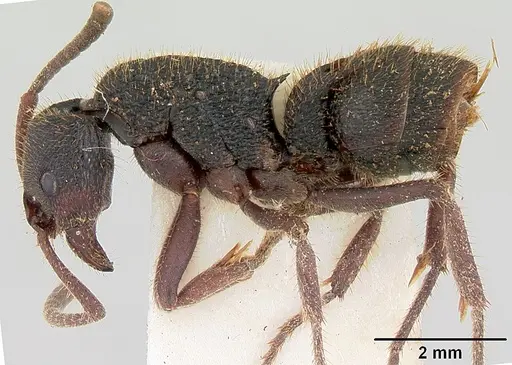
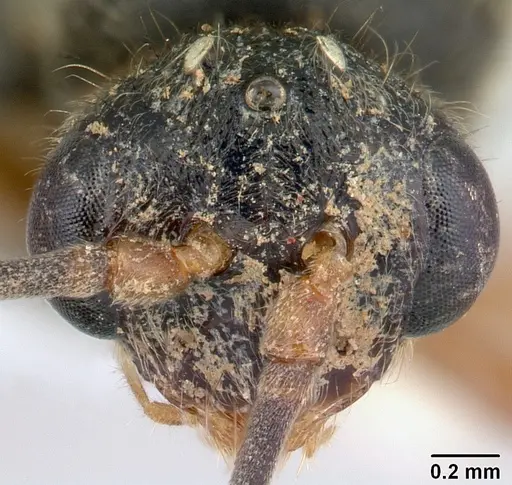
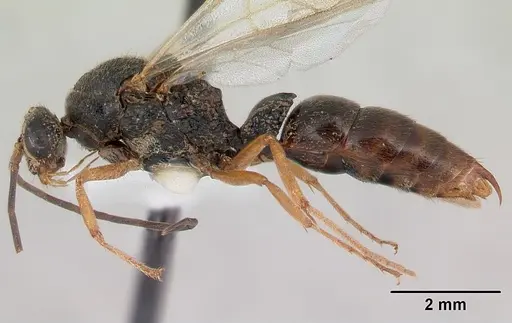
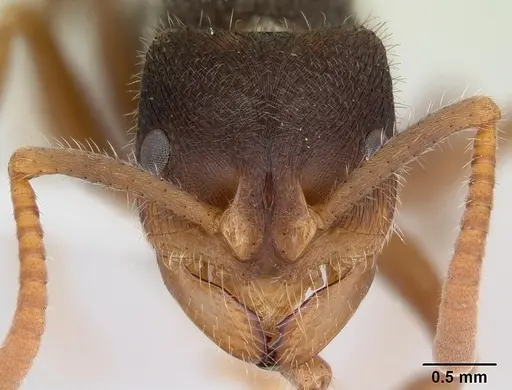
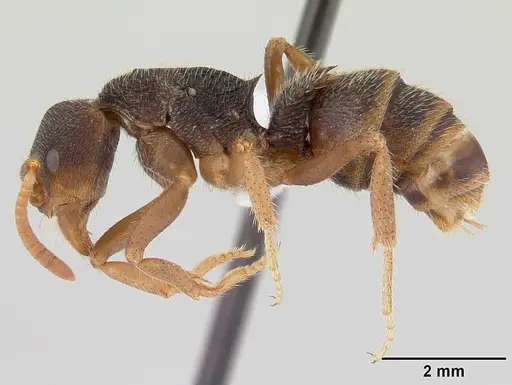
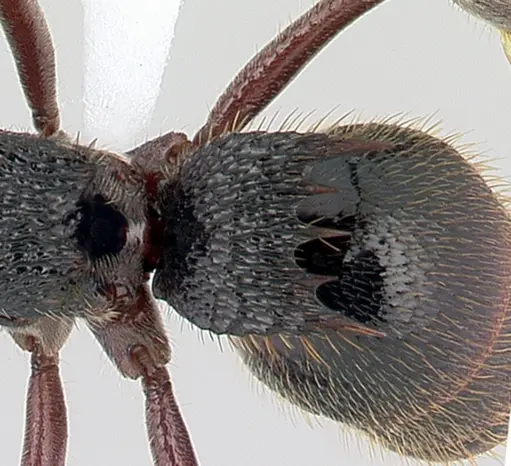
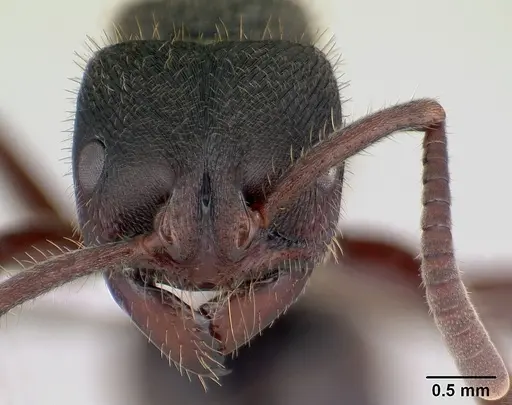
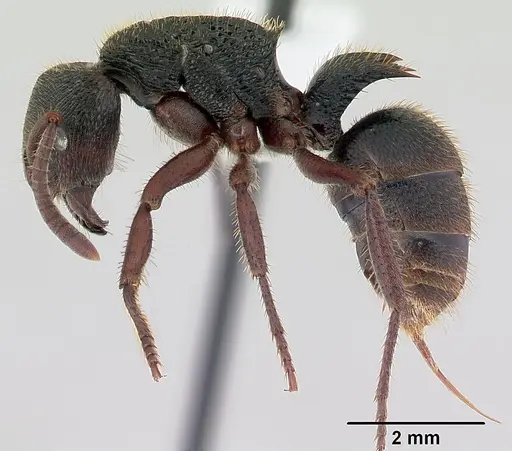
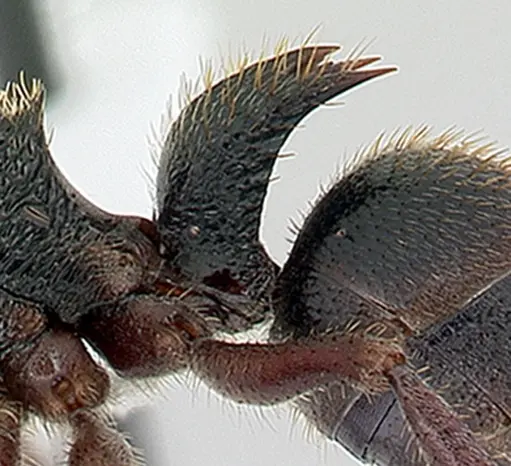
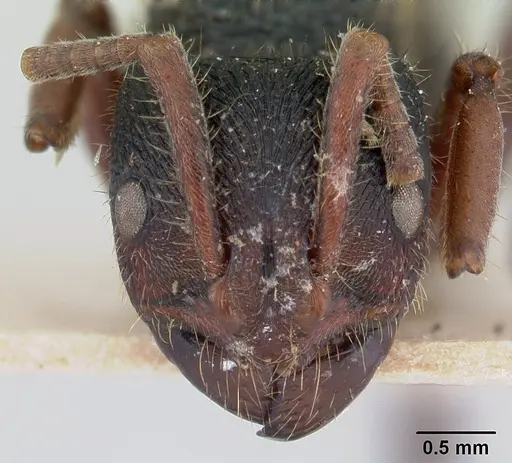
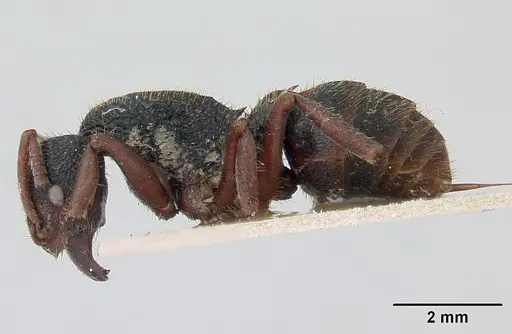
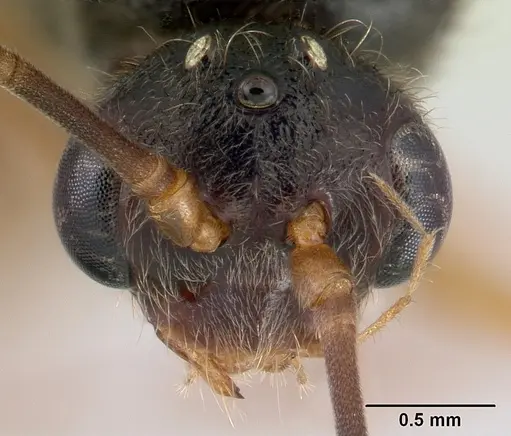
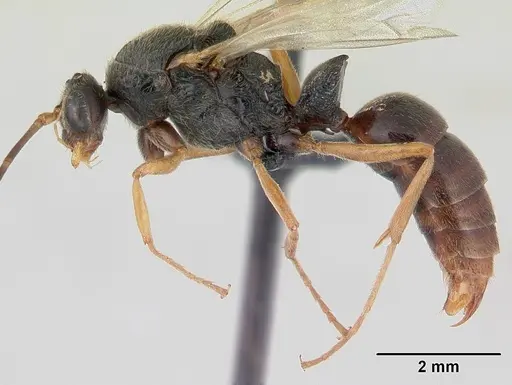
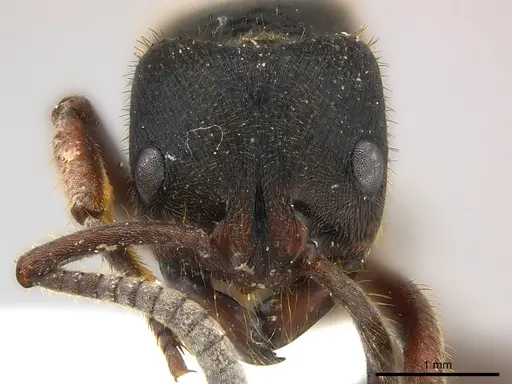
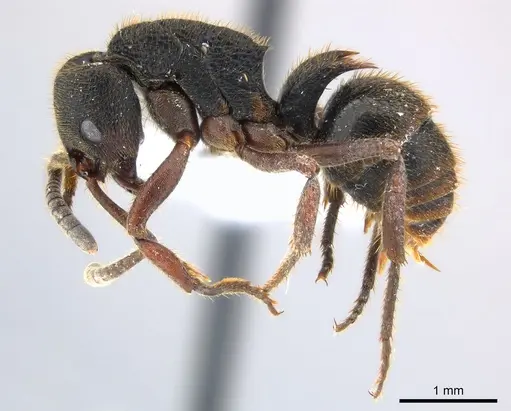
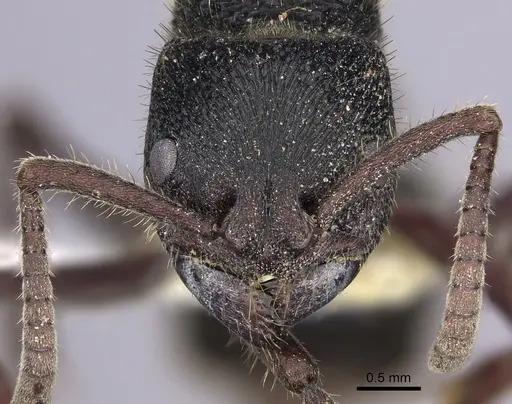
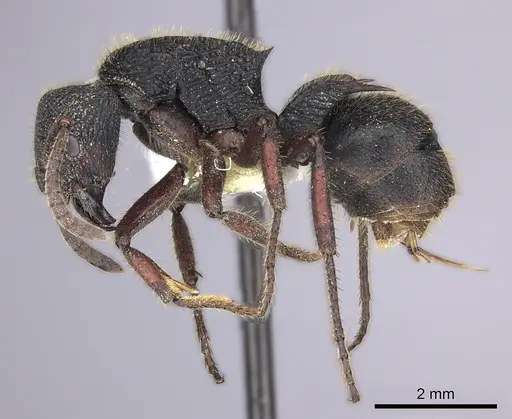
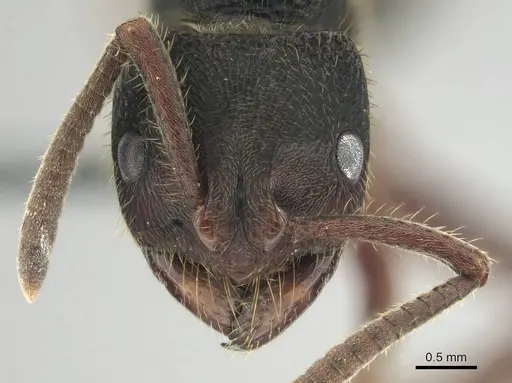
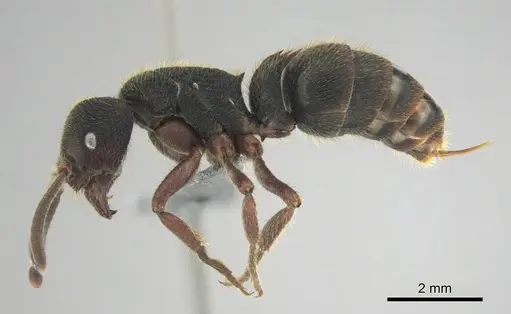
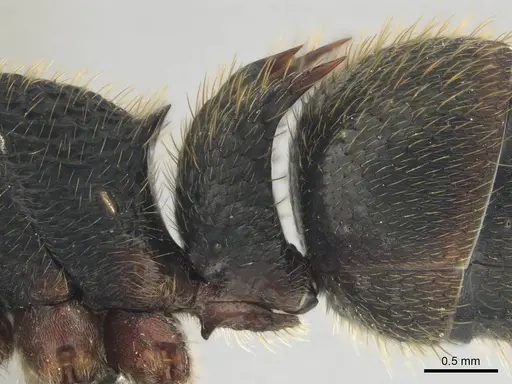
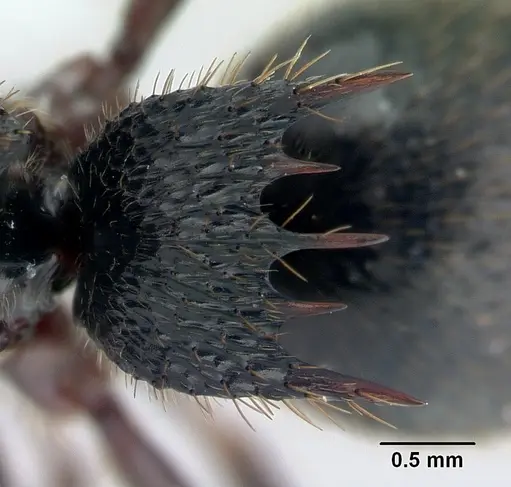
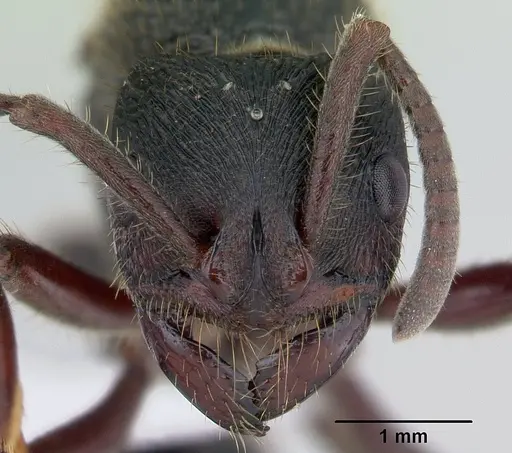
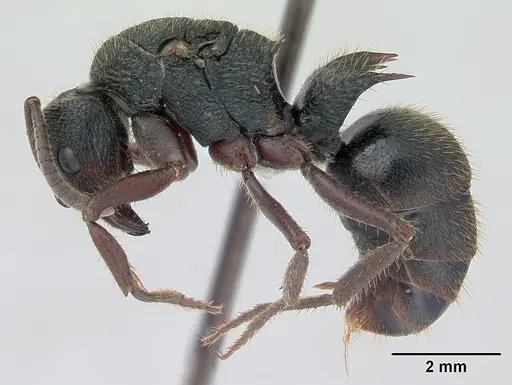
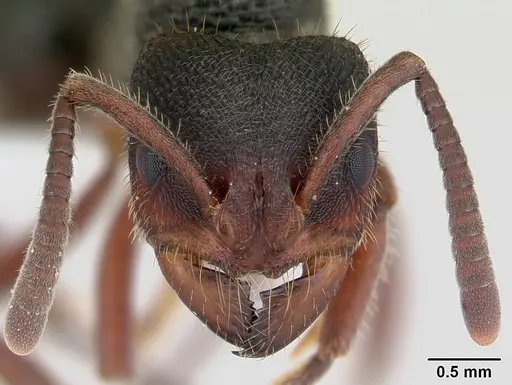
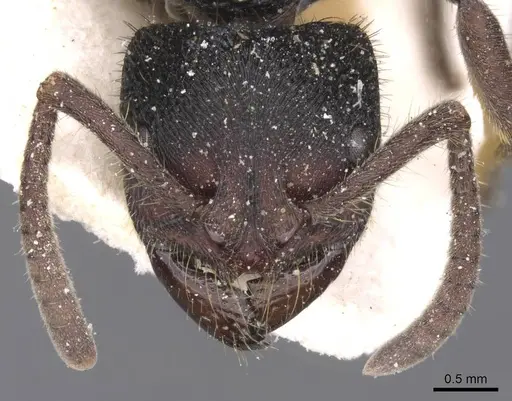
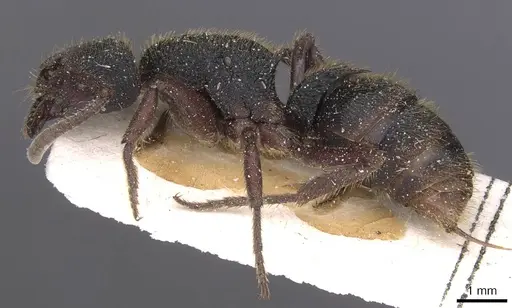
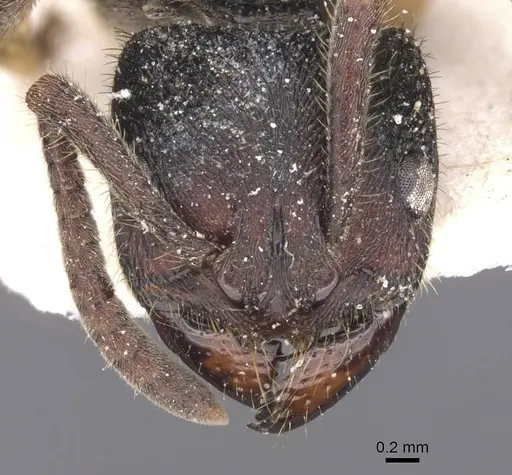
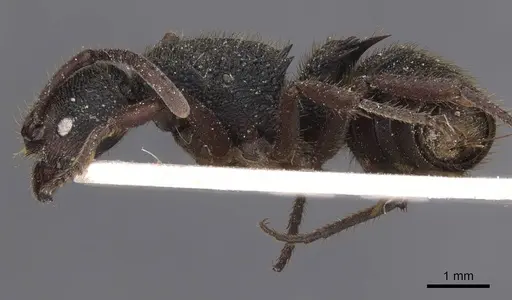
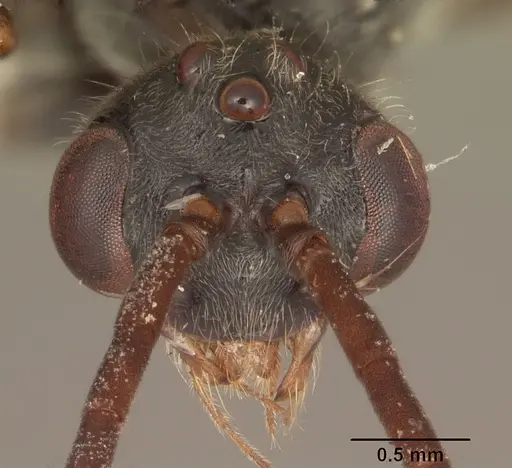
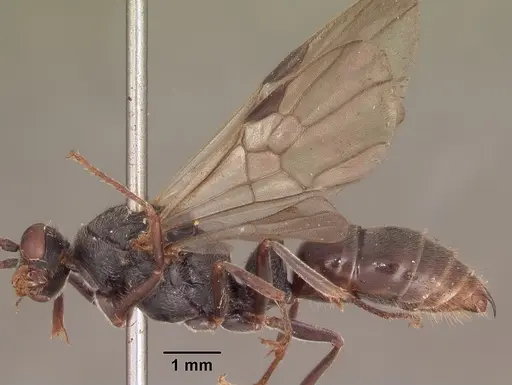
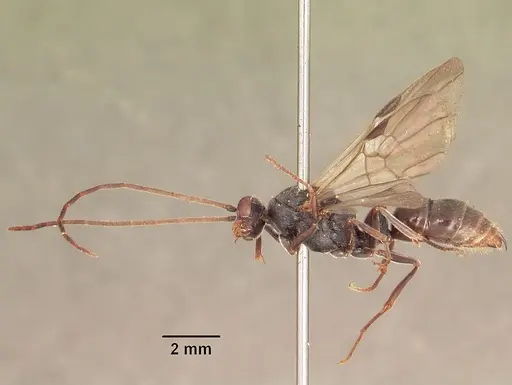
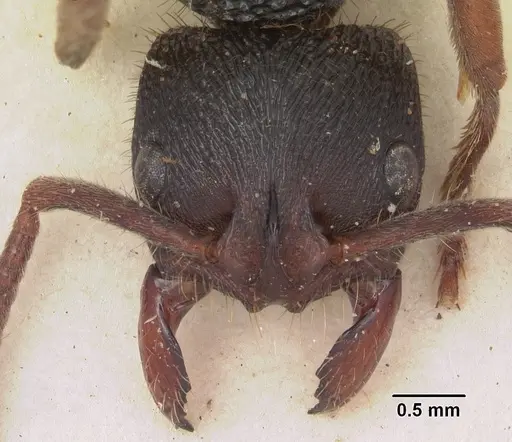
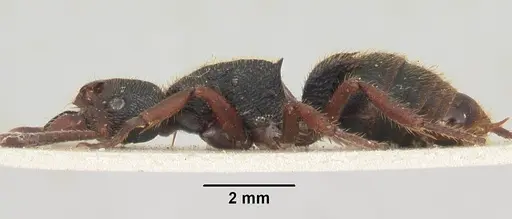
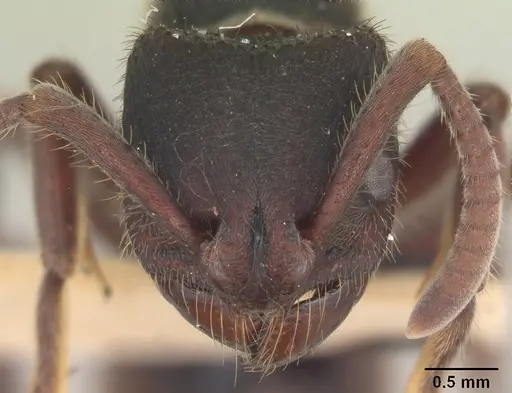
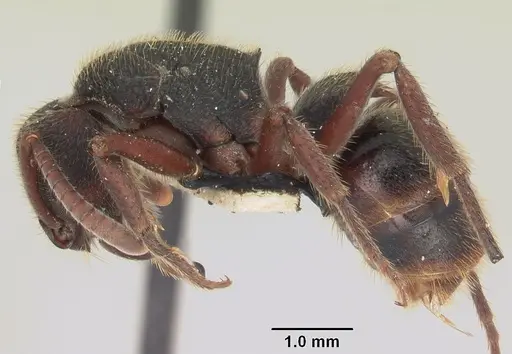
Phrynoponera gabonensis is a ponerine ant native to tropical Africa. Workers are 7.8-10.2 mm long , with a black to reddish-brown body and reddish legs. Mandibles are usually red but can vary . This species is the most common in its genus, found from Ivory Coast to Mozambique . They inhabit leaf litter and nest in rotten wood, compacted soil, or termitaries . As a ponerine, they are predatory and have a functional sting, typical for the subfamily.
Quick Summary
- Difficulty: Medium
- Origin & Habitat: Tropical Africa, from Ivory Coast to Mozambique, in leaf litter and forests [1]. Found at elevations from 110m to 640m in Gabon [2].
- Colony Type: Unconfirmed, colony structure (single-queen vs multi-queen) has not been documented in scientific literature.
- Size & Growth:
- Queen: Similar to workers, approximately 8-11 mm based on worker size [1]
- Worker: 7.8-10.2 mm [1]
- Colony: Unconfirmed, no specific data on colony size
- Growth: Moderate, inferred from typical Ponerinae patterns
- Development: Unconfirmed, based on typical Ponerinae, expect 8-12 weeks at warm temperatures (Development may vary with temperature, warm conditions accelerate growth.)
- Antkeeping:
- Temperature: Keep warm, roughly 24-28°C, based on tropical habitat and elevation data [2][1]
- Humidity: Keep nest substrate consistently moist but not waterlogged, based on leaf litter habitat [1]
- Diapause: No, tropical species does not require hibernation [1]
- Nesting: Provide naturalistic setup with damp soil and rotting wood, or Y-tong/plaster nests with narrow chambers [1]
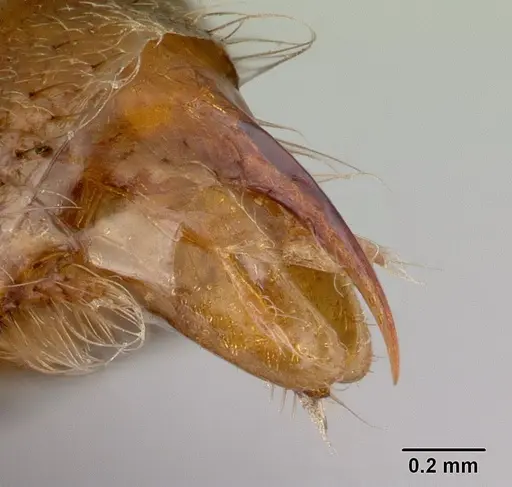
- Behavior: Ponerine ants are predatory and active. Workers possess a functional sting and can be aggressive when defending the colony. They are most active during evening and night hours. Escape prevention is important due to their agility.
- Common Issues: colonies often fail when kept too dry, they need consistent humidity matching their leaf litter habitat, predatory diet requirements can be challenging, they need regular live prey, sting is functional and can cause irritation, handle with care, wild-caught colonies may carry parasites that can decimate the colony in captivity, slow founding phase means colonies take time to establish, patience is required
Housing and Nest Setup
Phrynoponera gabonensis requires a setup that mimics their natural leaf litter and rotting wood habitat. Use a naturalistic formicarium with damp soil, small pieces of rotting wood, and leaf litter material. You can also use a Y-tong or plaster nest with narrow, tight chambers. The nest should have a water reservoir or hydration system to maintain consistent moisture. Provide an outworld for foraging with secure lids and fluon barriers to prevent escapes [1].
Feeding and Diet
As a predatory ponerine, they require live prey. Offer small insects like fruit flies, crickets, and mealworms. Live prey triggers their hunting response. Some established colonies may accept dead prey, but live prey should be primary. Feed every 2-3 days, removing uneaten prey after 24 hours [1][3].
Temperature and Humidity
Keep ants warm at 24-28°C, using a heating cable for a gradient. They are found at elevations from 110m to 640m, indicating warmth preference [2]. Humidity should be moderate to high, keep substrate damp but not waterlogged, with a moisture gradient [1].
Behavior and Temperament
Workers are active foragers with a strong predatory drive. They possess a functional sting and defend colonies aggressively. Most active during evening and night hours. Handle with care due to sting risk [1].
Colony Establishment
Establishing a colony requires patience. Provide a quiet, dark location with appropriate temperature and humidity. Queens may not forage early if semi-claustral, offer small live prey. Do not disturb frequently. Growth is moderate, expect months for first workers. Wild-caught colonies may need quarantine for parasites.
Frequently Asked Questions
How long does it take for Phrynoponera gabonensis to produce first workers?
Based on typical Ponerinae patterns, development may take 8-12 weeks at warm temperatures (24-28°C). Growth is slower than many species, so patience is needed.
Do Phrynoponera gabonensis ants sting?
Yes, they possess a functional sting as a ponerine species. The sting can cause irritation in humans, so handle with care [1].
What do Phrynoponera gabonensis eat?
They are predatory and require live prey like fruit flies, crickets, and mealworms. Live prey triggers their hunting response [1][3].
Are Phrynoponera gabonensis good for beginners?
No, this species is not recommended for beginners due to specific humidity needs, predatory diet, and sting risk. Best for keepers with experience.
Do Phrynoponera gabonensis need hibernation?
No, they are a tropical species and do not require hibernation [1].
How big do Phrynoponera gabonensis colonies get?
Colony size is unconfirmed, but as a common species, they may reach several hundred workers [1].
Can I keep multiple Phrynoponera gabonensis queens together?
The colony structure is unconfirmed, so combining queens is not recommended as it has not been studied.
What temperature is best for Phrynoponera gabonensis?
Keep them at 24-28°C, based on their tropical habitat and elevation data [2][1].
What type of nest should I use for Phrynoponera gabonensis?
A naturalistic setup with damp soil and rotting wood works best, or Y-tong/plaster nests with narrow chambers [1].
Why is my Phrynoponera gabonensis colony dying?
Common causes include too dry conditions, improper diet (need live prey), temperatures outside 24-28°C, or parasites from wild-caught colonies. Ensure proper humidity, diet, and temperature.
Report an Issue
The current care sheet is based fully on literature. See inconsistencies, or something that's incorrect? Please , it will be resolved after review from an admin. Contributing to the blogs tab also helps providing information, to make us be able to further improve the caresheets. Thank you for your support!
References

This caresheet is licensed under CC BY-SA 4.0 .
Community Blogs
CASENT0094797
View on AntWeb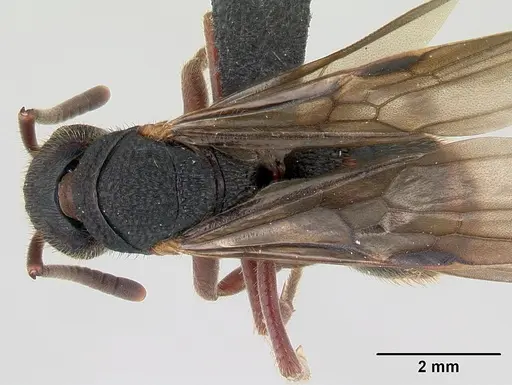
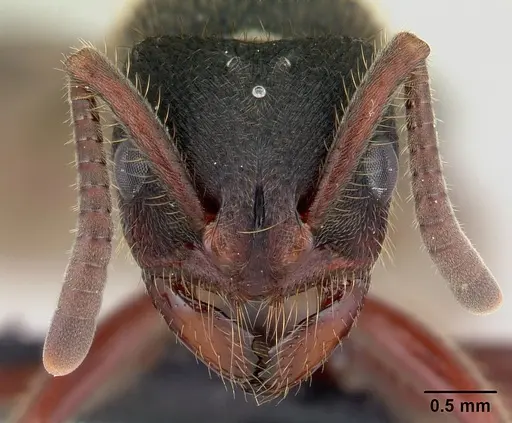
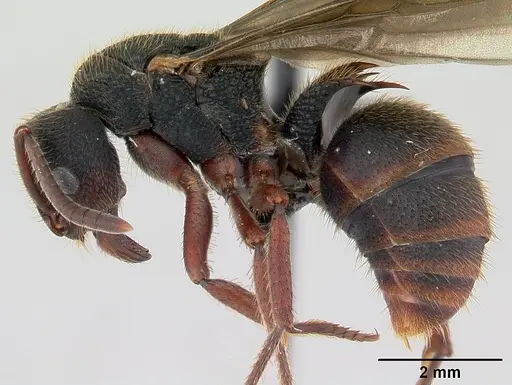
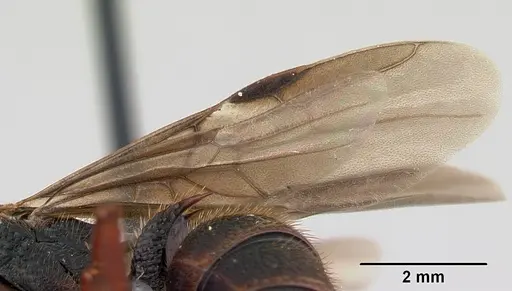
CASENT0178201
View on AntWeb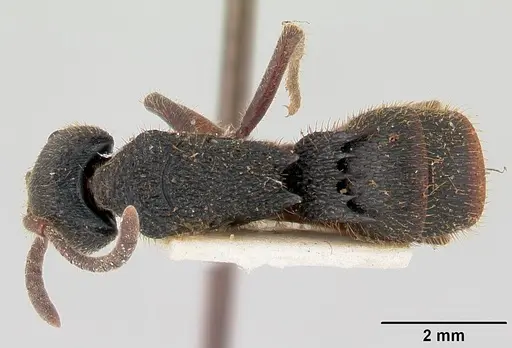
CASENT0178202
View on AntWeb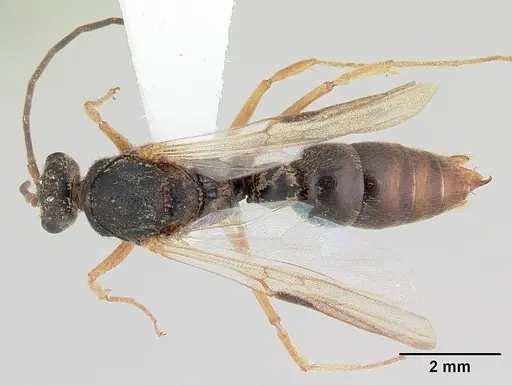
CASENT0178228
View on AntWeb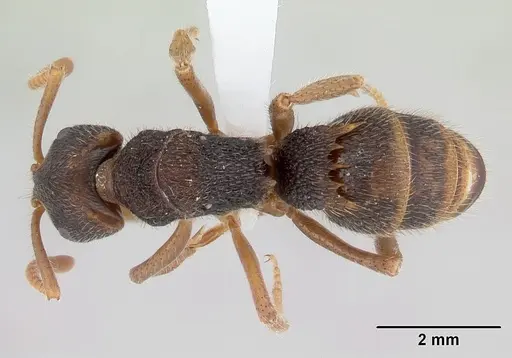
CASENT0178229
View on AntWeb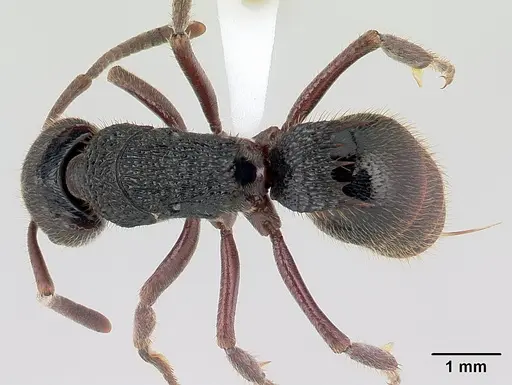
CASENT0178601
View on AntWeb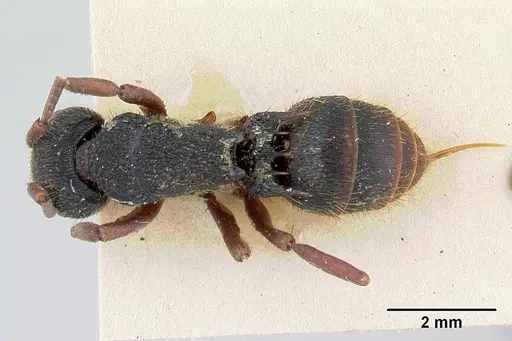
CASENT0178740
View on AntWeb
CASENT0217124
View on AntWeb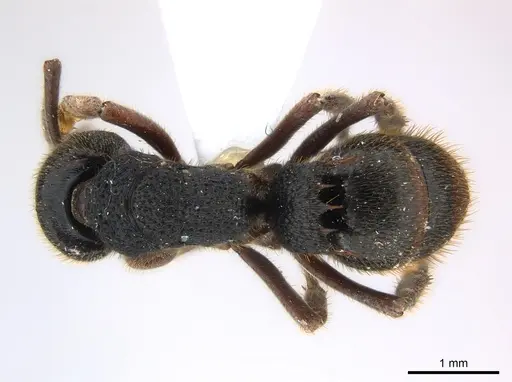
CASENT0249212
View on AntWeb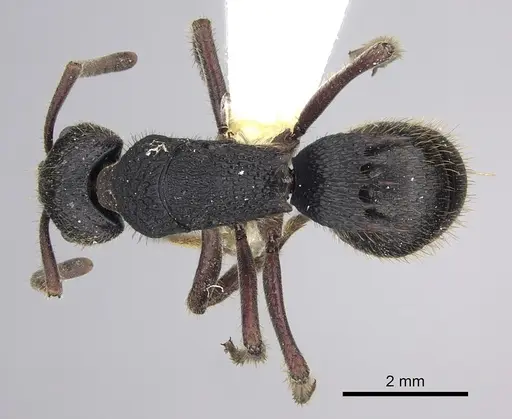
CASENT0250060
View on AntWeb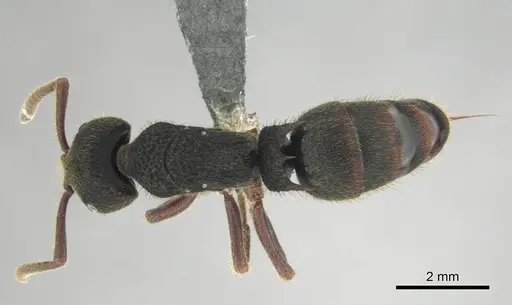
CASENT0401945
View on AntWeb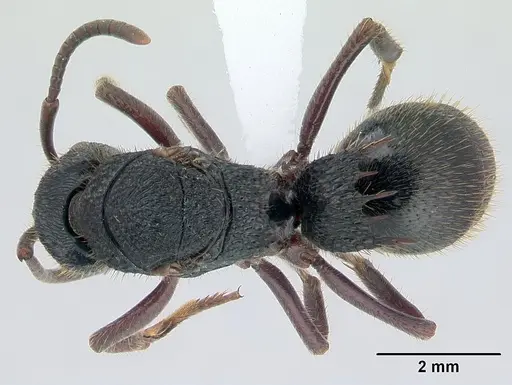
CASENT0411299
View on AntWeb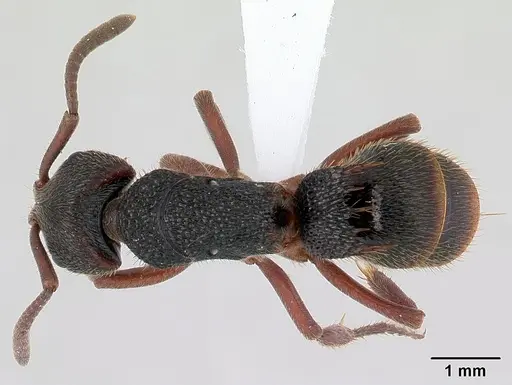
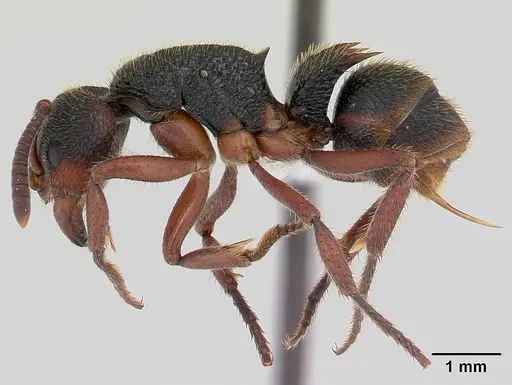
CASENT0629610
View on AntWeb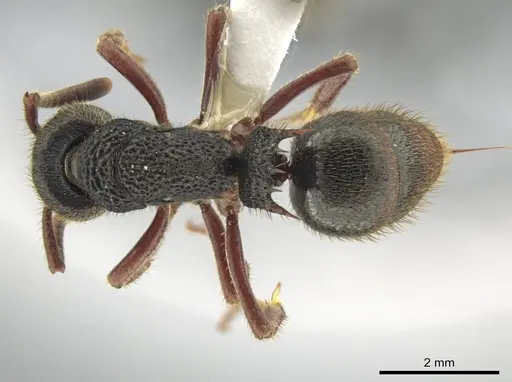
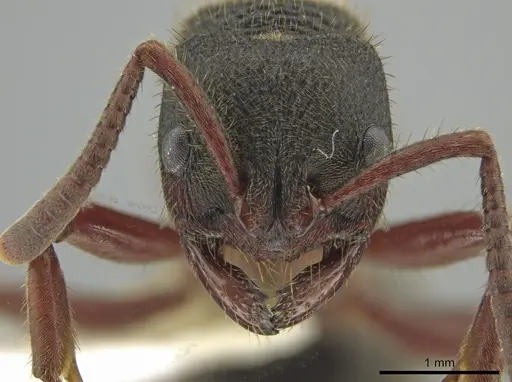
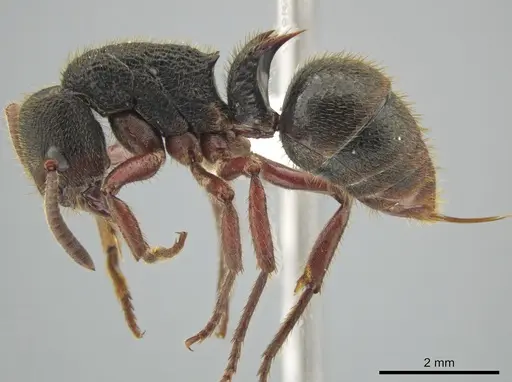
CASENT0815536
View on AntWeb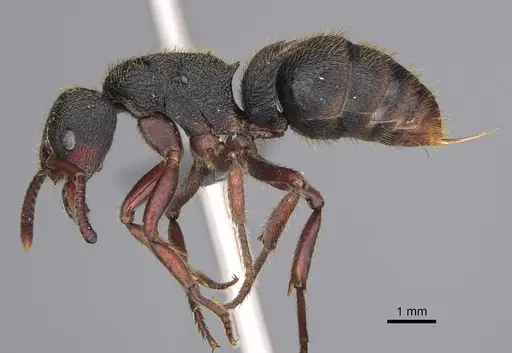
CASENT0915282
View on AntWeb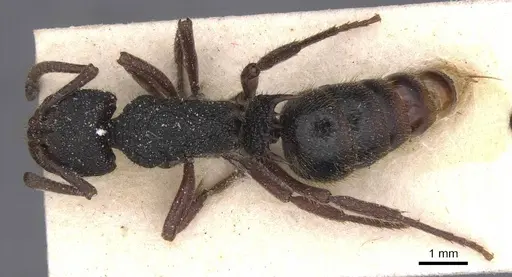
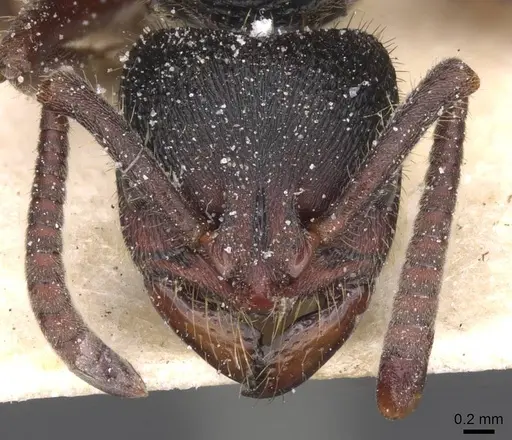
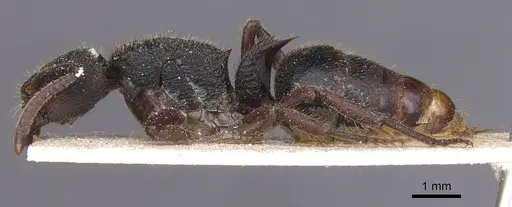
CASENT0915283
View on AntWeb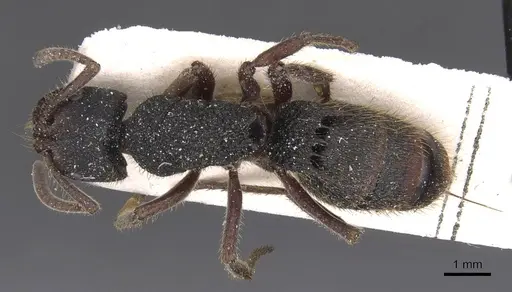
RMCAENT000017728
View on AntWeb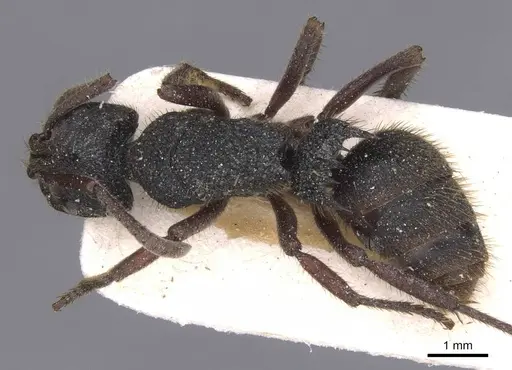
SAM-HYM-C002826
View on AntWeb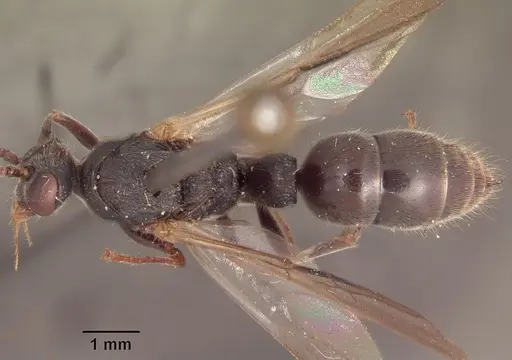
SAM-HYM-C002828
View on AntWeb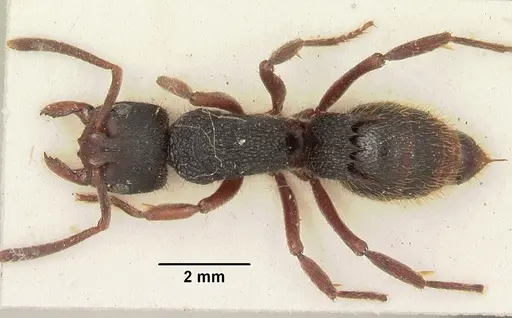
SAM-HYM-C007965
View on AntWeb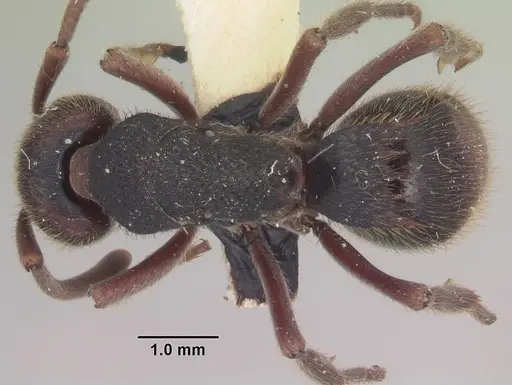
Literature
Loading distribution map...Loading products...