
Phrynoponera bequaerti
- Sci. Name
- Phrynoponera bequaerti
- Tribe
- Ponerini
- Subfamily
- Ponerinae
- Author
- Wheeler, 1922
- Distribution
- Found in 6 countries
Introduction
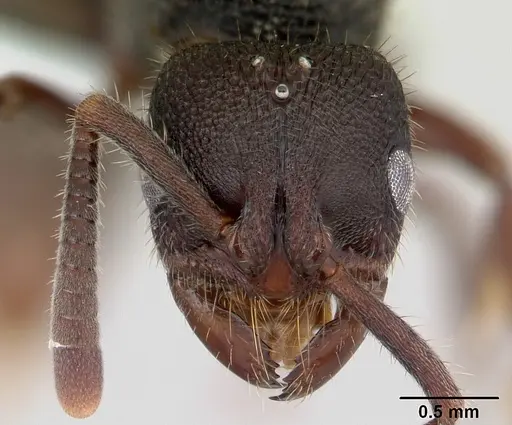
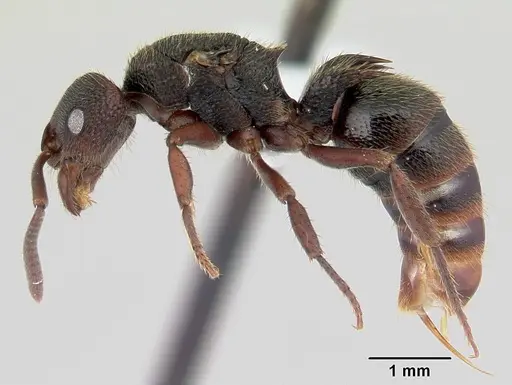
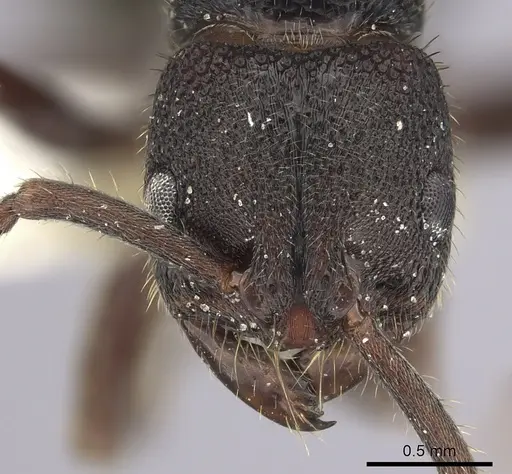
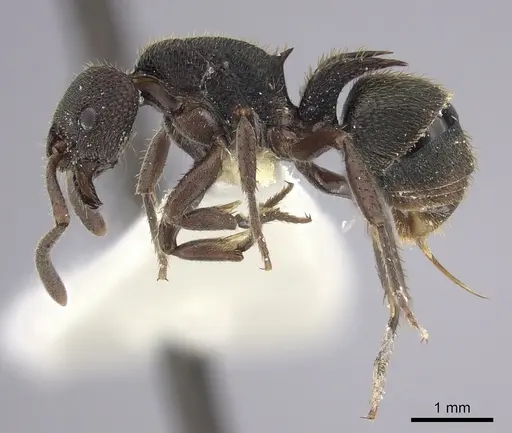
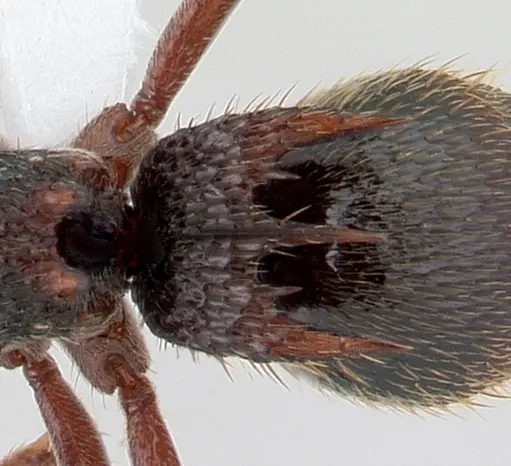
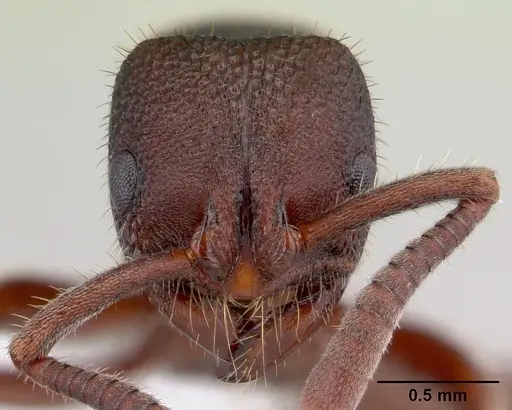
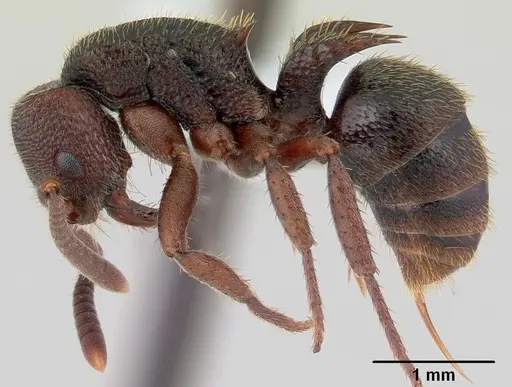
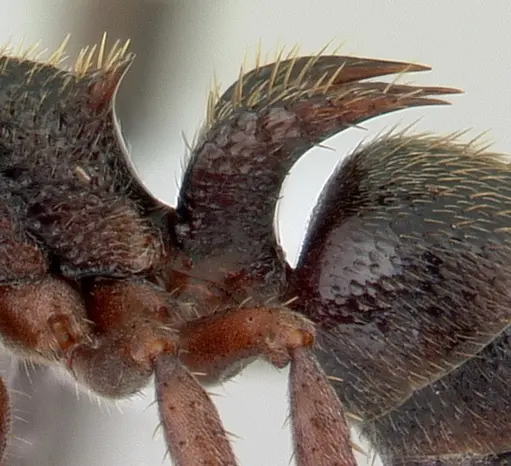
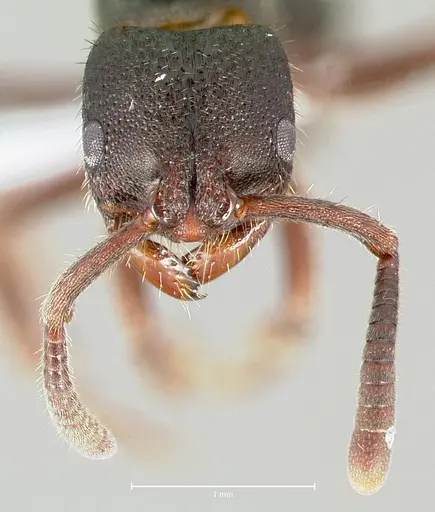
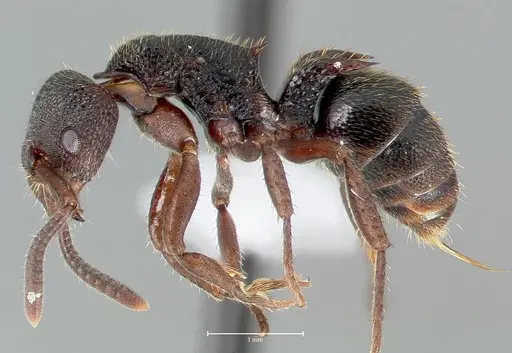
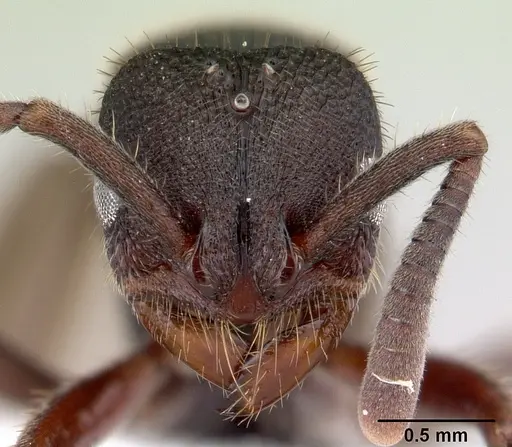
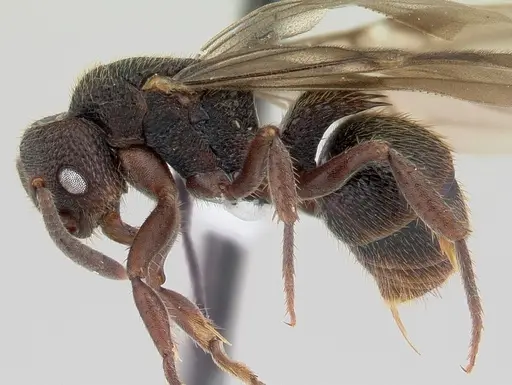
Phrynoponera bequaerti is a small predatory ant native to Central and West Africa. Workers measure 5.0-5.7 mm in total length, making this the smallest species in the Phrynoponera genus . They have curved petiolar spines that curve back over the first gastral segment, and their funicular segments are short and broad . Color varies from nearly black with reddish legs to reddish heads and bodies . This species is found in Ghana, Cameroon, Gabon, Central African Republic, and Democratic Republic of Congo, primarily in tropical forest leaf litter and rotting wood at elevations from 110-640 m . Unlike related species, it does not nest in termitaries .
Quick Summary
- Difficulty: Medium
- Origin & Habitat: West and Central Africa (Ghana, Cameroon, Gabon, Central African Republic, Democratic Republic of Congo). Found in tropical forests, primarily in leaf litter and under rotting wood at elevations from 110-640 m [1][2].
- Colony Type: Colony structure is unconfirmed. No data on queen number or social structure.
- Size & Growth:
- Queen: Size data unavailable
- Worker: 5.0-5.7 mm [1]
- Colony: Colony size data unavailable, no specific measurements in research
- Growth: Moderate, inferred from genus patterns
- Development: Estimated 6-10 weeks at tropical temperatures, inferred from related Ponerinae species (Development time is unconfirmed for this species)
- Antkeeping:
- Temperature: Keep at 24-28°C, inferred from tropical habitat [1][2]
- Humidity: Keep nest substrate consistently moist but not waterlogged, as they naturally live in damp leaf litter and rotting wood [1]
- Diapause: No, tropical species, no winter dormancy required [1]
- Nesting: Prefers setups with damp substrate, such as rotten wood or Y-tong/plaster nests with moisture retention [1]
- Behavior: Phrynoponera bequaerti is predatory and has a functional stinger, typical of Ponerinae. Workers are active foragers but can deliver a painful sting if provoked. Handle with care.
- Common Issues: high humidity is critical, drying out causes colony collapse, tropical species requires consistent warmth year-round, predatory diet means live prey is essential for colony health, slow colony growth can lead to keeper impatience, sting is painful, handle with care and use gloves if needed
Housing and Nest Setup
You should use a naturalistic setup that mimics leaf litter and rotting wood habitats. A Y-tong nest with moist plaster or soil substrate works well, or create a bioactive setup with damp leaf litter and small rotting wood pieces. Keep the nest substrate consistently moist but not waterlogged [1]. Provide a water tube for drinking and ensure the outworld has some moisture to prevent drying out. Avoid temperature drops below 22°C and keep away from air conditioning or drafty windows.
Feeding and Diet
As a predatory Ponerinae, you need to offer live prey such as fruit flies, pinhead crickets, or small mealworms. Protein is essential for brood development. Feed every 2-3 days and remove uneaten prey to prevent mold. Sugar sources like honey water may be occasionally accepted but should not replace live prey.
Temperature and Seasonal Care
You should keep the nest area at 24-28°C year-round. Use a small heating cable on one side to create a temperature gradient. This species does not require hibernation, maintain stable tropical conditions [1][2]. Avoid temperatures below 22°C, as this can slow activity and harm the colony.
Behavior and Handling
Workers are defensive and have a functional stinger that can deliver a painful sting. They are not aggressive unless threatened, but disturbing the nest will trigger defensive behavior. Wear gloves when working near the colony and avoid poking the nest. Workers are active foragers, so provide enough space in the outworld. Standard barrier methods are recommended to prevent escapes.
Frequently Asked Questions
How long does it take for Phrynoponera bequaerti to produce first workers?
Exact development time is unconfirmed. Based on typical Ponerinae patterns, expect 6-10 weeks from egg to worker at optimal tropical temperatures (26-28°C). Growth is moderate, patience is needed during the founding stage.
What do Phrynoponera bequaerti eat?
They are primarily predatory and need live small invertebrates like fruit flies, pinhead crickets, and small mealworms. Sugar sources may be occasionally accepted but should not replace protein-rich prey. Feed prey every 2-3 days.
Can I keep Phrynoponera bequaerti in a test tube?
A test tube setup can work for founding colonies if humidity is carefully maintained, but a naturalistic or Y-tong nest with moist substrate is better long-term. These ants naturally live in damp leaf litter and rotting wood [1].
What humidity level do Phrynoponera bequaerti need?
Keep the nest substrate consistently moist but not waterlogged. These ants naturally live in damp forest floor habitats in leaf litter and rotting wood, drying out quickly kills colonies [1].
Are Phrynoponera bequaerti good for beginners?
This species is rated Medium difficulty. They require specific tropical conditions (high humidity, warm temperatures) and a predatory diet. They are not the best choice for complete beginners, but experienced antkeepers should find them manageable.
How big do Phrynoponera bequaerti colonies get?
Colony size data is unavailable from research. Based on Ponerinae patterns, colonies may have up to several hundred workers, but this is unconfirmed.
Do Phrynoponera bequaerti need hibernation?
No, they do not require hibernation. As a tropical species from Central and West Africa, they need year-round warm temperatures (24-28°C) [1][2].
When should I move my colony to a formicarium?
Move from a founding setup to a larger nest once the colony becomes cramped. A naturalistic setup with damp substrate works well, or a Y-tong/plaster nest that holds moisture.
Why is my Phrynoponera bequaerti colony dying?
Common causes include low humidity (drying out kills these forest floor ants), temperatures below 22°C, lack of live protein prey, or stress from disturbance. Check humidity, temperature, and food quality first [1].
Report an Issue
The current care sheet is based fully on literature. See inconsistencies, or something that's incorrect? Please , it will be resolved after review from an admin. Contributing to the blogs tab also helps providing information, to make us be able to further improve the caresheets. Thank you for your support!
References

This caresheet is licensed under CC BY-SA 4.0 .
Community Blogs
CASENT0081253
View on AntWeb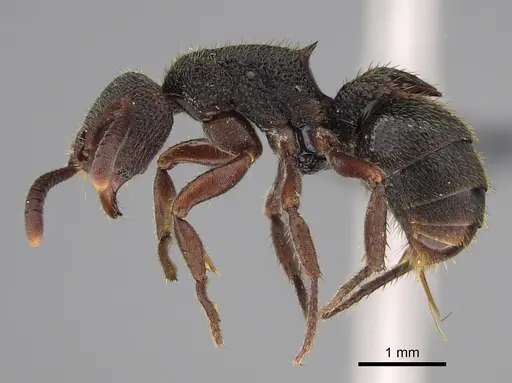
CASENT0178230
View on AntWeb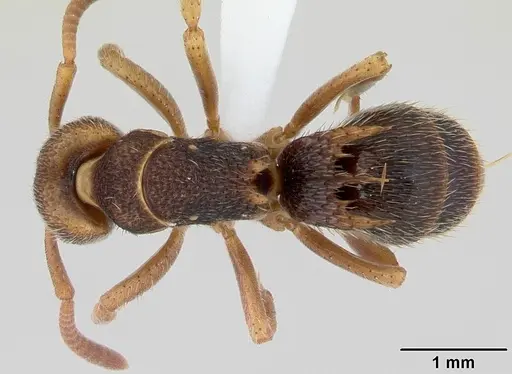
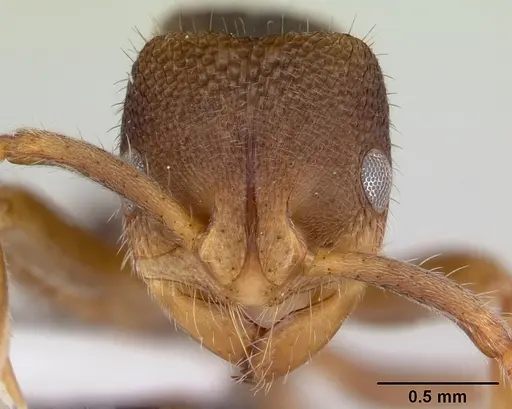
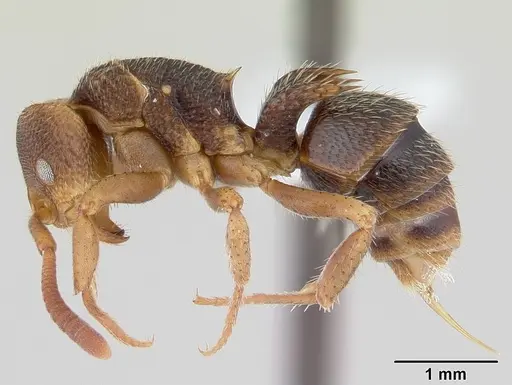
CASENT0178231
View on AntWeb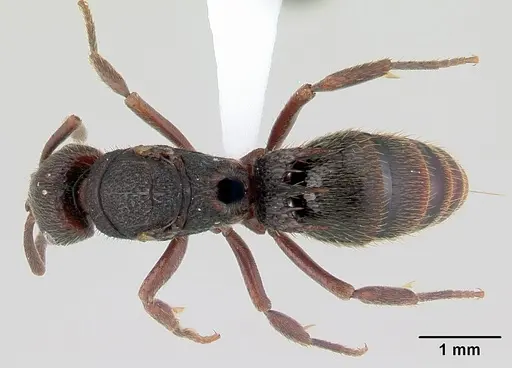
CASENT0249211
View on AntWeb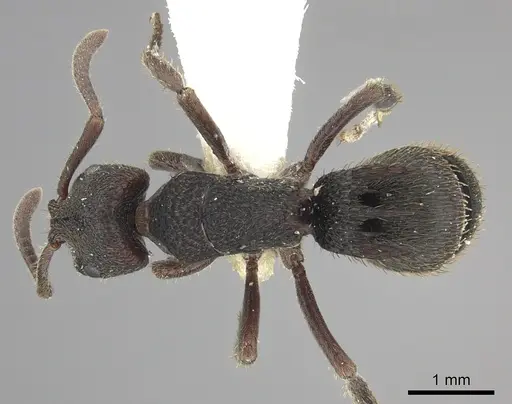
CASENT0411278
View on AntWeb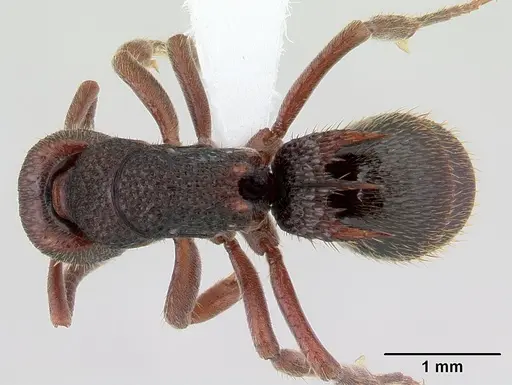
CASENT0411279
View on AntWeb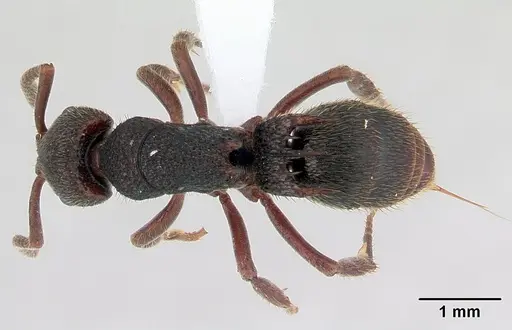
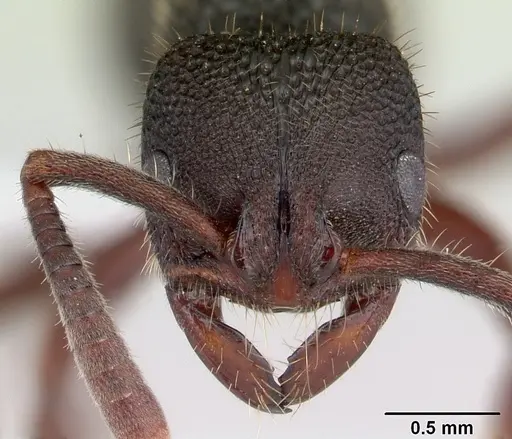
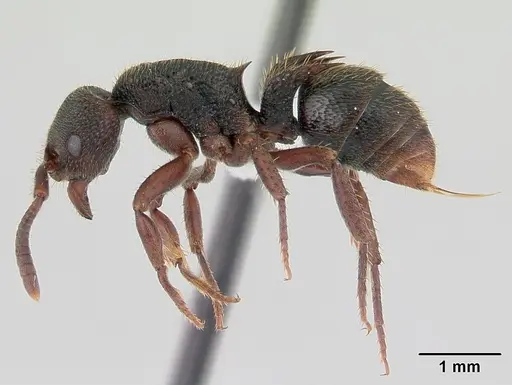
CASENT0417505
View on AntWeb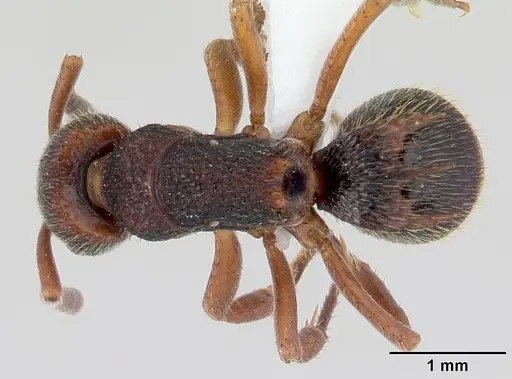
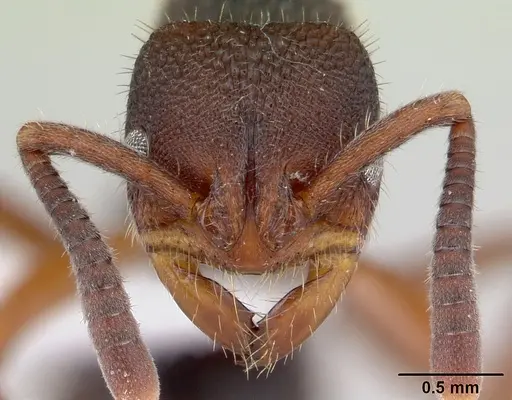
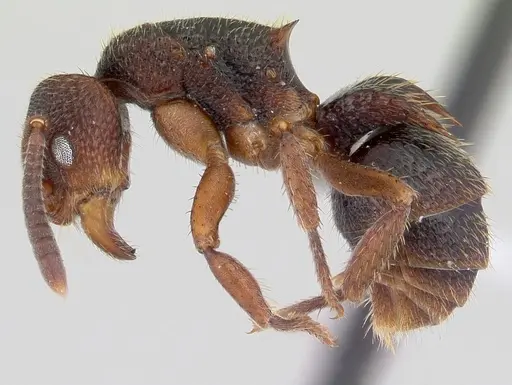
CASENT0417506
View on AntWeb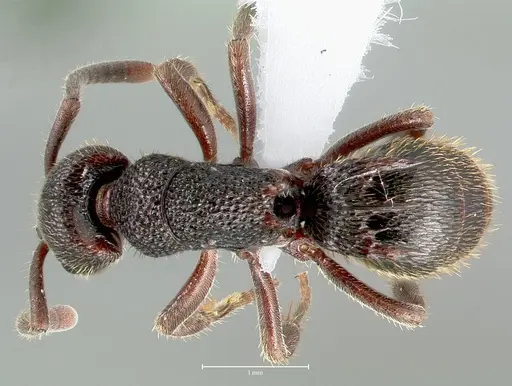
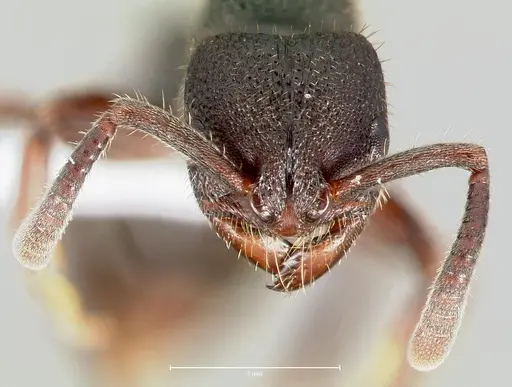
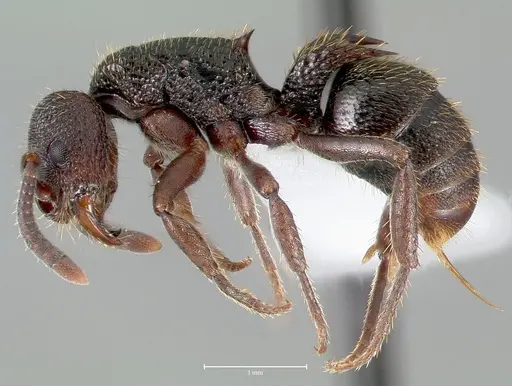
CASENT0417524
View on AntWeb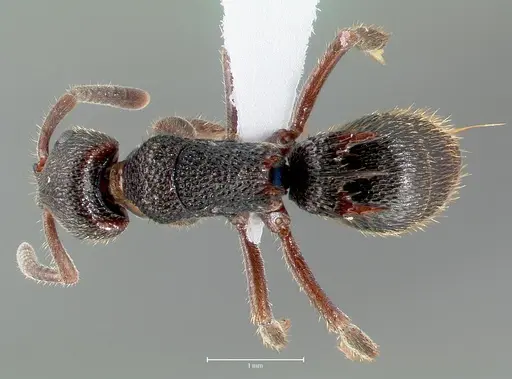
CASENT0417548
View on AntWeb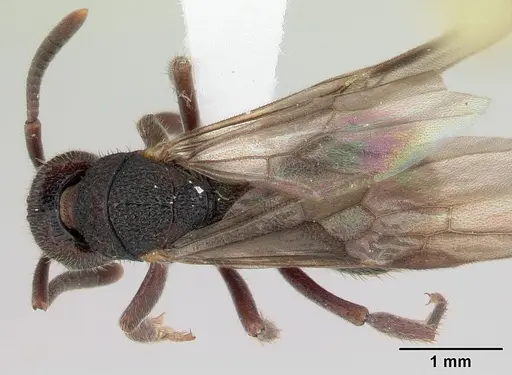
Literature
Loading distribution map...Loading products...