
Pheidole zoster
- Sci. Name
- Pheidole zoster
- Tribe
- Attini
- Subfamily
- Myrmicinae
- Author
- Wilson, 2003
- Distribution
- Found in 1 countries
Introduction
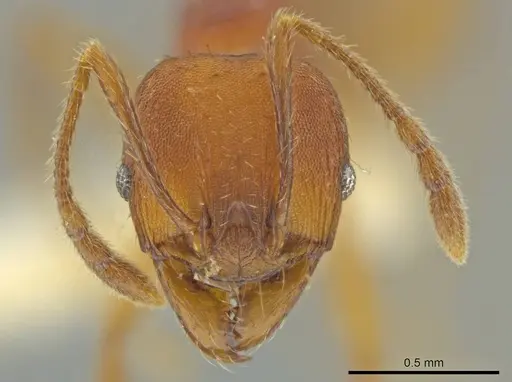
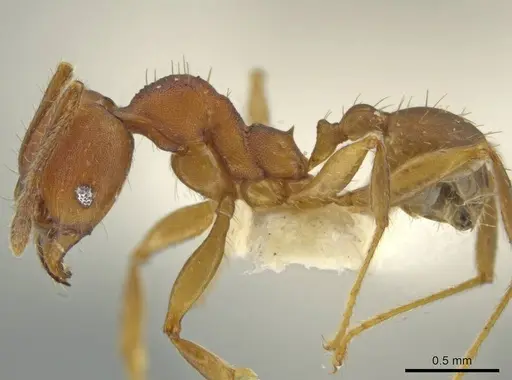
Pheidole zoster is a large Neotropical ant belonging to the tristis group, recognized by its bicolored major workers with reddish-yellow heads and mesosoma contrasting with a light brown postpetiole and gaster. Minor workers are entirely reddish-yellow. The species name 'zoster' refers to the broad postpetiolar node. It is known from Peru, Brazil, and Colombia, with records at elevations around 1938m in Colombia . A documented nest contained a seed cache and males in early March, indicating granivorous behavior and suggesting nuptial flights around that time .
Quick Summary
- Difficulty: Hard
- Origin & Habitat: Neotropical region, Peru, Brazil, Colombia. Found at elevations around 1938m in Colombia. Type locality Tingo Maria, Peru. Natural habitat specifics unconfirmed [2][1][3].
- Colony Type: Colony structure is unconfirmed. Pheidole species are typically monogyne, but no specific data for P. zoster. A documented nest contained a seed cache, suggesting granivorous behavior [4].
- Size & Growth:
- Queen: Size data unavailable, no total length measurements provided. Inferred from Pheidole genus patterns to be approximately 7-9mm.
- Worker: Size data unavailable for full body length. Head width measurements are 1.64mm for majors and 0.70mm for minors [4], but these are not body size.
- Colony: Unknown, no data available.
- Growth: Unknown
- Development: Unestimated, no development data available (Development timeline is unconfirmed. Related Pheidole species typically develop from egg to worker in 6-10 weeks at optimal temperatures.)
- Antkeeping:
- Temperature: Estimated 24-28°C based on Neotropical origin, but no specific data.
- Humidity: Keep substrate consistently moist but not waterlogged, based on Neotropical forest habitats.
- Diapause: Unknown, Neotropical species may not require hibernation [4].
- Nesting: Inferred from genus: nest in soil, under stones, or in decaying wood. In captivity, use moist substrate or Y-tong/plaster nest.
- Behavior: Behavior is unstudied. Based on genus patterns, likely relatively non-aggressive with major workers for seed processing. Escape risk is moderate due to small minor workers.
- Common Issues: small minor workers may escape easily due to their size, lack of captive data makes care experimental and challenging, diapause requirements are unknown, which may affect colony health, founding behavior is unconfirmed, making queen care difficult, wild-caught colonies may have parasites or diseases
Identification and Distinguishing Features
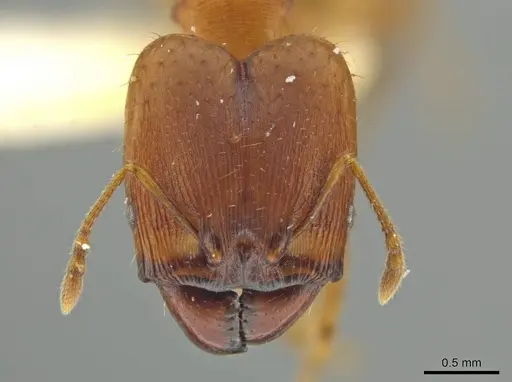
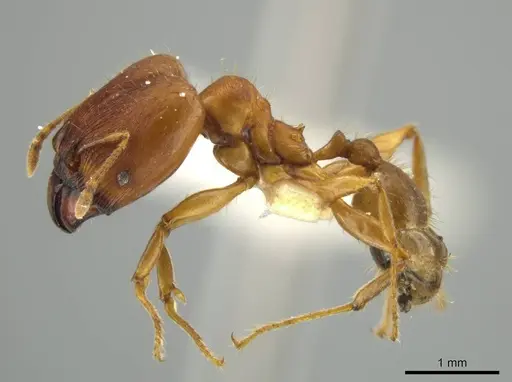
Pheidole zoster is a member of the tristis group within Pheidole, characterized by its large size and distinctive morphology. Major workers can be recognized by their very large, ovalangulate postpetiolar node (the 'belt' the species is named for), dense parallel transverse carinulae covering the promesonotum, and completely foveolate and opaque dorsal surfaces on the head and first gastral tergite. The bicolored pattern helps distinguish it from similar species. Minor workers are smaller and entirely reddish-yellow, with a somewhat elongated bell-shaped postpetiole and short, erect propodeal spines. The species has been confused with other Pheidole species but differs in body form, sculpturing, pilosity, and color [4].
Distribution and Biogeography
Pheidole zoster was originally described from Peru (type locality: Tingo Maria) and was long considered endemic to that country. However, subsequent records have expanded its known range to Brazil (including Mato Grosso) and Colombia, with the Colombian record at approximately 1938m elevation representing a significant range extension. This distribution pattern across Peru, Brazil, and Colombia places it in the Neotropical biogeographic region [1][2][3].
Feeding and Diet
The documented presence of a seed cache in at least one nest indicates that Pheidole zoster is granivorous, similar to many other Pheidole species. The large major workers are morphologically adapted for seed processing. In captivity, you should offer a varied diet including seeds/grains, protein sources, and occasionally sugar water or honey [4].
Nesting and Colony Habits
Natural nesting behavior for Pheidole zoster has not been directly documented, but the genus Pheidole typically nests in soil, under stones, or in decaying wood. One documented nest contained both a seed cache and males, providing rare insight into the species' biology. The male collection date suggests nuptial flights occur around March in at least part of their range. For captive care, provide a moist substrate or use a Y-tong/plaster nest that maintains humidity [4].
Care Considerations and Challenges
Because Pheidole zoster has not been kept in captivity by the antkeeping community, all care recommendations are based on inference from related species and limited field data. This makes the species experimental in terms of husbandry. Key uncertainties include exact temperature and humidity requirements, diapause needs, and founding behavior. If you obtain a colony, keep detailed notes on behavior and development [4].
Frequently Asked Questions
How long does it take for Pheidole zoster to go from egg to worker?
The development timeline for Pheidole zoster has not been documented. Based on related Pheidole species, expect approximately 6-10 weeks from egg to first worker at optimal temperatures, but this is an estimate [4].
What do Pheidole zoster ants eat?
They are granivorous (seed-eating) like other Pheidole species, with a documented seed cache in their nests. In captivity, offer seeds, protein, and occasional sugar water [4].
Are Pheidole zoster ants good for beginners?
This species cannot be recommended for beginners due to the lack of captive husbandry data. All care information is inferred from related species [4].
Do Pheidole zoster ants need hibernation?
Diapause requirements are unknown. As a Neotropical species, they likely do not require true hibernation but may have seasonal periods of reduced activity [4].
How big do Pheidole zoster colonies get?
Colony size is unconfirmed for this species. No data on maximum colony size is available [4].
What temperature should I keep Pheidole zoster at?
Temperature requirements are unconfirmed. Based on their Neotropical origin, start with warm conditions around 24-28°C, but monitor your colony.
What humidity level do Pheidole zoster ants need?
Humidity requirements are unconfirmed. Assume moderate to high humidity typical of Neotropical forest species, and keep the nest substrate consistently moist but not waterlogged.
When do Pheidole zoster nuptial flights occur?
Nuptial flight timing is not well documented, but males were collected from a nest in early March, suggesting flights may occur around that time in at least part of their range [4].
Can I keep multiple Pheidole zoster queens together?
Colony structure (monogyne vs polygyne) is unconfirmed for this species. Pheidole species are typically monogyne, but do not attempt combining unrelated queens without evidence [4].
What makes Pheidole zoster different from other Pheidole species?
Pheidole zoster belongs to the tristis group and is distinguished by its very large, broad postpetiolar node, dense carinulae on the promesonotum, and completely foveolate dorsal surfaces [4].
Report an Issue
The current care sheet is based fully on literature. See inconsistencies, or something that's incorrect? Please , it will be resolved after review from an admin. Contributing to the blogs tab also helps providing information, to make us be able to further improve the caresheets. Thank you for your support!
References

This caresheet is licensed under CC BY-SA 4.0 .
Community Blogs
CASENT0645898
View on AntWeb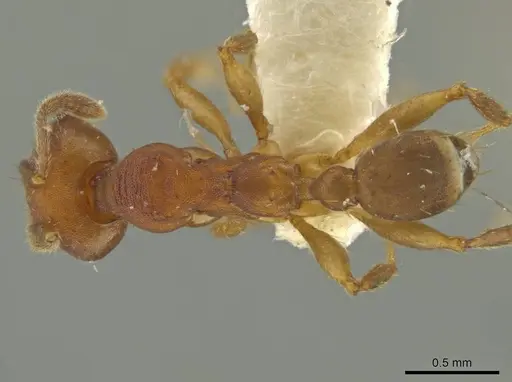
JTLC000016582
View on AntWeb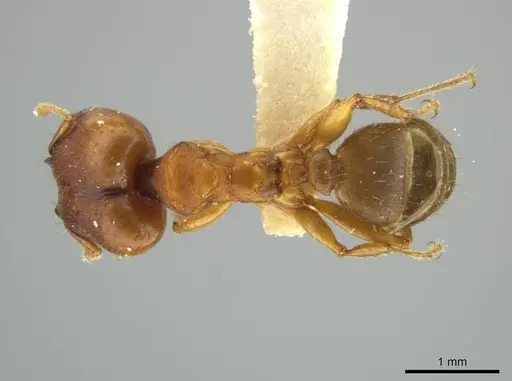
Literature
Loading distribution map...Loading products...