
Pheidole zeteki
- Sci. Name
- Pheidole zeteki
- Tribe
- Attini
- Subfamily
- Myrmicinae
- Author
- Smith, 1947
- Distribution
- Found in 5 countries
Introduction
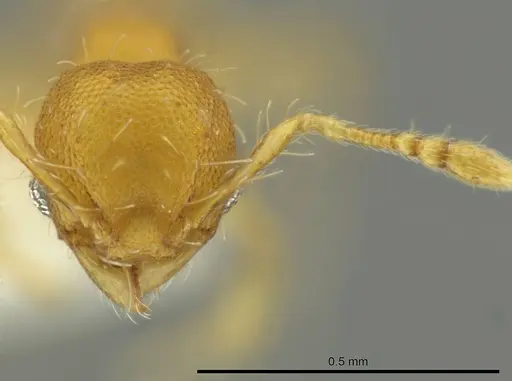
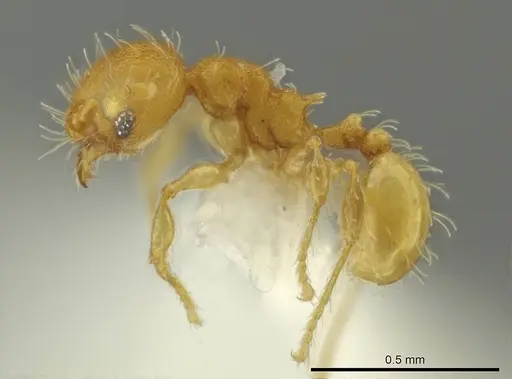
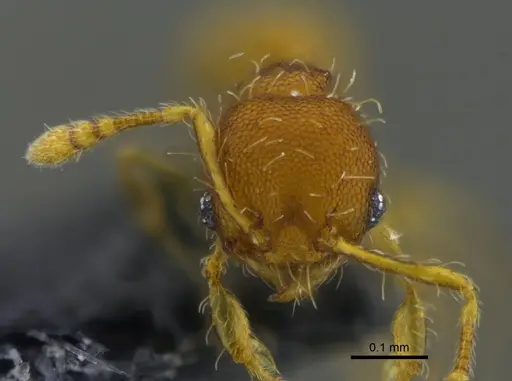
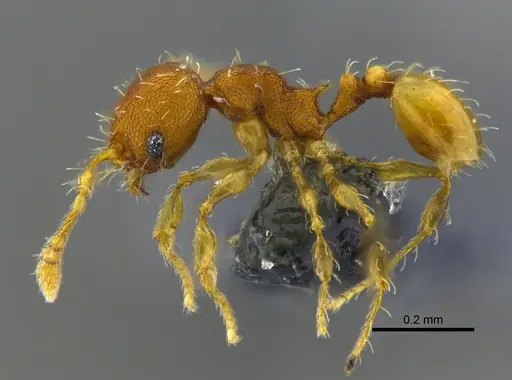
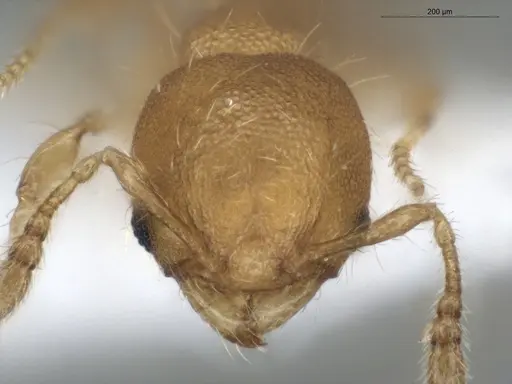
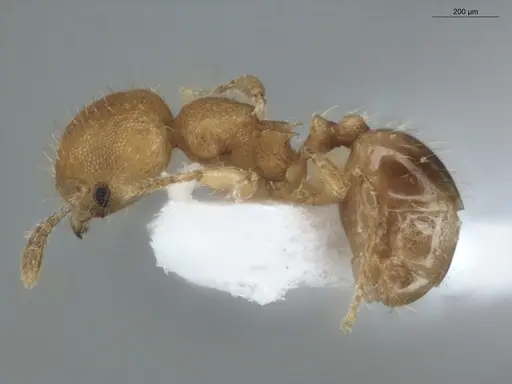
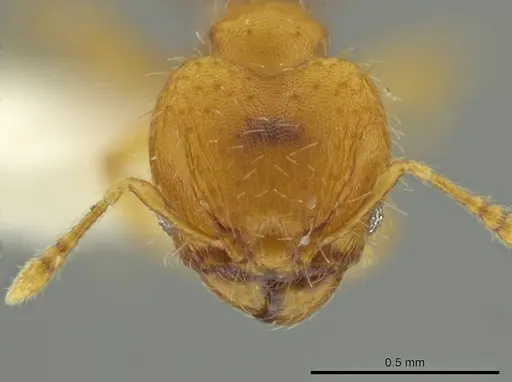
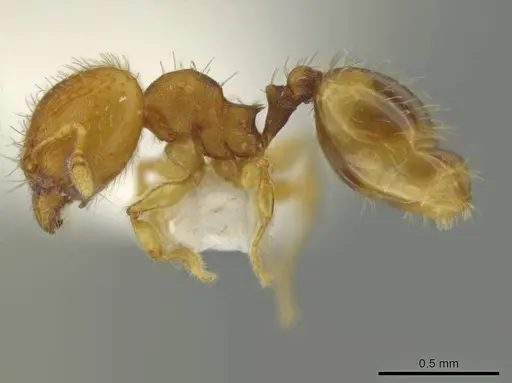
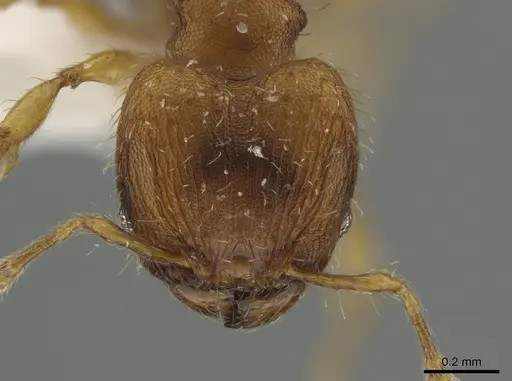
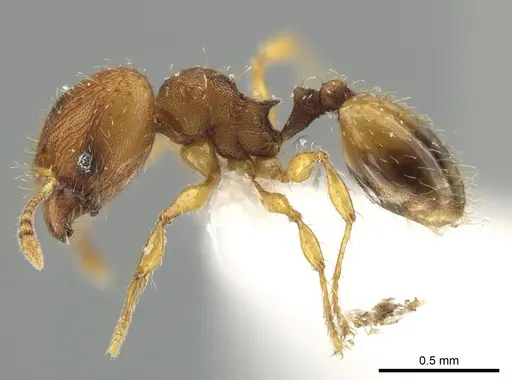
Pheidole zeteki is a very small Neotropical ant species. Major workers are uniform medium yellow, and minor workers are light reddish yellow . It is found in Panama, Trinidad, Ecuador, Peru, Brazil, and French Guiana . In Trinidad, colonies nest in very decayed logs in montane rainforest . The species is named after James Zetek, an early biologist at the Barro Colorado field station in Panama .
Quick Summary
- Difficulty: Medium
- Origin & Habitat: Neotropical rainforest regions, nesting in decayed logs in montane areas [1][2]
- Colony Type: Unconfirmed, no specific data on queen number or social structure
- Size & Growth:
- Queen: Size data unavailable
- Worker: Size data unavailable, head widths are 0.66mm for majors and 0.32mm for minors [1], but these are not full body measurements
- Colony: Unknown, no data on colony size
- Growth: Moderate, inferred from tropical Pheidole species patterns
- Development: Estimated 6-8 weeks at warm temperatures, inferred from genus patterns (Development is temperature-dependent and faster in warm conditions)
- Antkeeping:
- Temperature: Keep warm, around 24-28°C, as inferred from tropical habitat [2]
- Humidity: Keep substrate consistently moist but not waterlogged, as they nest in decayed wood [2]
- Diapause: No, tropical species do not require hibernation
- Nesting: Prefer moist, decaying wood or soil nests, Y-tong or plaster nests work well [2]
- Behavior: Workers are not aggressive and forage individually or in small groups. Escape risk is high due to tiny size, so use barrier precautions like fluon on test tube rims.
- Common Issues: slow colony growth may frustrate beginners., moisture management is critical to prevent fungal issues or desiccation., escape prevention is important due to tiny minor workers., limited species-specific care data available, so care is based on genus inference.
Nest Preferences and Housing
In the wild, Pheidole zeteki nests in very decayed, rotting wood within tropical rainforest environments [2]. For captive care, provide a nest that mimics these conditions, consistently moist but not waterlogged. A Y-tong or plaster nest with damp substrate works well. Alternatively, a naturalistic setup with moist soil and pieces of decaying wood allows natural nesting behaviors. Test tubes can work for founding colonies, but monitor moisture carefully due to small colony size [2].
Feeding and Diet
Pheidole species are generalist foragers. They collect seeds, tend aphids for honeydew, and hunt small insects. Offer small protein sources like fruit flies or pinhead crickets, and sugar water or honeydew as energy [3]. Ensure prey is appropriately sized for their tiny workers. Feed protein 2-3 times per week and provide constant access to sugar sources.
Temperature and Seasonal Care
As a tropical species, keep temperatures warm around 24-28°C for optimal development [2]. Avoid temperatures below 20°C or above 32°C. They do not require diapause or hibernation. A gentle heat gradient allows workers to self-regulate.
Colony Development and Growth
This is a very small ant species, with major workers having head width 0.66mm and minors 0.32mm [1]. Colony growth is slow, and first workers may emerge 6-8 weeks after founding at warm temperatures. The colony will remain small, but no specific size data is available [1].
Behavior and Temperament
Pheidole zeteki is a non-aggressive species typical of leaf-litter communities. Workers forage individually or in small groups. Major workers have long propodeal spines, but the species is not considered aggressive. Escape risk is high due to tiny size, so use standard barrier methods [2].
Frequently Asked Questions
How long does it take for Pheidole zeteki to produce first workers?
Expect first workers to emerge 6-8 weeks after founding at optimal temperatures of 24-28°C, inferred from genus patterns [2].
What do Pheidole zeteki ants eat?
They are generalist foragers. Offer small protein sources like fruit flies and sugar water [3].
Can I keep multiple queens together in one colony?
Not recommended, as colony structure is unconfirmed and most Pheidole species are single-queen.
What temperature is ideal for Pheidole zeteki?
Keep them at 24-28°C, as inferred from their tropical habitat [2].
How big do Pheidole zeteki colonies get?
Colony size is unknown, as no data is available from research.
Are Pheidole zeteki good for beginners?
This species is rated Medium difficulty due to slow growth and limited care data. Beginners may find it challenging.
Do they need hibernation or diapause?
No, as a tropical species, they do not require hibernation.
What type of nest should I use?
A naturalistic setup with damp substrate and decaying wood works well, or Y-tong/plaster nests [2].
Why are my ants not growing?
Check temperature and humidity first. This species grows slowly by nature, so patience is needed.
Report an Issue
The current care sheet is based fully on literature. See inconsistencies, or something that's incorrect? Please , it will be resolved after review from an admin. Contributing to the blogs tab also helps providing information, to make us be able to further improve the caresheets. Thank you for your support!
References

This caresheet is licensed under CC BY-SA 4.0 .
Community Blogs
CASENT0636804
View on AntWeb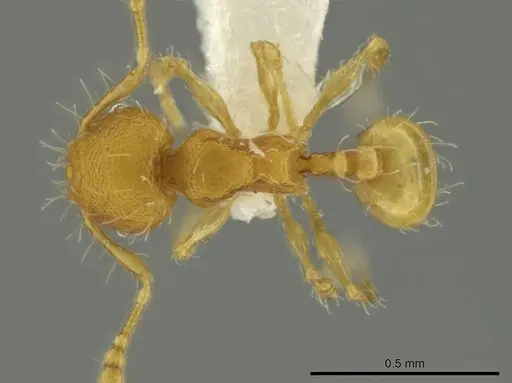
CBUMAGENT42024
View on AntWeb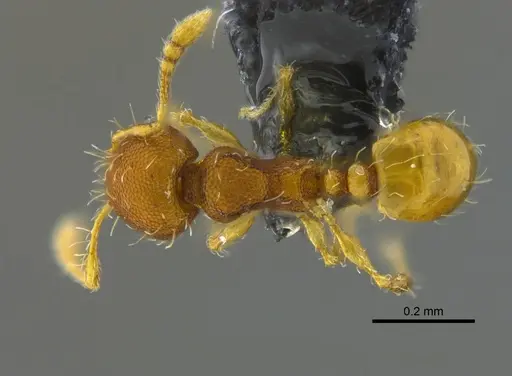
ECOFOG-IT14-0810-36
View on AntWeb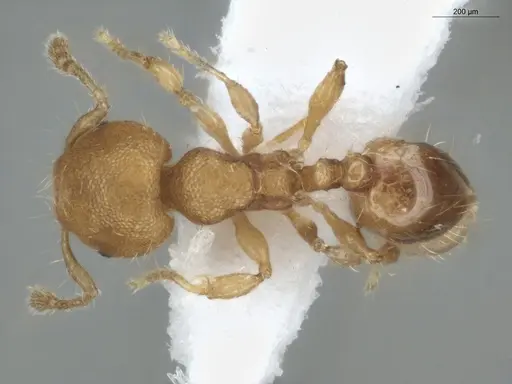
JTLC000016581
View on AntWeb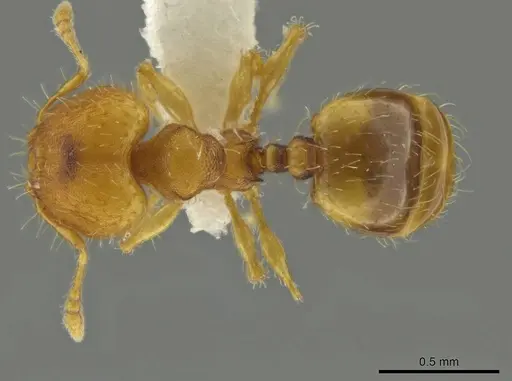
SPYC0005741
View on AntWeb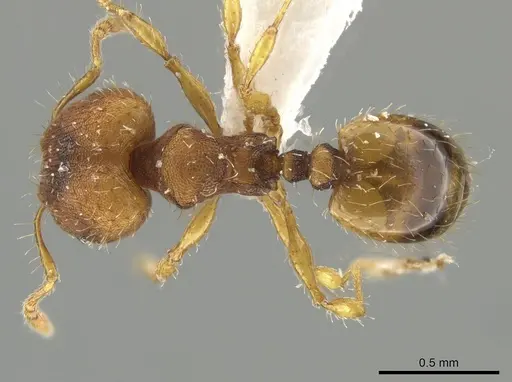
SPYC0008000
View on AntWeb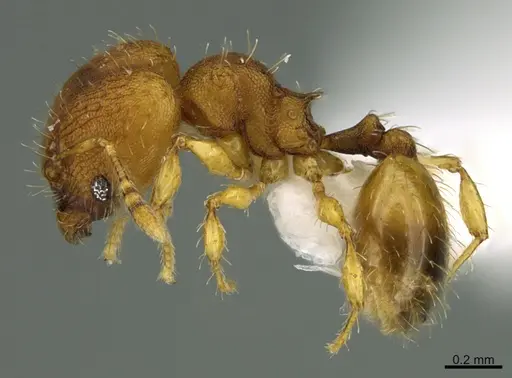
Literature
Loading distribution map...Loading products...