
Pheidole yucatana
- Sci. Name
- Pheidole yucatana
- Tribe
- Attini
- Subfamily
- Myrmicinae
- Author
- Wilson, 2003
- Distribution
- Found in 1 countries
Introduction
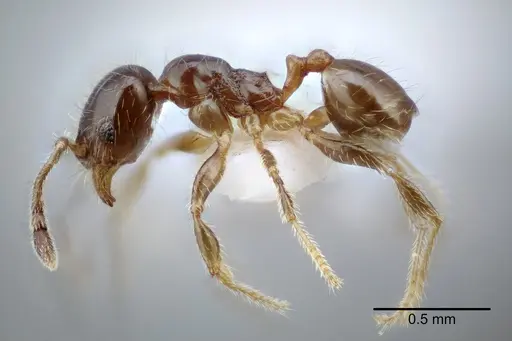
Pheidole yucatana is a small ant species native to Mexico, with major workers having reddish-brown bodies and minor workers having lighter brown bodies with yellow tarsi and tibiae . Body size data is unavailable, as no total length measurements are provided . This species is endemic to Mexico, found in Yucatán, Hidalgo, and Puebla states, inhabiting dry soil at roadside locations and pine-oak forests at elevations from sea level to 2,272 meters .
Quick Summary
- Difficulty: Hard
- Origin & Habitat: Mexico, from Yucatán Peninsula to central highlands, in dry soil and pine-oak forests [1][2]
- Colony Type: Colony structure is unconfirmed. No specific data on queen number [1]
- Size & Growth:
- Queen: Size data unavailable, inferred from Pheidole genus patterns as approximately 5-8 mm
- Worker: Size data unavailable, inferred from Pheidole genus patterns, with majors larger than minors
- Colony: Up to 500 workers, estimated based on typical Pheidole colonies
- Growth: Unknown, estimated moderate based on genus patterns
- Development: Unknown, estimated 6-10 weeks at optimal temperature, based on related species (Development data is unavailable, estimates are inferred from genus patterns)
- Antkeeping:
- Temperature: Estimated 22-28°C, provide a gradient allowing self-regulation, based on genus patterns
- Humidity: Low to moderate, natural habitat is dry soil, so keep substrate moderately dry but not waterlogged [1][2]
- Diapause: Unknown, no data on hibernation [1]
- Nesting: Natural nesting in dry soil. In captivity, use test tubes or Y-tong nests with dry substrate [2]
- Behavior: Behavior is unstudied. Based on Pheidole genus patterns, majors may defend the colony and minors handle foraging and brood care. Escape risk is moderate due to small size, requiring standard prevention measures
- Common Issues: biology is almost entirely unknown, making care experimental [1], growth rate and development are uncertain, which may challenge beginners, feeding preferences are undocumented, requiring experimentation, hibernation requirements are unknown, which may affect colony survival [1], limited availability in the ant trade [2]
Discovery and Distribution
Pheidole yucatana was described by E.O. Wilson in 2003 from specimens collected 11 km south of Progreso in the Yucatán Peninsula of Mexico. The species name derives from the Yucatán region. Subsequent surveys expanded the range to include Hidalgo and Puebla states, with specimens found at Flor del Bosque at 2,272 m elevation in pine-oak forest [1]. This elevation difference suggests ecological flexibility, but the reasons remain unknown [1].
Identification and Morphology
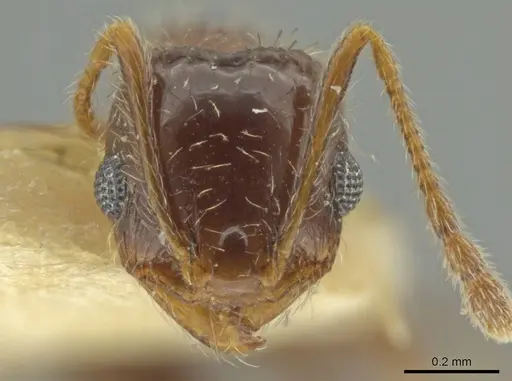
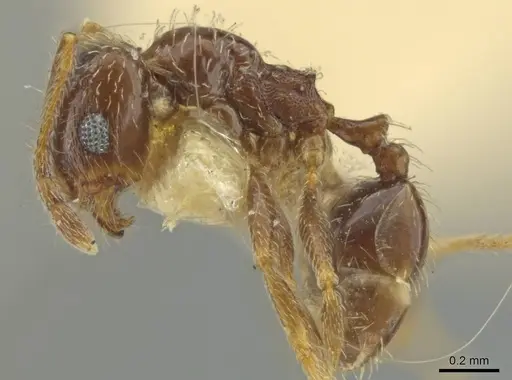
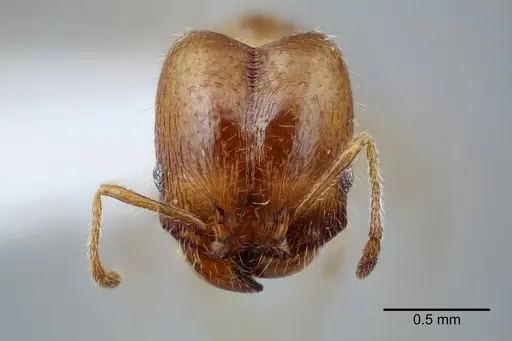
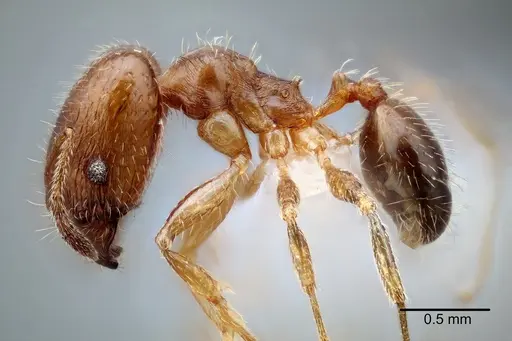
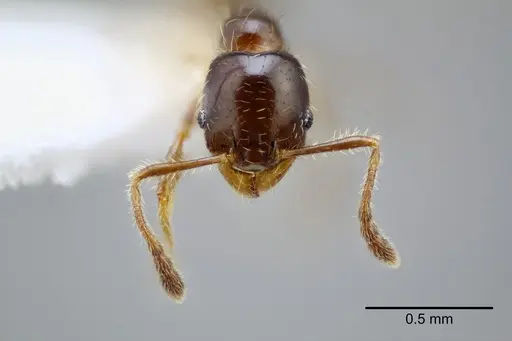
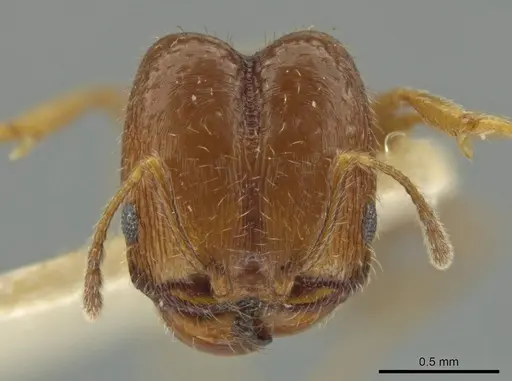
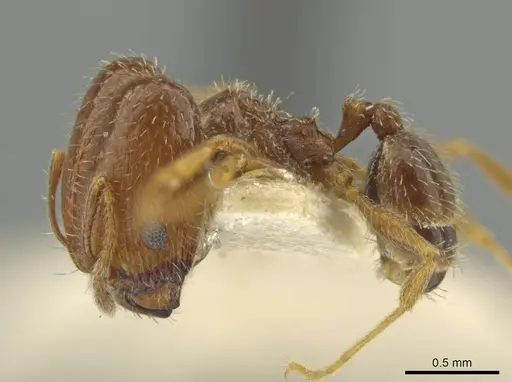
This species belongs to the bicarinata complex within the pilifera group, characterized by large forward-set eyes in both castes. Major workers have smooth, shiny occipital lobes with sparse foveae and fine carinulae extending from behind the eyes to the occipital corners. Minor workers share reduced propodeal spines and large eyes. Color differs: majors are medium reddish-brown, minors are lighter brown with yellow tarsi and tibiae [1].
Natural Nesting and Collection
The only documented nesting observation is from a nest in dry soil at a roadside location, with a winged queen present on July 25th [2]. This suggests possible summer activity, but nuptial flight timing is unknown. The dry soil habitat is consistent with many Pheidole species [1][2].
Keeping Considerations
Since Pheidole yucatana has never been kept in captivity, care is experimental. Start with test tube setups for founding, moderate temperatures, and dry substrate. Feed varied foods including seeds, protein, and sugar sources. Monitor colony activity and adjust conditions. Document observations as this species is poorly known [1].
Related Species Context
Pheidole yucatana is part of a complex including P. agricola, P. aurea, and others, sharing large eyes and smooth occipital areas in majors. In Mexico, the genus has many species, with P. yucatana being recently described and least-studied. Related species like P. xerophila occupy dry habitats, suggesting P. yucatana may prefer non-humid conditions [1].
Frequently Asked Questions
How do I care for Pheidole yucatana ants?
Care is experimental due to lack of captive data. Start with test tube setup, room temperature (22-25°C), and moderately dry substrate. Feed varied foods including seeds, protein, and sugar sources. Monitor and adjust based on activity.
What do Pheidole yucatana ants eat?
Diet is unconfirmed. Based on genus patterns, they likely accept seeds, small insects, and sugar sources. Offer varied diet and remove uneaten food to prevent mold.
How long does it take for Pheidole yucatana to develop from egg to worker?
Development time is unknown. Based on related species, estimate 6-10 weeks at optimal temperature.
Is Pheidole yucatana good for beginners?
Not recommended for beginners due to complete lack of captive care data. This species is rare in the hobby and requirements are unknown [1].
How big do Pheidole yucatana colonies get?
Colony size is unknown. Based on typical Pheidole patterns, expect up to 500 workers.
Where is Pheidole yucatana found in the wild?
This species is endemic to Mexico, known from Yucatán Peninsula and inland states like Hidalgo and Puebla, at elevations from sea level to over 2,200 meters [1].
Does Pheidole yucatana need hibernation?
Hibernation requirements are unknown. As a Mexican species, it may have seasonal activity reduction, but true diapause is not documented [1].
Can I keep multiple Pheidole yucatana queens together?
Colony structure is unconfirmed. Most Pheidole are monogyne, but polygyny has been documented in some species. Do not combine queens without research.
What makes Pheidole yucatana different from other Pheidole?
This species is distinguished by large forward-set eyes, smooth shiny occipital area in majors, and yellow tarsi and tibiae in minors. It belongs to the bicarinata complex, and its biology is largely unknown [1].
Report an Issue
The current care sheet is based fully on literature. See inconsistencies, or something that's incorrect? Please , it will be resolved after review from an admin. Contributing to the blogs tab also helps providing information, to make us be able to further improve the caresheets. Thank you for your support!
References

This caresheet is licensed under CC BY-SA 4.0 .
Community Blogs
CASENT0645895
View on AntWeb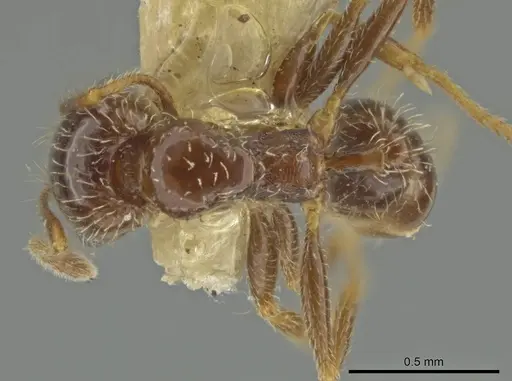
CASENT0649700
View on AntWeb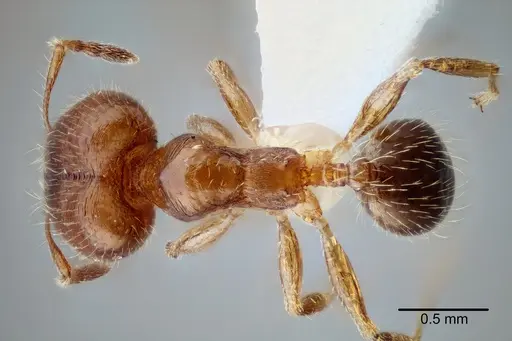
CASENT0649701
View on AntWeb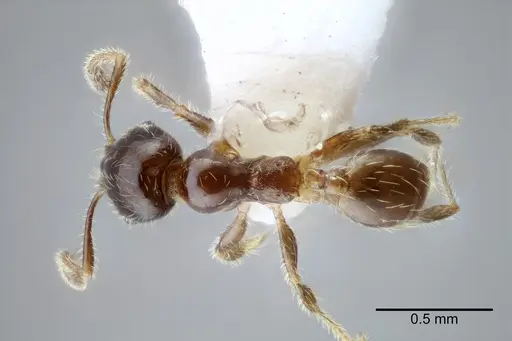
JTLC000016579
View on AntWeb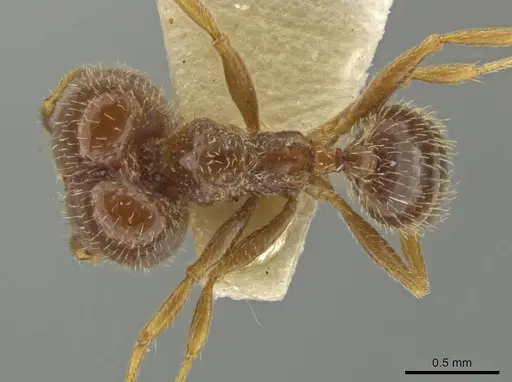
Literature
Loading distribution map...Loading products...