
Pheidole yeensis
- Sci. Name
- Pheidole yeensis
- Tribe
- Attini
- Subfamily
- Myrmicinae
- Author
- Forel, 1902
- Distribution
- Found in 1 countries
Introduction
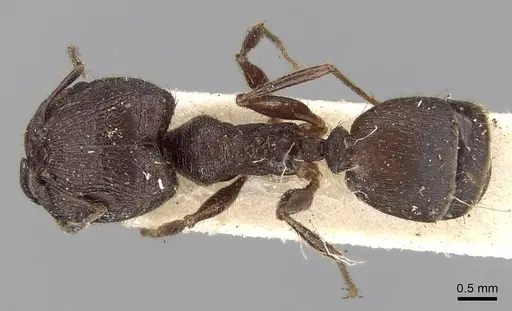
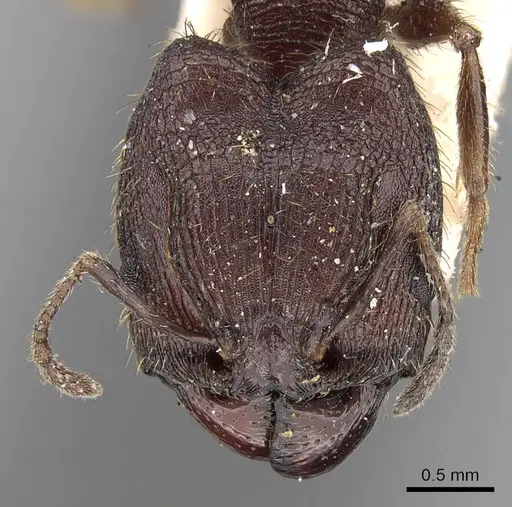
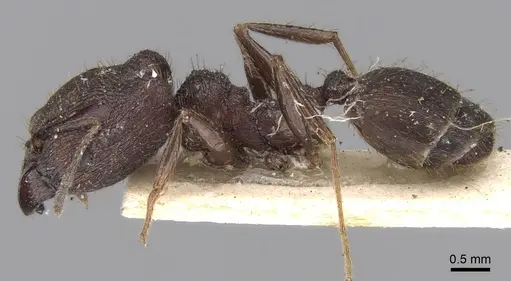
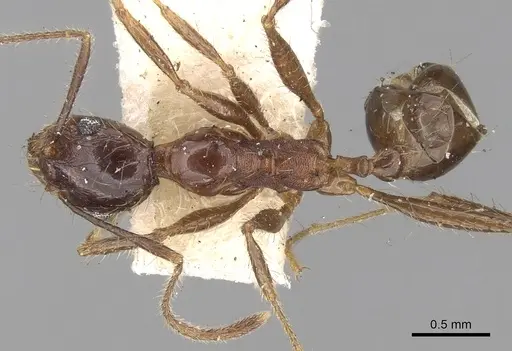
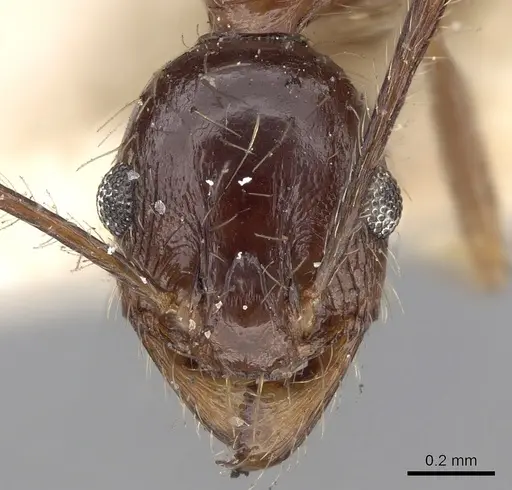
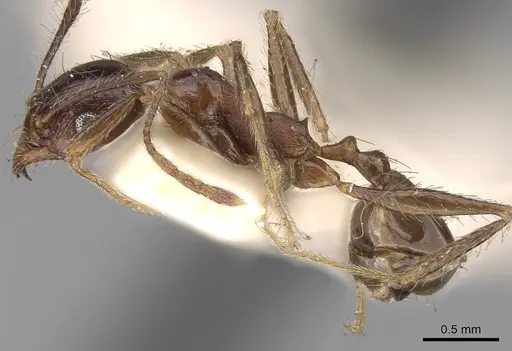
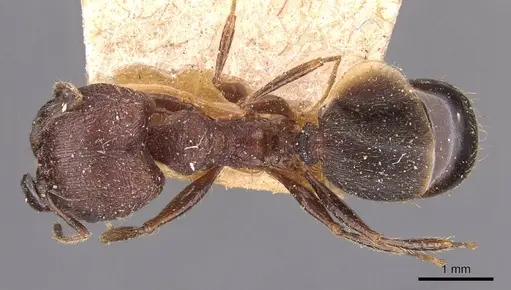
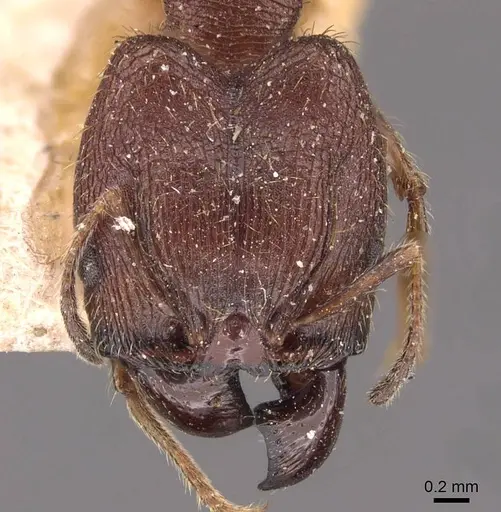
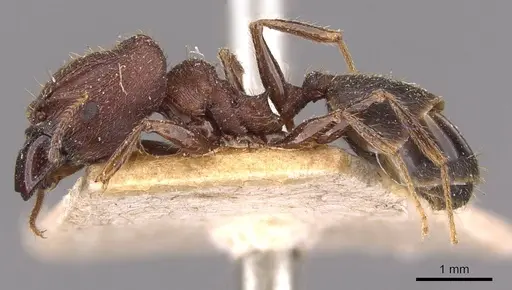
Pheidole yeensis is a small to medium-sized ant species native to the Indo-Chinese subregion, including Myanmar, Thailand, Vietnam, Laos, and southern China . Minor workers are 2.7-3.0 mm and major workers (soldiers) are 5.8-6.3 mm . The species thrives in open lands, agricultural fields, and gardens, nesting directly in soil with a characteristic raised soil wall around the entrance . It is highly dominant in rural areas of northern Vietnam, where it ranks among the most common Pheidole species .
Quick Summary
- Difficulty: Easy
- Origin & Habitat: Indo-Chinese subregion (Myanmar, Thailand, Vietnam, Laos, southern China). Found in open lands, agricultural fields, and gardens, preferring disturbed areas over forests [1][2][3].
- Colony Type: Based on typical Pheidole genus patterns, likely monogyne (single queen), but colony structure is unconfirmed for this species.
- Size & Growth:
- Queen: Size data unavailable, inferred from Pheidole genus (~8-10 mm)
- Worker: Minor workers: 2.7-3.0 mm [4], Major workers: 5.8-6.3 mm [4]
- Colony: Up to several thousand workers
- Growth: Moderate
- Development: 6-10 weeks (Development time is estimated from genus-level data since specific timing is not documented for this species)
- Antkeeping:
- Temperature: Keep at 24-28°C, as this species originates from tropical regions [1]. A heating gradient is recommended.
- Humidity: Keep substrate lightly moist but not waterlogged, reflecting their soil-nesting habitat [1][5]
- Diapause: No, tropical species do not require hibernation [1]
- Nesting: Soil-nesting species, use naturalistic soil setups or Y-tong/plaster nests with moist substrate [1][5]
- Behavior: Active ground-foragers that prey on and scavenge small invertebrates, including other ants [1]. Soldiers defend with enlarged mandibles. Show high individual aggression toward fire ants but suffer high group mortality [6]. Not particularly aggressive toward keepers, sting is not medically significant.
- Common Issues: minor workers can escape through standard barriers, use fine mesh or fluon due to small size [4], colonies are vulnerable to fire ant attacks in group confrontations, keep separate from Solenopsis species [6], soil nesting requires moisture management, avoid drying out or waterlogging [1], soldier production may be slow until colony is well-established [7]
Nest Preferences and Housing
Pheidole yeensis nests directly in soil, building prominent soil walls around nest entrances in the wild [1][5]. For captivity, use a naturalistic soil setup or a Y-tong/plaster nest with moist substrate. Test tubes work for founding colonies, but upgrade as the colony grows. Provide depth for expansion and maintain substrate moisture [1].
Feeding and Diet
Workers forage on the ground, preying on and scavenging small invertebrates, including other ants like Odontoponera denticulata [1]. Offer protein sources (e.g., fruit flies, pinhead crickets) 2-3 times per week and constant sugar water. Soldiers can process larger prey [1].
Temperature and Seasonal Care
As a tropical species, keep temperatures at 24-28°C for optimal activity [1]. No diapause is needed. Use a heating cable for a gradient if room temperature is below 22°C.
Behavior and Defense
Soldiers have enlarged heads for defense and seed processing [7]. The species shows high aggression toward fire ants but suffers 98% mortality in group attacks [6]. Venom resistance is low (22.46% mortality) [6]. Keepers should use standard barriers due to small minor workers.
Colony Development
Colonies likely develop through claustral founding, but this is unconfirmed. First workers appear in 6-10 weeks at warm temperatures. Soldiers typically emerge once the colony reaches several hundred workers [7].
Frequently Asked Questions
How long does it take for Pheidole yeensis to produce first workers?
Based on typical Pheidole development, expect first workers in 6-10 weeks at 24-28°C.
What do Pheidole yeensis ants eat?
They are predatory and scavenging ground-foragers. Feed small insects and sugar water [1].
Do Pheidole yeensis ants need hibernation?
No, as a tropical species, they do not require hibernation [1].
What size colony does Pheidole yeensis reach?
Colony size is not documented, but up to several thousand workers is estimated based on typical Pheidole species.
Are Pheidole yeensis good for beginners?
Yes, they are adaptable and easy to keep, with straightforward soil-nesting behavior.
Can I keep multiple queens together?
Likely not, as this species probably forms single-queen colonies based on genus patterns. Combining queens may lead to fighting.
What is the best nest type for Pheidole yeensis?
Soil-based nests or Y-tong/plaster nests with moist substrate are suitable [1][5].
Why are my Pheidole yeensis dying?
Common causes include low temperatures, improper moisture, insufficient feeding, or attacks from other ants like fire ants [6][1].
When will my colony produce soldiers?
Soldiers typically appear once the colony reaches several hundred workers, usually within 6-12 months [7].
Report an Issue
The current care sheet is based fully on literature. See inconsistencies, or something that's incorrect? Please , it will be resolved after review from an admin. Contributing to the blogs tab also helps providing information, to make us be able to further improve the caresheets. Thank you for your support!
References

This caresheet is licensed under CC BY-SA 4.0 .
Community Blogs
Literature
Loading distribution map...Loading products...