
Pheidole xyston
- Sci. Name
- Pheidole xyston
- Tribe
- Attini
- Subfamily
- Myrmicinae
- Author
- Wilson, 2003
- Distribution
- Found in 2 countries
Introduction
Pheidole xyston is a dimorphic ant native to the cloud forests of southern Mexico and Guatemala. It has a medium brown body with yellowish brown appendages and is found at elevations of 1280-1400m in the Mexican Transition Zone . This species is a forest specialist that dominates restored tropical cloud forests even after 23 years of recovery .
Quick Summary
- Difficulty: Unknown, limited data available
- Origin & Habitat: Cloud forests of southern Mexico (Veracruz, Puebla, Oaxaca, Chiapas) and Guatemala at 1280-1400m elevation [1][2]
- Colony Type: Unconfirmed, biology is unknown [1]
- Size & Growth:
- Queen: Size data unavailable, no total length measurements provided
- Worker: Size data unavailable, no total length measurements provided
- Colony: Unknown, no colony size data available
- Growth: Unknown, no development data available
- Development: Unknown, no specific data available [1] (Development timeline is unconfirmed for this species)
- Antkeeping:
- Temperature: Keep around 22-26°C based on cloud forest origin [1][3]
- Humidity: Maintain moderate to high humidity. Cloud forest origin suggests damp conditions [3][1]
- Diapause: Unknown, no data on overwintering requirements [1]
- Nesting: In nature, they nest in rotting wood and forest floor debris [3]. For captivity, use Y-tong or plaster nests with moisture reservoirs.
- Behavior: Behavior is unstudied in captivity. Based on typical Pheidole patterns, they are likely active foragers. Escape prevention should be moderate due to small size.
- Common Issues: limited data makes care recommendations uncertain, proceed with caution and observe colony behavior, humidity control is important to prevent desiccation given their cloud forest origin, small size requires careful escape prevention in nest connections, growth rate is unknown, so patience may be needed during founding, no captive breeding data available, wild-caught colonies may have collection-related stress
Natural History and Distribution
Pheidole xyston is endemic to the cloud forests of southern Mexico and Guatemala, specifically in Veracruz, Puebla, Oaxaca, and Chiapas [1]. It is classified as a forest specialist, preferring intact habitats over disturbed areas [4]. Studies show it dominates restored forests after 23 years, indicating recovery potential [2]. The cloud forest environment provides consistent moisture and moderate temperatures year-round.
Identification and Morphology
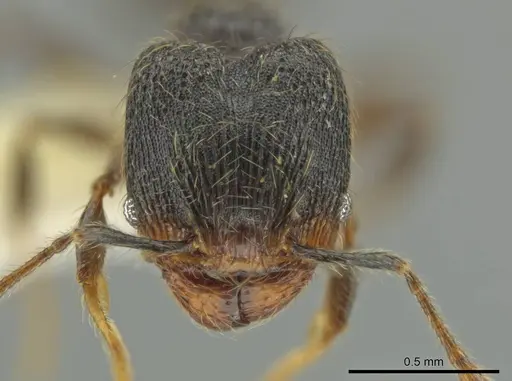
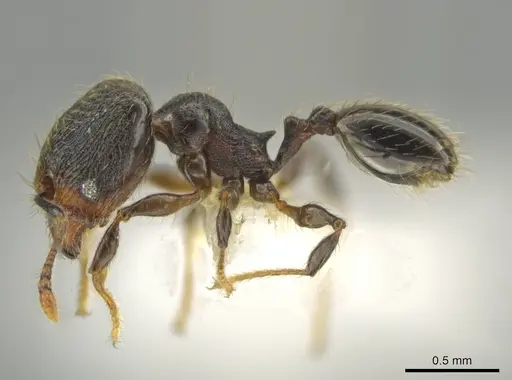
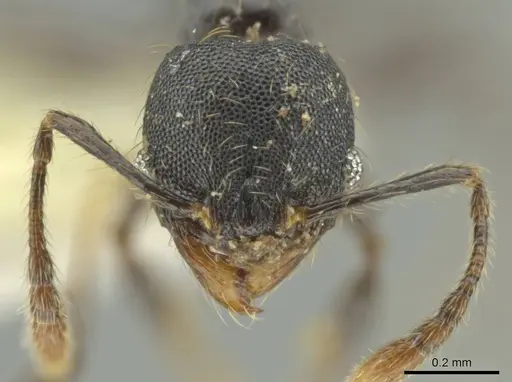
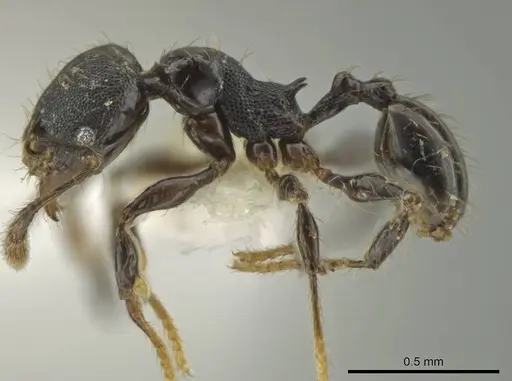
Pheidole xyston is dimorphic with major and minor workers. Major workers have a head width of 0.70mm and rugoreticulate occipital lobes, while minor workers have a head width of 0.42mm and a smooth pronotum with a toothed humerus [1]. The species name refers to the long propodeal spine of minor workers [3]. Coloration is medium brown with yellowish brown appendages [3].
Housing and Nesting
In nature, Pheidole xyston nests in rotting wood and forest floor debris [3]. For captivity, use Y-tong or plaster nests with moisture reservoirs to maintain humidity. Ensure nest chambers are scaled to their small size and connections are snug to prevent escapes.
Feeding and Diet
Diet is unstudied for this species. Based on typical Pheidole patterns, offer varied foods: protein sources like small insects, seeds, and sugar water. Remove uneaten food after 24-48 hours to prevent mold. Observe colony preferences as specific data is lacking.
Temperature and Seasonal Care
As a cloud forest species, Pheidole xyston likely prefers moderate, stable temperatures around 22-26°C [1][3]. Provide a temperature gradient using gentle heating. Diapause requirements are unknown, but cooler winter temperatures may slow activity naturally.
Colony Development and Growth
No specific development data exists for Pheidole xyston. Based on typical Pheidole patterns, founding may involve claustral behavior, but this is unconfirmed. Development timelines are unknown, and colony growth is gradual. Patience is essential during founding stages.
Frequently Asked Questions
How long does it take for Pheidole xyston to produce first workers?
The egg-to-worker timeline is unknown for this species [1]. No specific data is available, so estimates cannot be provided.
What do Pheidole xyston ants eat?
Diet is unstudied, but typical Pheidole species are omnivorous. Offer small protein sources, seeds, and sugar water, and remove uneaten food to prevent mold.
Are Pheidole xyston ants difficult to keep?
Difficulty is unknown due to limited data. Their cloud forest origin suggests needs for consistent humidity and moderate temperatures, and their small size requires escape prevention.
Do Pheidole xyston ants need hibernation?
Diapause requirements are unknown [1]. As a cloud forest species, they may not require full hibernation, but cooler temperatures can slow activity.
What size nest do Pheidole xyston ants need?
Use nests with small chambers scaled to their size, such as Y-tong or plaster nests with moisture reservoirs [3]. Ensure connections are snug to prevent escapes.
Can I keep multiple Pheidole xyston queens together?
Colony structure is unconfirmed [1]. Most Pheidole are single-queen, but combining queens is not recommended without specific data.
How big do Pheidole xyston colonies get?
Maximum colony size is unknown [1]. No data is available for this species.
What temperature should I keep Pheidole xyston at?
Aim for 22-26°C based on cloud forest origin [1][3]. Use a gentle heat gradient and adjust based on colony behavior.
Where is Pheidole xyston found in the wild?
This species is native to cloud forests in southern Mexico and Guatemala at 1280-1400m elevation [1][2].
Report an Issue
The current care sheet is based fully on literature. See inconsistencies, or something that's incorrect? Please , it will be resolved after review from an admin. Contributing to the blogs tab also helps providing information, to make us be able to further improve the caresheets. Thank you for your support!
References

This caresheet is licensed under CC BY-SA 4.0 .
Community Blogs
CASENT0640897
View on AntWeb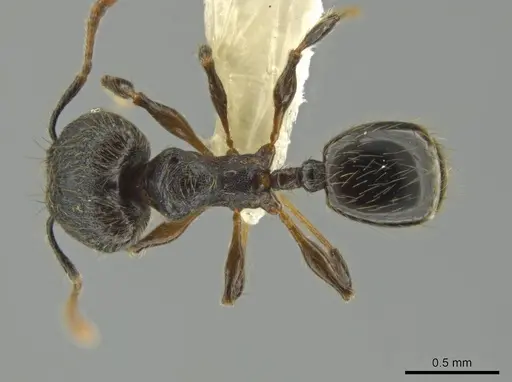
CASENT0640900
View on AntWeb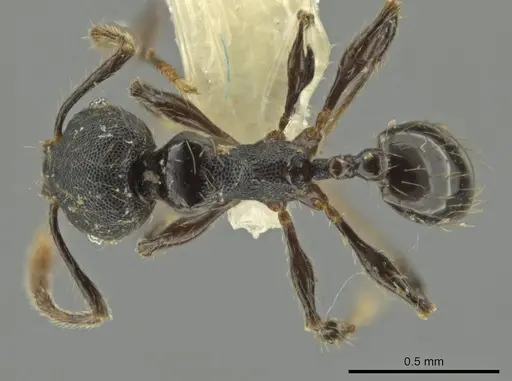
Literature
Loading distribution map...Loading products...