
Pheidole xanthocnemis
- Sci. Name
- Pheidole xanthocnemis
- Tribe
- Attini
- Subfamily
- Myrmicinae
- Author
- Emery, 1914
- Distribution
- Found in 1 countries
Introduction
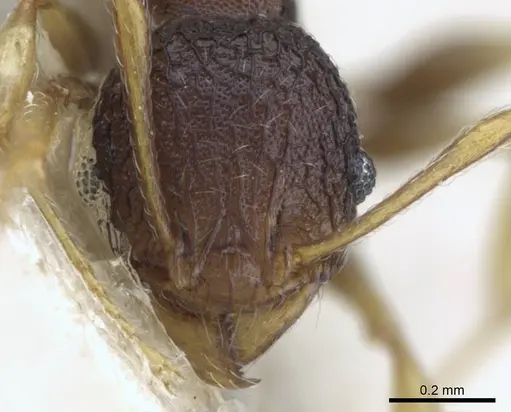
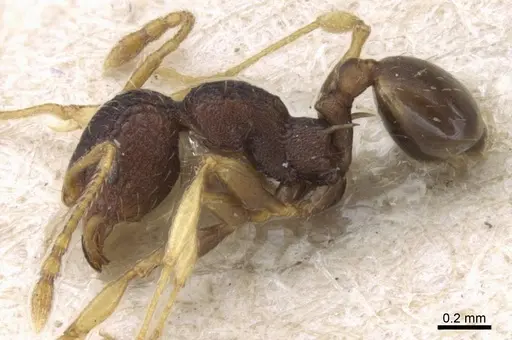
Pheidole xanthocnemis is a small ant species endemic to New Caledonia and the Loyalty Islands . Like all Pheidole species, they have distinct worker castes: minor workers are small and slender, while major workers (soldiers) have enlarged heads used for seed processing and defense . Size data for this species is unavailable from current research. They are part of the Attini tribe, which includes seed-harvesting ants, and they forage for seeds, insects, and honeydew . As a tropical species, they prefer warm, humid conditions similar to their natural habitat.
Quick Summary
- Difficulty: Easy
- Origin & Habitat: New Caledonia and Loyalty Islands (Mare), tropical Pacific islands with humid forest habitats [1][2]
- Colony Type: Colony structure is unconfirmed, no specific data on queen number or social structure [3]
- Size & Growth:
- Antkeeping:
- Temperature: Keep warm, roughly 24-28°C, based on tropical habitat [3]
- Humidity: Keep the nest substrate consistently moist but not waterlogged [3]
- Diapause: No, tropical species do not require hibernation [3]
- Nesting: Ground-nesting species, use test tubes, Y-tong nests, or plaster nests with moist substrate [3]
- Behavior: Generally peaceful but will defend the nest if threatened. Major workers use enlarged heads to block entrances and process seeds. They are active foragers and not aggressive toward humans. Escape risk is moderate, use standard barrier techniques [3]
- Common Issues: colonies can stall if temperatures drop below 22°C, keep them warm, overfeeding can lead to mold in the nest, remove uneaten food promptly, test tube setups can dry out quickly, check water reservoirs regularly, wild-caught colonies may carry parasites, quarantine and observe new colonies
Housing and Nest Setup
Use a test tube setup for founding colonies: fill one end with water, plug with cotton, and place the queen in the dark [3]. Once the colony has workers, move to a Y-tong, plaster, or soil nest with moist substrate [3]. Cover the nest to keep it dark and humid, and provide an outworld for feeding [3].
Feeding and Diet
Offer seeds continuously, protein like fruit flies or mealworms 2-3 times per week, and sugar water every few days [3]. Remove uneaten food to prevent mold [3].
Temperature and Seasonal Care
Keep the nest at warm temperatures, roughly 24-28°C, using a heating cable if needed [3]. Do not cool or hibernate the colony [3].
Colony Development and Growth
A queen may seal herself in a chamber and raise brood alone, first workers emerge in 6-8 weeks at warm temperatures [3]. Colonies grow slowly at first, then accelerate with worker foraging [3].
Behavior and Defense
Major workers defend the nest with enlarged heads, while minors handle foraging [3]. They use chemical trails to find food and are diurnal [3].
Frequently Asked Questions
How long does it take for Pheidole xanthocnemis to have first workers?
First workers typically emerge 6-8 weeks after the queen is sealed in, at warm temperatures [3].
What do I feed Pheidole xanthocnemis?
Feed seeds continuously, protein like insects 2-3 times weekly, and sugar water every few days [3].
What temperature do they need?
Keep them at warm temperatures, roughly 24-28°C, based on their tropical habitat [3].
Are Pheidole xanthocnemis good for beginners?
Yes, they are considered easy to keep, with no hibernation needed and moderate aggression [3].
When should I move them to a formicarium?
Move from test tube to formicarium once the colony has workers, ensuring appropriate humidity [3].
How big do colonies get?
Colonies can reach up to several hundred workers [3].
Do they need hibernation?
No, as a tropical species, they do not require hibernation [3].
Can I keep multiple queens together?
Colony structure is unconfirmed, combining unrelated queens is not recommended [3].
Why are my ants not growing?
Common causes include low temperatures, low humidity, or insufficient food, adjust conditions accordingly [3].
Report an Issue
The current care sheet is based fully on literature. See inconsistencies, or something that's incorrect? Please , it will be resolved after review from an admin. Contributing to the blogs tab also helps providing information, to make us be able to further improve the caresheets. Thank you for your support!
References

This caresheet is licensed under CC BY-SA 4.0 .
Community Blogs
CASENT0281735
View on AntWeb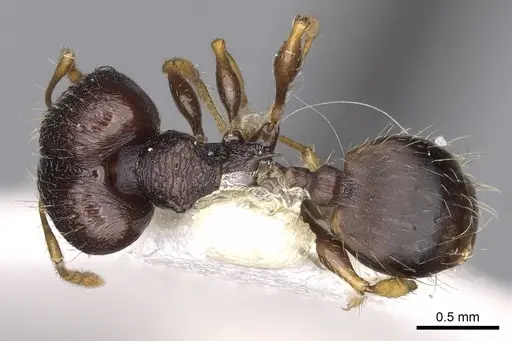
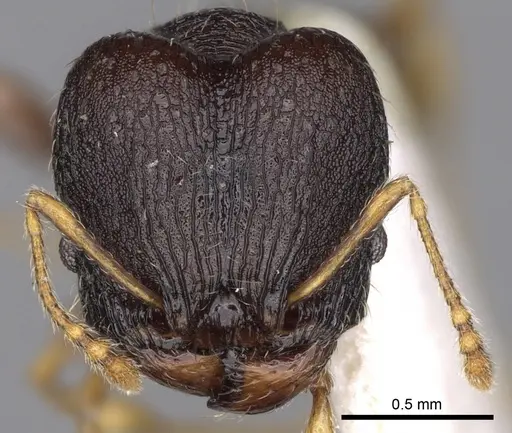
CASENT0281736
View on AntWeb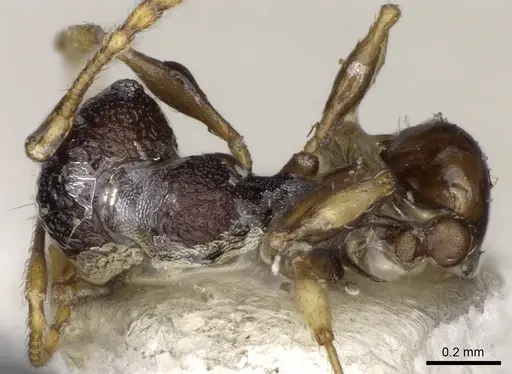
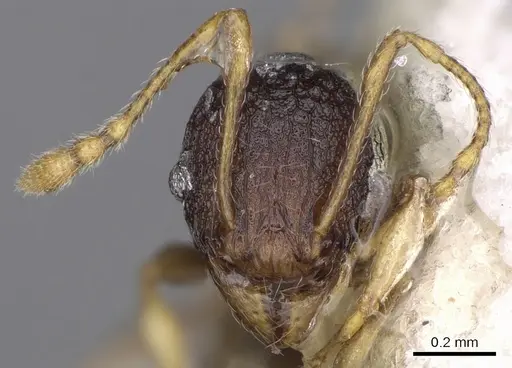
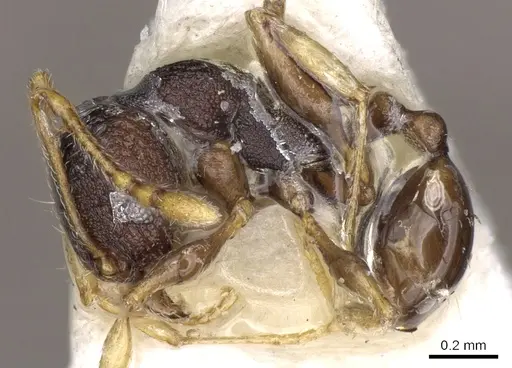
CASENT0282400
View on AntWeb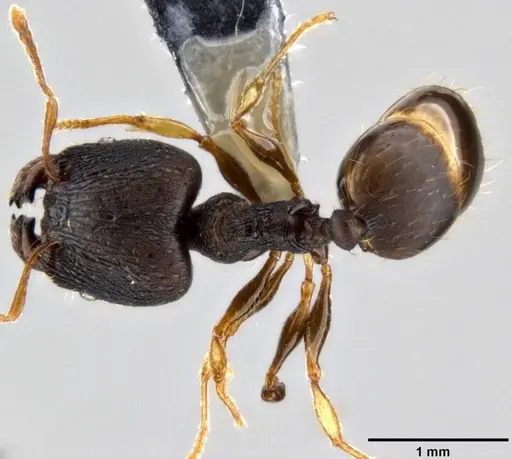
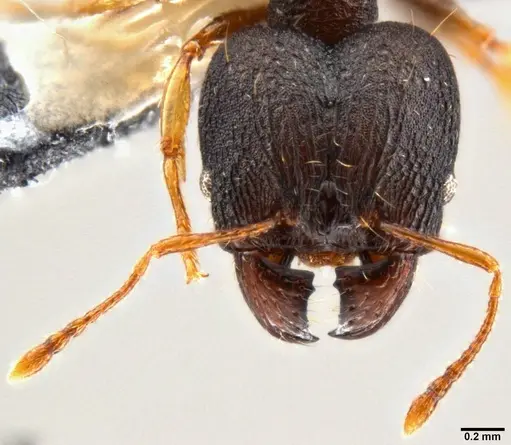
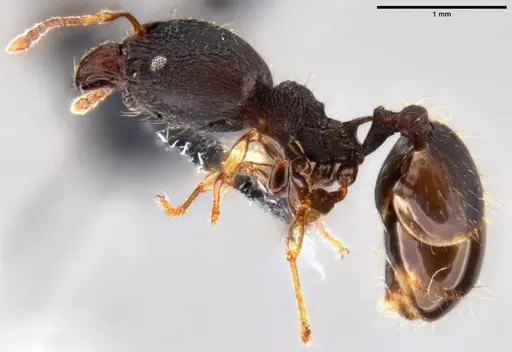
CASENT0282479
View on AntWeb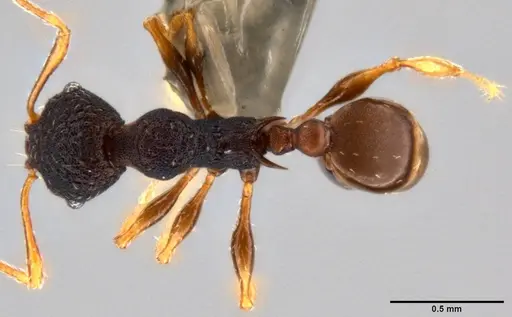
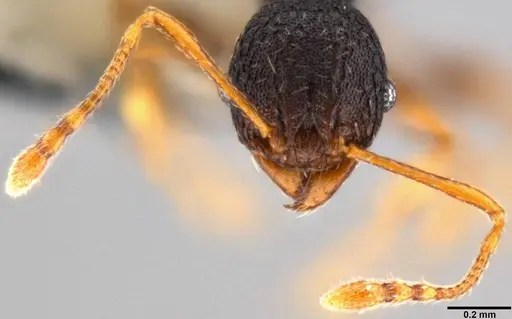
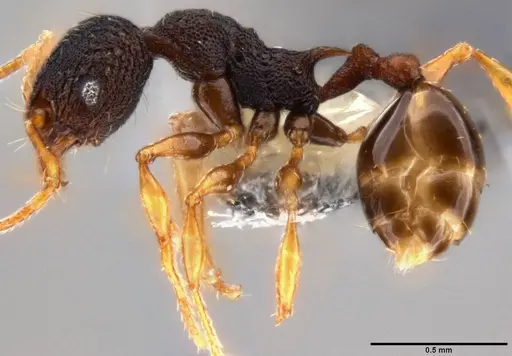
CASENT0904288
View on AntWeb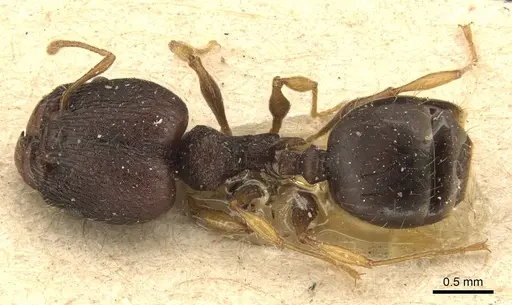
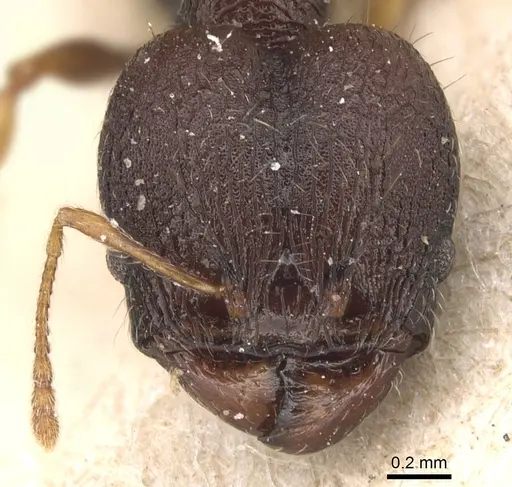
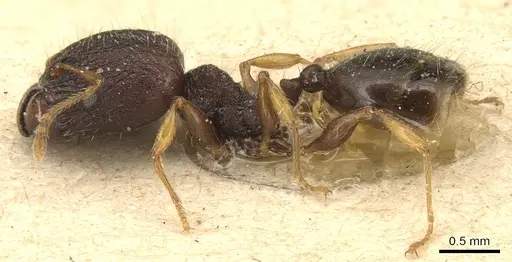
CASENT0904289
View on AntWeb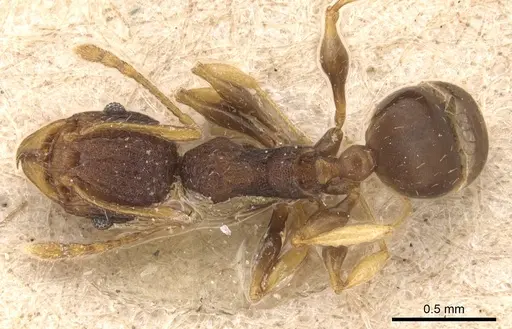
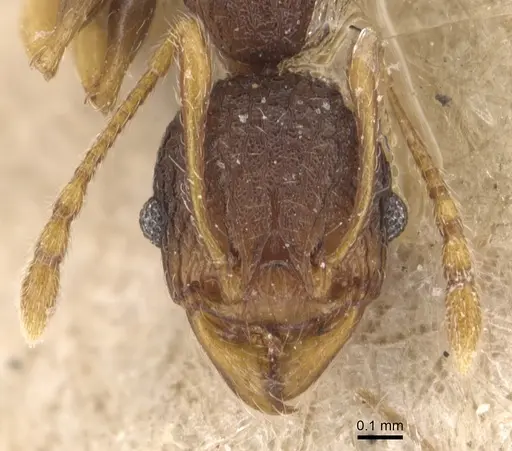
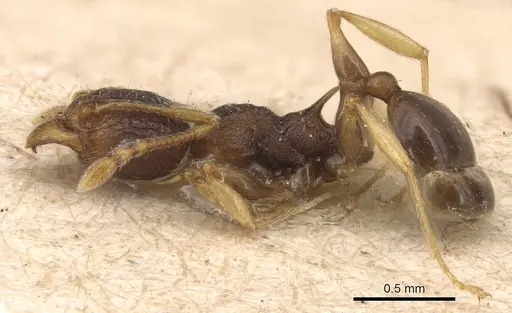
CASENT0906686
View on AntWeb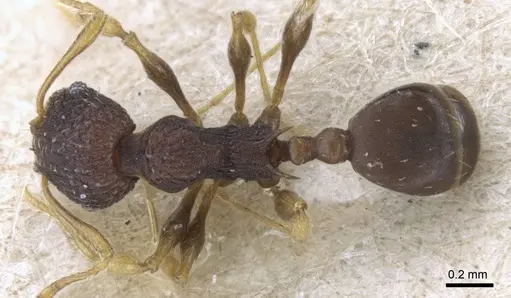
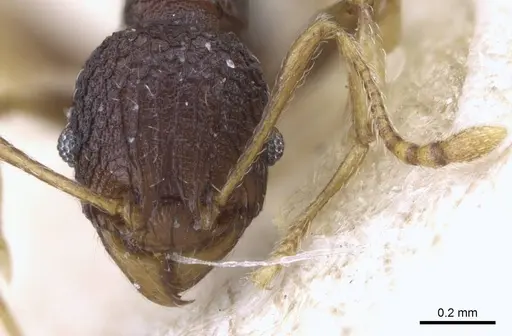
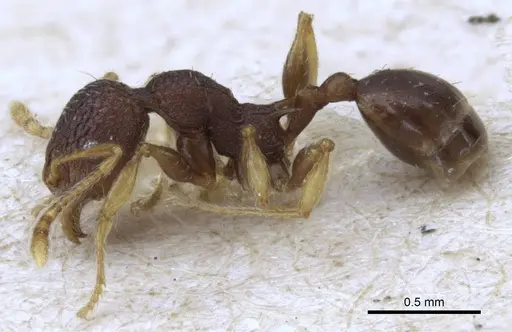
CASENT0906687
View on AntWeb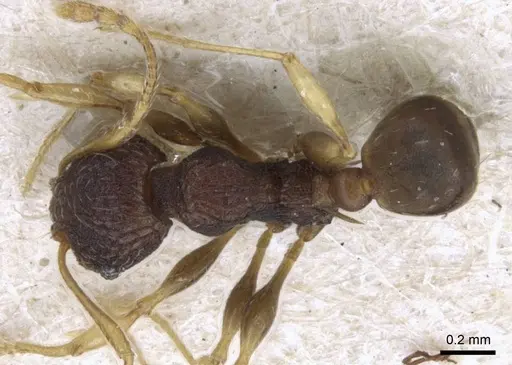
Literature
Loading distribution map...Loading products...