
Pheidole wroughtonii
- Sci. Name
- Pheidole wroughtonii
- Tribe
- Attini
- Subfamily
- Myrmicinae
- Author
- Forel, 1902
- Distribution
- Found in 1 countries
Introduction
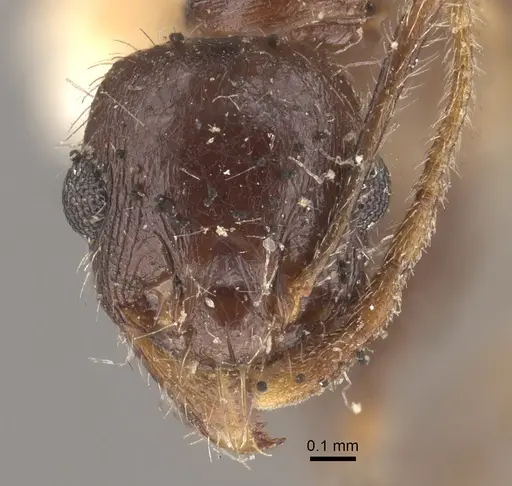
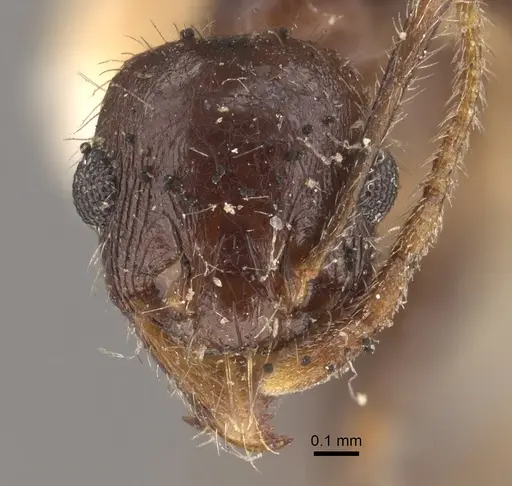
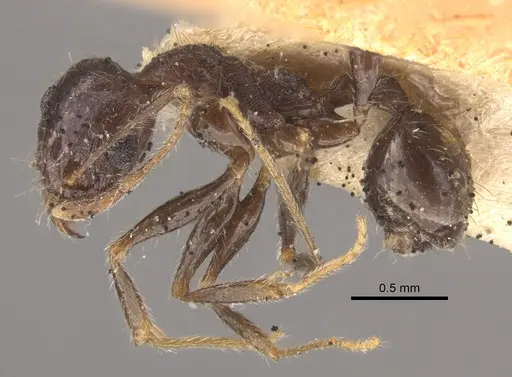
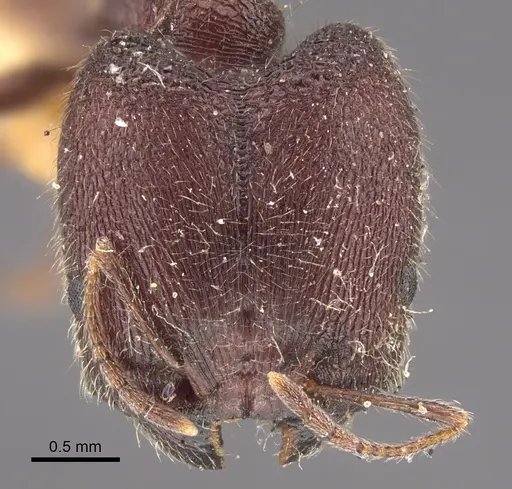
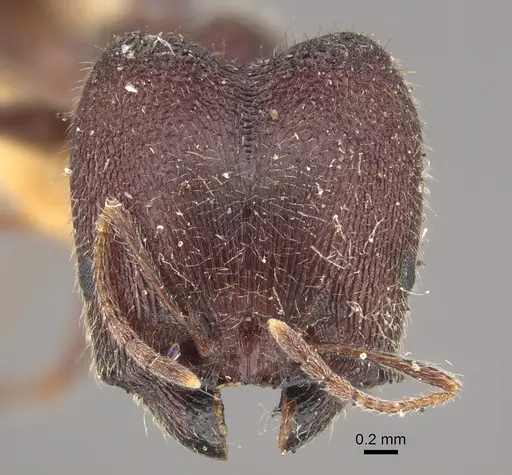
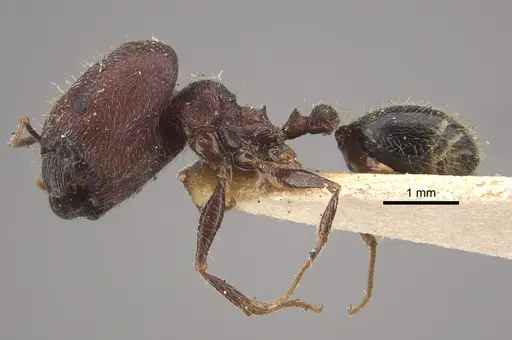
Pheidole wroughtonii is an ant species endemic to India , belonging to the Myrmicinae subfamily. This species is part of the big-headed ants group, characterized by having two distinct worker castes: smaller minor workers and larger major workers (soldiers) with notably enlarged heads. The species was first described by Forel in 1902 and has been recorded across multiple Indian states including Gujarat, Karnataka, Maharashtra, Rajasthan, and Uttar Pradesh . Size data for this species is unavailable, but based on Pheidole genus patterns, queens are typically around 5-10 mm and workers 2-4 mm. As a member of the Pheidole genus, these ants are known for their seed-harvesting behavior and colony organization, making them engaging for antkeepers to observe the division of labor between worker castes .
Quick Summary
- Difficulty: Easy
- Origin & Habitat: Endemic to India, found across multiple states from the Thar Desert region (Rajasthan, Gujarat) to more humid areas (Karnataka, Maharashtra). They inhabit diverse environments ranging from arid desert margins to agricultural areas and urban zones [1][2].
- Colony Type: Colony structure is unconfirmed for this specific species. Based on typical Pheidole patterns, they likely form single-queen colonies (monogyne), though some Pheidole species can have multiple queens. The genus is known for producing major workers (soldiers) alongside minor workers.
- Size & Growth:
- Queen: Size data unavailable, but inferred from Pheidole genus to be around 5-10 mm
- Worker: Size data unavailable, but minor workers inferred to be 2-4 mm, major workers 4-6 mm based on genus patterns
- Colony: Estimated up to 2000 workers at maturity based on genus patterns
- Growth: Moderate
- Development: 6-8 weeks estimated based on typical Pheidole development at warm temperatures (Development time varies with temperature, warmer conditions accelerate development. First workers are typically minor workers.)
- Antkeeping:
- Temperature: Based on their Indian distribution, they likely prefer warm conditions around 24-28°C. Keep nest area at room temperature or slightly warmer to support growth.
- Humidity: Moderate humidity around 50-70%. They tolerate drier conditions due to distribution in arid regions. Keep nest substrate slightly moist but allow drying periods between waterings.
- Diapause: No, as a species from tropical India, they do not require hibernation. They may show reduced activity in cooler temperatures but this is not a true diapause.
- Nesting: Pheidole wroughtonii nests in soil, often under stones or in disturbed ground [3]. In captivity, they do well in test tube setups for founding colonies, then transition to Y-tong (AAC) or plaster nests with compact chambers. They prefer darker nest areas and will readily use underground-style formicaria.
- Behavior: These ants are generally peaceful and not aggressive toward keepers. They are seed-harvesters by nature and will collect and store seeds in their nest. Major workers defend the colony and help process larger food items. They are moderate foragers and will send workers out to collect protein and seeds. Escape risk is moderate, minor workers can fit through small gaps, so standard barrier precautions apply. They are not known for painful stings, though the smaller size makes any sting barely noticeable.
- Common Issues: colonies may stagnate if kept too cool, maintain warm temperatures for healthy growth., major workers develop later, don't be alarmed if early colonies only have minor workers., seed storage can lead to mold if nest is too wet, balance moisture carefully., small colony size means they can be easily stressed, avoid disturbing founding queens., escape prevention is important for minor workers, use fluon or barrier tape on outworlds.
Housing and Nest Setup
For founding colonies, a standard test tube setup works well. Fill the tube one-third with water and plug with cotton, this provides humidity for several weeks. Cover the tube with a dark cloth to simulate underground conditions [3]. Once the colony reaches 20-30 workers, transition to a small formicarium. Y-tong (AAC) nests or plaster nests work well for Pheidole species. The chambers should be appropriately sized, not too large or the ants may feel exposed. Provide an outworld for foraging with a sugar water station and protein source. These ants do best with moderate lighting and will thrive in setups placed away from direct sunlight.
Feeding and Diet
Pheidole wroughtonii is omnivorous like most Pheidole species. They readily accept protein sources such as small insects (fruit flies, pinhead crickets, mealworms), and will also collect and store seeds, a behavior that makes them engaging to watch. Provide a constant sugar source like sugar water or honey diluted with water. Seeds should be offered occasionally as they enjoy harvesting them. A varied diet promotes healthy colony growth. Feed small amounts every 2-3 days, removing uneaten protein within 24 hours to prevent mold. The major workers will help process larger food items that minor workers cannot handle alone. [3]
Temperature and Seasonal Care
As an Indian species, Pheidole wroughtonii thrives in warm conditions. Maintain nest temperatures between 24-28°C for optimal brood development. They can tolerate temperatures down to 20°C but growth will slow significantly. A small heating cable on one side of the nest can create a beneficial temperature gradient. Unlike temperate species, they do not require a winter diapause period. However, if your room temperature drops significantly in winter, you may notice reduced activity, this is normal and they will resume normal activity when warmed. Avoid temperature extremes above 32°C as this can stress the colony.
Colony Development and Growth
A newly mated queen will seal herself in a claustral chamber and lay her first eggs, using stored fat reserves to feed the developing brood. After 4-6 weeks (temperature dependent), the first workers called nanitics will emerge. These initial workers are typically smaller minor workers. The colony will grow gradually as the queen continues laying eggs. Major workers (soldiers) typically appear once the colony reaches 50-100 workers. The development of major workers is triggered by colony needs, more majors appear when the colony has more food resources or needs better defense. A mature colony may have several hundred to over a thousand workers, with a significant portion being majors. Growth rate is moderate, expect 6-12 months to reach 100 workers under optimal conditions.
Behavior and Observation
One of the most interesting aspects of keeping Pheidole species is observing the division of labor between minor and major workers. Minor workers handle most tasks: foraging, caring for brood, and maintaining the nest. Major workers specialize in defense, seed processing, and helping with larger food items. When you offer a large insect, you'll see majors clamping down while minors dismember it. They are not aggressive toward the keeper and rarely bite. Their foraging is efficient, you will see established trails form quickly once they discover a food source. The ants are moderately active and will establish clear patterns in their outworld, making them engaging to watch. [3]
Frequently Asked Questions
How long does it take for Pheidole wroughtonii to have first workers?
Expect first workers (nanitics) to emerge in 6-8 weeks after the queen lays eggs, assuming temperatures around 24-28°C. Cooler temperatures will slow development significantly.
What do Pheidole wroughtonii ants eat?
They are omnivorous, offer protein (small insects like fruit flies, mealworms) and sugar sources (sugar water, honey water). They also readily accept seeds, which they harvest and store like their wild counterparts [3].
Can I keep multiple Pheidole wroughtonii queens together?
This has not been documented for this specific species. Most Pheidole species are monogyne (single queen), and pleometrosis (multiple queens founding together) is not recommended unless specifically documented. Keep one queen per colony for best success.
What temperature do Pheidole wroughtonii need?
Keep them warm at 24-28°C for optimal growth. They can tolerate room temperature (22-26°C) but may grow slower. Avoid temperatures below 20°C for extended periods.
Are Pheidole wroughtonii good for beginners?
Yes, they are considered easy to keep. They are resilient, tolerate a range of conditions, and don't require special hibernation care. Their interesting major/minor worker dynamics make them engaging for beginners and experienced keepers alike.
When should I move my colony to a formicarium?
Transition from test tube to a formicarium once the colony reaches 20-40 workers. Make sure the new nest has appropriately sized chambers, too large and the ants may feel unsafe. Y-tong or plaster nests work well.
Do Pheidole wroughtonii need hibernation?
No, they do not require hibernation. As a species from tropical and subtropical India, they are active year-round in warm conditions. They may show reduced activity in cooler temperatures but this is not a true diapause.
How big do Pheidole wroughtonii colonies get?
Based on typical Pheidole growth patterns, mature colonies can reach up to 2000 workers. The exact maximum is not documented for this species but colonies of several hundred workers are common in captivity.
Why are my Pheidole wroughtonii major workers not developing?
Major workers (soldiers) typically appear once the colony reaches 50-100 workers. If your colony is still young with only nanitics, be patient, majors develop as the colony grows and the need for defense increases. Adequate protein feeding also supports major worker development.
Report an Issue
The current care sheet is based fully on literature. See inconsistencies, or something that's incorrect? Please , it will be resolved after review from an admin. Contributing to the blogs tab also helps providing information, to make us be able to further improve the caresheets. Thank you for your support!
References

This caresheet is licensed under CC BY-SA 4.0 .
Community Blogs
CASENT0281678
View on AntWeb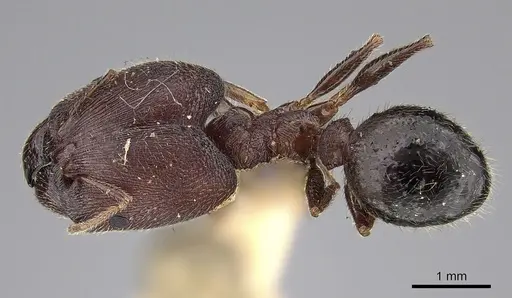
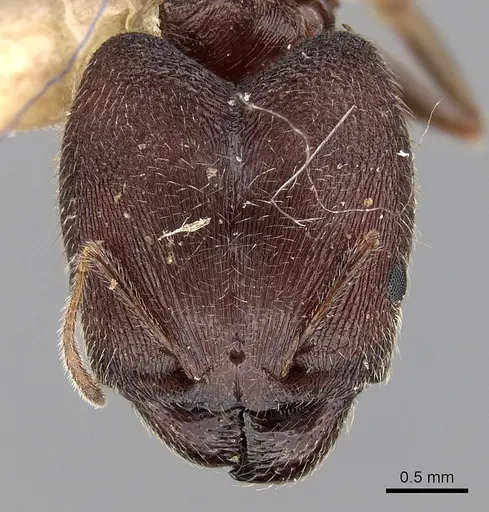
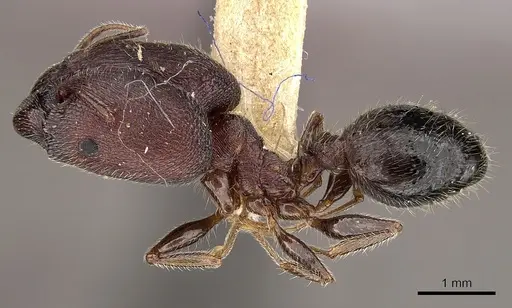
CASENT0281679
View on AntWeb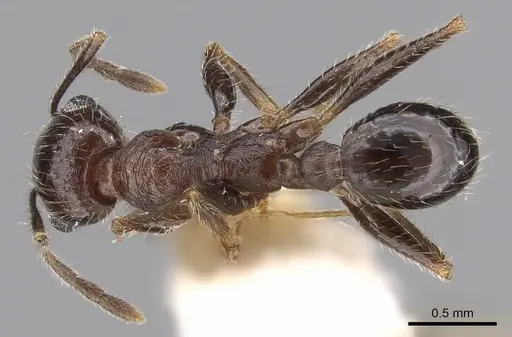
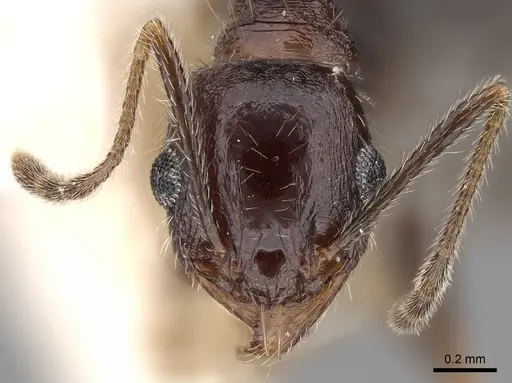
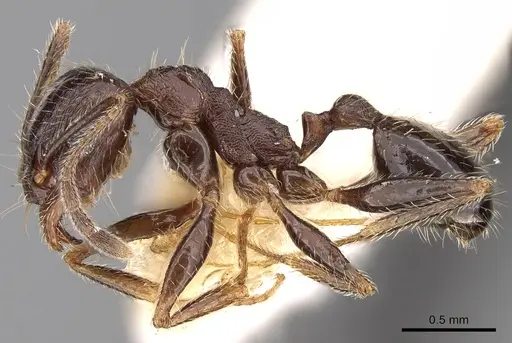
CASENT0907969
View on AntWeb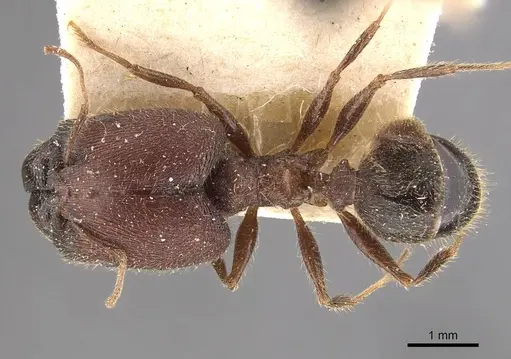
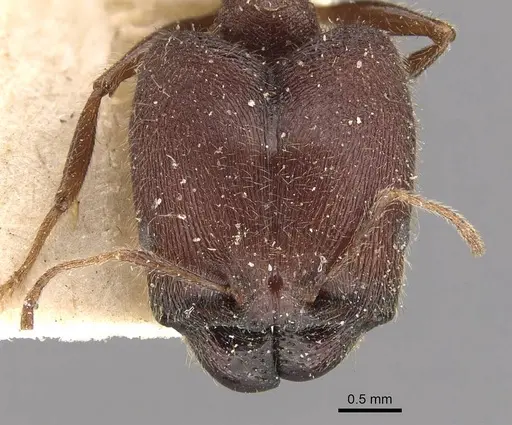
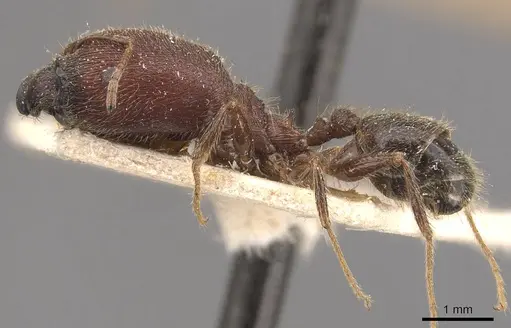
CASENT0907970
View on AntWeb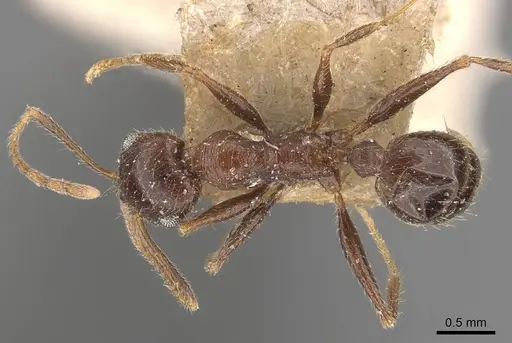
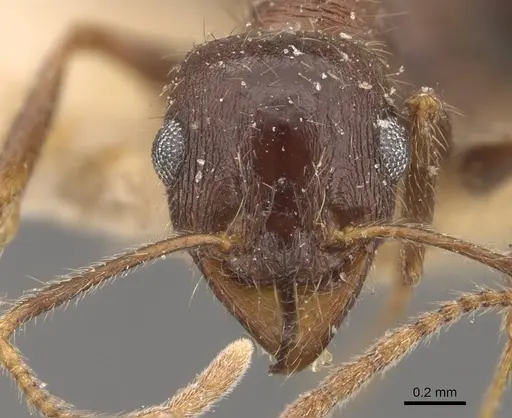
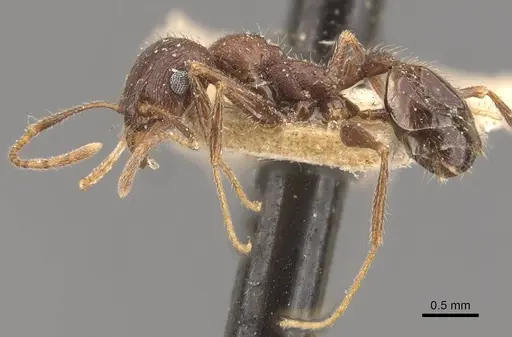
CASENT0917792
View on AntWeb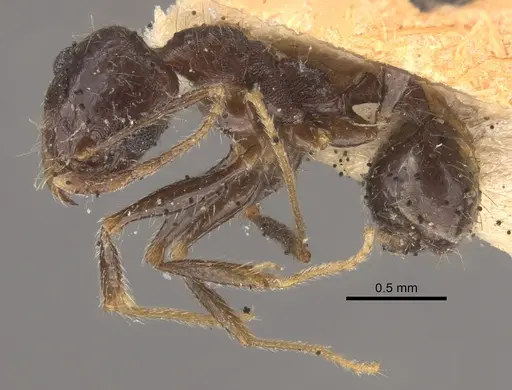
CASENT0917793
View on AntWeb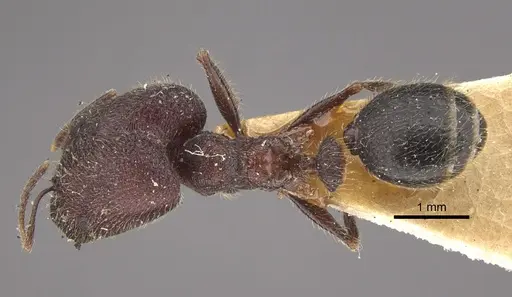
Literature
Loading distribution map...Loading products...