
Pheidole vorax
- Sci. Name
- Pheidole vorax
- Tribe
- Attini
- Subfamily
- Myrmicinae
- Author
- Fabricius, 1804
- Distribution
- Found in 11 countries
Introduction
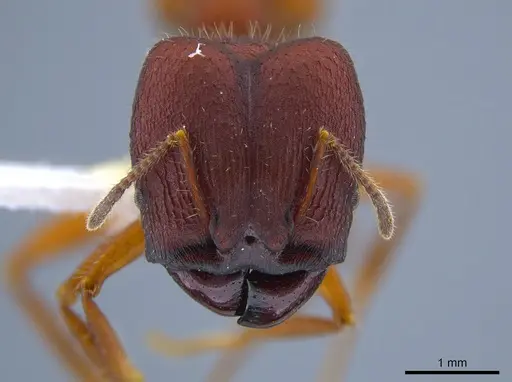
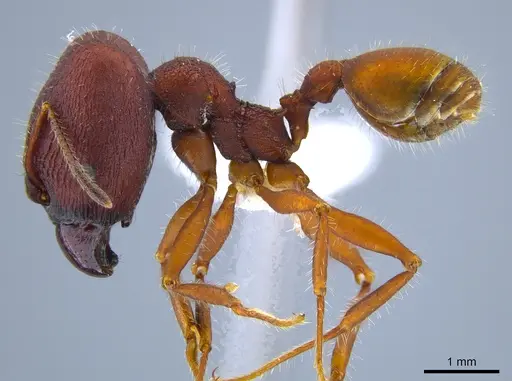
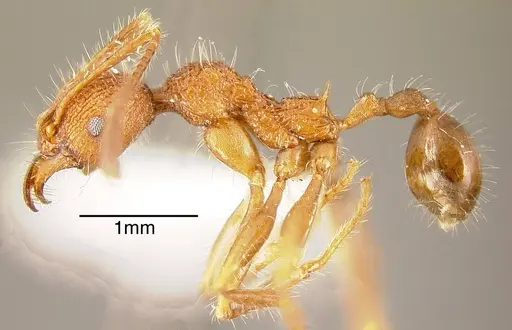
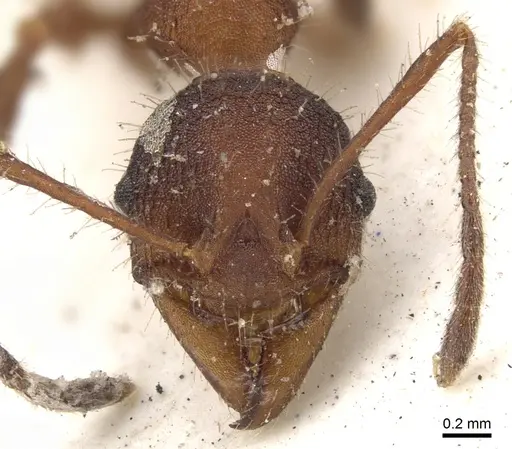
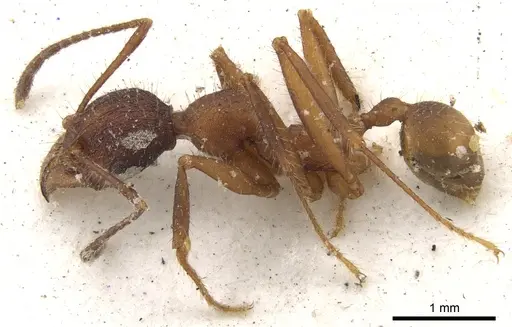
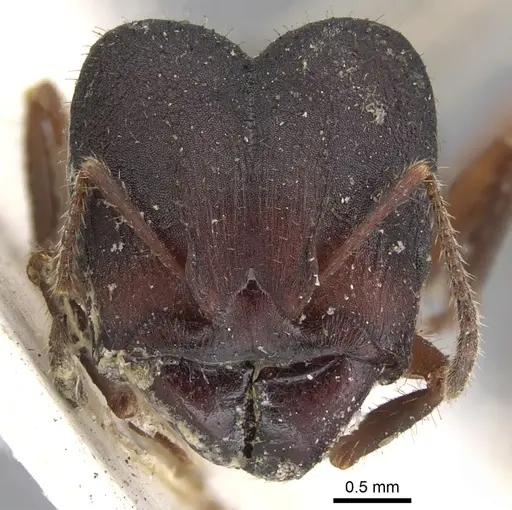
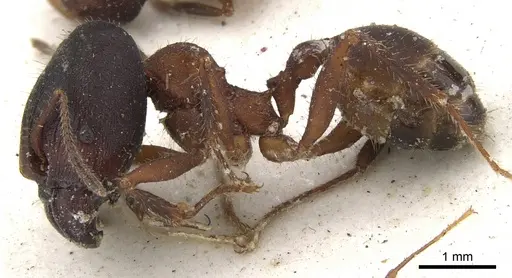
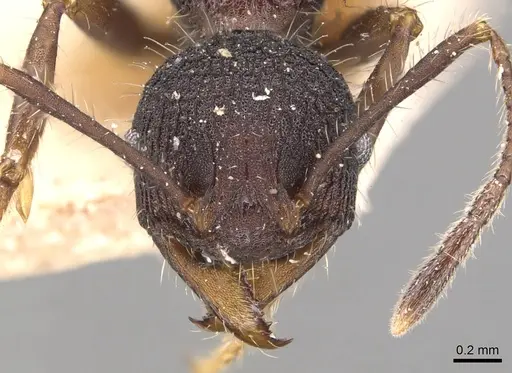
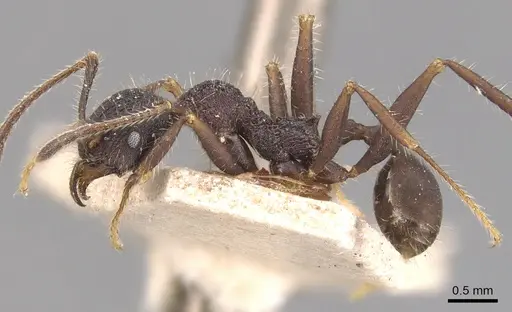
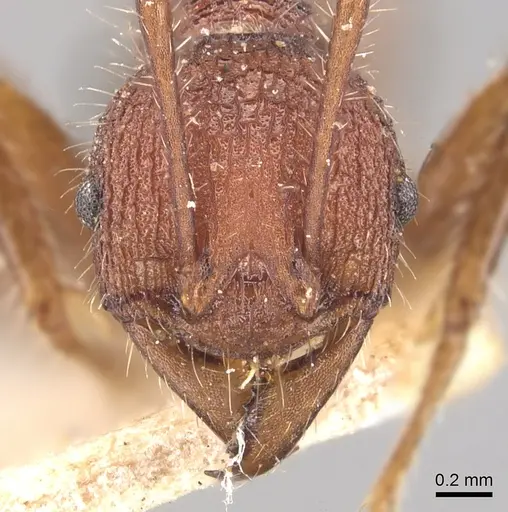
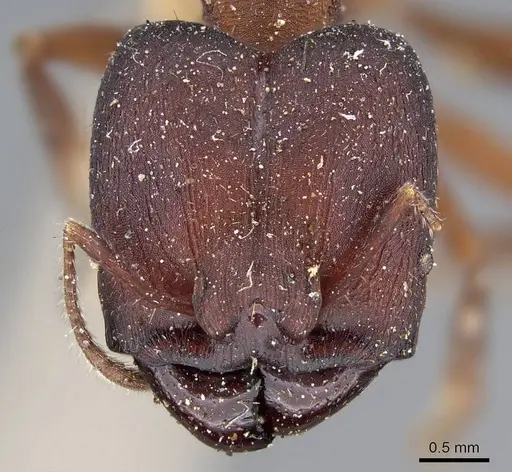
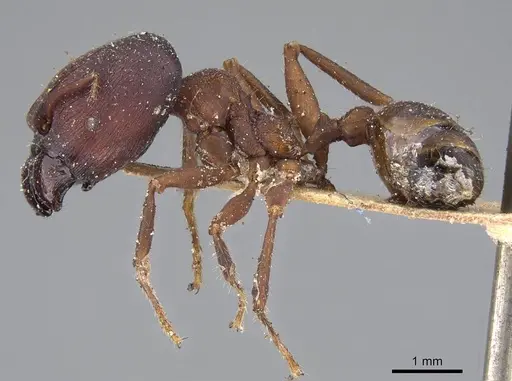
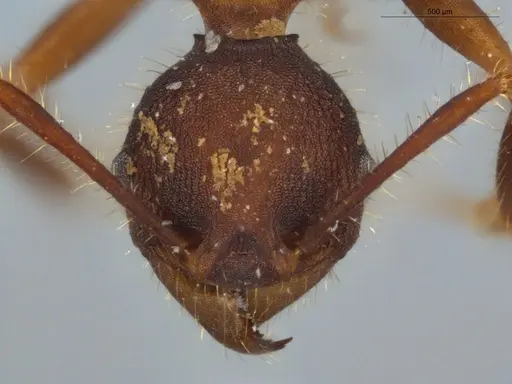
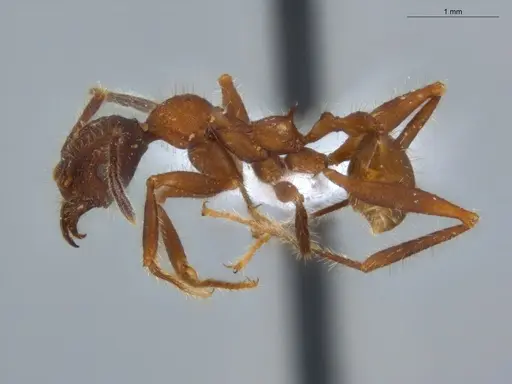
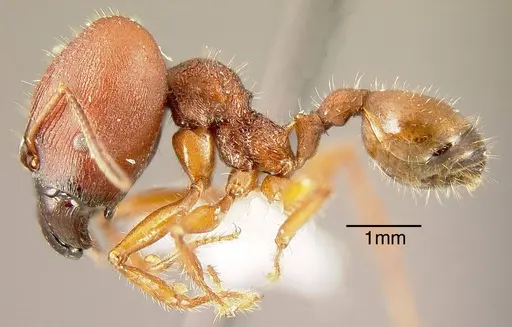
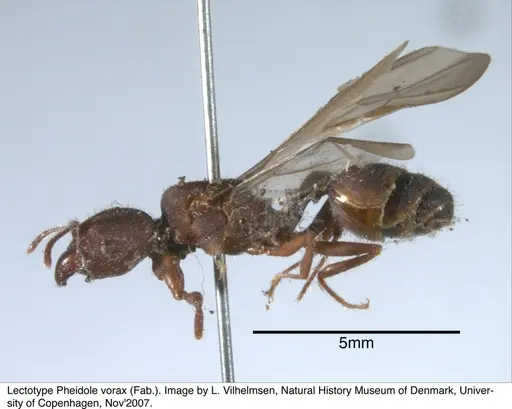
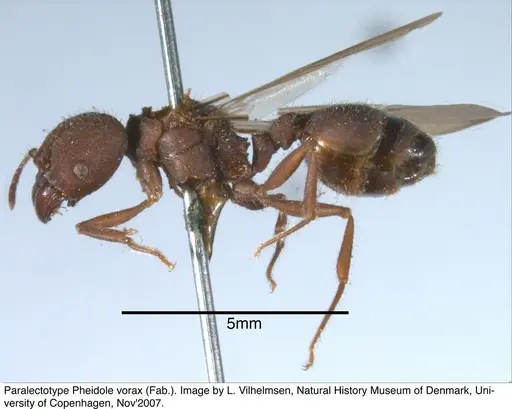
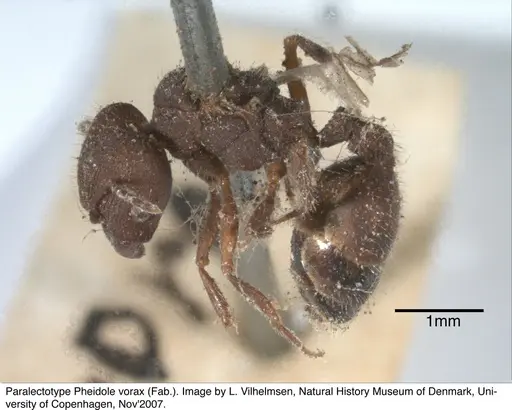
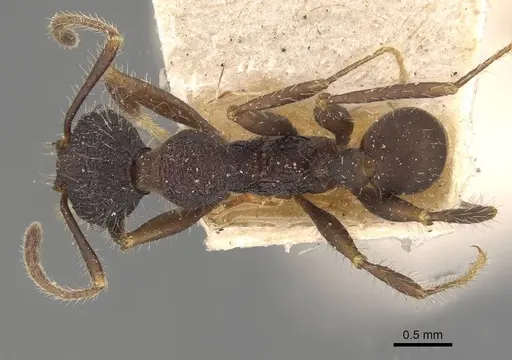
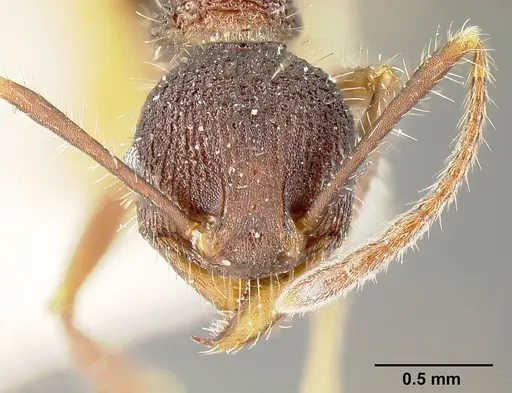
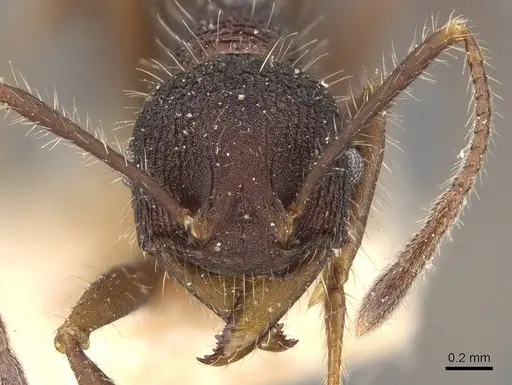
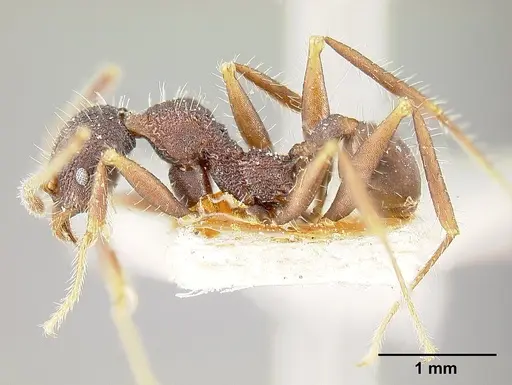
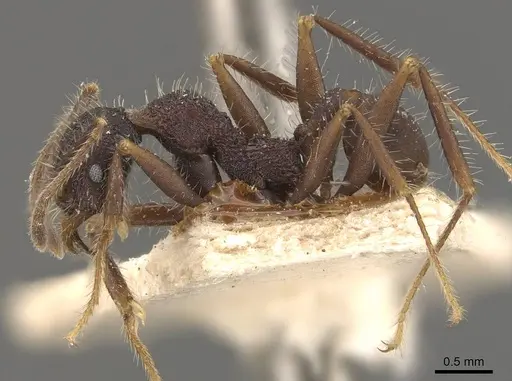
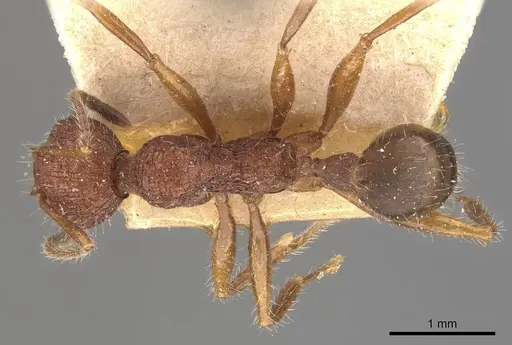
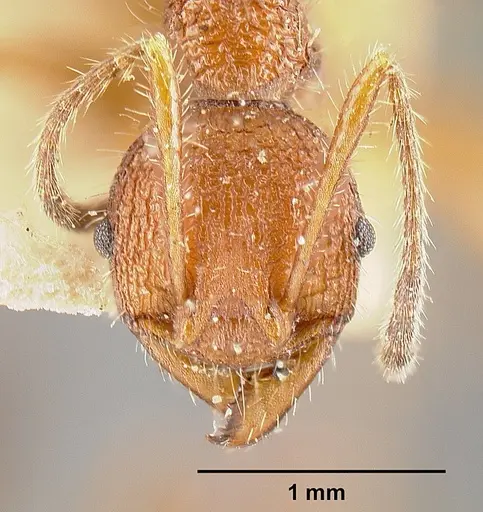
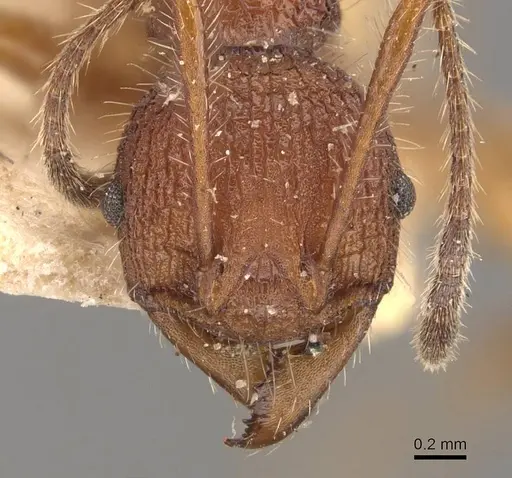
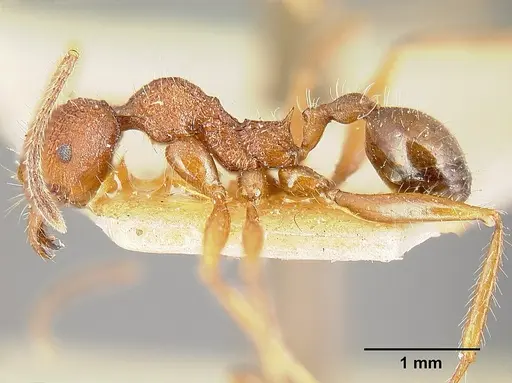
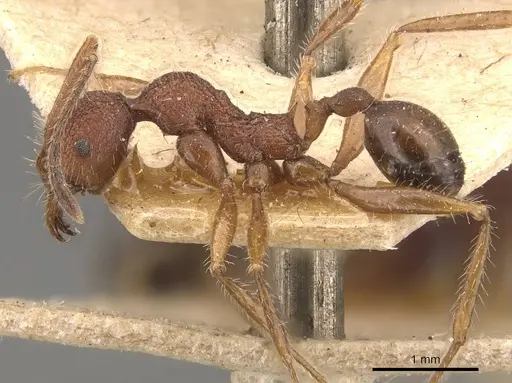
Pheidole vorax is a dimorphic ant species native to the Neotropics, ranging from southern Mexico through Central America to the Amazon basin and Bolivia . Minor workers are about 2mm long, while major workers are larger at around 3mm with massively enlarged heads used for cracking seeds and defense . The ants show noticeable geographic variation in color and sculpture: specimens from different parts of Costa Rica range from light orange to dark red-orange, with varying degrees of foveolation and rugosity . These ants live in wet to moist forests, nesting in dead wood on or near the ground, often in larger decaying logs or fallen trees . A notable behavior documented for this species is their extreme sensitivity to water - even a few drops in the nest cause the colony to immediately evacuate . Despite this, they show high flood tolerance in the wild, suggesting they survive seasonal flooding by relocating and later recolonizing .
Quick Summary
- Difficulty: Medium
- Origin & Habitat: Wet to moist forests of Central and South America, from southern Mexico to the Amazon basin and Bolivia. Nests in dead wood on or near the ground, especially in larger decaying logs or fallen trees [3][4][1].
- Colony Type: Likely monogyne (single-queen) based on typical neotropical Pheidole patterns, though not confirmed from direct studies. Colonies contain both major and minor workers [5]. Queens are larger than workers, but exact size is unrecorded.
- Size & Growth:
- Queen: Not available in literature, queens are likely larger than major workers but exact size is unconfirmed.
- Worker: Minor: 2mm, Major: 3mm (total length) [2]
- Colony: No specific data in literature, typical Pheidole colonies can reach several thousand workers, but this is unconfirmed for Pheidole vorax.
- Growth: Moderate (estimated from genus patterns)
- Development: Estimated 6-8 weeks at 24-28°C, based on related Pheidole species. (Development speeds up with warmer temperatures within their preferred range.)
- Antkeeping:
- Temperature: Maintain at 24-28°C year-round, inferred from its tropical distribution [3][1]. Avoid temperatures below 20°C.
- Humidity: Provide moderate humidity in the outworld, but keep the nest chambers completely dry. These ants are extremely sensitive to standing water and will evacuate immediately if any pools in the nest [3]. Use a test tube waterer or similar in the outworld only, never inside the nest.
- Diapause: No, this tropical species does not require hibernation. Keep warm year-round.
- Nesting: Best in wood-based nests (Y-tong AAC with narrow chambers, plaster with embedded wood, or naturalistic setups using dead wood). The nest must remain completely dry on the inside, with no condensation or water pooling. A small humidity gradient is okay as long as core chambers are dry [3][4].
- Behavior: Generally peaceful but defensive when threatened. Noted as a dominant species in Amazonian baiting studies, with strong recruitment to protein baits and seeds [6]. Workers actively harvest seeds and cache them in large piles in the nest [3]. Major workers use their powerful heads to crack seeds and defend the colony. Though extremely sensitive to standing water in captivity, they show high flood tolerance in nature by evacuating and recolonizing [4]. Escape risk is moderate, standard barrier methods (fluon, oil) are effective given their small size.
- Common Issues: standing water anywhere in the nest causes immediate colony evacuation, keep nesting area completely dry [3]., overwatering is the most common mistake with this species, water only via the outworld., seed caches can mold if humidity seeps into the nest, remove uneaten seeds regularly., major worker deaths may indicate moisture stress, mold, or improper feeding, check nest dryness first [3]., wild colonies may carry nematode parasites, quarantine new colonies and monitor health [7].
Housing and Nest Setup
Pheidole vorax does best in nests that mimic their natural dead wood habitat. Y-tong (AAC) nests with narrow chambers work well, as do plaster nests with embedded wood pieces or naturalistic setups using actual dead wood, especially larger decaying logs or fallen trees [4]. The critical requirement is keeping the NEST AREA DRY, this species will abandon or die if standing water accumulates in their chambers [3]. Provide water only in the outworld (via test tube waterer or similar in the foraging area) and ensure the nest itself remains dry. A small humidity gradient is acceptable in the outer chambers, but the core nesting chambers should be completely dry. Outworld can be kept moderately humid with a water source.
Feeding and Diet
These ants are classic seed harvesters with a varied diet. Workers recruit aggressively to dead insects and other protein sources, and they actively gather seeds which they store in large caches within the nest [3]. In captivity, offer a mix of protein (dead insects like mealworms, crickets, or fruit flies) and seeds (grass seeds, millet, or bird seed). They also readily accept sugar water or honey. Feed protein 2-3 times per week and keep a constant sugar source available. Remove uneaten seeds periodically to prevent mold from developing in the nest.
Temperature and Seasonal Care
As a tropical species from wet Central and South American forests, Pheidole vorax needs warm temperatures year-round. Keep the nest area between 24-28°C. Room temperature (around 24-26°C) is often suitable in heated homes. If your room runs cooler, use a heating cable on one side of the nest to create a gentle gradient. Do NOT hibernate this species, they are not adapted to cold temperatures and hibernation would likely kill them. Maintain consistent warmth throughout the year [3][1].
Water Sensitivity - Critical Care Note
This species has an extraordinary sensitivity to water that must guide your husbandry. Wilson (1987) demonstrated that minor workers evacuate immediately when even a few drops of water enter the nest [3]. Interestingly, in their natural habitat they also show high flood tolerance [4], which likely means they survive seasonal flooding by evacuating and recolonizing later. In captivity, you must prevent any water accumulation in the nest because it can cause immediate abandonment and potentially colony death. Key practices: (1) never place a water source directly in or above the nest, (2) use a test tube waterer in the outworld only, (3) avoid overwatering when rehydrating the outworld substrate, (4) ensure drainage is adequate so water cannot pool in the nest.
Colony Development
Pheidole vorax is a dimorphic species, colonies produce two distinct worker castes: small minor workers that handle most tasks (foraging, nursing, brood care) and large major workers with massive heads used for seed processing and colony defense. Development from egg to first worker takes approximately 6-8 weeks at optimal tropical temperatures of 24-28°C. Colonies grow moderately fast once established, with major workers typically appearing after the colony reaches several hundred workers. The presence of major workers is a sign of a healthy, maturing colony. [2]
Frequently Asked Questions
Can I keep Pheidole vorax in a test tube?
You can use a test tube for founding, but transfer to a proper dry nest (Y-tong, plaster, or naturalistic) once the colony has about 20-30 workers. The key is keeping the nest dry, if using a test tube, make sure no condensation drips into the nest chamber. A separate water tube in the outworld is safer [3].
Why is my Pheidole vorax colony abandoning their nest?
Check for standing water or excessive moisture in the nest area first, this species will immediately evacuate if water pools in their chambers [3]. Other causes include mold growth, strong vibrations, or too-bright lighting. Keep the nest dry, dark, and quiet.
How long until first workers in Pheidole vorax?
Expect first workers (nanitics) approximately 6-8 weeks after the queen lays eggs, at optimal temperatures of 24-28°C. Development is faster in warmer conditions and slower if kept cool. This estimate is based on related Pheidole species.
Are Pheidole vorax good for beginners?
They can be tricky due to their extreme water sensitivity, even experienced keepers sometimes struggle. They are recommended for intermediate antkeepers who understand the importance of keeping the nest completely dry while providing water in the outworld [3].
Can I keep multiple queens together?
No confirmed reports of polygyny exist for this species. Based on typical neotropical Pheidole patterns, it is likely monogyne. Keeping multiple unrelated queens together would likely result in fighting. Stick with one queen per colony.
What do Pheidole vorax eat?
They are omnivorous seed harvesters. Offer protein (dead insects like mealworms, crickets, fruit flies), seeds (millet, grass seeds, bird seed), and sugar sources (honey, sugar water). They cache seeds in the nest, so remove uneaten seeds periodically [3].
Do they need hibernation?
No. This is a tropical species from Central and South America that does not require hibernation. Keep them warm year-round at 24-28°C [1].
How big do colonies get?
No specific colony size data is available for this species. Based on related ground-foraging Pheidole species, colonies may reach several thousand workers, but this is unconfirmed. Major workers typically appear once the colony has a few hundred workers.
Why are my major workers dying first?
Major worker deaths often indicate stress from poor conditions, particularly excessive moisture or mold in the nest. Major workers are energetically expensive to produce and maintain, so they may die first when conditions are suboptimal. Check that the nest is completely dry and there is no mold [3].
Report an Issue
The current care sheet is based fully on literature. See inconsistencies, or something that's incorrect? Please , it will be resolved after review from an admin. Contributing to the blogs tab also helps providing information, to make us be able to further improve the caresheets. Thank you for your support!
References

This caresheet is licensed under CC BY-SA 4.0 .
Community Blogs
CASENT0633562
View on AntWeb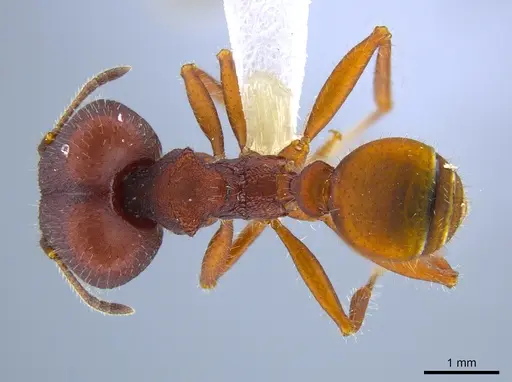
CASENT0635540
View on AntWeb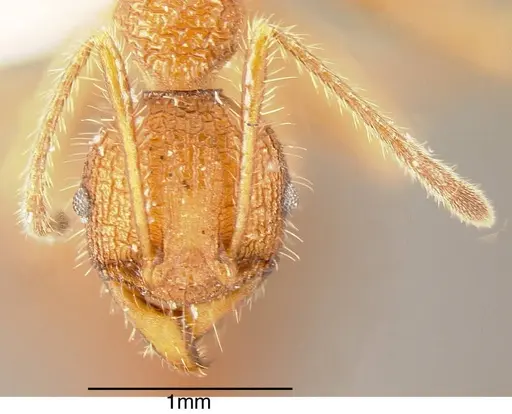
CASENT0901585
View on AntWeb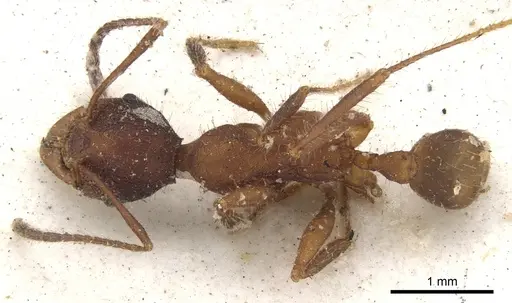
CASENT0901586
View on AntWeb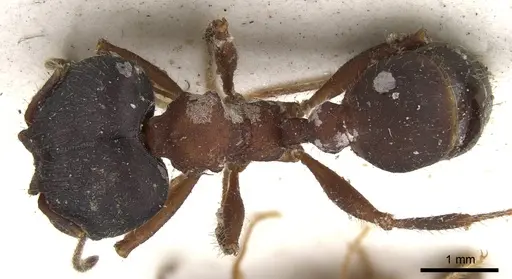
CASENT0904346
View on AntWeb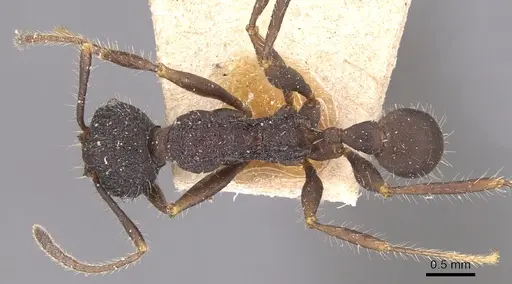
CASENT0904347
View on AntWeb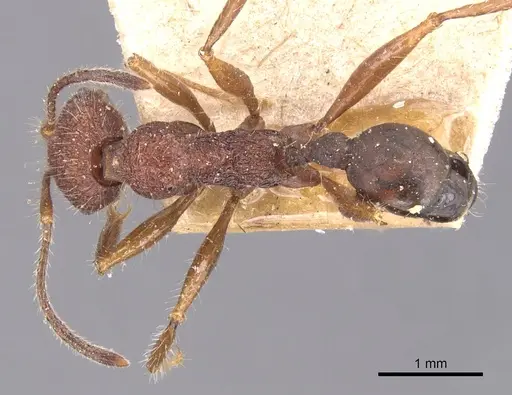
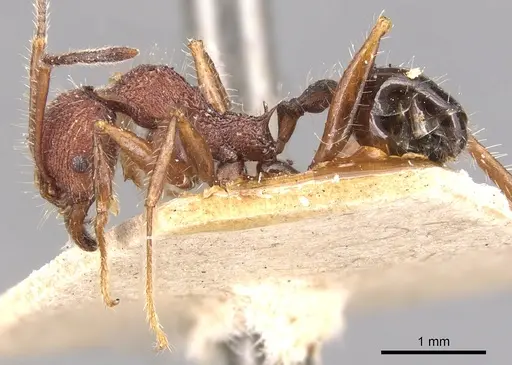
CASENT0919772
View on AntWeb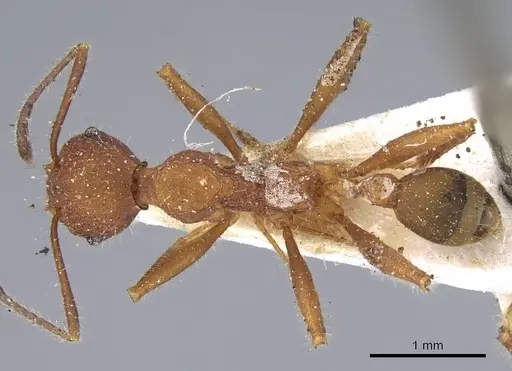
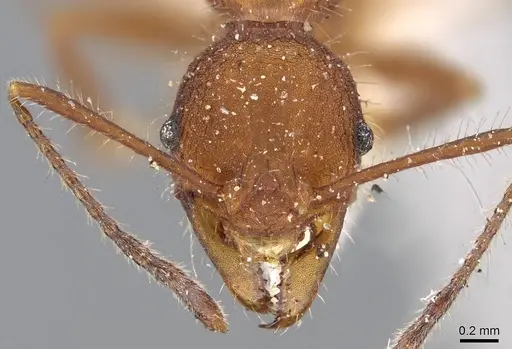
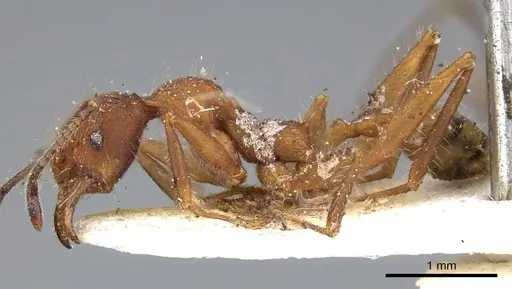
CASENT0919773
View on AntWeb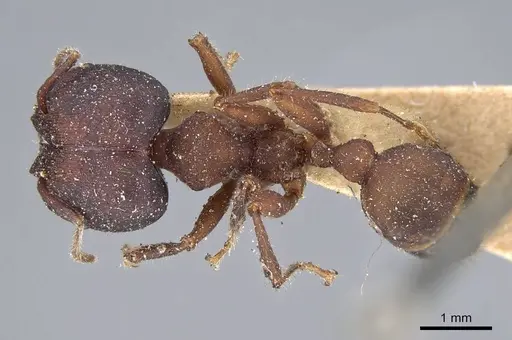
ECOFOG-KW14-0051-09
View on AntWeb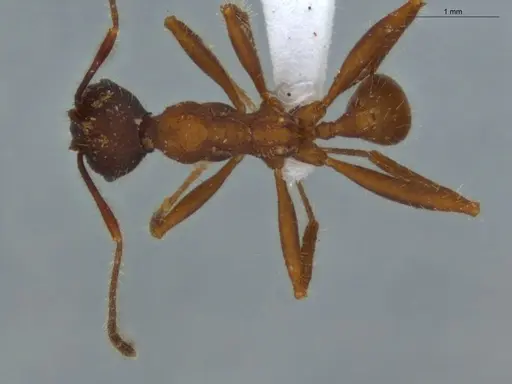
INBIOCRI002279426
View on AntWeb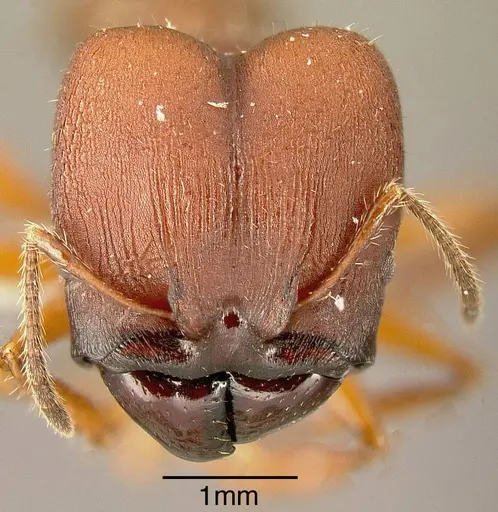
JTL297453
View on AntWeb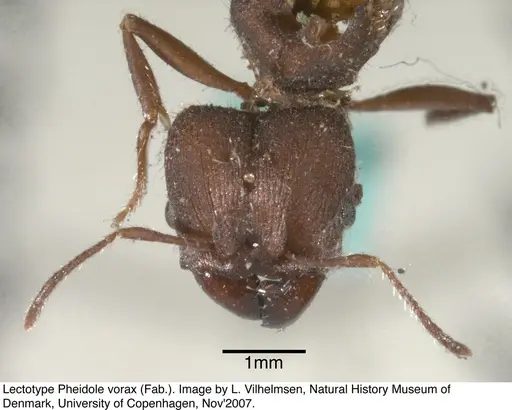
JTL297454
View on AntWeb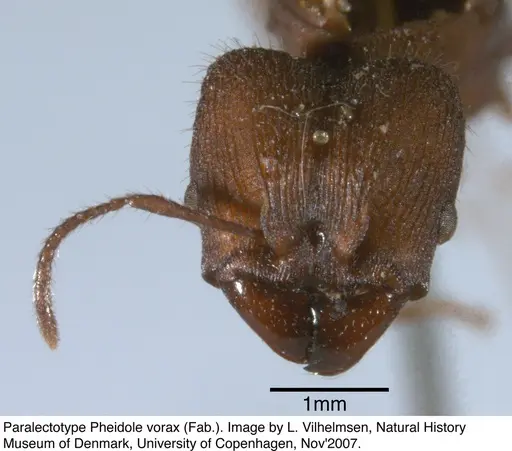
JTL297455
View on AntWeb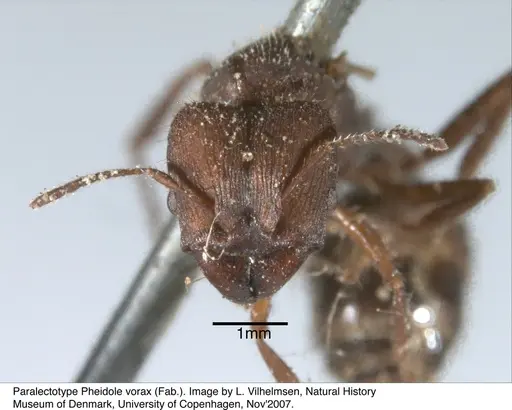
JTLC000014068
View on AntWeb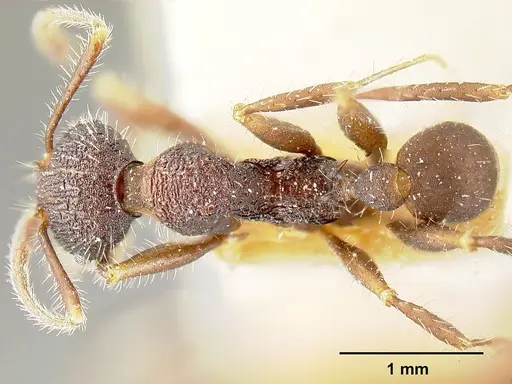
JTLC000014069
View on AntWeb
Literature
Loading distribution map...Loading products...