
Pheidole veteratrix
- Sci. Name
- Pheidole veteratrix
- Tribe
- Attini
- Subfamily
- Myrmicinae
- Author
- Forel, 1891
- Distribution
- Found in 1 countries
Introduction
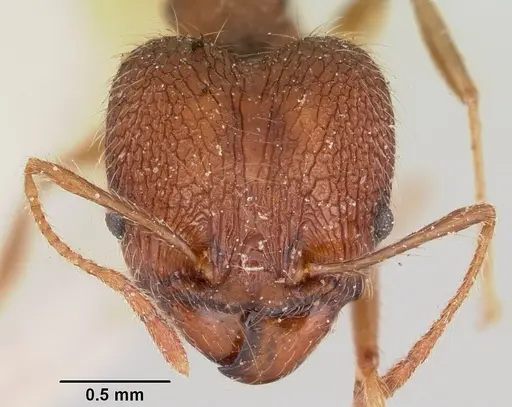
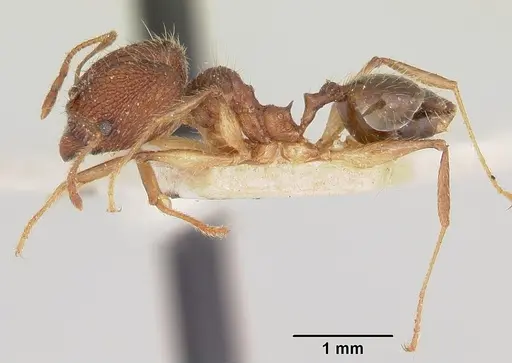
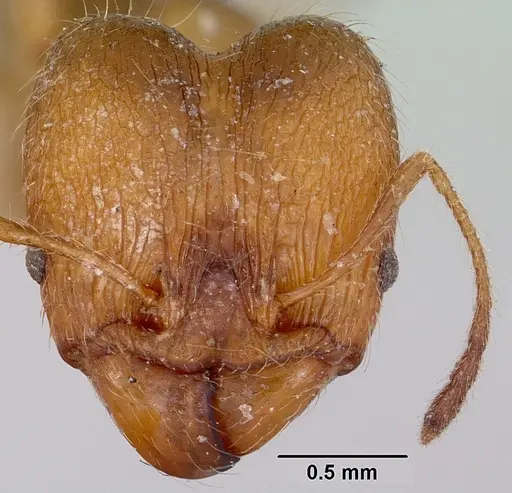
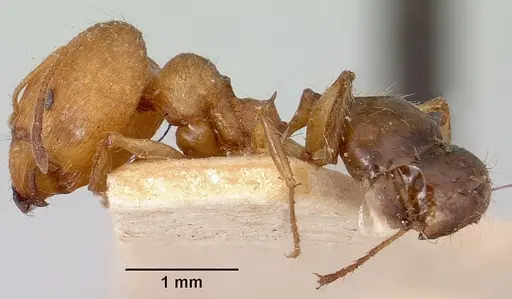
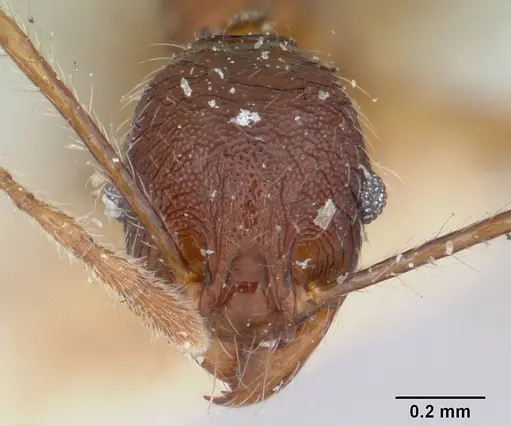
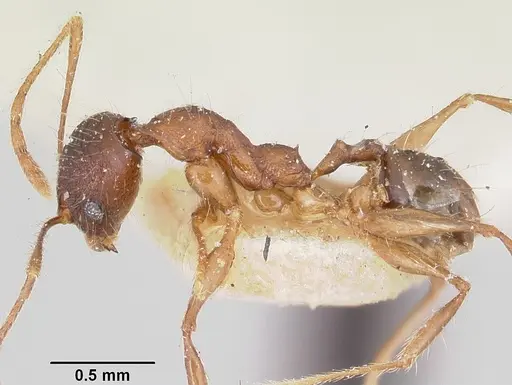
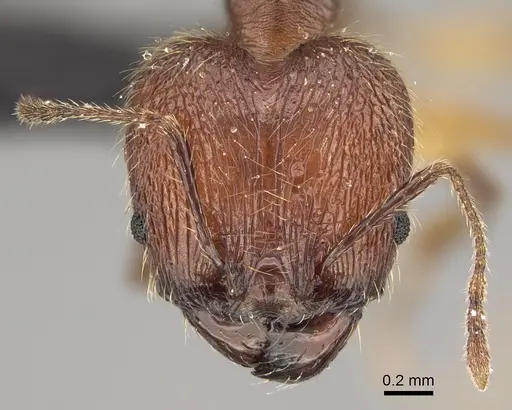
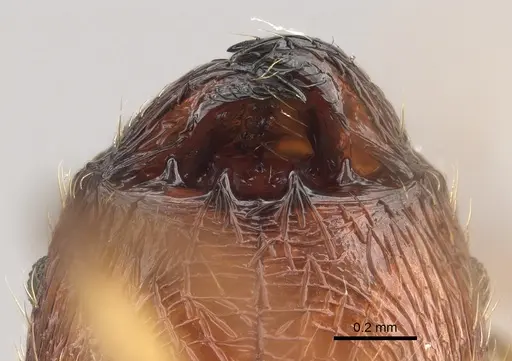
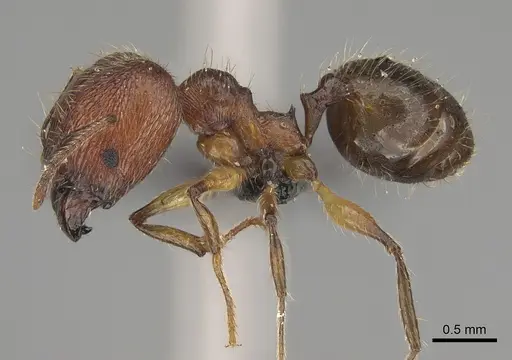
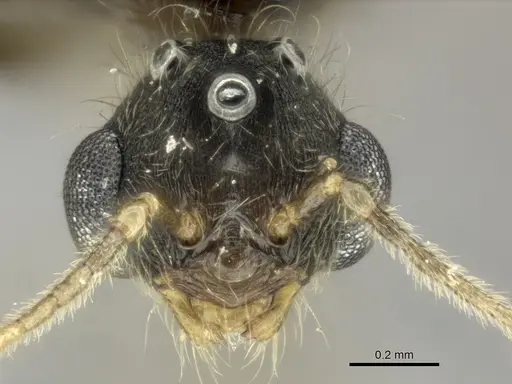
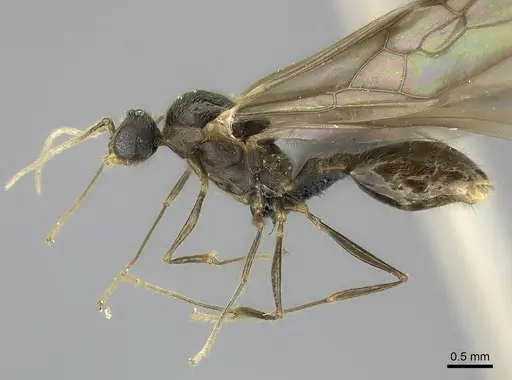
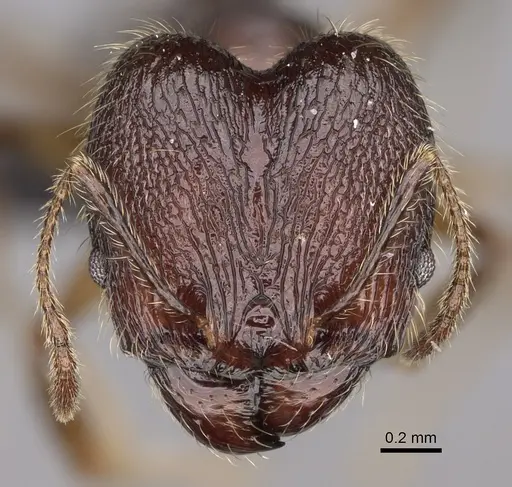
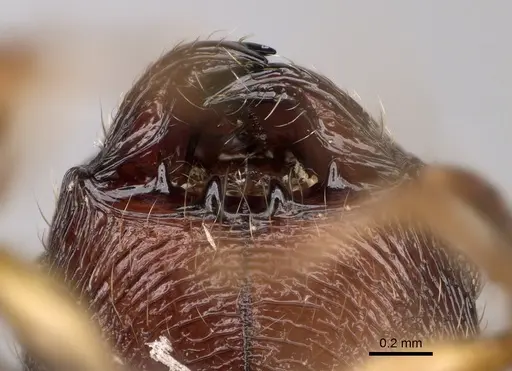
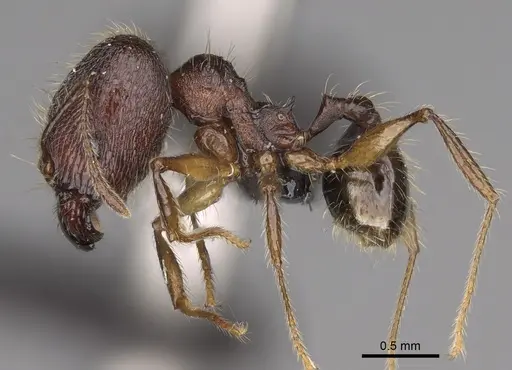
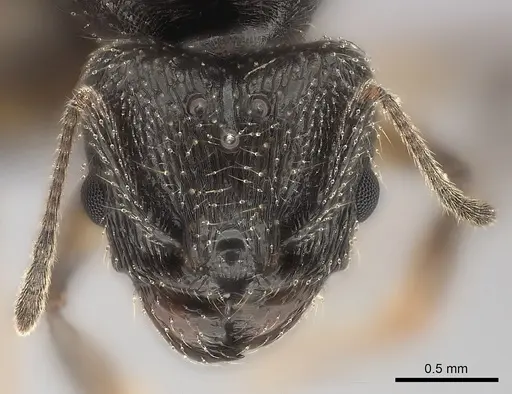
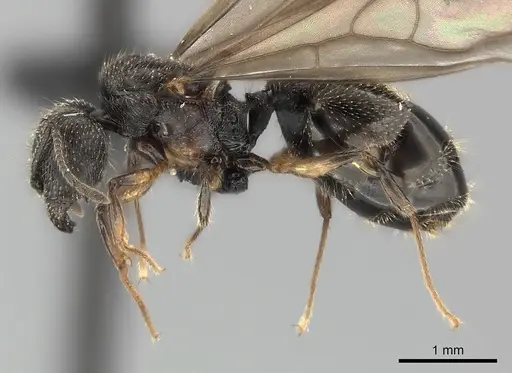
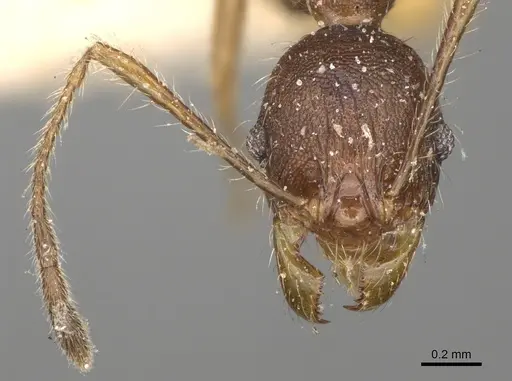
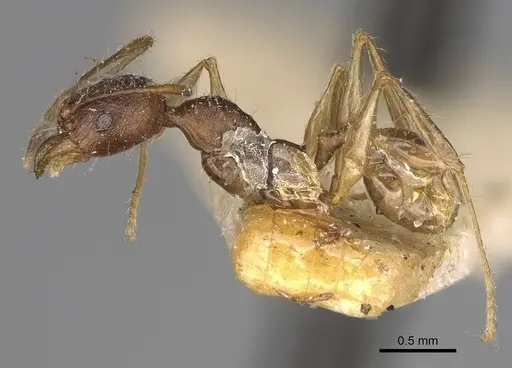
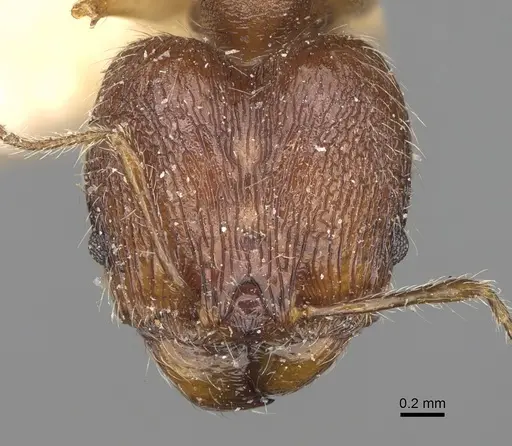
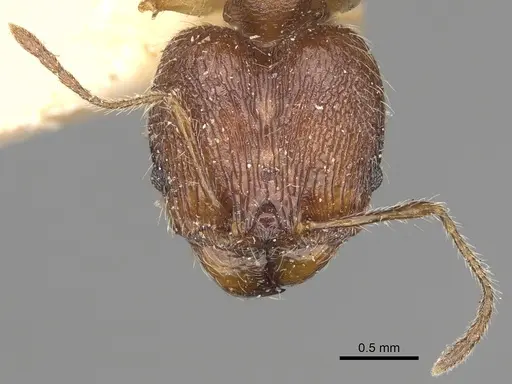
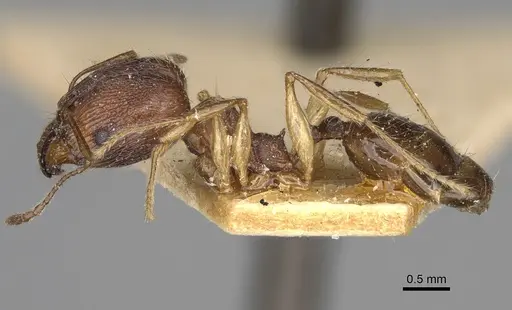
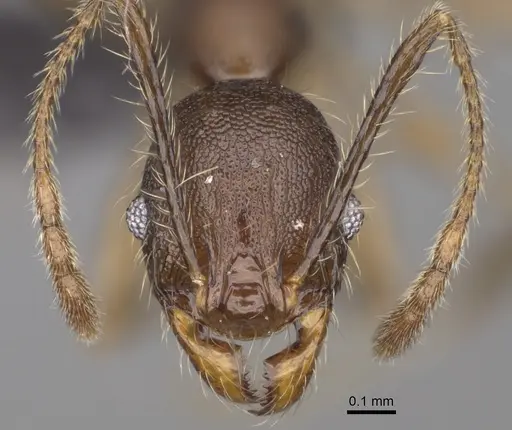
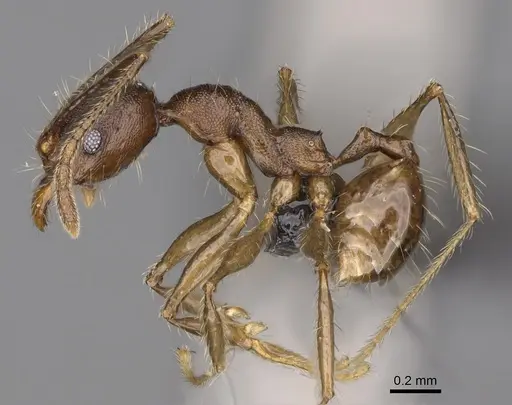
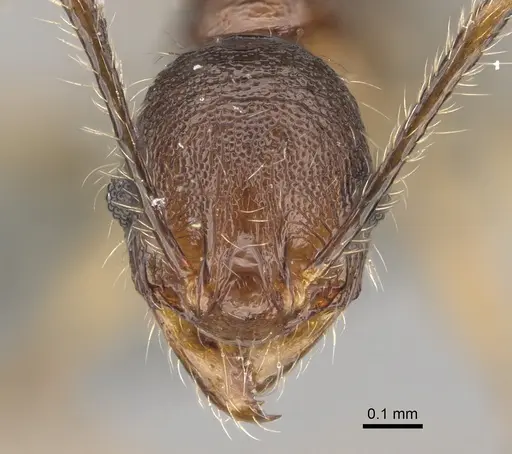
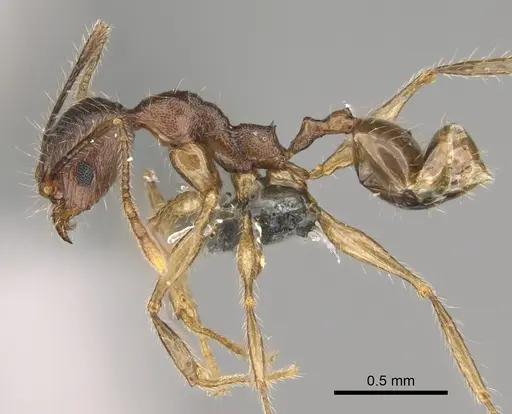
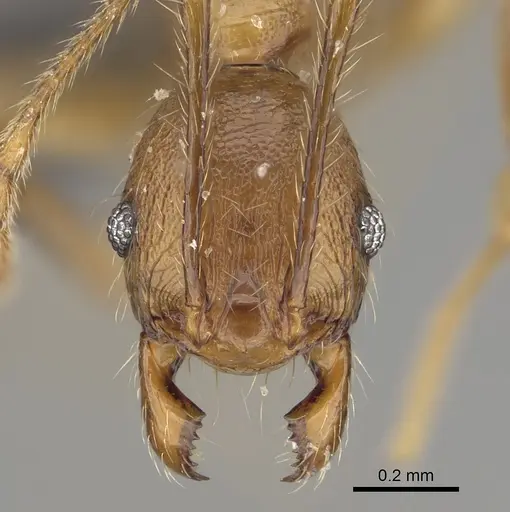
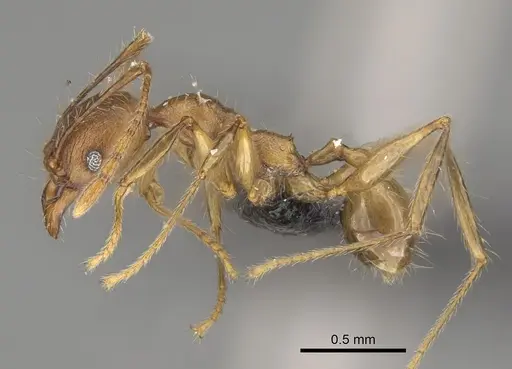
Pheidole veteratrix is a species in the Pheidole sikorae group, native to Madagascar. It is found in rainforest, montane rainforest, and montane forest at elevations between 500 and 1700 meters, where it nests in rotten logs, under stones, and under moss . Major workers have a larger head with dense pilosity, while minor workers are smaller, and both castes show color variation from brown to dark brown within colonies .
Quick Summary
- Difficulty: Medium
- Origin & Habitat: Madagascar, found in rainforest, montane rainforest, and montane forest at elevations of 500-1700m [1][2]. Nests are located in rotten logs, under stones, and under moss [1].
- Colony Type: Unconfirmed from research context, no specific data on queen number or social structure.
- Size & Growth:
- Queen: Size data unavailable, inferred from Pheidole genus to be approximately 8-12mm total length.
- Worker: Size data unavailable, minors are smaller than majors, but exact body lengths are not provided in research.
- Colony: Unknown, no colony size data in research.
- Growth: Unknown, no data on growth rate.
- Development: Estimated 6-8 weeks at optimal temperature based on genus patterns, but unconfirmed from literature. (Development time is inferred from typical Pheidole patterns, actual timing may vary.)
- Antkeeping:
- Temperature: Keep at 22-26°C, based on tropical rainforest habitat [1].
- Humidity: Keep nest substrate consistently moist but not waterlogged, based on rainforest habitat [1].
- Diapause: No, tropical species, no hibernation needed [1].
- Nesting: Prefer dark, humid nests like rotten logs or under stones. In captivity, use Y-tong, plaster, or soil nests with high humidity [1][2].
- Behavior: Pheidole species are generalist foragers. Major workers may sting if threatened, but sting is mild. They are not aggressive toward keepers but can deliver a mild sting if the colony feels threatened. Escape risk is moderate due to small size, ensure tight-fitting containers.
- Common Issues: high humidity requirements can lead to mold problems if ventilation is inadequate, colonies may decline if temperatures drop below 18°C for extended periods, slow growth compared to some genera may cause keepers to overfeed or disturb the colony unnecessarily, wild-caught colonies may harbor parasites or diseases that can cause colony loss in captivity, major workers require larger prey items than minor workers, ensure food is appropriately sized
Nest Preferences and Housing
In the wild, Pheidole veteratrix nests in rotting logs, under stones, and within moss at elevations between 500-1700m in Madagascar's rainforest and montane forest habitats [1][2]. This indicates a preference for dark, humid, and sheltered nesting sites. For captive care, use a naturalistic setup with rotting wood, cork, or soil-filled chambers that maintain high humidity. Y-tong or plaster nests with narrow chambers work well if kept moist. Ensure no large gaps to prevent escapes, as minors are small [1].
Feeding and Diet
Pheidole species are generalist foragers that eat seeds, small insects, and honeydew in nature [1]. For captive colonies, offer protein sources like small crickets or fruit flies 2-3 times per week, and constant access to sugar water or honey. Remove uneaten food to prevent mold. Both major and minor workers forage, but majors can handle larger prey [1].
Temperature and Seasonal Care
As a tropical species from Madagascar, maintain temperatures between 22-26°C year-round [1]. Avoid temperatures below 18°C, as prolonged cold can harm colonies. No hibernation is needed, keep consistent warmth. Use a heating mat on one side to create a gradient, but avoid drying out the nest [1].
Behavior and Colony Structure
Pheidole veteratrix is likely monogyne based on genus patterns, but this is unconfirmed from research. Colonies have major and minor workers, with majors having larger heads for defense and seed processing. Workers are active foragers and not aggressive toward keepers, but majors can sting if threatened. Escape prevention is important due to small size [1].
Growth and Development
Colonies start with a queen, but founding type is unconfirmed. First workers emerge in estimated 6-8 weeks at optimal temperature, based on genus patterns. Major workers appear later as colony grows. Growth rate is unknown, but colonies can develop over years.
Frequently Asked Questions
How long does it take for Pheidole veteratrix to produce first workers?
Expect first workers to emerge in approximately 6-8 weeks after queen lays eggs, assuming temperatures around 24-26°C, based on genus patterns.
What do Pheidole veteratrix ants eat?
They are generalist feeders. Offer protein like small insects 2-3 times per week and sugar sources like honey water [1].
Do Pheidole veteratrix ants need hibernation?
No. Being a tropical species from Madagascar, they do not require hibernation. Keep temperatures consistent year-round [1].
What size colony does Pheidole veteratrix reach?
Colony size is unknown from research, as no data is available.
Can I keep multiple Pheidole veteratrix queens together?
Colony type is unconfirmed, but based on genus patterns, it is likely monogyne. Introducing multiple queens may result in fighting.
What humidity level do Pheidole veteratrix need?
Keep nest substrate consistently moist but not waterlogged, based on their rainforest habitat [1].
Are Pheidole veteratrix good for beginners?
They are rated as medium difficulty. Main challenges are maintaining high humidity and warm temperatures year-round [1].
When should I move Pheidole veteratrix to a formicarium?
Move them when the colony reaches a crowded state in the test tube, typically after first workers emerge. Ensure the new setup maintains high humidity [1].
What is the best nest type for Pheidole veteratrix?
Naturalistic setups with rotting wood, cork, or soil work well. Y-tong or plaster nests with high humidity are also suitable [1][2].
Why is my Pheidole veteratrix colony declining?
Common causes include low humidity, temperatures below 18°C, mold from poor ventilation, or parasites from wild-caught colonies. Check all parameters [1].
Report an Issue
The current care sheet is based fully on literature. See inconsistencies, or something that's incorrect? Please , it will be resolved after review from an admin. Contributing to the blogs tab also helps providing information, to make us be able to further improve the caresheets. Thank you for your support!
References

This caresheet is licensed under CC BY-SA 4.0 .
Community Blogs
CASENT0101567
View on AntWeb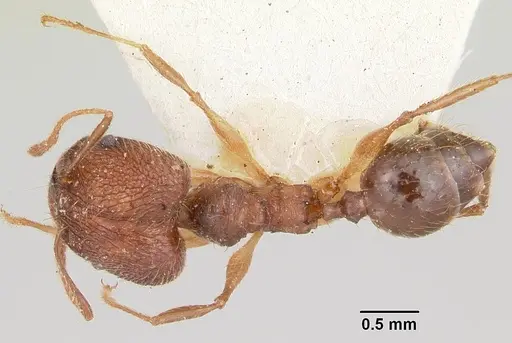
CASENT0101594
View on AntWeb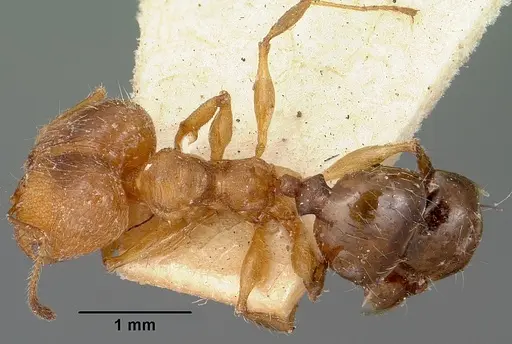
CASENT0101630
View on AntWeb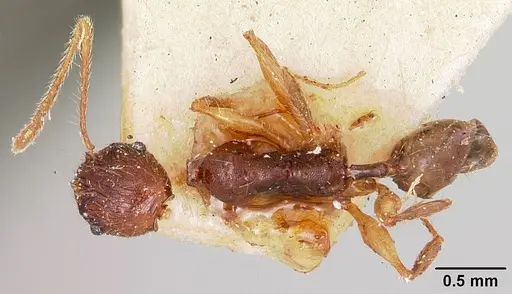
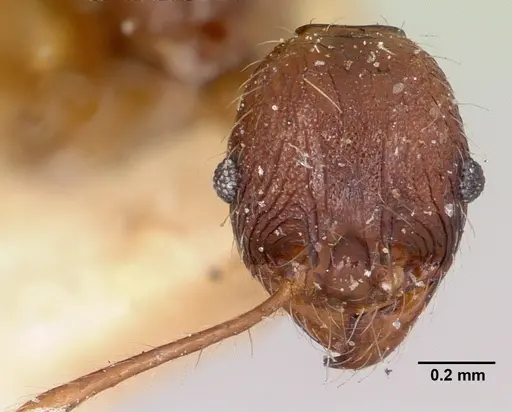
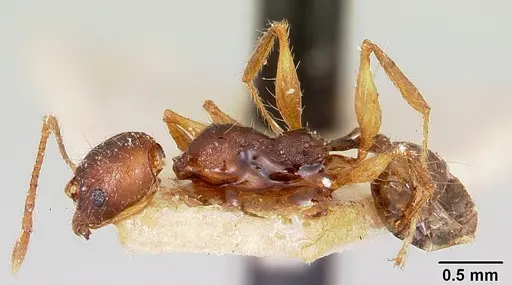
CASENT0101661
View on AntWeb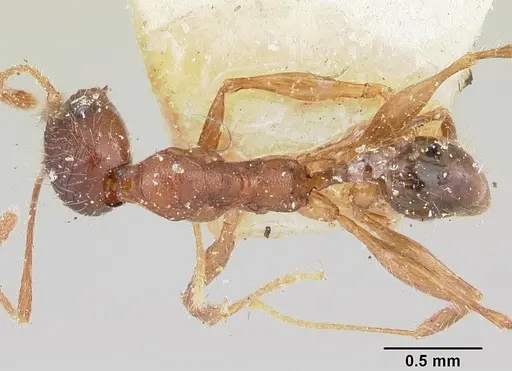
CASENT0118399
View on AntWeb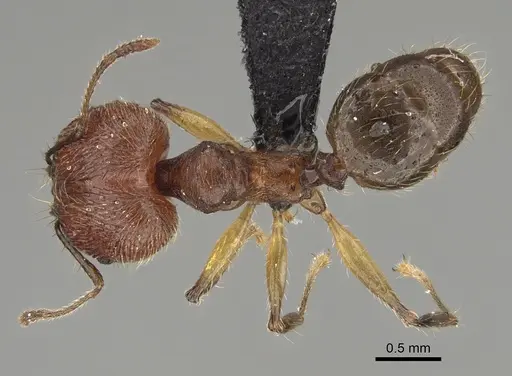
CASENT0147520
View on AntWeb
CASENT0148662
View on AntWeb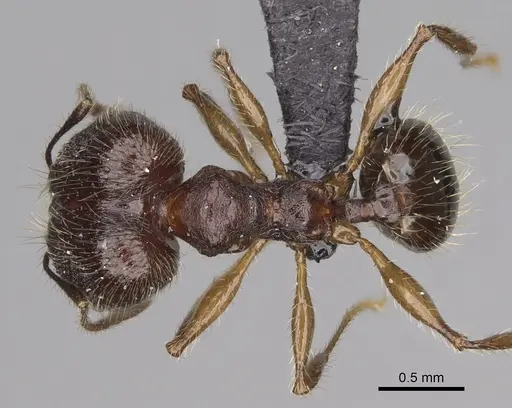
CASENT0149873
View on AntWeb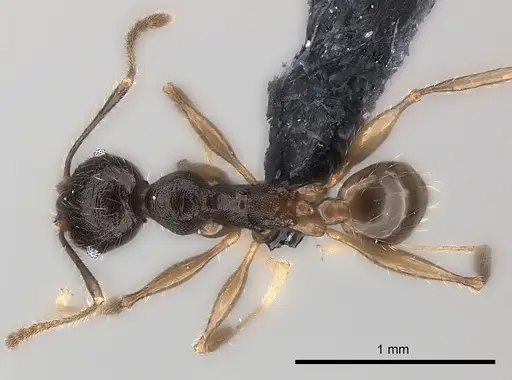
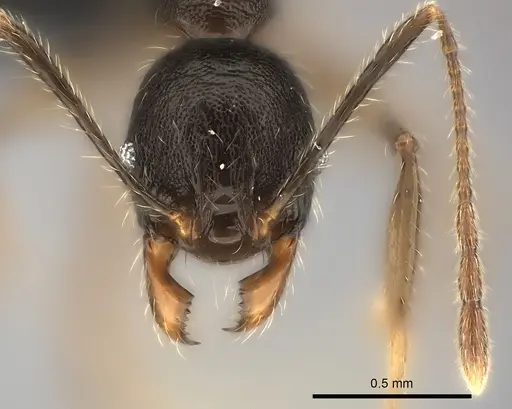
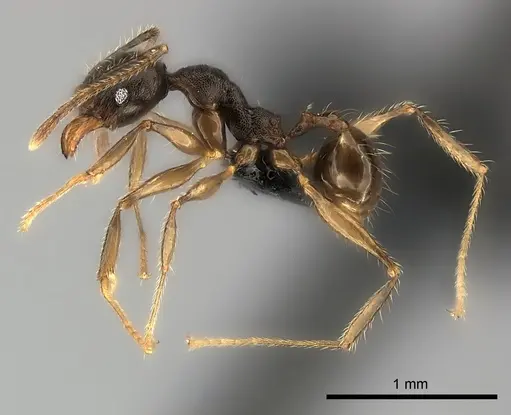
CASENT0149874
View on AntWeb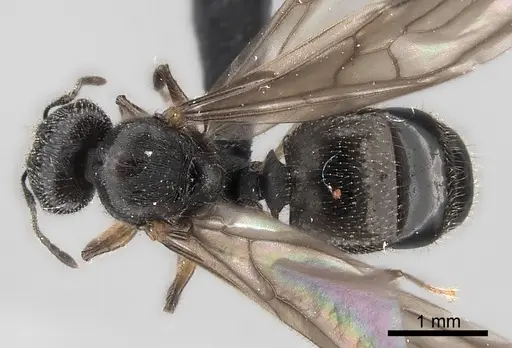
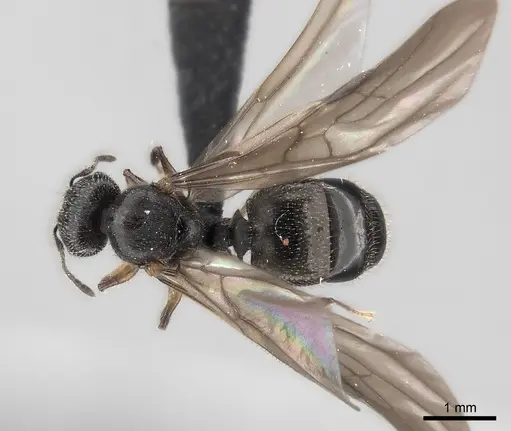
CASENT0217996
View on AntWeb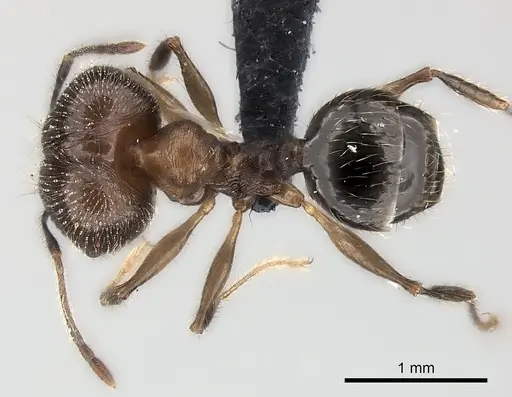
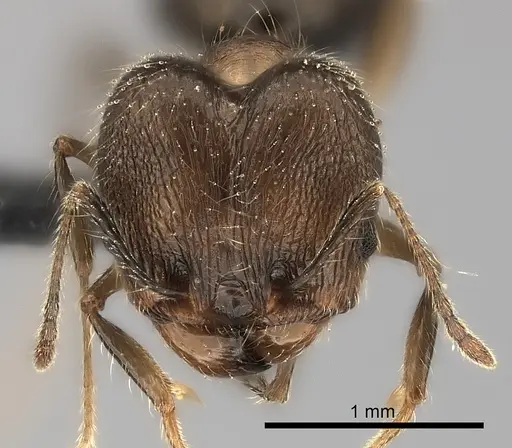
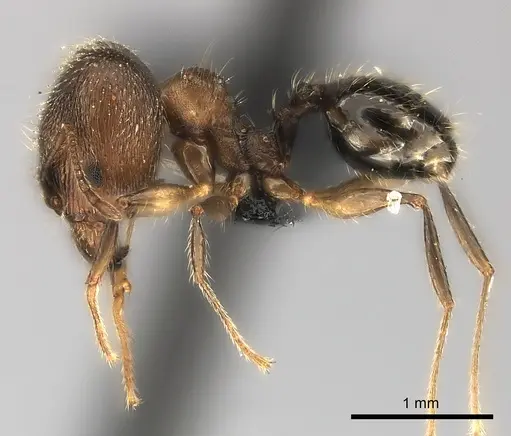
CASENT0276240
View on AntWeb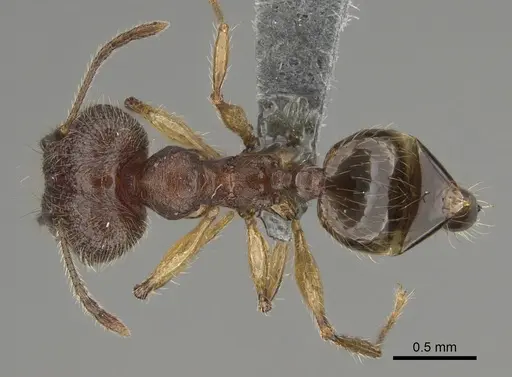
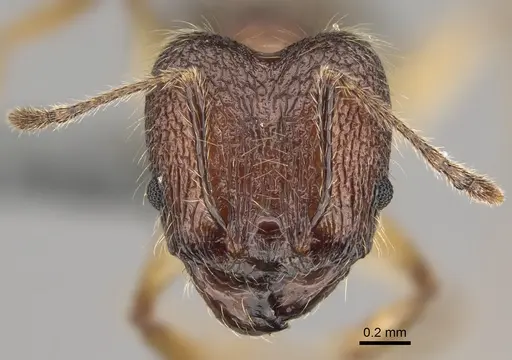
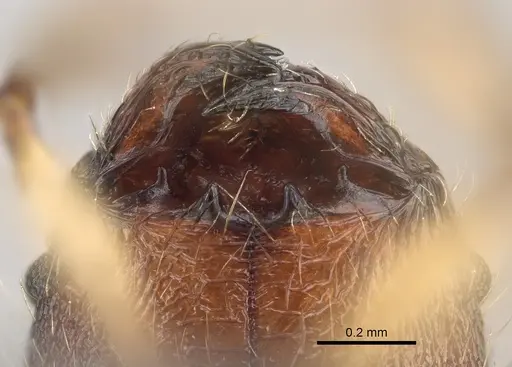
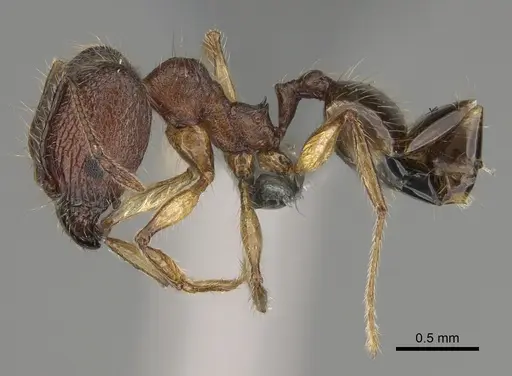
CASENT0922173
View on AntWeb
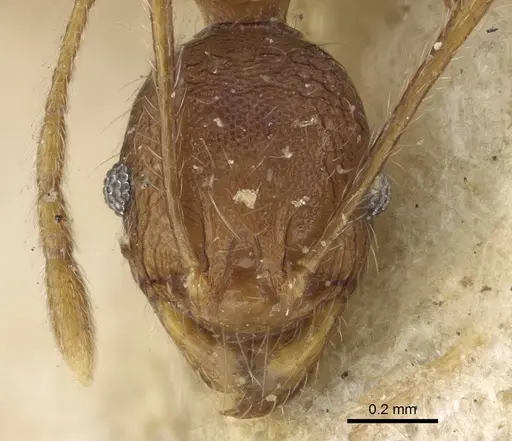
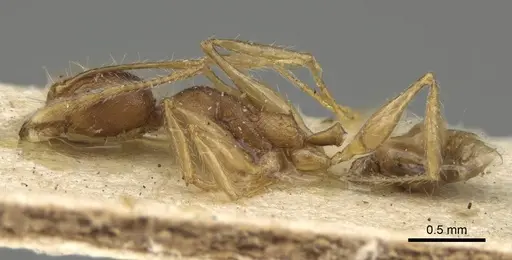
CASENT0923190
View on AntWeb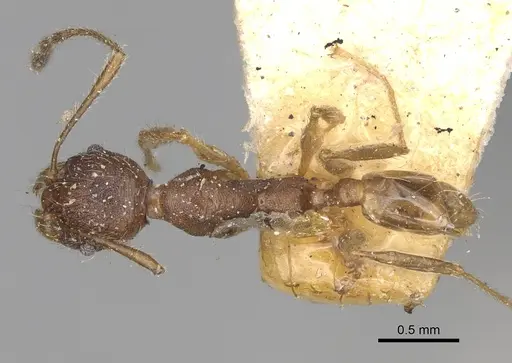
CASENT0923191
View on AntWeb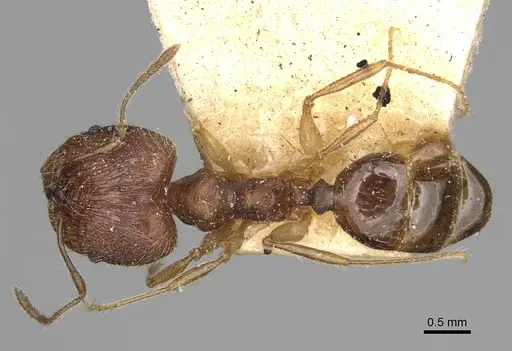
CASENT0923259
View on AntWeb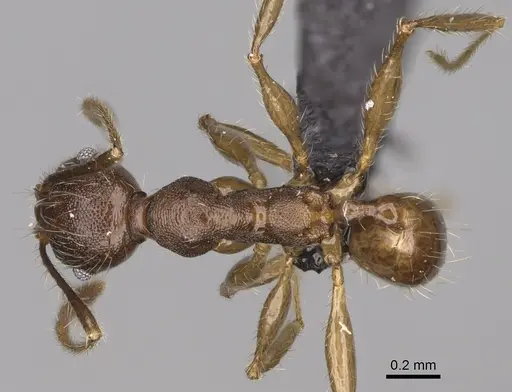
CASENT0923283
View on AntWeb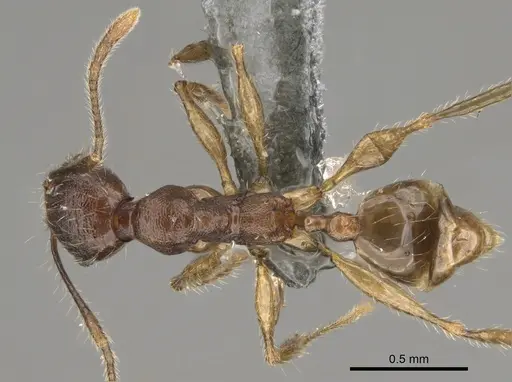
CASENT0923323
View on AntWeb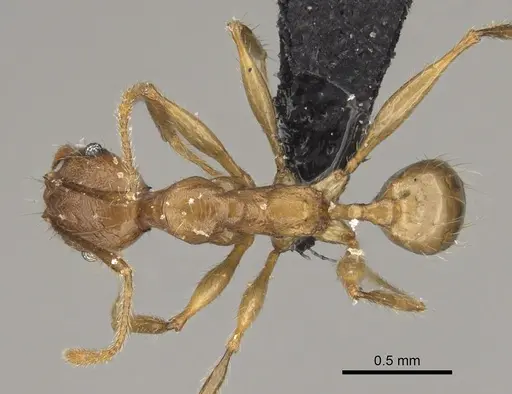
Literature
Loading distribution map...Loading products...