
Pheidole vallicola
- Sci. Name
- Pheidole vallicola
- Tribe
- Attini
- Subfamily
- Myrmicinae
- Author
- Wheeler, 1915
- Distribution
- Found in 2 countries
Introduction
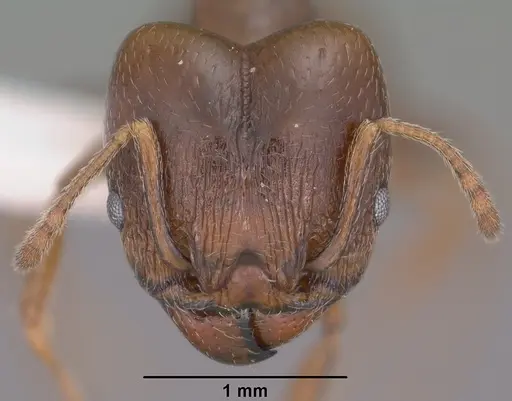
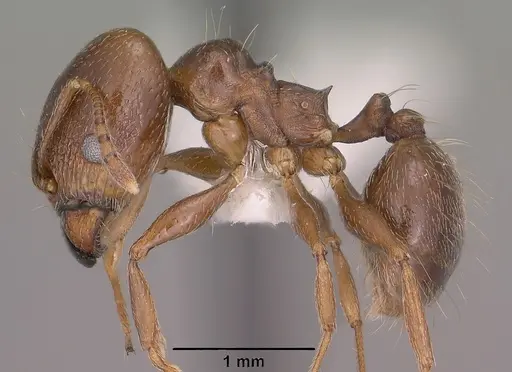
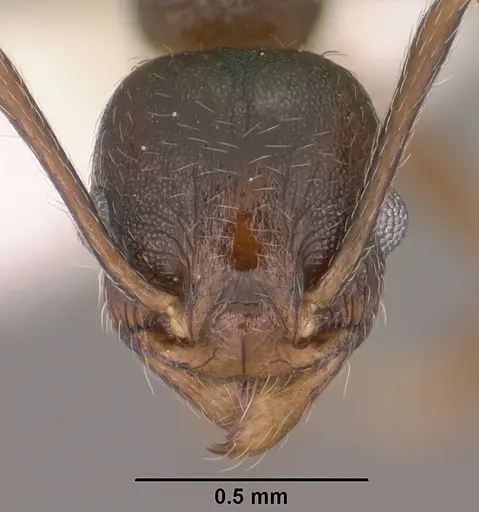
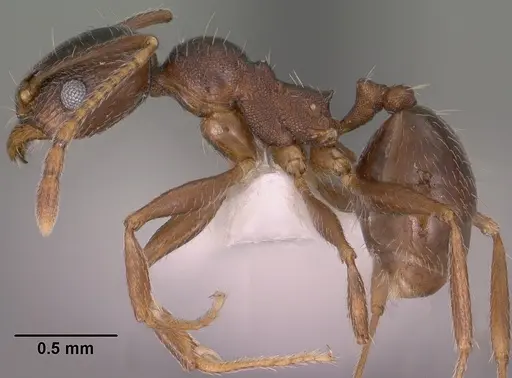
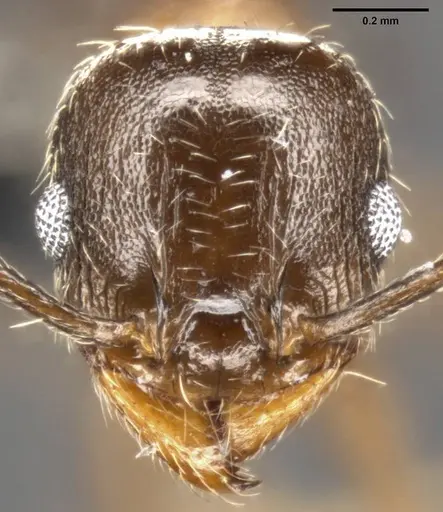
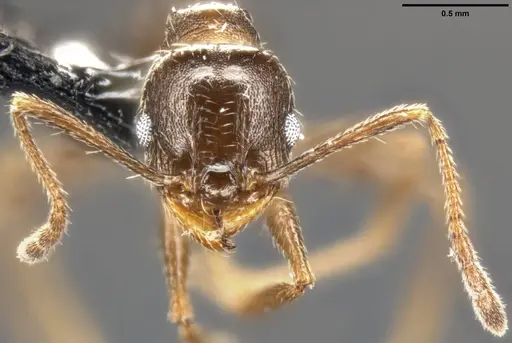
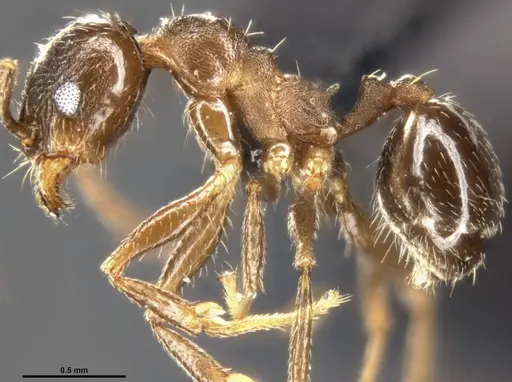
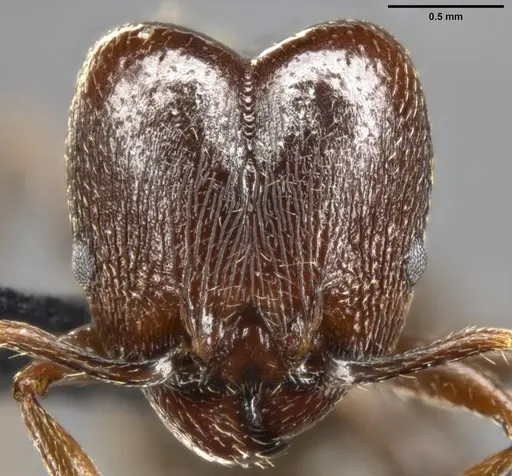
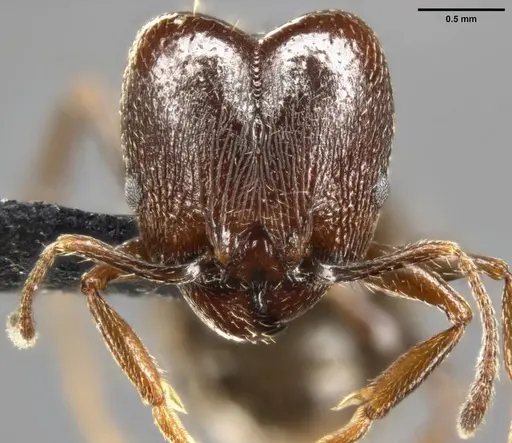
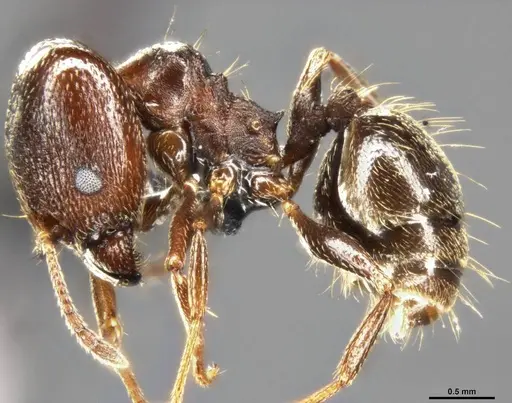
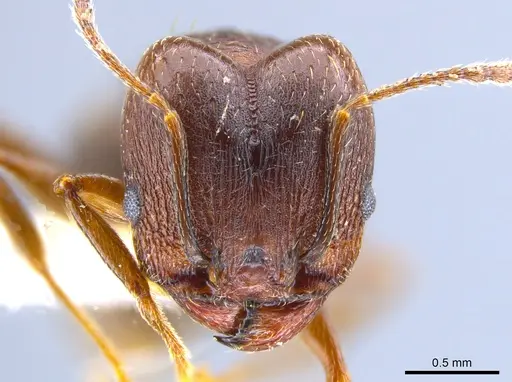
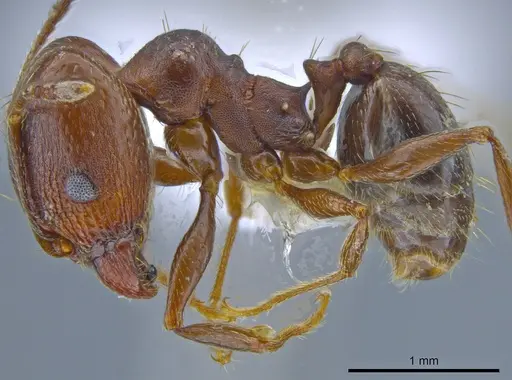
Pheidole vallicola is a small North American ant species native to mountainous regions of southeastern Arizona, New Mexico, and northern Mexico . Majors have elongated scapes with a flattened region at the base, and minors have densely punctate heads . Full body size data is unavailable, but based on Pheidole genus patterns, workers are typically a few millimeters long. The species stores seeds in its nests, showing granivorous behavior . In the wild, P. vallicola favors creek banks and open woodlands at elevations of 1200-1900 meters, nesting under stones in rocky loam soils . Brood is present in July, and seeds are stored in nests .
Quick Summary
- Difficulty: Easy
- Origin & Habitat: Mountainous regions of southeastern Arizona, New Mexico, and northern Mexico at elevations of 1200-1900m. Found in creek banks and open woodlands, nesting under stones in rocky loam soils [1][2].
- Colony Type: Based on Pheidole genus patterns, likely monogyne with single queen colonies [2].
- Size & Growth:
- Queen: Size data unavailable, inferred from Pheidole genus patterns (~6-7 mm) [2]
- Worker: Size data unavailable, inferred from Pheidole genus patterns (~2-4 mm) [2]
- Colony: Up to several hundred workers, estimated from genus patterns [2]
- Growth: Moderate, inferred from Pheidole genus [2]
- Development: 6-10 weeks, estimated from typical Pheidole development [2] (Development time estimated from related species. Brood observed in July, suggesting summer breeding cycle.)
- Antkeeping:
- Temperature: Keep at room temperature around 20-24°C, with a gentle gradient [2].
- Humidity: Keep nest substrate moist but not waterlogged, with drier areas in the outworld [2].
- Diapause: Yes, based on geographic range, requires winter diapause at around 15°C for 2-3 months [2].
- Nesting: Use test tube setups for founding, for established colonies, Y-tong or plaster nests with moderate moisture [2].
- Behavior: Generally calm species with typical Pheidole temperament. Majors serve as soldiers and food processors, while minors handle foraging and brood care. Seed-storing behavior means they collect and store seeds. Not aggressive but will defend nest. Escape risk is high due to small minor workers [2].
- Common Issues: escape prevention is critical, minor workers are extremely small and can squeeze through gaps, overheating risk, prefer cooler temperatures due to mountain habitat, seed storage behavior may lead to ignoring protein offerings, offer both seeds and insects, colonies may be slow to establish initially, patience needed during founding, test tube flooding can drown colonies, monitor water reservoir and condensation
Housing and Nest Setup
For founding colonies, use a standard test tube setup with water and cotton plug [2]. The queen will seal herself in until workers emerge. For established colonies with 50+ workers, move to a Y-tong or plaster nest that mimics rocky loam conditions [2]. Keep substrate moderately moist and use fine mesh to prevent escapes [2].
Feeding and Diet
Pheidole vallicola is omnivorous with a preference for seeds and small insects [2]. Offer seeds like millet and chia continuously, and protein sources like fruit flies 2-3 times per week [2]. Remove uneaten food after 48 hours to prevent mold.
Temperature and Seasonal Care
As a mountain species, keep temperatures around 20-24°C with a gradient [2]. During winter, reduce to 15°C for 2-3 months for diapause [2]. Avoid overheating from heating elements.
Colony Structure and Castes
Pheidole vallicola has dimorphic castes: majors (soldiers) and minors (foragers) [2]. Based on genus patterns, colonies are likely monogyne with a single queen [2]. Majors process large food items, while minors handle daily tasks.
Growth and Development
Colony growth is moderate, with first workers emerging in 6-10 weeks [2]. Brood is present in July in the wild [2]. Castes become apparent around 50-100 workers.
Handling and Temperament
This species is peaceful and not aggressive [2]. Escape prevention is essential due to small minor workers [2]. Use fine mesh and fluon barriers.
Frequently Asked Questions
Can I keep Pheidole vallicola in a test tube?
Yes, test tubes work well for founding colonies. Use a standard setup with water and cotton [2]. Move to a larger nest when the colony reaches 50+ workers.
How long until first workers in Pheidole vallicola?
Expect first workers in about 6-10 weeks at room temperature [2].
What do Pheidole vallicola eat?
They eat seeds and small insects. Offer seeds continuously and protein 2-3 times per week [2].
Are Pheidole vallicola good for beginners?
Yes, they are easy for beginners due to calm temperament, but escape prevention is critical [2].
Do Pheidole vallicola need hibernation?
Yes, as a temperate species, they require winter diapause at 15°C for 2-3 months [2].
How big do Pheidole vallicola colonies get?
Colonies can reach up to several hundred workers, estimated from genus patterns [2].
When should I move Pheidole vallicola to a formicarium?
Move when the colony has 50-100 workers or the test tube is crowded [2].
Why are my Pheidole vallicola escaping?
Minor workers are very small and can escape through gaps. Use fine mesh and secure lids [2].
Can I keep multiple Pheidole vallicola queens together?
No, based on genus patterns, colonies are likely monogyne with a single queen [2].
What temperature is ideal for Pheidole vallicola?
Keep at 20-24°C with a gradient, avoiding overheating [2].
What makes Pheidole vallicola different from other Pheidole?
It prefers mountain habitats, stores seeds, and has distinctive major worker morphology [2].
Report an Issue
The current care sheet is based fully on literature. See inconsistencies, or something that's incorrect? Please , it will be resolved after review from an admin. Contributing to the blogs tab also helps providing information, to make us be able to further improve the caresheets. Thank you for your support!
References

This caresheet is licensed under CC BY-SA 4.0 .
Community Blogs
CASENT0104455
View on AntWeb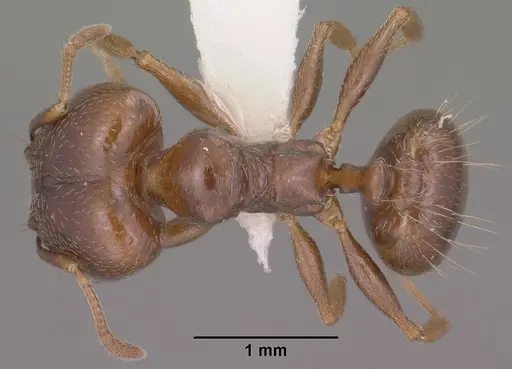
CASENT0104456
View on AntWeb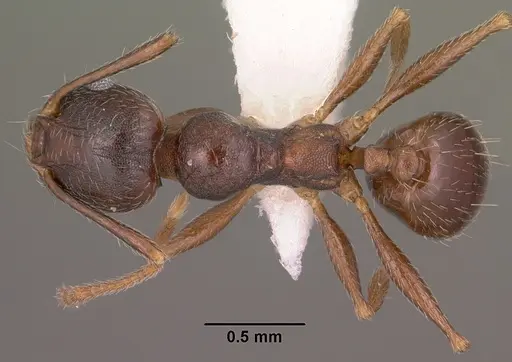
CASENT0282703
View on AntWeb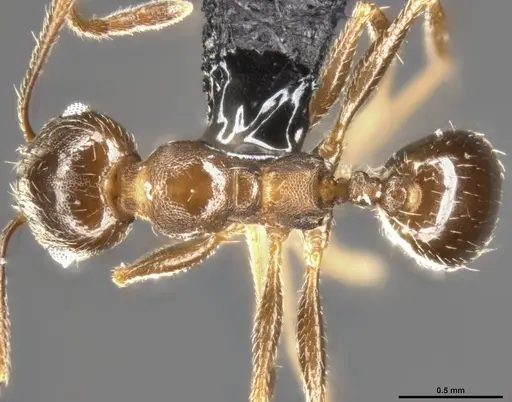
CASENT0282704
View on AntWeb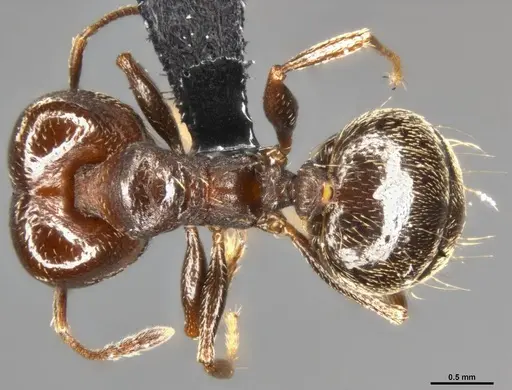
CASENT0637409
View on AntWeb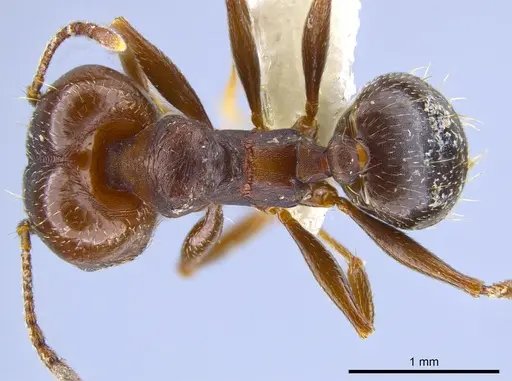
Literature
Loading distribution map...Loading products...