
Pheidole vafra
- Sci. Name
- Pheidole vafra
- Tribe
- Attini
- Subfamily
- Myrmicinae
- Author
- Santschi, 1923
- Distribution
- Found in 4 countries
Introduction
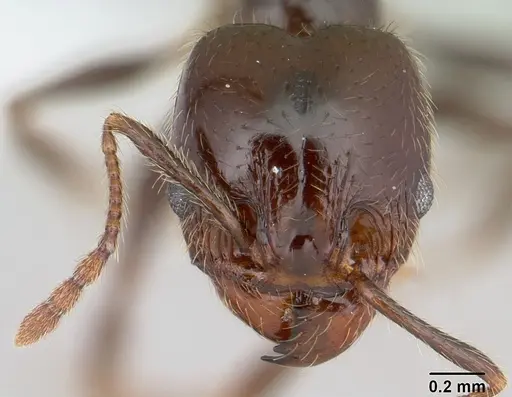
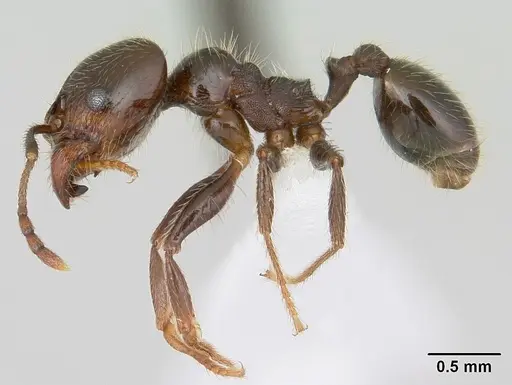
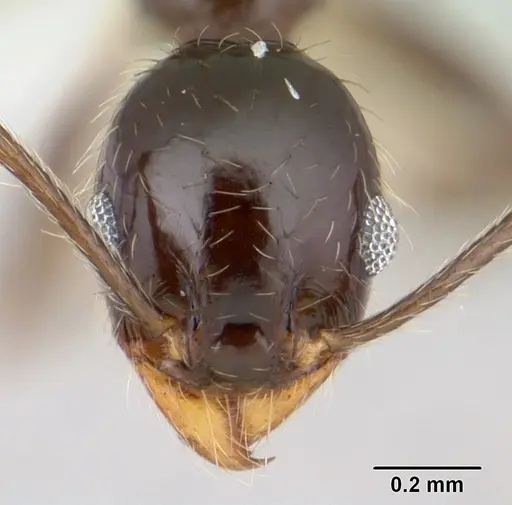
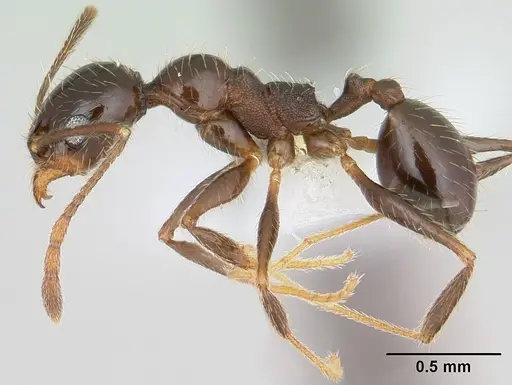
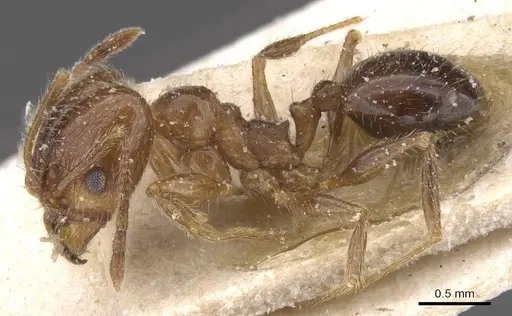
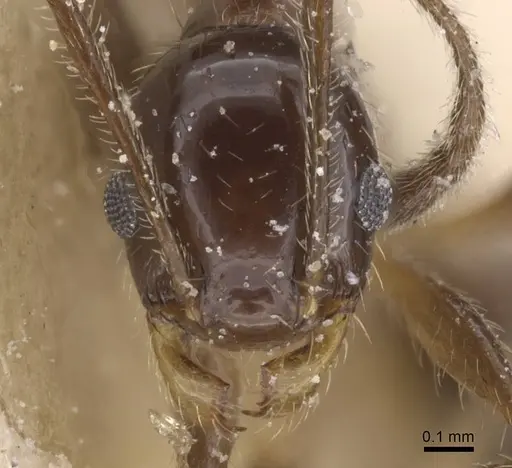
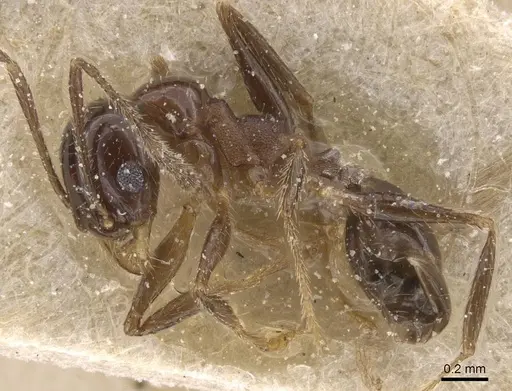
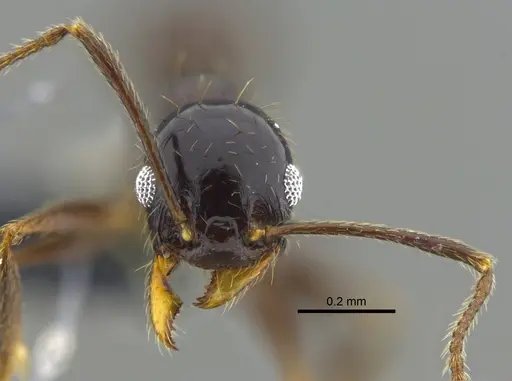
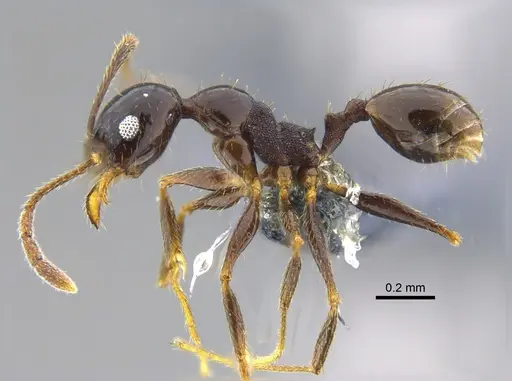
Pheidole vafra is a small brown ant with major workers having a faintly bicolored head, anterior quarter brownish yellow and rest light brown, while minor workers are uniform medium brown . Size data for total body length is not available, but based on Pheidole genus patterns, workers are typically small, around 2-5 mm. This species is widespread across the Neotropical region, including Argentina, Brazil, Colombia, Costa Rica, French Guiana, Nicaragua, Panama, Paraguay, Trinidad and Tobago, and Venezuela . It inhabits marginal habitats such as sandy coastal soil, hard-packed clay roads, and areas under debris like fallen leaves .
Quick Summary
- Difficulty: Easy
- Origin & Habitat: Neotropical region, Argentina, Brazil, Colombia, Costa Rica, French Guiana, Nicaragua, Panama, Paraguay, Trinidad and Tobago, and Venezuela. This weedy species thrives in marginal habitats like sandy soil, clay roads, and disturbed areas [1][2].
- Colony Type: Based on Pheidole genus patterns, likely monogyne (single-queen colonies), but not confirmed for this species [1].
- Size & Growth:
- Queen: Size data unavailable for total length, but inferred from Pheidole genus to be around 6-8 mm.
- Worker: Size data unavailable for total length, but workers are small, inferred from Pheidole genus patterns.
- Colony: Up to several hundred workers, estimated from genus patterns.
- Growth: Moderate, inferred from tropical habitat.
- Development: Estimated 5-8 weeks to first workers at warm temperatures, inferred from related Pheidole species. (Development time is inferred, specific data for P. vafra not available.)
- Antkeeping:
- Temperature: Keep warm, roughly 24-28°C, as they are a tropical species [2].
- Humidity: Provide a humidity gradient, mostly dry nest with one small moist area, as they nest in sandy soil [2].
- Diapause: No, as a tropical species, they do not require hibernation [2].
- Nesting: They naturally nest in soil under debris. For captivity, use test tubes for founding colonies, then soil-based nests or Y-tong/plaster nests with moisture chambers [2][1].
- Behavior: Pheidole vafra is typically active foragers. Based on Pheidole genus patterns, they may harvest seeds and tend aphids for honeydew. They are not highly aggressive but will defend their nest. As a member of Myrmicinae, they have a stinger, but it is not medically significant to humans. Escape risk is moderate due to small size, use barriers like Fluon.
- Common Issues: small colony size means slow growth, don't overfeed or mold becomes an issue., tropical species cannot tolerate cold, keep above 20°c year-round., founders can be sensitive to disturbance, minimize vibrations during claustral founding., seed-eating ants need grit/sand to process seeds, include fine substrate in the outworld.
Nest Preferences
In the wild, Pheidole vafra nests in sandy soil, hard-packed clay, and under debris like fallen leaves [2]. For captive care, test tubes work well for founding colonies. Once established, use naturalistic setups with moist soil or Y-tong/plaster nests that can hold some humidity. They prefer tight chambers rather than open spaces, mimicking their natural soil nest environment [1][2].
Feeding and Diet
Diet is not specified in research, but based on Pheidole genus patterns, they may be omnivorous seed-harvesters. In captivity, offer a varied diet: seeds, protein sources like small insects, and sugar water. Major workers may help with seed processing, so include fine grit in the outworld [2].
Temperature and Care
Keep temperatures warm, roughly 24-28°C, as they are a tropical species [2]. Maintain stable temperatures year-round, as they do not require diapause. A heating cable can create a beneficial gradient if needed.
Behavior and Temperament
Pheidole vafra is typically active foragers. Based on genus patterns, they are not highly aggressive but defend their nest vigorously. Escape risk is moderate due to small size, use standard barriers like Fluon. They are ground-nesting ants and do not climb smooth surfaces readily [1][2].
Frequently Asked Questions
How long does it take for Pheidole vafra to raise first workers?
Expect first workers in about 5-8 weeks after queen lays eggs, assuming warm temperatures around 26°C. This is inferred from related Pheidole species [1].
Can I keep Pheidole vafra in a test tube?
Yes, test tubes work well for founding colonies. Keep the water chamber filled and provide a dark cover. Once the colony reaches 30-50 workers, consider moving to a larger setup [2].
What do Pheidole vafra eat?
Diet is not specified, but based on genus patterns, they may eat seeds, insects, and honeydew. Offer a varied diet in captivity [2].
Are Pheidole vafra good for beginners?
Yes, this species is beginner-friendly. They are adaptable and not aggressive, with simple care requirements.
Do Pheidole vafra need hibernation?
No, as a tropical species, they do not require hibernation. Keep them warm year-round [2].
How big do Pheidole vafra colonies get?
Colony size is estimated up to several hundred workers, based on genus patterns [1].
When should I move Pheidole vafra to a formicarium?
Move them when the test tube becomes crowded, typically around 30-50 workers. A naturalistic setup with soil works well [2].
Why are my Pheidole vafra dying?
Common causes include temperatures below 20°C, mold from overfeeding, or disturbance during founding. Ensure proper temperature and feeding [2].
Report an Issue
The current care sheet is based fully on literature. See inconsistencies, or something that's incorrect? Please , it will be resolved after review from an admin. Contributing to the blogs tab also helps providing information, to make us be able to further improve the caresheets. Thank you for your support!
References

This caresheet is licensed under CC BY-SA 4.0 .
Community Blogs
CASENT0178063
View on AntWeb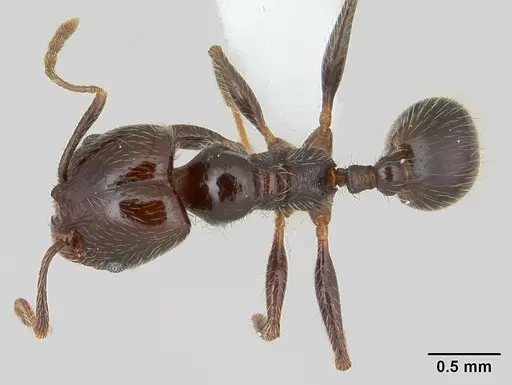
CASENT0178064
View on AntWeb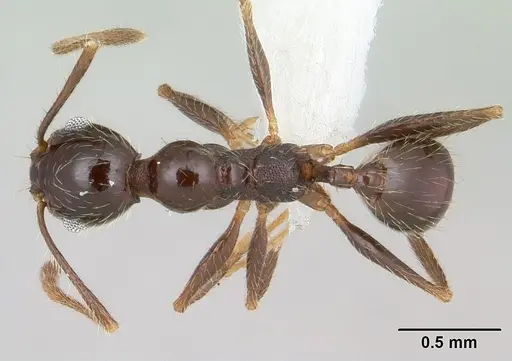
CASENT0913469
View on AntWeb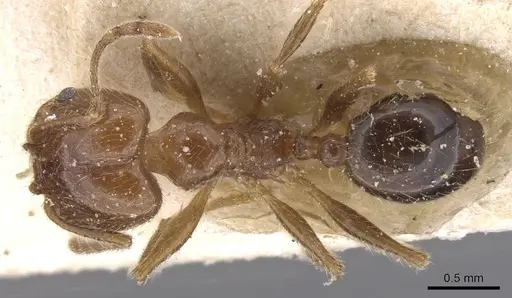
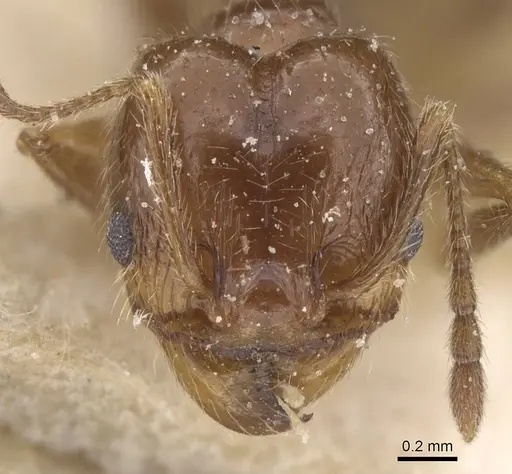
CASENT0913470
View on AntWeb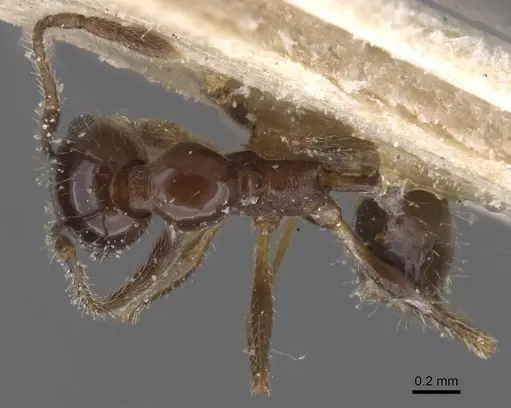
CBUMAGENT42053
View on AntWeb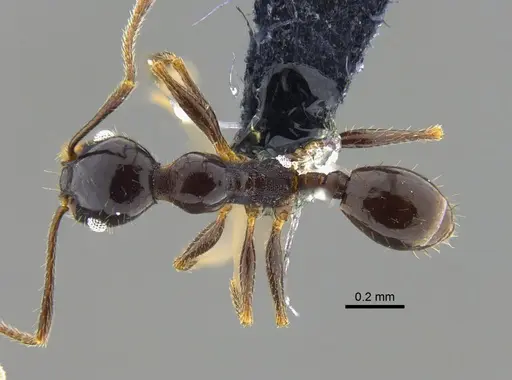
Literature
Loading distribution map...Loading products...