
Pheidole umbonata
- Sci. Name
- Pheidole umbonata
- Tribe
- Attini
- Subfamily
- Myrmicinae
- Author
- Mayr, 1870
- Distribution
- Found in 9 countries
Introduction
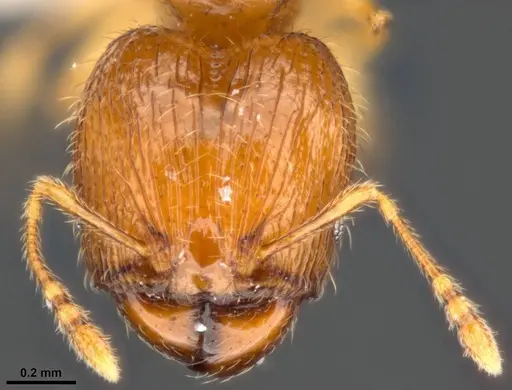
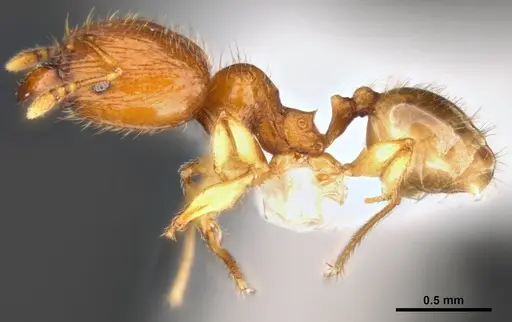
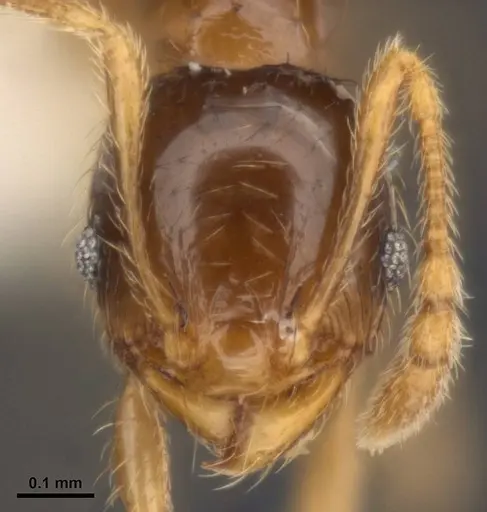
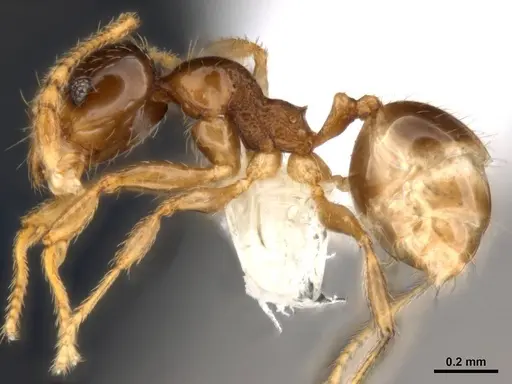
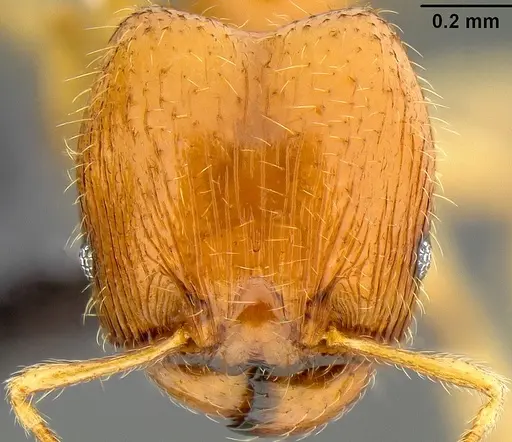
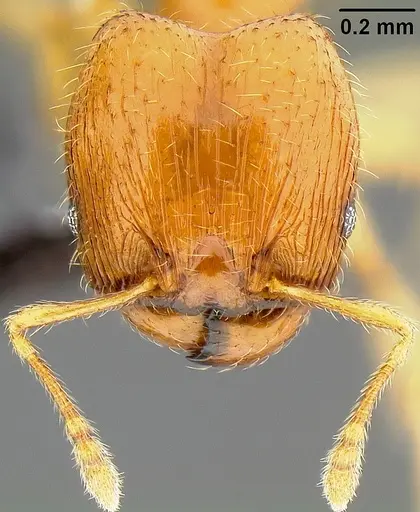
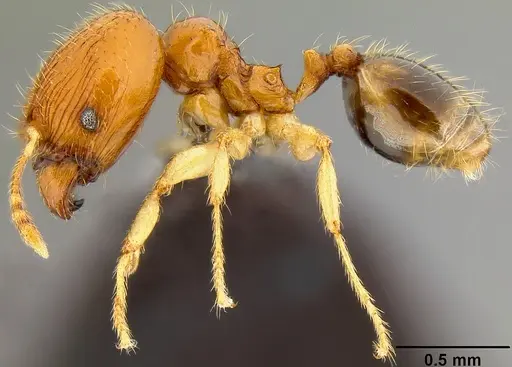
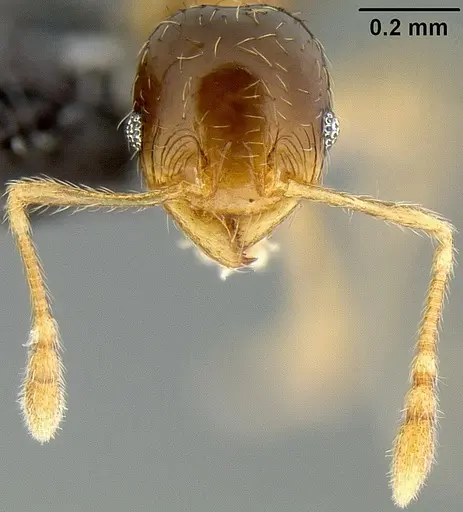
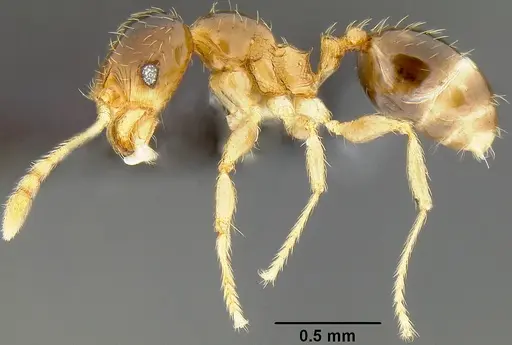
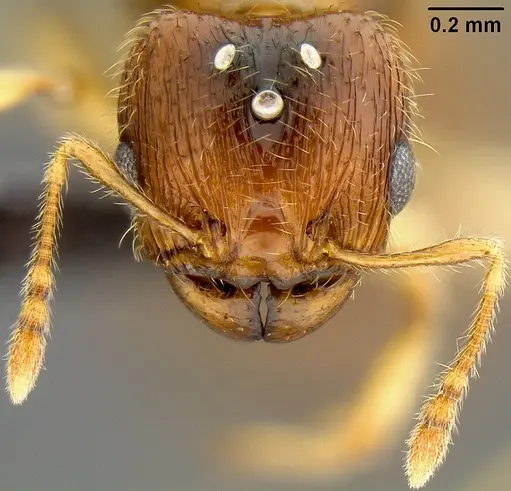
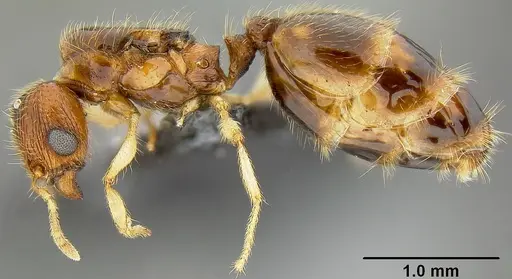
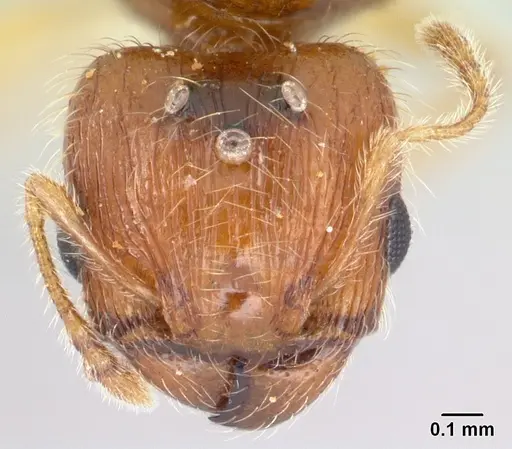
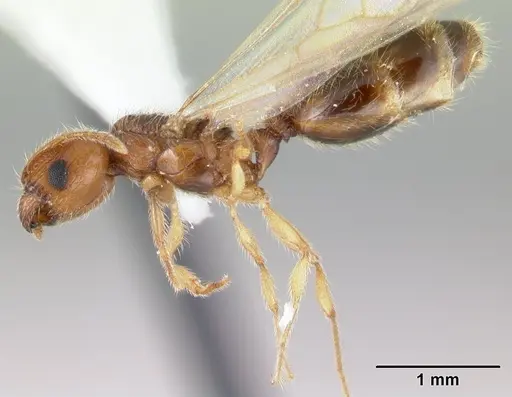
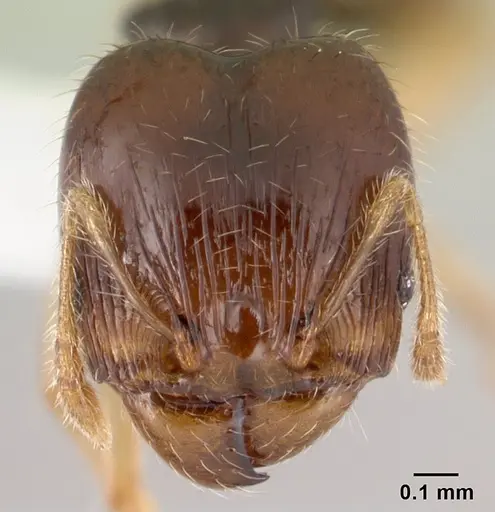
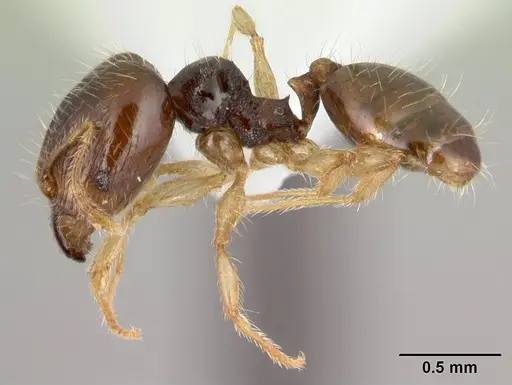
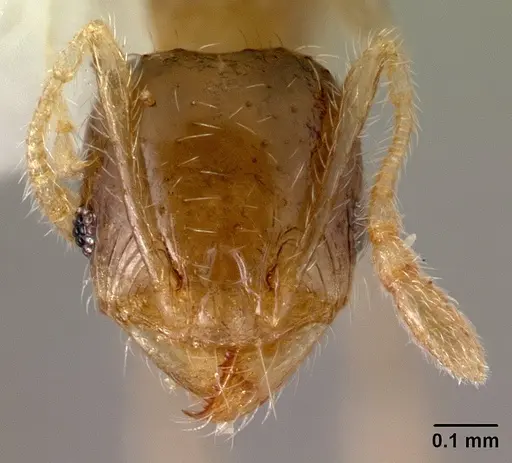
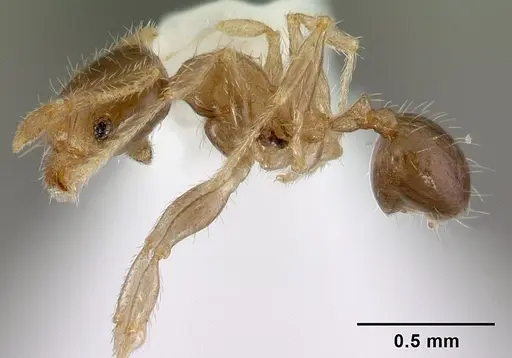
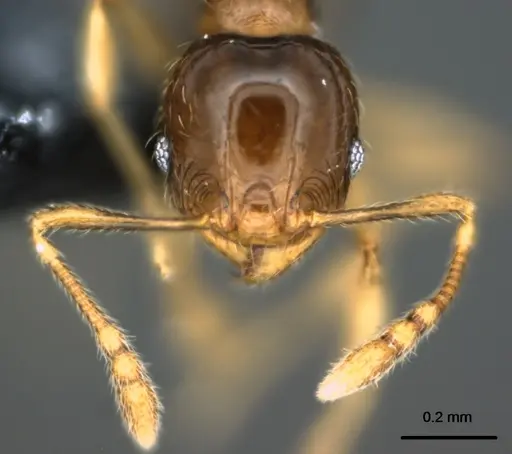
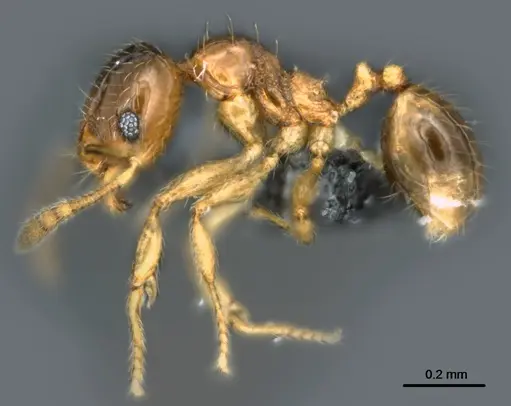
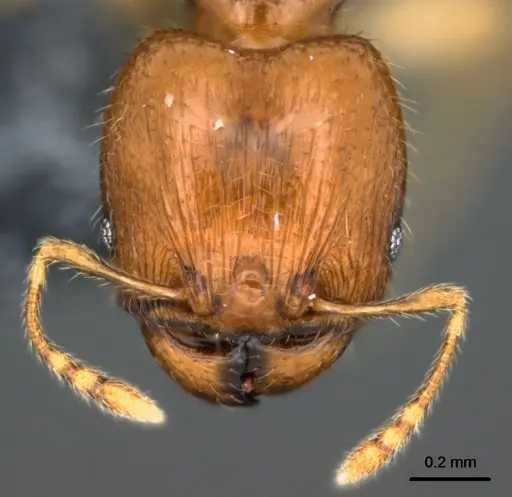
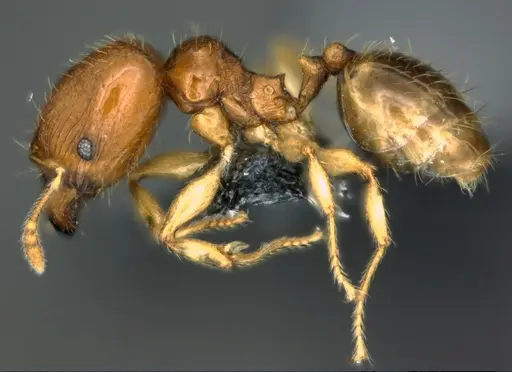
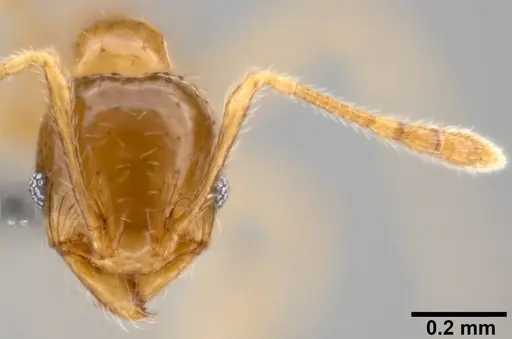
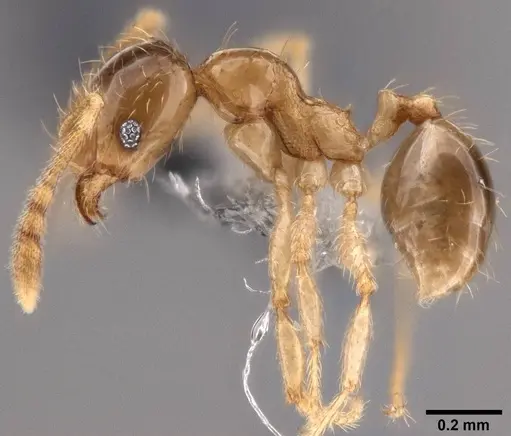
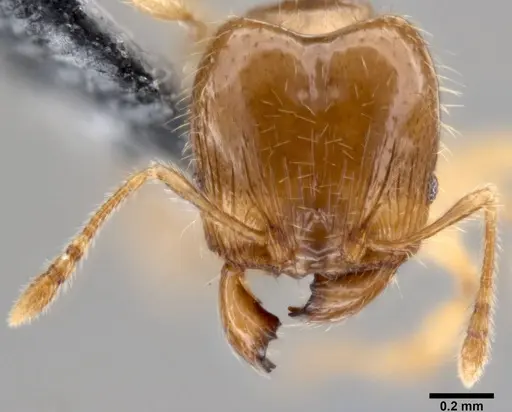
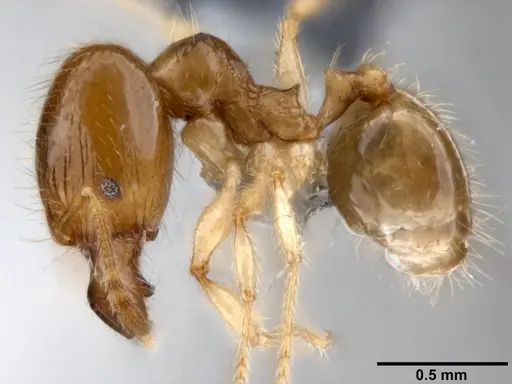
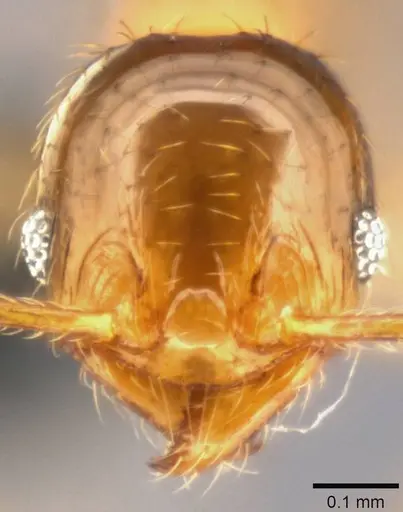
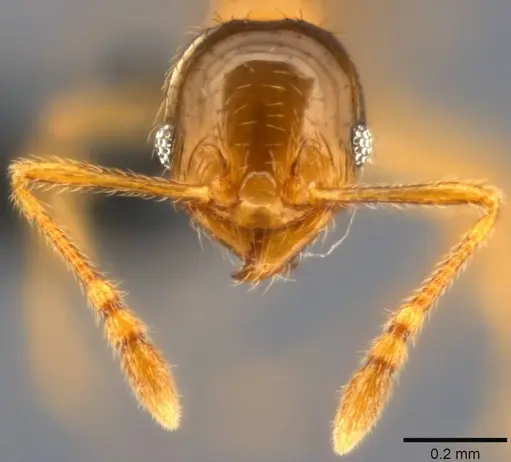
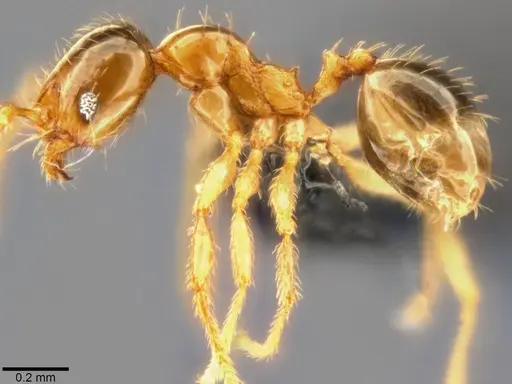
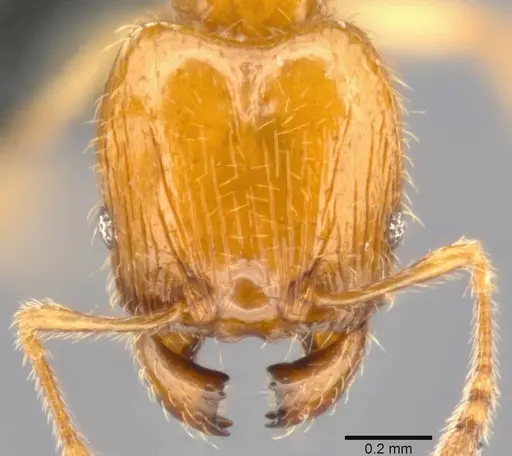
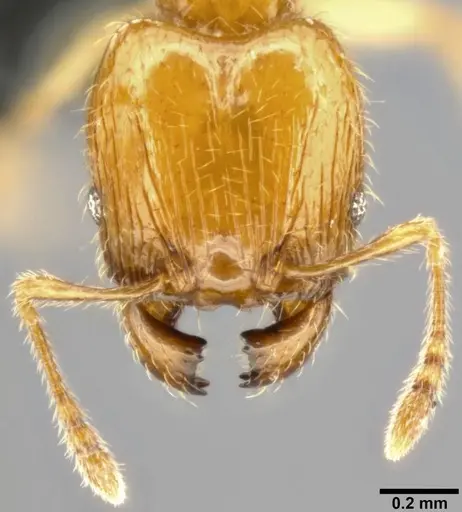
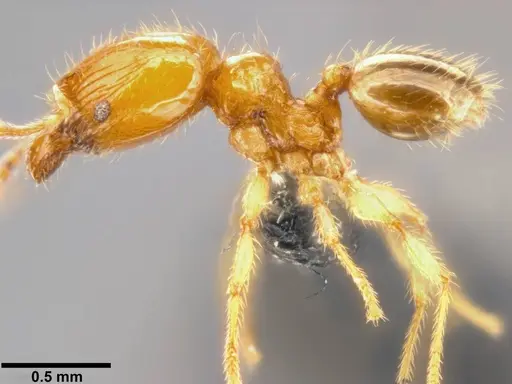
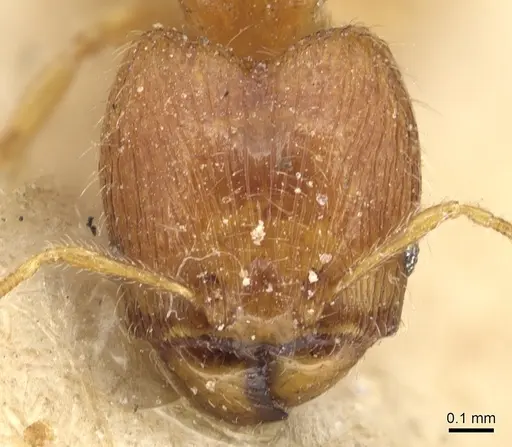
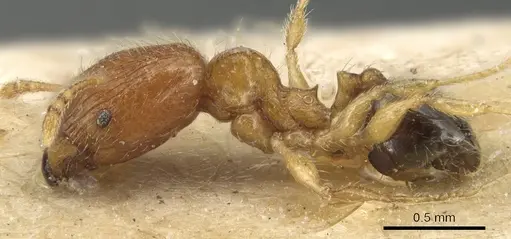
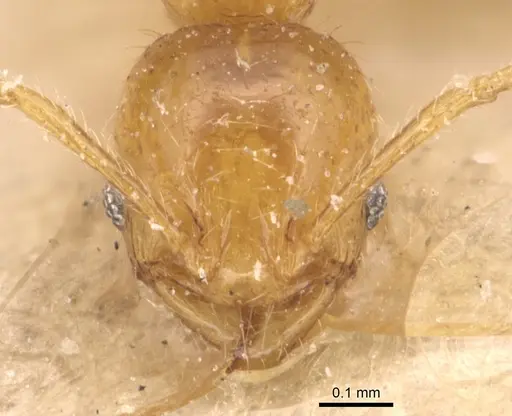
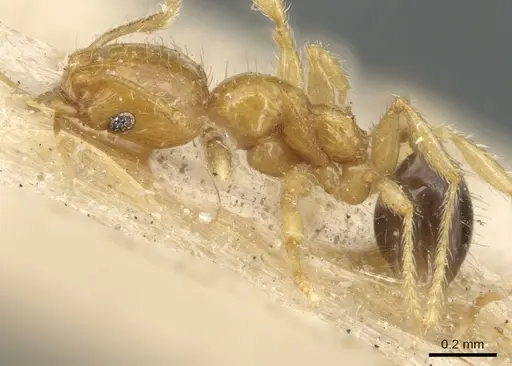
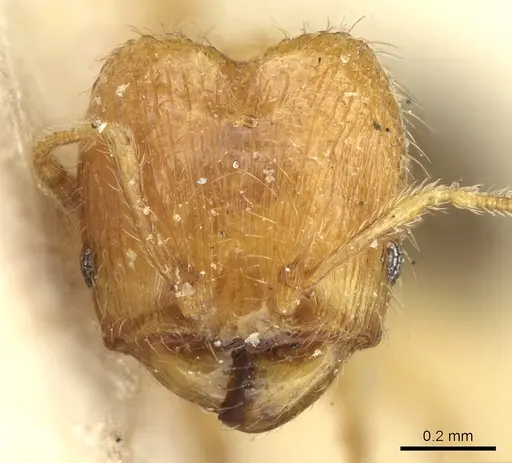
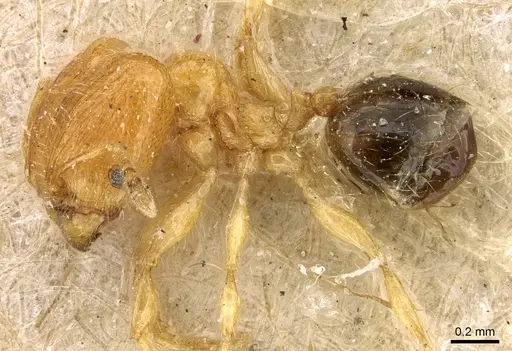
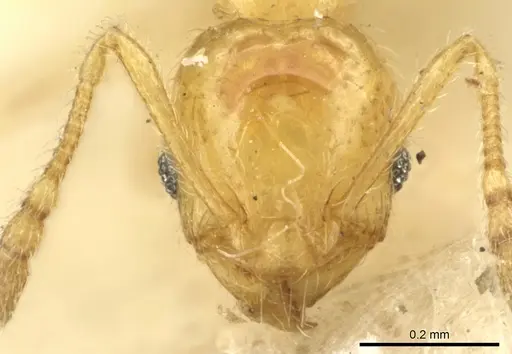
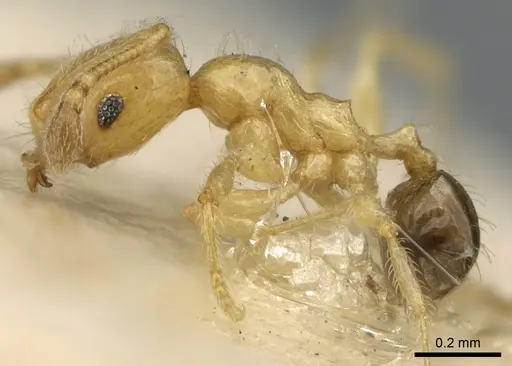
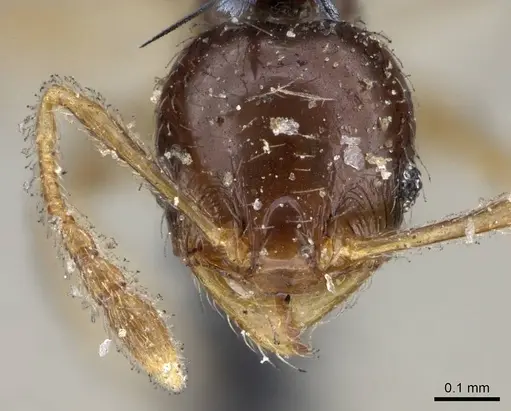
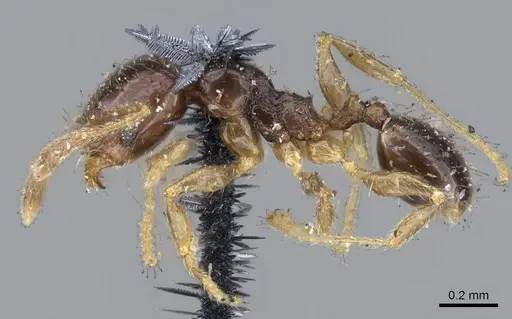
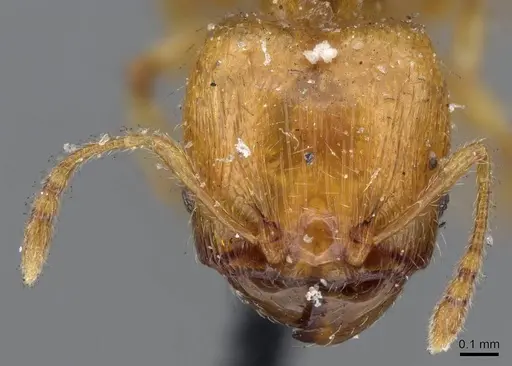
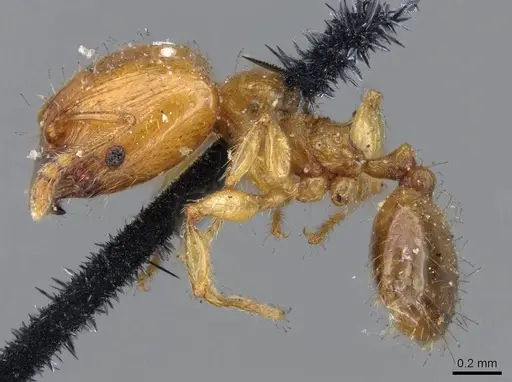
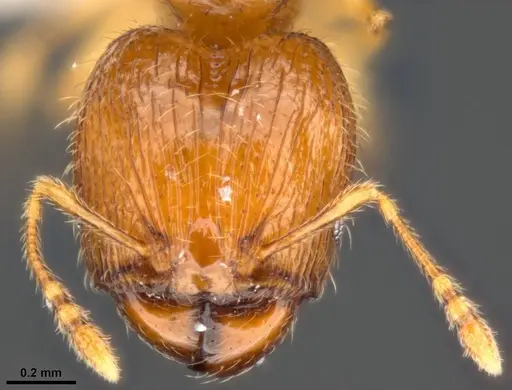
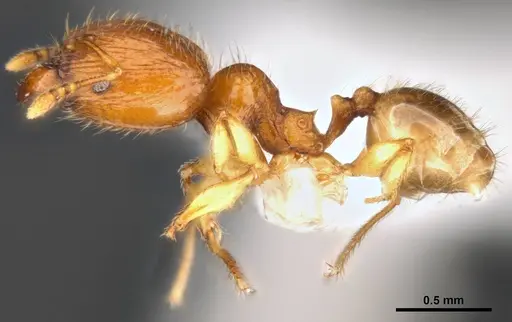
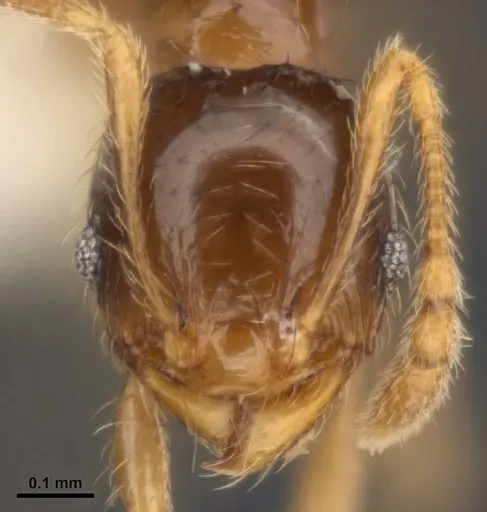
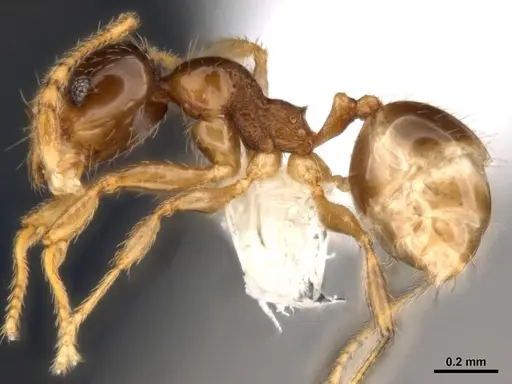
Pheidole umbonata is a small Pacific island ant, originally described from Tonga in 1870 . Workers are dimorphic: minors about 1.5 mm long, soldiers about 2.2 mm with enlarged heads . Color varies across its range – low‑elevation specimens are orange to reddish‑yellow, while those from above 600 m can be dark brown . This native species is widespread from Melanesia through Micronesia and into Polynesia, including Fiji, Samoa, Tonga, New Caledonia, French Polynesia, and the Marquesas . It nests in rotting logs, hollow twigs, under stones, and in moss mats around tree trunks . In Fiji it is common at lower elevations and in more disturbed habitats .
Quick Summary
- Difficulty: Easy
- Origin & Habitat: Pacific islands from the New Guinea region eastward through Micronesia, Melanesia, and Polynesia – including Fiji, Samoa, Tonga, New Caledonia, French Polynesia, and the Marquesas [9][4][5][3]. Found in both disturbed and natural habitats at low elevations, nesting in rotting wood, hollow twigs, under stones, and in moss mats [7][6][3].
- Colony Type: Likely monogyne (single queen) based on typical Pheidole genus patterns, but not confirmed by specific studies.
- Size & Growth:
- Queen: Not documented – estimated 5–7 mm based on related Pheidole species.
- Worker: 1.5–2.2 mm (minors 1.5 mm, soldiers 2.2 mm) [2][1]
- Colony: Not documented – estimated up to a few thousand based on typical Pheidole.
- Growth: Moderate
- Development: 4–6 weeks at 25–28°C (inferred from related tropical Pheidole) (Development time not directly studied for this species.)
- Antkeeping:
- Temperature: Keep at warm tropical temperatures (24–28°C) – a stable heat source is recommended if room temperature drops below 24°C.
- Humidity: Moderate to high – keep nest substrate slightly moist but not waterlogged, mimicking rotting wood or moss.
- Diapause: No – as a tropical species, hibernation is not required. Activity may slow in cooler months.
- Nesting: Provide a Y‑tong (AAC) or plaster nest with some moisture‑retaining material. Adding a piece of rotting wood or cork encourages natural tunneling. Avoid acrylic nests.
- Behavior: Generally peaceful and non‑aggressive toward keepers. Has a functional stinger (subfamily Myrmicinae, tribe Attini) but it is not medically significant. Foragers search individually on the ground and in low vegetation. In the wild, they dominate bait cards but are subordinate to aggressive invasive species like Anoplolepis gracilipes and Pheidole megacephala [10]. Escape risk is moderate due to their small size – use standard barriers.
- Common Issues: colony establishment may be slow – founding is unconfirmed, but typical for Pheidole provide a quiet, warm test tube setup., tropical species needs consistent warmth – prolonged cold suppresses activity and brood development., rotting wood nests can mold if overwatered – balance moisture carefully., small size (minors 1.5 mm) increases escape risk – ensure tight seals and use fluon or oil barriers if necessary., wild‑caught colonies may carry parasites or pathogens – quarantine new colonies if possible.
Natural History and Distribution
Pheidole umbonata is a native Pacific island ant that ranges from the New Guinea region through Micronesia, Melanesia, and into eastern Polynesia. It was first described from Tonga in 1870 [1] and has since been recorded throughout Fiji, Samoa, Tonga, French Polynesia, New Caledonia, the Solomon Islands, and many smaller Pacific islands [4][5][3]. Genetic work suggests a New Guinean origin [4]. In Fiji it is one of at least six independent Pheidole colonizations [8]. The species shows notable geographic variation – Wilson and Taylor (1967) cited it as the only example of true geographic variation among central and eastern Pacific Pheidole populations [6]. Altitude also affects color: low‑elevation specimens are orange‑reddish, while those above 600 m are dark brown [3].
Nest Preferences and Housing
In the wild, Pheidole umbonata nests in a variety of substrates: rotting logs, hollow twigs, under stones, and in moss mats around tree trunks [7][6][3]. In well‑preserved habitats of French Polynesia they are very often found in moss mats [3]. They prefer lower elevations and occur in both disturbed (urban, agricultural) and natural habitats [8][3]. For captive care, use a Y‑tong or plaster nest that can hold some moisture. Adding a small piece of rotting wood or cork inside the nest chamber encourages natural tunneling. Keep the nest substrate slightly moist but not saturated – these ants are not swamp‑dwellers. A water tube or hydration system helps maintain humidity. Avoid acrylic nests, as they dry out too quickly.
Feeding and Diet
Like other Pheidole, this species is a generalized feeder. Offer sugar water or honey as a constant carbohydrate source, and provide small protein items such as fruit flies, pinhead crickets, or small mealworms 2–3 times per week. Soldiers (majors) have enlarged heads adapted for cracking seeds, but no specialized diet is required. Remove uneaten protein after 24–48 hours to prevent mold. Due to their small size (minors 1.5 mm), prey items should be appropriately sized.
Temperature and Seasonal Care
Pheidole umbonata is a tropical species that requires warm temperatures year‑round. Maintain the nest area at 24–28°C, use a heating cable or mat if the room drops below this. Unlike temperate ants, they do not require a hibernation period – activity may slow in cooler months but true diapause is not needed. Place heating on the top of the nest to avoid drying it out too quickly, and monitor condensation levels. If the nest dries out, increase humidity by adding water to the hydration system.
Behavior and Colony Dynamics
Pheidole umbonata is classified as a generalized Myrmicinae – not highly specialized in ecology [11][10]. In the wild, it often dominates bait cards, comprising a large proportion of the ant community where it occurs [10]. However, it is subordinate to more aggressive invasive species such as Anoplolepis gracilipes and Pheidole megacephala [10]. The colony contains both minor workers (1.5 mm) and major soldiers (2.2 mm) with enlarged heads used for defense and breaking seeds [1][2]. Majors usually appear once the colony reaches a moderate size. Workers forage individually on the ground and in low vegetation. This species uses a sting as a primary defense (subfamily Myrmicinae, tribe Attini) but it is not medically significant.
Frequently Asked Questions
How long does it take for Pheidole umbonata to produce first workers?
Based on typical Pheidole development, expect first workers (nanitics) in 4–6 weeks at 25–28°C. Development will be slower at cooler temperatures.
What size nest do I need for Pheidole umbonata?
Start with a test tube for the founding queen. Once the colony reaches 30–50 workers, transfer to a small Y‑tong or plaster nest. They naturally nest in rotting wood, so a nest that holds some moisture works best.
Can I keep multiple Pheidole umbonata queens together?
Pheidole species are typically monogyne (single queen). Combining unrelated queens is not recommended – they will likely fight. If you catch a founding queen, house her alone until workers emerge.
What do Pheidole umbonata eat?
They accept a varied diet: sugar water or honey for carbohydrates, and small insects like fruit flies, pinhead crickets, or mealworms for protein. They may also take small seeds. Offer protein 2–3 times per week and keep sugar water available constantly.
Do they need hibernation or diapause?
No. As a tropical Pacific island species, they do not require hibernation. Keep them warm year‑round at 24–28°C. Activity may slow during cooler periods but they remain active.
Are Pheidole umbonata good for beginners?
Yes, they are considered a good beginner species. They are small, docile, and have straightforward care requirements. The main challenges are maintaining proper warmth and humidity consistent with their tropical habitat.
How big do Pheidole umbonata colonies get?
Colony size is not well documented for this species, but typical small Pheidole colonies reach a few hundred to low thousands of workers. Growth is moderate when kept warm and well‑fed.
Why are my Pheidole umbonata dying?
Common causes include temperatures below 24°C (tropical species need warmth), nest too dry or too wet, mold from overwatering, or stress from moving. Check temperature and humidity first. Also ensure they are not being attacked by pests like mites.
Report an Issue
The current care sheet is based fully on literature. See inconsistencies, or something that's incorrect? Please , it will be resolved after review from an admin. Contributing to the blogs tab also helps providing information, to make us be able to further improve the caresheets. Thank you for your support!
References

This caresheet is licensed under CC BY-SA 4.0 .
Community Blogs
ANTWEB1008105
View on AntWeb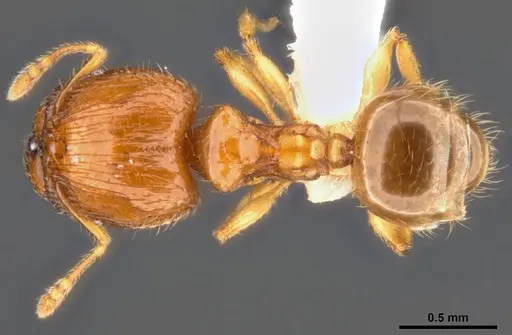
ANTWEB1008106
View on AntWeb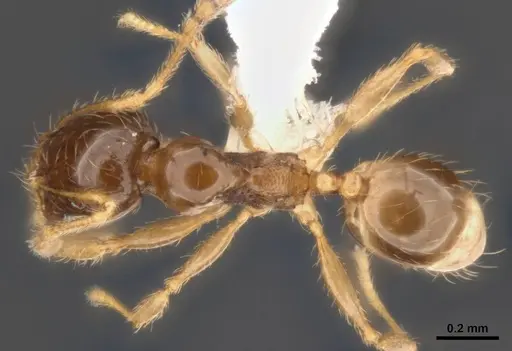
CASENT0171135
View on AntWeb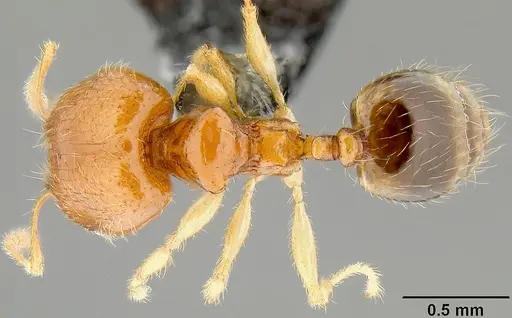
CASENT0171136
View on AntWeb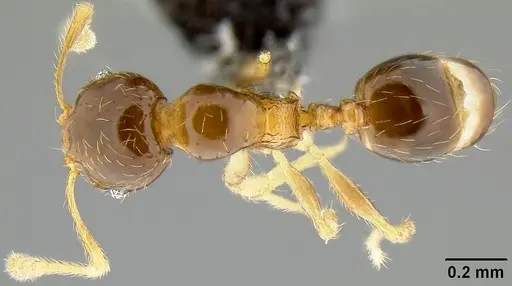
CASENT0171137
View on AntWeb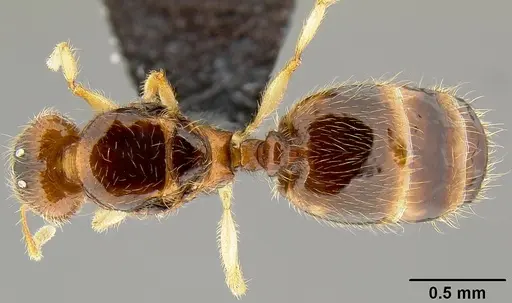
CASENT0178433
View on AntWeb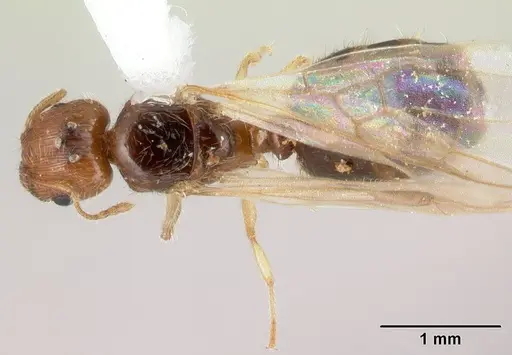
CASENT0178434
View on AntWeb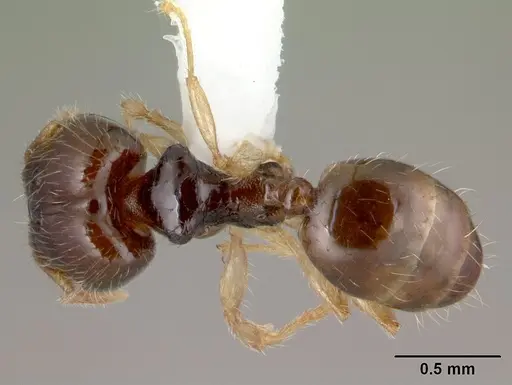
CASENT0178435
View on AntWeb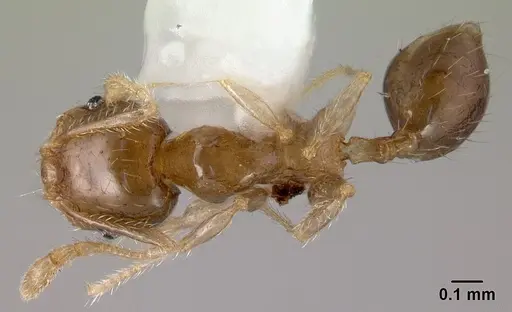
CASENT0183582
View on AntWeb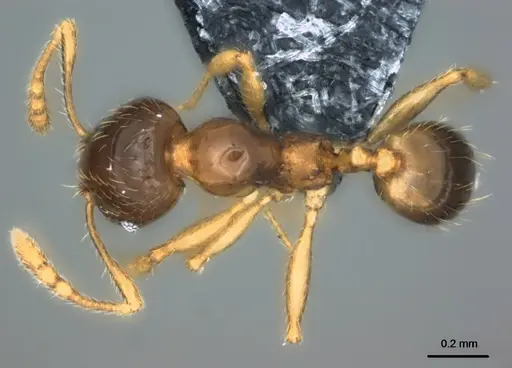
CASENT0183593
View on AntWeb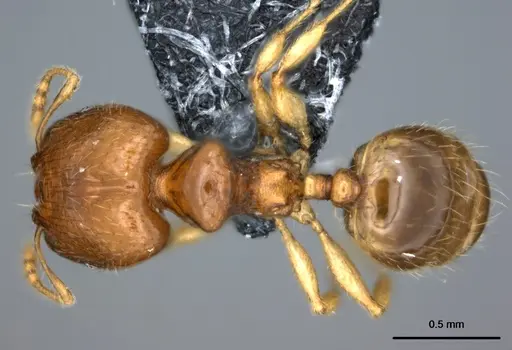
CASENT0199112
View on AntWeb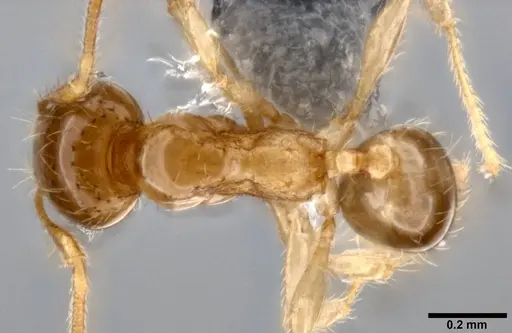
CASENT0199128
View on AntWeb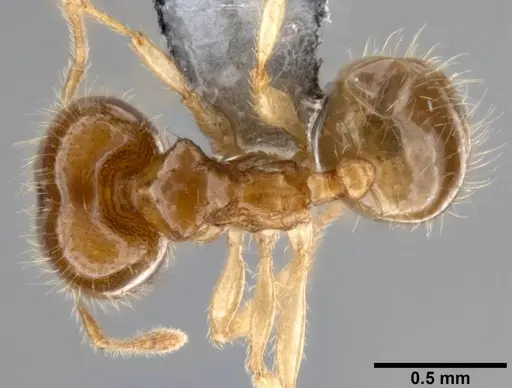
CASENT0282648
View on AntWeb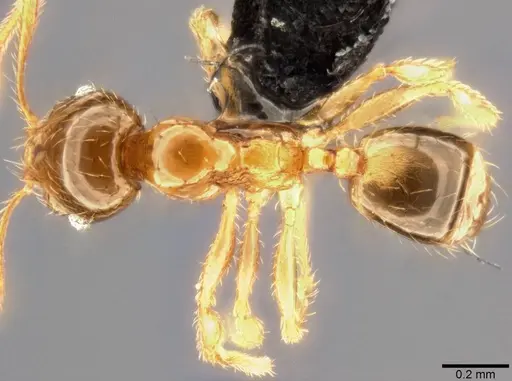
CASENT0282649
View on AntWeb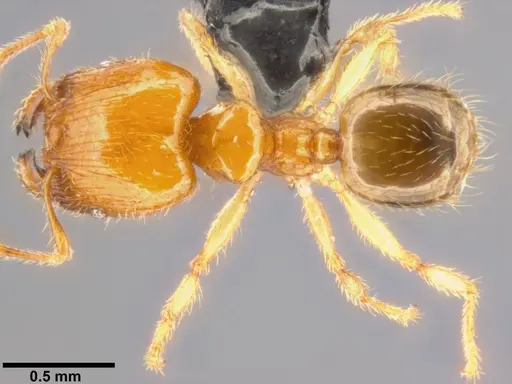
CASENT0904282
View on AntWeb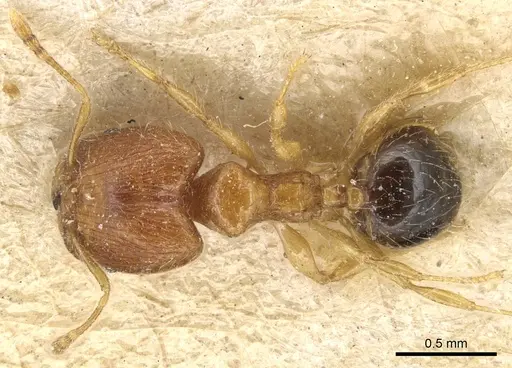
CASENT0904283
View on AntWeb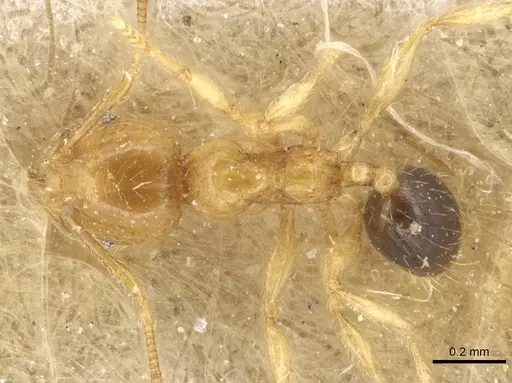
CASENT0906649
View on AntWeb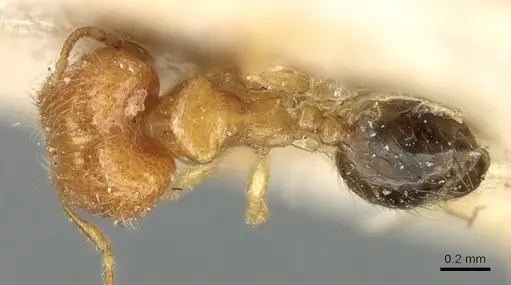
CASENT0906650
View on AntWeb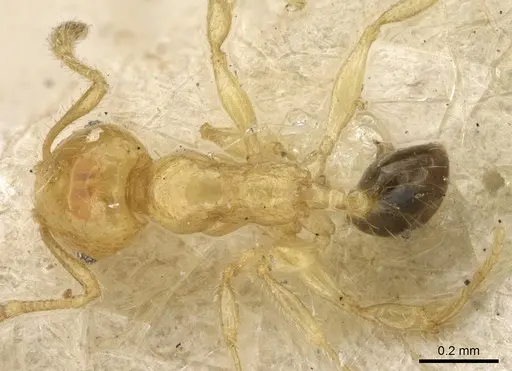
CASENT0919762
View on AntWeb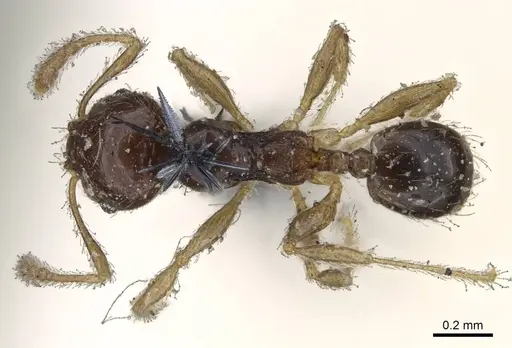
CASENT0919763
View on AntWeb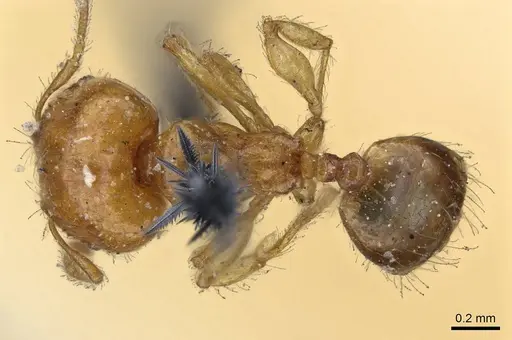
MCZ-ENT00511503-01
View on AntWeb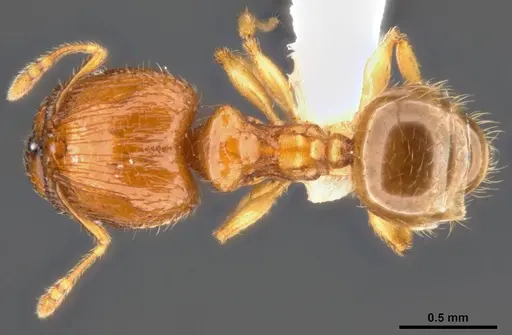
MCZ-ENT00511503-02
View on AntWeb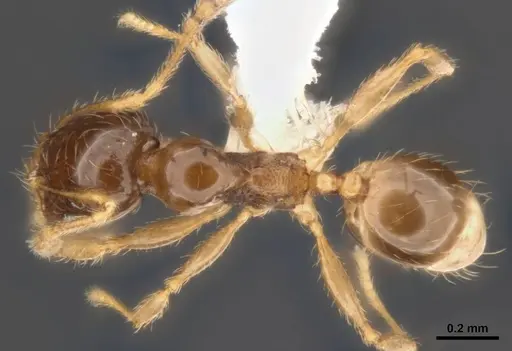
Literature
Loading distribution map...Loading products...