Pheidole tysoni shows a June to August flight window. Peak activity occurs in July, with nuptial flights distributed across 3 months.
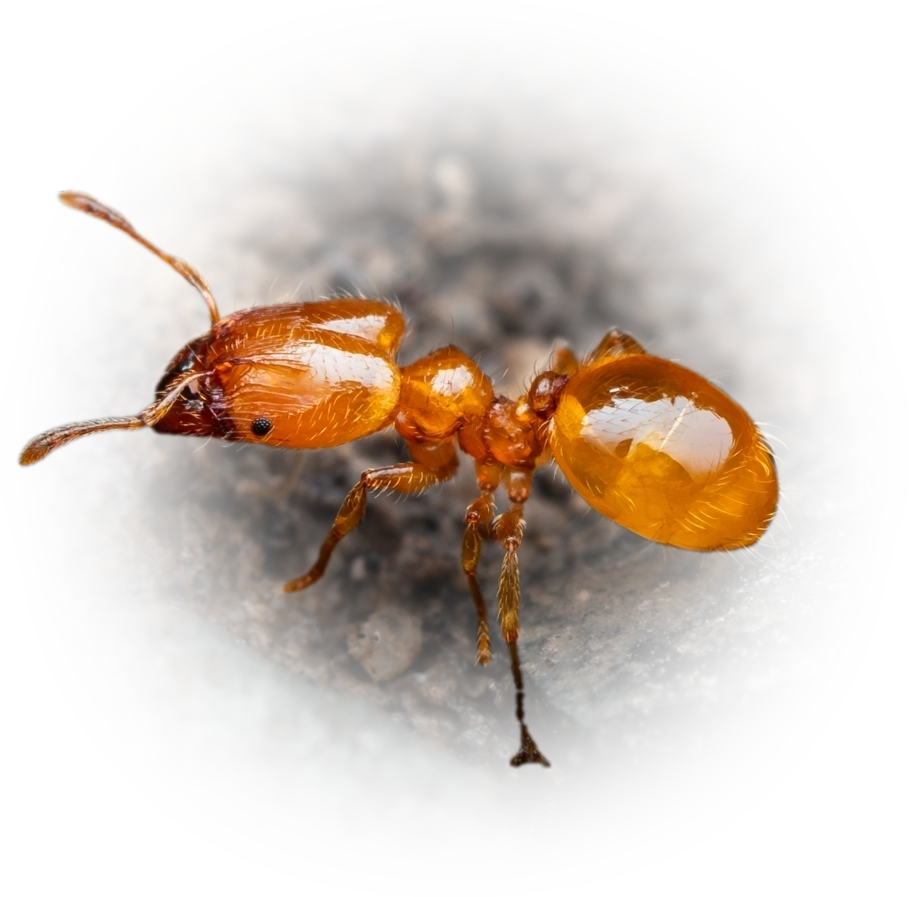
Tyson's Big-headed Ant
Pheidole tysoni
- Sci. Name
- Pheidole tysoni
- Tribe
- Attini
- Subfamily
- Myrmicinae
- Author
- Forel, 1901
- Common Name
- Tyson's Big-headed Ant
- Distribution
- Found in 2 countries
- Nuptial Flight
- From June to August
- Peak flight Time
- 07:00
AI Identifiable
try →
Introduction
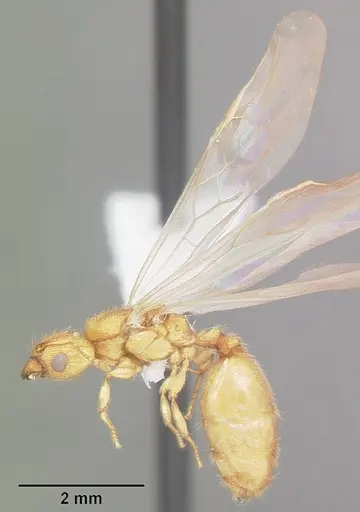
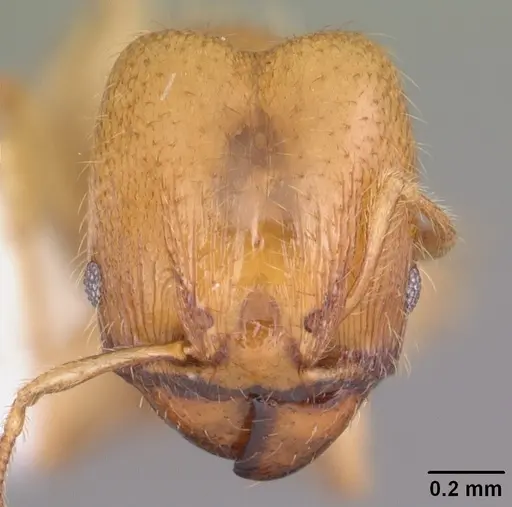
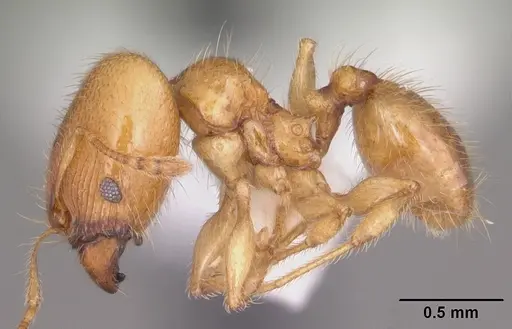
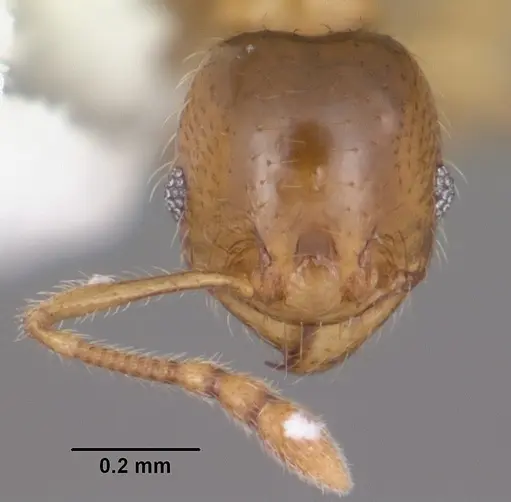
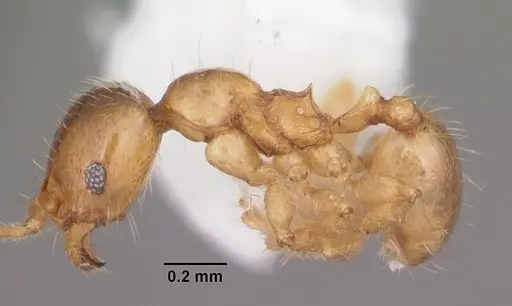
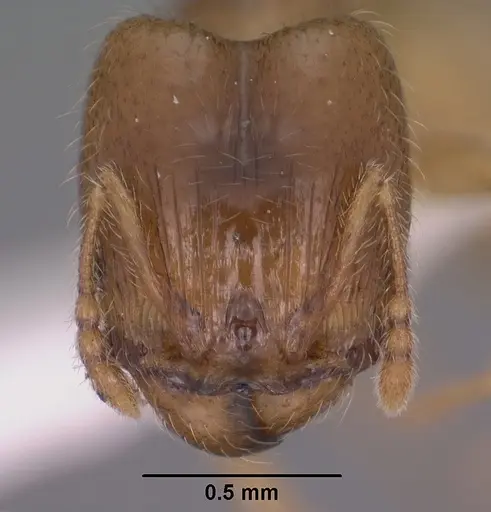
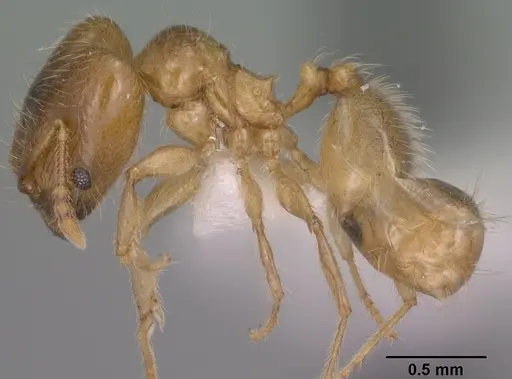
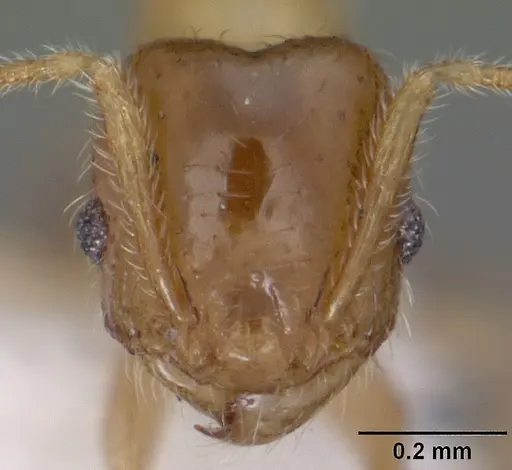
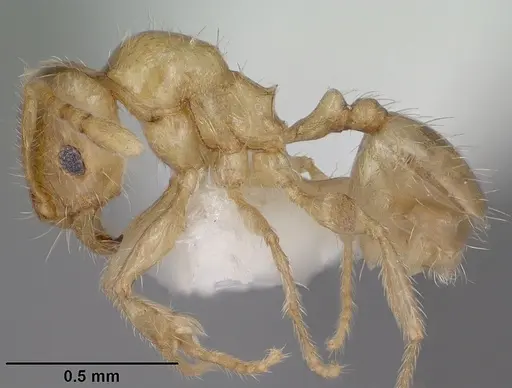
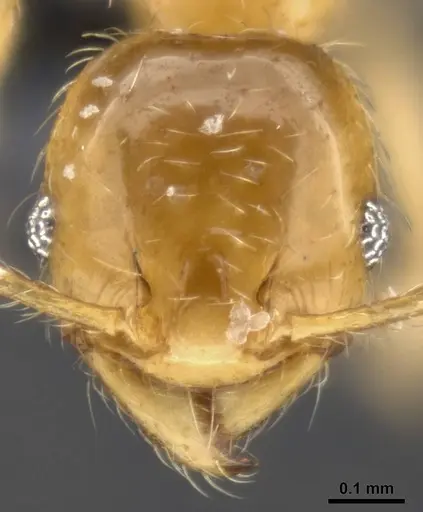
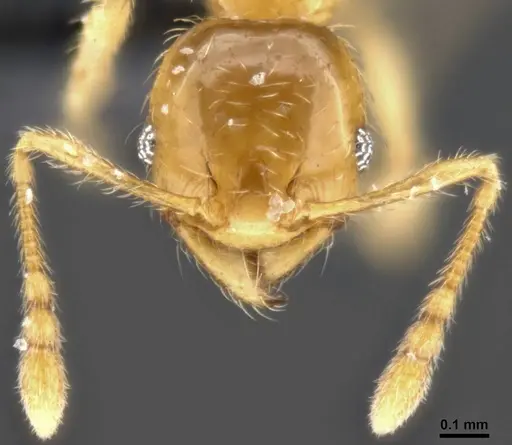
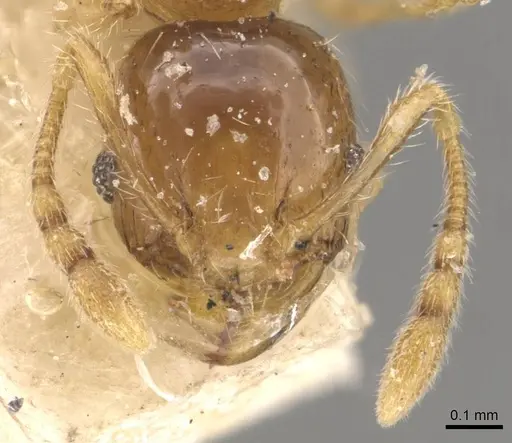
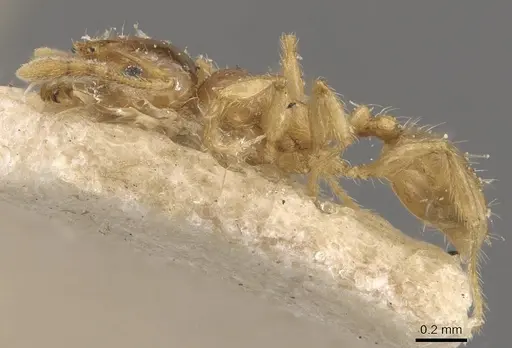
Pheidole tysoni is a small, shiny yellow ant native to eastern North America. Major workers have a total length of 3.5-3.7 mm, and minor workers are 1.8-2.0 mm, making them very small . The species is distinguished by its nearly complete lack of body sculpturing . It has a disjunct distribution, found from New York south to Georgia and west to Ohio and Louisiana, with isolated populations in Texas, Arizona, and Mexico . They inhabit dry fields, meadows, and open wooded areas, often nesting under stones in sandy or poor soils .
Quick Summary
- Difficulty: Easy
- Origin & Habitat: Eastern North America, found in open areas like dry fields, meadows, prairie remnants, and open wooded areas with sandy or poor soils. Often nests under stones in shaded locations [1][4].
- Colony Type: Monogyne (single queen) colonies with small colony sizes [5][1].
- Size & Growth:
- Queen: Size data unavailable, no total length measurements in research context
- Worker: Major: 3.5-3.7 mm, Minor: 1.8-2.0 mm [1]
- Colony: Up to 100 workers [1]
- Growth: Moderate
- Development: 6-8 weeks (estimated based on typical Pheidole patterns) (Development time is not directly documented, estimates based on genus-level data.)
- Antkeeping:
- Temperature: Keep at room temperature (20-24°C). This is a temperate species adapted to typical indoor conditions [1].
- Humidity: Prefers dry to moderate conditions. Keep nest substrate lightly moist but allow it to dry between waterings to mimic natural prairie habitats [4].
- Diapause: Yes, as a temperate species, they benefit from a winter rest period. Reduce temperature to 10-15°C for 2-3 months during winter.
- Nesting: Soil nests work well. They naturally nest under stones, so use Y-tong, plaster, or soil nests with dry to moderately moist substrate [4].
- Behavior: Peaceful, non-aggressive ants that focus on seed harvesting and tending aphids. Their small size means they can escape through tiny gaps, use fine mesh barriers. They are ground-nesting and rarely climb [1].
- Common Issues: parasitic fungus infection, Myrmicinosporidium durum can kill colonies, especially in late summer and fall, watch for discolored workers [6], escape through tiny gaps, minors are only 1.8-2.0 mm and can squeeze through standard openings, use fine mesh barriers, small colony vulnerability, colonies stay small and can be wiped out by stress, avoid disturbing during founding, overheating risk, from dry habitats, they prefer cooler conditions, keep away from direct heat sources, wild-caught colonies may have parasites, quarantine and monitor for disease signs [6]
Nuptial Flight Activity Analysis 70 observations
Flight Activity by Hour 70 observations
Pheidole tysoni nuptial flight activity peaks around 07:00 during the morning. Activity is spread across a 23-hour window (01:00–23:00). A secondary activity peak occurs around 05:00. Times may be influenced by human observation patterns.
Nest Preferences
In the wild, Pheidole tysoni nests in soil, often under stones in shaded locations. They've been found in pure sandy soil in New York pine barrens, clayey residential lawn soil, and under stones in open woodlands [4]. For captive care, use Y-tong, plaster, or soil nests with a dry to moderately moist substrate. Avoid overly humid conditions, these ants prefer drier nest environments [4].
Feeding and Diet
Pheidole tysoni is primarily a seed harvester, seeds are occasionally found in their nests [1]. Workers also tend aphids and collect floral nectar [1][4]. In captivity, offer small seeds, protein sources like fruit flies, and constant sugar water. Feed seeds continuously and offer protein 2-3 times per week.
Temperature and Seasonal Care
This is a temperate species native to eastern North America. Keep them at room temperature (20-24°C), they do well in typical indoor conditions [1]. During winter, they benefit from a diapause period. Reduce temperature to 10-15°C for 2-3 months, typically from late fall to early spring.
Colony Structure and Growth
Pheidole tysoni forms small monogyne colonies with a single queen. Colonies documented in the wild are small, up to 100 workers [1][5]. The colony grows moderately, and major workers develop once the colony reaches a certain size. Founding behavior is unconfirmed, but queens likely seal themselves in during claustral founding.
Health Concerns and Parasites
A significant concern is the parasitic fungus Myrmicinosporidium durum, which infects workers in the USA [6]. Infected workers may appear normal but can spread the parasite. Watch for discolored workers, especially in late summer and fall [6]. If you suspect issues, isolate the colony.
Behavior and Temperament
These are peaceful, ground-dwelling ants that are not aggressive. Workers are small and forage on the ground surface. Their tiny size means escape risk is high, always use fine mesh barriers [1]. They are not territorial and use chemical trails to recruit nestmates to food.
Frequently Asked Questions
How long does it take for Pheidole tysoni to produce first workers?
Expect 6-8 weeks from egg to first worker under optimal conditions. This is an estimate based on typical Pheidole development patterns, as specific data is not documented.
Can I keep multiple Pheidole tysoni queens together?
No, this is a monogyne species. Multiple unrelated queens will fight. Only keep one queen per colony [5].
What do Pheidole tysoni eat?
They are seed harvesters that also accept sugar and small insects. Offer seeds, protein like fruit flies, and constant sugar water [1][4].
How big do Pheidole tysoni colonies get?
They remain small, up to 100 workers in mature colonies [1].
Do Pheidole tysoni need hibernation?
Yes, as a temperate species they benefit from a winter rest period. Reduce temperature to 10-15°C for 2-3 months during winter.
What is the best nest type for Pheidole tysoni?
They do well in soil or Y-tong/plaster nests with dry to moderately moist substrate. They naturally nest under stones [4].
Why are my Pheidole tysoni dying?
Common causes include parasitic fungus infection [6], over-humid conditions, escape through tiny gaps, and stress during founding. Monitor for unusual worker appearance.
Are Pheidole tysoni good for beginners?
Yes, they are considered easy to keep due to room temperature tolerance and non-aggressive nature. However, escape prevention is critical due to small size [1].
When should I move Pheidole tysoni to a formicarium?
Wait until the colony has at least 20-30 workers and is actively foraging. Use dry substrate designs to match their natural habitat.
When is the nuptial flight of Pheidole tysoni?
The nuptial flight of Pheidole tysoni typically occurs From June to August.
What time of day does Pheidole tysoni fly?
The nuptial flight of Pheidole tysoni peaks around 07:00 during the morning, with most activity between 01:00 and 23:00. Times may be influenced by human observation patterns.
Report an Issue
The current care sheet is based fully on literature. See inconsistencies, or something that's incorrect? Please , it will be resolved after review from an admin. Contributing to the blogs tab also helps providing information, to make us be able to further improve the caresheets. Thank you for your support!
References

This caresheet is licensed under CC BY-SA 4.0 .
Community Blogs
CASENT0104425
View on AntWeb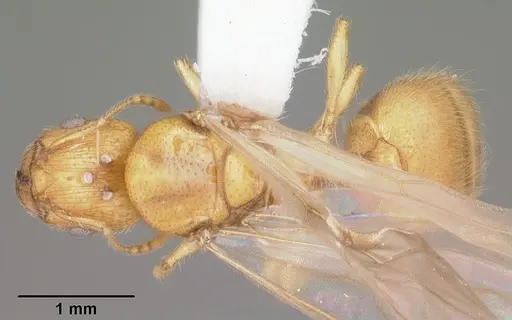
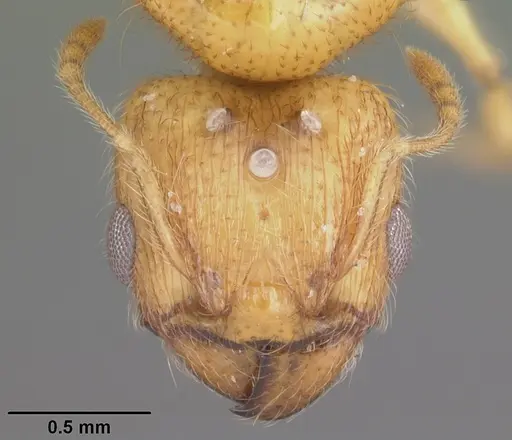
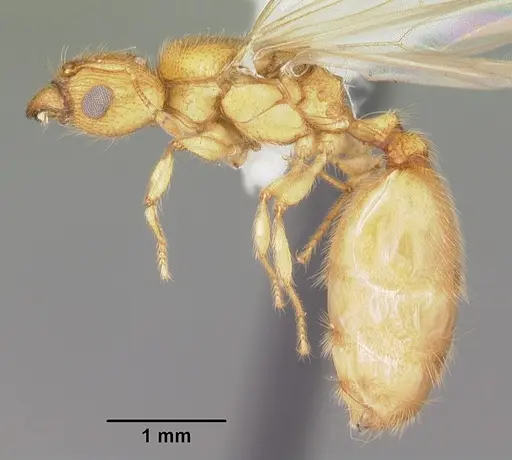
CASENT0104426
View on AntWeb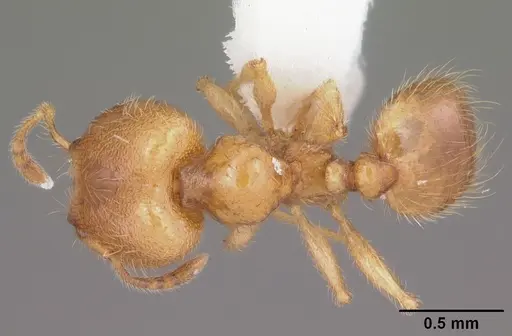
CASENT0104427
View on AntWeb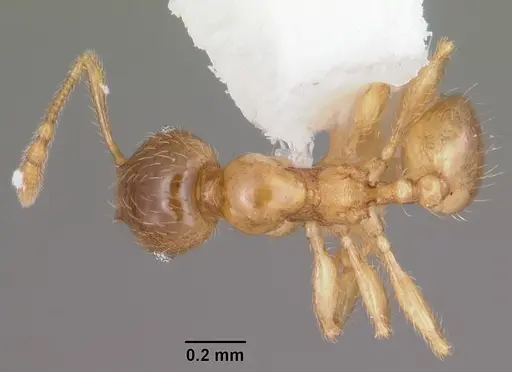
CASENT0104453
View on AntWeb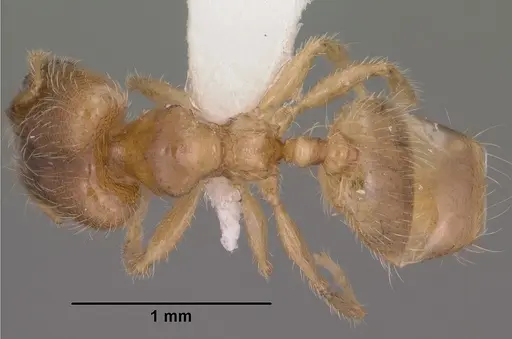
CASENT0104454
View on AntWeb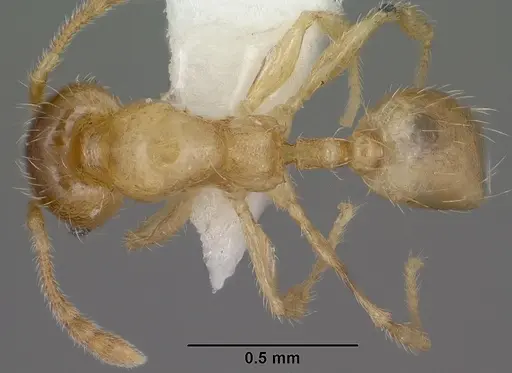
CASENT0282942
View on AntWeb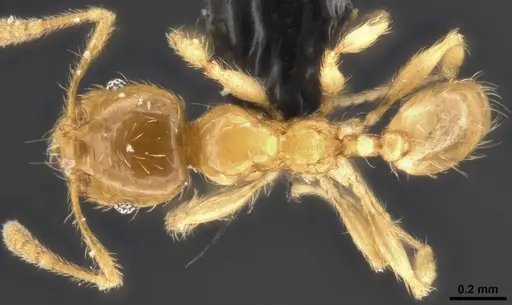
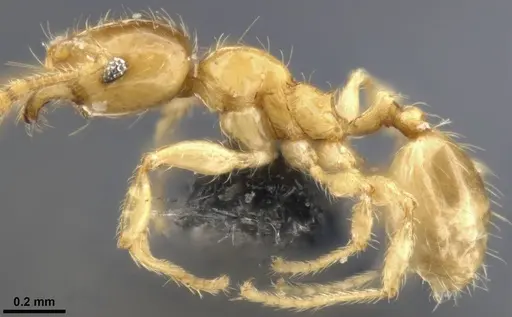
CASENT0282947
View on AntWeb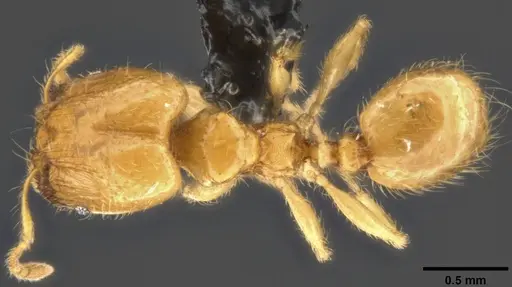
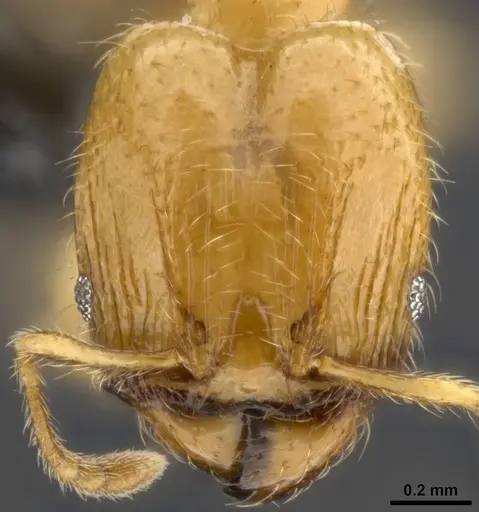
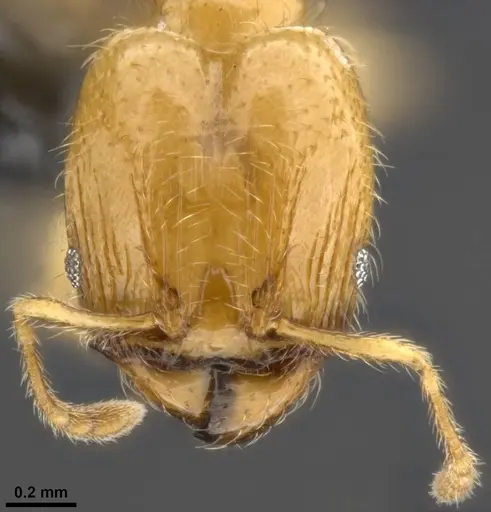
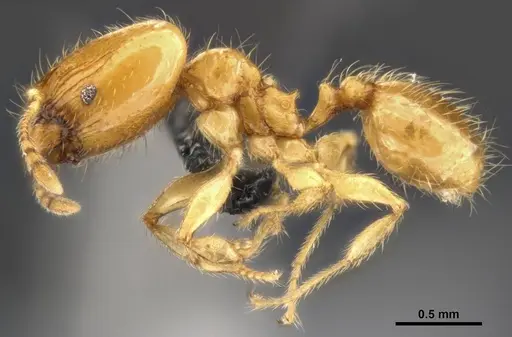
CASENT0619970
View on AntWeb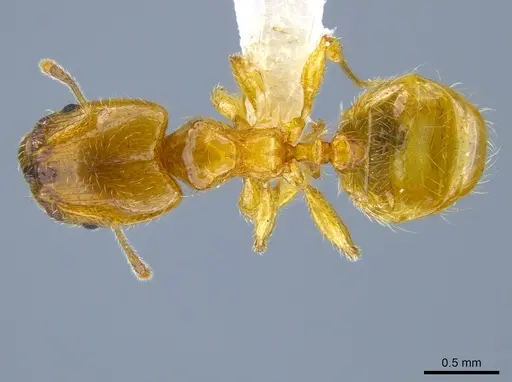
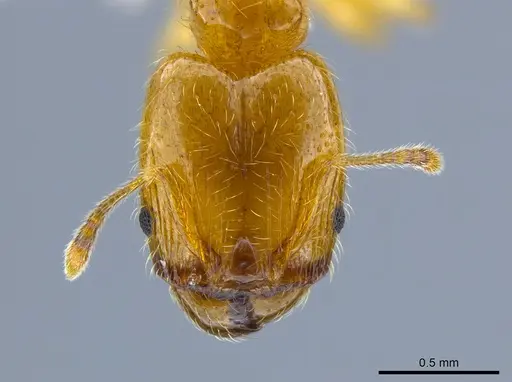
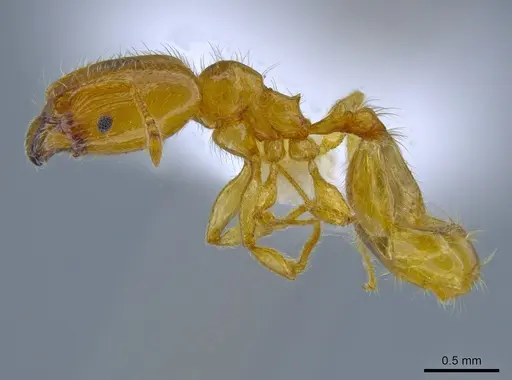
CASENT0908242
View on AntWeb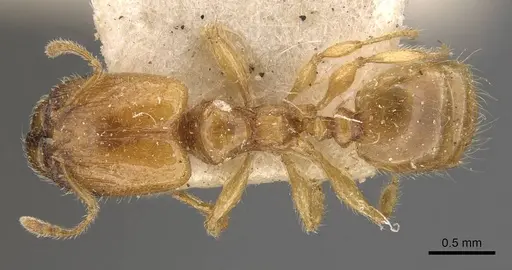
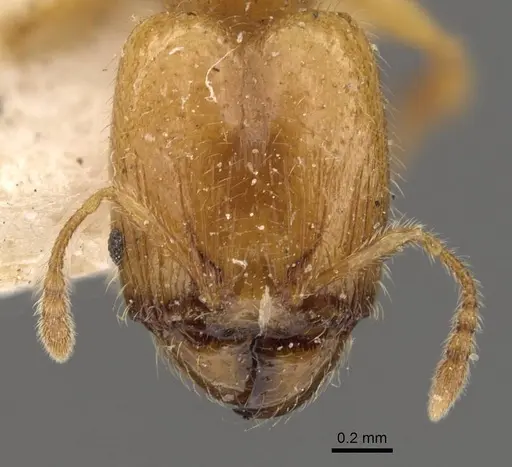
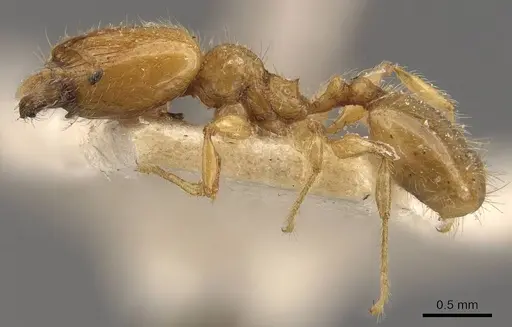
CASENT0908243
View on AntWeb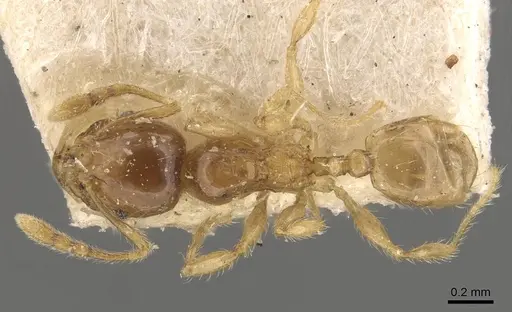
Literature
Loading distribution map...Loading products...