
Pheidole tuxtlasana
- Sci. Name
- Pheidole tuxtlasana
- Tribe
- Attini
- Subfamily
- Myrmicinae
- Author
- Wilson, 2003
- Distribution
- Found in 3 countries
Introduction
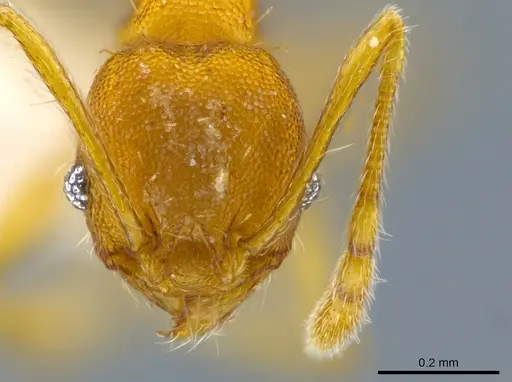
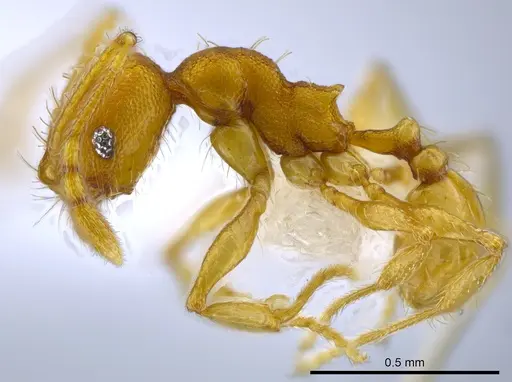
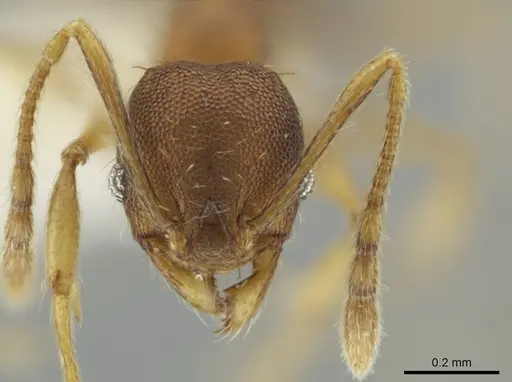
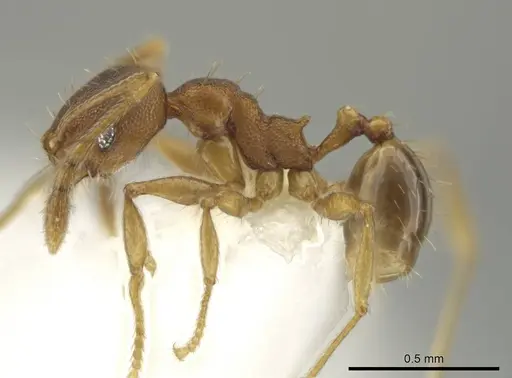
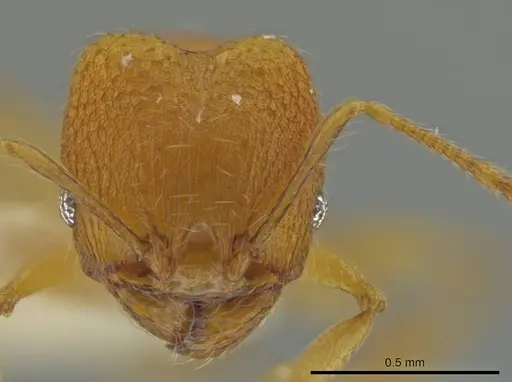
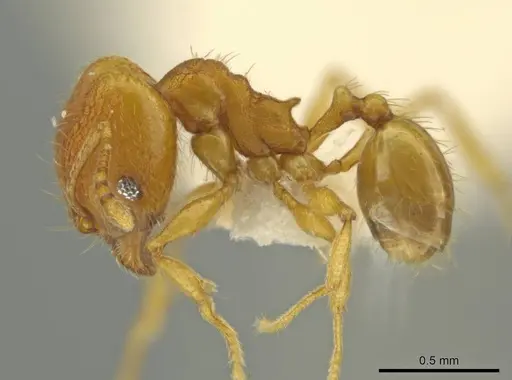
Pheidole tuxtlasana is a dimorphic ant species with major and minor workers, reported from Mexico and Guatemala . Size data is unavailable from current research. They are native to tropical forest habitats. Like many Pheidole species, they have distinctive major workers with oversized heads for defense and seed processing.
Quick Summary
- Difficulty: Easy
- Origin & Habitat: Tropical forests of Mexico and Guatemala [1].
- Colony Type: Based on Pheidole patterns, likely monogyne (single queen colonies).
- Size & Growth:
- Queen: Size data unavailable, inferred from Pheidole genus
- Worker: Dimorphic with major and minor workers [1], size data unavailable
- Colony: Colony size unconfirmed for this species
- Growth: Moderate, inferred from Pheidole genus patterns
- Development: Estimated 6-8 weeks at optimal temperature, inferred from genus patterns (Development time is typical for tropical Pheidole species)
- Antkeeping:
- Temperature: Keep warm, roughly 24-28°C, inferred from tropical habitat
- Humidity: Keep substrate consistently moist but not waterlogged, inferred from forest habitat
- Diapause: No, tropical species does not require hibernation, inferred
- Nesting: Test tubes work well for founding colonies, once established, Y-tong or plaster nests are suitable, general advice for Pheidole species
- Behavior: Generally peaceful, but majors defend the colony aggressively if threatened, inferred from dimorphic species. Escape risk is moderate due to worker size.
- Common Issues: colonies may fail if temperatures drop below 20°C, keep them warm, overfeeding can cause mold in test tube setups, remove uneaten food promptly, slow initial growth during founding phase can lead to impatient keepers abandoning colonies
Nest Preferences
In the wild, Pheidole tuxtlasana nests in soil or under stones in tropical forests [1]. For captive care, test tubes work well for queen founding. Once the colony is established, Y-tong or plaster nests with chambers scaled to their size are suitable. Provide a humidity gradient with moist substrate but dry areas for seed storage, inferred from forest habitat.
Feeding and Diet
Pheidole ants are omnivorous with a preference for seeds and protein. Offer a varied diet: seeds that majors can crack, protein sources like mealworms, and sugar water or honey. Feed protein 2-3 times per week and keep sugar water available constantly. Remove uneaten food within 24-48 hours to prevent mold, inferred from general Pheidole care.
Temperature and Care
As a tropical species, Pheidole tuxtlasana requires warm temperatures year-round. Keep the nest area between 24-28°C for optimal brood development, inferred from habitat. Use a heating cable on one side to create a gradient. Temperatures below 20°C can slow growth significantly.
Behavior and Temperament
This species is not aggressive toward humans but will defend vigorously against threats. Major workers use their large heads to block nest entrances. Division of labor is clear: minor workers handle foraging and brood care, while majors defend and process seeds, inferred from dimorphic species. Colonies grow moderately.
Frequently Asked Questions
How long does it take for Pheidole tuxtlasana to have first workers?
Expect first workers around 6-8 weeks after queen lays eggs, assuming warm temperatures, inferred from genus patterns. Initial growth is slow.
Can I keep multiple Pheidole tuxtlasana queens together?
Based on Pheidole patterns, likely not, multiple queens may fight. Only keep one queen per colony setup.
What do I feed Pheidole tuxtlasana?
Offer a mix of seeds, protein, and sugar water. Remove uneaten food promptly to prevent mold, inferred from general Pheidole care.
Do Pheidole tuxtlasana need hibernation?
No, as a tropical species, they do not require hibernation, inferred from habitat.
Are Pheidole tuxtlasana good for beginners?
Yes, this species is beginner-friendly, hardy, and does not require hibernation. Main challenges are maintaining warm temperatures and patience during founding.
When should I move Pheidole tuxtlasana to a formicarium?
Keep them in a test tube setup until the colony is established, then move to Y-tong or plaster nests, general advice for Pheidole.
How big do Pheidole tuxtlasana colonies get?
Colony size is unconfirmed for this species.
Why is my Pheidole tuxtlasana colony dying?
Common causes include temperatures below 20°C, improper humidity, or mold from uneaten food. Check temperature and feeding first.
Report an Issue
The current care sheet is based fully on literature. See inconsistencies, or something that's incorrect? Please , it will be resolved after review from an admin. Contributing to the blogs tab also helps providing information, to make us be able to further improve the caresheets. Thank you for your support!
References

This caresheet is licensed under CC BY-SA 4.0 .
Community Blogs
CASENT0625306
View on AntWeb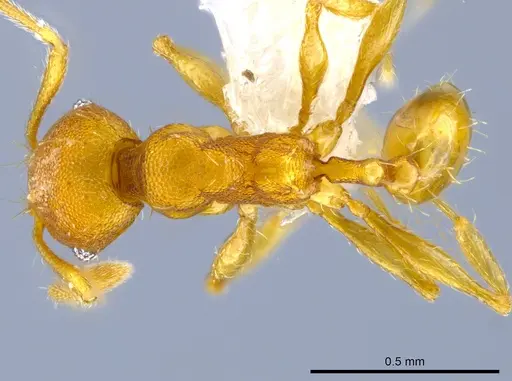
CASENT0640546
View on AntWeb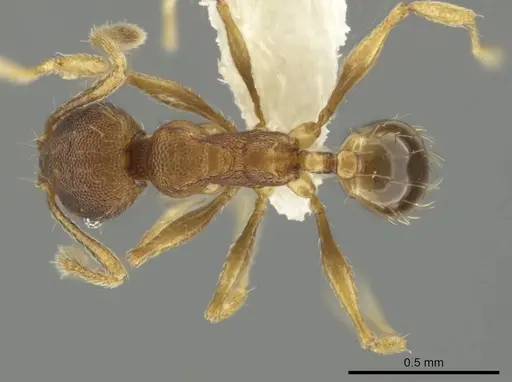
CASENT0645885
View on AntWeb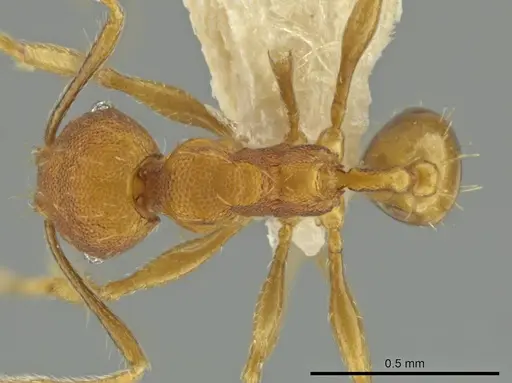

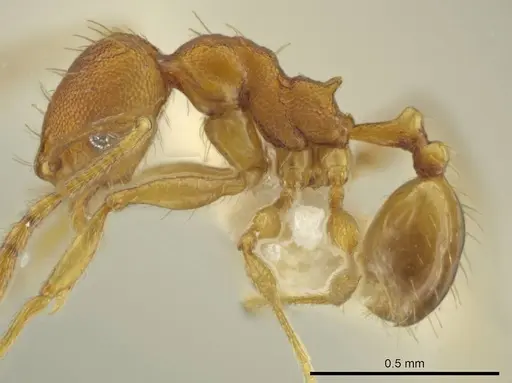
JTLC000016564
View on AntWeb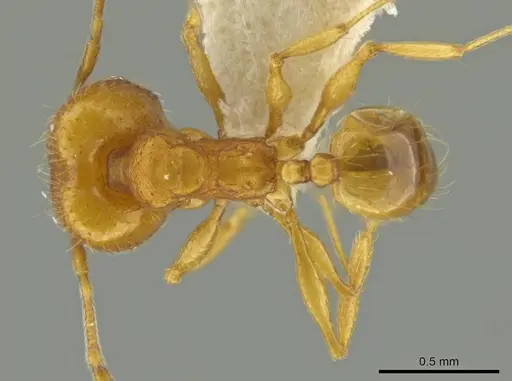
Literature
Loading distribution map...Loading products...