
Pheidole triplex
- Sci. Name
- Pheidole triplex
- Tribe
- Attini
- Subfamily
- Myrmicinae
- Author
- Wilson, 2003
- Distribution
- Found in 2 countries
Introduction
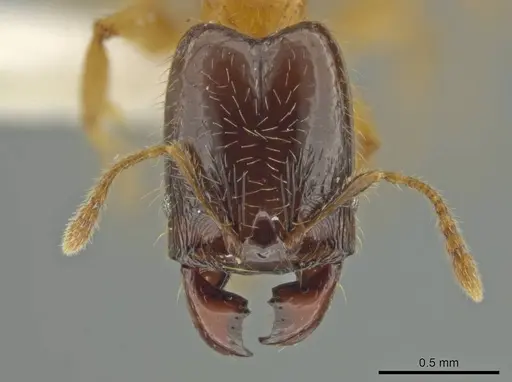
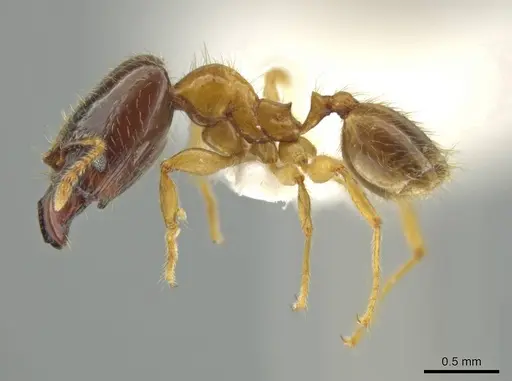
Pheidole triplex is a small Neotropical ant species native to Trinidad and Tobago and Ecuador. Major workers have a tricolored appearance with a medium brown head, yellow mesosoma, and light brown gaster, while minors are uniform light yellow. This species is dimorphic with distinct major and minor castes. The type colony was found in mature montane rainforest at 550-650m elevation, nesting under a rock in clay soil with a seed cache . Pheidole triplex is known for seed harvesting, as evidenced by the seed cache in the type colony . It is also flood-intolerant, which affects its habitat preferences .
Quick Summary
- Difficulty: Medium
- Origin & Habitat: Trinidad and Tobago and Ecuador, in mature montane rainforest at 550-650m elevation, nesting under rocks in clay soil [1]. This species is flood-intolerant [2].
- Colony Type: Unconfirmed, no specific data on queen number for this species. Based on typical Pheidole patterns, likely monogyne, but unconfirmed for Pheidole triplex.
- Size & Growth:
- Queen: Size data unavailable, no total length measurements in research. Inferred from Pheidole genus patterns to be around 5-7mm.
- Worker: Size data unavailable, no total length measurements. Minor workers have head width of 0.42mm, but full body size is not specified [1].
- Colony: Unknown, no data on maximum colony size for this species.
- Growth: Moderate, inferred from typical Pheidole development patterns.
- Development: Estimated 6-8 weeks at optimal temperatures, based on genus-level Pheidole data. Direct measurements for Pheidole triplex are not available. (Development time is estimated from related species, tropical ants typically develop faster than temperate ones.)
- Antkeeping:
- Temperature: Keep at 24-28°C, inferred from tropical habitat. Provide a temperature gradient using a heating cable on one side of the nest [1].
- Humidity: High humidity required, nest in moist clay soil in wild. Keep substrate consistently moist but not waterlogged [1].
- Diapause: No, tropical species likely do not require hibernation [1].
- Nesting: Prefer enclosed, humid nests under rocks or in soil. In captivity, use moist soil or Y-tong/plaster nests that retain humidity [1].
- Behavior: Pheidole triplex is a ground-foraging seed harvester. Major workers defend the nest and process large food items, while minors handle most foraging and brood care. They are not particularly aggressive but will defend if threatened. Escape risk is moderate due to small size, standard barrier precautions are recommended.
- Common Issues: flood intolerance, this species cannot survive flooding, so keep nest areas dry and avoid waterlogging [2], high humidity requirement, drying out can kill colonies, monitor substrate moisture regularly [1], infrequent species, may be harder to find and establish from wild-caught queens [2]
Nest Preferences and Housing
In the wild, Pheidole triplex nests beneath rocks in clay soil within mature montane rainforest. The type colony was found at 550-650m elevation in Trinidad, nesting in humid, shaded conditions under a rock with a seed cache present [1]. For captive care, use a naturalistic setup with moist soil or a Y-tong/plaster nest that retains humidity. Avoid test tube setups unless you can maintain high moisture, as these ants need damp conditions. Provide a small water tube for drinking access [1].
Feeding and Diet
Pheidole triplex is a seed-harvesting ant, as confirmed by the seed cache in the type colony [1]. Like other Pheidole species, they forage for seeds, small insects, and honeydew. In captivity, offer small seeds (e.g., millet), small insects (e.g., fruit flies), and sugar sources (e.g., honey water). Feed protein sources 2-3 times per week and keep sugar water available constantly. Remove uneaten food after 2-3 days to prevent mold.
Temperature and Seasonal Care
As a tropical species, Pheidole triplex prefers warm conditions around 24-28°C. A heating cable on one side of the nest creates a temperature gradient for workers to regulate their comfort. This species is flood-intolerant [2], so ensure the nest area stays moist but never has standing water. Diapause is not required for tropical species, but a slight temperature reduction in winter may be beneficial [1].
Behavior and Colony Structure
Pheidole triplex is a dimorphic species with major and minor worker castes. Major workers have large heads for defense and seed processing, while minors handle foraging and brood care. They are ground-foraging ants that use chemical trails for recruitment. Colonies are not particularly aggressive but will defend if threatened. Escape prevention is important due to small size, use standard barriers [1].
Frequently Asked Questions
How long does it take for Pheidole triplex to produce first workers?
Expect first workers around 6-8 weeks after queen lays eggs, assuming temperatures around 25-28°C. This is an estimate based on typical Pheidole development, direct data for Pheidole triplex is unavailable.
What do Pheidole triplex ants eat?
They are seed harvesters that also eat small insects and sugar sources. Offer small seeds, fruit flies or pinhead crickets, and honey water or sugar water. Remove uneaten food after 2-3 days to prevent mold.
Can I keep Pheidole triplex in a test tube setup?
Test tubes are not ideal due to high humidity needs. Use a naturalistic setup with moist substrate or a Y-tong/plaster nest instead. If using test tubes, maintain high humidity and provide a water tube.
Are Pheidole triplex good for beginners?
This species is rated Medium difficulty due to specific humidity requirements and flood intolerance. It may be harder to find than common species, so experience with tropical ants is helpful.
How big do Pheidole triplex colonies get?
Colony size is unknown for this specific species. Typical Pheidole colonies can reach several thousand workers over time, but no data is available for Pheidole triplex.
Do Pheidole triplex need hibernation?
As a tropical species, they likely do not require hibernation. A slight temperature reduction in winter may be beneficial, but full diapause is not necessary.
Why are my Pheidole triplex dying?
Common causes include drying out (they need high humidity), flooding or waterlogged nest material (they are flood-intolerant), or temperatures too low. Check that substrate stays moist but not wet, temperatures are in the 24-28°C range, and there is adequate ventilation.
When should I move Pheidole triplex to a formicarium?
Wait until the colony has at least 50-100 workers before moving to a larger formicarium. Start in a founding setup like a test tube with moist cotton, then transition to a Y-tong or plaster nest once established.
Can I keep multiple Pheidole triplex queens together?
Pheidole species are typically monogyne (single queen). Combining unrelated queens is not recommended and often results in fighting. Keep founding queens alone until they establish workers.
Report an Issue
The current care sheet is based fully on literature. See inconsistencies, or something that's incorrect? Please , it will be resolved after review from an admin. Contributing to the blogs tab also helps providing information, to make us be able to further improve the caresheets. Thank you for your support!
References

This caresheet is licensed under CC BY-SA 4.0 .
Community Blogs
CASENT0645884
View on AntWeb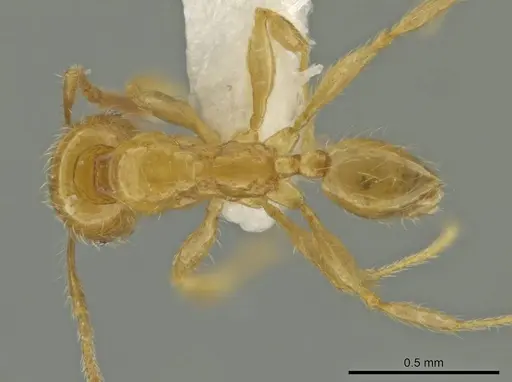
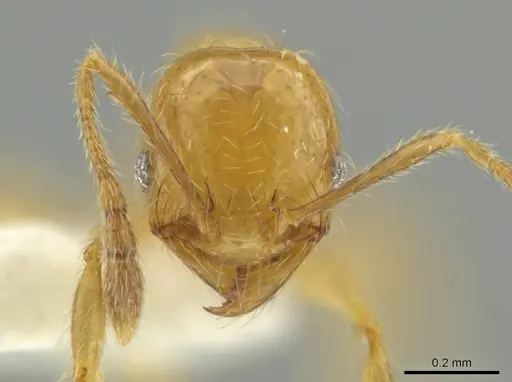
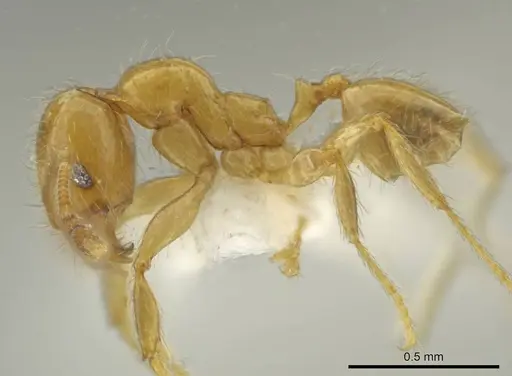
JTLC000016561
View on AntWeb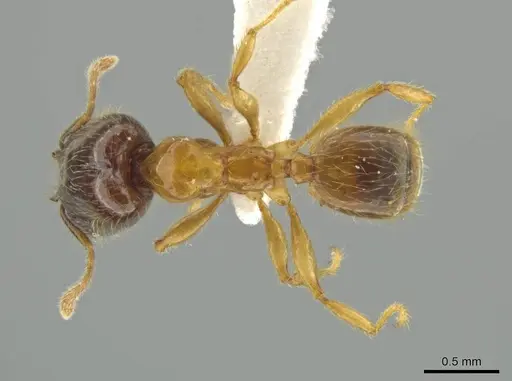
Literature
Loading distribution map...Loading products...