
Pheidole trinitatis
- Sci. Name
- Pheidole trinitatis
- Tribe
- Attini
- Subfamily
- Myrmicinae
- Author
- Wilson, 2003
- Distribution
- Found in 1 countries
Introduction
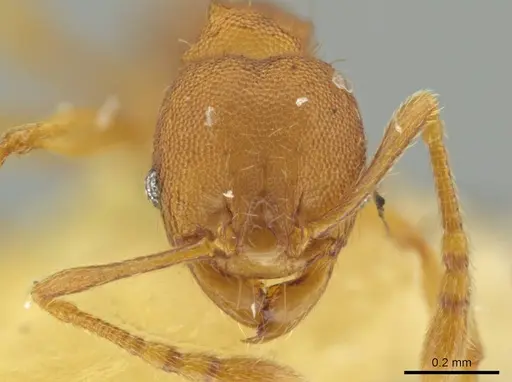
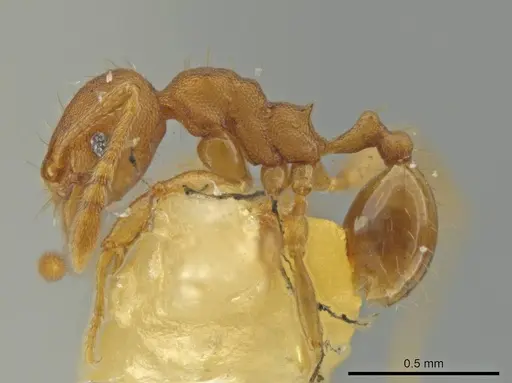
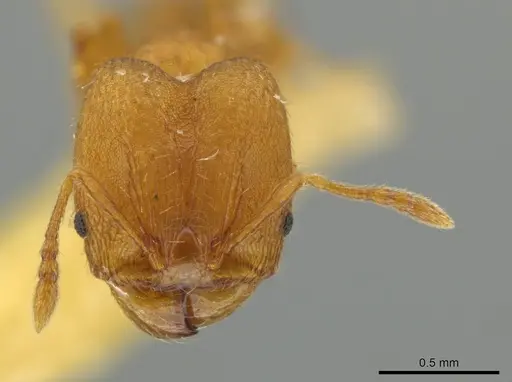
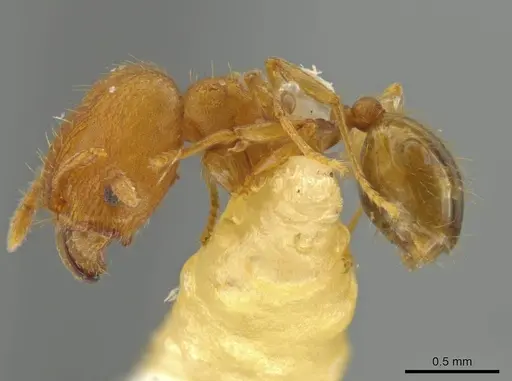
Pheidole trinitatis is a small ant species native to Trinidad and Tobago, first described by E.O. Wilson in 2003. The major workers have a reddish-yellow body with a brown gaster, while the minors are a uniform light reddish-yellow . This species belongs to the genus Pheidole, which is known for having two distinct worker castes: majors (soldiers) and minors (workers). In their natural habitat, colonies have been found nesting in dead twigs in floodplain forests and in hollow fruits buried in sandy soil in lowland rainforest .
Quick Summary
- Difficulty: Medium
- Origin & Habitat: Trinidad and Tobago, specifically in floodplain forests and secondary lowland rainforests. Colonies nest in dead twigs or hollow fruits buried in sandy soil [1].
- Colony Type: Unconfirmed, most Pheidole species are monogyne (single queen), but this species has not been studied.
- Size & Growth:
- Queen: Not documented, size data unavailable.
- Worker: Major workers: total length not recorded, roughly 3-4 mm inferred from Pheidole genus patterns, minor workers: similar range, but exact body size unknown.
- Colony: Unknown, most Pheidole reach hundreds to a few thousand workers.
- Growth: Moderate (inferred from genus)
- Development: Unknown, estimated 6-10 weeks based on related Pheidole species in warm conditions. (No direct data for this species, estimate based on typical Pheidole development.)
- Antkeeping:
- Temperature: Tropical species, keep at 24-28°C. Use a heating cable on one side of the nest to create a gradient.
- Humidity: High, nest substrate should be consistently moist but not waterlogged. Provide a water tube or moist area. The species nests in rotting wood and buried fruit, so humidity is critical [1].
- Diapause: Unlikely, as a tropical Trinidad species, it probably does not require hibernation. Keep warm year-round.
- Nesting: Naturalistic setups work best: Y-tong nests with wood or cork inserts, or test tubes with moist substrate. Avoid dry, exposed nests like acrylic.
- Behavior: Pheidole trinitatis has typical Pheidole behavior: majors defend the nest and process large food, while minors forage and care for brood. They are likely defensive when disturbed but not overly aggressive. Escape prevention is critical, as small ants, they can squeeze through fine gaps. Use mesh of 0.5 mm or less. Subfamily Myrmicinae (tribe Attini) gives them a functional stinger, but it is unlikely to affect humans significantly.
- Common Issues: tropical humidity requirements mean dry housing quickly kills the colony., small size makes escape prevention critical, standard mesh may be too large., limited natural history data means you are pioneering husbandry for this species., unconfirmed colony type, you may not know if the queen is fertile without observation., growth may be slower than some beginner ants, which can test patience.
Housing and Nest Setup
Pheidole trinitatis does well in setups that replicate their natural nesting sites. In the wild, they nest in dead twigs and hollow fruits buried in sandy soil in rainforest habitats [1]. For captivity, a Y-tong nest with cork or wood inserts works well, providing dark, humid chambers. You can also use a test tube setup with moist cotton as a water reservoir, the key is maintaining high humidity without flooding. Avoid exposed nests that dry out quickly. The outworld should be simple with a secure lid. Because they are small, use fine mesh (0.5 mm or less) on any ventilation holes.
Feeding and Diet
Pheidole species are typically omnivorous, they accept both protein and carbohydrates. In captivity, offer protein from small insects (fruit flies, pinhead crickets, small mealworms) 2-3 times per week. Provide a constant supply of sugar water, honey, or seeds. Major workers can crack seeds and process larger items that minors cannot handle alone. Remove uneaten prey after 24-48 hours to prevent mold. If you offer seeds, check that minors are actually collecting them, some Pheidole rely heavily on seed-harvesting.
Temperature and Humidity
As a tropical species from Trinidad, Pheidole trinitatis requires warm, humid conditions. Keep the nest area at 24-28°C, use a heating cable on one side if your room is cooler. Place the cable on top of the nest to avoid drying out the substrate from below. Humidity should be high, aim for the nest substrate to feel consistently moist, but not waterlogged. A water tube connected to the nest helps. Monitor condensation: heavy condensation inside the nest is a good sign, while none suggests it's too dry. In the wild, they nest in dead wood and buried fruit in rainforest, so dry conditions will kill them quickly [1].
Colony Development
This species has two worker castes: minors and majors. Minors handle foraging, brood care, and nest maintenance. Majors have larger heads and mandibles, they defend the nest and help process large food items. Development from egg to worker takes an estimated 6-10 weeks based on related Pheidole, though this is not directly documented for P. trinitatis. The first workers (nanitics) will be smaller than mature workers. Colonies grow gradually, expect several months before majors appear, typically when the colony reaches at least a few hundred workers.
Behavior and Temperament
Pheidole trinitatis likely exhibits typical Pheidole behavior. They are not overly aggressive but will defend their nest if disturbed. Workers forage actively and recruit nestmates to food using chemical trails. Majors respond to threats and process large prey. As small ants (estimated total length ~3-4 mm), escape prevention is crucial, use fine mesh and tight-fitting lids. They are probably crepuscular or nocturnal in the wild, but will adjust activity to your light cycle. Subfamily Myrmicinae (tribe Attini) gives them a functional stinger, but it is too small to pose a medical risk to humans. If threatened, they may bite or sting, but the sensation is mild. [1]
Frequently Asked Questions
How long does it take for Pheidole trinitatis to produce first workers?
The exact timeline is unknown for this species, but based on related Pheidole species, expect 6-10 weeks from egg to first worker at optimal temperature (24-28°C). The first workers will be small (nanitics) and the colony will grow gradually.
What do Pheidole trinitatis ants eat?
They are omnivorous like most Pheidole. Offer small insects for protein 2-3 times per week, and keep sugar water or honey available constantly. Seeds may also be accepted. Remove uneaten food after 24-48 hours.
Do Pheidole trinitatis ants need hibernation?
No, as a tropical species from Trinidad, they do not require hibernation. Keep them warm year-round at 24-28°C. They may show reduced activity during cooler periods but no special winter care is needed.
Are Pheidole trinitatis good for beginners?
This species is rated Medium difficulty. While not the hardest, the limited natural history means you are pioneering husbandry. They require high humidity and warmth, which can be tricky for complete beginners. If you have experience with tropical ants, this is a rewarding species.
How big do Pheidole trinitatis colonies get?
The maximum colony size is unknown for this specific species, but typical Pheidole colonies reach hundreds to a few thousand workers. The presence of majors usually indicates a mature colony.
Can I keep multiple queens together?
The colony structure of this species is unconfirmed. Most Pheidole are monogyne (single queen), but some are polygynous. Until more data is available, it is best to start with a single queen colony. Combining unrelated queens has not been documented.
What size nest do I need for Pheidole trinitatis?
Start with a test tube setup for the founding queen. Once the colony reaches 20-30 workers, move to a small Y-tong nest or naturalistic setup with wood/cork inserts to maintain humidity. They prefer tight, humid chambers over large open spaces.
Why are my Pheidole trinitatis dying?
The most common causes are: low humidity (tropical ants need high humidity), temperatures below 24°C, improper feeding (both protein and sugar needed), or escape/small prey items being overlooked. Check your setup matches their rainforest habitat requirements.
When will my colony produce major workers?
Major workers typically appear once the colony reaches several hundred workers. This may take 6-12 months or longer depending on feeding and conditions. The production of majors indicates a healthy, maturing colony.
Report an Issue
The current care sheet is based fully on literature. See inconsistencies, or something that's incorrect? Please , it will be resolved after review from an admin. Contributing to the blogs tab also helps providing information, to make us be able to further improve the caresheets. Thank you for your support!
References

This caresheet is licensed under CC BY-SA 4.0 .
Community Blogs
CASENT0645883
View on AntWeb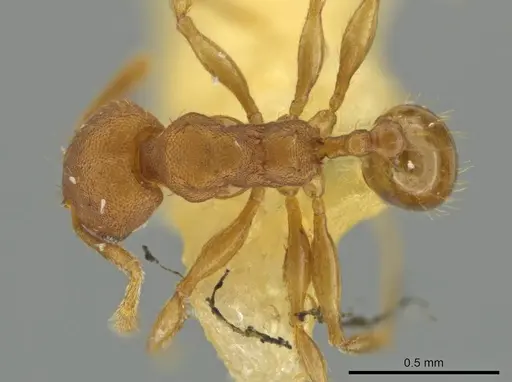
JTLC000016560
View on AntWeb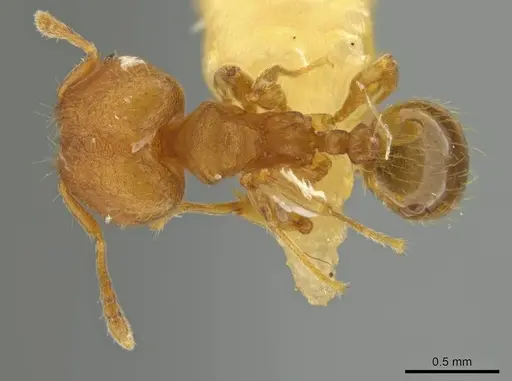
Literature
Loading distribution map...Loading products...