
Pheidole transversostriata
- Sci. Name
- Pheidole transversostriata
- Tribe
- Attini
- Subfamily
- Myrmicinae
- Author
- Mayr, 1887
- Distribution
- Found in 5 countries
Introduction
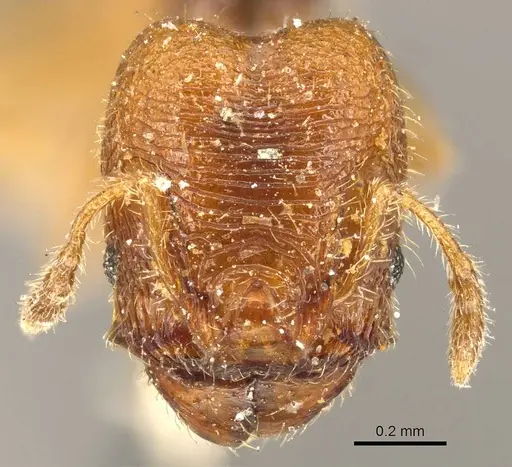
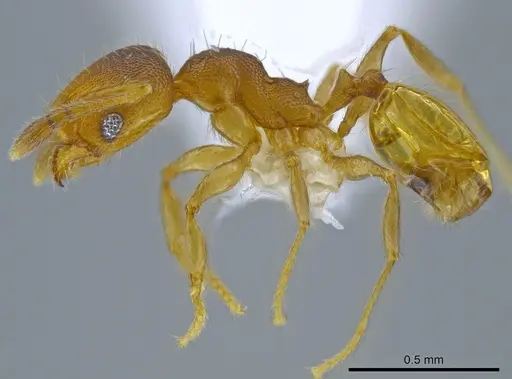
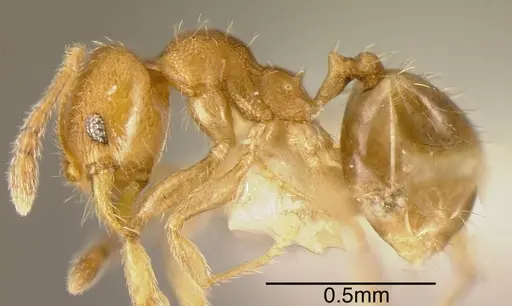
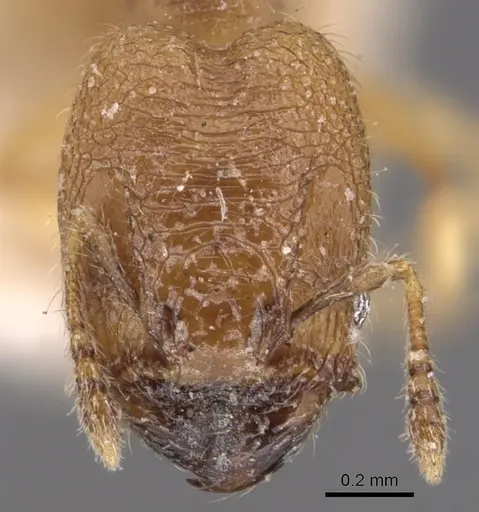
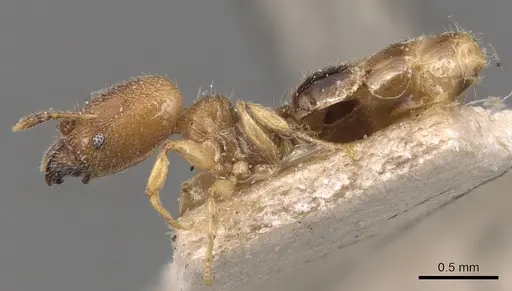
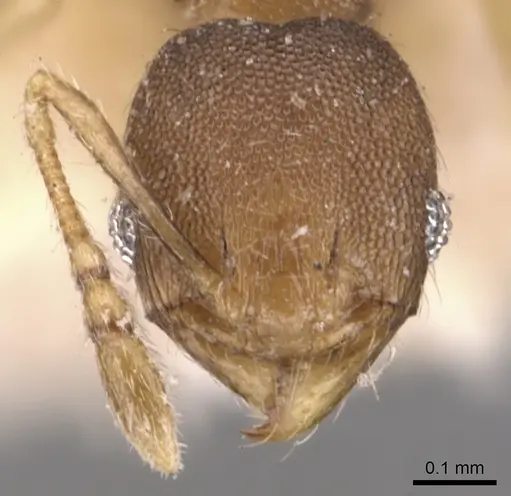
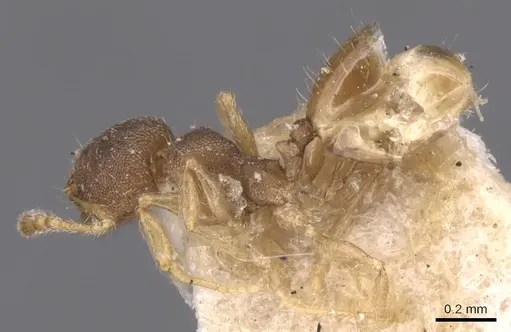
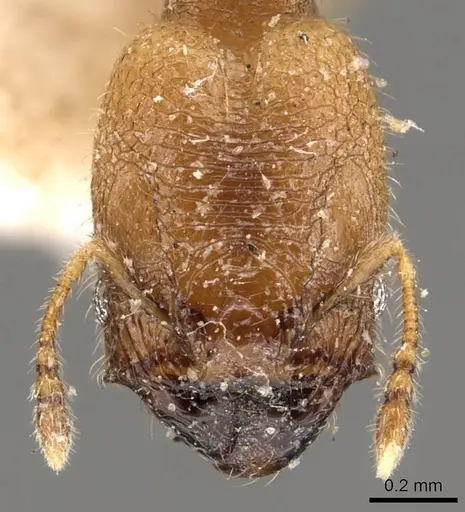
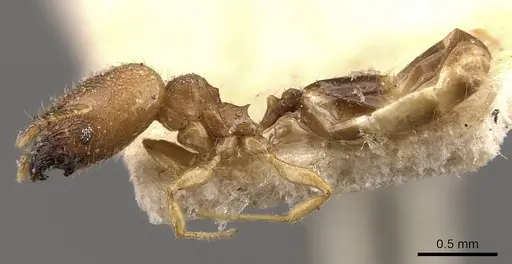
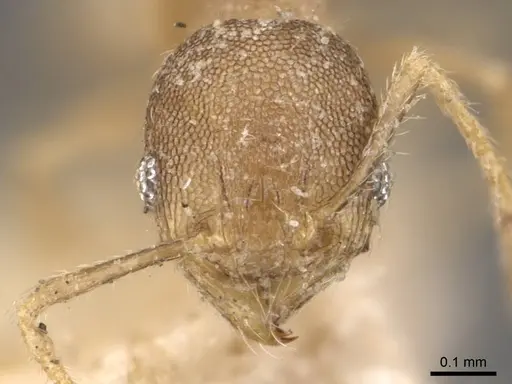
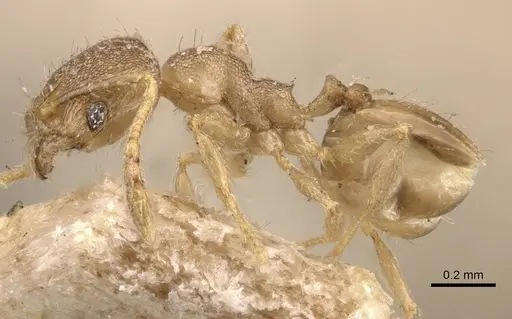
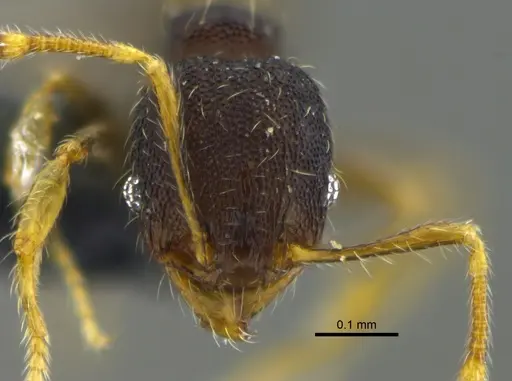
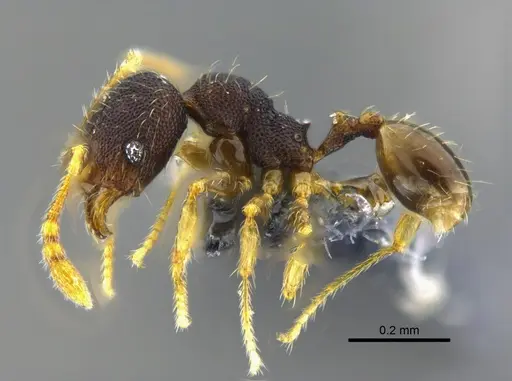
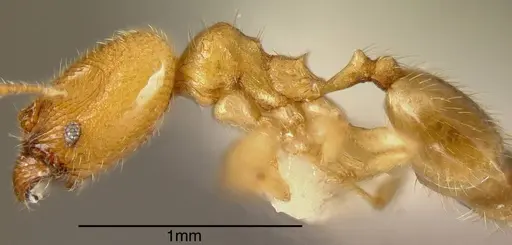
Pheidole transversostriata is a small Neotropical ant known for its major workers, which have a distinctive ladder-like pattern of transverse carinae on their heads . Majors are a bit larger than minors, but precise body lengths aren't published - based on the genus, majors likely reach ~3-4 mm and minors ~2-3 mm total length. The species ranges from the Caribbean islands through Central America and northern South America to Brazil, living in both seasonal dry forests and evergreen forests . Workers forage on the forest floor and quickly recruit to food baits, while soldiers stay underground (hypogeous) . The species was previously called Pheidole scalaris before being synonymized in 2019 .
Quick Summary
- Difficulty: Medium
- Origin & Habitat: Widespread across the Neotropical region: Barbados, Brazil, Colombia, Costa Rica, Ecuador, French Guiana, Guyana, Nicaragua, Suriname, Trinidad & Tobago, Venezuela. Found in seasonal dry forest and evergreen forest, nesting in soil under leaf litter or inside dry trunks and branches with very small entrance holes [1][2].
- Colony Type: Not documented in the scientific literature. Most Pheidole species are monogyne (single queen), but this is unconfirmed for P. transversostriata.
- Size & Growth:
- Queen: Unknown, estimated ~5-7 mm based on typical Pheidole patterns [2]
- Worker: Major: ~3-4 mm, Minor: ~2-3 mm total length (inferred from Pheidole genus patterns) [1]
- Colony: Not documented, typical Pheidole reach several hundred workers (inferred from genus) [2]
- Growth: Moderate
- Development: Estimated 6-8 weeks at optimal temperatures (inferred from genus patterns) (Exact timeline not published for this species.)
- Antkeeping:
- Temperature: Keep at 24-28°C, this is a tropical lowland species. Avoid dropping below 20°C. Provide a slight heat gradient if room temperature runs cool [2][1].
- Humidity: Keep the nest substrate consistently moist but not waterlogged. Because they inhabit both dry and wet forests, offer a moisture gradient with a drier area [2].
- Diapause: No, a tropical species that does not need hibernation.
- Nesting: Use a soil‑based nest (Y‑tong, plaster, or 3D‑printed) with small, tight chambers and a deep layer of substrate for tunneling. A test tube setup works for founding. Provide darkness and narrow passages, wild colonies use extremely small nest entrances [1].
- Behavior: Minors actively forage on the forest floor and easily recruit to food baits. Majors (soldiers) stay underground (hypogeous) and rarely come to the surface [1]. The species is not aggressive but will defend the nest. Escape risk is high due to tiny size, use very fine mesh or a talc barrier. They've been observed on tree trunks up to 7 m above ground [3].
- Common Issues: cold stress, tropical species dies quickly below 20°C., rare in the wild, may be sensitive to disturbances and slow to establish in captivity [4]., soldiers hypogeous, don't judge colony health by seeing majors., wild‑caught colonies can carry parasites or diseases., extremely small nest entrances, need tight, secure chambers to prevent escape.
Housing and Nest Setup
This species nests in soil with extremely small entrance holes [1]. For captive care, use a naturalistic setup with a deep layer of moist substrate (a Y‑tong, plaster, or 3D‑printed nest with a digging chamber). Keep chambers small and tight to match their tiny size. A test tube with a moist cotton plug works well for founding and small colonies. Avoid temperature drops below 22°C [2].
Feeding and Diet
Pheidole transversostriata is an omnivorous forager. In the wild, workers quickly recruit to food baits [1], so they readily accept typical ant foods. Offer sugar water, honey, and small protein insects (fruit flies, pinhead crickets, mealworms) 2-3 times per week. Remove uneaten food after 24-48 hours to prevent mold.
Temperature and Seasonal Care
As a tropical lowland species, Pheidole transversostriata needs warmth year‑round. Keep the nest at 24-28°C [2]. It tolerates some variation but must never go below 20°C. Use a heating cable on one side to create a gentle gradient if needed. No hibernation or diapause is required.
Behavior and Colony Dynamics
This species has a classic Pheidole caste system: minor workers handle most foraging and are easily recruited to baits [1], major workers (soldiers) are hypogeous, they stay underground and are rarely seen outside the nest [1]. Majors have a characteristic ladder‑like pattern of transverse carinae on the head [1]. The species is considered rare in the wild [4] and has been found foraging both on the forest floor and on tree trunks up to 7 m high [3]. Colony growth is moderate, so be patient.
Growth and Development
Specific developmental data for this species are lacking. Based on typical Pheidole patterns, queens are likely claustral (though unconfirmed) and the first workers (nanitics) appear in about 6-8 weeks at optimal temperatures (24-28°C). Growth is moderate, expect the colony to take many months to reach substantial size. Majors usually appear only after the colony is well‑established. Patience is essential.
Frequently Asked Questions
How long does it take for Pheidole transversostriata to produce first workers?
Not documented, but based on genus patterns expect 6-8 weeks from egg to first worker at 24-28°C.
What do Pheidole transversostriata ants eat?
They are omnivores. Offer sugar water or honey constantly, and small protein insects (fruit flies, pinhead crickets) 2-3 times per week. They easily recruit to baits [1].
Do Pheidole transversostriata ants need hibernation?
No, this is a tropical species that stays active year‑round [2].
Are Pheidole transversostriata good for beginners?
Medium difficulty. They require warm temperatures and are considered rare [4]. Not ideal for a first ant, but manageable with some experience.
When will I see major workers in my colony?
Majors are hypogeous (stay underground) [1] and typically appear only after the colony is well‑established (probably many months). You may not see them even then.
What size colony do they reach?
Not documented, typical Pheidole reach several hundred workers. They are rare in the wild [4], so large colonies may be uncommon.
Can I keep multiple queens together?
Not recommended, pleometrosis (multiple‑queen founding) is not documented for this species. Keep only one queen per setup.
What temperature is ideal?
24-28°C [2]. Avoid below 20°C. A slight heat gradient is beneficial.
Why are my ants dying?
Most likely cold stress (below 20°C), incorrect humidity, or stress from wild‑caught origins. Ensure stable warmth and appropriate moisture. Rare in nature, they may be sensitive to captivity [4].
What type of nest should I use?
Use a naturalistic setup with a soil or digging chamber, or a Y‑tong/plaster nest with small chambers. They nest in soil with very small entrances [1].
Report an Issue
The current care sheet is based fully on literature. See inconsistencies, or something that's incorrect? Please , it will be resolved after review from an admin. Contributing to the blogs tab also helps providing information, to make us be able to further improve the caresheets. Thank you for your support!
References

This caresheet is licensed under CC BY-SA 4.0 .
Community Blogs
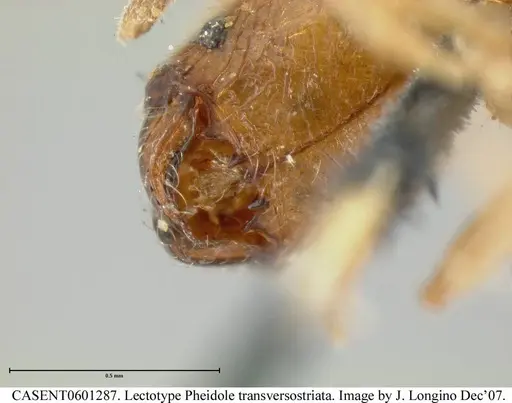
CASENT0601287
View on AntWeb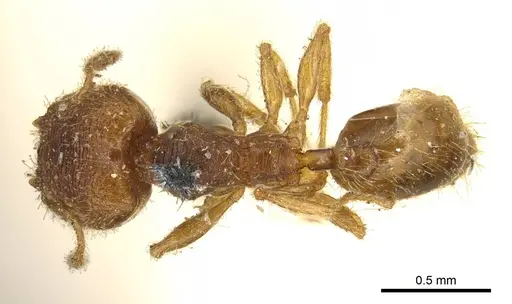
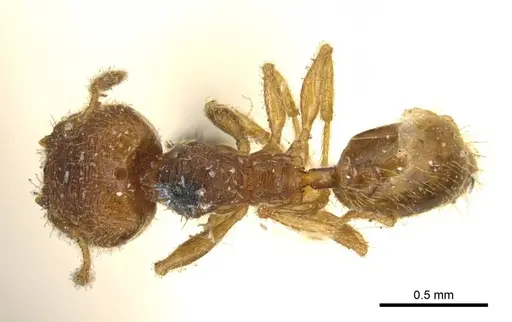
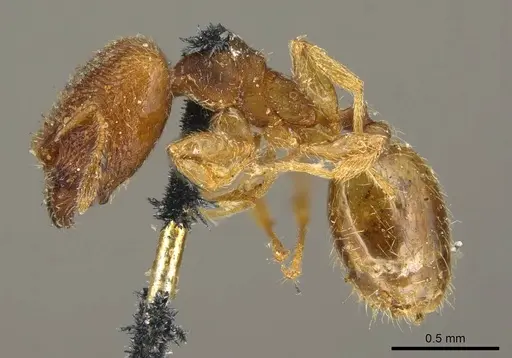
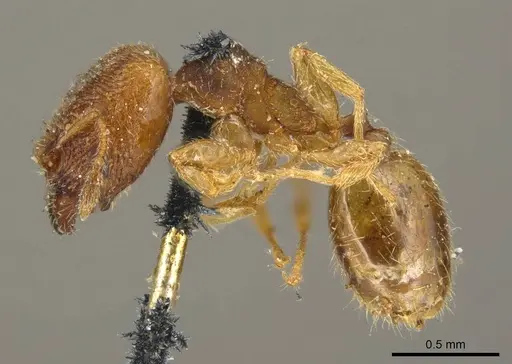
CASENT0619444
View on AntWeb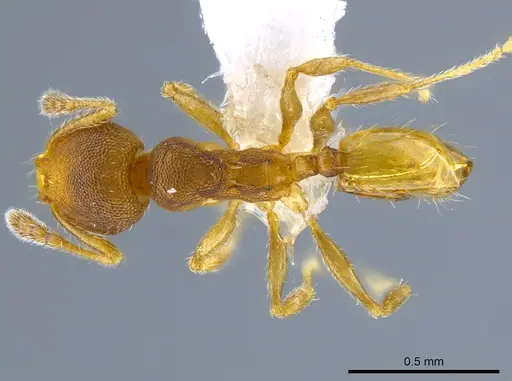
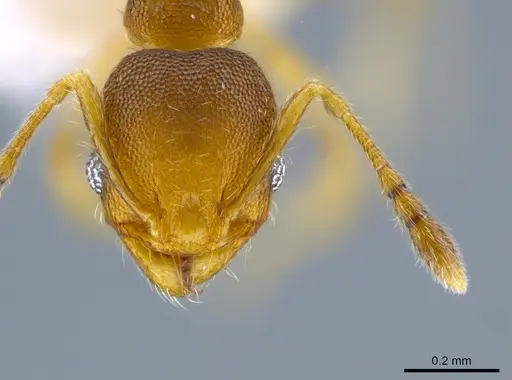
CASENT0635522
View on AntWeb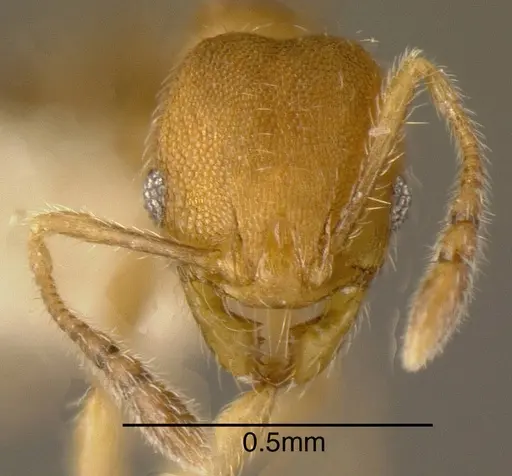
CASENT0904447
View on AntWeb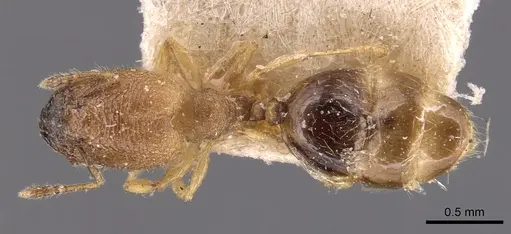
CASENT0904448
View on AntWeb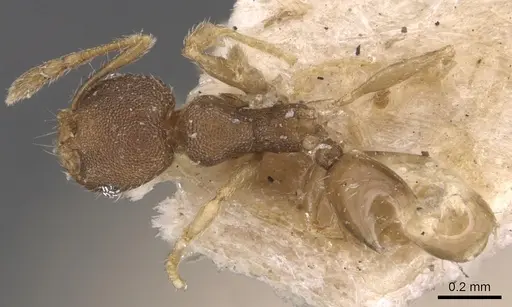
CASENT0908300
View on AntWeb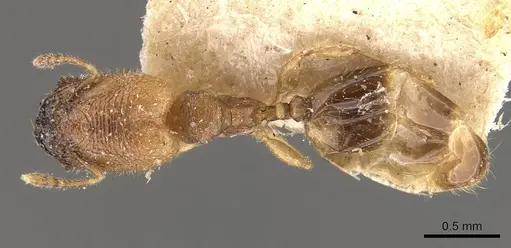
CASENT0908301
View on AntWeb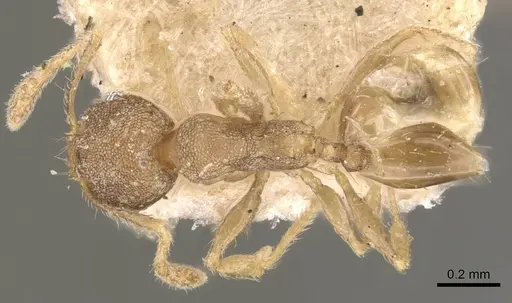
CBUMAGENT42027
View on AntWeb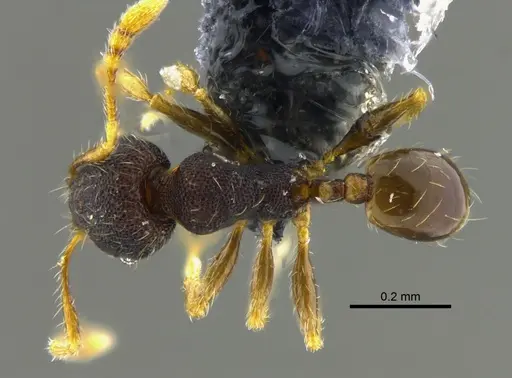
INBIOCRI002279609
View on AntWeb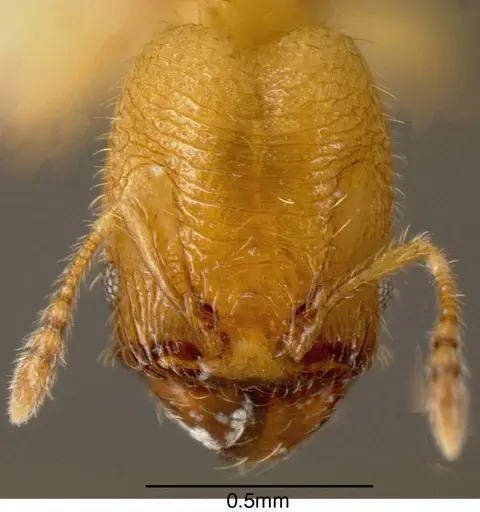
Literature
Loading distribution map...Loading products...