
Pheidole tolteca
- Sci. Name
- Pheidole tolteca
- Tribe
- Attini
- Subfamily
- Myrmicinae
- Author
- Forel, 1901
- Distribution
- Found in 1 countries
Introduction
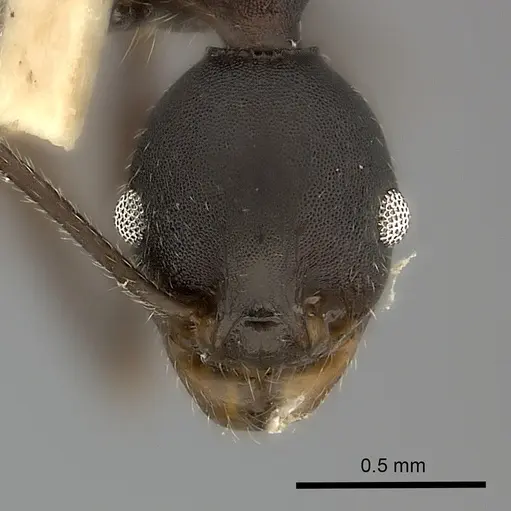
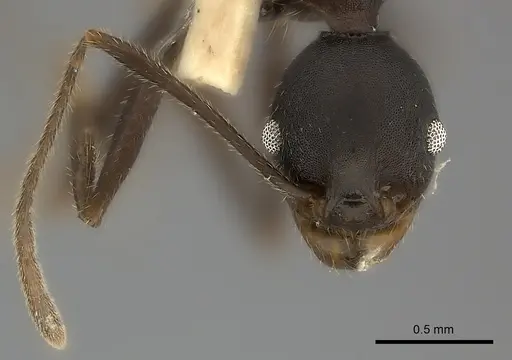
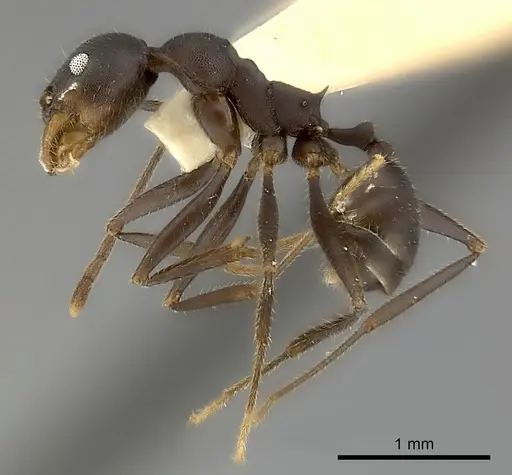
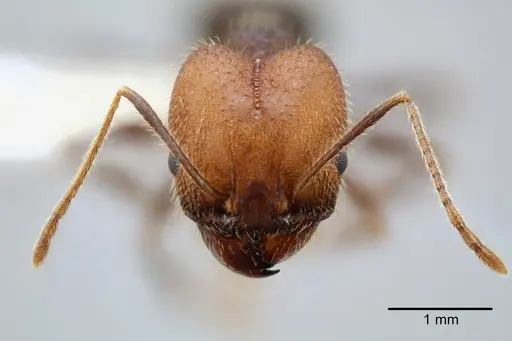
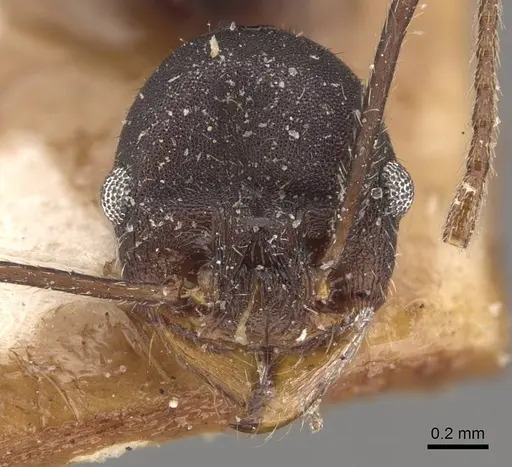
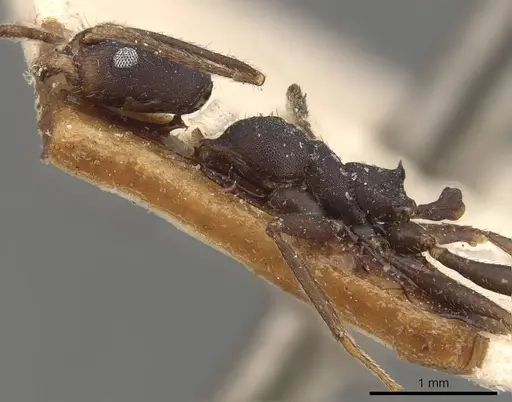
Pheidole tolteca is a Mexican ant species with dramatic size differences between major and minor workers. Major workers have large reddish-brown heads, while minors are smaller and uniformly brown. It is endemic to central and southern Mexico, inhabiting tropical scrub, deciduous forest, and pine forest at elevations of 1,500-2,400 meters . A key trait is the defensive sticky substance released by major workers from their gaster when threatened, a behavior seen in related Pheidole species .
Quick Summary
- Difficulty: Medium
- Origin & Habitat: Endemic to central and southern Mexico, found in Morelos, Michoacán, Guerrero, and Puebla. It lives in tropical scrub, deciduous forest, and pine forest at 1,500-2,400 meters elevation [1][2]. Workers have been collected in urban areas, showing adaptability to human-modified environments [2].
- Colony Type: Based on Pheidole genus patterns, likely monogyne (single-queen colonies), but unconfirmed in research [1].
- Size & Growth:
- Queen: Size data unavailable, but inferred from Pheidole genus to be approximately 6-8 mm
- Worker: Size data unavailable, but minors are small and majors have large heads, exact body measurements not provided in research
- Colony: Up to several hundred workers, estimated from genus patterns
- Growth: Moderate
- Development: Unknown, no specific data in research (Development time likely temperature-dependent, but no confirmed estimates)
- Antkeeping:
- Temperature: Keep at moderate temperatures, roughly 22-26°C, based on habitat elevation [2]. Provide a gradient for self-regulation.
- Humidity: Provide a humidity gradient with moist substrate areas, as they inhabit tropical forests [1]. Keep nest substrate consistently moist but not waterlogged.
- Diapause: Unknown, no specific data on diapause requirements in research
- Nesting: Prefer soil or rotting wood nests, recommend Y-tong (AAC) or plaster nests [1].
- Behavior: Based on Pheidole patterns, typically calm but majors defend with sticky substance [1]. Escape risk is moderate for their size, standard barriers work well.
- Common Issues: colonies may decline if kept too cold, maintain warm temperatures except during diapause if needed, major workers can get stuck in moist substrates, keep nesting area relatively dry, slow initial growth during founding, avoid overfeeding new colonies, sticky substance from majors can make a mess, handle gently to avoid squeezing
Housing and Nest Setup
Use Y-tong (AAC) or plaster nests for Pheidole tolteca. These provide stable humidity and smooth walls for majors. For the outworld, use a secure container with a lid to prevent escapes. Provide a shallow water tube with cotton wick for moisture. Keep nesting areas darker to mimic natural underground chambers [1].
Feeding and Diet
Pheidole tolteca is omnivorous. Offer protein sources like fruit flies or mealworms 2-3 times weekly, and seeds or sugar water constantly. Remove uneaten food after 24-48 hours to prevent mold. During founding, queens need no food until workers emerge.
Temperature and Seasonal Care
Maintain nest area at moderate temperatures, roughly 22-26°C, based on their habitat elevation. A heating cable on one side creates a gradient for self-regulation. Diapause requirements are unknown, so avoid sudden temperature changes. [2]
Behavior and Defense
Major workers release a sticky substance from their gaster when threatened, as documented in related species [1]. This deters predators but is not dangerous to humans. Handle ants gently to avoid mess. Minors handle foraging and brood care.
Colony Growth and Development
Colony growth is moderate. Founding queens seal themselves in chambers, but founding type is unconfirmed. Once workers emerge, growth accelerates. Major workers appear as colony size increases, but specific timelines are unknown.
Frequently Asked Questions
How long does it take for Pheidole tolteca to raise first workers?
No specific data available. Development time is likely temperature-dependent, but estimates are unknown.
What do Pheidole tolteca ants eat?
They are omnivorous, eating seeds, insects, and sugar sources. Offer protein 2-3 times weekly and keep carbohydrates available.
What temperature do Pheidole tolteca need?
Keep at moderate temperatures, roughly 22-26°C, based on their Mexican habitat elevation [2].
Do Pheidole tolteca need hibernation?
Unknown, no specific data on diapause requirements in research.
How big do Pheidole tolteca colonies get?
Up to several hundred workers, estimated from genus patterns. Exact maximum size is unknown.
Can I keep multiple Pheidole tolteca queens together?
Unconfirmed, research does not specify if multiple queens can coexist. Based on genus patterns, likely not recommended.
What makes Pheidole tolteca special?
Their defensive sticky secretion and dramatic size difference between majors and minors. They are endemic to central and southern Mexico [1][2].
Is Pheidole tolteca good for beginners?
Medium difficulty, they require attention to temperature and seasonal care but are not overly aggressive.
When should I move Pheidole tolteca to a formicarium?
Move when the colony outgrows its founding setup, typically when crowded. Ensure escape prevention with appropriately sized chambers.
Report an Issue
The current care sheet is based fully on literature. See inconsistencies, or something that's incorrect? Please , it will be resolved after review from an admin. Contributing to the blogs tab also helps providing information, to make us be able to further improve the caresheets. Thank you for your support!
References

This caresheet is licensed under CC BY-SA 4.0 .
Community Blogs
CASENT0217905
View on AntWeb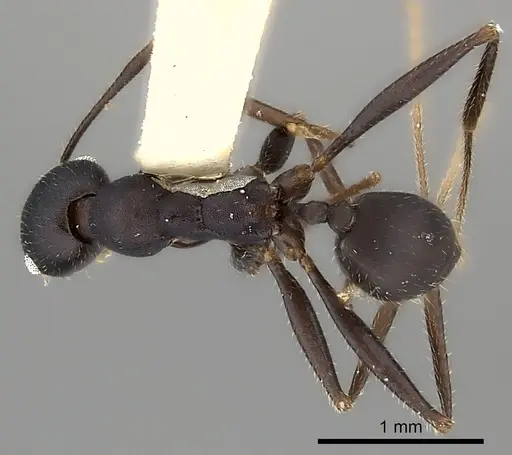
CASENT0649660
View on AntWeb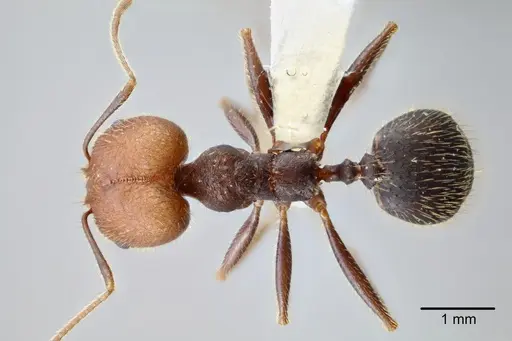
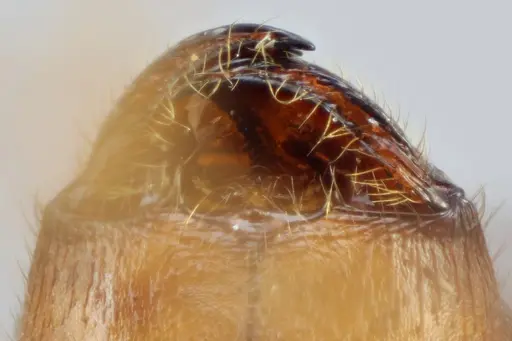
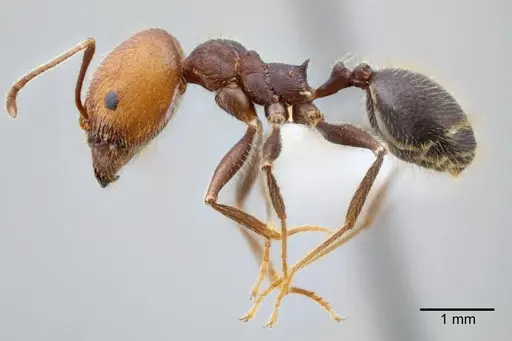
CASENT0649661
View on AntWeb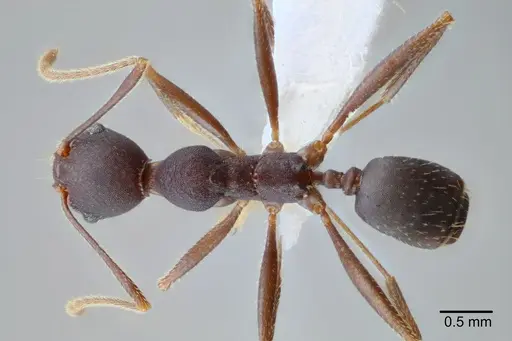
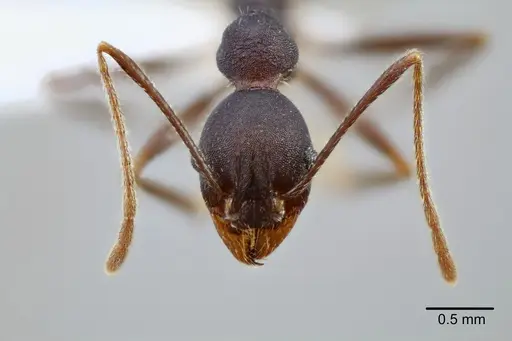
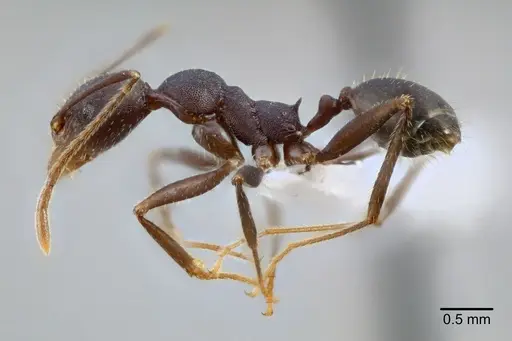
CASENT0908121
View on AntWeb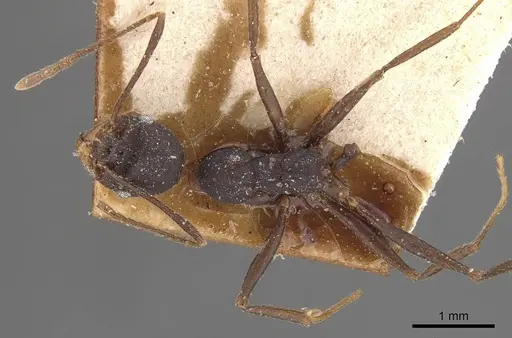
Literature
Loading distribution map...Loading products...