
Pheidole tjibodana
- Sci. Name
- Pheidole tjibodana
- Tribe
- Attini
- Subfamily
- Myrmicinae
- Author
- Forel, 1905
- Distribution
- Found in 6 countries
Introduction
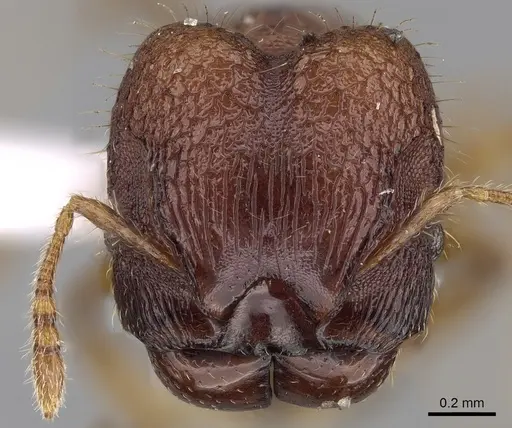
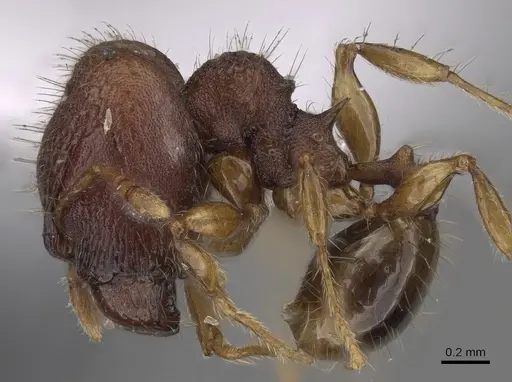
Pheidole tjibodana is a polymorphic ant species with major and minor workers, found across the Indo-Chinese and Indo-Malayan subregions, including Vietnam, Thailand, China, Borneo, Brunei, Malaysia, Indonesia, and Philippines . It inhabits forests from lowland to hilly areas, with populations nesting in leaf litter, rotting twigs, and small wood fragments . This species is known for storing small seeds in their nests, a behavior documented in Vietnamese populations .
Quick Summary
- Difficulty: Easy
- Origin & Habitat: Native to Southeast Asia, found in Indo-Chinese and Indo-Malayan subregions. Inhabits forests from lowland to hilly areas, nesting in litter or rotting wood [1][5].
- Colony Type: Single-queen colonies (monogyne), based on field samples showing one dealate queen per nest [1].
- Size & Growth:
- Queen: Size data unavailable, no total length measurements documented.
- Worker: Size data unavailable, no total length measurements documented.
- Colony: Up to 300 workers, based on field collections [1].
- Growth: Moderate, inferred from typical Pheidole development patterns.
- Development: Estimated 6-8 weeks at optimal temperatures, based on genus patterns. (Development time is inferred from related species, direct measurements for this species are not available.)
- Antkeeping:
- Temperature: Keep at 24-28°C, based on tropical habitat conditions [1].
- Humidity: Keep substrate moderately moist, reflecting natural nesting in damp litter [1].
- Diapause: No, tropical species does not require hibernation.
- Nesting: Prefer nests in leaf litter, rotting twigs, or wood fragments. In captivity, use test tubes for founding, then transition to naturalistic setups with soil and litter [1][5].
- Behavior: Pheidole tjibodana is generally calm and non-aggressive. Minor workers are tiny and may escape through small gaps, so fine mesh is important. Majors are larger and may defend the colony.
- Common Issues: minor workers may escape through fine gaps, use tight-fitting lids and fine mesh barriers., colonies are small, with up to 300 workers, don't expect massive sizes., tropical species requires consistent warmth, cold temperatures can slow brood development., seed-storing behavior may affect diet preferences, offer varied foods., wild-caught colonies may have parasites, quarantine and monitor.
Housing and Nest Setup
For founding colonies, use a standard test tube setup with water and cotton. Keep it dark and undisturbed. Once the colony has 20-30 workers, transition to a formicarium with soil, leaf litter, and small wood pieces to mimic natural habitat [1][5]. Provide an outworld for foraging with easy access to the nest.
Feeding and Diet
This species is omnivorous with a preference for seeds and small insects. Offer small seeds, fruit flies, pinhead crickets, and sugar water. Protein is essential for brood development [1]. Remove uneaten food after 24-48 hours to prevent mold.
Temperature and Seasonal Care
Keep the nest area at 24-28°C year-round, as this is a tropical species. Avoid temperatures below 20°C, which can slow brood development. No hibernation is required [1].
Understanding Their Castes
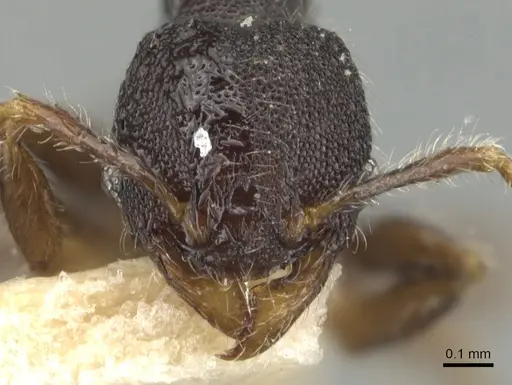
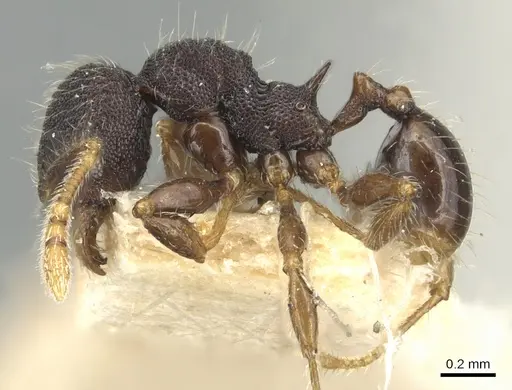
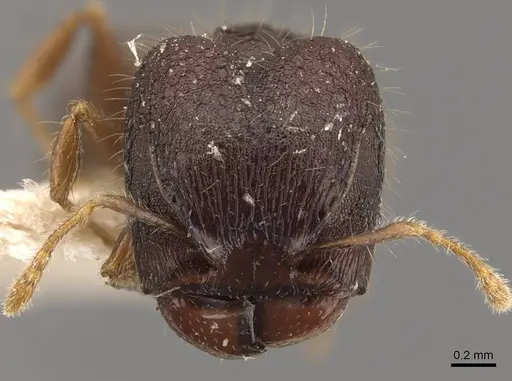
Pheidole tjibodana has two worker castes: majors with enlarged heads and minors that are smaller. Majors handle seed processing and defense, while minors forage and care for brood [1]. In established colonies, majors are less active but emerge when needed.
Colony Development
Colony growth is moderate. First workers emerge after an estimated 6-8 weeks at optimal temperatures. Colony size reaches up to 300 workers, based on field data [1]. Growth depends on feeding and temperature.
Frequently Asked Questions
How long does it take for Pheidole tjibodana to have first workers?
Expect first workers after 6-8 weeks at 24-28°C, based on typical Pheidole genus patterns.
What do Pheidole tjibodana ants eat?
They eat seeds, small insects, and sugar sources. Offer varied diet including millet, fruit flies, and honey water [1].
How big do Pheidole tjibodana colonies get?
Colonies can have up to 300 workers, based on field collections [1].
Do Pheidole tjibodana ants need hibernation?
No, as a tropical species, they do not require hibernation. Keep them warm year-round [1].
Are Pheidole tjibodana good for beginners?
Yes, they are calm and easy to care for, but escape prevention for minor workers is important.
Can I keep multiple queens together?
No, this species is monogyne with one queen per colony [1].
When should I move Pheidole tjibodana to a formicarium?
Move them when the test tube has 20-30 workers, using naturalistic setups with soil and litter [1][5].
Why are my Pheidole tjibodana dying?
Common causes include cold temperatures, improper humidity, mold from food, or stress from disturbance. Check care conditions first.
What makes Pheidole tjibodana different from other Pheidole?
This species stores small seeds in nests, a behavior documented in Vietnamese populations [1].
Report an Issue
The current care sheet is based fully on literature. See inconsistencies, or something that's incorrect? Please , it will be resolved after review from an admin. Contributing to the blogs tab also helps providing information, to make us be able to further improve the caresheets. Thank you for your support!
References

This caresheet is licensed under CC BY-SA 4.0 .
Community Blogs
CASENT0281725
View on AntWeb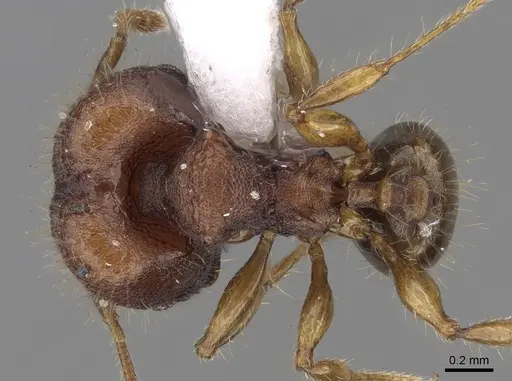
CASENT0281726
View on AntWeb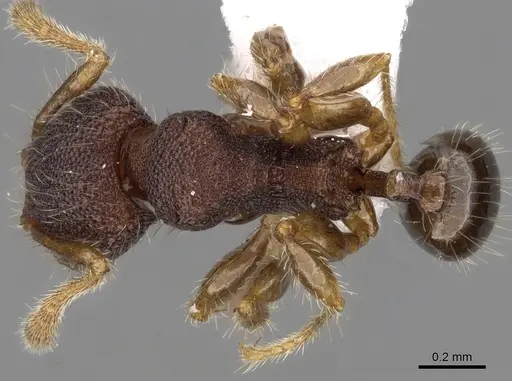
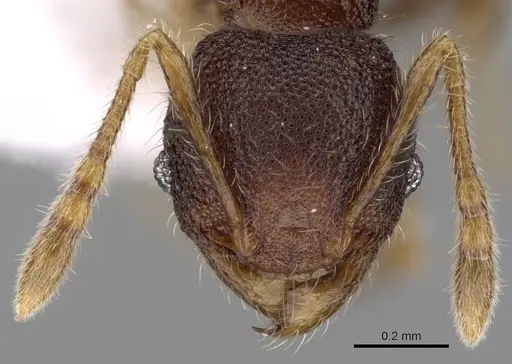
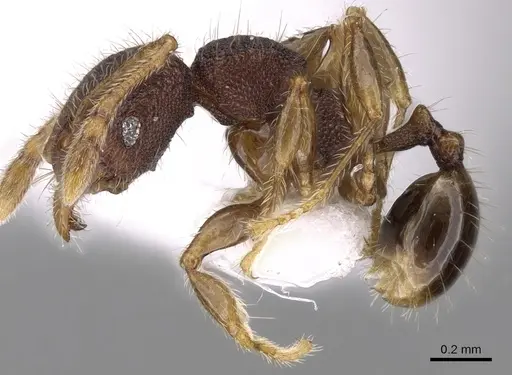
CASENT0283800
View on AntWeb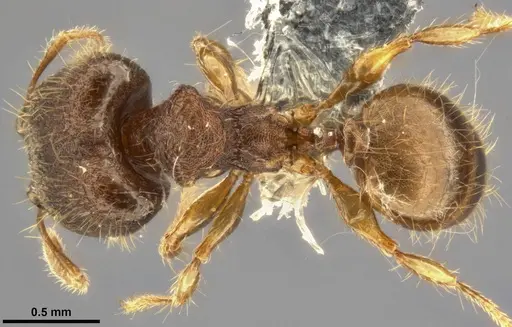
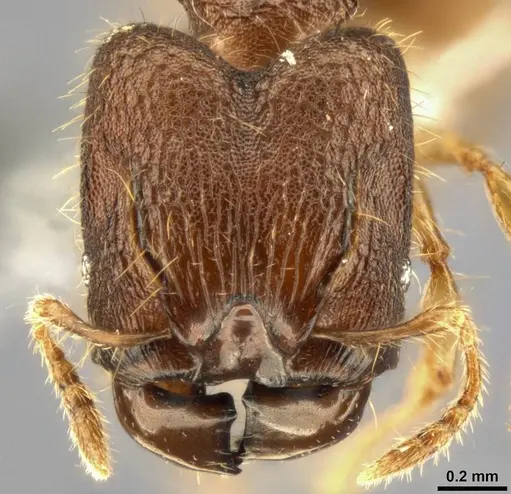
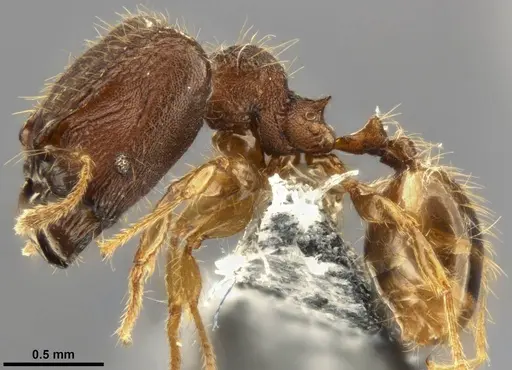
CASENT0616703
View on AntWeb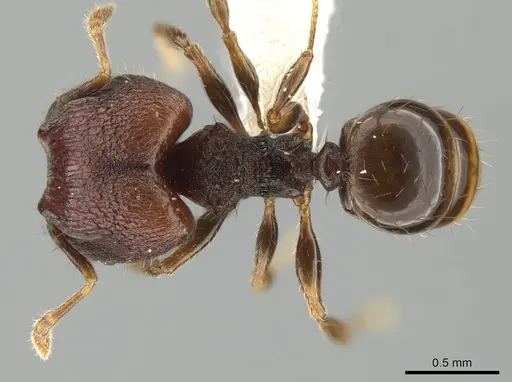
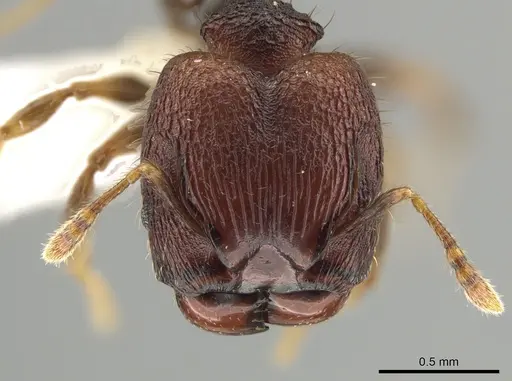
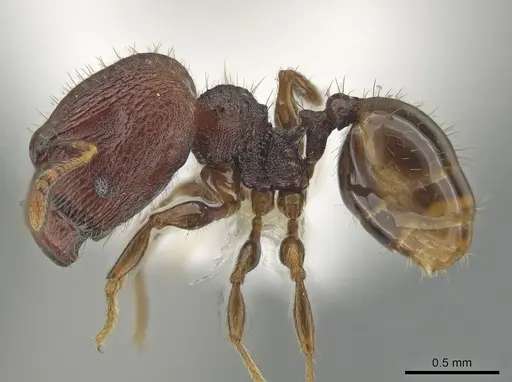
CASENT0904241
View on AntWeb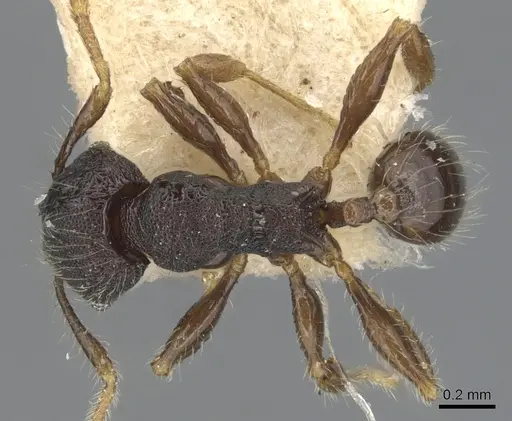
CASENT0907983
View on AntWeb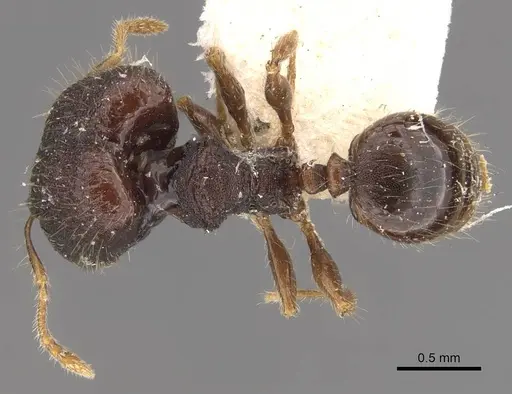
CASENT0907984
View on AntWeb
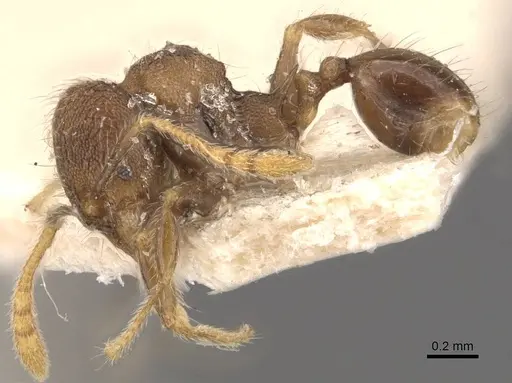
FOCOL1369
View on AntWeb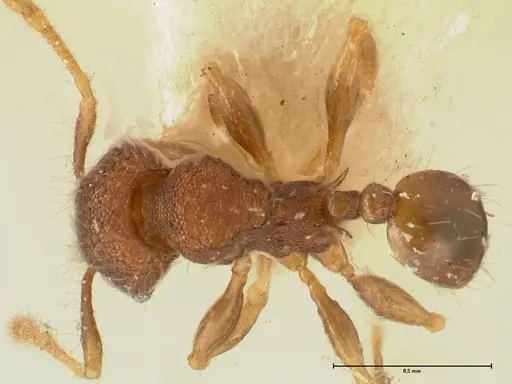
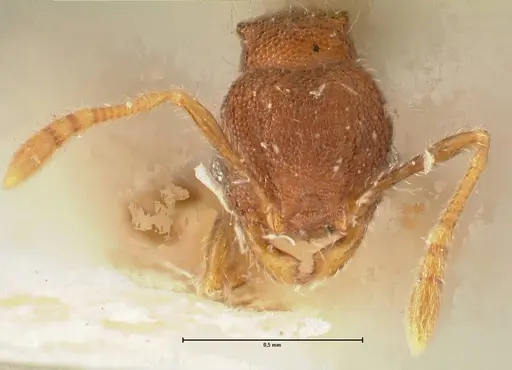
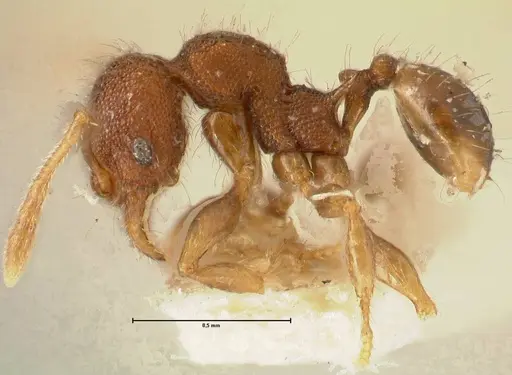
Literature
Loading distribution map...Loading products...