
Pheidole texana
- Sci. Name
- Pheidole texana
- Tribe
- Attini
- Subfamily
- Myrmicinae
- Author
- Wheeler, 1903
- Distribution
- Found in 1 countries
Introduction
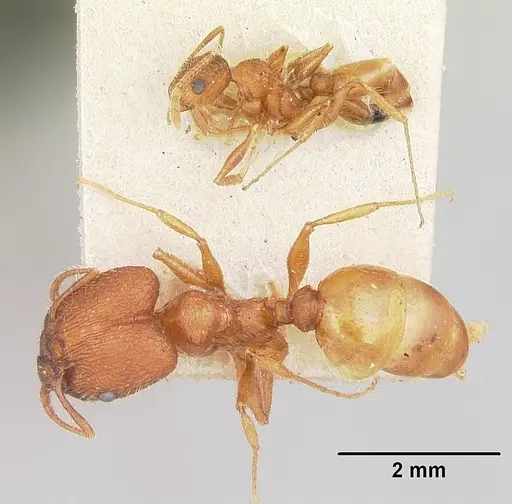
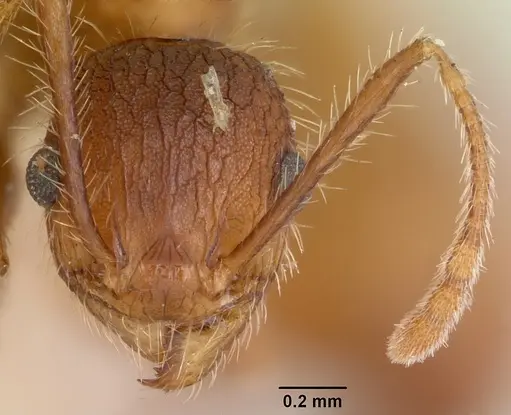
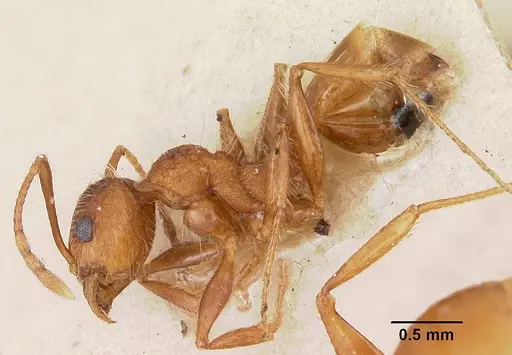
Pheidole texana is a species of big-headed ant native to central Texas, described from Travis County . Size data for this species is not available, but Pheidole workers are typically 2-4 mm long . The species is notable for its distribution in Texas, making it one of the northern-ranging Pheidole species in the United States .
Quick Summary
- Difficulty: Easy
- Origin & Habitat: Central Texas (Travis County) [1]. Natural habitat inferred from genus patterns: soil or under stones in warm, dry areas [2].
- Colony Type: Likely monogyne (single queen) based on typical Pheidole patterns [2].
- Size & Growth:
- Queen: Size data unavailable, inferred from Pheidole genus: ~5-7 mm [2].
- Worker: Size data unavailable, inferred from Pheidole genus: ~2-4 mm [2].
- Colony: Colony size data unavailable, inferred from Pheidole genus: up to several thousand workers [2].
- Growth: Moderate
- Development: Data unavailable, estimated 6-8 weeks based on related Pheidole species [2]. (Development time varies with temperature.)
- Antkeeping:
- Temperature: Keep at 24-28°C based on typical Pheidole preferences [2].
- Humidity: Moderate humidity around 50-60%, allow nest to dry slightly between waterings [2].
- Diapause: Yes, reduce to 15-18°C for 2-3 months during winter based on genus patterns [2].
- Nesting: Test tubes for founding, Y-tong or plaster nests for later stages [2].
- Behavior: Generally peaceful and non-aggressive based on Pheidole genus patterns [2]. They have a stinger but it is small and not medically significant to humans. Escape risk is moderate.
- Common Issues: overheating can kill colonies, avoid temperatures above 35°C [2]., mold can become an issue if the nest is too wet, allow drying periods [2]., wild-caught colonies may have parasites, quarantine and monitor new colonies [2].
Housing and Nest Setup
For founding colonies, a simple test tube setup works well for Pheidole species [2]. Fill a test tube with water and plug the wet end with cotton, leaving about 10-12cm of clear space for the queen and her brood. Place this in a dark area and leave it completely alone for 4-6 weeks until the first workers emerge [2]. Once the colony reaches 50+ workers, you can move them to a more elaborate setup. Y-tong nests work well for Pheidole because they allow you to observe the colony while maintaining appropriate humidity [2]. Plaster nests are another good option, as they hold moisture without becoming waterlogged [2]. For the outworld, a standard plastic tub or glass tank works fine. Add a shallow water dish and a small dish for seeds [2].
Feeding and Diet
Pheidole species are primarily granivorous, meaning seeds form a major part of their diet [2]. Offer a variety of small seeds like millet, chia, flax, or commercial ant seed mixes [2]. However, protein is also important for brood development. Offer small insects like fruit flies, small mealworms, or cricket pieces once or twice per week [2]. Sugar water or honey can be offered occasionally, though they show less interest in sweets than some other ant genera [2]. Remove any uneaten seeds or insect parts after 24-48 hours to prevent mold [2].
Temperature and Seasonal Care
Pheidole species prefer warm conditions. Keep the nest area at 24-28°C for optimal brood development [2]. They can tolerate temperatures into the low 30s°C briefly, but prolonged heat above 35°C can be fatal [2]. A heating cable or heating mat on one side of the nest can create a gentle thermal gradient [2]. During winter, reduce temperatures to 15-18°C for 2-3 months to simulate their natural seasonal cycle [2].
Colony Development and Growth
A newly mated queen will seal herself into a chamber and lay her first batch of eggs. She feeds the larvae from her own body reserves until the first workers emerge. This founding phase typically takes 4-6 weeks under warm conditions [2]. The first workers (nanitics) are usually smaller than normal minors but the colony grows quickly once they begin foraging. Major workers (soldiers) typically appear once the colony reaches several hundred workers [2]. Colonies can live for many years with a healthy queen producing workers continuously [2].
Frequently Asked Questions
How long does it take for Pheidole texana to get first workers?
Typically 4-6 weeks from egg to worker at optimal temperature (24-28°C) [2]. The first workers are called nanitics and are usually smaller than normal workers.
What do Pheidole texana ants eat?
They primarily eat seeds (granivorous) but also need protein from small insects like fruit flies or mealworms [2]. They will occasionally accept sugar water or honey.
Are Pheidole texana good for beginners?
Yes, they are considered one of the easier ant species to keep based on genus patterns [2]. They are resilient, don't require extreme humidity, and are not aggressive.
Do Pheidole texana need hibernation?
Yes, they benefit from a winter rest period. Reduce temperatures to 15-18°C for 2-3 months during winter to mimic their natural cycle [2].
When should I move my colony to a formicarium?
Move them once they outgrow the test tube or when you see 50+ workers [2]. A Y-tong or plaster nest works well for this species.
How big do Pheidole texana colonies get?
Colony size data is unavailable, but inferred from Pheidole genus patterns, they can reach up to several thousand workers [2].
Can I keep multiple Pheidole texana queens together?
This species is likely monogyne (single queen) based on typical Pheidole patterns [2]. Combining unrelated queens is not recommended as they will likely fight.
What temperature is best for Pheidole texana?
Keep them at 24-28°C based on typical Pheidole preferences [2].
Why are my Pheidole texana dying?
Common causes include temperatures above 35°C, excessive moisture leading to mold, or poor nutrition [2]. Check these factors and adjust accordingly.
Report an Issue
The current care sheet is based fully on literature. See inconsistencies, or something that's incorrect? Please , it will be resolved after review from an admin. Contributing to the blogs tab also helps providing information, to make us be able to further improve the caresheets. Thank you for your support!
References

This caresheet is licensed under CC BY-SA 4.0 .
Community Blogs
CASENT0103152
View on AntWeb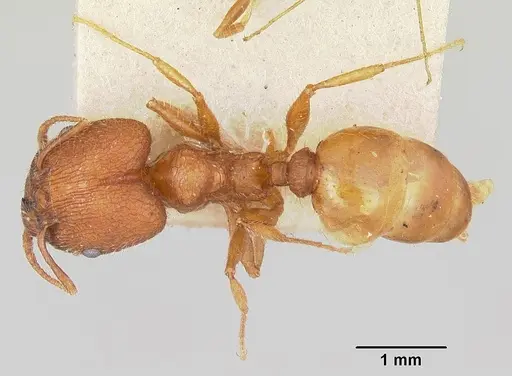
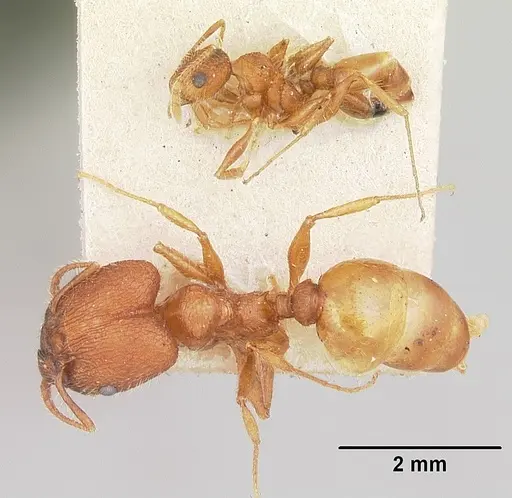
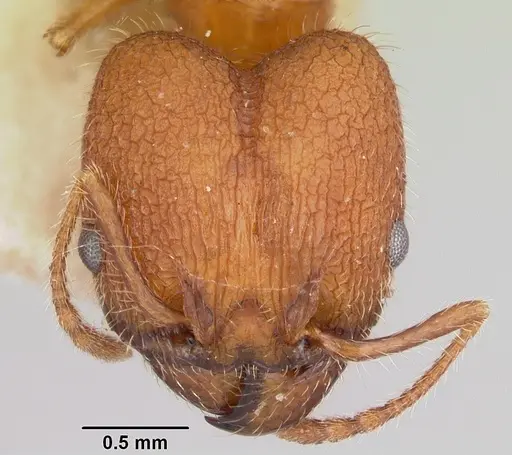
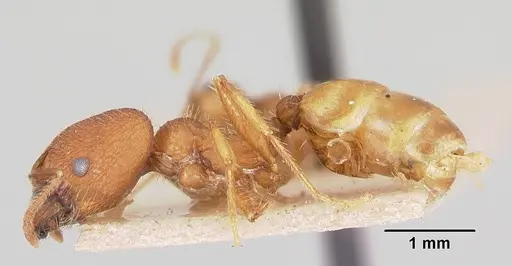
CASENT0104930
View on AntWeb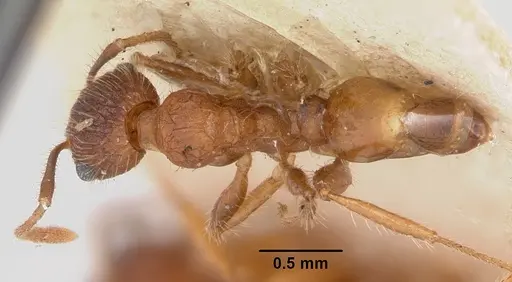
Literature
Loading distribution map...Loading products...