
Tepic Big-headed Ant
Pheidole tepicana
- Sci. Name
- Pheidole tepicana
- Tribe
- Attini
- Subfamily
- Myrmicinae
- Author
- Pergande, 1896
- Common Name
- Tepic Big-headed Ant
- Distribution
- Found in 2 countries
Introduction
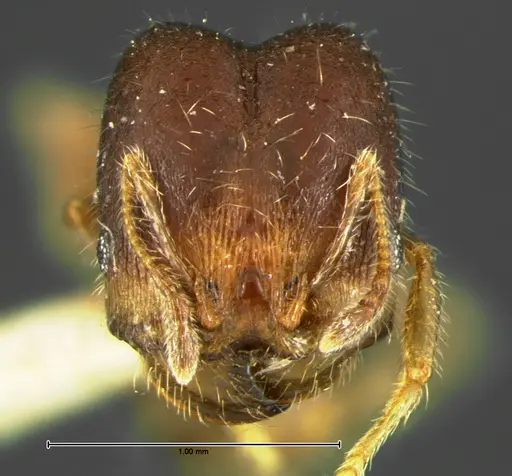
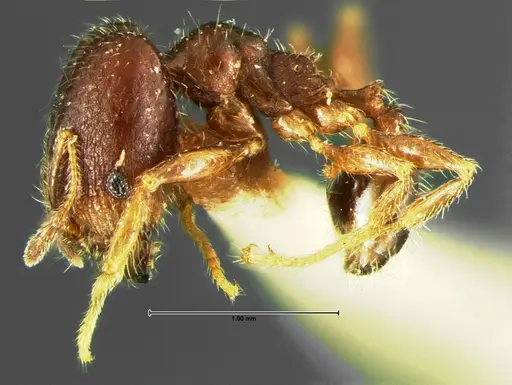
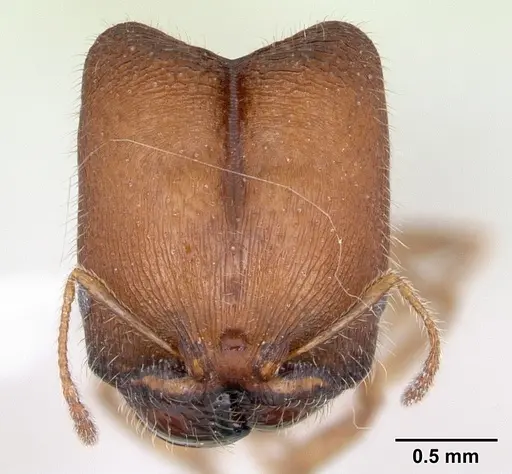
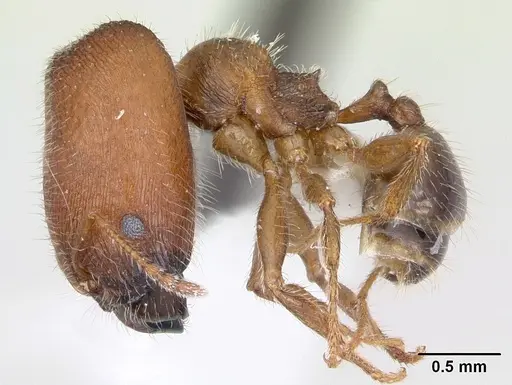
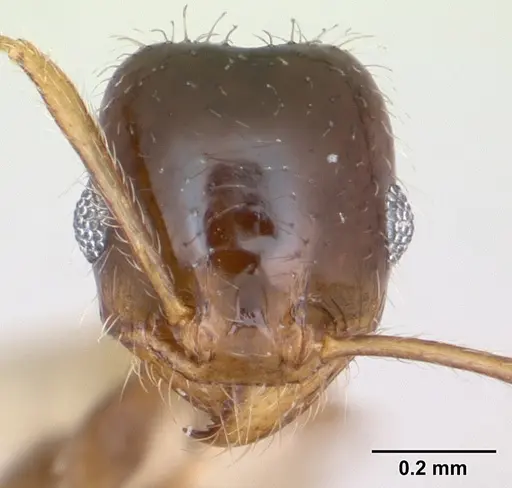
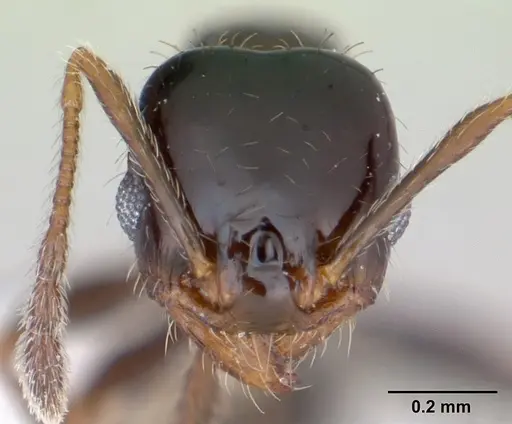
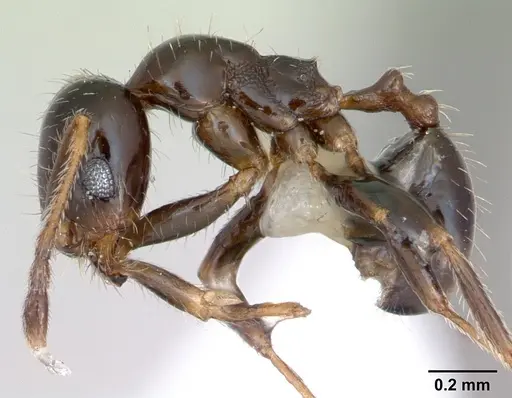
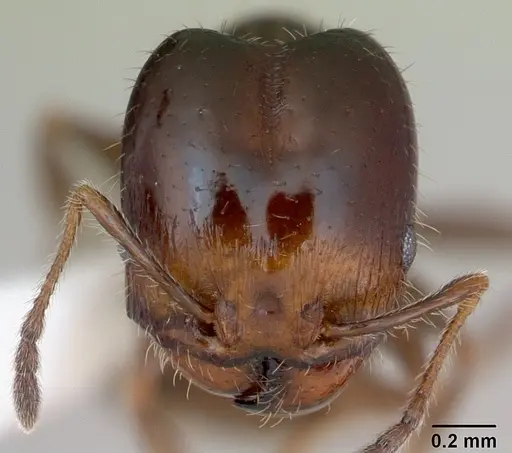
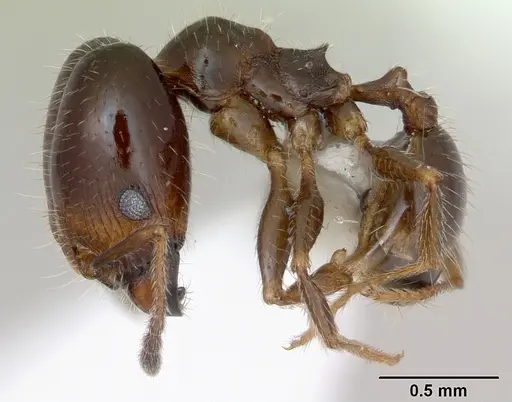
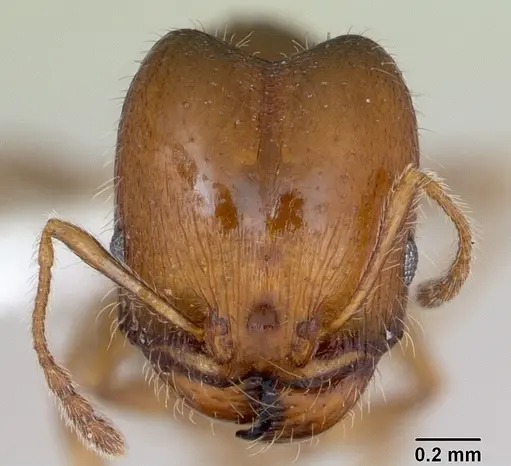
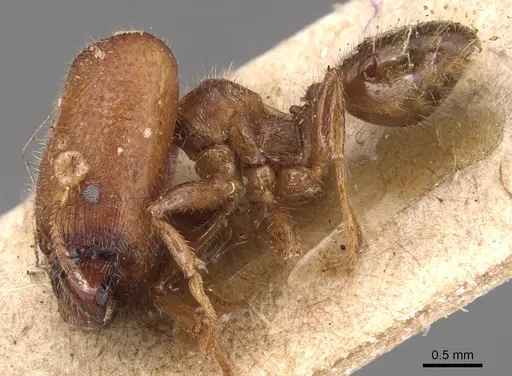
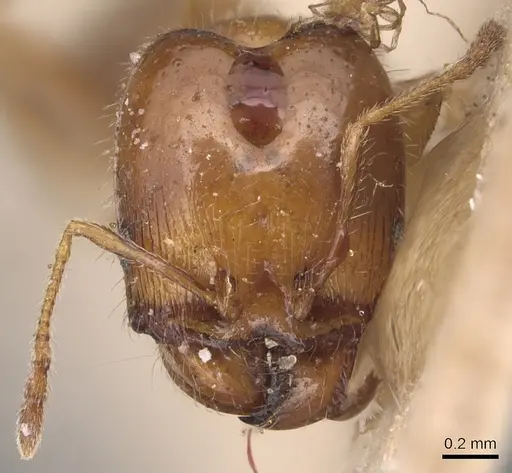
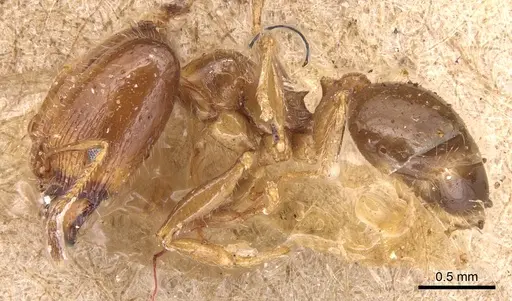
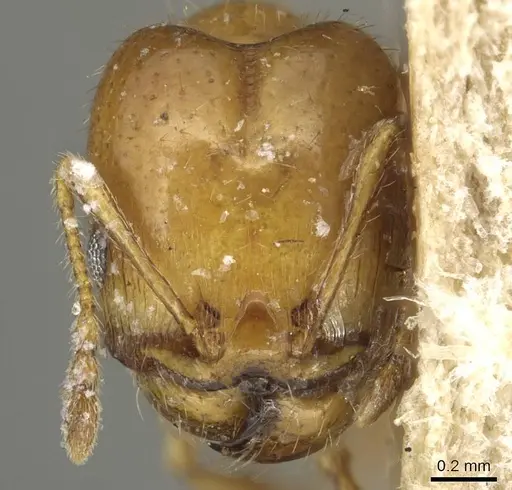
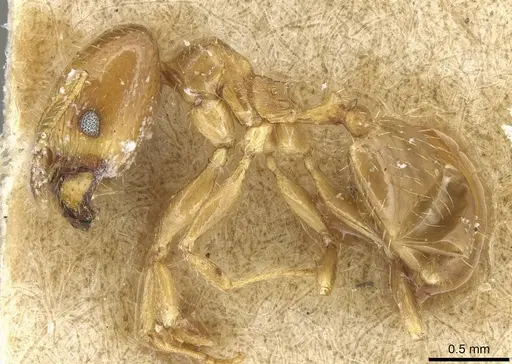
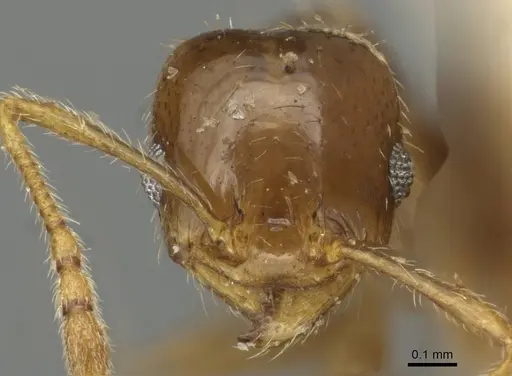
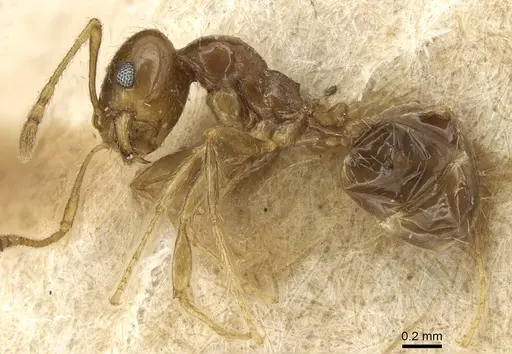
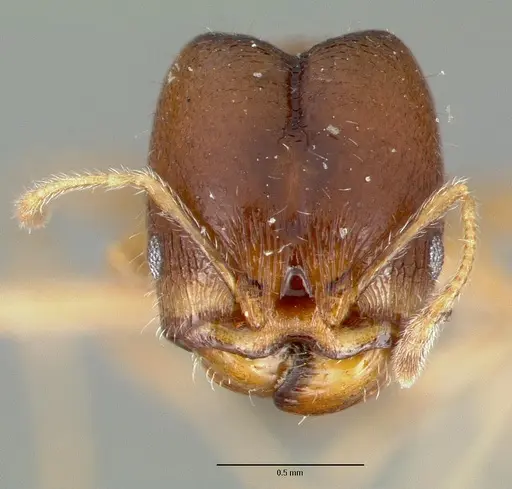
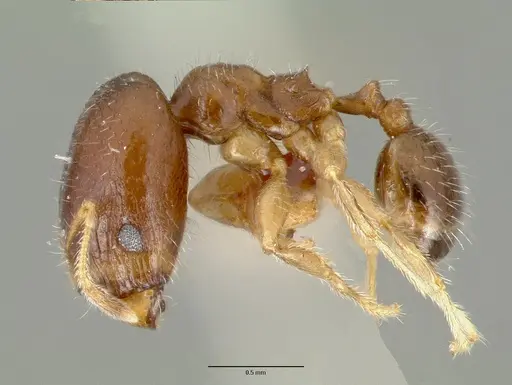
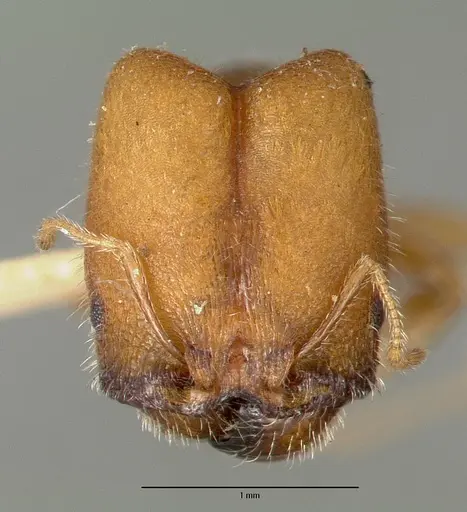
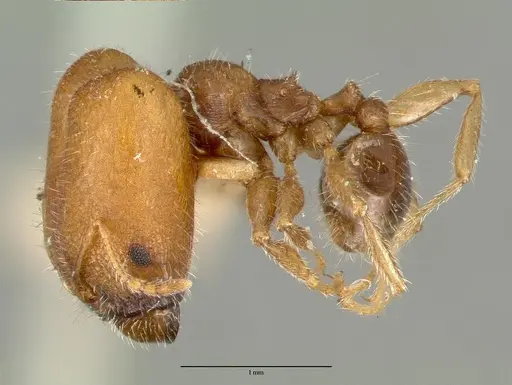
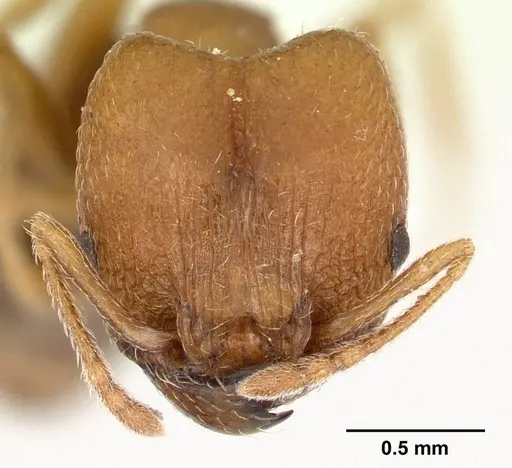
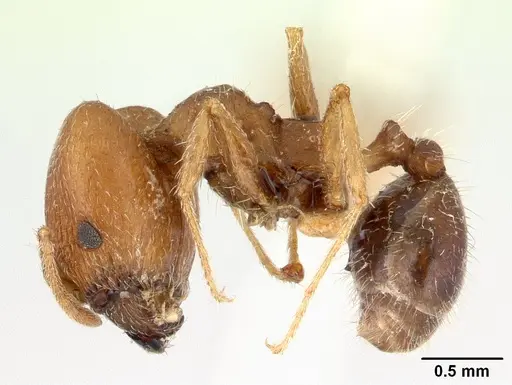
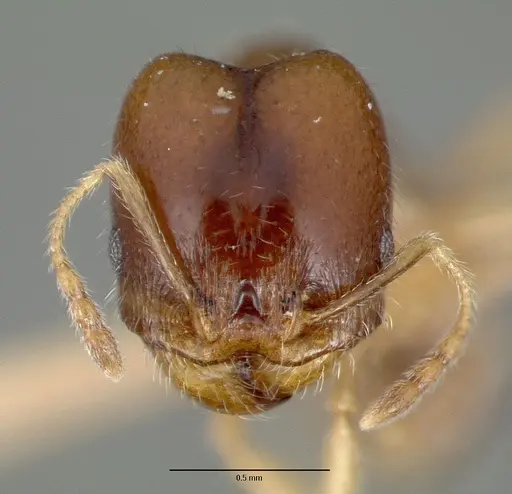
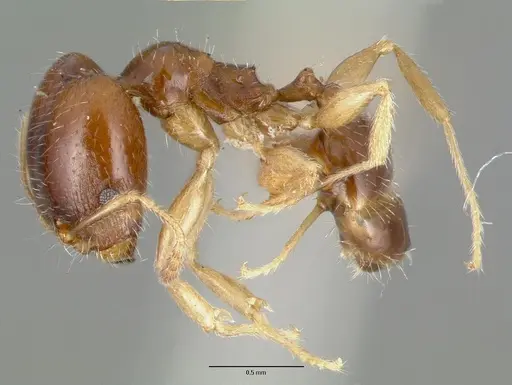
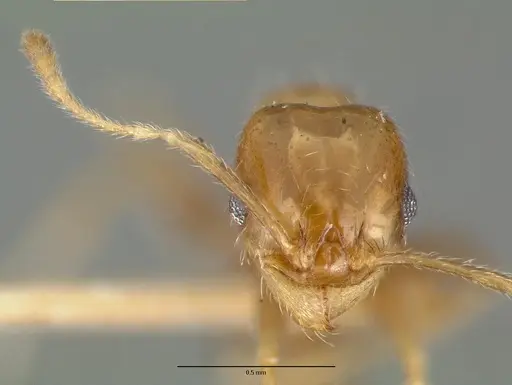
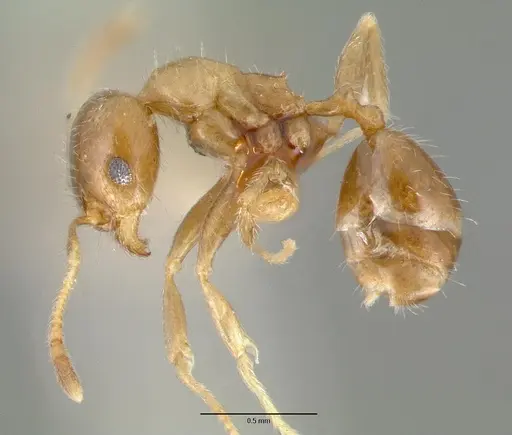
Pheidole tepicana is a trimorphic ant species native to the southwestern United States and Mexico, ranging from Texas and Arizona south to Jalisco . This means they have three worker castes: small minor workers, larger major workers (soldiers), and rare supermajor workers . Majors have distinctive large heads with a semicircular notch on the front of the face, and their coloring ranges from reddish yellow to light reddish brown depending on the caste. Minors are smaller and brownish yellow. This species is notably flexible in its nesting habits, found under stones, in open soil, beneath logs, and even under cow dung . They are granivorous, meaning they collect and store seeds, though they also scavenge for other food sources .
Quick Summary
- Difficulty: Easy
- Origin & Habitat: Native to the southwestern United States and Mexico, from Texas and Arizona south to Jalisco. Found in arid and semi-arid areas, often in open locations with sparse vegetation like grasslands and desert scrub. Nests are commonly under stones, in open soil, or occasionally under logs and debris [1][3].
- Colony Type: Colony structure is unconfirmed, but based on Pheidole genus patterns, likely single-queen (monogyne) colonies.
- Size & Growth:
- Queen: Size data unavailable, body length not provided in research context.
- Worker: Size data unavailable, body length not provided in research context. Inferred from Pheidole genus: minor workers ~2-3 mm, major workers ~3-5 mm, supermajor workers ~4-6 mm total length.
- Colony: Up to 22,337 workers documented in wild colonies [4].
- Growth: Moderate
- Development: Unknown, no direct development studies available for this species. Based on typical Pheidole patterns, expect 6-10 weeks from egg to first worker at warm temperatures [3]. (Development time may vary with temperature and colony conditions.)
- Antkeeping:
- Temperature: Temperature needs are unclear, start around 20-26°C and observe, based on their arid habitat [1].
- Humidity: Keep the nest substrate consistently dry but not waterlogged, based on their arid habitat [1].
- Diapause: Based on their geographic range, likely requires winter diapause. Provide a cool period around 10-15°C for 2-3 months during winter [1].
- Nesting: Accepts Y-tong (AAC), plaster, or soil nests. Provide dry conditions and some substrate depth for seed storage if desired.
- Behavior: Generally peaceful and not aggressive. Major workers defend the colony with their large heads but rarely sting. The sting is negligible and not medically significant. Workers are active foragers that recruit nestmates to food sources. Escape risk is low, minor workers are small but majors can block larger gaps.
- Common Issues: mold growth from stored seeds if not removed regularly [2], sensitivity to disturbance may cause colony stress [5], competition from invasive fire ants can displace colonies [6], large colony size requires adequate space for growth
Housing and Nest Setup
Pheidole tepicana is adaptable and will accept most standard ant housing setups. Y-tong (AAC) nests work excellently because they maintain the dry conditions this species prefers [1]. Plaster nests are also suitable. Test tube setups are fine for founding colonies, but you may need to upgrade as the colony grows. Because they are granivorous, provide some substrate depth if you want them to store seeds, about 1-2cm of dry sand or soil works well [2]. They do not need high humidity, so provide a simple water vial with a cotton plug for drinking water. The outworld can be decorated with sand, rocks, or artificial plants, they are not picky.
Feeding and Diet
As a granivorous species, Pheidole tepicana naturally collects and stores seeds. Offer a variety of seeds, millet, chia, flax, and small bird seed mixes are all readily accepted [2]. They also need protein, so offer small insects like fruit flies, pinhead crickets, or mealworms twice weekly. They will scavenge other foods too, so you can occasionally offer small amounts of honey or sugar water, though seeds and insects should form the bulk of their diet. Remove uneaten seeds periodically to prevent mold buildup in the nest.
Temperature and Seasonal Care
This species does well at typical room temperature, around 20-26°C. They are adapted to warm arid conditions from the American Southwest and Mexico, so they do not need supplemental heating in most homes. During winter, they benefit from a cool period to simulate their natural seasonal cycle. Reduce temperatures to 10-15°C for 2-3 months, typically from late fall through early spring. You can accomplish this by moving the colony to a cooler room or garage (if temperatures stay above freezing). Reduce feeding during this period but always provide water. [1]
Colony Growth and Castes
One of the most interesting aspects of Pheidole tepicana is their trimorphic worker system. The smallest workers are called minors and do most of the foraging and brood care. Major workers (soldiers) have disproportionately large heads and are specialized for defense and seed processing. Supermajors are rare, in one studied colony, they made up only 0.9% of the worker population [4]. You may not see supermajors until your colony reaches several thousand workers. The caste ratio is approximately 85% minors,14% soldiers, and less than 1% supermajors [4]. This polymorphism develops as the colony grows, with more soldiers and supermajors being produced as the colony expands.
Behavior and Defense
Pheidole tepicana is a relatively peaceful species. Major workers use their large heads to block nest entrances and defend against intruders, but they rarely sting. The sting is negligible anyway, these ants are not a threat to humans. Workers forage individually and will recruit nestmates to good food sources using chemical signals. They are active during the day and night, though peak activity often occurs in cooler morning and evening hours. Colonies can become quite large (20,000+ workers), so ensure your setup can accommodate growth.
Ecological Considerations
In the wild, Pheidole tepicana is sensitive to environmental disturbance and is considered a bioindicator species, they are significantly more abundant in conserved areas than disturbed sites [5]. They are negatively affected by the invasive red imported fire ant (Solenopsis invicta), which competes with them for resources and can displace them from areas [6]. In captivity, avoid placing their setup near fire ant colonies or in areas where fire ants might invade. They prefer natural, undisturbed nesting areas, so avoid frequently moving or disturbing established nests.
Frequently Asked Questions
How long does it take for Pheidole tepicana to produce first workers?
Exact development time is unconfirmed for this species, but based on typical Pheidole patterns, expect 6-10 weeks from egg to first worker at warm temperatures (around 24-26°C). Claustral founding means the queen seals herself in and raises the first brood alone without foraging [3].
What do Pheidole tepicana ants eat?
They are granivorous, meaning seeds form a major part of their diet. Offer small seeds like millet, chia, or bird seed mix [2]. They also need protein from small insects like fruit flies, pinhead crickets, or mealworms twice weekly. They will occasionally accept sugar water or honey as well [1].
How big do Pheidole tepicana colonies get?
Very large. One documented wild colony had over 22,000 workers [4]. In captivity, colonies can easily reach several thousand workers with proper care. They are long-lived and can persist for many years.
What temperature do Pheidole tepicana need?
Room temperature is fine, around 20-26°C. They are adapted to warm arid conditions and do well at typical indoor temperatures. No supplemental heating is typically needed. During winter, provide a cool period around 10-15°C [1].
Do Pheidole tepicana need hibernation?
Yes, they benefit from a winter rest period. Reduce temperatures to 10-15°C for 2-3 months during winter (typically late fall to early spring). This mimics their natural seasonal cycle in the southwestern US and Mexico [1].
What makes Pheidole tepicana different from other Pheidole?
They are trimorphic, having three worker castes (minor, major, and supermajor) instead of the typical two [1]. They are also notably flexible in nesting site choice, found under stones, in soil, under logs, and even under cow dung [1]. They are highly sensitive to environmental disturbance [5].
Can I keep multiple Pheidole tepicana queens together?
No. This species is likely monogyne, meaning colonies have a single queen. Combining unrelated queens is not recommended and would likely result in fighting. Only keep one queen per colony.
When will my colony produce supermajor workers?
Supermajors are rare and typically only appear in well-established colonies. In one study, they made up less than 1% of the worker population [4]. You likely won't see them until your colony reaches several thousand workers.
Are Pheidole tepicana good for beginners?
Yes, they are considered easy to keep. They are adaptable, accept various nest types, and are not aggressive. Their main requirements are simple: dry conditions, seeds plus protein, and a winter cool period. The only consideration is their potential for very large colonies.
Report an Issue
The current care sheet is based fully on literature. See inconsistencies, or something that's incorrect? Please , it will be resolved after review from an admin. Contributing to the blogs tab also helps providing information, to make us be able to further improve the caresheets. Thank you for your support!
References

This caresheet is licensed under CC BY-SA 4.0 .
Community Blogs
CASENT0105652
View on AntWeb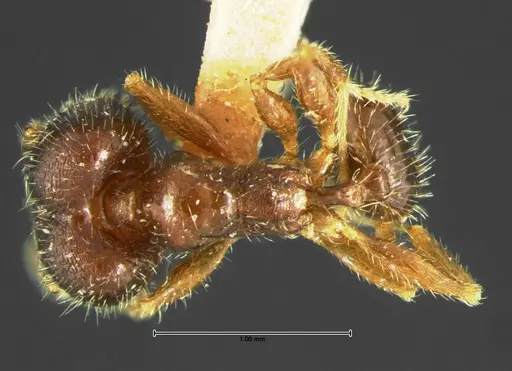
CASENT0173653
View on AntWeb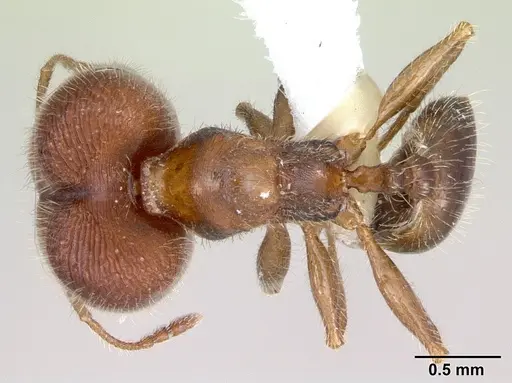
CASENT0173654
View on AntWeb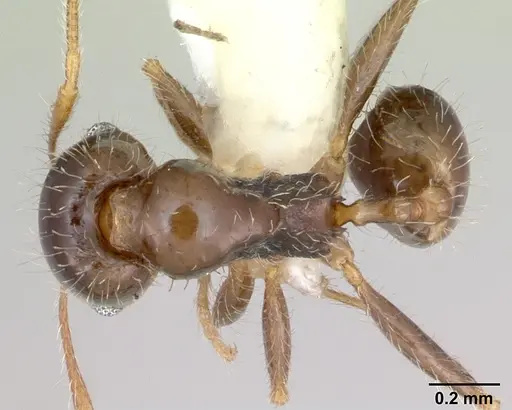
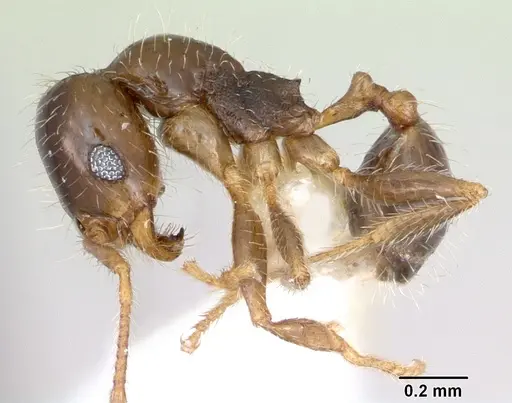
CASENT0173655
View on AntWeb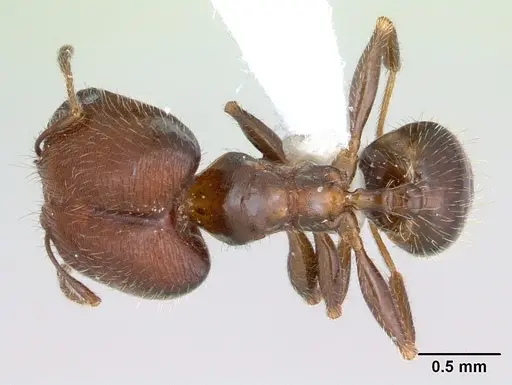
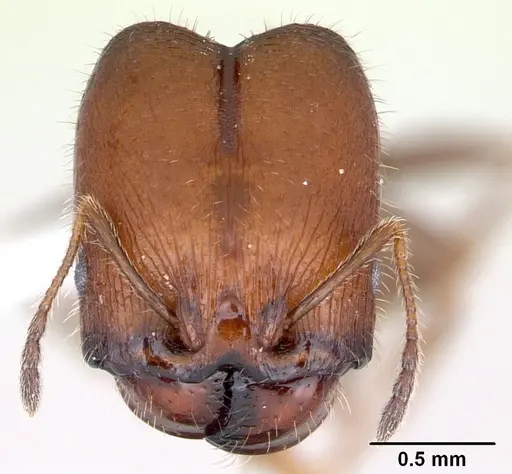
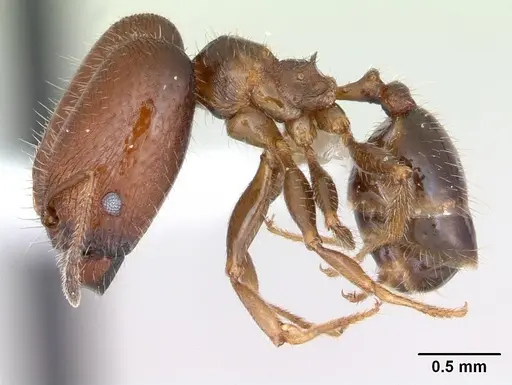
CASENT0173656
View on AntWeb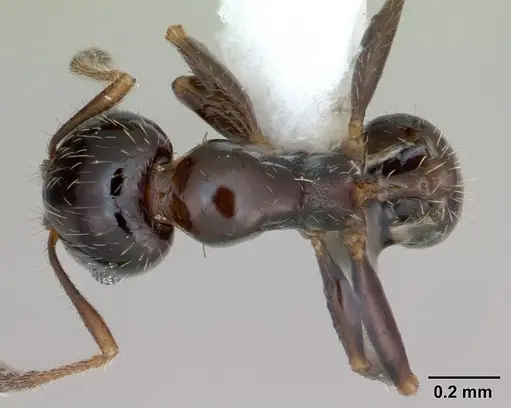
CASENT0173873
View on AntWeb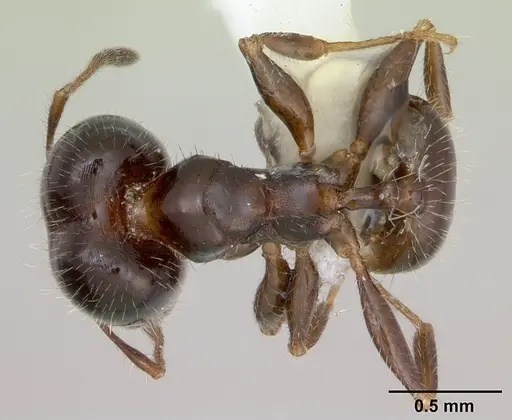
CASENT0173874
View on AntWeb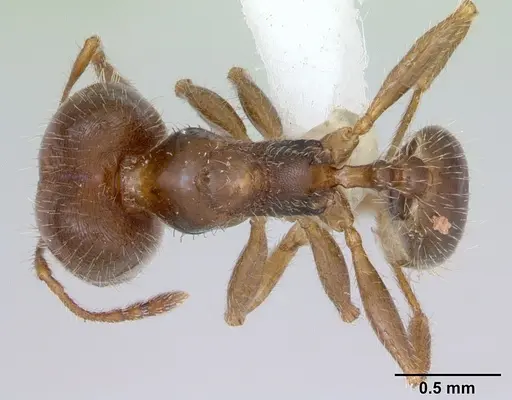
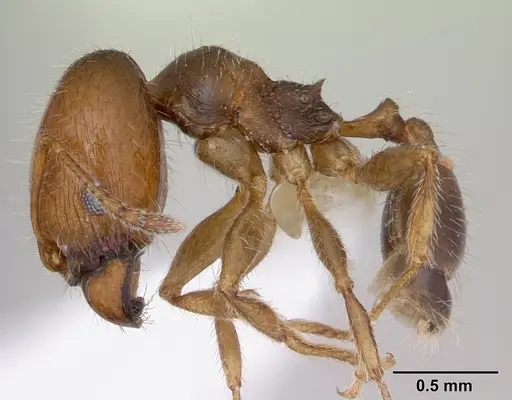
CASENT0649653
View on AntWeb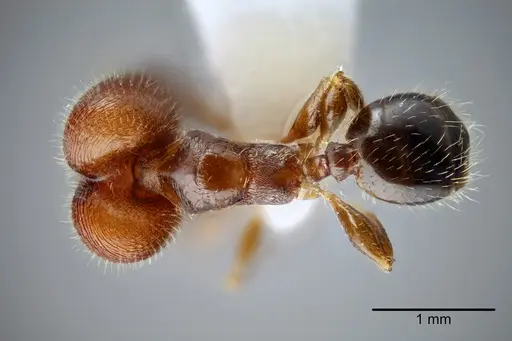
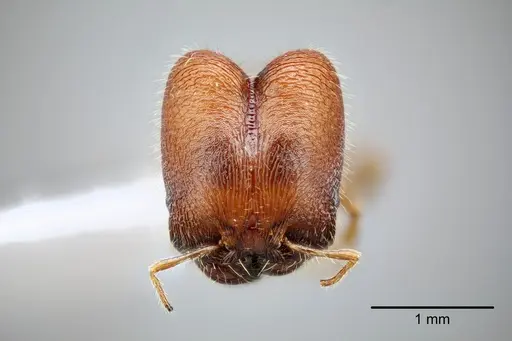
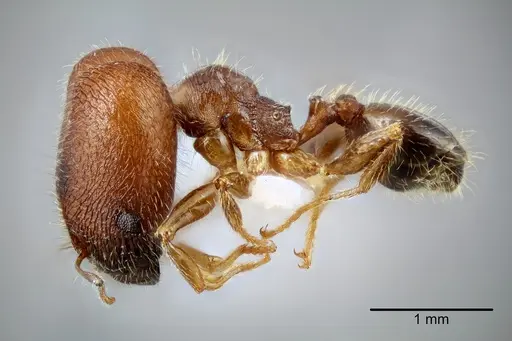
CASENT0649710
View on AntWeb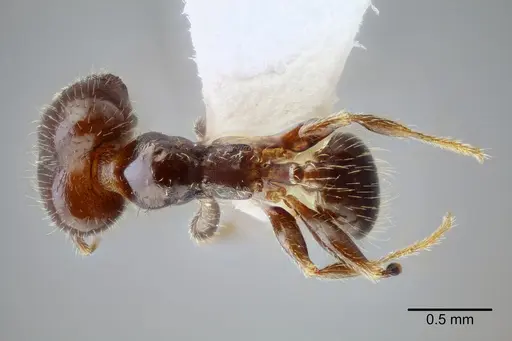
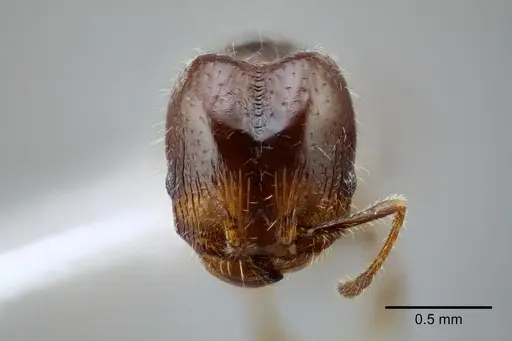
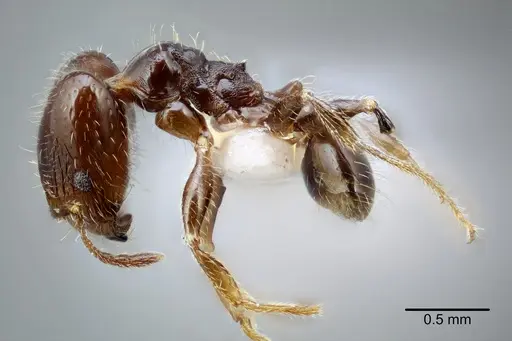
CASENT0649711
View on AntWeb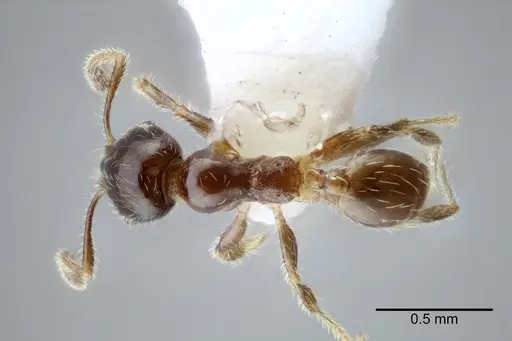
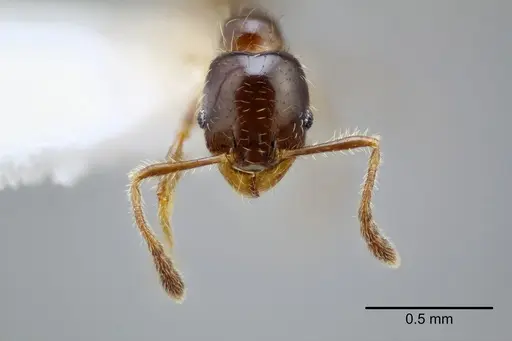
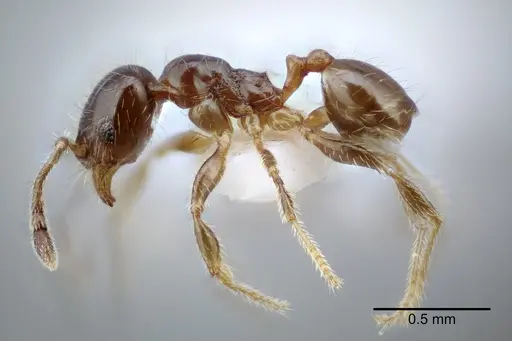
CASENT0904442
View on AntWeb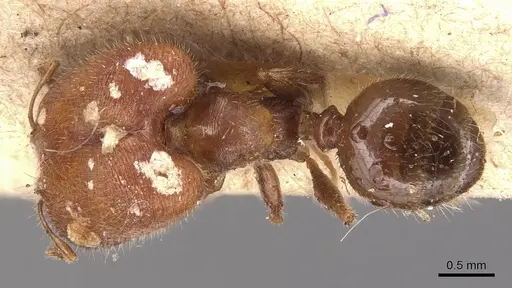
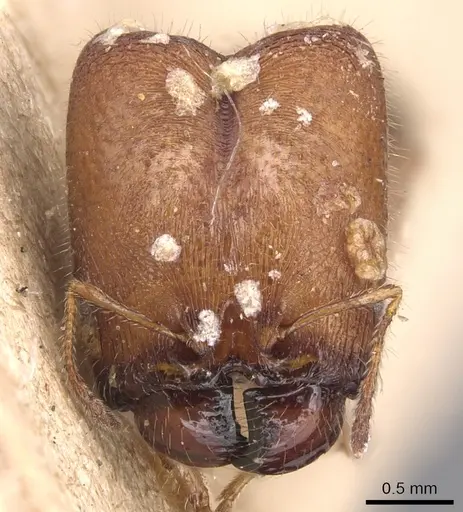
CASENT0904443
View on AntWeb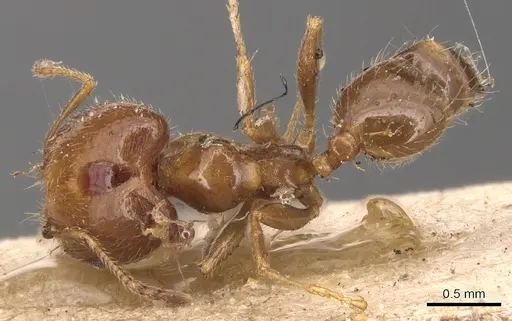
CASENT0915432
View on AntWeb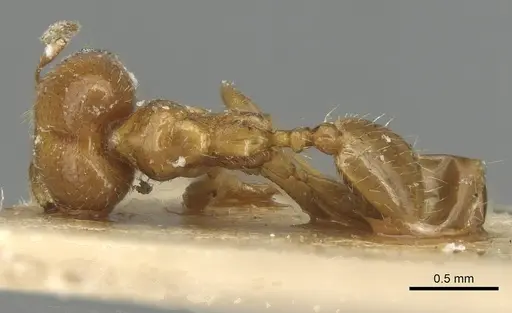
CASENT0915433
View on AntWeb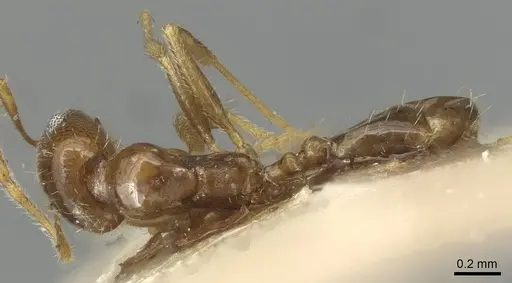
CASTYPE00629
View on AntWeb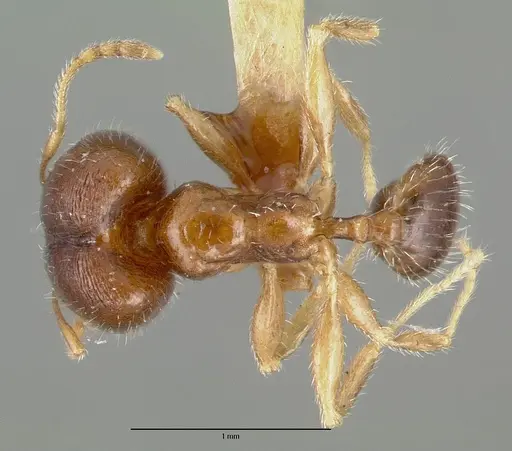
CASTYPE00631
View on AntWeb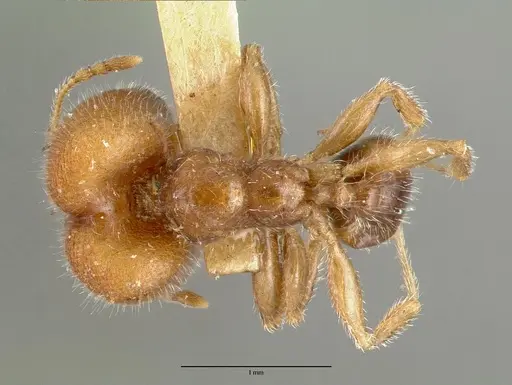
CASTYPE00633
View on AntWeb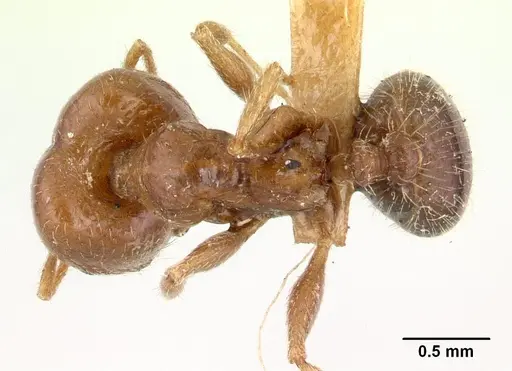
CASTYPE00634
View on AntWeb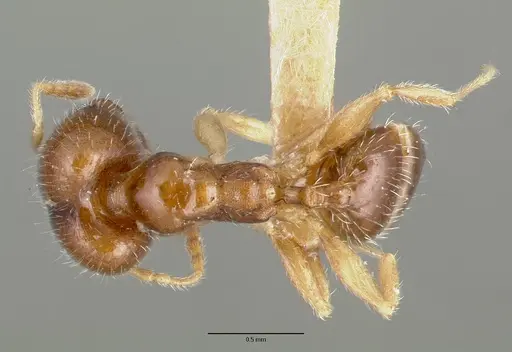
CASTYPE00635
View on AntWeb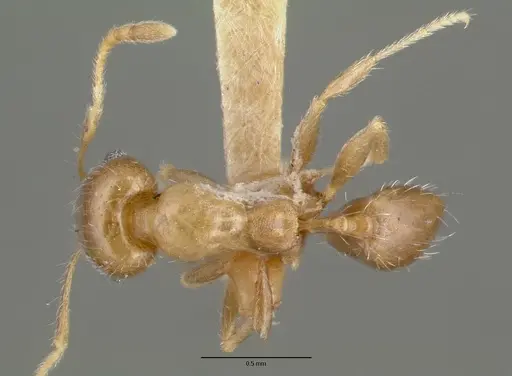
Literature
Loading distribution map...Loading products...