
Narrow-gutted House ant
Pheidole tenuinodis
- Sci. Name
- Pheidole tenuinodis
- Tribe
- Attini
- Subfamily
- Myrmicinae
- Author
- Mayr, 1901
- Common Name
- Narrow-gutted House ant
- Distribution
- Found in 5 countries
Introduction
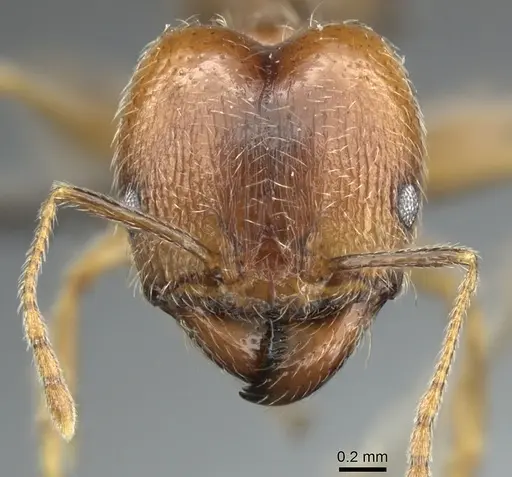
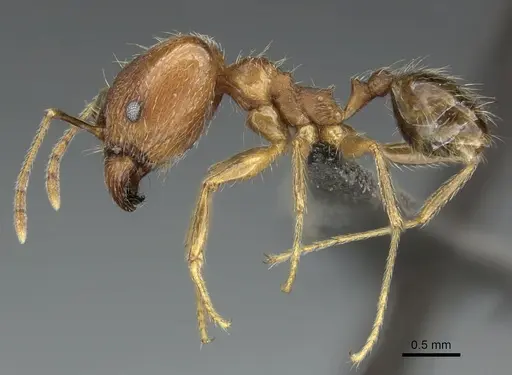
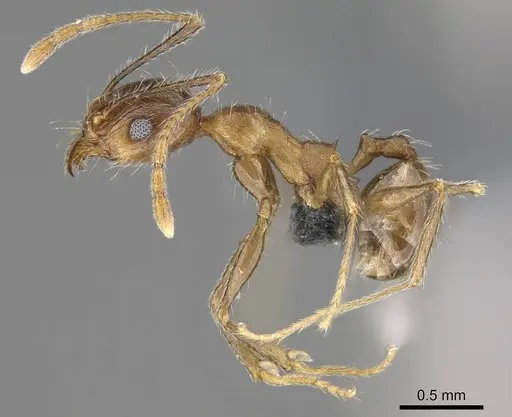
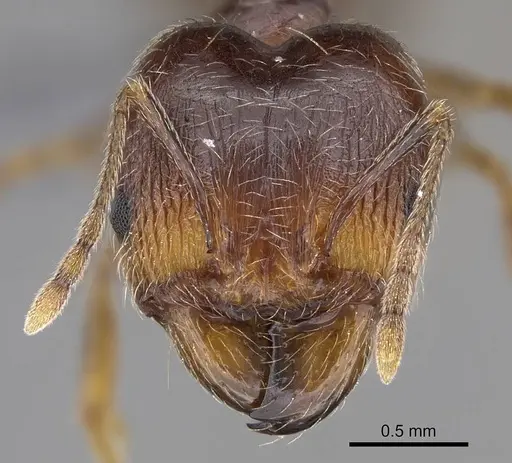
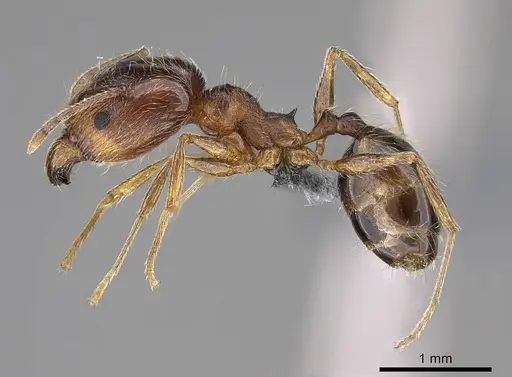
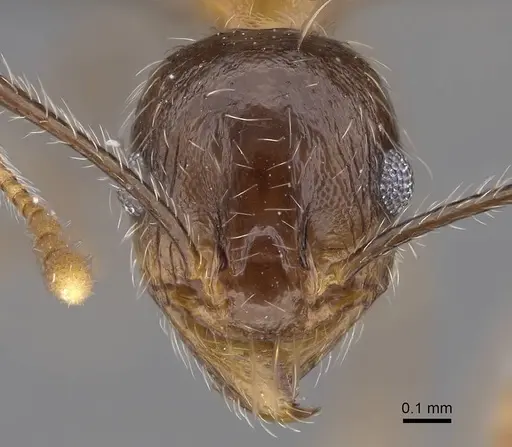
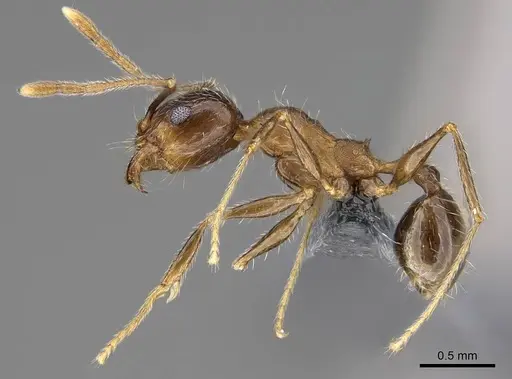
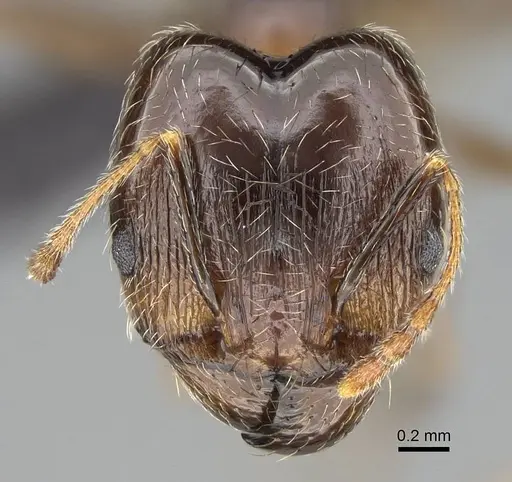
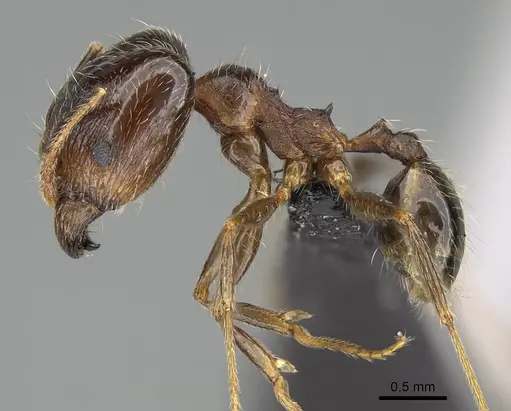
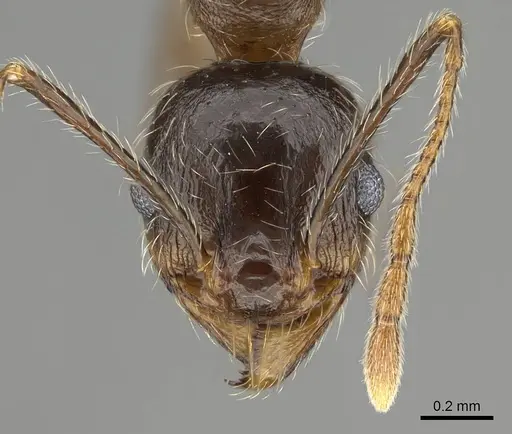
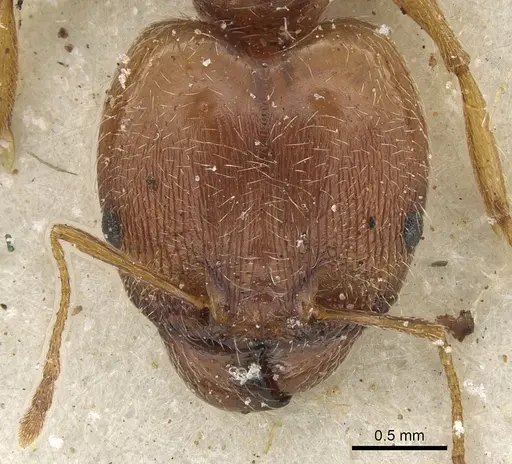
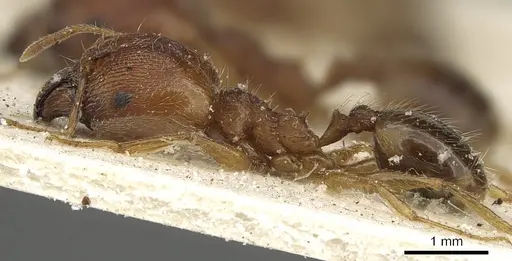
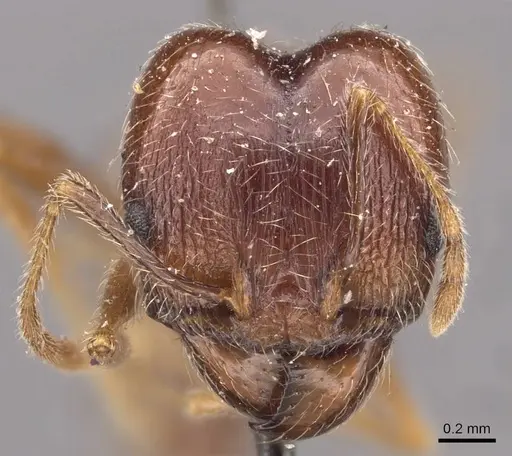
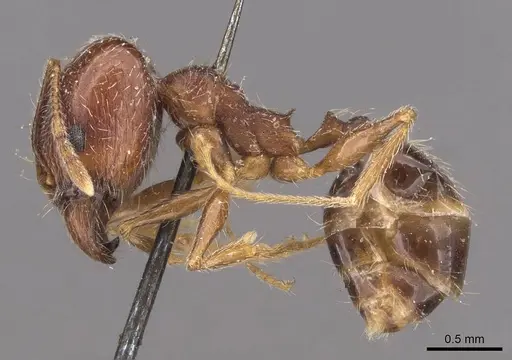
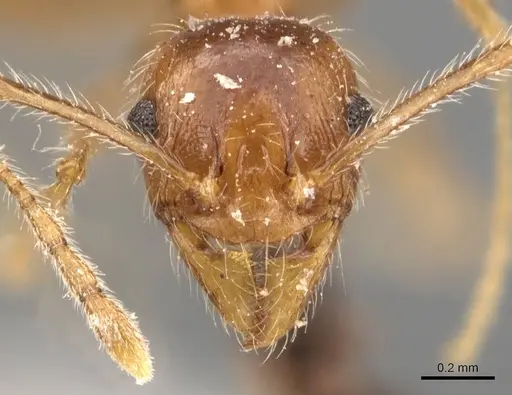
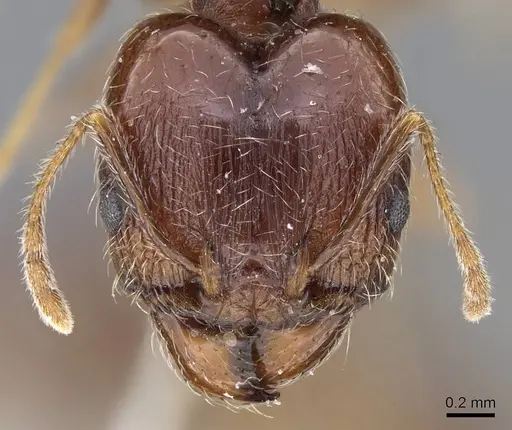
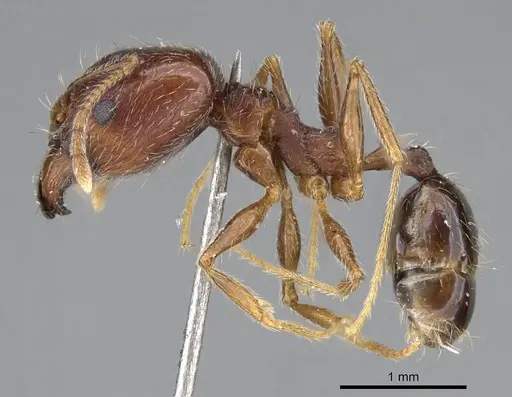
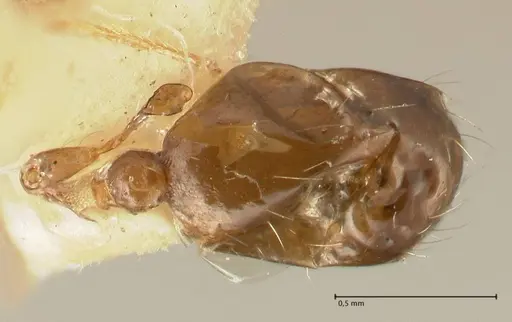
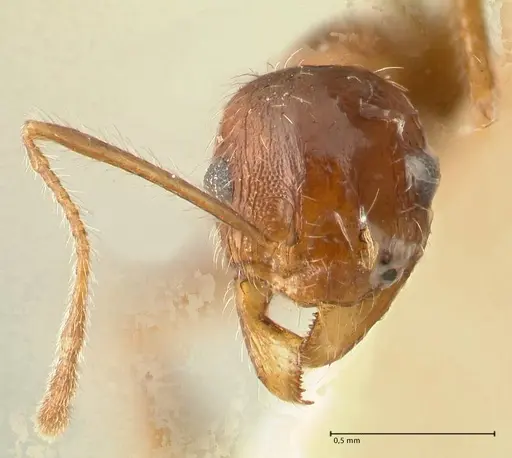
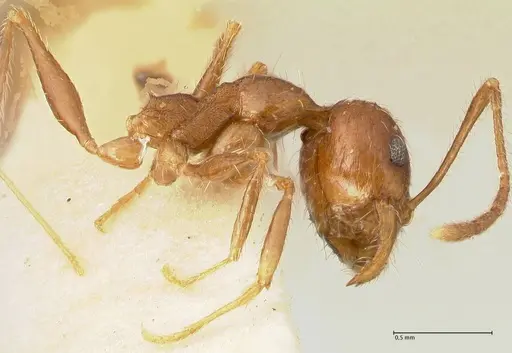
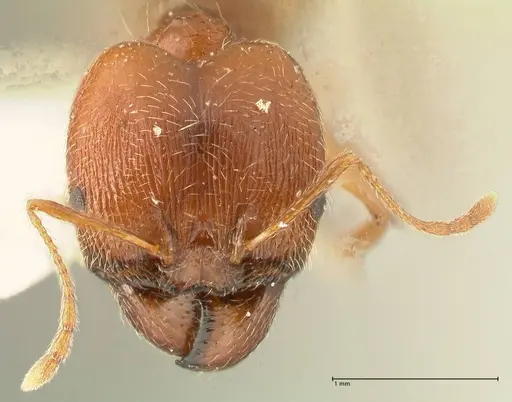
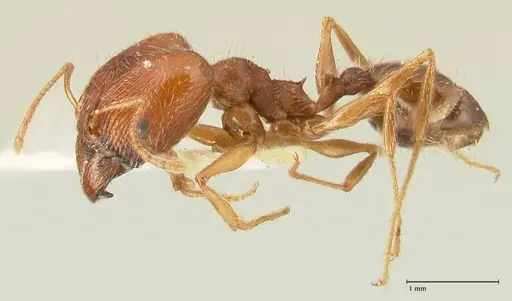
Pheidole tenuinodis is a small African ant species widespread across eastern and southern Africa, found in Benin, Cameroon, Namibia, South Africa, the Democratic Republic of Congo, Togo, and beyond . Workers measure 3.2-3.9mm in length and show the typical Pheidole dimorphism with distinct minor workers and larger major workers (soldiers) . It is a ground-nesting species that thrives in a wide range of habitats, from savannah and saltpans to mango orchards, cocoa farms, and even urban gardens and homes . This species is remarkably adaptable and often abundant. In the Kalahari Desert, it was the most common ant in pitfall traps, making up 35% of total captures . In Namibia's saltpans, it was a co-dominant ant, monopolizing 72% of baits in some areas . It nests in cavities between tree trunks, attends hemipterans for honeydew, and is a regular visitor to homes in Cameroon, where it is considered a household pest . Such versatility makes it an interesting and relatively easy species to keep, as long as you prevent escapes.
Quick Summary
- Difficulty: Easy
- Origin & Habitat: Eastern and southern Africa including Benin, Cameroon, DR Congo, Namibia, South Africa, and Togo. Ground-nesting species found in savannah, saltpan, desert, agricultural habitats (mango orchards, cocoa farms), and urban areas [3][4][1].
- Colony Type: Colony structure is undocumented in scientific literature. Most Pheidole species form single-queen (monogyne) colonies, so P. tenuinodis likely follows this pattern, but multiple-queen colonies and ergatoid (wingless) replacement reproductives are possible in some Pheidole. Direct confirmation is needed for this species.
- Size & Growth:
- Queen: Estimated ~7-9mm based on typical Pheidole queen sizes, direct measurements not available in literature
- Worker: 3.2-3.9mm (minor workers) [2]
- Colony: Likely several hundred to a few thousand workers, inferred from typical Pheidole colony sizes, specific data unavailable
- Growth: Moderate, typical for Pheidole species
- Development: Estimated 6-8 weeks at optimal temperature based on genus patterns for tropical Pheidole (Development time is inferred from related species. Direct measurements are not available for this species.)
- Antkeeping:
- Temperature: Keep around 24-28°C. Being an African tropical/subtropical species, they prefer warmth. A heating cable on one side of the nest creates a gradient, allowing the colony to choose their preferred spot. Their CTmax (critical thermal maximum) is recorded [7], but avoid sustained temperatures above 35°C.
- Humidity: Moderate humidity (nest substrate kept slightly moist but not waterlogged). Ground-nesting in dry savannah and saltpans suggests tolerance for drier conditions, but provide a moisture gradient, a damp section and a drier area [3].
- Diapause: Not required. As a species from tropical and subtropical Africa, they do not experience prolonged cold. A slight winter temperature drop to around 20-22°C is acceptable but not needed.
- Nesting: Ground-nesting species that prefers cavities in soil, between tree roots, or in rotting wood [4]. In captivity, Y-tong (AAC), plaster, or soil nests work well. Provide dark, snug chambers. Connect to an outworld with substrate for natural tunneling behavior.
- Behavior: Pheidole tenuinodis is an active forager with typical Pheidole caste roles: minor workers scout and collect food, major workers defend and process larger prey. They attend hemipterans for honeydew and accept a variety of protein foods [4]. In competitive situations, they can be aggressive and dominant, monopolizing food baits in the wild [3]. Workers are active both day and night [2]. Escape risk is moderate, they are under 4mm so can slip through tiny gaps, use fine mesh (≤0.5mm) and fluon barriers. They have a stinger, but it is too small to penetrate human skin.
- Common Issues: small size means escapes are likely without fine mesh barriers and sealed lids, colonies can be outcompeted by more aggressive ants if housed in mixed setups, wild-caught colonies may carry parasites, quarantine new queens, overheating can be fatal, avoid temperatures above 35°C, dry conditions can cause brood death, monitor nest moisture regularly
Nest Preferences and Housing
Pheidole tenuinodis naturally nests in cavities in soil, between tree roots, and in rotting wood [4]. In captivity, they adapt well to Y-tong (AAC), plaster, or soil nests. Keep chambers compact and dark, Pheidole prefer snug spaces. Connect the nest to an outworld with a layer of substrate for foraging and natural tunneling. They are ground-nesting, so avoid tall vertical chambers. Use fine mesh (0.3-0.5mm) on all openings to prevent escapes. Water the nest substrate lightly to maintain moisture without flooding.
Feeding and Diet
In the wild, Pheidole tenuinodis forages omnivorously. It attends hemipterans (aphids, scale insects) for honeydew and collects protein from small insects and scavenged items [4][5]. Its presence in homes suggests it will eat human food scraps [5]. In captivity, provide constant access to sugar water or honey, and offer protein sources like mealworms, fruit flies, or small crickets 2-3 times per week. Major workers can handle larger prey than minors. Remove uneaten protein after 24-48 hours to prevent mold. A diverse diet ensures healthy colony growth.
Temperature and Seasonal Care
Pheidole tenuinodis is native to tropical and subtropical Africa, so it prefers warm conditions. Maintain nest temperatures between 24-28°C for optimal brood development. A heating cable on one side creates a temperature gradient. Their CTmax has been recorded [7], but avoid sustained temperatures above 35°C, this can be lethal. During winter, room temperature (20-22°C) is acceptable and may slow activity naturally. True diapause is not required. Workers forage day and night [2], so constant lighting is fine. Watch for signs of heat stress (clustering away from heat) and adjust accordingly.
Behavior and Colony Dynamics
Pheidole tenuinodis exhibits typical Pheidole caste dimorphism: numerous minor workers handle foraging and brood care, while larger major workers defend the nest and process food. Field studies show they can be behaviorally dominant, monopolizing bait stations in saltpan habitats [3]. They recruit nestmates to food via chemical trails. Majors become more common as the colony grows. They are not aggressive toward keepers but may defend the nest if disturbed. Their small size and activity day and night make them interesting to observe. They readily accept standard ant foods and adapt well to captivity.
Frequently Asked Questions
How long does it take for Pheidole tenuinodis to produce first workers?
Based on typical Pheidole development in tropical climates, expect first workers (nanitics) approximately 6-8 weeks after the queen lays eggs. This is an estimate since specific development data for this species is not available. The first workers will be smaller than mature workers but will immediately begin helping with colony tasks.
Can I keep multiple Pheidole tenuinodis queens together?
Not recommended. While specific data for this species is lacking, Pheidole species typically form single-queen colonies. Combining unrelated queens usually results in fighting. If you capture a founding queen, house her alone until she establishes her first workers.
What should I feed my Pheidole tenuinodis colony?
Offer a balanced diet: constant access to sugar water or honey for energy, and protein sources like mealworms, fruit flies, or small crickets 2-3 times per week. They also attend hemipterans in the wild, so any aphids or scale insects in the setup will be used [4]. Remove uneaten protein after 24-48 hours to prevent mold.
Are Pheidole tenuinodis good for beginners?
Yes, this species is considered easy to keep. They are adaptable to various nest types, accept common ant foods, and do not require hibernation. The main challenges are escape prevention due to their small size and providing appropriate warm temperatures. With basic antkeeping knowledge, this species should thrive.
How big do Pheidole tenuinodis colonies get?
Based on typical Pheidole colony sizes, expect colonies to reach several hundred to a few thousand workers over time. Growth rate is moderate, major workers become more common as the colony expands. Specific maximum colony size data is not available for this species.
Do they need a hibernation period?
No, hibernation is not required. As an African species from tropical and subtropical regions, they do not experience prolonged cold in their natural habitat. A slight seasonal temperature reduction is acceptable but not necessary for colony health.
Why are my Pheidole tenuinodis escaping?
Their small size (under 4mm) means they can squeeze through remarkably tiny gaps. Use fine mesh (at least 0.5mm) on all ventilation holes and ensure lid seals are tight. Apply fluon or similar barrier gel to the edges of the outworld to prevent escapes.
When should I move my colony to a formicarium?
Move them when the test tube setup becomes crowded or when you see workers actively digging in the outworld. For Pheidole tenuinodis, this is typically when the colony reaches 30-50 workers. Ensure the formicarium has appropriately sized chambers, they prefer snug, compact spaces.
Report an Issue
The current care sheet is based fully on literature. See inconsistencies, or something that's incorrect? Please , it will be resolved after review from an admin. Contributing to the blogs tab also helps providing information, to make us be able to further improve the caresheets. Thank you for your support!
References

This caresheet is licensed under CC BY-SA 4.0 .
Community Blogs
CASENT0235968
View on AntWeb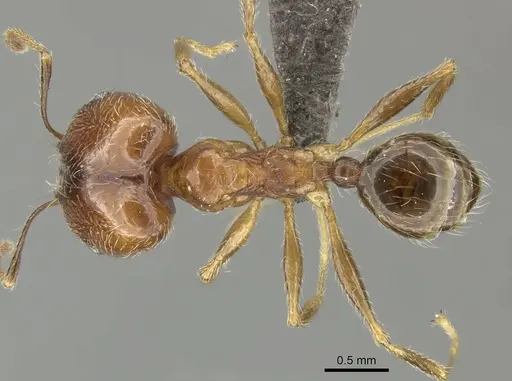
CASENT0235969
View on AntWeb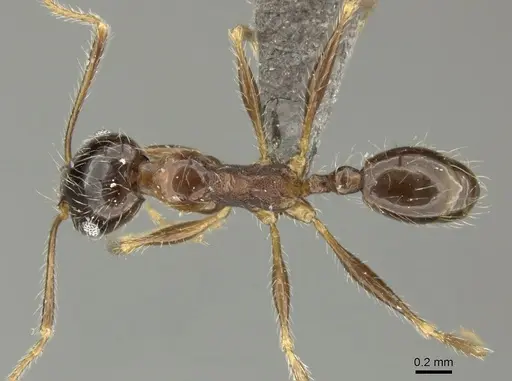
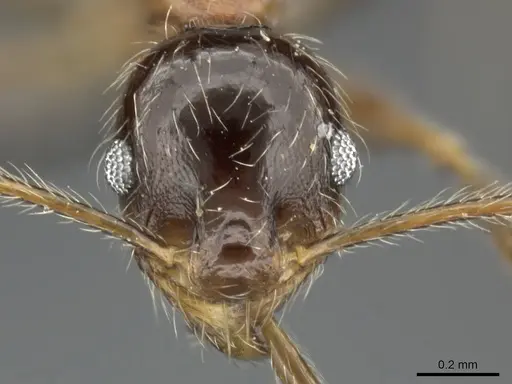
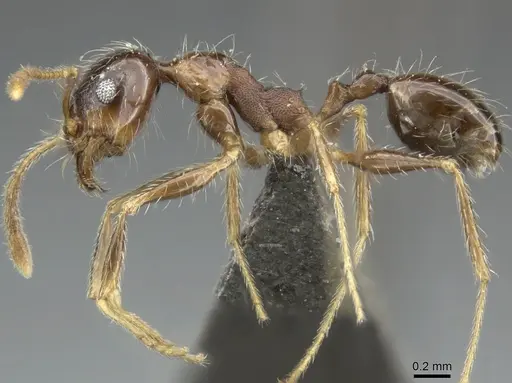
CASENT0252721
View on AntWeb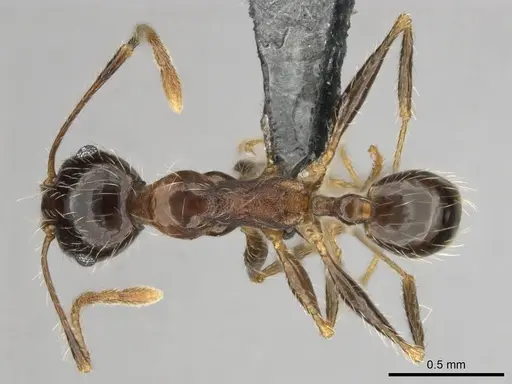
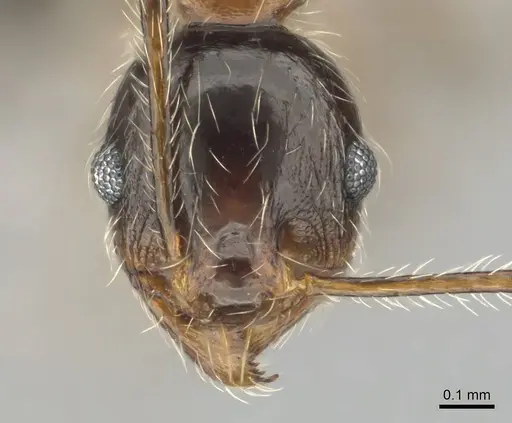
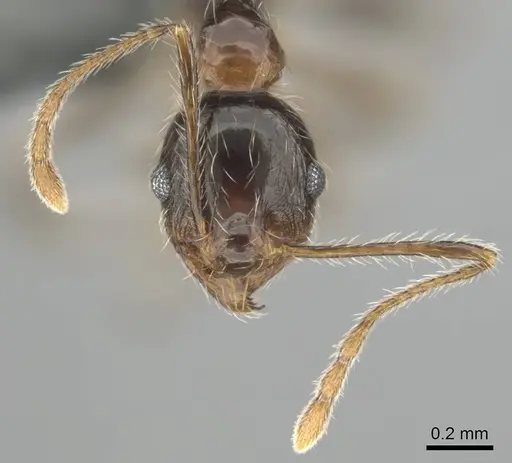
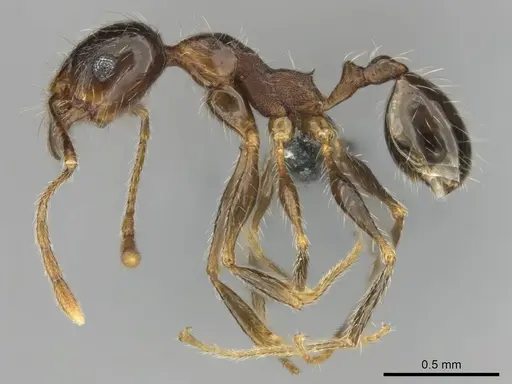
CASENT0785978
View on AntWeb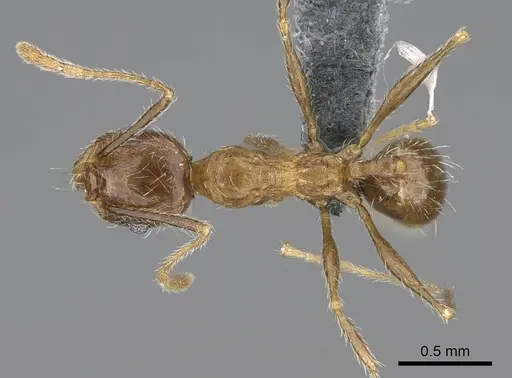
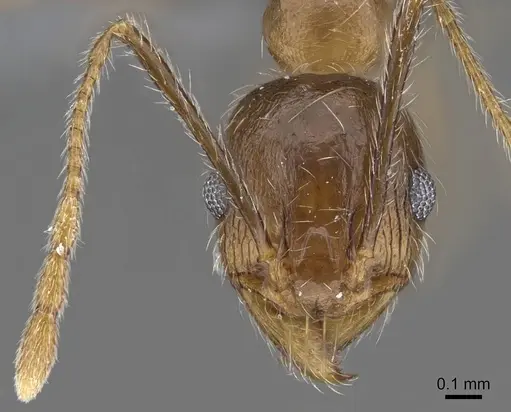
CASENT0785979
View on AntWeb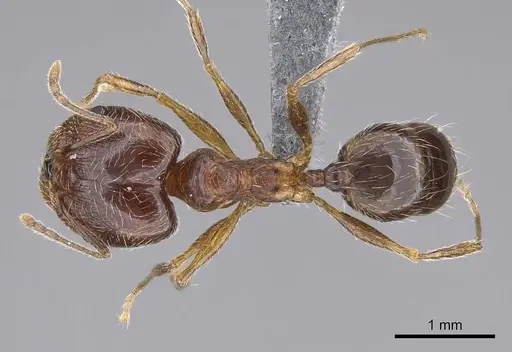
CASENT0785980
View on AntWeb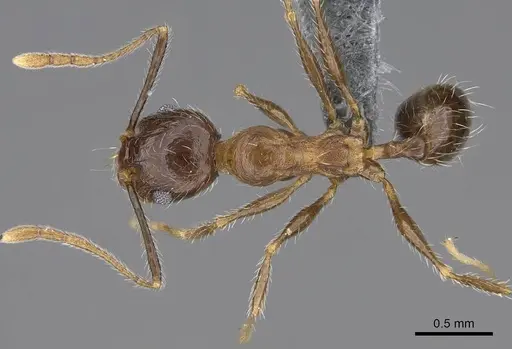
CASENT0822227
View on AntWeb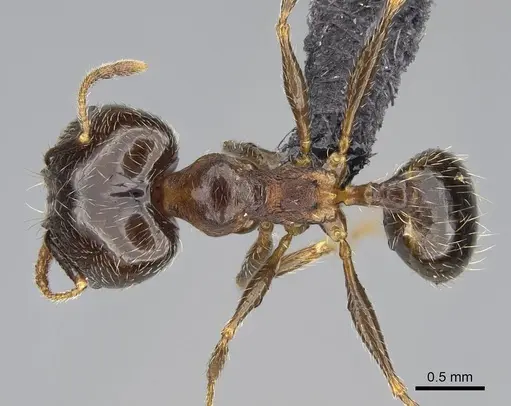
CASENT0822228
View on AntWeb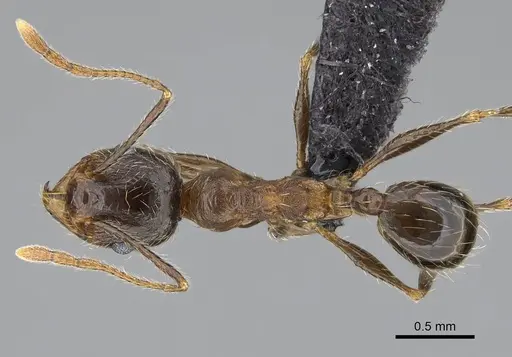
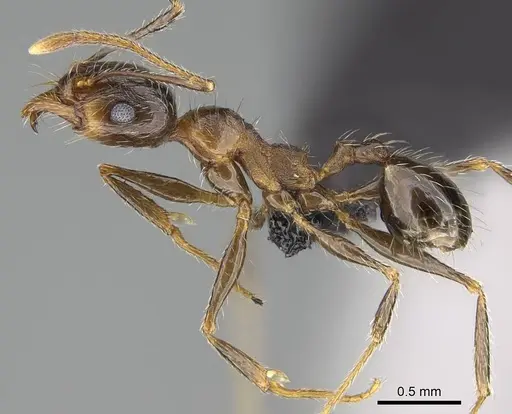
CASENT0901302
View on AntWeb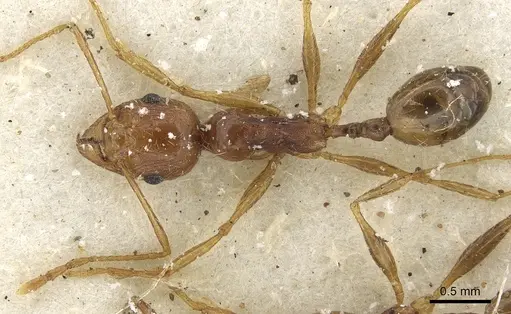
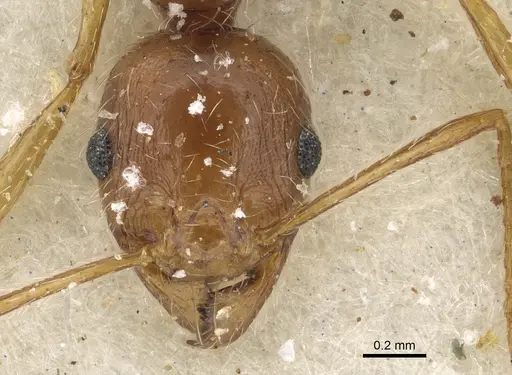
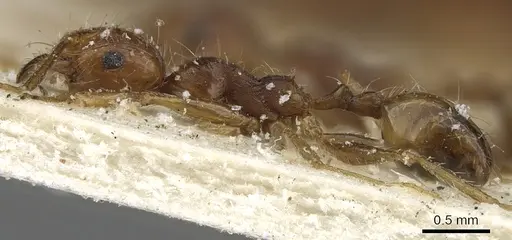
CASENT0901303
View on AntWeb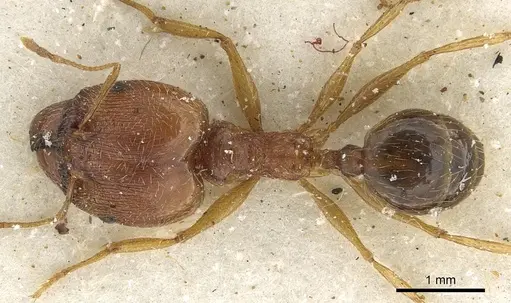
CASENT0907801
View on AntWeb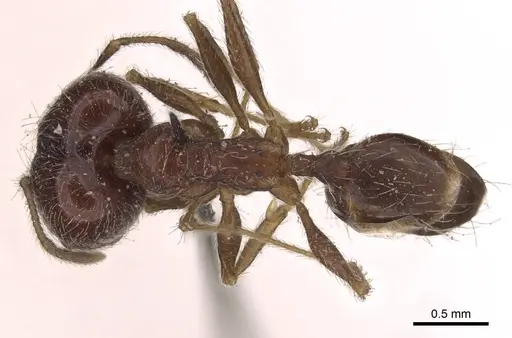
CASENT0907802
View on AntWeb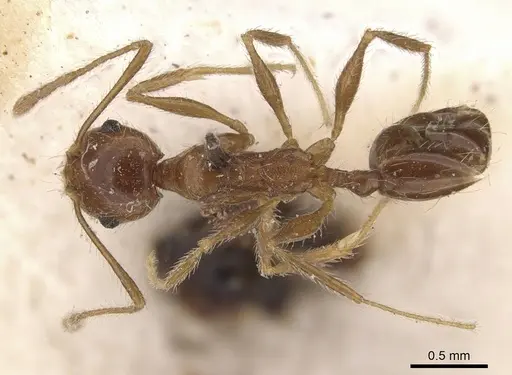
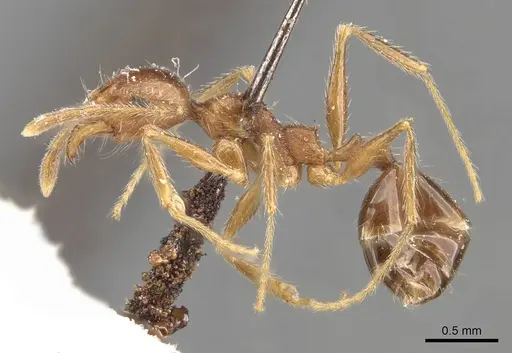
CASENT0922203
View on AntWeb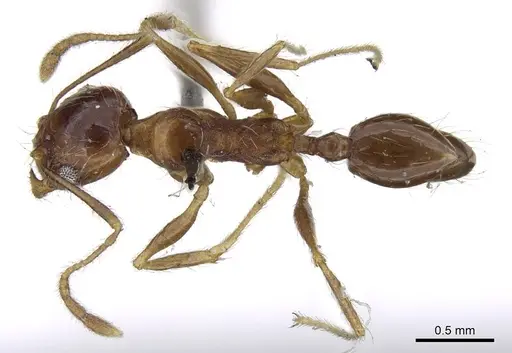
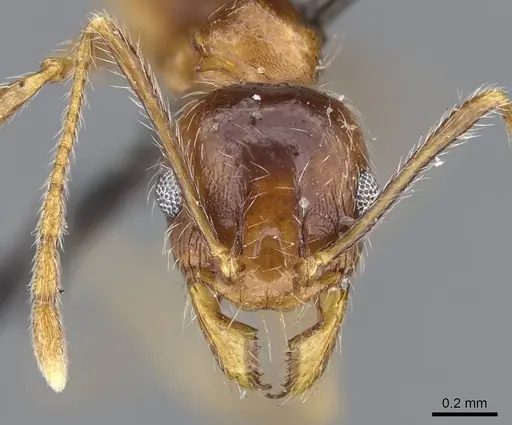
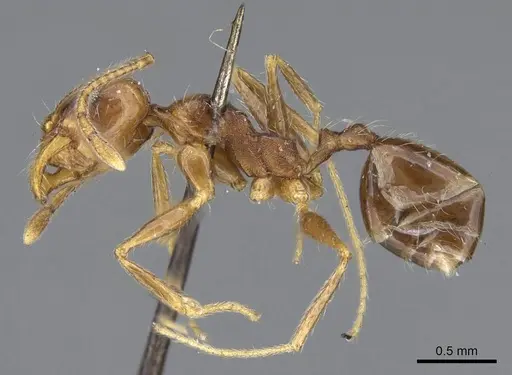
CASENT0922204
View on AntWeb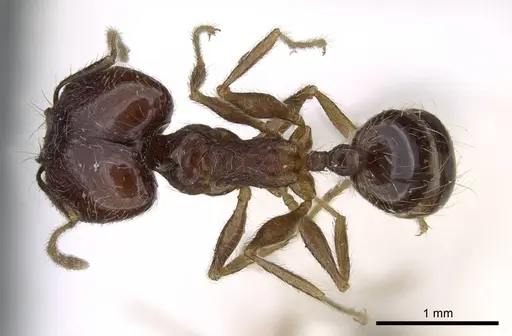
FOCOL1354
View on AntWeb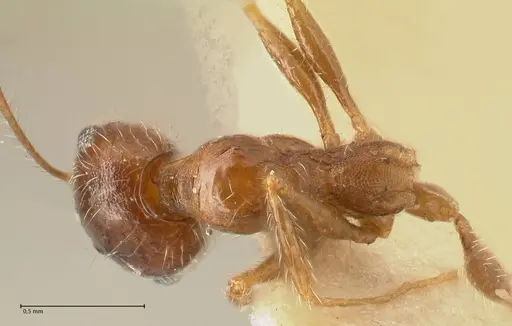
FOCOL1355
View on AntWeb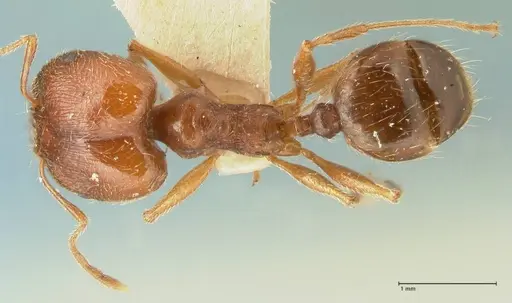
Literature
Loading distribution map...Loading products...