
Pheidole tenebricosa
- Sci. Name
- Pheidole tenebricosa
- Tribe
- Attini
- Subfamily
- Myrmicinae
- Author
- Eguchi, 2001
- Distribution
- Found in 1 countries
Introduction
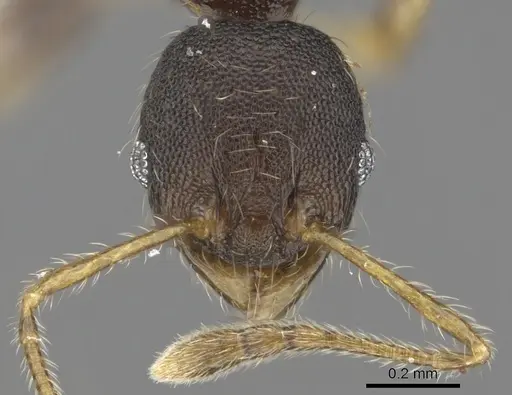
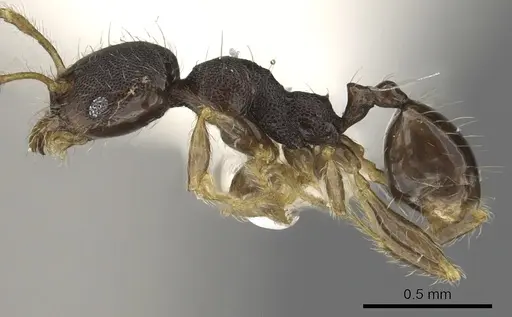
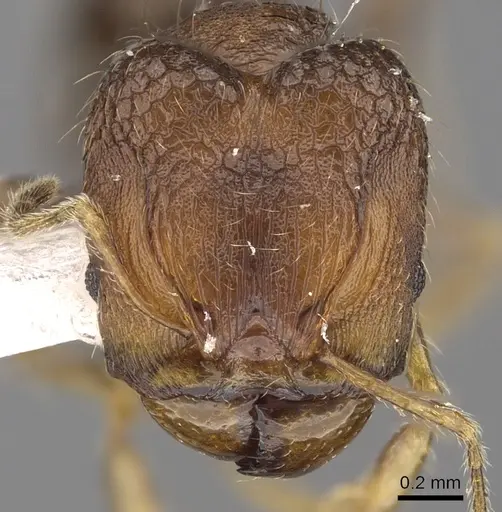
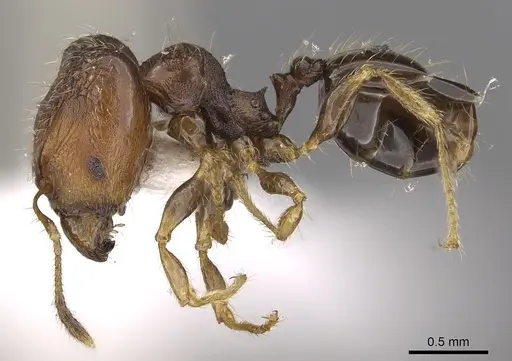
Pheidole tenebricosa is a small ant species native to Borneo, Indonesia, Malaysia, and the Philippines. They have two distinct worker castes: major workers (2.5-3.0 mm) with enlarged heads and minor workers (1.5-1.8 mm) that handle foraging . The species nests in rotting wood on the forest floor at elevations of 1500-1800 meters, such as Mt. Kinabalu, and occasionally stores tiny seeds in their nests . This species is known for its seed-storing behavior, showing granivorous habits, and is closely related to other Southeast Asian Pheidole species .
Quick Summary
- Difficulty: Medium
- Origin & Habitat: Borneo, Indonesia, Malaysia, and Philippines, found in well-developed forests at 1500-1800m altitude, nesting in rotting wood on the ground [1].
- Colony Type: Based on Pheidole patterns, likely single-queen colonies (monogyne). Colonies have major and minor worker castes, with majors defending the nest and minors handling daily tasks.
- Size & Growth:
- Queen: Size data unavailable, no total length measurements provided in research
- Worker: Major workers: 2.5-3.0 mm, Minor workers: 1.5-1.8 mm [1]
- Colony: Estimated up to several hundred workers, inferred from typical Pheidole colony sizes
- Growth: Moderate, based on genus-level development patterns
- Development: Estimated 6-10 weeks at optimal temperature, inferred from related Pheidole species [1] (Development time may vary based on temperature and colony conditions. Major workers appear later in colony growth.)
- Antkeeping:
- Temperature: Keep in cool conditions, roughly 22-26°C, based on their mountain habitat [1]. Avoid temperatures above 28°C.
- Humidity: Keep nest substrate consistently moist but not waterlogged, based on forest floor habitat [1]. Provide a water tube for evaporation.
- Diapause: Not required, inferred from tropical mountain climate with consistent temperatures [1].
- Nesting: Use setups with rotting wood or similar materials, such as Y-tong or plaster nests with wood inclusions [1].
- Behavior: Generally peaceful, but majors defend the nest using their large heads. They are seed-storing and accept protein foods like small insects. Escape risk is moderate due to small size, use fine mesh barriers [1]. They have a sting typical of Myrmicinae but rarely use it.
- Common Issues: high humidity requirements can lead to mold if ventilation is poor, balance is key, small minor workers can escape through standard test tube cotton, use fine mesh barriers, slow colony growth may frustrate beginners, major workers take months to appear, mountain forest origins mean they don't tolerate heat well, keep away from direct heat sources, wild-caught colonies may have parasites that are difficult to detect
Housing and Nest Setup
You can use naturalistic setups that mimic rotting wood habitats. A Y-tong nest with added wood pieces or a plaster nest works well. Maintain high humidity with good ventilation to prevent mold. Test tubes can be used but monitor moisture carefully, wrap the water section with dark tape to create a humid microclimate. Add small wood fragments or cork to the nest to help ants feel at home [1].
Feeding and Diet
Offer small seeds like millet constantly, as they store seeds in nests [1]. Provide protein sources such as fruit flies or mealworms 2-3 times per week. Sugar water can be offered occasionally. Remove uneaten seeds to prevent mold. Major workers process larger food items for the colony [1].
Temperature and Humidity Management
Keep temperatures around 22-26°C based on their mountain habitat [1]. Avoid overheating above 28°C. Humidity should be high, keep nest substrate moist but not waterlogged, using a water tube for evaporation [1]. Good ventilation is essential to prevent mold.
Colony Development and Castes
Colonies have major and minor worker castes. Minor workers (1.5-1.8 mm) handle foraging and brood care, while majors (2.5-3.0 mm) defend and process food [1]. First workers appear in 6-10 weeks, with majors developing later as the colony grows. Be patient, colony development takes time [1].
Frequently Asked Questions
How long does it take for Pheidole tenebricosa to have first workers?
Expect first workers in 6-10 weeks after queen lays eggs, assuming optimal temperature around 22-26°C. This is estimated from related Pheidole species [1].
Can I keep multiple Pheidole tenebricosa queens together?
This species is likely monogyne, so only keep one queen per colony. Combining unrelated queens may result in fighting.
What do I feed Pheidole tenebricosa?
They are granivorous and predatory. Offer small seeds constantly and protein sources like fruit flies or mealworms 2-3 times per week [1].
Why are my Pheidole tenebricosa dying?
Common causes include temperatures above 28°C, low humidity, mold from poor ventilation, or escapes through small gaps. Check these parameters first.
When should I move Pheidole tenebricosa to a formicarium?
Wait until the colony has 50+ workers and is using most test tube space. Ensure the new setup maintains humidity, use naturalistic or plaster nests.
Do Pheidole tenebricosa need hibernation?
No, as a tropical mountain species, they do not require diapause. Maintain stable temperatures year-round [1].
How big do Pheidole tenebricosa colonies get?
Colony size is not documented, but estimated up to several hundred workers based on typical Pheidole colonies.
Are Pheidole tenebricosa good for beginners?
They are intermediate difficulty due to humidity and temperature needs. Once understood, care is straightforward.
Report an Issue
The current care sheet is based fully on literature. See inconsistencies, or something that's incorrect? Please , it will be resolved after review from an admin. Contributing to the blogs tab also helps providing information, to make us be able to further improve the caresheets. Thank you for your support!
References

This caresheet is licensed under CC BY-SA 4.0 .
Community Blogs
CASENT0901658
View on AntWeb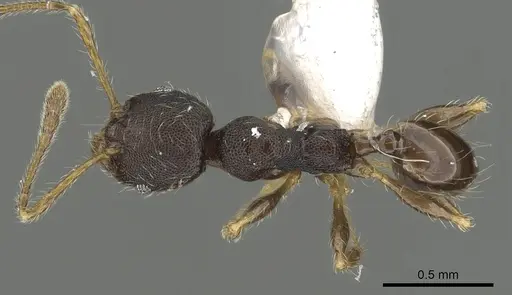
CASENT0901659
View on AntWeb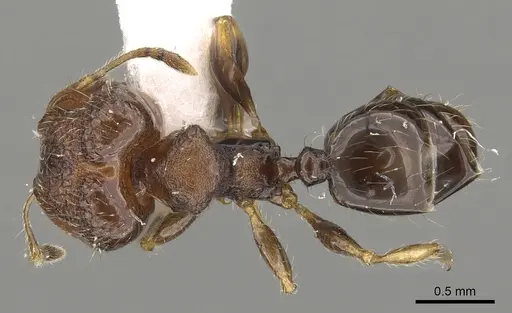
Literature
Loading distribution map...Loading products...