
Pheidole tanyscapa
- Sci. Name
- Pheidole tanyscapa
- Tribe
- Attini
- Subfamily
- Myrmicinae
- Author
- Wilson, 2003
- Distribution
- Found in 3 countries
Introduction
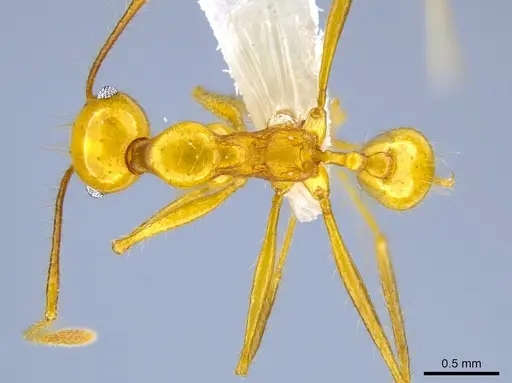
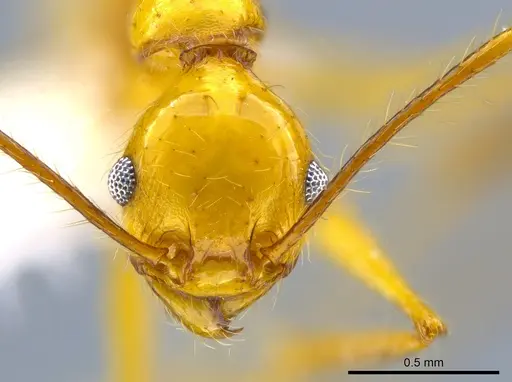
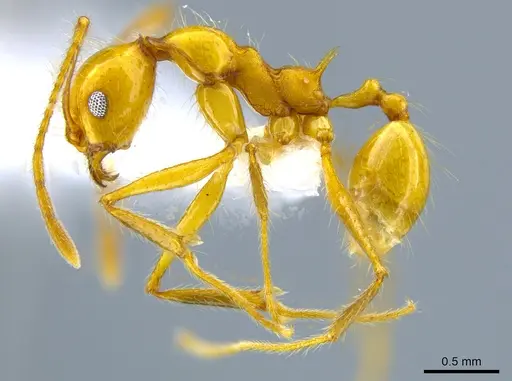
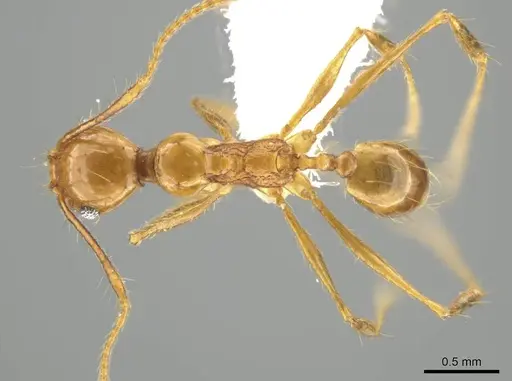
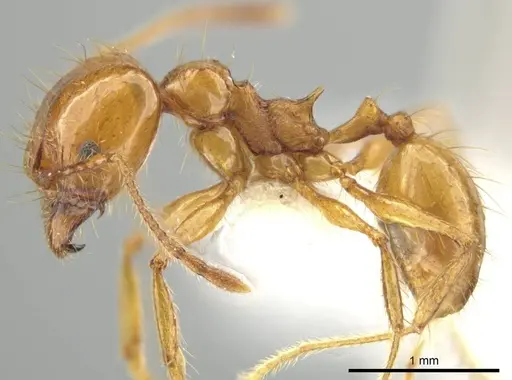
Pheidole tanyscapa is a small ant species native to Costa Rica, listed in regional inventories . It belongs to the Myrmicinae subfamily and Attini tribe, which typically have a stinger for defense. As a Pheidole species, it has a two-caste worker system with minor and major workers, where majors handle defense and seed processing. They inhabit warm, humid forest environments in Costa Rica. This species is part of the diverse Costa Rican ant fauna and is adapted to tropical conditions, making it suitable for antkeeping with proper care.
Quick Summary
- Difficulty: Easy
- Origin & Habitat: Costa Rica, tropical forest habitats [1]
- Colony Type: Unconfirmed, no specific data on queen number from literature
- Size & Growth:
- Queen: Size data unavailable, no total length measurements in literature
- Worker: Estimated minor workers ~2-3 mm, major workers ~3-5 mm (inferred from Pheidole genus)
- Colony: Up to several thousand workers (inferred from Pheidole genus)
- Growth: Moderate
- Development: Estimated 6-8 weeks (inferred from Pheidole genus) (Development time may vary based on temperature and care)
- Antkeeping:
- Temperature: Keep warm, around 24-28°C, based on tropical species needs [2]
- Humidity: Maintain moderate humidity, keep substrate moist but not waterlogged [2]
- Diapause: No, tropical species do not require hibernation [2]
- Nesting: Use test tube setup for founding colonies, then transfer to Y-tong or plaster nests with moist substrate [2]
- Behavior: Generally peaceful and not aggressive toward keepers. Escape risk is moderate due to their small size. Based on Pheidole genus patterns [2].
- Common Issues: mold growth in the nest due to humidity, ensure proper ventilation., overheating from excessive heating, keep temperatures below 30°C., colonies may stall if protein sources are insufficient, offer varied diet., test tube flooding if water reservoir is too large, use appropriate tube size.
Nest Preferences
In the wild, Pheidole tanyscapa nests in soil or under objects in Costa Rican forests. For captive care, start in a test tube with cotton separating water from ants. Once the colony has 20-30 workers, transfer to a Y-tong or plaster nest with moist substrate. These nests retain humidity well [2].
Feeding and Diet
Pheidole species are typically granivorous but accept protein and sugar. Feed seeds constantly, protein 2-3 times per week, and sugar water. Remove uneaten protein to prevent mold [2].
Temperature and Care
Keep temperatures between 24-28°C using a heating cable if needed. Maintain moderate humidity with moist substrate. No hibernation required [2].
Behavior and Colony Structure
Pheidole tanyscapa has minor and major workers. Minors handle daily tasks, majors defend and process food. Colonies grow slowly at first, then accelerate. They are not aggressive and are active during evening hours [2].
Frequently Asked Questions
How long does it take for Pheidole tanyscapa to get first workers?
Expect first workers in about 6-8 weeks after the queen lays eggs, assuming temperatures around 25-28°C [2].
Can I keep multiple Pheidole tanyscapa queens together?
Not recommended. Pheidole species are typically monogyne, and combining unrelated queens usually results in fighting [2].
What do Pheidole tanyscapa ants eat?
They accept a varied diet including seeds, small insects for protein, and sugar sources like honey water [2].
Are Pheidole tanyscapa good for beginners?
Yes, they are considered easy to keep. They are resilient and have straightforward temperature needs [2].
When should I move my Pheidole tanyscapa colony to a formicarium?
Move them once the colony reaches 20-30 workers in a test tube. Use a Y-tong or plaster nest with moist substrate [2].
Do Pheidole tanyscapa need hibernation?
No. As a tropical species, they do not require hibernation and should be kept warm year-round [2].
How big do Pheidole tanyscapa colonies get?
Mature colonies can reach up to several thousand workers, typical for Pheidole species [2].
Why is my Pheidole tanyscapa colony not growing?
Check that temperatures are warm enough, humidity is adequate, and the queen is laying eggs. Poor nutrition can slow growth [2].
Report an Issue
The current care sheet is based fully on literature. See inconsistencies, or something that's incorrect? Please , it will be resolved after review from an admin. Contributing to the blogs tab also helps providing information, to make us be able to further improve the caresheets. Thank you for your support!
References

This caresheet is licensed under CC BY-SA 4.0 .
Community Blogs
Literature
Loading distribution map...Loading products...