
Pheidole susannae
- Sci. Name
- Pheidole susannae
- Tribe
- Attini
- Subfamily
- Myrmicinae
- Author
- Forel, 1886
- Distribution
- Found in 9 countries
Introduction
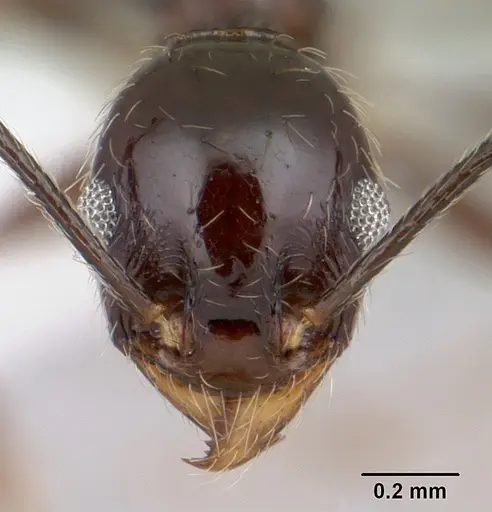
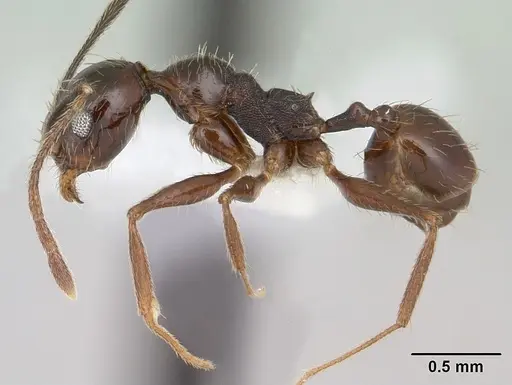
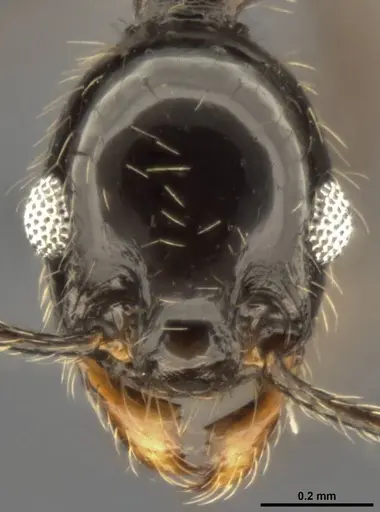
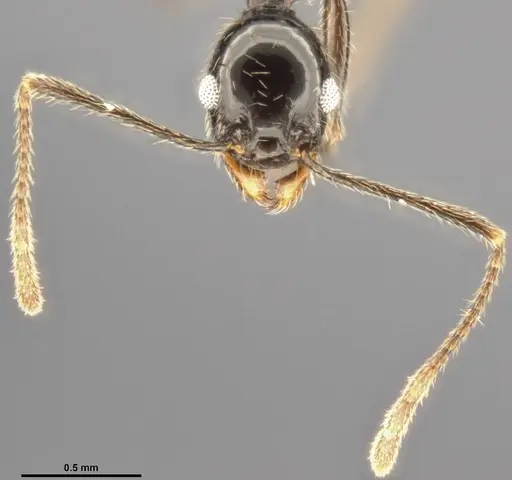
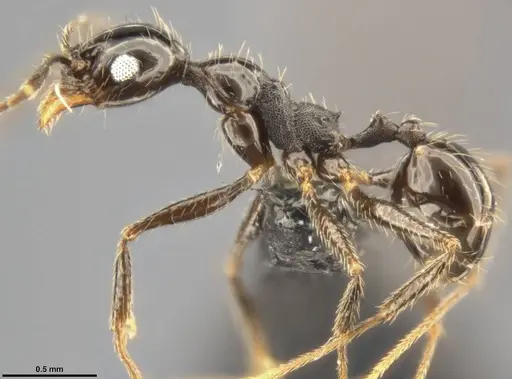
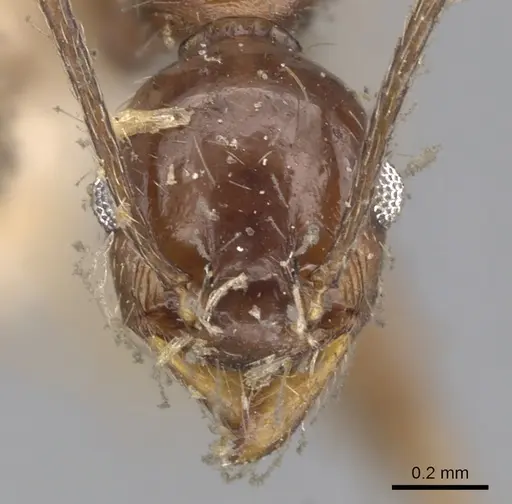
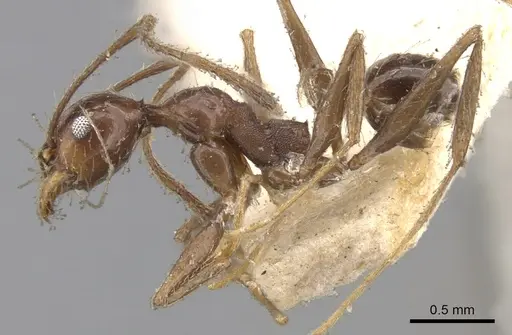
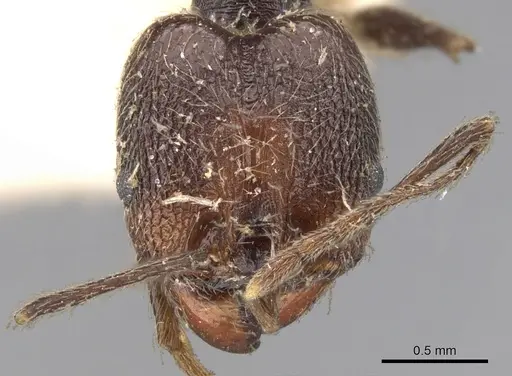
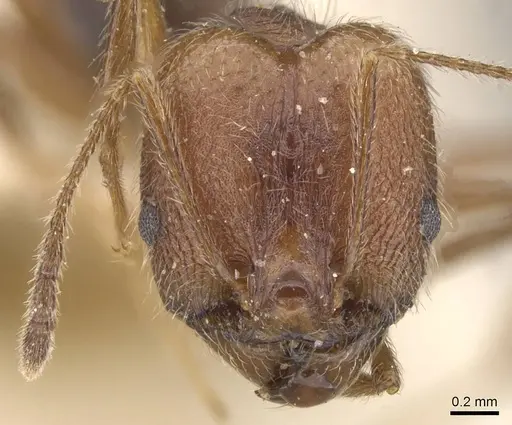
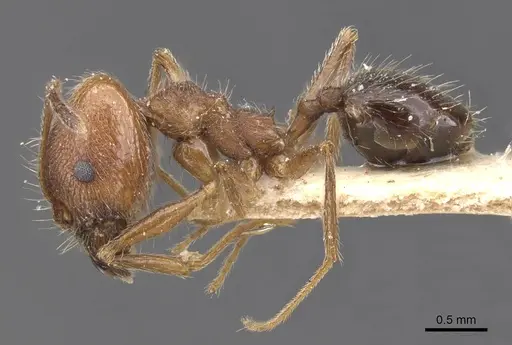
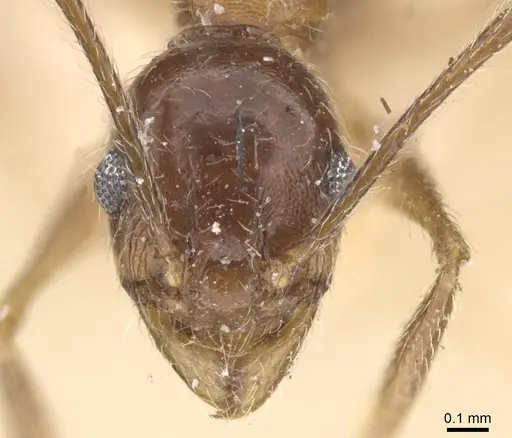
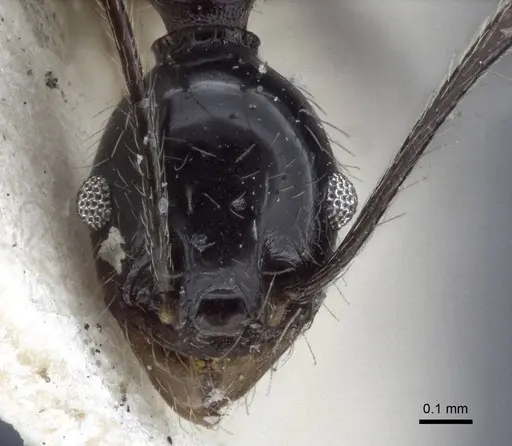
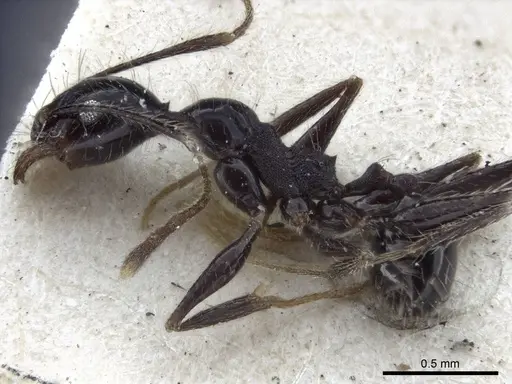
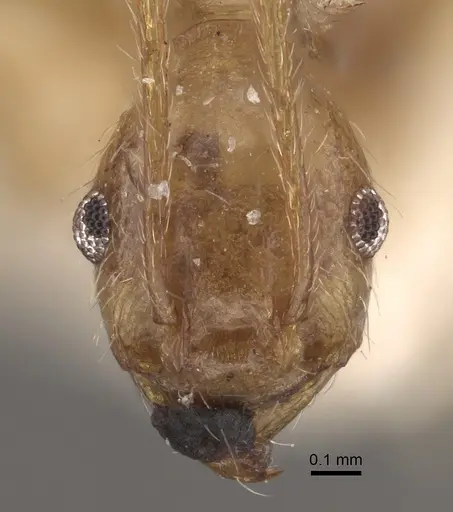
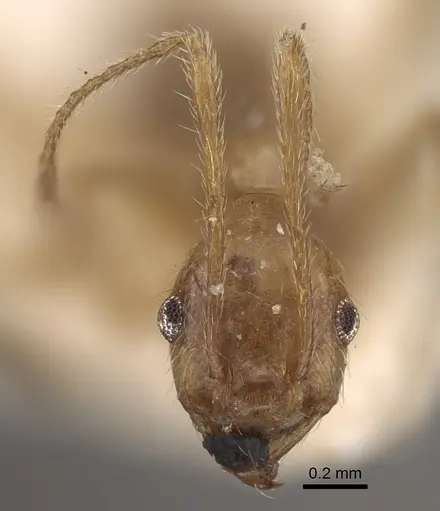
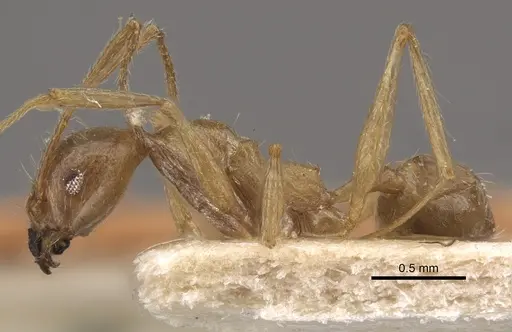
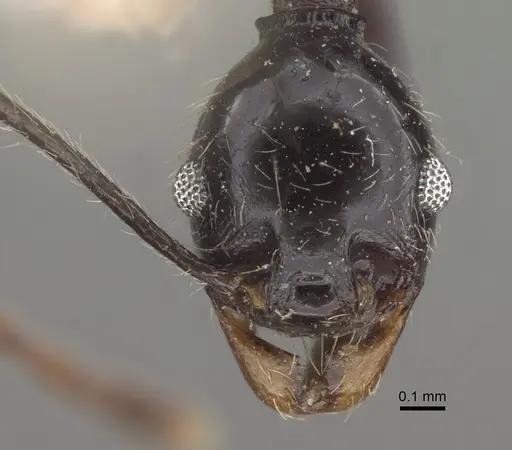
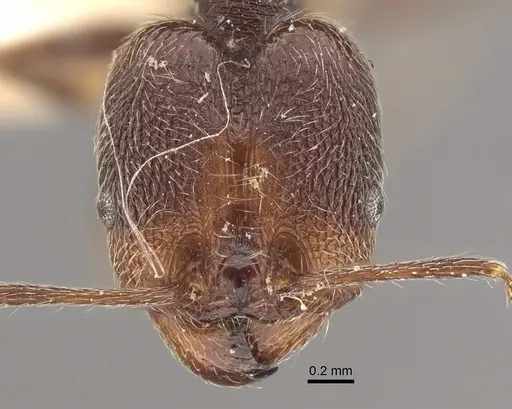
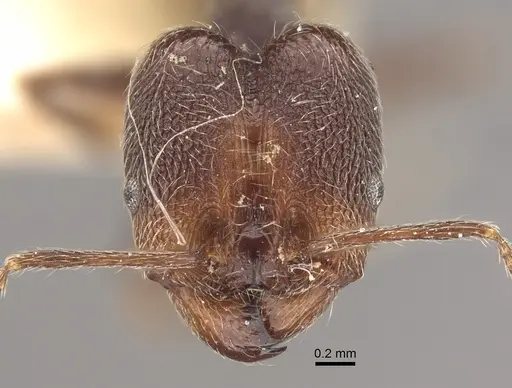
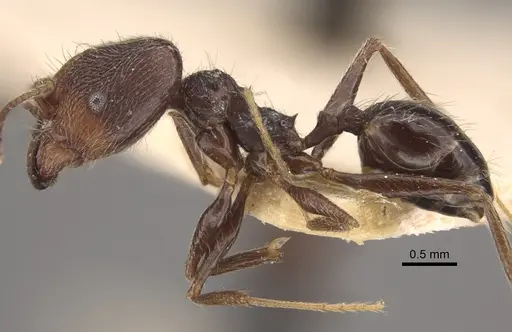
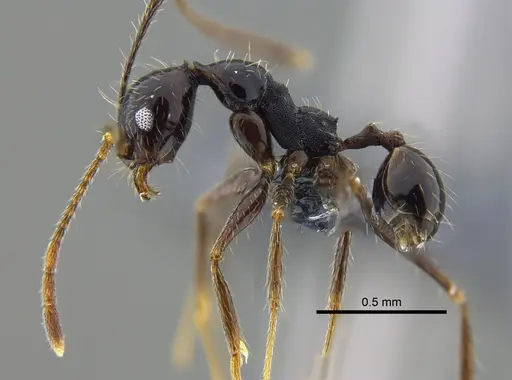
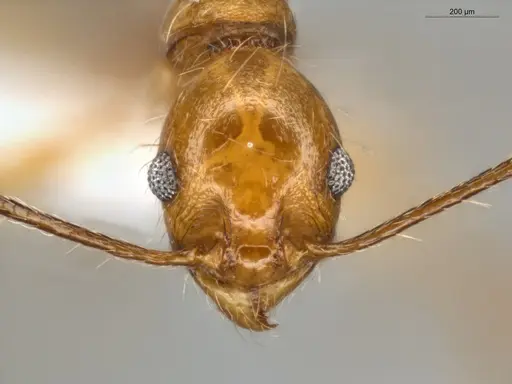
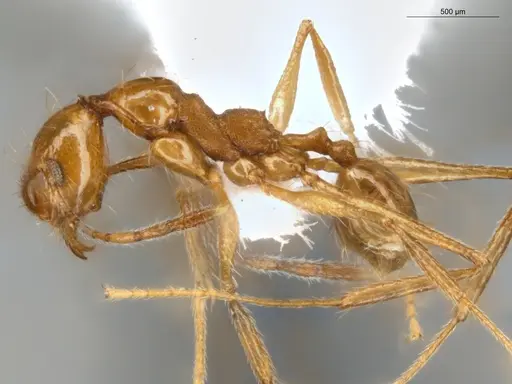
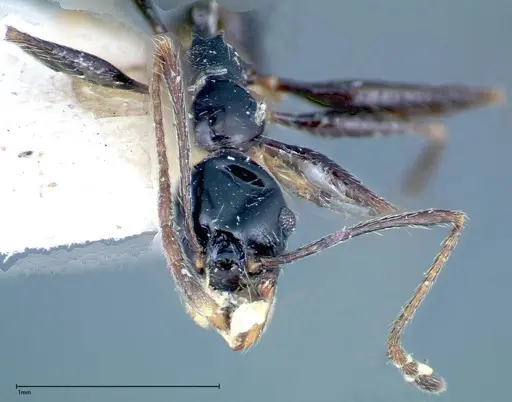
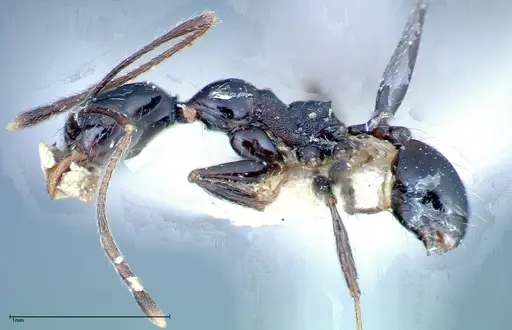
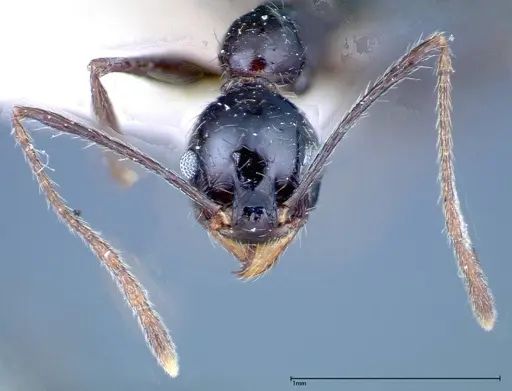
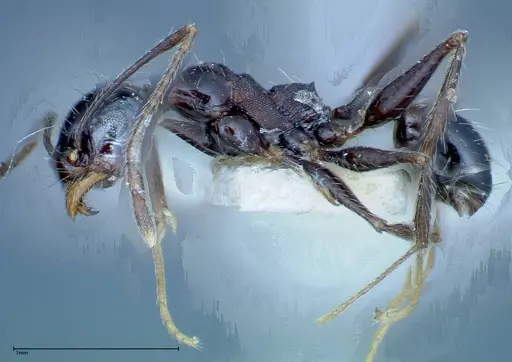
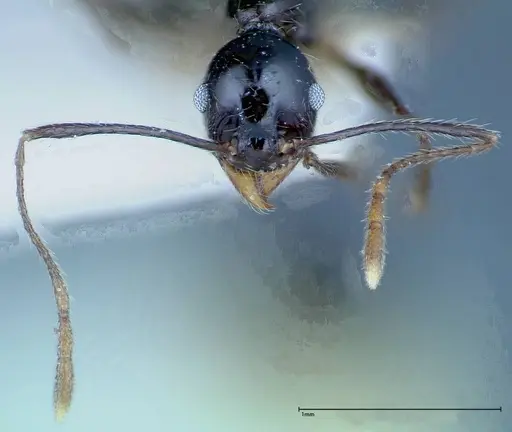
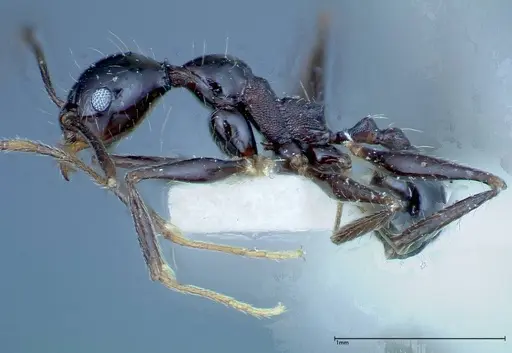
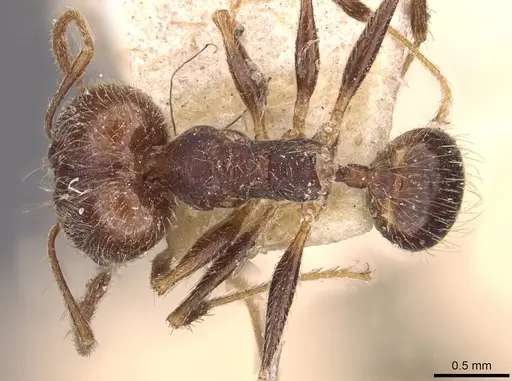
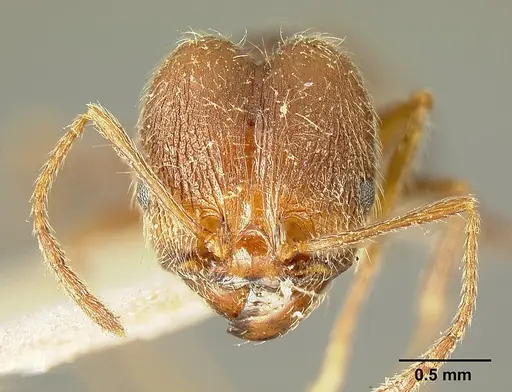
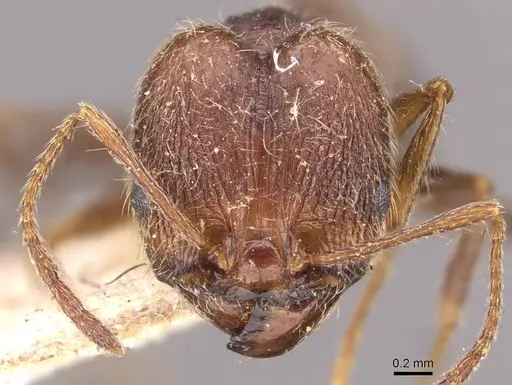
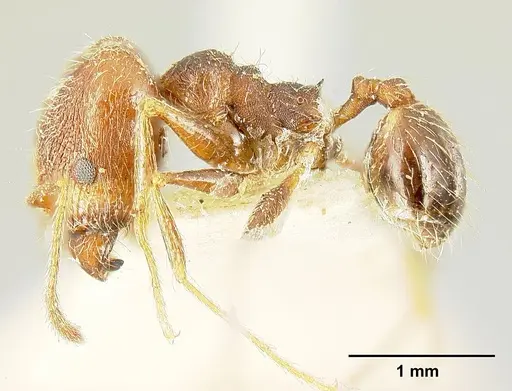
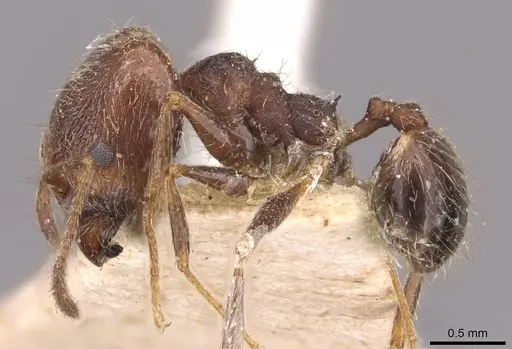
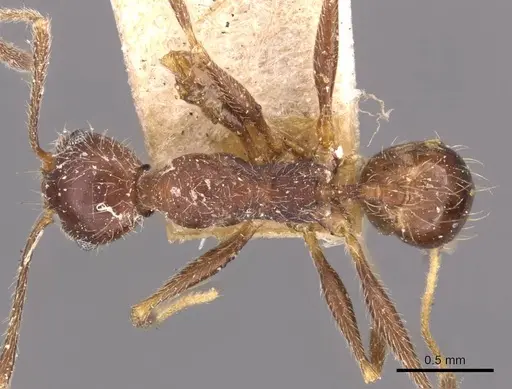
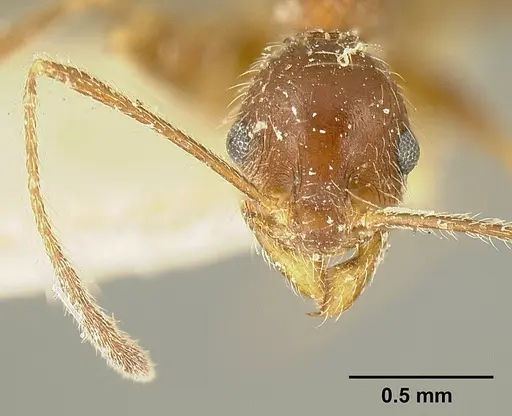
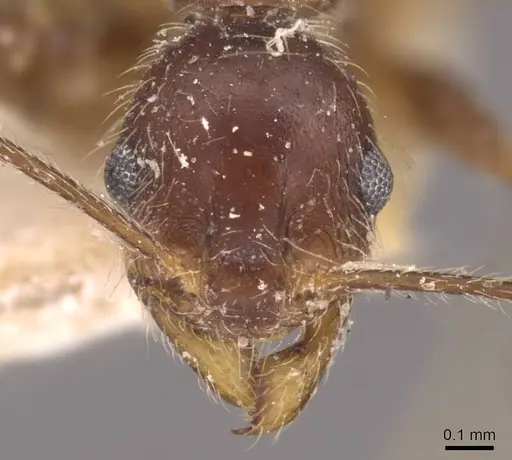
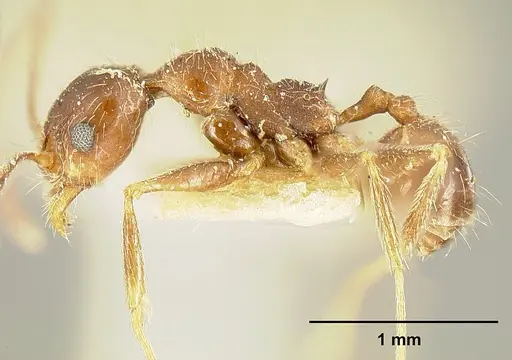
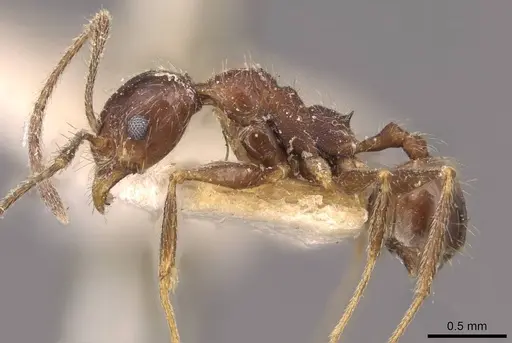
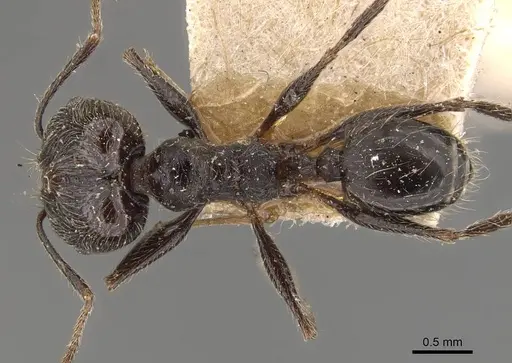
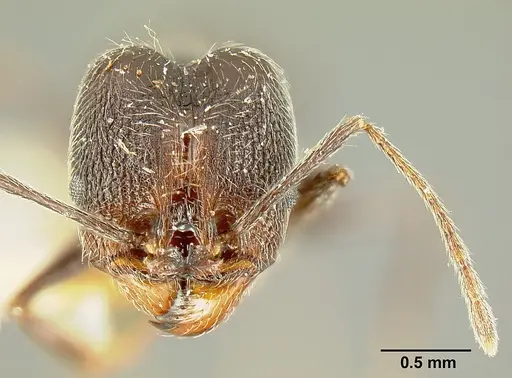
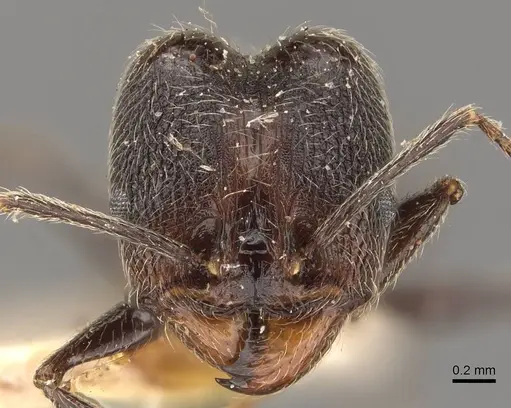
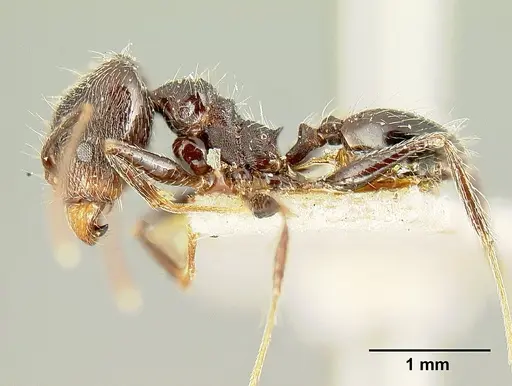
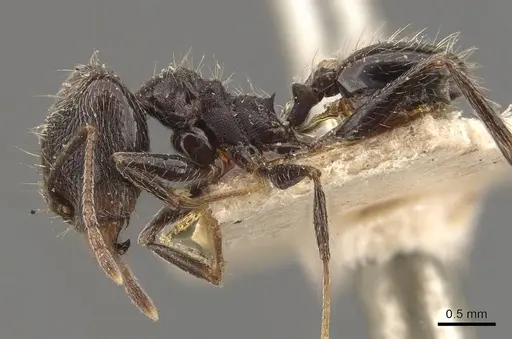
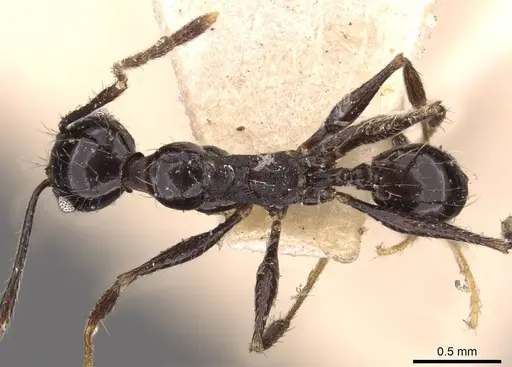
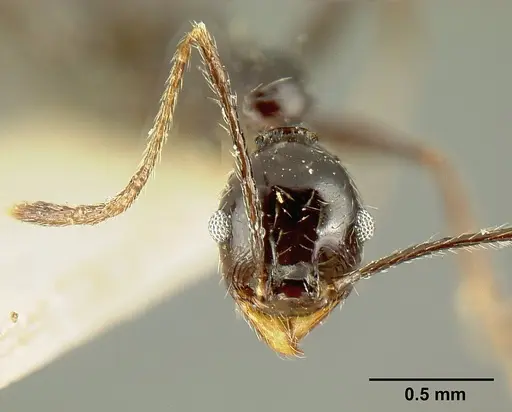
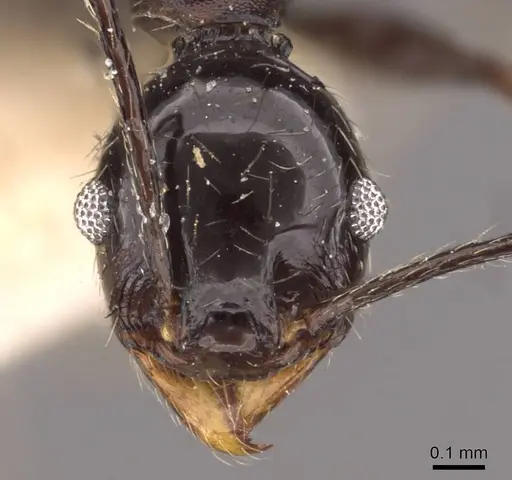
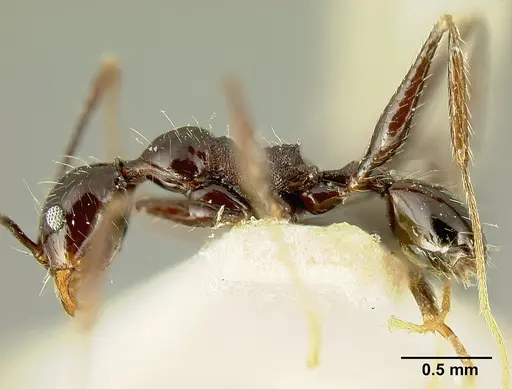
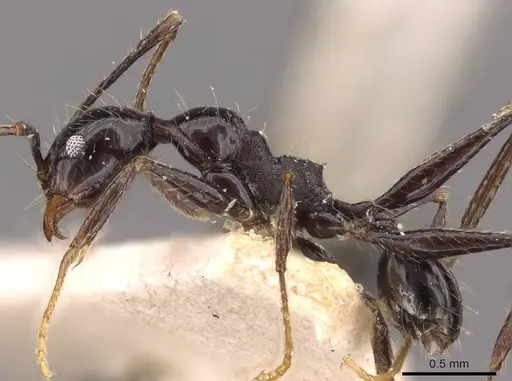
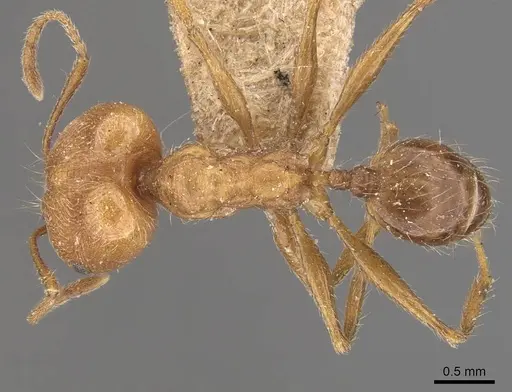
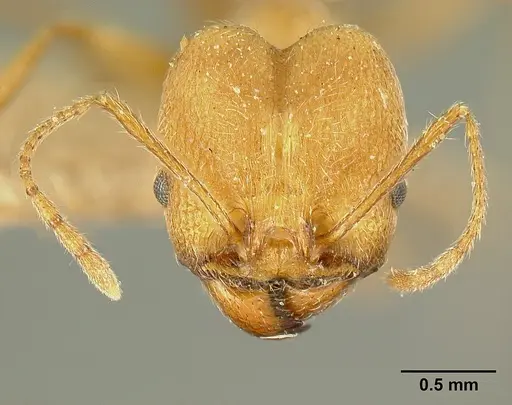
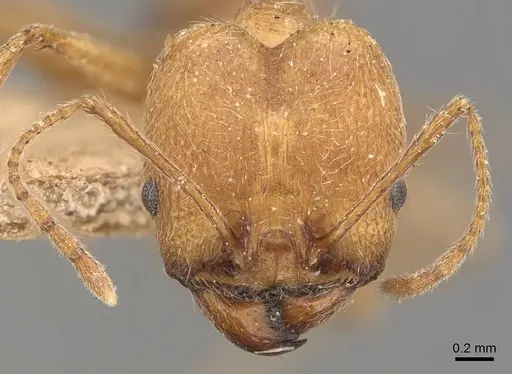
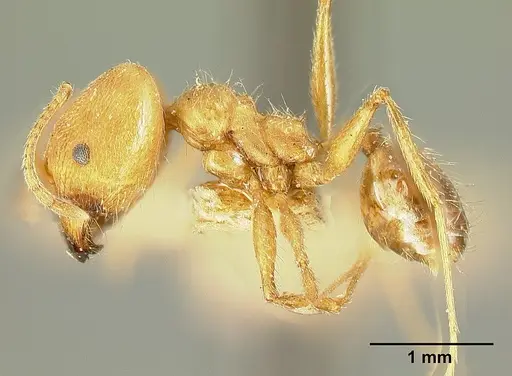
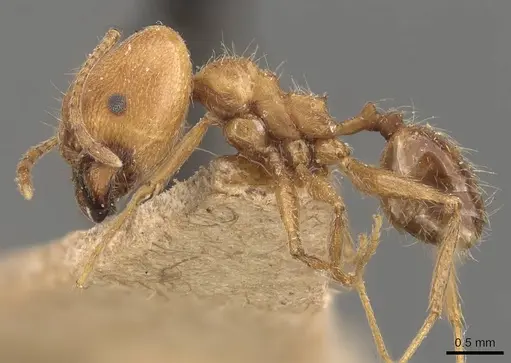
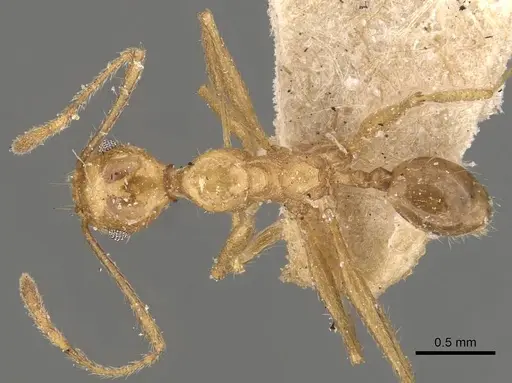
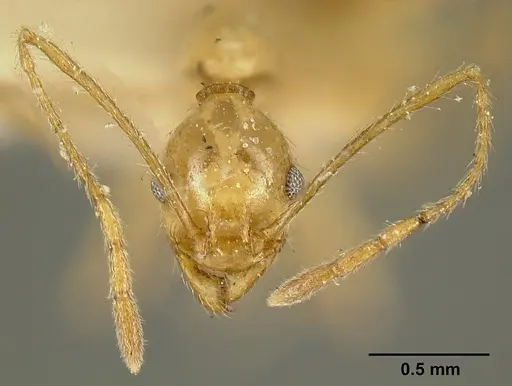
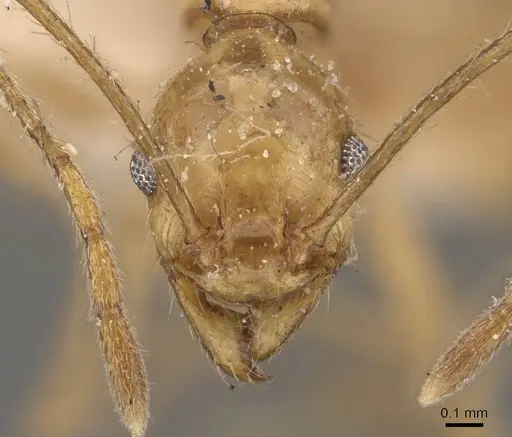
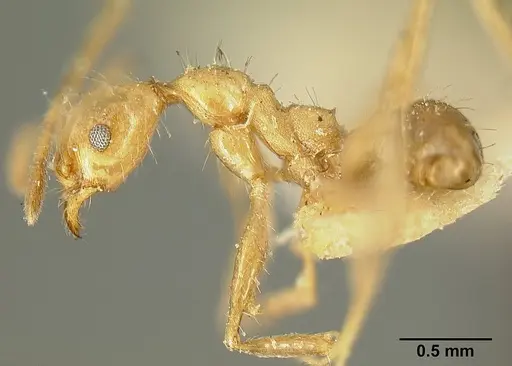
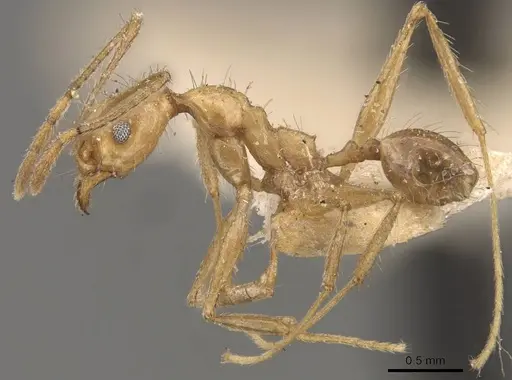
Pheidole susannae is a dimorphic ant native to the Neotropics, ranging from southern Mexico to southern Brazil and across Caribbean islands . Major workers have a distinctive tapered head and reddish-yellow coloration, while minor workers are smaller and uniformly medium yellow . This highly variable species may represent a complex of related species . Workers are excellent recruiters, with both majors and minors readily responding to food sources . Pheidole susannae thrives in disturbed habitats, including city parks, agricultural areas, and forest edges, nesting opportunistically in small cavities on the ground or in the canopy . Its adaptability has made it one of the most common ants in human-modified landscapes throughout its range .
Quick Summary
- Difficulty: Easy
- Origin & Habitat: Neotropical region from southern Mexico to southern Brazil, including Caribbean islands. Found in diverse habitats from city parks to mature rainforest, both on the ground and in the canopy [1][2][5].
- Colony Type: Colony structure is unconfirmed, but based on Pheidole genus patterns, likely monogyne (single-queen).
- Size & Growth:
- Queen: Estimated ~7-9 mm based on Pheidole genus patterns.
- Worker: Minor workers: ~1.67 mm body length [4], Major workers: size data unavailable.
- Colony: Colony size is unknown, no specific data available from context.
- Growth: Moderate to fast, inferred from Pheidole genus patterns.
- Development: Estimated 6-8 weeks at optimal temperature, inferred from Pheidole genus patterns. (Development time may vary with temperature.)
- Antkeeping:
- Temperature: Keep warm, roughly 24-28°C, as inferred from tropical species.
- Humidity: Provide a humidity gradient, keep substrate slightly moist but not waterlogged, as this species occurs in varied moisture conditions [1].
- Diapause: No, as a tropical species, they do not require hibernation.
- Nesting: Use test tubes for founding, then transfer to formicariums with small cavities. They nest opportunistically in small spaces [5][6].
- Behavior: Active foragers with excellent recruitment. Workers are generalist omnivores and show activity during both day and night [6][4]. Minor workers are small, so escape prevention is important.
- Common Issues: minor workers are small and can escape through gaps, ensure proper barriers., aggressive toward other ant species, keep colonies separate., colony growth requires increasing food portions, monitor to prevent spoilage.
Housing and Nest Setup
Pheidole susannae is adaptable and will accept various nest types. A Y-tong or plaster formicarium works well, providing chambers sized appropriately for their colony size. They naturally nest in small cavities such as downed sticks, wall crevices, dead wood in trees, and soil at tree bases [5]. For founding colonies, a standard test tube setup with a water reservoir is suitable. As the colony grows, transfer to a formicarium with multiple chambers. Ensure the nest has some darkness for brood chambers [5][6].
Feeding and Diet
As generalist omnivores, Pheidole susannae accepts a wide variety of foods. Offer protein sources like mealworms or crickets 2-3 times per week and a constant sugar source such as honey water [1][4]. Workers are excellent recruiters and will quickly mobilize to food sources, with both majors and minors participating [1][4]. Remove uneaten protein within 24-48 hours to prevent mold.
Temperature and Humidity
Keep your colony at warm temperatures, roughly 24-28°C, as inferred from tropical species. Avoid temperatures below 20°C for extended periods. For humidity, provide a gradient with slightly moist substrate but never waterlogged, as this species occurs in varied moisture conditions [1]. A water tube in the outworld helps maintain humidity.
Colony Development
Pheidole susannae colonies grow moderately fast. From egg to first worker takes approximately 6-8 weeks at optimal temperature, inferred from Pheidole genus patterns. Nanitics are smaller than mature workers but are replaced as the colony expands. Colonies can reach substantial sizes over time, though specific numbers are unknown [6].
Behavior and Foraging
This species is highly active and shows excellent recruitment behavior. Workers readily respond to baits, and both minor and major workers participate in food retrieval [1][5]. They are aggressive toward other ant species and can dominate food resources. In the wild, they forage during both day and night [6]. Minor workers are small (around 1.67 mm), so ensure your setup has no gaps that would allow escapes [4].
Seasonal Care
As a tropical species, Pheidole susannae does not require hibernation or diapause. They remain active year-round in captivity if kept warm. In their natural range, they are found in both rainy and dry seasons and show no significant seasonal slowdown [6]. Maintain consistent temperature and humidity throughout the year.
Frequently Asked Questions
How long does it take for Pheidole susannae to raise first workers?
Expect first workers in about 6-8 weeks from when the queen lays her first eggs, at optimal temperature (24-28°C), inferred from Pheidole genus patterns.
What do Pheidole susannae ants eat?
They are generalist omnivores. Feed protein like small insects 2-3 times per week and provide a constant sugar source such as honey water [1][4].
Are Pheidole susannae good for beginners?
Yes, they are considered easy to keep. They are adaptable to various conditions, not aggressive toward humans, and accept a wide variety of foods.
How big do Pheidole susannae colonies get?
Colony size is unknown from available data, but they can grow substantially over time with proper care [6].
Do Pheidole susannae need hibernation?
No, as a tropical species, they do not require hibernation or winter rest.
What size nest do I need for Pheidole susannae?
Start with a test tube for founding colonies. Once the colony reaches 50+ workers, transfer to a small formicarium with appropriately sized chambers [5].
Can I keep multiple queens together?
Colony structure is unconfirmed, but based on Pheidole genus patterns, it is likely monogyne (single-queen).
Why are my Pheidole susannae dying?
Check temperature first, they need warmth (24-28°C) and do poorly in cold. Also ensure humidity is adequate and food is being consumed. Minor workers may escape through gaps [6].
When should I move Pheidole susannae to a formicarium?
Move them when the test tube becomes crowded or the colony reaches around 30-50 workers. They adapt well to formicariums [5].
Are Pheidole susannae invasive anywhere?
They are native throughout their range (Mexico to Brazil and Caribbean). While intercepted in the Netherlands, they are not established invasives outside their native range [7][8].
What makes Pheidole susannae different from other Pheidole?
They are highly adaptable to disturbed habitats and show excellent recruitment with both major and minor workers responding to food [6][1]. Their extreme variability may indicate a complex of multiple species [3].
Report an Issue
The current care sheet is based fully on literature. See inconsistencies, or something that's incorrect? Please , it will be resolved after review from an admin. Contributing to the blogs tab also helps providing information, to make us be able to further improve the caresheets. Thank you for your support!
References

This caresheet is licensed under CC BY-SA 4.0 .
Community Blogs
CASENT0178039
View on AntWeb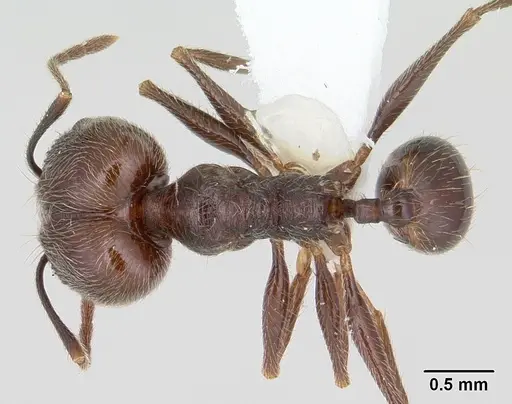
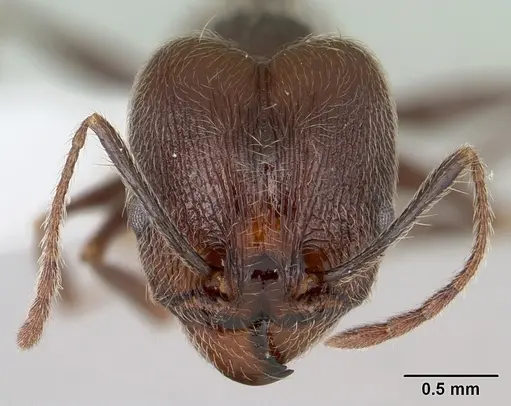
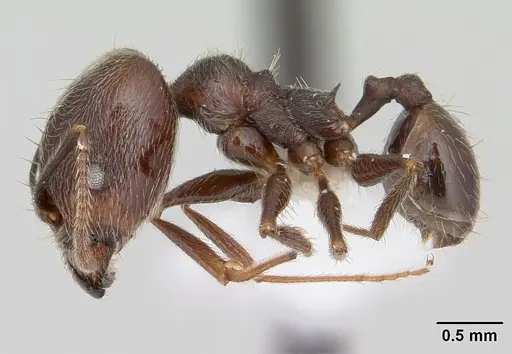
CASENT0178040
View on AntWeb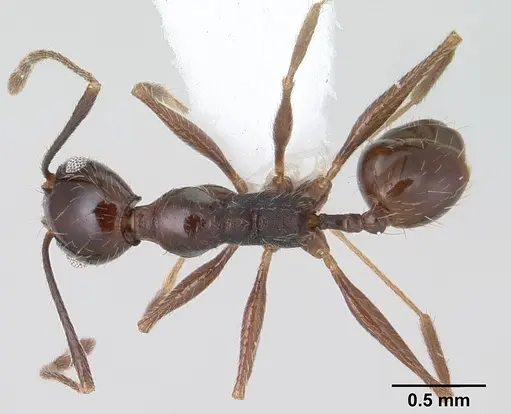
CASENT0282692
View on AntWeb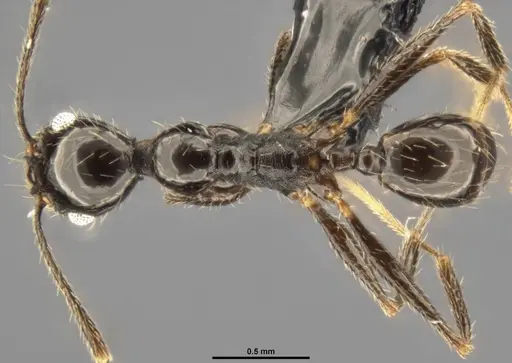
CASENT0633455
View on AntWeb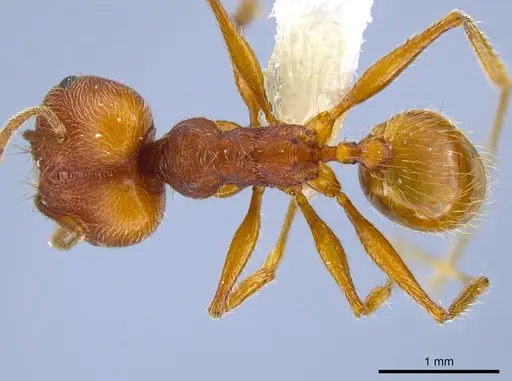
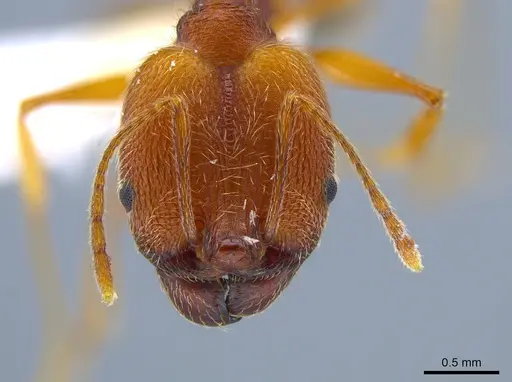
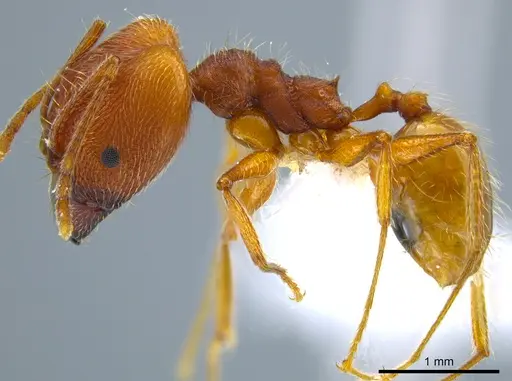
CASENT0635534
View on AntWeb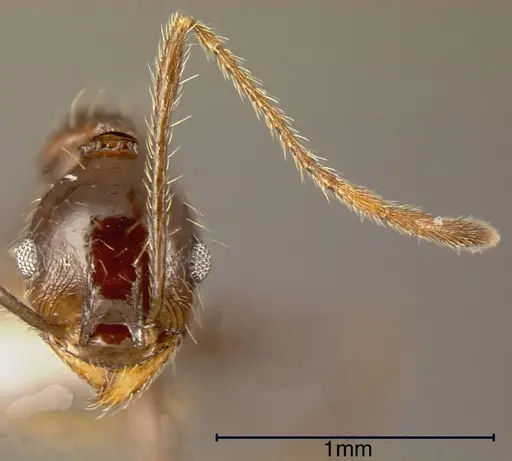
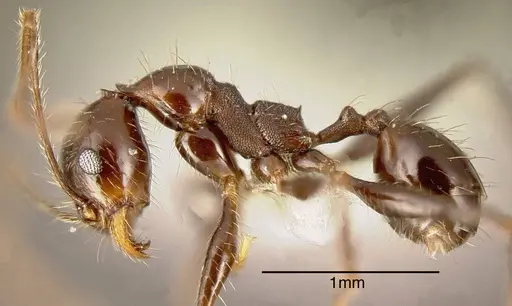
CASENT0901591
View on AntWeb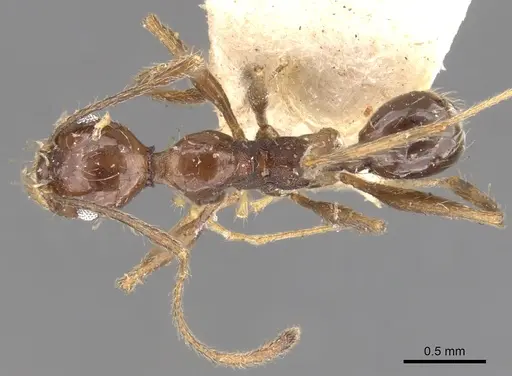
CASENT0901592
View on AntWeb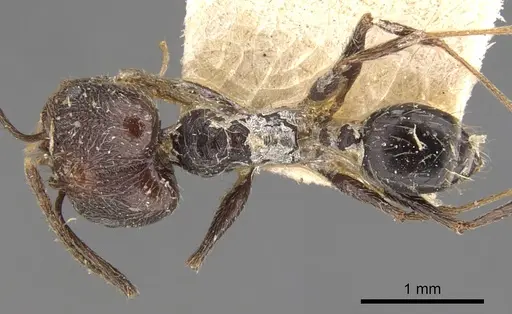
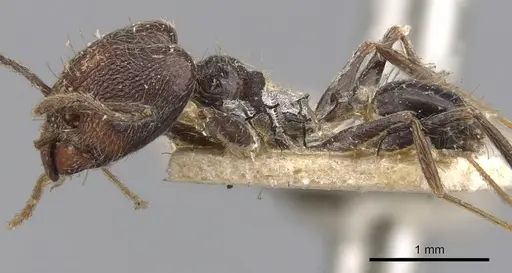
CASENT0908122
View on AntWeb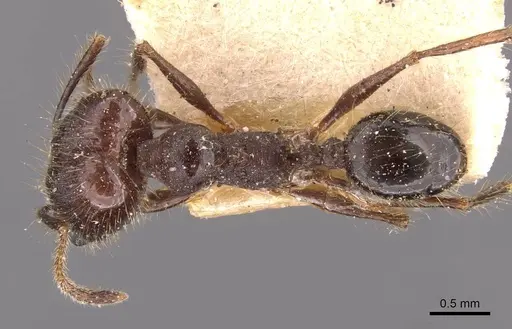
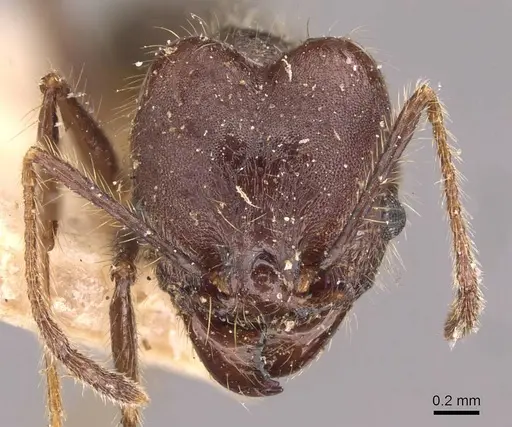
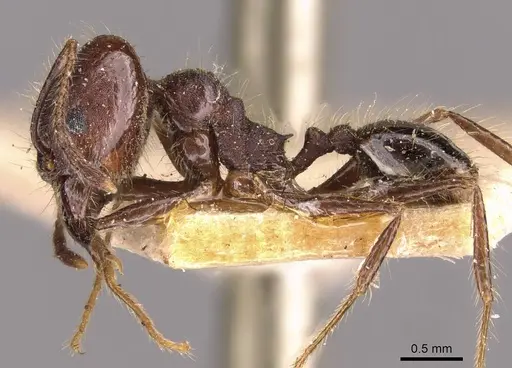
CASENT0908123
View on AntWeb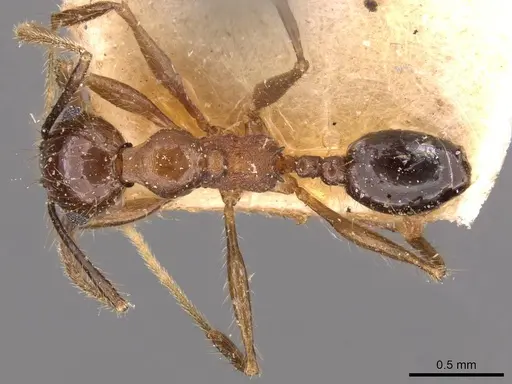
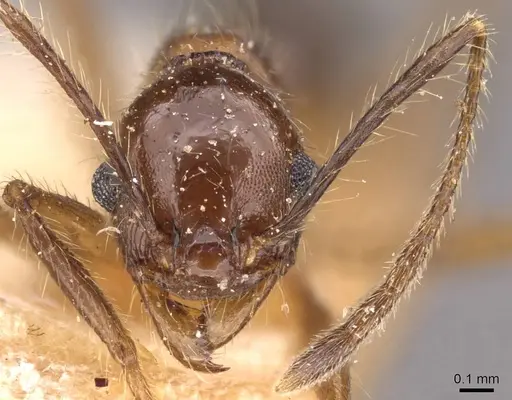
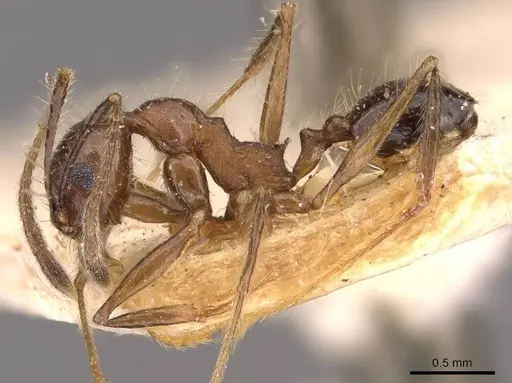
CASENT0913456
View on AntWeb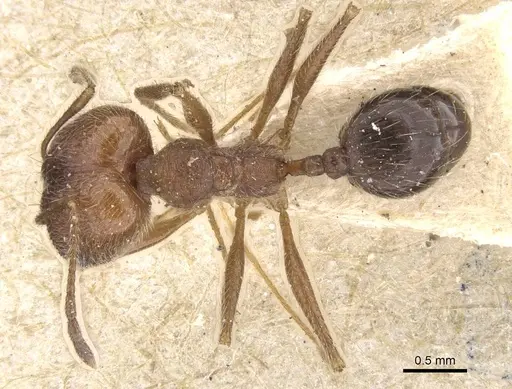
CASENT0913457
View on AntWeb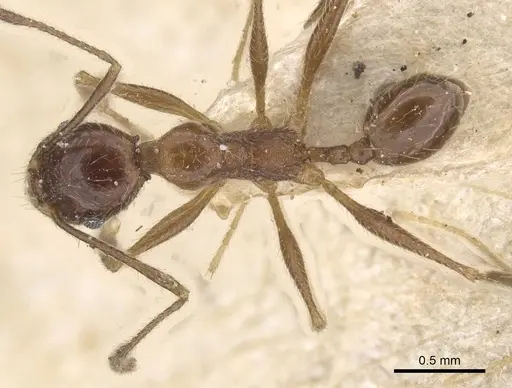
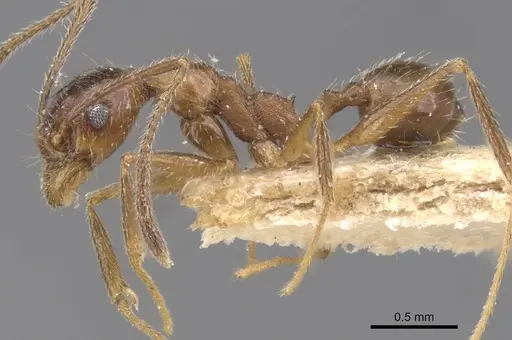
CASENT0916067
View on AntWeb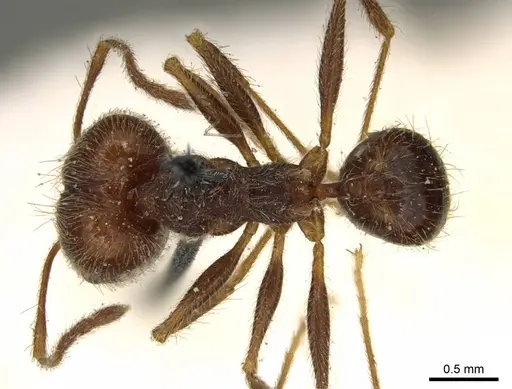
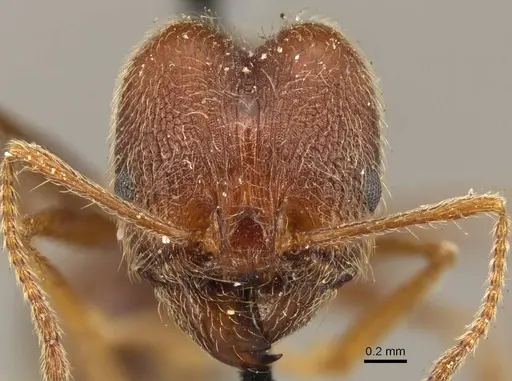
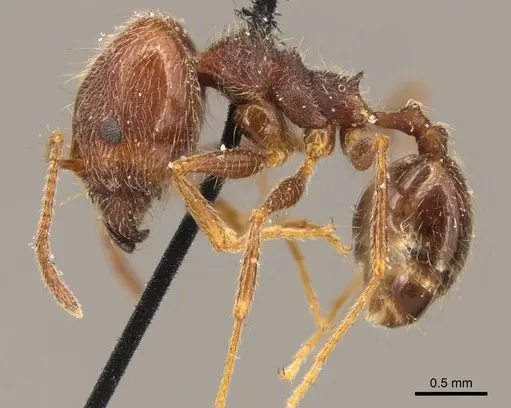
CASENT0916621
View on AntWeb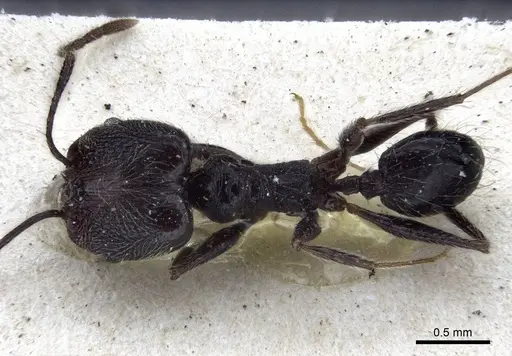
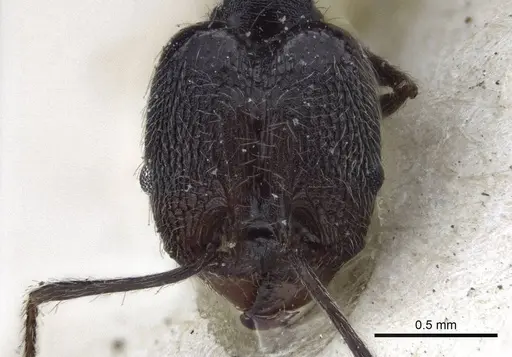
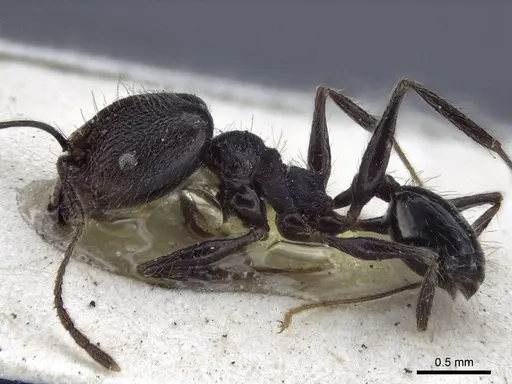
CASENT0916622
View on AntWeb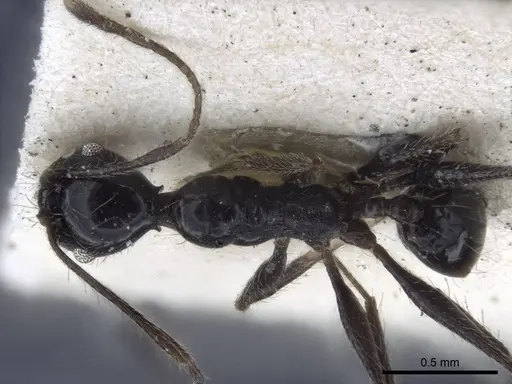
CASENT0917788
View on AntWeb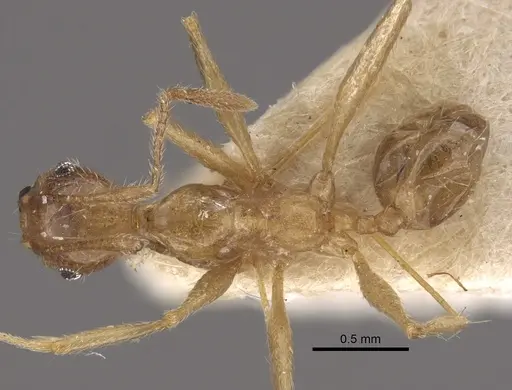
CASENT0917789
View on AntWeb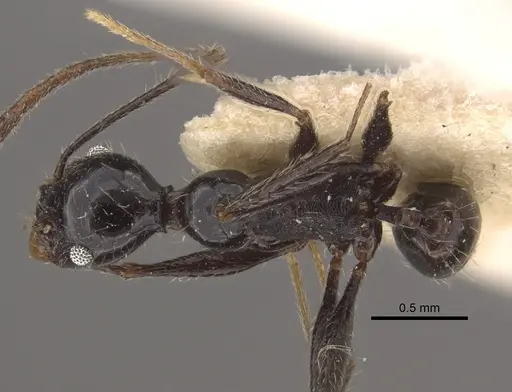
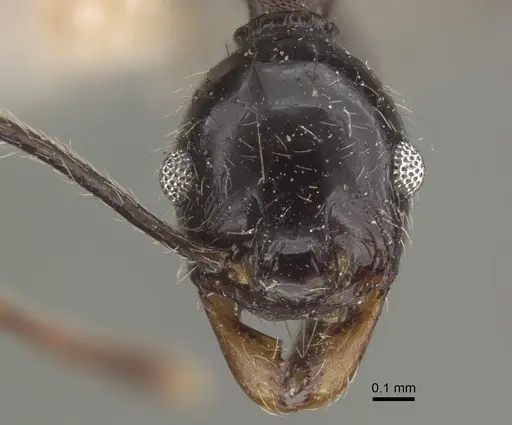
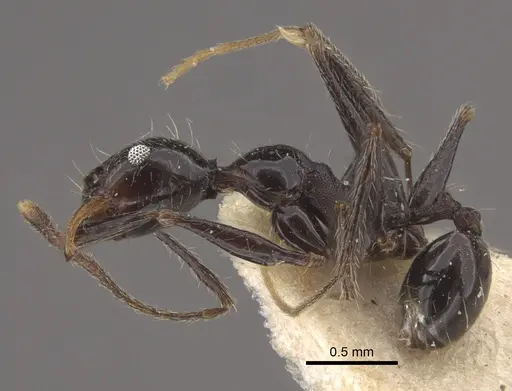
CASENT0917790
View on AntWeb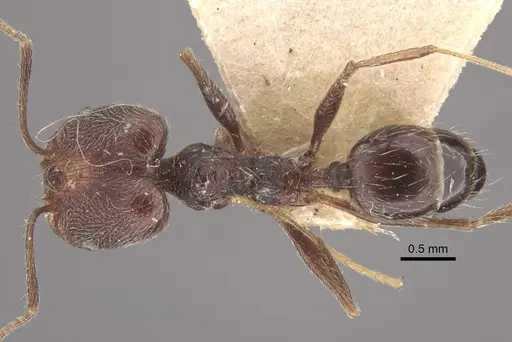
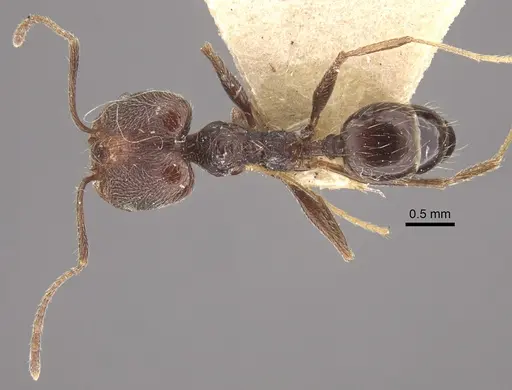
CASENT0919784
View on AntWeb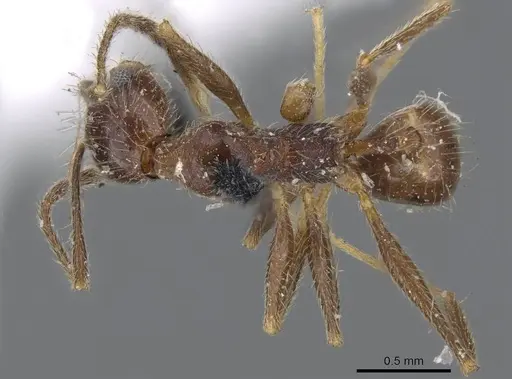
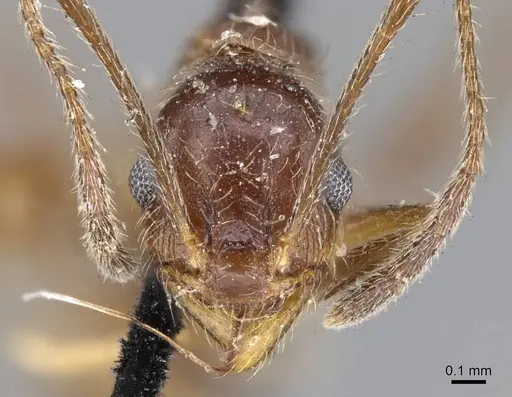
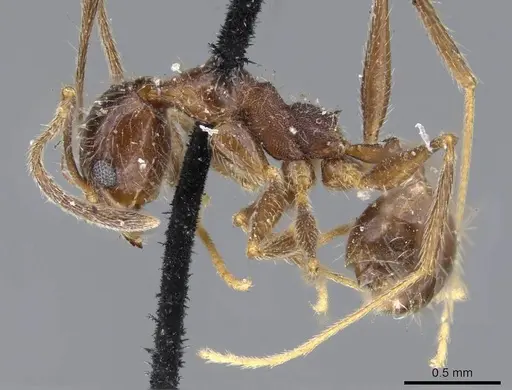
CBUMAGENT42022
View on AntWeb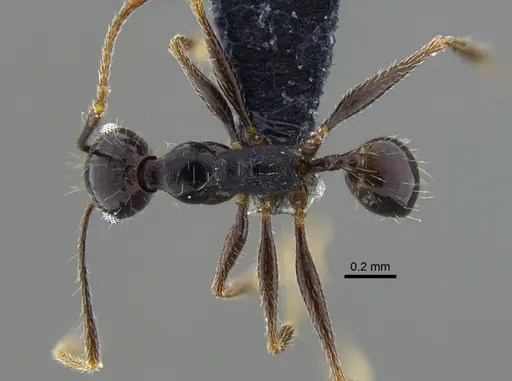
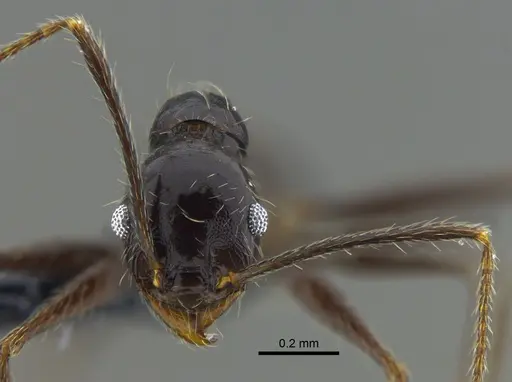
ECOFOG-MI15-0092-25
View on AntWeb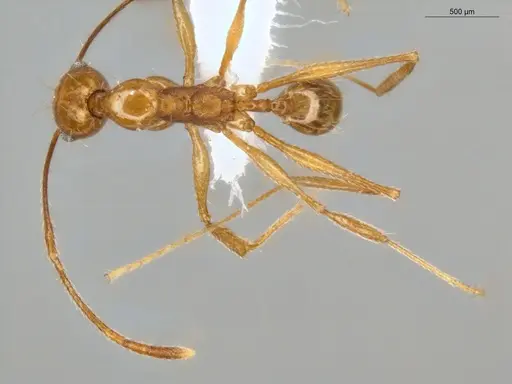
FOCOL0241-1
View on AntWeb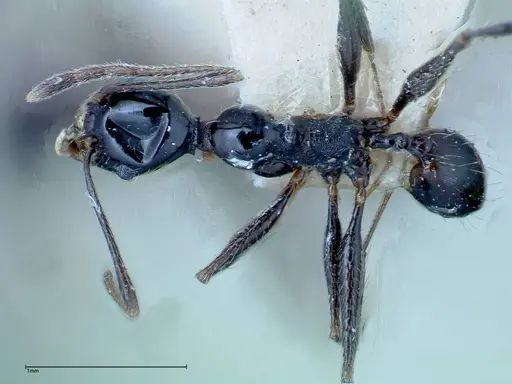
FOCOL0241-2
View on AntWeb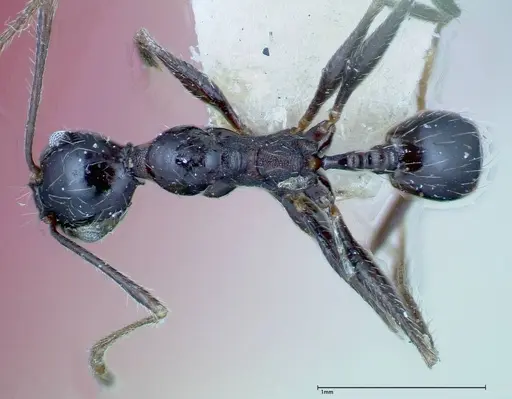
FOCOL0241-3
View on AntWeb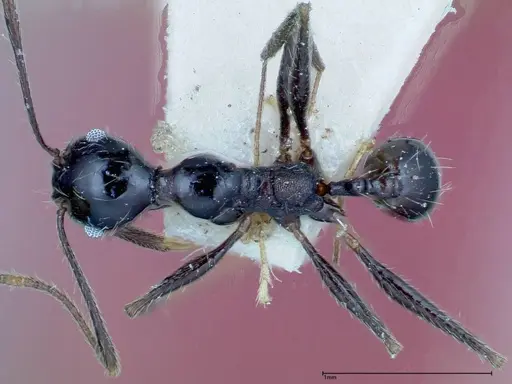
FOCOL0241-4
View on AntWeb
FOCOL0620
View on AntWeb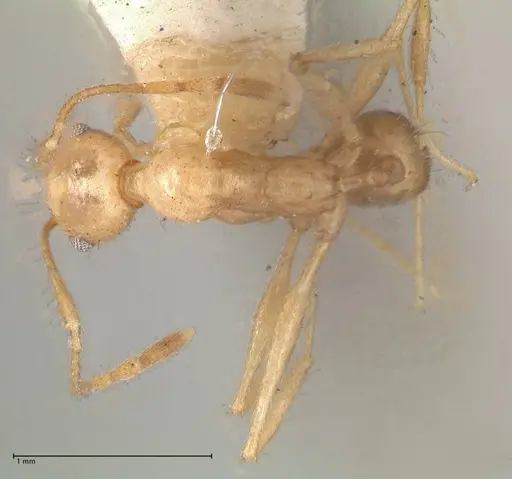
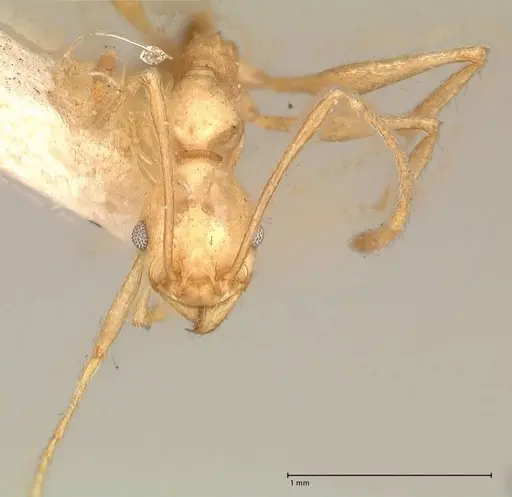
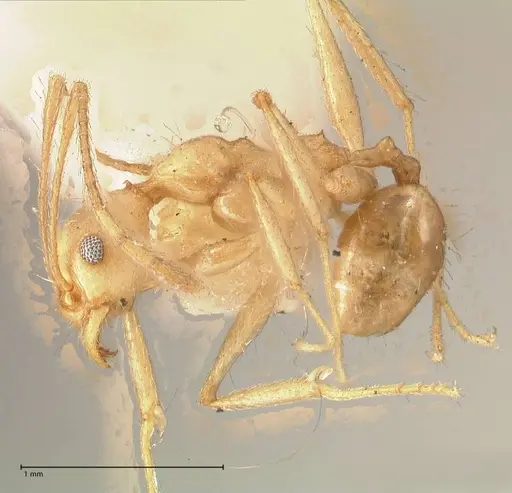
INBIOCRI001283041
View on AntWeb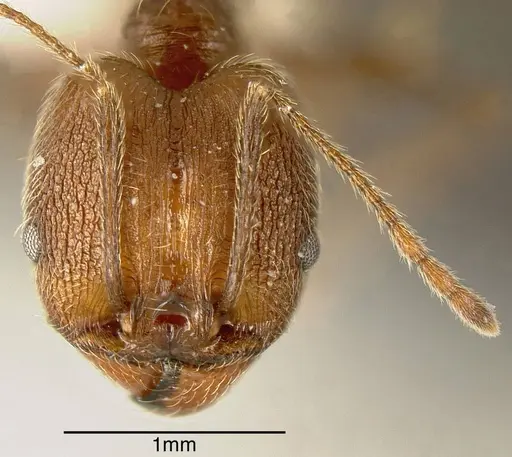
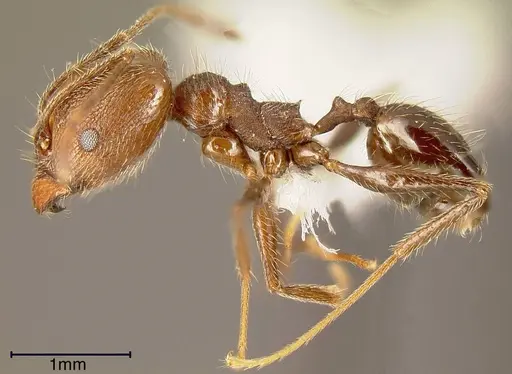
JTLC000015316
View on AntWeb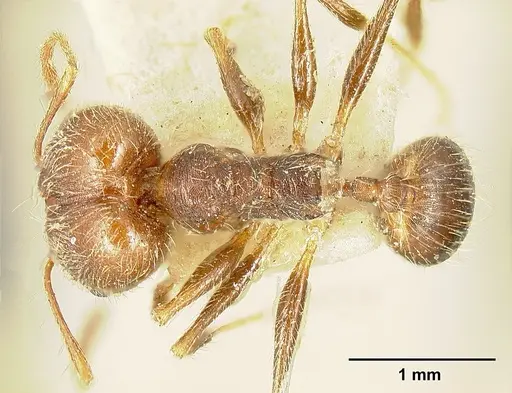
JTLC000015317
View on AntWeb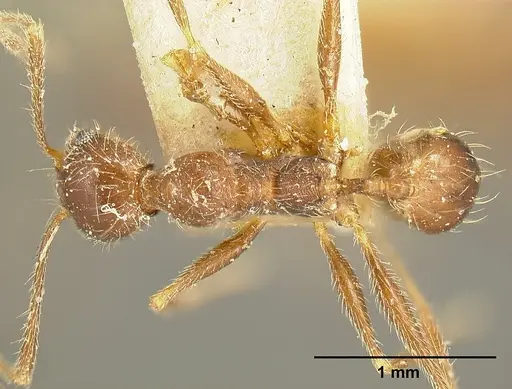
JTLC000015332
View on AntWeb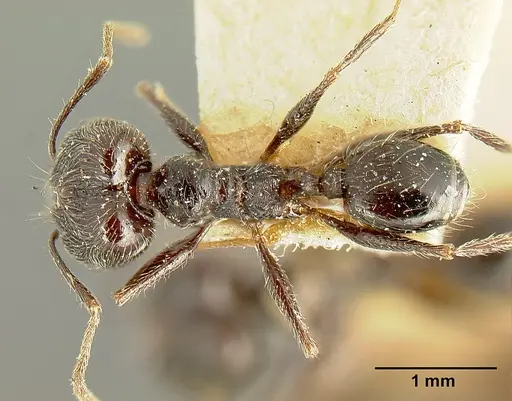
JTLC000015333
View on AntWeb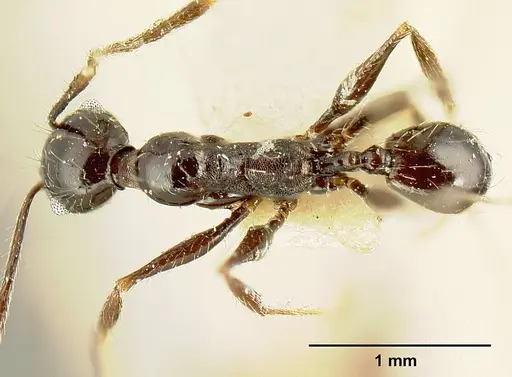
JTLC000015334
View on AntWeb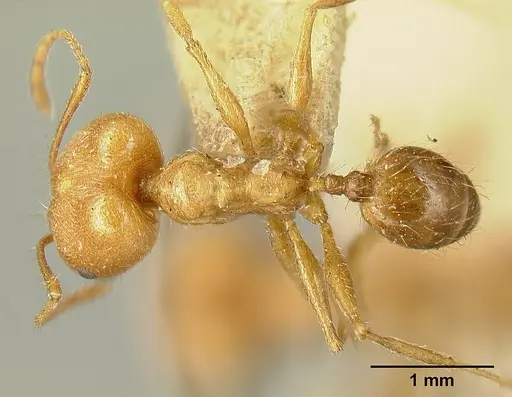
JTLC000015335
View on AntWeb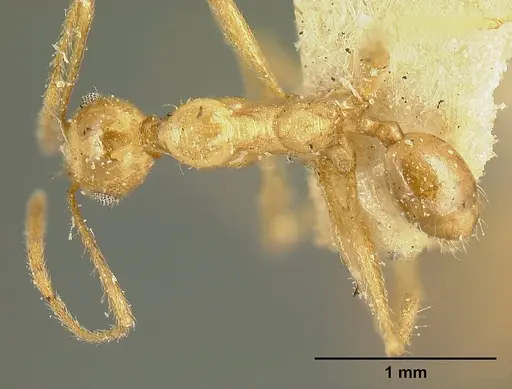
Literature
Loading distribution map...Loading products...