
Pheidole striaticeps
- Sci. Name
- Pheidole striaticeps
- Tribe
- Attini
- Subfamily
- Myrmicinae
- Author
- Mayr, 1870
- Distribution
- Found in 8 countries
Introduction
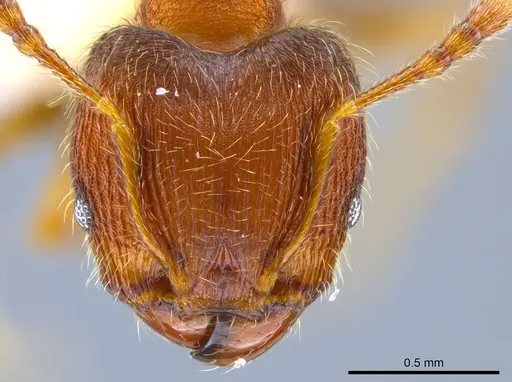
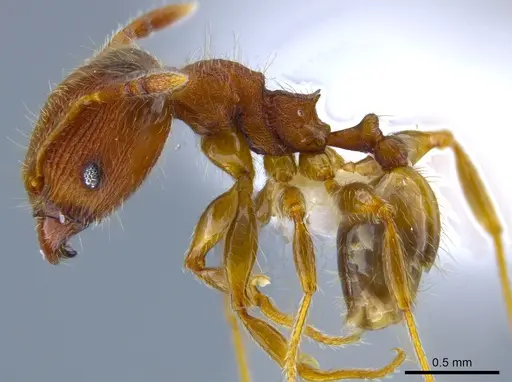
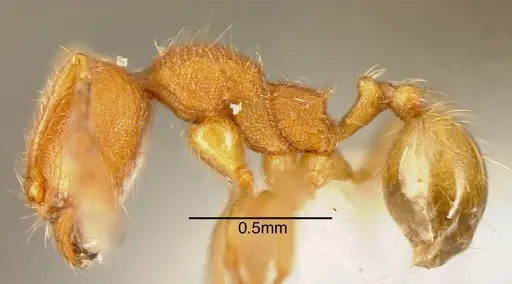
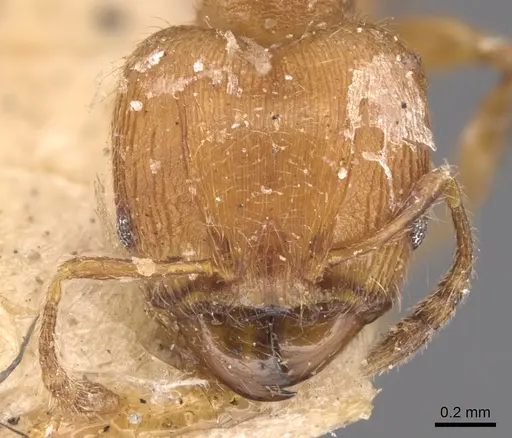
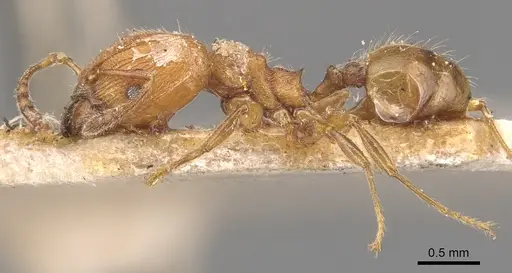
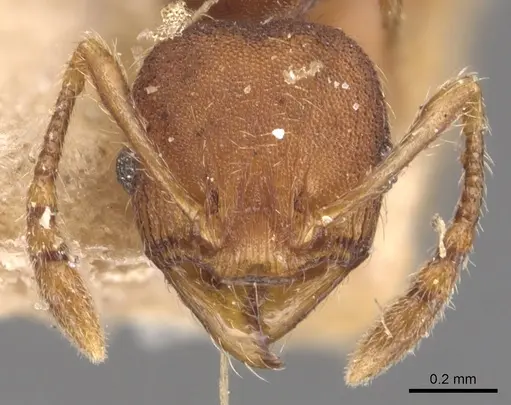
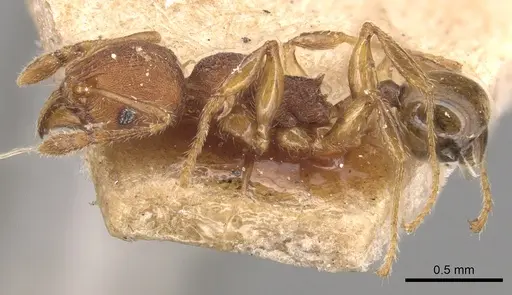
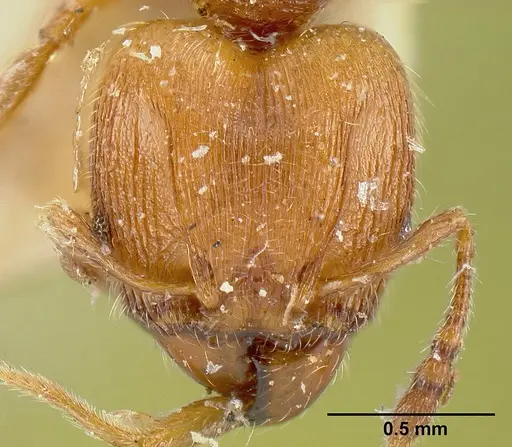
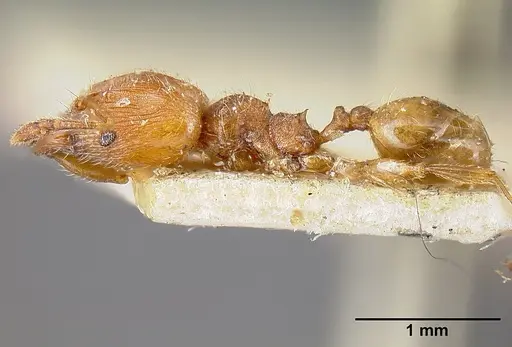
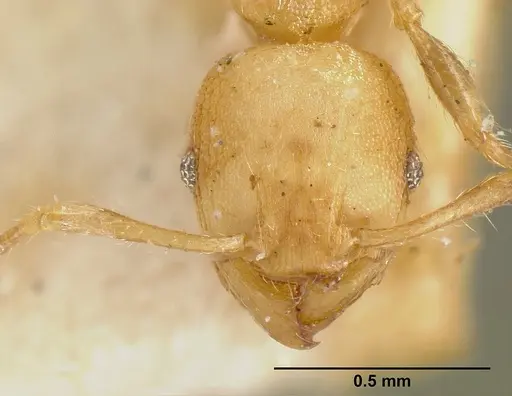
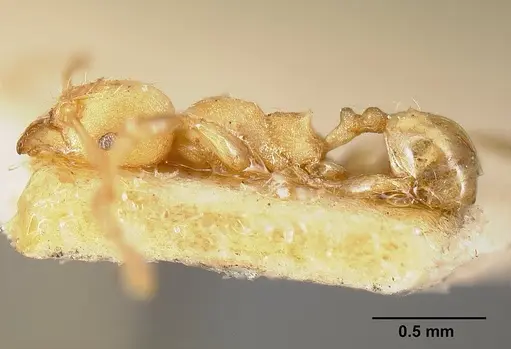
Pheidole striaticeps is a dimorphic ant species with two worker castes: minor workers and major workers (soldiers). Minor workers are about 2.4 mm long, and major workers are about 3.2 mm long . The species is found from Mexico through Central America to Amazonian Peru . In the wild, they nest under the bark of rotting logs and stumps in mature rainforest . A notable feature is their major workers' large heads, which are covered in longitudinal ridges, giving them a distinctive appearance.
Quick Summary
- Difficulty: Easy
- Origin & Habitat: Tropical Central America and Amazonian Peru. Found in mature rainforest at elevations from sea level to 500m, nesting under bark of rotting logs [4].
- Colony Type: Unconfirmed, no specific data on queen number or social structure.
- Size & Growth:
- Queen: Size data unavailable, no specific measurements for queens.
- Worker: Minor workers ~2.4 mm, major workers ~3.2 mm [1].
- Colony: Size data unavailable, no specific colony size records.
- Growth: Moderate, inferred from tropical Pheidole patterns.
- Development: Estimated 6-8 weeks at 24-28°C, inferred from Pheidole genus patterns [4]. (Development is faster in warmer conditions typical of their tropical range.)
- Antkeeping:
- Temperature: Keep at 24-28°C. Use a heating cable on one side of the nest to create a gradient [4].
- Humidity: Keep the nest substrate consistently moist but not waterlogged. Mist occasionally and provide a water tube [4].
- Diapause: No, this is a tropical species that does not require hibernation. Keep temperatures stable year-round [4].
- Nesting: Prefers humid nest environments. Use Y-tong (acrylic) or plaster nests that hold moisture. Avoid dry setups [4].
- Behavior: Minor workers forage and care for brood, while major workers defend the colony and process food. They are not aggressive toward humans and rarely sting. Major workers have a stinger, but due to their small size, the sting is not painful to humans. They are moderate escape artists, use standard barrier methods like fluon on the rim of the outworld [4].
- Common Issues: high humidity is critical, colonies can fail if kept too dry., tropical temperature requirements mean you need heating in cooler climates., founding stage may take months before first workers appear., small size means escape risk, use proper barriers.
Housing and Nest Setup
You can use Y-tong (acrylic) nests or plaster nests that hold moisture. The key requirement is high humidity, these ants naturally live under bark in rotting logs where conditions are constantly damp. Use a test tube setup for the founding queen, then move to a formicarium once the colony grows. The nest chamber should be kept dark or dimly lit. A water tube connected to the nest helps maintain humidity. Outworld space should allow for foraging [4].
Feeding and Diet
Offer a varied diet: protein sources like small crickets, mealworms or fruit flies 2-3 times per week, plus sugar water, honey, or diluted syrup as an energy source. Minor workers do the foraging while major workers help process larger food items. Remove uneaten prey after 24-48 hours to prevent mold [4].
Temperature and Heating
Keep the nest at 24-28°C. Below 24°C, colony activity slows and brood development pauses. Use a small heating cable or mat on one side of the nest to create a temperature gradient. Avoid temperatures above 32°C as this can stress the colony. Stable temperatures are important [4].
Colony Development
A newly mated queen will seal herself in a chamber and lay eggs. She relies on stored fat reserves during founding. The first brood develops into tiny workers that care for the next brood. Major workers appear later in colony development, typically once the colony has multiple workers. Colony growth is moderate [4].
Behavior and Defense
This species has two worker castes: minor workers handle foraging and brood care, while major workers specialize in defense. The colony is centered on a single queen. Workers communicate through chemical signals. Major workers will defend using their mandibles and stinger. The sting is not medically significant to humans [4].
Frequently Asked Questions
How long does it take for Pheidole striaticeps to produce first workers?
Expect 6-8 weeks from egg to first worker at optimal temperatures (24-28°C). The queen seals herself in during founding, so be patient [4].
What do I feed Pheidole striaticeps?
Offer protein like small crickets or mealworms 2-3 times weekly, plus a constant sugar source like honey water. Remove uneaten food promptly to prevent mold [4].
Can I keep multiple Pheidole striaticeps queens together?
This is not recommended. Like most Pheidole species, they are likely single-queen colonies, and combining queens may result in fighting [4].
What humidity level do they need?
High humidity is essential, keep the substrate consistently moist but not waterlogged. These ants naturally live in damp conditions [4].
Do they need hibernation?
No, this is a tropical species and does not require hibernation. Keep temperatures stable year-round [4].
When do major workers appear?
Major workers appear later in colony development, typically once the colony has multiple workers. Don't be concerned if you only see minor workers initially [4].
Are Pheidole striaticeps good for beginners?
Yes, this species is considered easy to keep. They are forgiving of minor care mistakes and not aggressive [4].
How big do colonies get?
Size data is unavailable for this species, but related Pheidole species can reach several hundred workers [4].
What type of nest is best?
Y-tong (acrylic) or plaster nests work well because they hold moisture. Avoid dry setups like wooden nests [4].
Report an Issue
The current care sheet is based fully on literature. See inconsistencies, or something that's incorrect? Please , it will be resolved after review from an admin. Contributing to the blogs tab also helps providing information, to make us be able to further improve the caresheets. Thank you for your support!
References

This caresheet is licensed under CC BY-SA 4.0 .
Community Blogs
CASENT0631822
View on AntWeb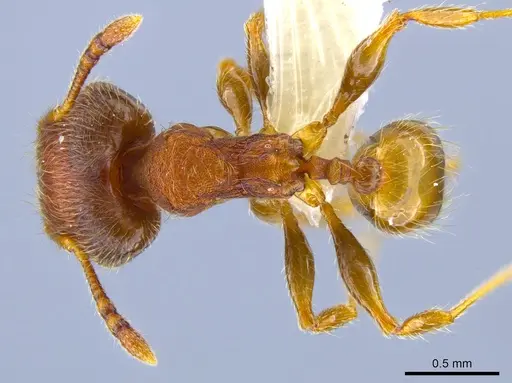
CASENT0635532
View on AntWeb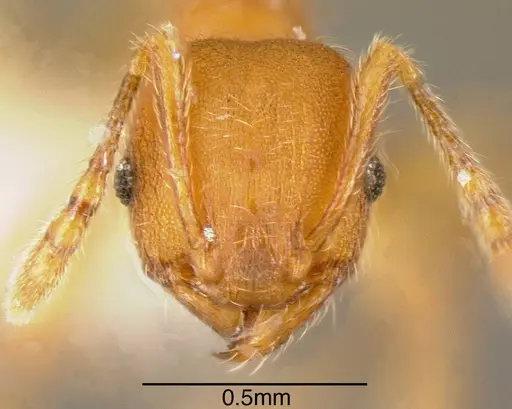
CASENT0904420
View on AntWeb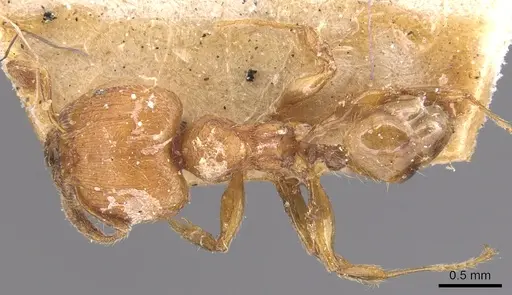
CASENT0904421
View on AntWeb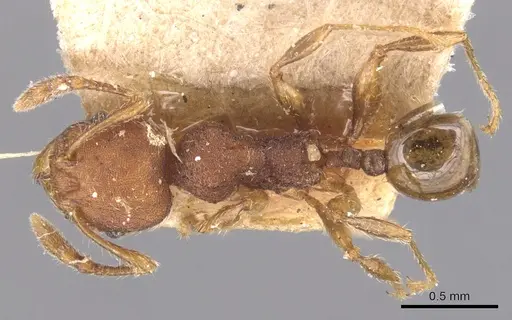
CASENT0916072
View on AntWeb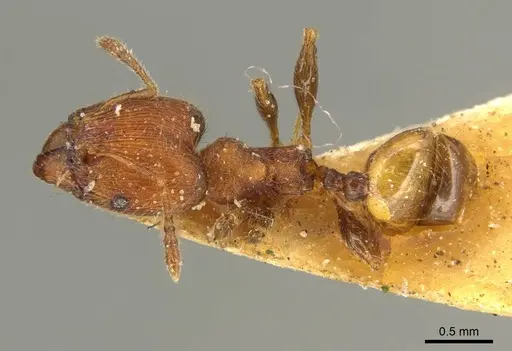
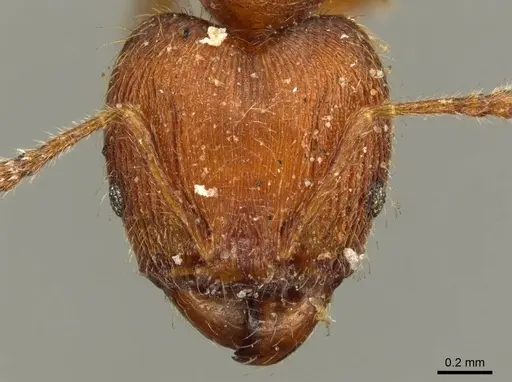
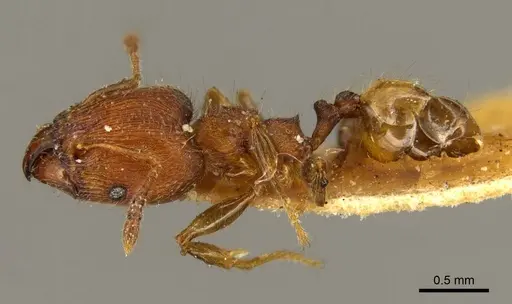
CASENT0919787
View on AntWeb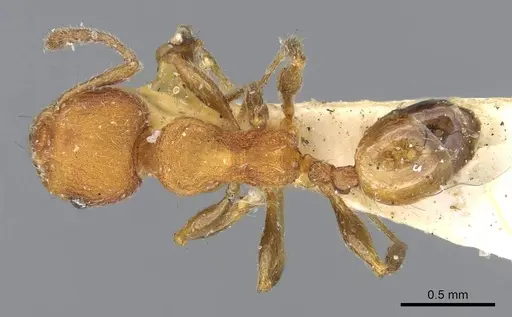
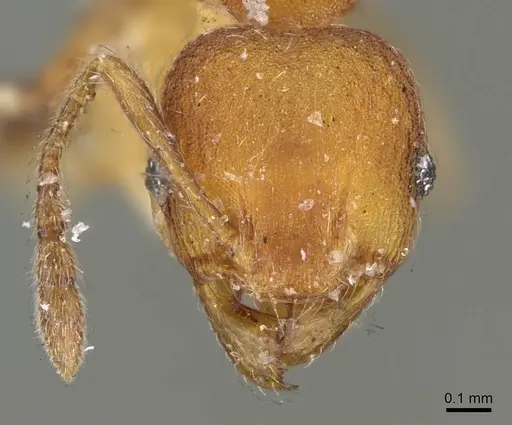
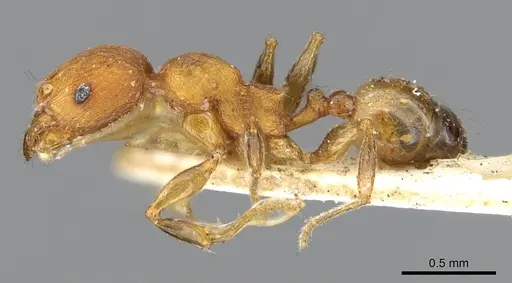
JTLC000002903
View on AntWeb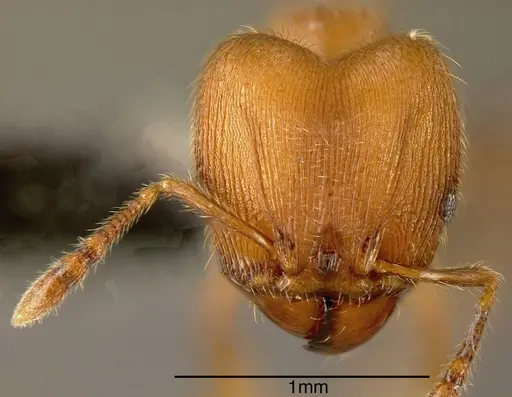
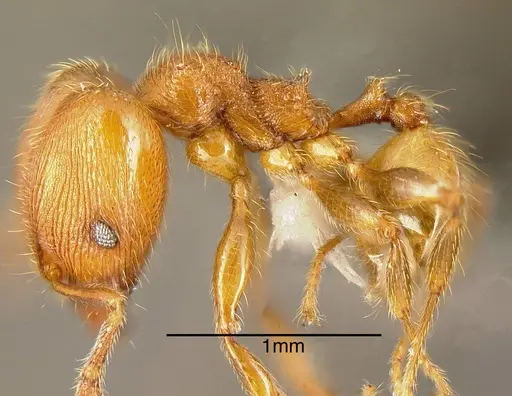
JTLC000014074
View on AntWeb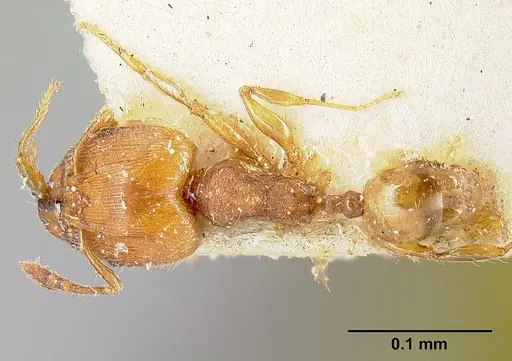
JTLC000014075
View on AntWeb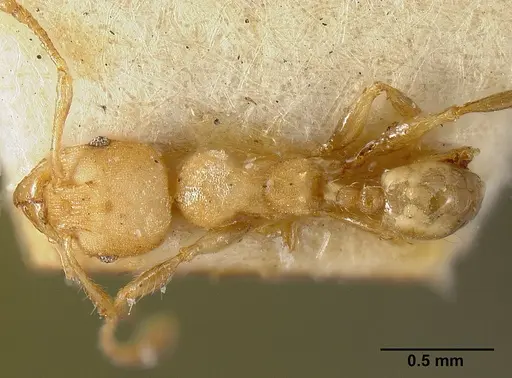
Literature
Loading distribution map...Loading products...