
Pheidole spininodis
- Sci. Name
- Pheidole spininodis
- Tribe
- Attini
- Subfamily
- Myrmicinae
- Author
- Mayr, 1887
- Distribution
- Found in 4 countries
Introduction
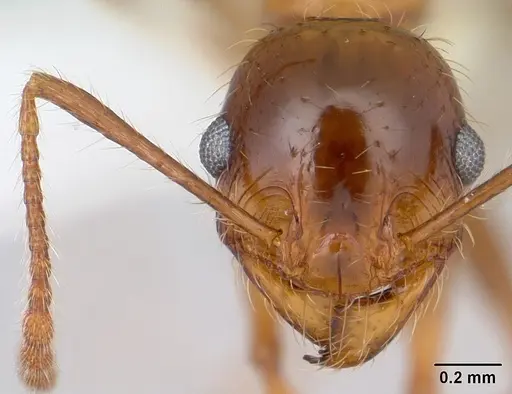
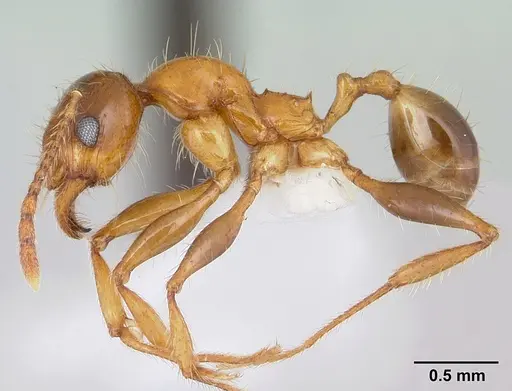
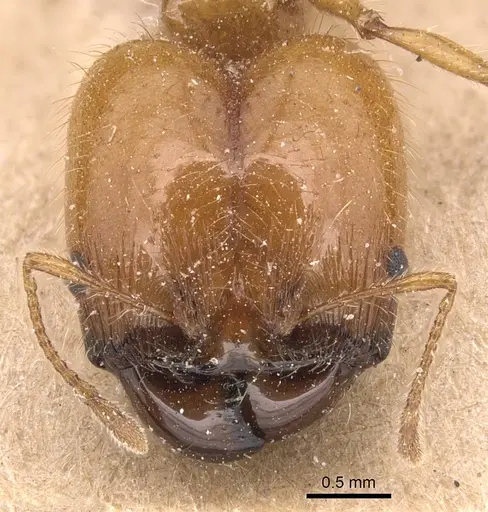
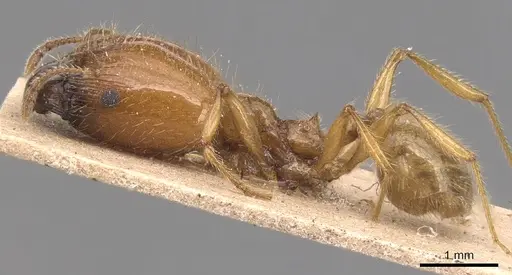
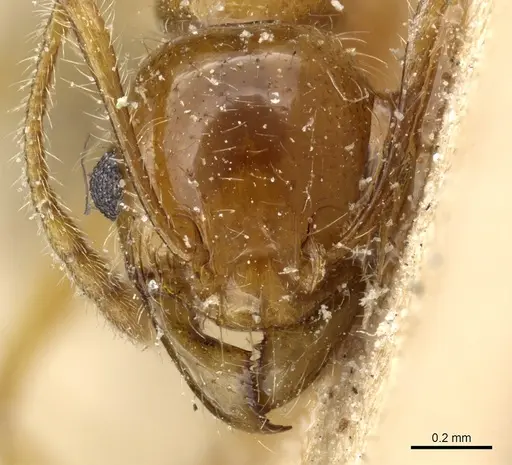
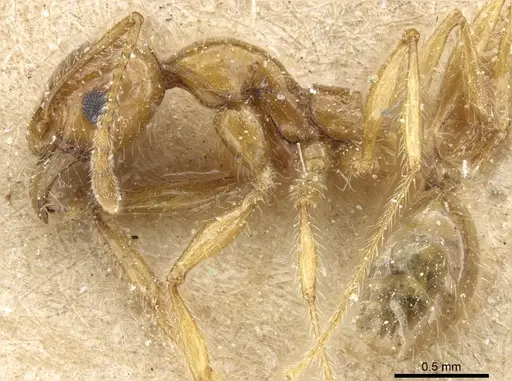
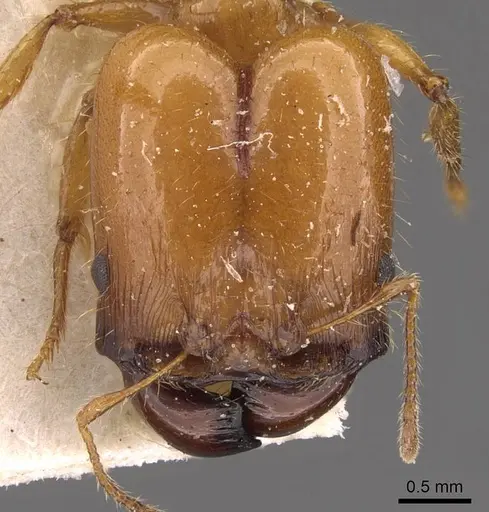
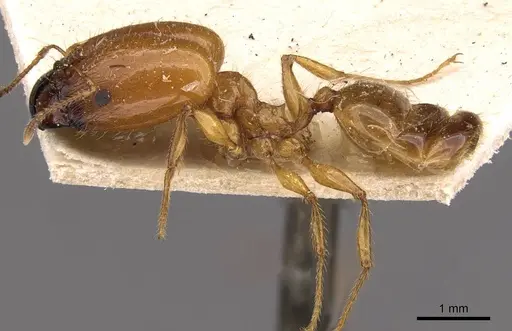
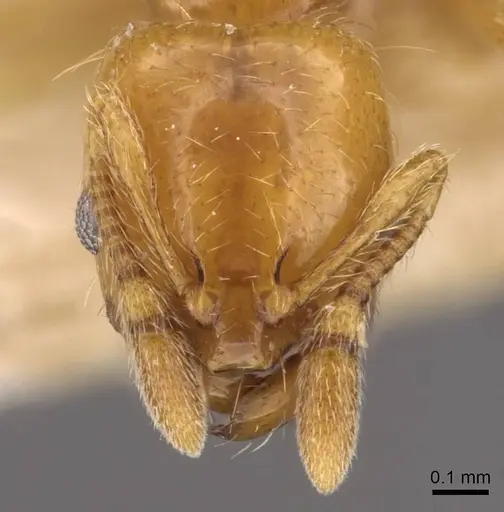
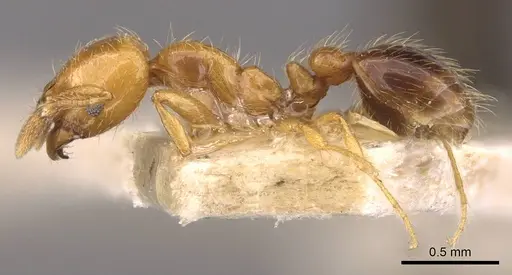
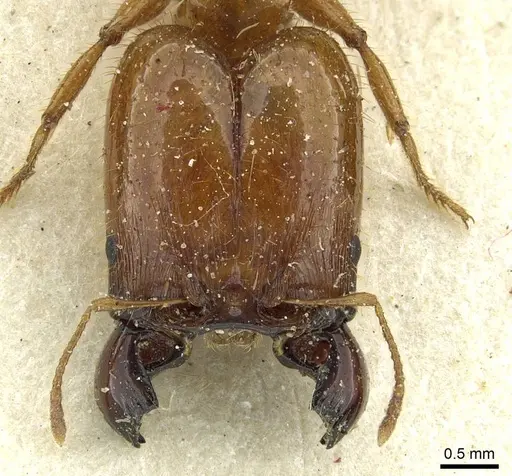
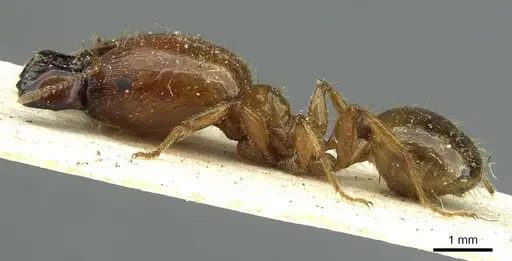
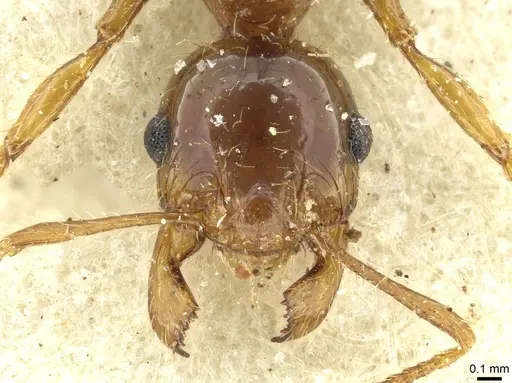
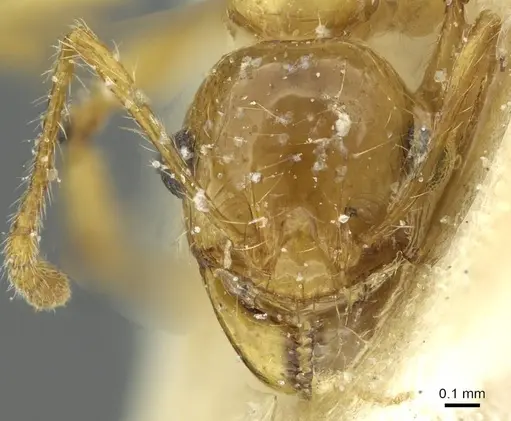
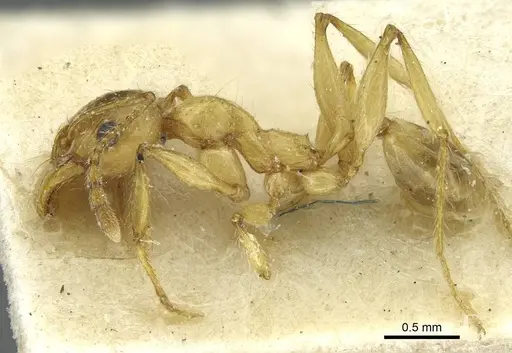
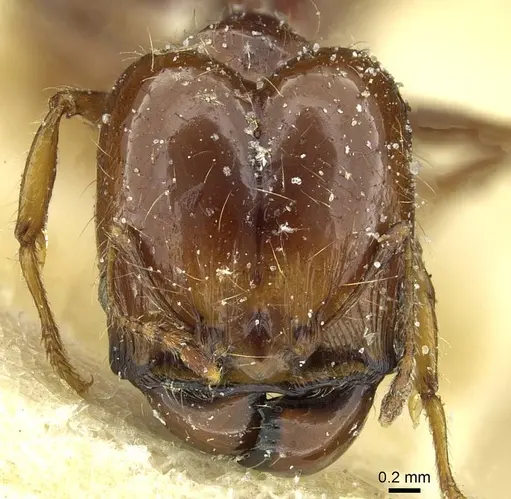
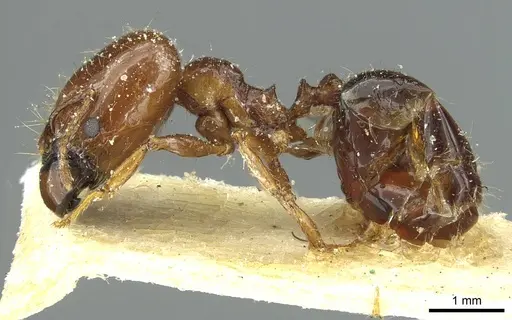
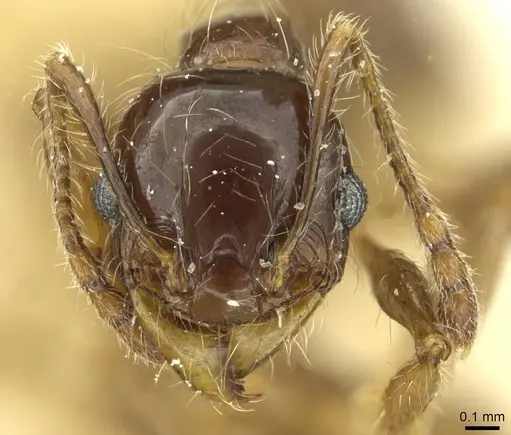
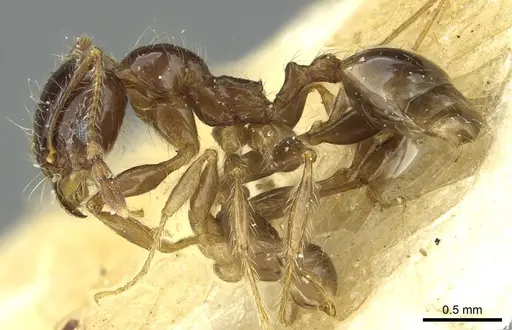
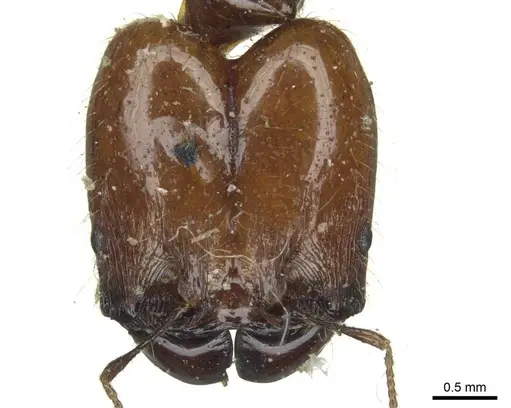
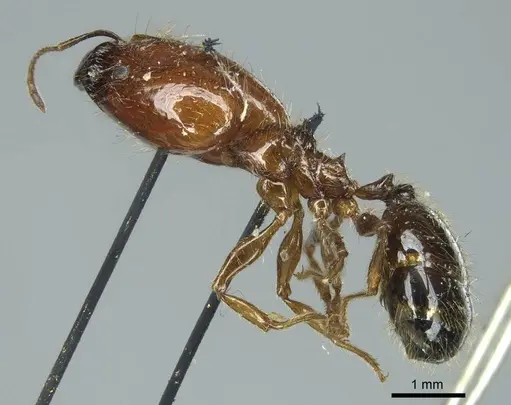
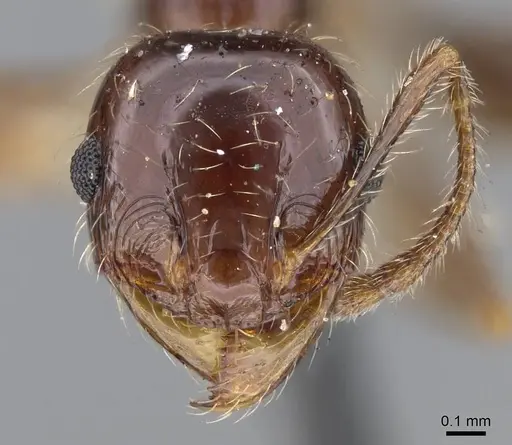
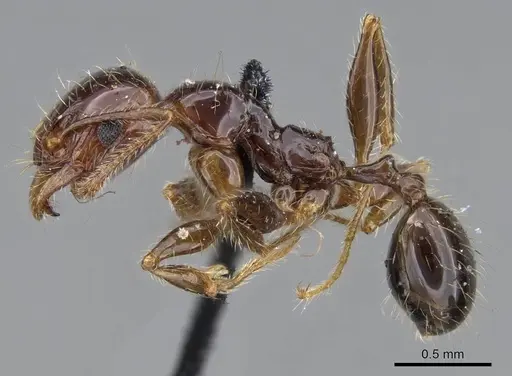
Pheidole spininodis is a South American ant in the tristis group. Minor workers are 3.0-3.5 mm long , with plain brown bodies. Major workers have reddish-yellow coloration and a spiny postpetiolar node . This species is widespread in northern and central Argentina, Brazil, and Paraguay . In the wild, they nest in dry scrub habitats, building nests in soil with circular entrances surrounded by earth banks, galleries descending to about 30 cm .
Quick Summary
- Difficulty: Easy
- Origin & Habitat: Native to the Neotropical region, Argentina, Brazil, and Paraguay. Found in dry scrub habitats, nesting in soil of varying grain and hardness, sometimes beneath dried cow dung [3].
- Colony Type: Colony structure is unconfirmed, but based on Pheidole patterns, likely monogyne with a single queen.
- Size & Growth:
- Queen: Estimated ~6-8 mm based on Pheidole genus patterns
- Worker: Minor workers: 3.0-3.5 mm [1], major workers: size data unavailable
- Colony: Size data unavailable
- Growth: Moderate
- Development: Estimated 6-8 weeks at warm temperatures, based on genus patterns [3] (Development time inferred from typical Pheidole genus behavior)
- Antkeeping:
- Temperature: Keep at 22-26°C, based on their temperate to subtropical range [3]
- Humidity: Keep substrate lightly moist but allow drying between waterings, as they nest in dry scrub areas [3]
- Diapause: No, based on subtropical range [3]
- Nesting: Soil-nesting species, provide deep substrate (at least 10-15 cm) for digging [3]
- Behavior: Generalist foragers with a varied diet, including seed dispersal through cooperative transport [1]. Not aggressive, but majors defend the colony. Minor workers are small (3 mm), so escape prevention is important [1][4][5].
- Common Issues: colonies may decline if kept too damp, they prefer drier soil conditions [3], escape risk for minor workers due to small size [1], founding phase may be slow due to lack of specific data [3]
Nest Preferences and Housing
Pheidole spininodis is a soil-nesting species that builds nests with galleries descending to about 30 cm in the wild [3]. In captivity, provide a naturalistic setup with compact soil or sandy mixtures, or use Y-tong/plaster nests. Ensure at least 10-15 cm of substrate depth to allow digging [3].
Feeding and Diet
This species is a generalist forager. Studies show preference for protein baits like sardine or honey-sugar-earthworm bait, and they accept sugar sources [4]. They are also seed dispersers, cooperating to transport seeds [1]. In captivity, offer varied diet including small insects and sugar water [4][1].
Temperature and Seasonal Care
Keep temperatures at 22-26°C for optimal activity, based on their temperate to subtropical range [3]. They do not require diapause, but may reduce activity in cooler months [3].
Behavior and Colony Dynamics
Pheidole spininodis is assigned to the Generalized Myrmicinae functional group, meaning generalist foragers [5]. They forage individually and in groups, and will defend the colony if threatened [4][1]. Colonies are adaptable to human-modified environments [4].
Growth and Development
Colony growth is moderate. Development from egg to worker is estimated at 6-8 weeks at warm temperatures, based on genus patterns [3]. Founding behavior is unconfirmed, so queens may take time to produce first workers [3].
Frequently Asked Questions
How long does it take for Pheidole spininodis to produce first workers?
Estimated 6-8 weeks from egg to first worker at optimal temperature (22-26°C), based on typical Pheidole genus development patterns [3].
What do Pheidole spininodis ants eat?
They accept both protein and sugar. Offer small insects as protein 2-3 times per week and keep sugar water available [4][1].
Can I keep Pheidole spininodis in a test tube?
Test tubes work for founding, but long-term they prefer digging in soil or Y-tong nests [3].
Do Pheidole spininodis ants need hibernation?
No, they are from subtropical regions and do not require diapause [3].
Are Pheidole spininodis good for beginners?
Yes, they are considered easy to keep due to adaptability and varied diet [3].
How big do Pheidole spininodis colonies get?
Size data unavailable from scientific literature [3].
What temperature is best for Pheidole spininodis?
Keep them at 22-26°C, based on their natural range [3].
When should I move my colony to a formicarium?
Move them once the colony is crowded in the test tube, typically after workers emerge [3].
Can I keep multiple queens together?
Colony structure is unconfirmed, but based on Pheidole patterns, likely monogyne [3].
Report an Issue
The current care sheet is based fully on literature. See inconsistencies, or something that's incorrect? Please , it will be resolved after review from an admin. Contributing to the blogs tab also helps providing information, to make us be able to further improve the caresheets. Thank you for your support!
References

This caresheet is licensed under CC BY-SA 4.0 .
Community Blogs
CASENT0178059
View on AntWeb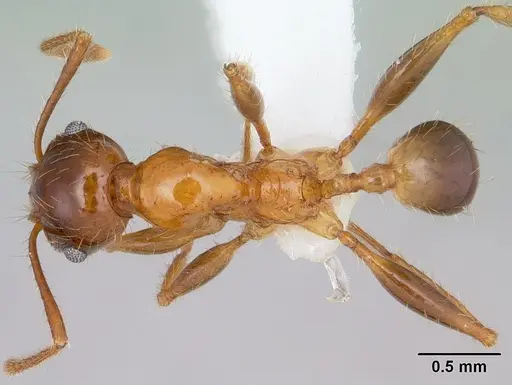
CASENT0904370
View on AntWeb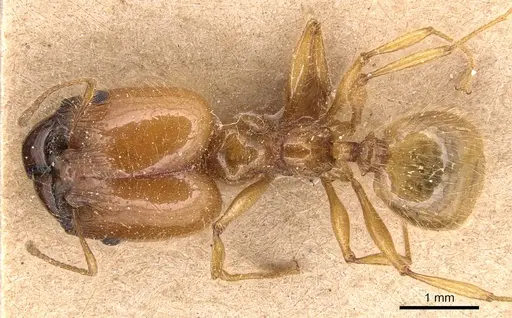
CASENT0904371
View on AntWeb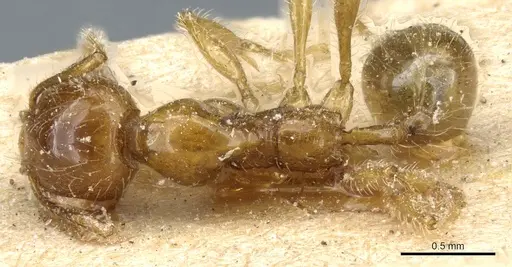
CASENT0908208
View on AntWeb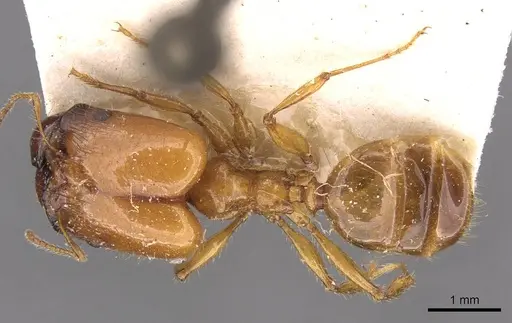
CASENT0908209
View on AntWeb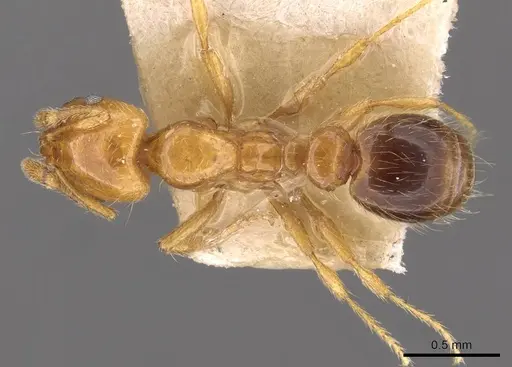
CASENT0913446
View on AntWeb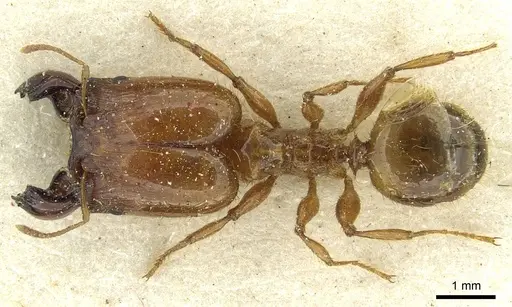
CASENT0913447
View on AntWeb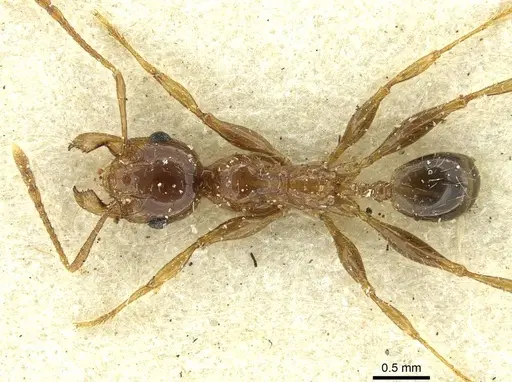
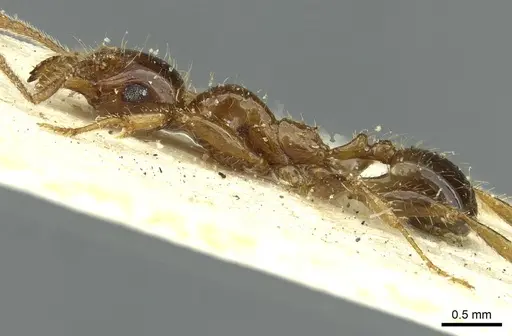
CASENT0913448
View on AntWeb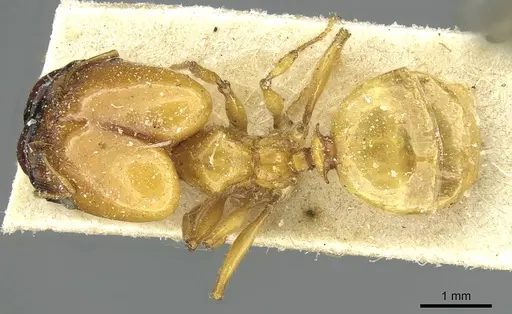
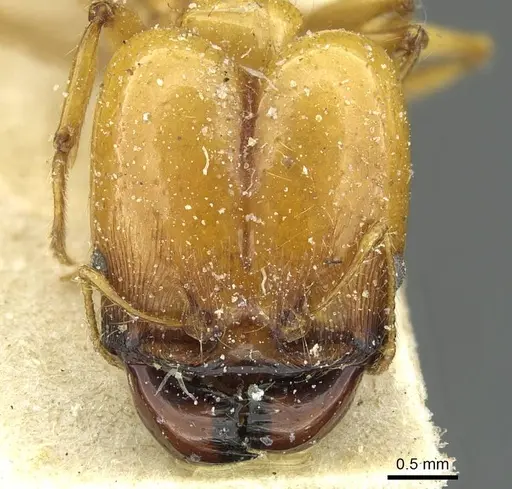
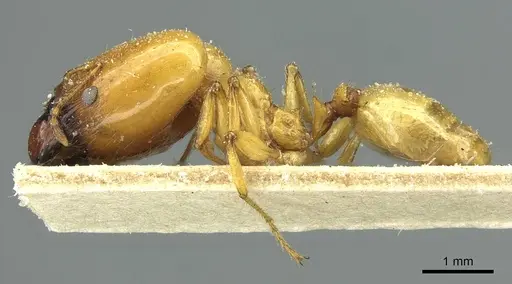
CASENT0913449
View on AntWeb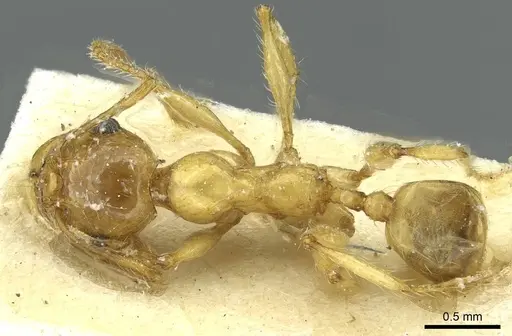
CASENT0913450
View on AntWeb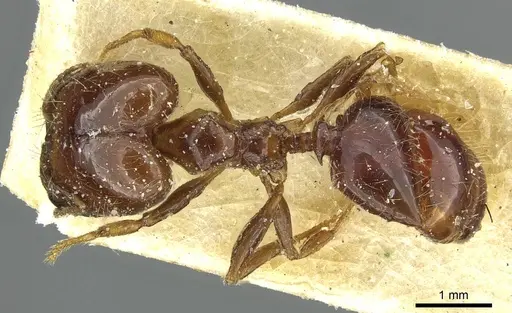
CASENT0913451
View on AntWeb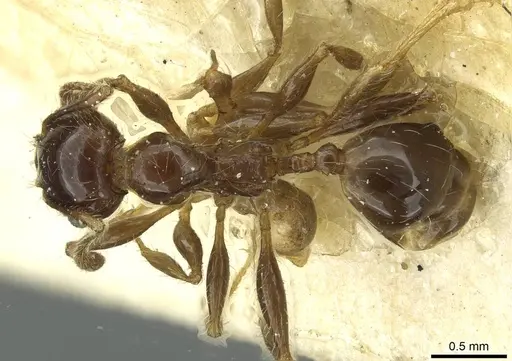
CASENT0916071
View on AntWeb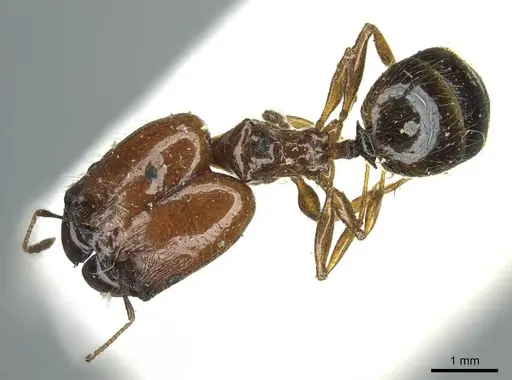
CASENT0919786
View on AntWeb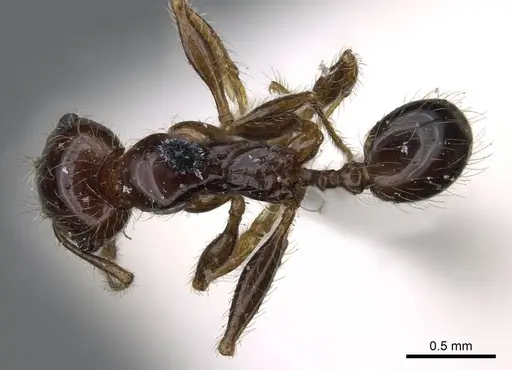
Literature
Loading distribution map...Loading products...