
Pheidole speculifera
- Sci. Name
- Pheidole speculifera
- Tribe
- Attini
- Subfamily
- Myrmicinae
- Author
- Emery, 1877
- Distribution
- Found in 7 countries
Introduction
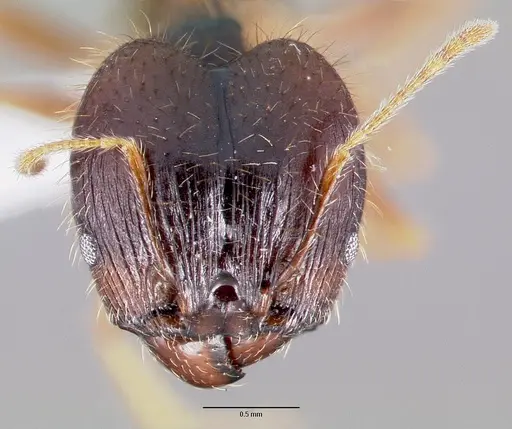
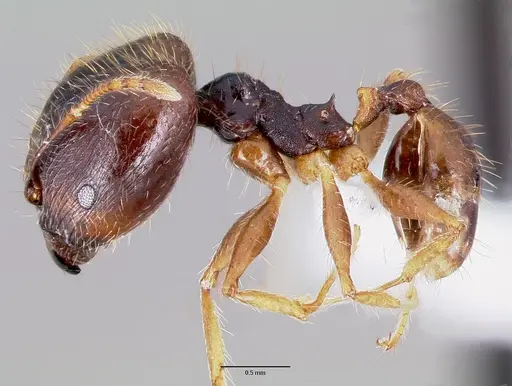
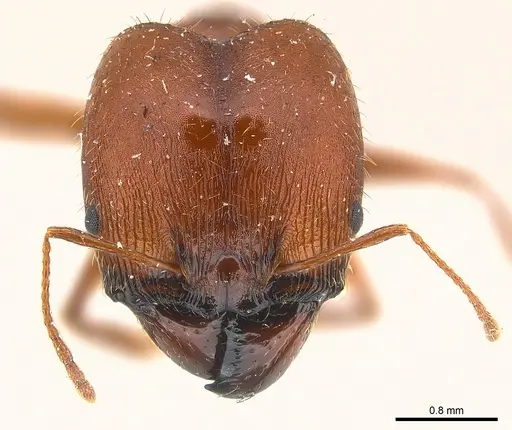
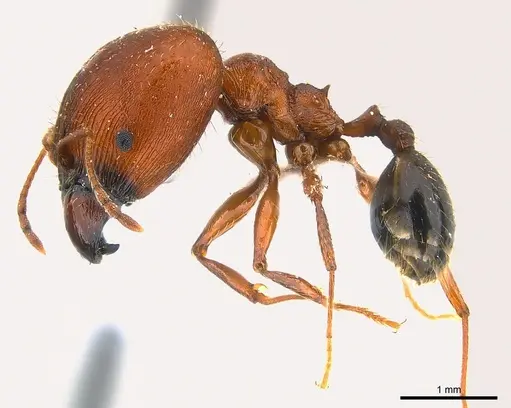
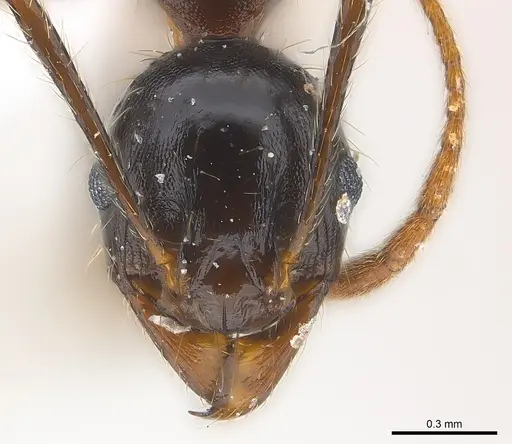
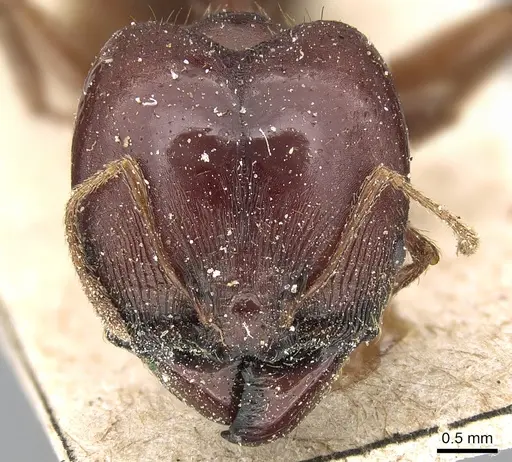
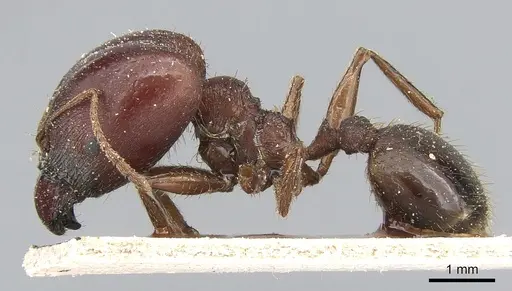
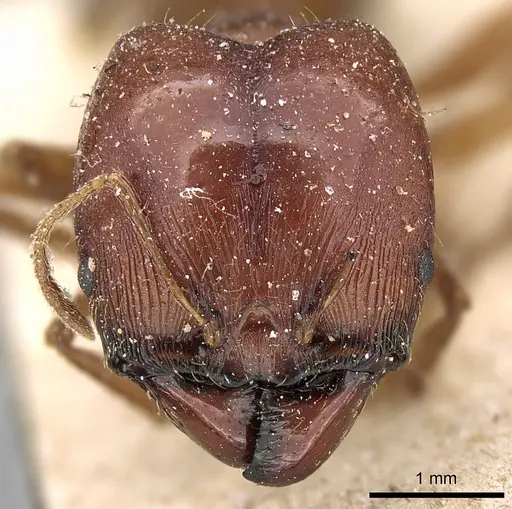
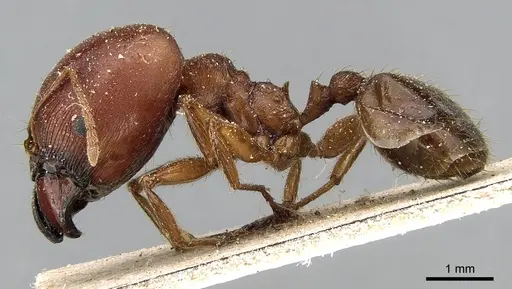
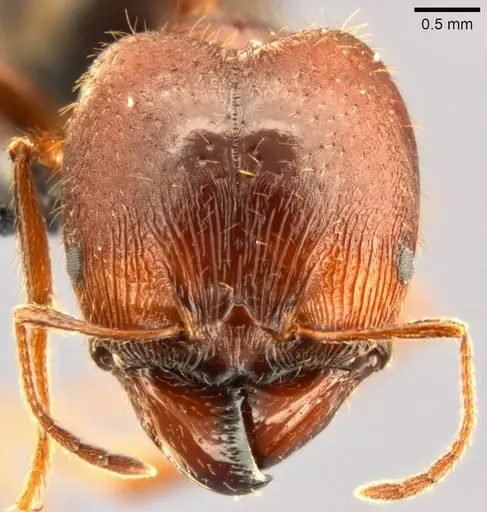
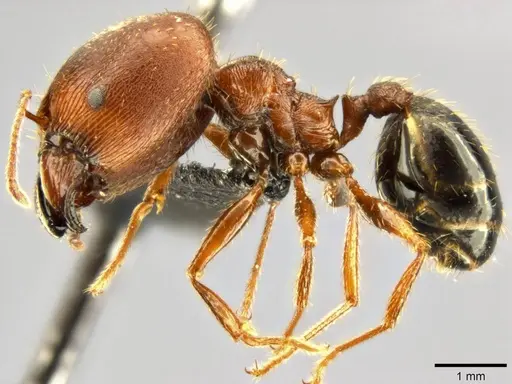
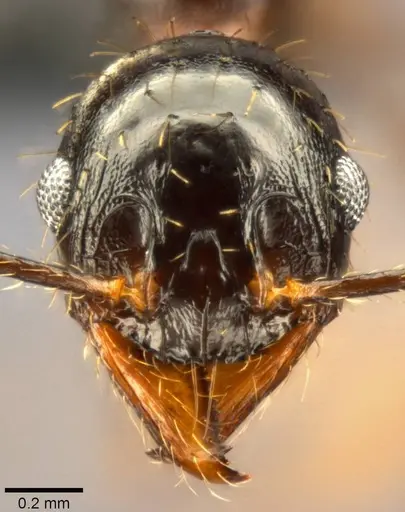
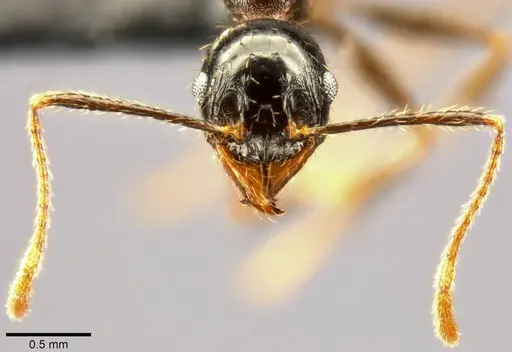
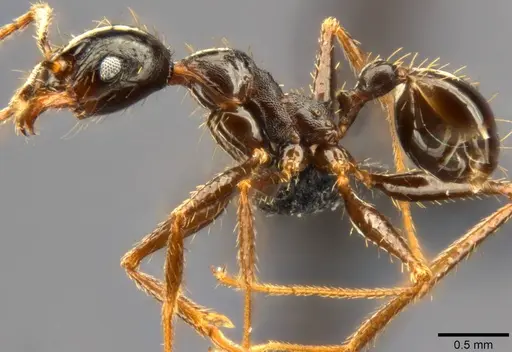
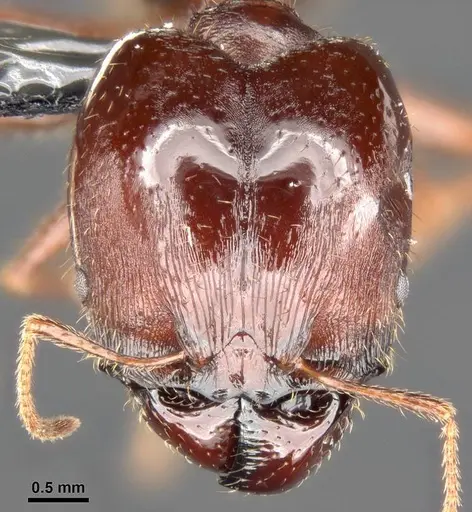
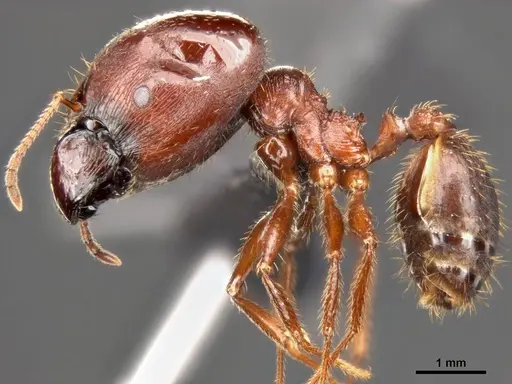
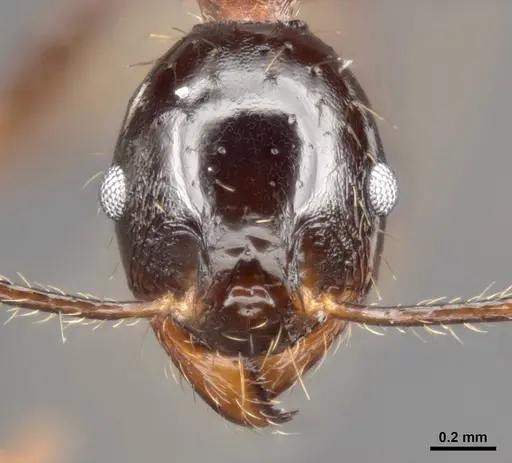
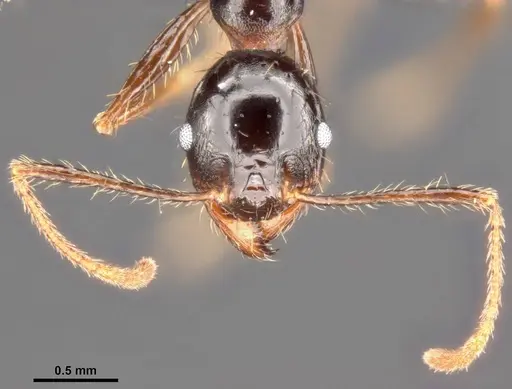
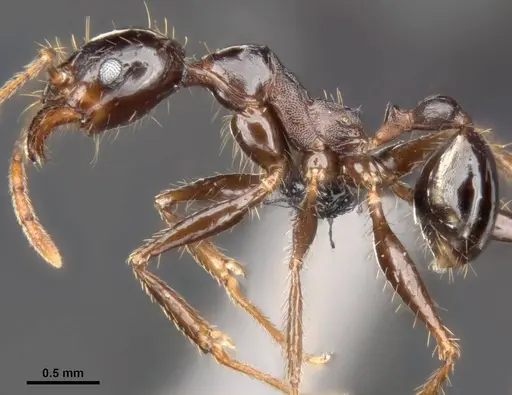
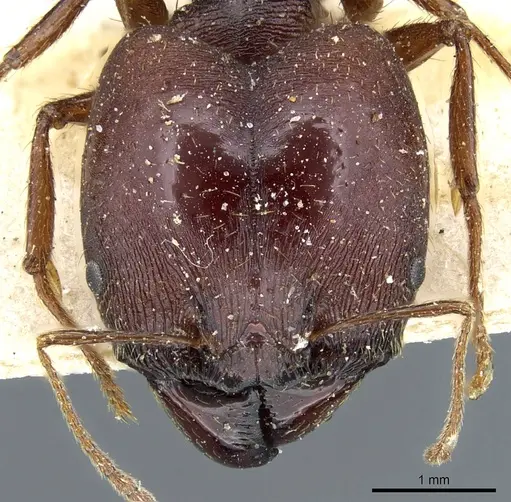
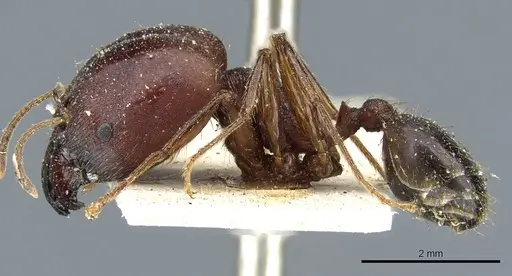
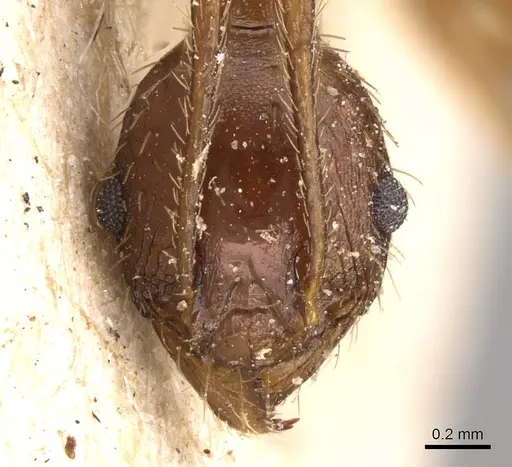
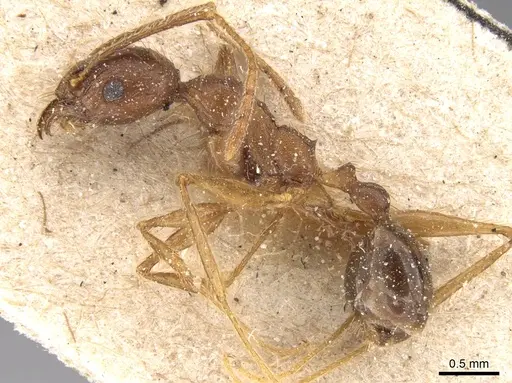
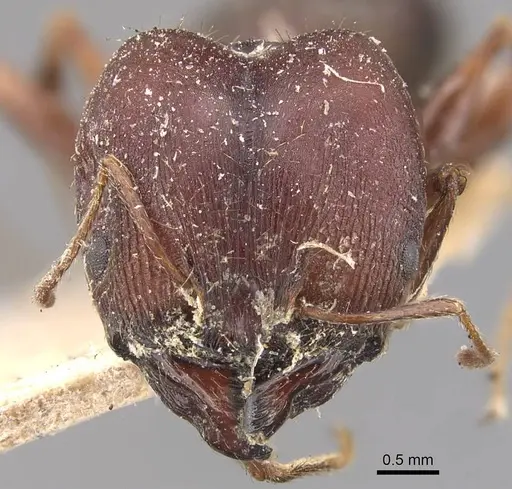
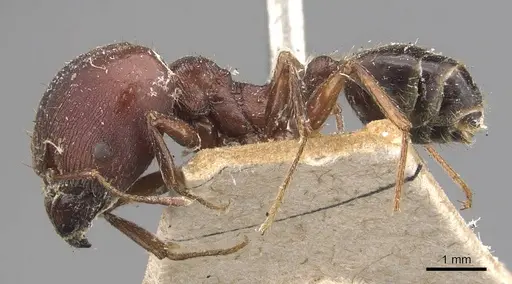
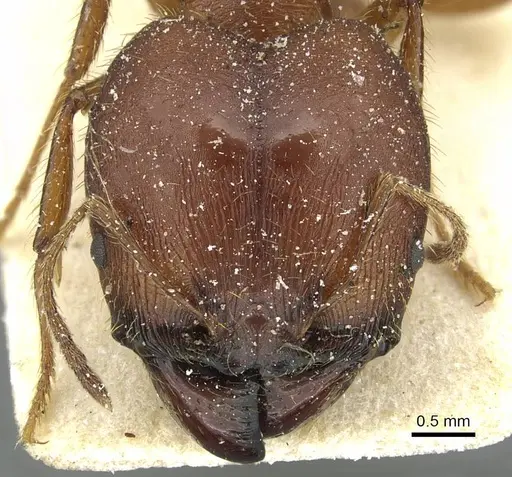
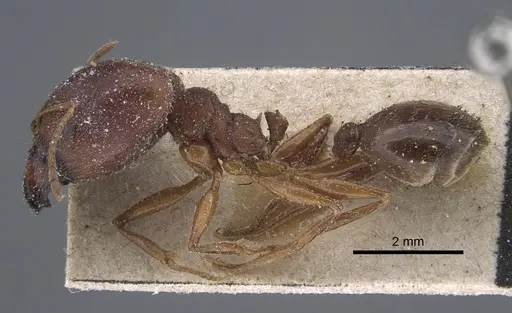
Pheidole speculifera is a ground-dwelling ant species native to the Afrotropical region. You can find them across central and east Africa, including Cameroon, the Democratic Republic of Congo, Eritrea, Ethiopia, Guinea, Kenya, Mali, and Nigeria. Workers are dimorphic, with small minor workers handling daily tasks and larger major workers (soldiers) featuring enlarged heads for defense and seed processing. They thrive in diverse environments, from lowland rainforests and savanna edges to highland leaf litter and even urban households. They are efficient foragers that adapt well to different land use types, including cocoa farms and residential areas.
Quick Summary
- Difficulty: Medium
- Origin & Habitat: Afrotropical region, including Cameroon, DRC, Eritrea, Ethiopia, Guinea, Kenya, Mali, and Nigeria. They inhabit leaf litter, lowland rainforests, savannas, and urban environments. Records span elevations from 110m in Gabon up to 1800m in Kenya. [6][1][2][3]
- Colony Type: Colony structure is unconfirmed.
- Size & Growth:
- Queen: size data unavailable
- Worker: size data unavailable
- Colony: Unknown
- Growth: Unknown
- Development: Unknown (Development speed depends on stable warmth and consistent feeding.)
- Antkeeping:
- Temperature: Keep warm and stable, roughly low-to-mid 20s°C. Tropical Pheidole species thrive in consistent heat without cold periods. [1][6]
- Humidity: Provide a humidity gradient, keep the nest substrate moderately moist but allow dry areas. They nest in leaf litter and rainforest floors, so they prefer balanced moisture without waterlogging. [3][4]
- Diapause: No, as a tropical species, they do not require winter diapause. Keep temperatures stable year-round. [1]
- Nesting: Ground-dwelling species. Y-tong (AAC) nests, plaster nests, or soil chambers work well. They prefer enclosed chambers with moderate moisture. [3]
- Behavior: Generalist foragers with clear dimorphism. Minor workers handle most foraging and brood care, while major workers stay near the nest to defend and process food. They are not overly aggressive but will bite if threatened. Escape risk is high due to their small size, use fine mesh and tight-fitting lids.
- Common Issues: escape prevention is critical due to their small size, use fine mesh and tight-fitting lids, overheating can be fatal, avoid temperatures above 32°C, dry conditions cause colony decline, monitor substrate moisture regularly, wild-caught colonies may carry parasites, quarantine and observe new colonies
Nest Preferences and Housing
Pheidole speculifera is a ground-dwelling species that nests in soil and leaf litter. In captivity, they do well in Y-tong (AAC) nests, plaster nests, or naturalistic setups with a soil chamber. They prefer nests with moderate humidity and multiple chambers for brood clustering. The colony will expand their nest by moving brood to different chambers as they grow. A water reservoir connected to the nest helps maintain humidity. Avoid very dry conditions, these ants are found in habitats with regular moisture. For the outworld, a simple foraging area with a sugar water station and protein source works well. They are not strong climbers on smooth surfaces, but escape prevention is still important due to their small size. [3][4][5]
Feeding and Diet
Pheidole speculifera is a generalist forager with a varied diet. They collect seeds, tend aphids for honeydew, and hunt small insects. In captivity, offer a mix of protein and carbohydrates. Good protein sources include small crickets, mealworms, fruit flies, and other small insects. For carbohydrates, provide sugar water, honey, or commercial ant nectar. They also readily accept seeds, their major workers have specialized heads for cracking seed husks. Feed protein 2-3 times per week and keep sugar water available at all times. Remove uneaten food after 24 hours to prevent mold. The minor workers do most of the foraging while major workers stay near the nest entrance to process food and defend the colony. [7]
Temperature and Seasonal Care
As a tropical species from the Afrotropical region, Pheidole speculifera needs warm temperatures between 24-28°C. They are found in diverse elevations from 110m to 1800m, showing some adaptability, but they do best in warm, stable conditions. Use a heating cable or mat on one side of the nest to create a temperature gradient, allowing workers to regulate their own temperature by moving between warm and cooler areas. Do not let temperatures exceed 32°C as this can be fatal. Unlike temperate species, they do not require diapause or hibernation. Keep temperatures consistent year-round. If your room is below 24°C, consider adding gentle heating. Watch for workers clustering near heat sources, this indicates they need more warmth. [1][6][2]
Behavior and Colony Structure
Pheidole speculifera has dimorphic workers, minor workers are small and handle most tasks including foraging, brood care, and nest maintenance, while major workers (soldiers) have enlarged heads for defense and seed processing. Colonies are monogyne, starting with a single queen that founding claustrally, she seals herself in a chamber and raises the first brood alone without foraging. Once the first workers emerge (nanitics), the colony grows steadily. Major workers appear as the colony expands. The colony will have a clear division of labor, with majors defending the nest and processing tough foods while minors handle most other tasks. They are not overly aggressive but will bite if threatened. The queen is long-lived and can live for many years, producing workers continuously. [7]
Distribution and Ecology
Pheidole speculifera is native to the Afrotropical region, with records across Cameroon, the Democratic Republic of Congo, Eritrea, Ethiopia, Guinea, Kenya, Mali, and Nigeria. They inhabit diverse environments, including lowland rainforests, savanna edges, and highland leaf litter. Studies have recorded them at elevations ranging from 110m in Gabon to 1800m in Kenya. They are also known to adapt to agricultural areas like cocoa farms and can even infest urban households, particularly in bathrooms. They are ground-dwelling ants that thrive in leaf litter and soil substrates. [6][1][2][3][4][5]
Frequently Asked Questions
How long does it take for Pheidole speculifera to produce first workers?
Development timeline is unknown. Expect first workers to emerge within a few months at optimal warm temperatures (24-28°C). [7]
Can I keep multiple Pheidole speculifera queens together?
Colony structure is unconfirmed. Do not combine unrelated queens unless you have verified their social structure. Single-queen founding is typical for most Pheidole species. [7]
What do Pheidole speculifera eat?
They are generalists that accept protein (small insects like crickets, mealworms, fruit flies), carbohydrates (sugar water, honey), and seeds. Offer protein 2-3 times per week and keep sugar water available constantly. [7]
Are Pheidole speculifera good for beginners?
They are considered medium difficulty. They are adaptable and tolerate some variation in conditions, but their small size requires strict escape prevention. Their main requirements are warm temperatures and consistent moisture. [7]
How big do Pheidole speculifera colonies get?
Maximum colony size is unknown. Established Pheidole colonies can grow quite large, but exact numbers for this species are not documented. [7]
Do Pheidole speculifera need hibernation?
No. As a tropical species from the Afrotropical region, they do not require hibernation. Keep temperatures stable year-round between 24-28°C. [1]
When should I move Pheidole speculifera to a formicarium?
Keep them in a founding setup (test tube or small container) until the colony reaches 50-100 workers. At this point, they can be moved to a larger nest like a Y-tong or plaster formicarium. [7]
Why are my Pheidole speculifera dying?
Common causes include: temperatures too cold (below 20°C), dry conditions, mold from overwatering, or escape through small gaps. Check temperature, humidity, and escape prevention first. [7]
Report an Issue
The current care sheet is based fully on literature. See inconsistencies, or something that's incorrect? Please , it will be resolved after review from an admin. Contributing to the blogs tab also helps providing information, to make us be able to further improve the caresheets. Thank you for your support!
References

This caresheet is licensed under CC BY-SA 4.0 .
Community Blogs
CASENT0003238
View on AntWeb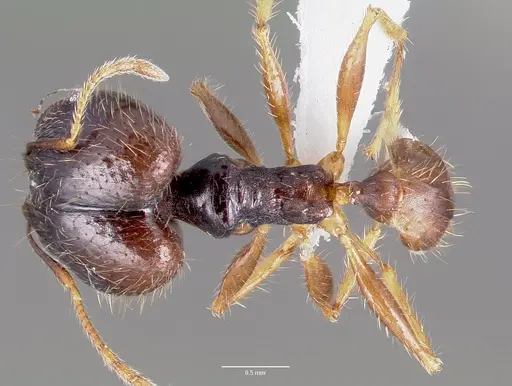
CASENT0217104
View on AntWeb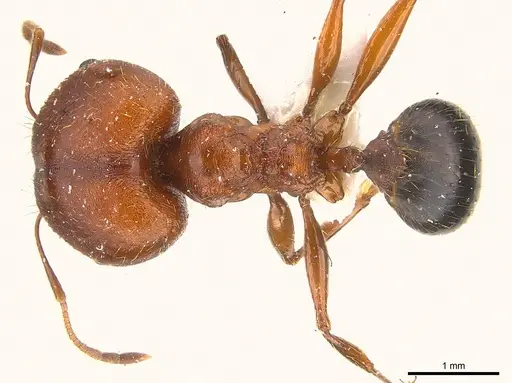
CASENT0217105
View on AntWeb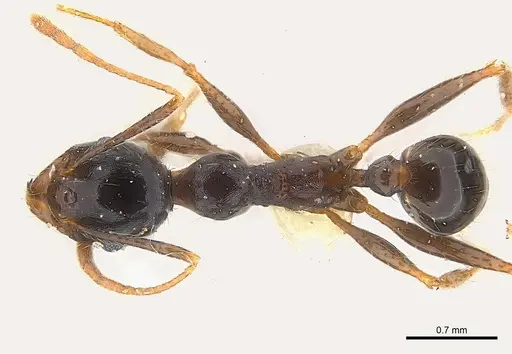
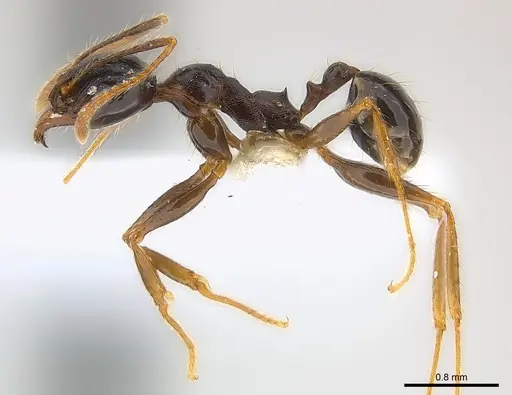
CASENT0281185
View on AntWeb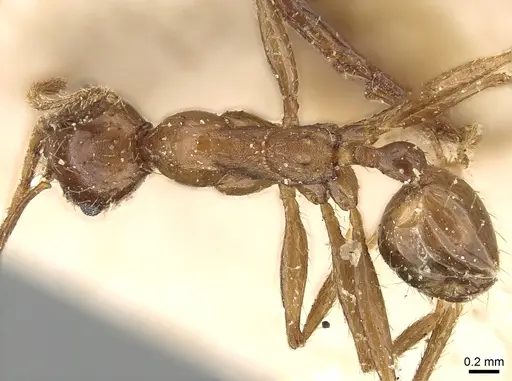
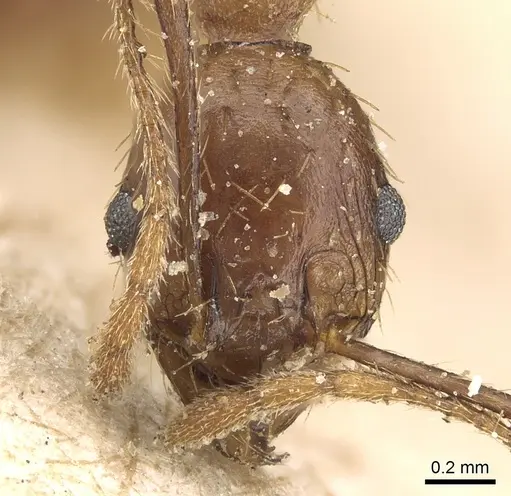
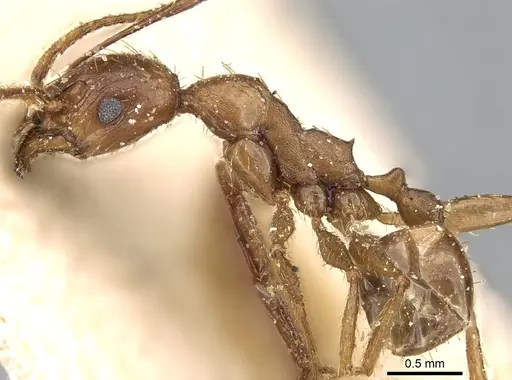
CASENT0281186
View on AntWeb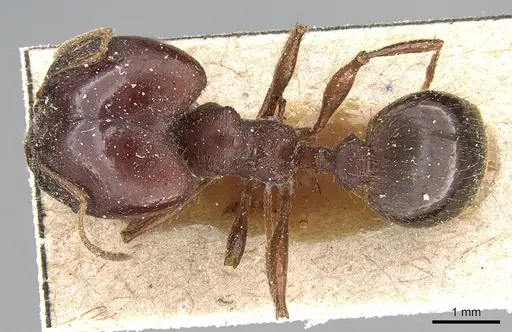
CASENT0281187
View on AntWeb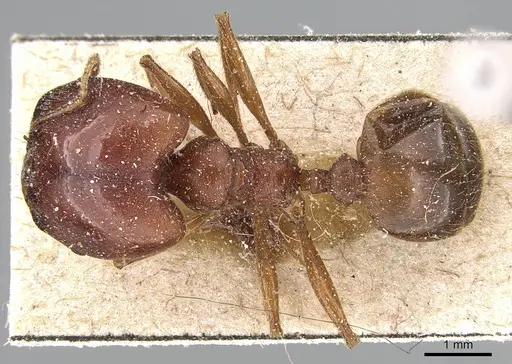
CASENT0282711
View on AntWeb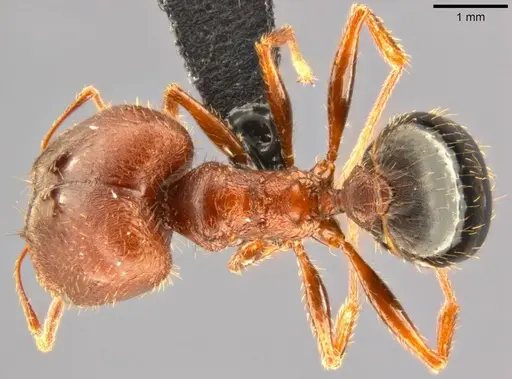
CASENT0283553
View on AntWeb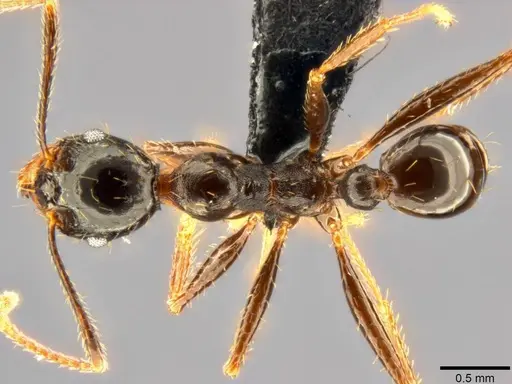
CASENT0284015
View on AntWeb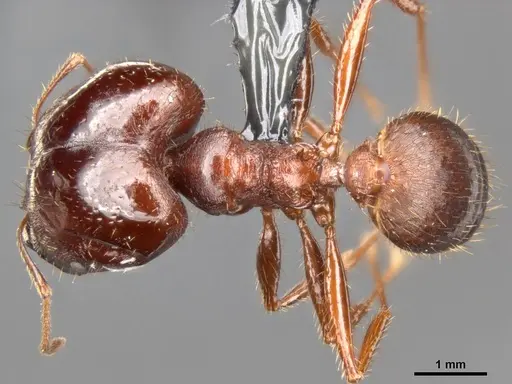
CASENT0284016
View on AntWeb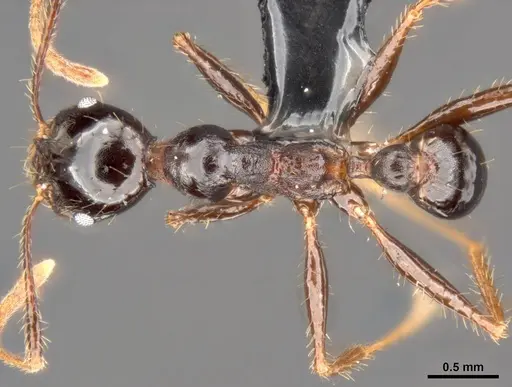
CASENT0415400
View on AntWeb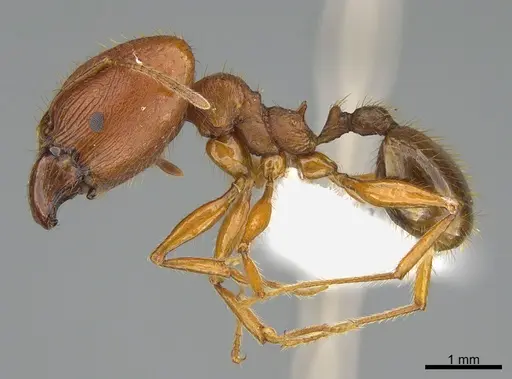
CASENT0904204
View on AntWeb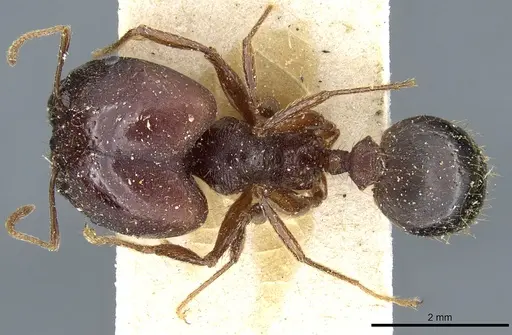
CASENT0906523
View on AntWeb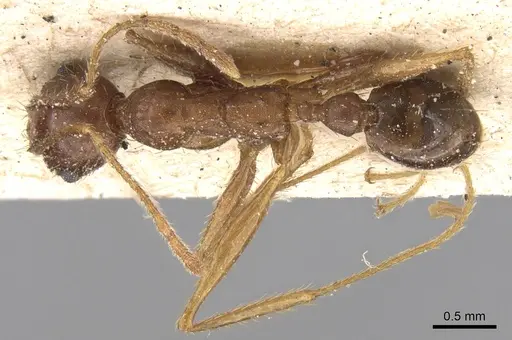
CASENT0907820
View on AntWeb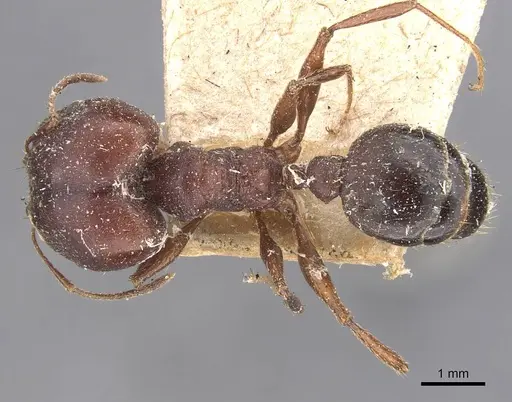
CASENT0913445
View on AntWeb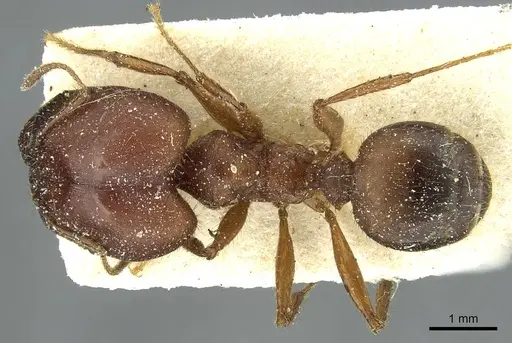
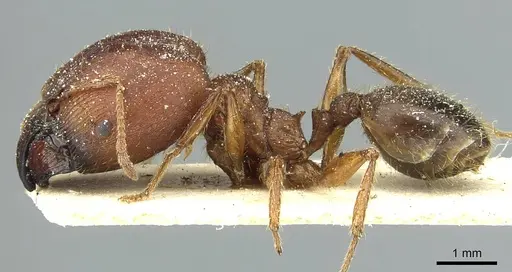
CASENT0917269
View on AntWeb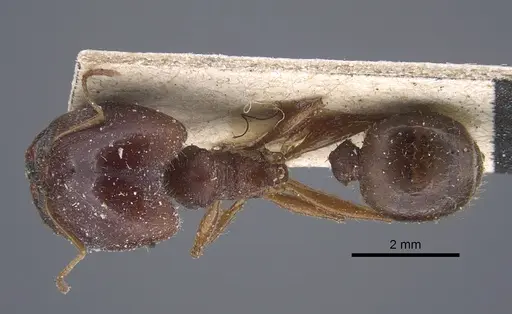
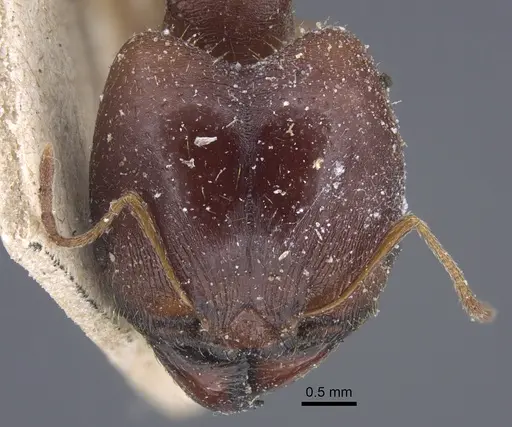
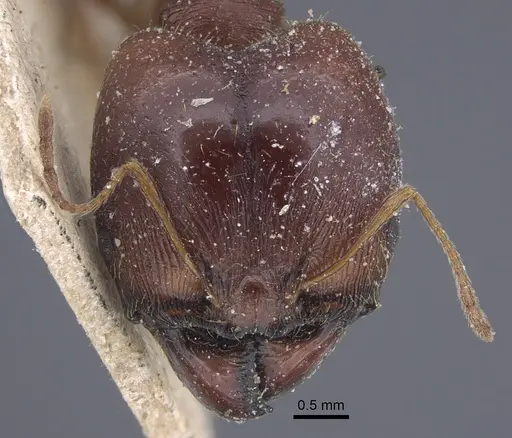
Literature
Loading distribution map...Loading products...