
Pheidole sospes
- Sci. Name
- Pheidole sospes
- Tribe
- Attini
- Subfamily
- Myrmicinae
- Author
- Forel, 1908
- Distribution
- Found in 4 countries
Introduction
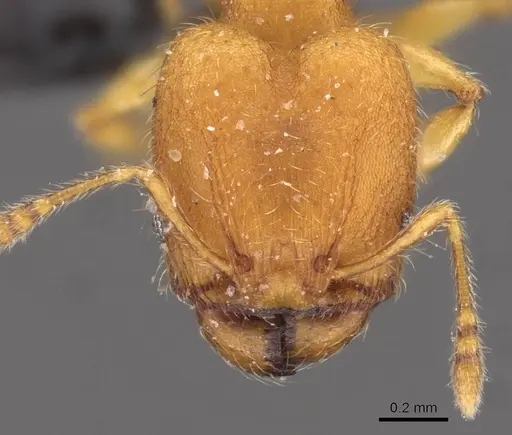
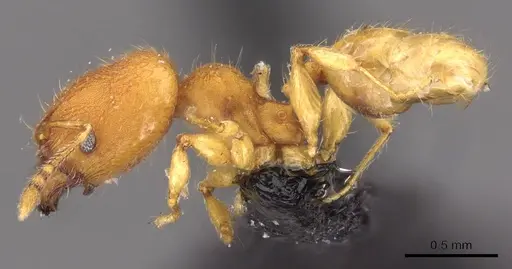
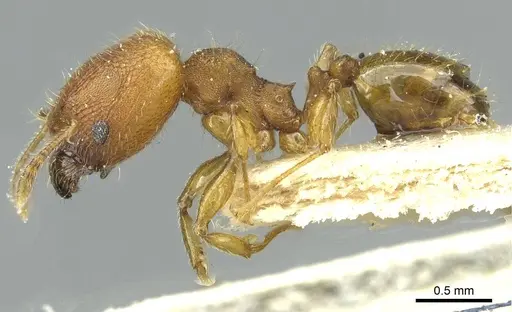
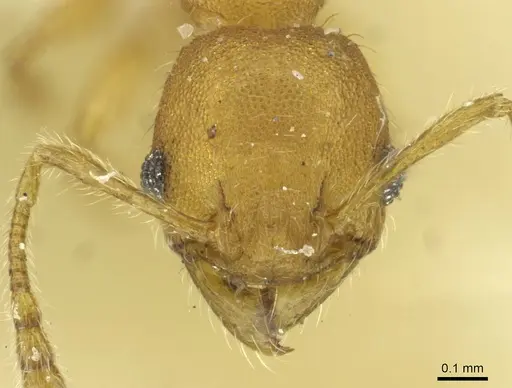
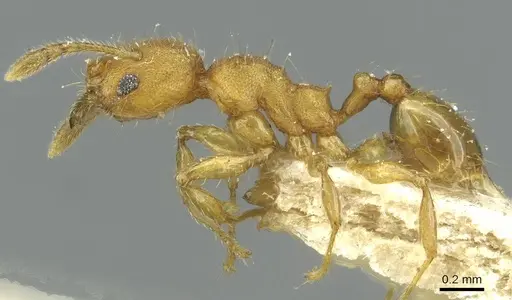
Pheidole sospes is a yellow ant native to South America. Majors have a reddish-yellow body with clear yellow appendages, while minors are entirely clear yellow. Size data unavailable for full body length. Found in São Paulo, Brazil; Misiones, Argentina; and Cuzco Amazónico, Peru . They nest in small rotten twigs on the forest floor, often within leaf litter . This species is considered rare and a floodplain specialist in some areas .
Quick Summary
- Difficulty: Easy
- Origin & Habitat: Native to South America, found in São Paulo, Brazil, Misiones, Argentina, and Cuzco Amazónico, Peru. They live in terra firme forest, nesting in small rotten twigs within leaf litter on the forest floor [1][2][3].
- Colony Type: Colony structure unconfirmed from literature, no specific data on queen number or social structure.
- Size & Growth:
- Queen: Size data unavailable, no total length measurements in research context.
- Worker: Size data unavailable, no total length measurements in research context.
- Growth: Moderate
- Development: Estimated 6-8 weeks based on typical Pheidole development at tropical temperatures (Development time is estimated, direct measurements for this species are not available)
- Antkeeping:
- Temperature: Keep warm year-round, roughly 22-26°C, as this is a tropical species. A heating cable can create a gradient [3].
- Humidity: Keep nest substrate consistently moist but not waterlogged, based on their natural twig-nesting habitat [3][4].
- Diapause: No, as a tropical species, they do not require hibernation. Keep stable warm temperatures.
- Nesting: They naturally nest in small rotten twigs. In captivity, use small test tubes, Y-tong nests, or plaster nests with tight chambers scaled to their size. Avoid acrylic nests.
- Behavior: These ants are peaceful and non-aggressive. They can sting but it is less medically significant than fire ants. They are active foragers on the soil surface. Due to their small size, they are escape risks, use fine mesh barriers and tight lids.
- Common Issues: escape prevention is critical due to tiny size, gaps larger than 1mm can allow escapes, colonies can fail if kept too dry, maintain moist substrate conditions, slow founding phase, new colonies may take time to establish, wild-caught colonies may have parasites that can harm the colony, overfeeding can lead to mold in small enclosed nests
Nest Preferences and Housing
Pheidole sospes naturally nests in small rotten twigs on the forest floor, within leaf litter. They colonize twigs with diameters ranging from 6-34 mm [4][5]. In captivity, use small test tubes with cotton stoppers, Y-tong nests, or plaster nests with narrow passages to mimic their natural twig cavities. Keep the nesting area humid but ensure ventilation to prevent mold. A water test tube connected to the nest provides humidity [3].
Feeding and Diet
These ants are omnivorous ground-foragers. In captivity, offer protein sources like small pieces of mealworms or fruit flies twice weekly, plus sugar sources like honey water. Food should be appropriately sized for their small stature. Remove uneaten food after 24 hours to prevent mold [7][3].
Temperature and Seasonal Care
As a tropical species, keep temperatures between 22-26°C year-round. Use a heating cable to create a gradient if needed. No diapause is required. Maintain stable temperatures to avoid stress [3].
Behavior and Colony Dynamics
Pheidole sospes is a peaceful species with no aggressive behavior toward keepers. Colonies are relatively small, but specific size data is unavailable. Workers forage on the soil surface and within leaf litter. Major workers assist with food processing and defense. They possess a sting but it is less medically significant.
Escape Prevention and Handling
Due to their small size, escape prevention is critical. Use fine mesh barriers (at least 0.5 mm mesh) on ventilation holes and ensure all lids fit tightly. Fluon barriers can help on formicarium edges. Work over a white tray to spot escapees easily.
Frequently Asked Questions
Can I keep Pheidole sospes in a test tube?
Yes, test tubes work well for founding and small colonies. Use a small test tube with a water reservoir sealed with cotton, ensure the cotton is packed firmly enough to prevent escapes but loose enough for moisture [3].
How long until first workers appear?
Expect first workers around 6-8 weeks after queen lays eggs, assuming temperatures around 24-26°C. This is an estimate based on typical Pheidole development, specific timing for P. sospes is not documented.
Are Pheidole sospes good for beginners?
Yes, this species is beginner-friendly. They are docile and do not require hibernation. Main challenges are maintaining humidity and escape prevention due to their tiny size.
What do Pheidole sospes eat?
They are omnivores. Feed small insects like fruit flies or mealworm pieces twice weekly, plus a constant sugar source like honey water. Remove uneaten food after 24 hours to prevent mold [7].
How big do colonies get?
Colony size data is unavailable from research. Based on typical Pheidole patterns, colonies may remain small, but no specific numbers are confirmed.
Can I keep multiple queens together?
Colony structure is unconfirmed from literature. No specific data on queen number for this species.
Do they need hibernation?
No, as a tropical species from South America, they do not require hibernation. Keep them warm year-round.
When should I move them to a formicarium?
Move to a larger nest when the test tube becomes crowded or the colony shows signs of outgrowing its space. Use Y-tong or plaster nests with small chambers.
Why are my ants dying?
Common causes include: too dry conditions (keep substrate moist), temperatures below 20°C, escapes through tiny gaps, mold from overfeeding, or parasites from wild-caught colonies. Check humidity, temperature, and escape prevention.
Report an Issue
The current care sheet is based fully on literature. See inconsistencies, or something that's incorrect? Please , it will be resolved after review from an admin. Contributing to the blogs tab also helps providing information, to make us be able to further improve the caresheets. Thank you for your support!
References

This caresheet is licensed under CC BY-SA 4.0 .
Community Blogs
CASENT0908249
View on AntWeb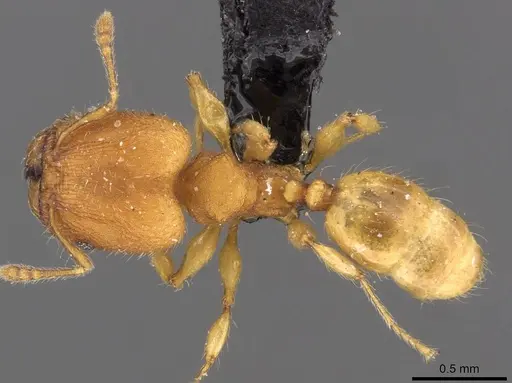
CASENT0908250
View on AntWeb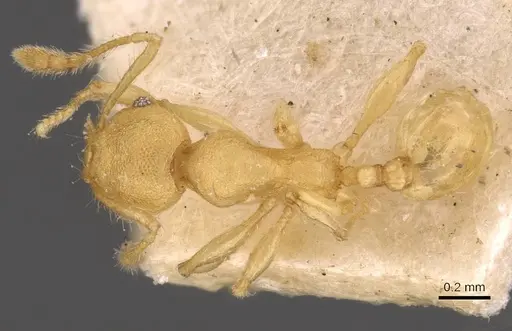
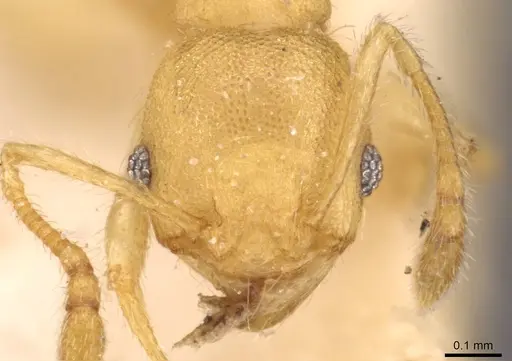
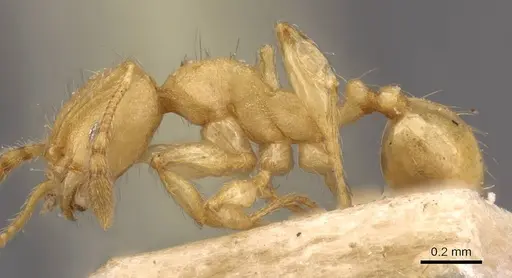
CASENT0913262
View on AntWeb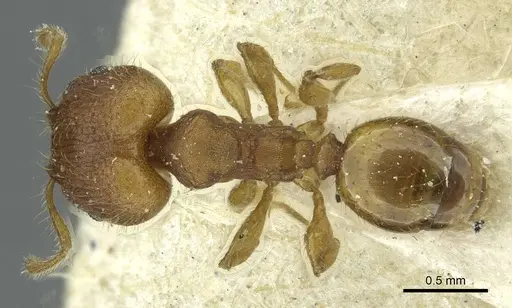
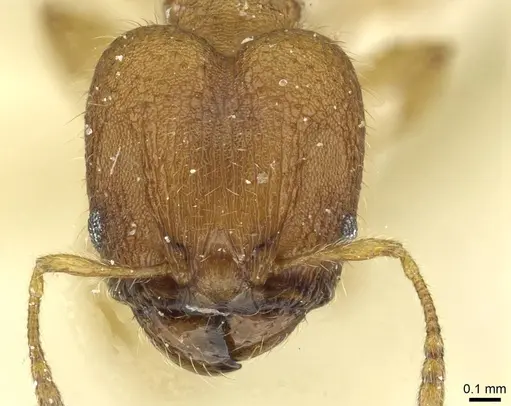
CASENT0913263
View on AntWeb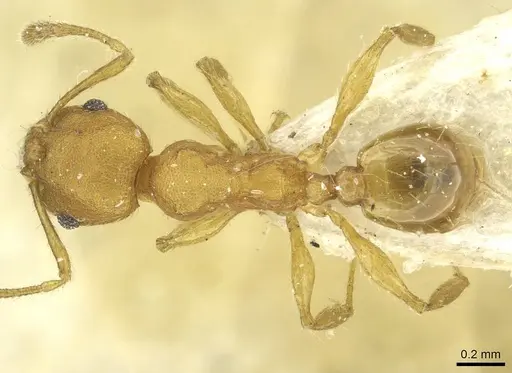
Literature
Loading distribution map...Loading products...