
Pheidole singaporensis
- Sci. Name
- Pheidole singaporensis
- Tribe
- Attini
- Subfamily
- Myrmicinae
- Author
- Özdikmen, 2010
- Distribution
- Found in 2 countries
Introduction
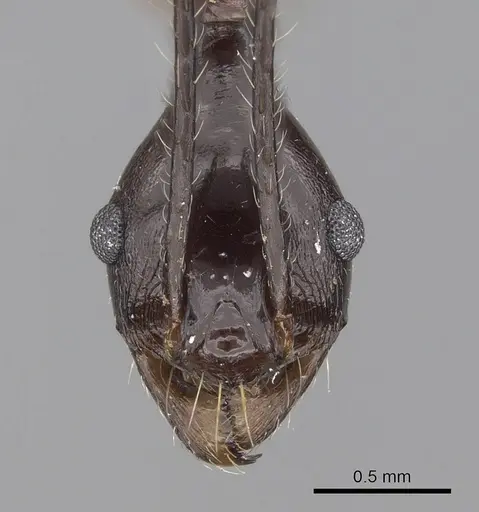
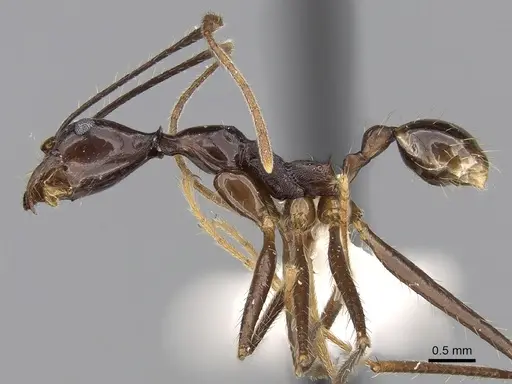
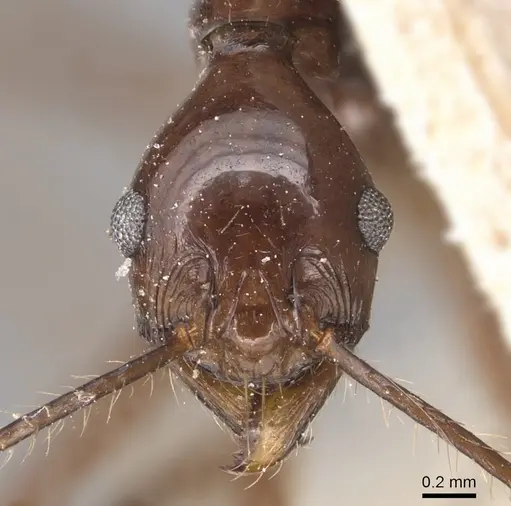
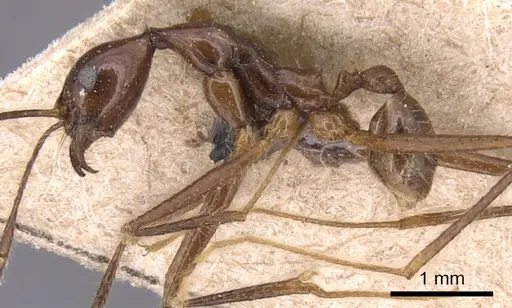
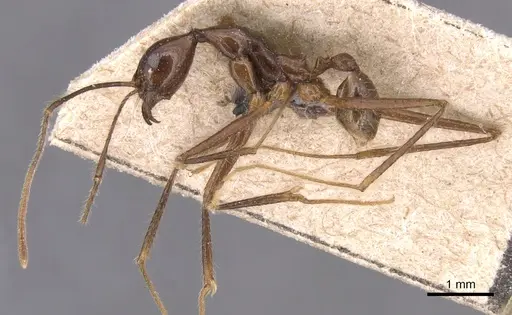
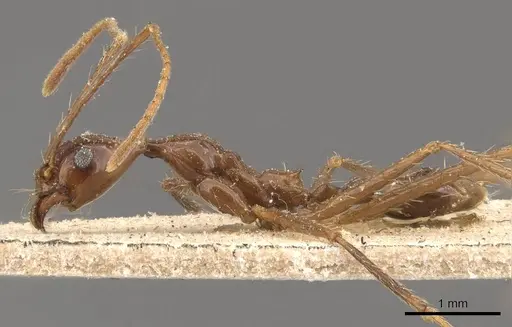
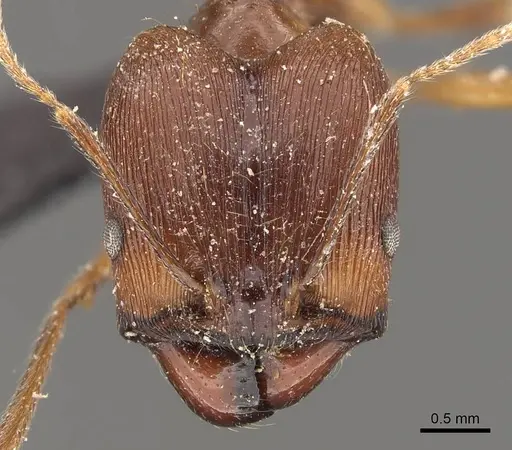
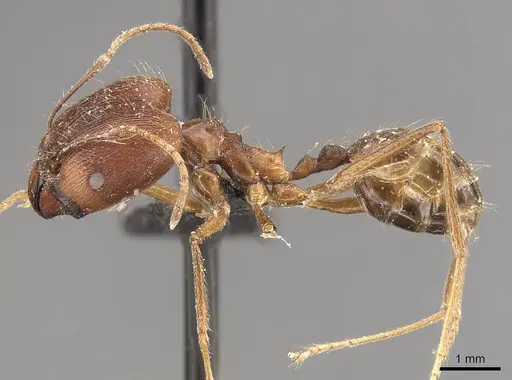
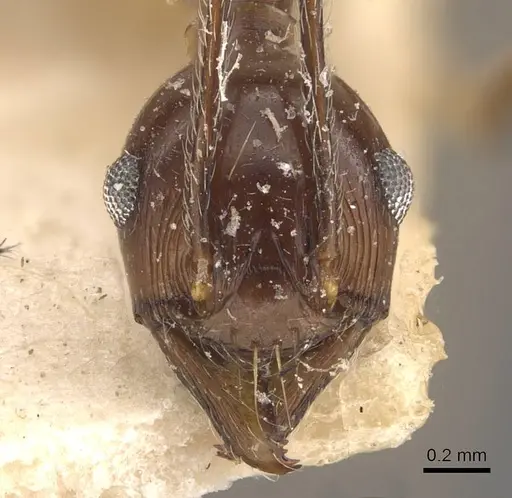
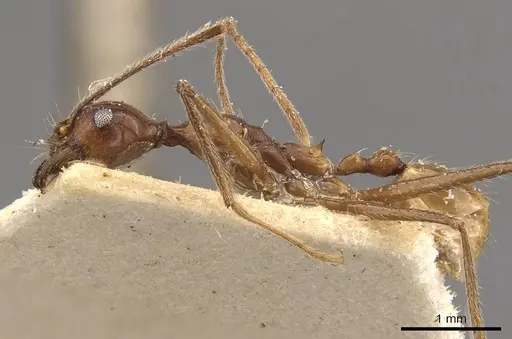
Pheidole singaporensis is a medium-sized ant species native to Southeast Asia, ranging from Singapore and Borneo through Malaysia, Indonesia, the Philippines, Thailand, and into India and southern China . Workers have two castes: majors measure 6.8-7.9mm with large heads, while minors are smaller at 4.1-5.1mm . Body color ranges from reddish-brown to dark reddish-brown, with lighter legs and antennae. This species nests in rotting fallen logs and at the base of large living trees , and it serves as a host for specialized myrmecophilous beetles, highlighting its role in forest ecosystems .
Quick Summary
- Difficulty: Easy
- Origin & Habitat: Southeast Asia, including Singapore, Borneo, Malaysia, Indonesia, Philippines, Thailand, India (Andaman and Nicobar Islands, Jammu & Kashmir), Pakistan, and southern China. Inhabits well-developed forests and nests in rotting logs or at tree bases [1][2][3].
- Colony Type: Unconfirmed, based on genus patterns, likely monogyne (single-queen colonies), but not specified in research.
- Size & Growth:
- Queen: Size data unavailable, no total length measurements found in literature.
- Worker: Majors: 6.8-7.9mm, minors: 4.1-5.1mm [1].
- Colony: Colony size is not well documented.
- Growth: Moderate
- Development: Unknown, no specific data for this species. (Development time may vary with temperature, warmer conditions could speed up growth.)
- Antkeeping:
- Temperature: Keep warm, roughly 24-28°C, based on tropical habitat [1].
- Humidity: Keep nest substrate consistently moist but not waterlogged [1].
- Diapause: No, tropical species do not require hibernation.
- Nesting: Y-tong, plaster, or naturalistic setups with moist substrate to mimic rotting logs [1].
- Behavior: Generally calm, but majors will defend the nest if threatened. They possess a functional sting (less medically significant) based on subfamily characteristics. Escape risk is moderate due to their size, standard barriers and fluon are recommended.
- Common Issues: tropical species needs constant warmth, cold drafts can stress or kill colonies., low humidity causes desiccation, their forest-floor habitat requires consistent moisture., overfeeding leads to mold in enclosed nests, remove uneaten food promptly., wild-caught colonies may carry parasites, quarantine and monitor new colonies., major workers can clip wings on alates, ensure adequate space for nuptial flights if reproduction occurs.
Nest Preferences
In the wild, Pheidole singaporensis nests in rotting fallen logs on the forest floor and at the base of large living trees [1]. For captive care, use Y-tong, plaster, or naturalistic setups with moist soil and rotting wood pieces to mimic their habitat. Keep the nest area humid with a moisture gradient, ensuring good ventilation to prevent mold.
Feeding and Diet
This species is primarily granivorous, collecting seeds like millet or sesame [1]. Offer seeds continuously and protein sources such as fruit flies or mealworms 2-3 times per week. Remove uneaten protein after 24-48 hours to avoid mold. Observation from the Philippines shows they may scavenge on protein sources like chicken bones [5].
Temperature and Care
As a tropical species, keep temperatures around 24-28°C [1]. Use a heating cable on one side of the nest to create a gradient. Avoid cold drafts or air conditioning vents.
Behavior and Temperament
Workers are generally calm but will defend the nest. Majors have large heads for seed processing and defense. They possess a functional sting (less medically significant) based on subfamily characteristics. Escape risk is moderate, use fluon on rim edges for extra security.
Colony Growth and Development
Colony growth is moderate, but specific development data is unavailable. After founding, first workers may emerge within weeks under warm conditions, but no exact timeline is documented. Consistent feeding and humidity are key for steady growth.
Frequently Asked Questions
How long does it take for Pheidole singaporensis to get their first workers?
Development time is unknown for this species, but based on typical Pheidole patterns, it may take several weeks at warm temperatures.
What do Pheidole singaporensis ants eat?
They are primarily granivorous, offer seeds like millet or sesame as a staple. Provide protein from small insects 2-3 times per week [1].
Can I keep multiple Pheidole singaporensis queens together?
Colony type is unconfirmed, but based on genus patterns, they are likely monogyne (single-queen). Multiple queens may fight, so it is not recommended.
What temperature do Pheidole singaporensis need?
Keep them warm at 24-28°C, as they are a tropical species [1].
Are Pheidole singaporensis good for beginners?
Yes, they are considered easy to keep due to their calm temperament and lack of hibernation needs.
How big do Pheidole singaporensis colonies get?
Colony size is not well documented, but typical Pheidole species can reach several hundred workers with good care.
What humidity do Pheidole singaporensis need?
Keep the nest substrate consistently moist but not waterlogged, as they naturally nest in damp rotting logs [1].
When should I move Pheidole singaporensis to a formicarium?
Move them when the colony has 50+ workers or the test tube is crowded, using a Y-tong or naturalistic setup with humidity control.
Why are my Pheidole singaporensis dying?
Common causes include cold temperatures, low humidity, mold from overfeeding, or stress. Check temperature and humidity first.
Report an Issue
The current care sheet is based fully on literature. See inconsistencies, or something that's incorrect? Please , it will be resolved after review from an admin. Contributing to the blogs tab also helps providing information, to make us be able to further improve the caresheets. Thank you for your support!
References

This caresheet is licensed under CC BY-SA 4.0 .
Community Blogs
CASENT0281706
View on AntWeb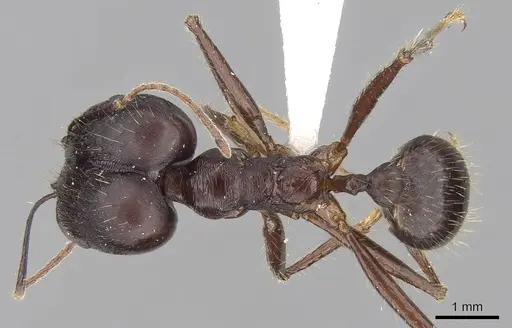
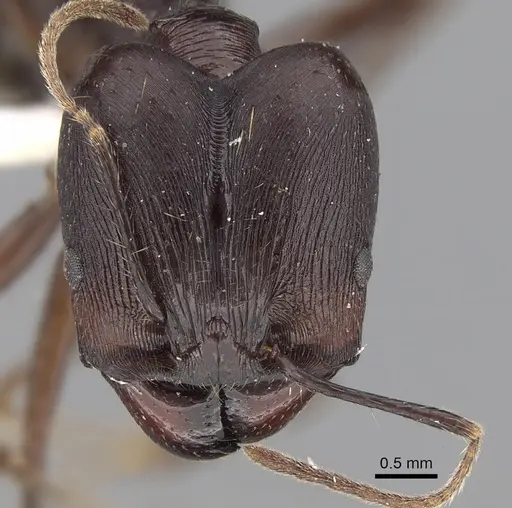
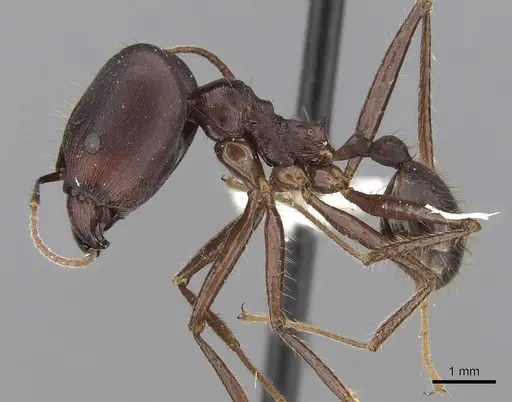
CASENT0281707
View on AntWeb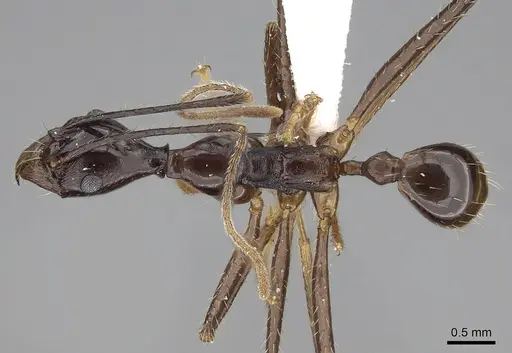
CASENT0282605
View on AntWeb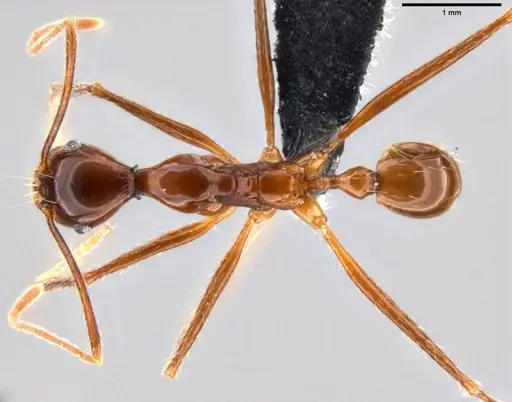
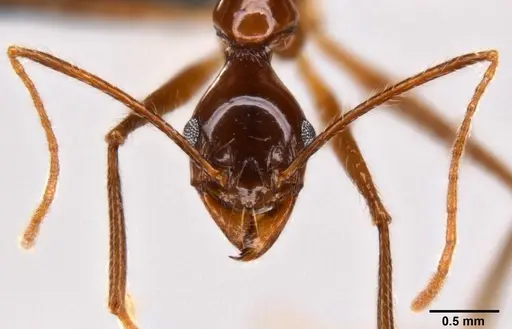
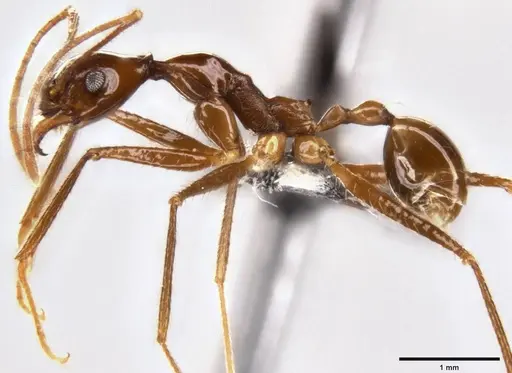
CASENT0901398
View on AntWeb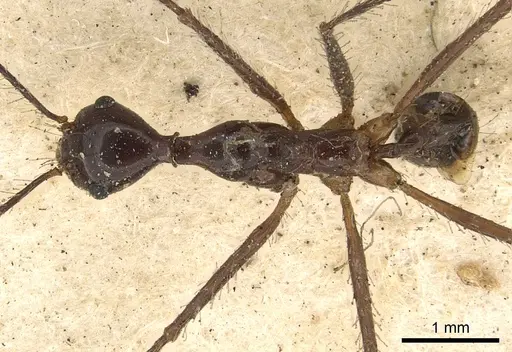
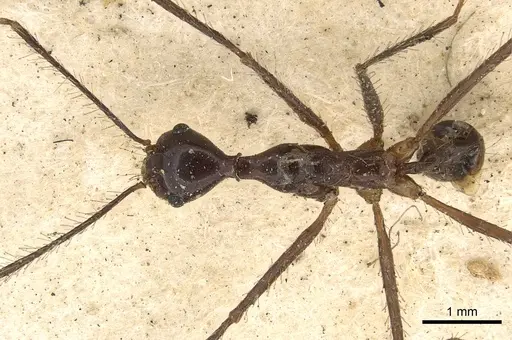
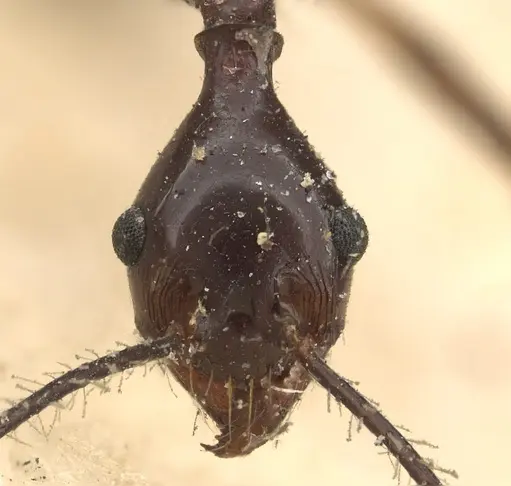
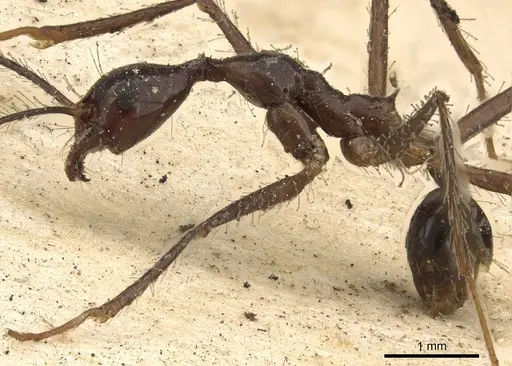
CASENT0901505
View on AntWeb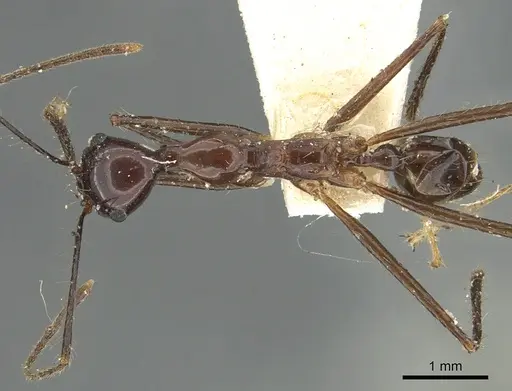
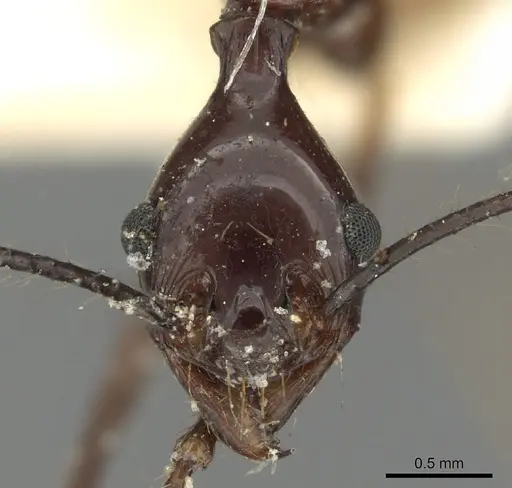
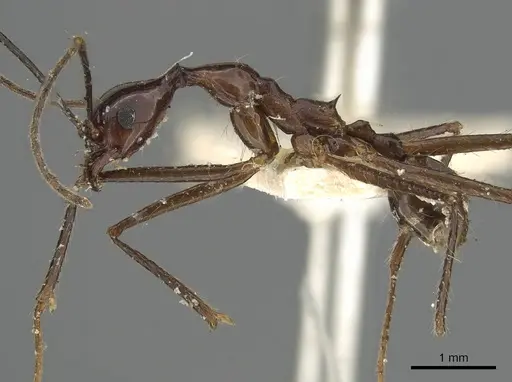
CASENT0901506
View on AntWeb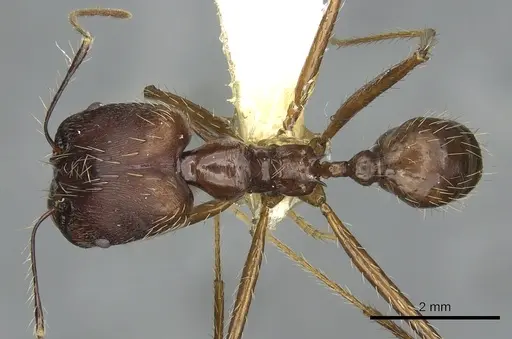
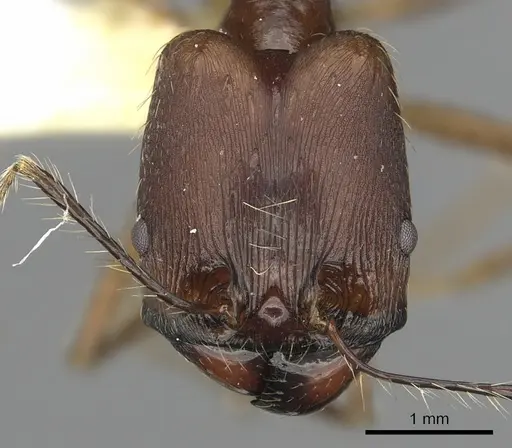
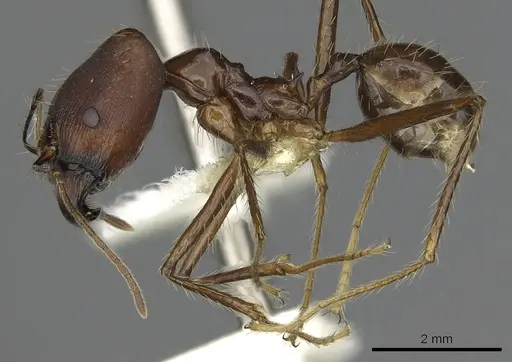
CASENT0904453
View on AntWeb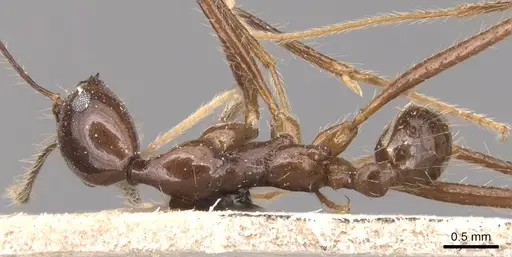
CASENT0904454
View on AntWeb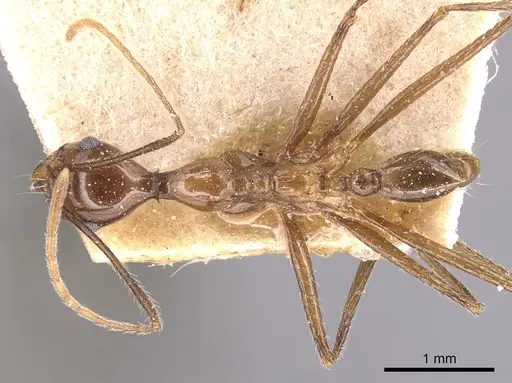
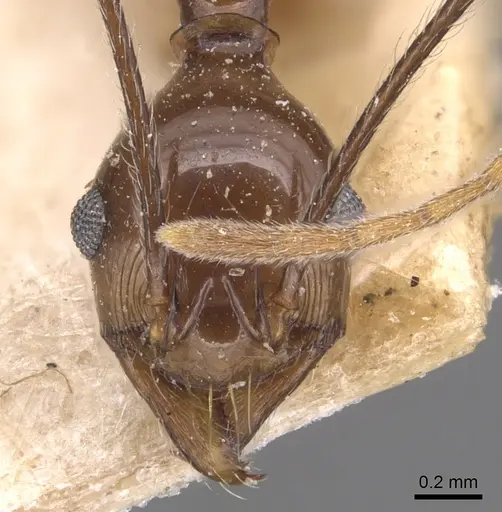
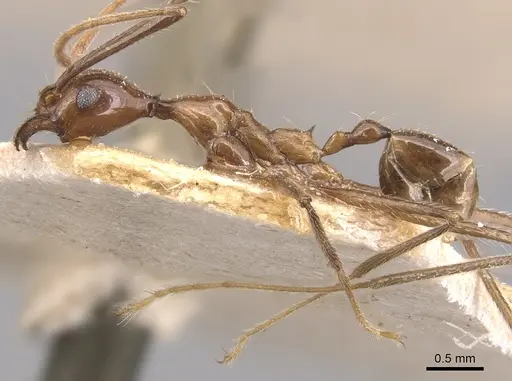
CASENT0908318
View on AntWeb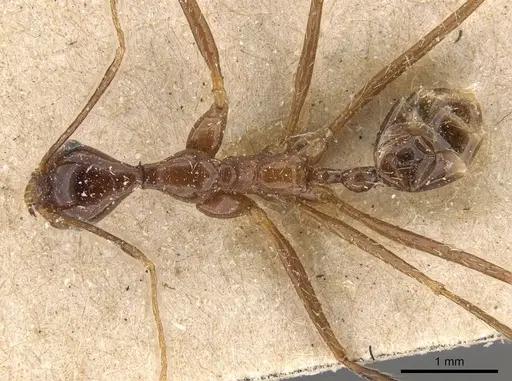
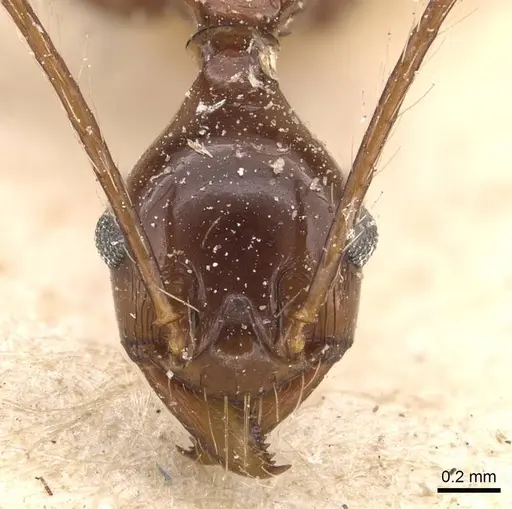
CASENT0908319
View on AntWeb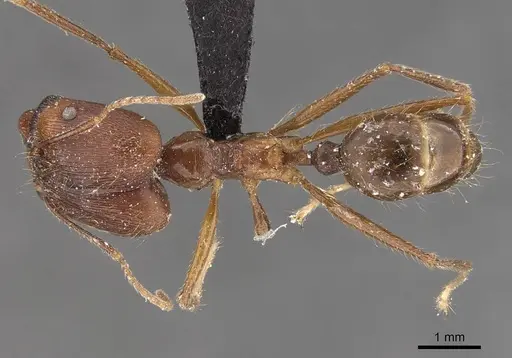
CASENT0908320
View on AntWeb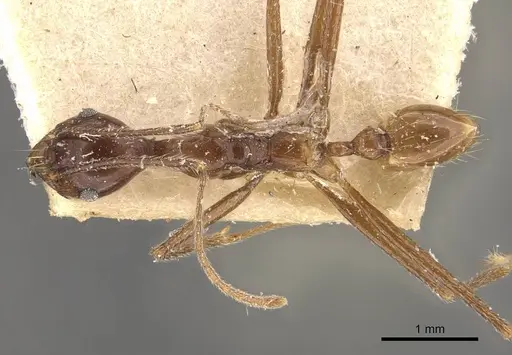
Literature
Loading distribution map...Loading products...