
Pheidole sinaitica
- Sci. Name
- Pheidole sinaitica
- Tribe
- Attini
- Subfamily
- Myrmicinae
- Author
- Mayr, 1862
- Distribution
- Found in 3 countries
Introduction
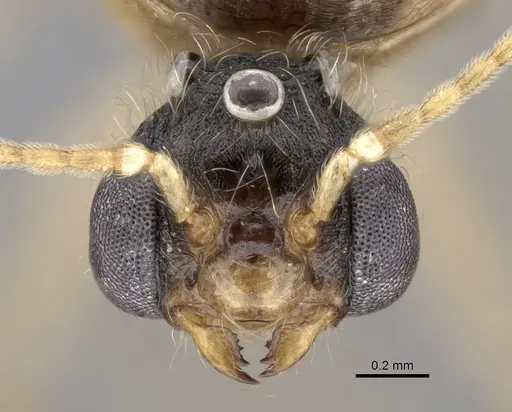
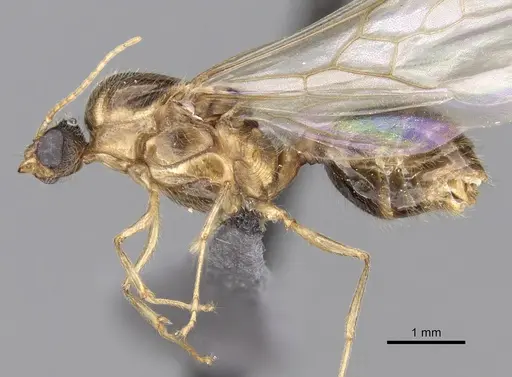
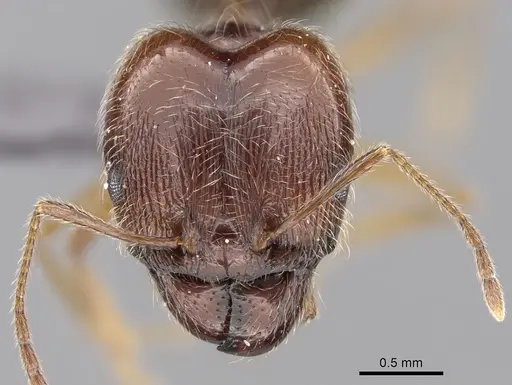
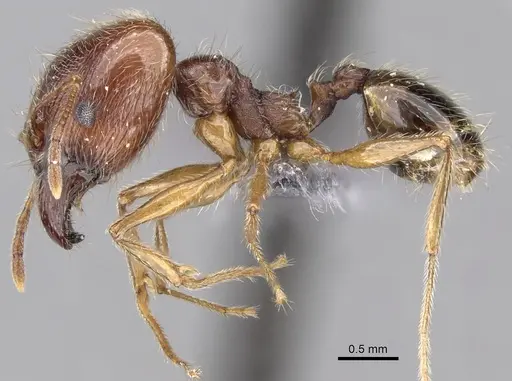
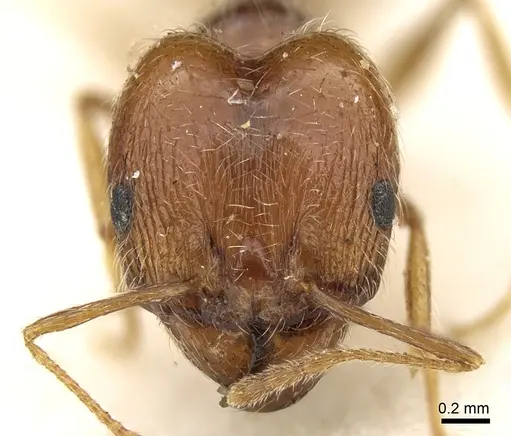
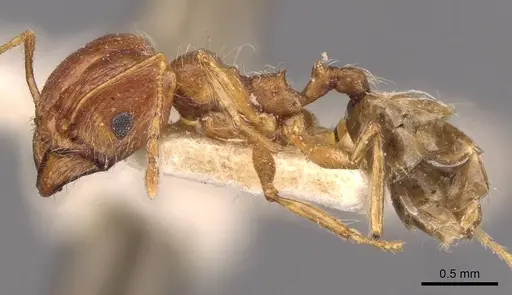
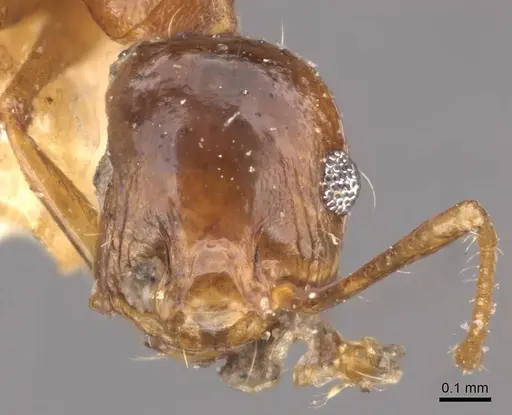
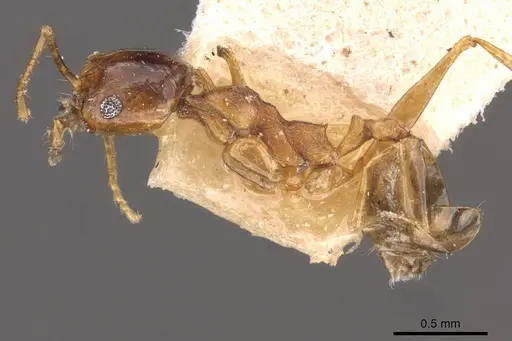
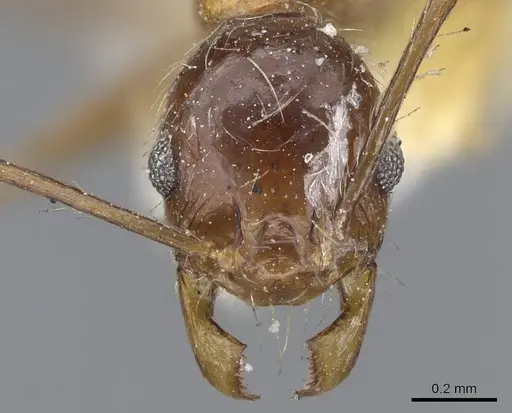
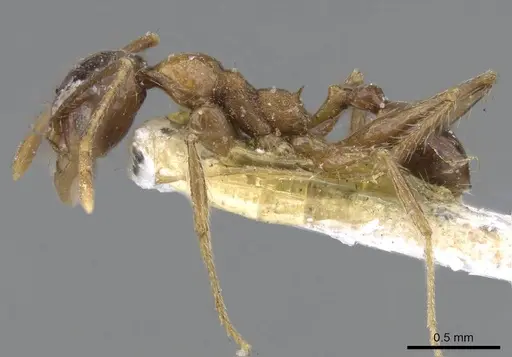
Pheidole sinaitica is an ant species native to desert and semi-arid regions across North Africa, the Middle East, and parts of East Africa. First described from the Sinai Peninsula in 1862,it has been recorded from Morocco to Iran . Major workers have a deeply notched posterior head margin and longitudinal rugulae on the head . Coloration ranges from uniform brown to light brown . This species is known to associate with various insects, including termites, and major workers may mimic termite soldiers, which could provide mutual benefits .
Quick Summary
- Difficulty: Expert
- Origin & Habitat: Desert and semi-arid regions of North Africa (Morocco, Algeria, Tunisia, Egypt), the Middle East (Israel, Iraq, Iran, Oman, UAE, Saudi Arabia, Yemen), and East Africa (Eritrea, Kenya). Found in desert areas of the south in Israel/Sinai region, with records from sea level up to 980m elevation in Lebanon. Also introduced to southern Morocco (Agadir, Tiznit, Tan Tan) [1][5][2].
- Colony Type: Colony structure is unconfirmed. Based on typical Pheidole patterns, likely single-queen (monogyne) colonies. No documented ergatoid replacement reproductives found in research.
- Size & Growth:
- Queen: Size data unavailable, no total length measurements in research. Inferred from Pheidole genus to be approximately 7-9mm.
- Worker: Size data unavailable, no total length measurements in research. Inferred from Pheidole genus to be approximately 2-4mm for minor workers.
- Colony: Up to several thousand workers, inferred from typical Pheidole colonies.
- Growth: Moderate, based on typical Pheidole development patterns.
- Development: Estimated 6-8 weeks at optimal temperature based on genus-level data. (Development time is inferred from related Pheidole species, direct measurements for P. sinaitica are not available.)
- Antkeeping:
- Temperature: Keep warm, roughly 24-30°C, based on desert habitat inference. Provide a slight temperature gradient for self-regulation.
- Humidity: Keep nest substrate relatively dry with a humidity gradient, similar to natural arid habitat. Provide a small water source in the outworld.
- Diapause: No diapause required, desert species from hot climates do not typically need hibernation.
- Nesting: Prefers dry to moderately moist nest conditions. Use Y-tong (AAC) nests, plaster nests, or test tube setups with minimal water reservoir. Avoid overly damp conditions.
- Behavior: Typical Pheidole behavior with distinct major and minor workers. Major workers serve as soldiers and help process larger food items. Workers are active foragers and recruit nestmates to food sources using trail pheromones from their poison glands [6]. Generally non-aggressive toward humans. Escape risk is moderate due to small size, use standard barrier precautions. WARNING: Pheidole sinaitica is an invasive species in Morocco. It is NOT recommended to keep this species in countries where it is not native. If kept, extreme precautions must be taken to prevent escape.
- Common Issues: desert species may struggle in overly humid or damp setups, ensure good ventilation and dry nest conditions., colonies may be slow to establish initially, patience is key during founding phase., major workers have large heads and may have difficulty in narrow test tube setups, choose appropriately sized housing.
Housing and Nest Setup
Pheidole sinaitica does well in standard ant housing setups. A test tube setup works well for founding colonies, use a test tube with a small water reservoir separated by a cotton plug. For established colonies, Y-tong (AAC) nests or plaster nests work well. Because this is a desert species, keep the nest relatively dry. Avoid setups that trap excessive moisture. The nest should have chambers sized appropriately for the colony. Provide an outworld for foraging with easy access to food and water [7].
Feeding and Diet
Pheidole sinaitica is omnivorous. They accept protein sources readily and will also use sugar. Feed them small insects like fruit flies, pinhead crickets, or mealworms. Sugar water, honey, or diluted jam can be offered as carbohydrate sources. In the wild, they are known to associate with termites and other insects [4], suggesting they are active predators/scavengers. Feed protein 2-3 times per week and keep a sugar source available at all times. Remove uneaten food after 24-48 hours to prevent mold.
Temperature and Seasonal Care
As a desert species from North Africa and the Middle East, Pheidole sinaitica prefers warm conditions. Keep the nest at 24-30°C, with a slight gradient allowing workers to choose their preferred temperature. They can tolerate higher temperatures than many temperate species. During winter, room temperature is usually sufficient, no true hibernation is required for this desert species [1]. If the colony becomes less active in winter, reduce feeding frequency rather than attempting to cool them significantly.
Behavior and Colony Structure
Pheidole sinaitica exhibits the classic Pheidole caste system with distinct minor workers and major workers (soldiers). Major workers have distinctive morphological features including a deeply notched posterior head margin and longitudinal rugulae on the head [3]. The species uses trail pheromones for recruitment, with the poison gland serving as the pheromone source in both minor and major workers [6]. Colonies are likely single-queen based on typical genus patterns, though this has not been directly documented for this species.
Growth and Development
Specific development timeline for P. sinaitica has not been documented. Based on related Pheidole species, expect 6-8 weeks from egg to first worker (nanitics) at optimal temperature. Initial colonies grow relatively slowly during the founding phase. Once the first workers emerge, growth typically accelerates. Pheidole colonies can eventually reach several thousand workers. The presence of major workers (soldiers) typically appears once the colony reaches several dozen workers. Be patient during the founding phase, desert species often take time to establish.
Frequently Asked Questions
Is Pheidole sinaitica good for beginners?
No, this species is considered Expert difficulty due to its invasive potential in non-native regions. It is not recommended for beginners. If kept, extreme precautions must be taken to prevent escape.
How long does it take for first workers to appear?
Based on typical Pheidole development, expect 6-8 weeks at optimal temperature (around 26-28°C). The exact timeline for P. sinaitica has not been documented, so this is an estimate based on related species.
What do Pheidole sinaitica ants eat?
They are omnivorous. Offer small insects (fruit flies, mealworms, small crickets) as protein sources 2-3 times per week. Keep a constant sugar source available such as sugar water, honey, or diluted jam. They will also scavenge and forage for other organic matter [4].
Can I keep multiple queens together?
Colony structure for this species is not well documented. Based on typical Pheidole patterns, single-queen colonies are most common. Combining unrelated queens is not recommended as aggression may occur. If you capture multiple founding queens, it is best to house them separately.
What temperature is best for Pheidole sinaitica?
Keep nest temperatures between 24-30°C. This desert species prefers warm conditions and can tolerate higher temperatures. A slight temperature gradient allows workers to self-regulate. Room temperature (22-26°C) is acceptable as a starting point [1].
Do they need hibernation?
No, hibernation is not required. As a desert species from hot climates, they do not have a winter dormancy requirement. If kept in a cool environment during winter, they may become less active, but this is not a true diapause.
How big do colonies get?
Colony size for this specific species is not documented, but typical Pheidole colonies can reach up to several thousand workers. Major workers typically appear once the colony grows beyond the founding stage.
When should I move them to a formicarium?
Keep founding colonies in a test tube setup until they have 30-50 workers. Once the test tube becomes crowded or the water reservoir is depleted, transfer to a Y-tong (AAC) or plaster nest. Avoid moving too early, disturbance during founding can be fatal.
Why are my major workers dying?
Major workers (soldiers) typically have shorter lifespans than minor workers in many Pheidole species. Some mortality is normal. However, if you see widespread mortality, check for poor conditions: excessive humidity, temperatures outside their preferred range, or mold issues. Ensure proper ventilation and dry nest conditions.
Report an Issue
The current care sheet is based fully on literature. See inconsistencies, or something that's incorrect? Please , it will be resolved after review from an admin. Contributing to the blogs tab also helps providing information, to make us be able to further improve the caresheets. Thank you for your support!
References

This caresheet is licensed under CC BY-SA 4.0 .
Community Blogs
CASENT0249818
View on AntWeb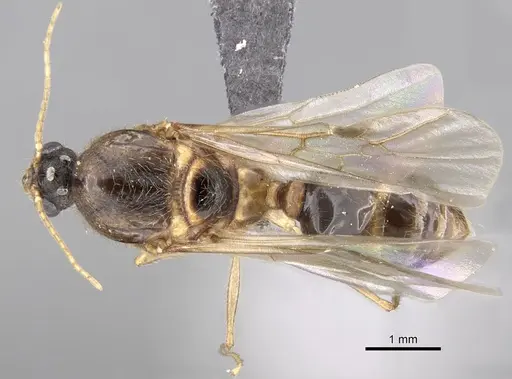
CASENT0263666
View on AntWeb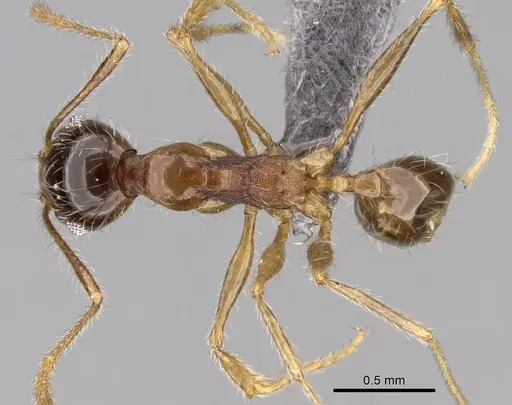
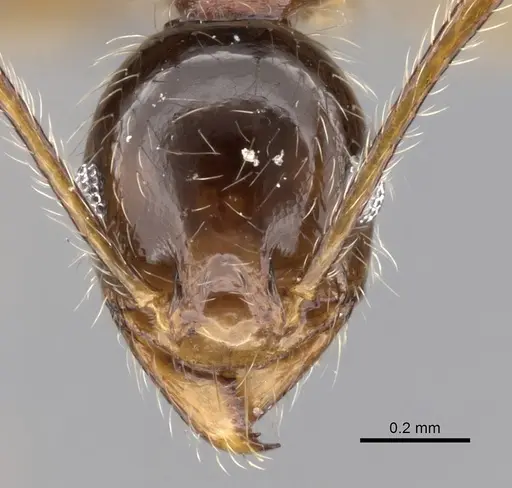
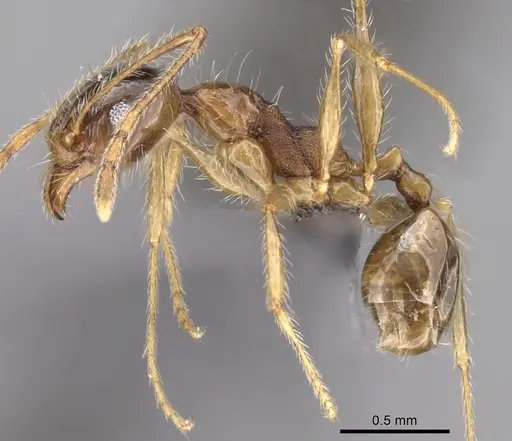
CASENT0263723
View on AntWeb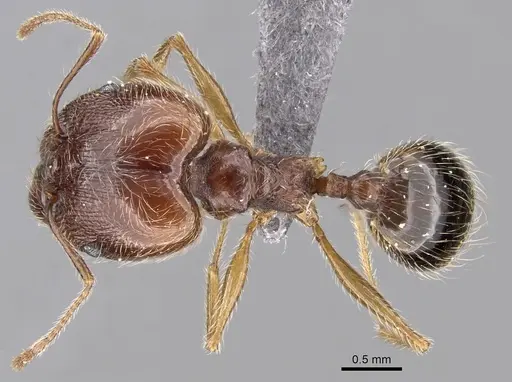
CASENT0906614
View on AntWeb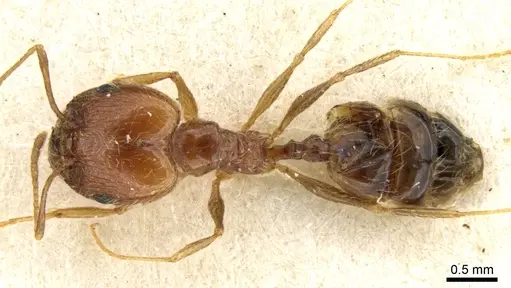
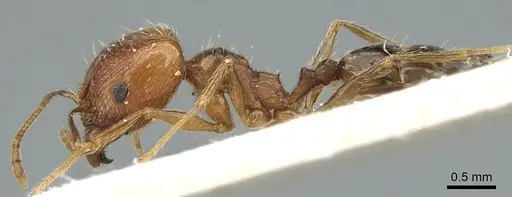
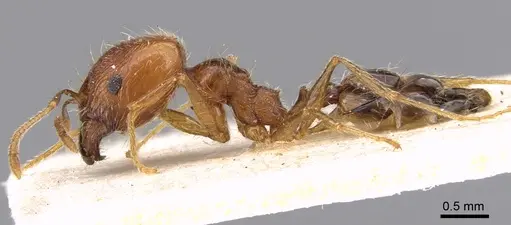
CASENT0906615
View on AntWeb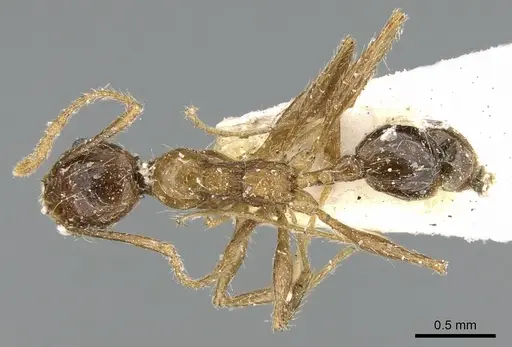
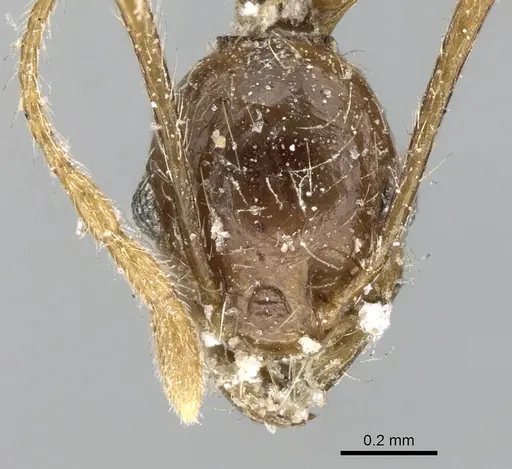
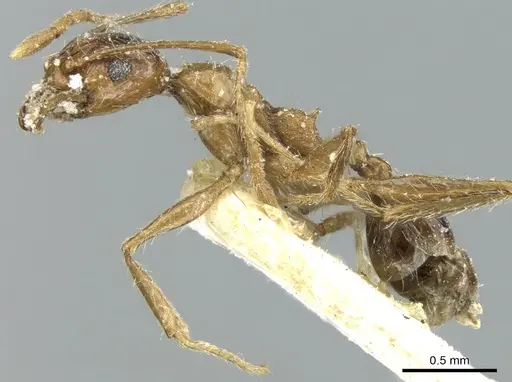
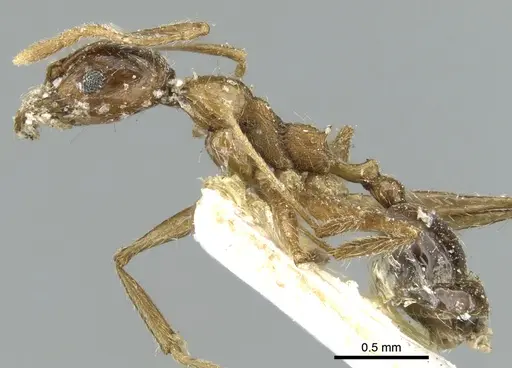
CASENT0907793
View on AntWeb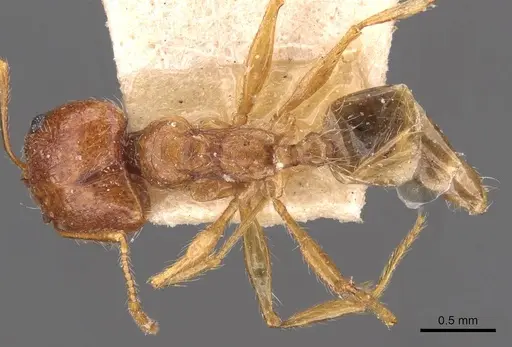
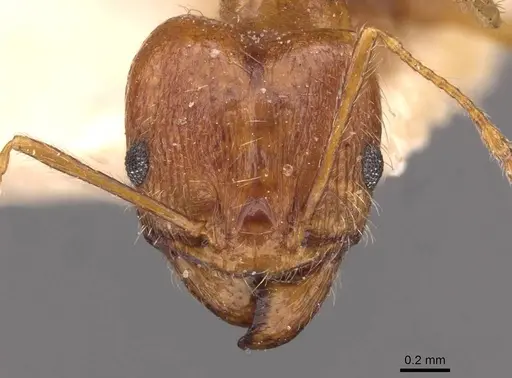
CASENT0907794
View on AntWeb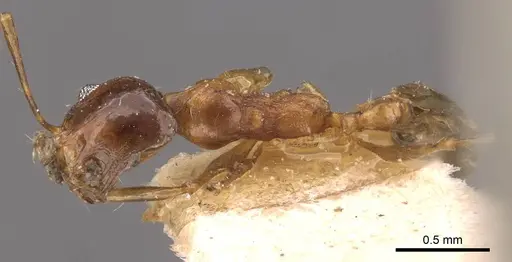
CASENT0922186
View on AntWeb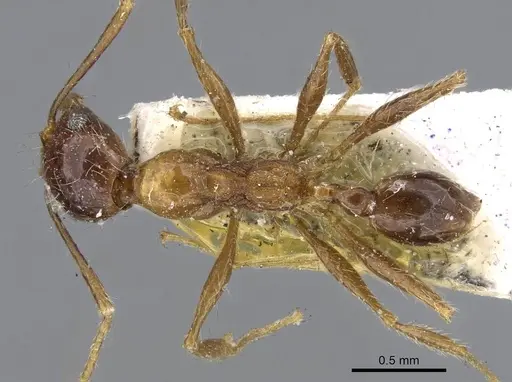
Literature
Loading distribution map...Loading products...