
Pheidole simplex
- Sci. Name
- Pheidole simplex
- Tribe
- Attini
- Subfamily
- Myrmicinae
- Author
- Wheeler, 1925
- Distribution
- Found in 2 countries
Introduction
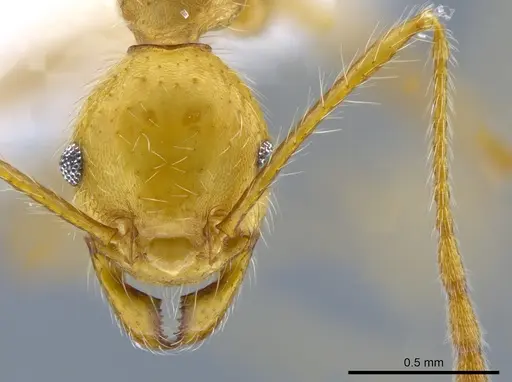
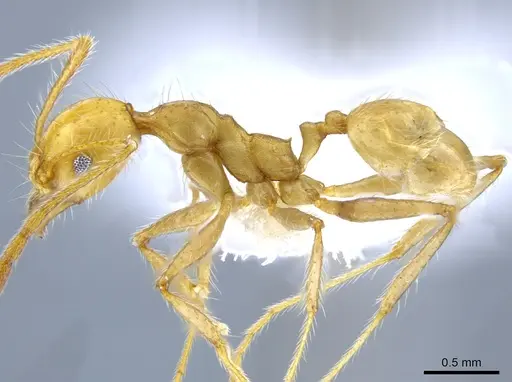
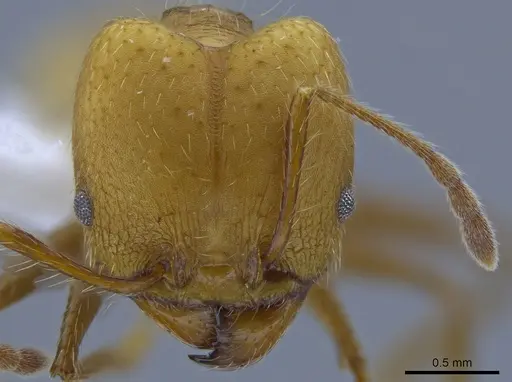
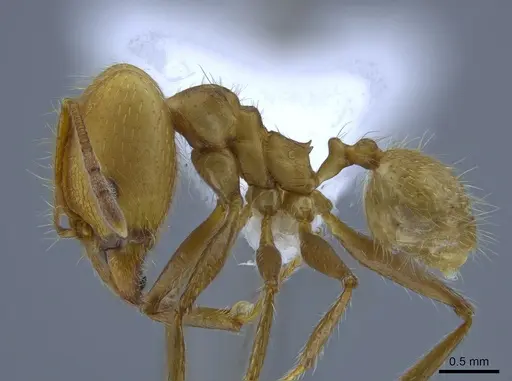
Pheidole simplex is a small Neotropical ant in the biconstricta species group, characterized by dense, long hairs and reduced propodeal spines in both major and minor castes. Major and minor workers have yellowish-red coloration, with the gaster slightly darker in minors . This species is recorded in Amazonian Brazil and Peru, nesting in rotten logs within terra firme forest . Pheidole simplex is poorly studied, with limited distribution records and no specific care data available in scientific literature. As a member of the hyperdiverse Pheidole genus, it likely exhibits typical colony structures, but details remain unconfirmed.
Quick Summary
- Difficulty: Hard
- Origin & Habitat: Amazonian Brazil and Peru, found in terra firme forest nesting in rotten logs [2][3][1]
- Colony Type: Unconfirmed, no specific data on queen number or social structure
- Size & Growth:
- Queen: Size data unavailable, no total length measurements documented
- Worker: Size data unavailable, no total length measurements documented
- Colony: Unknown, no colony size data available
- Growth: Unknown
- Development: Unknown, based on typical Pheidole genus patterns, development might take 6-8 weeks at tropical temperatures, but no specific data exists for P. simplex (No direct development data for this species, tropical temperatures are inferred from habitat)
- Antkeeping:
- Temperature: Based on Amazonian habitat, maintain warm temperatures around 24-28°C, start in this range and observe colony activity [3][1]
- Humidity: Keep nest substrate consistently moist but not waterlogged, based on rainforest habitat [3][1]
- Diapause: Unknown, tropical species likely does not require hibernation, but seasonal behavior is unstudied
- Nesting: Provide a naturalistic setup with moist substrate (e.g., soil/peat mix) or a plaster nest, mimicking rotten log nesting in terra firme forest [3][1]
- Behavior: Behavior is unstudied for P. simplex, but based on Pheidole genus patterns, majors may defend the colony and process hard food, while minors handle foraging. They are likely not aggressive but may bite if threatened. Escape risk is moderate due to small worker size, standard barrier precautions are needed.
- Common Issues: this species is poorly documented, making care recommendations speculative and increasing risk of colony failure, no confirmed information on queen founding behavior or colony establishment, humidity requirements are inferred from habitat, monitor for signs of drying stress, tropical origin means sensitivity to temperature drops below 20°C, no data on accepted foods, start with standard ant diet and observe carefully
Nest Preferences
In the wild, Pheidole simplex nests in rotten logs within terra firme forest in the Amazon basin [3][1]. This indicates a preference for humid, decomposing wood. For captive care, provide a naturalistic setup with moist substrate (e.g., soil, peat, and rotting wood pieces) or a plaster nest kept consistently humid. Avoid drying out, as this species comes from wet environments.
Feeding and Diet
No specific dietary studies exist for Pheidole simplex. Based on typical Pheidole behavior, offer small insects (e.g., fruit flies) as protein and sugar water or honey as carbohydrates. Observe colony preferences and adjust accordingly. Pheidole majors can handle larger prey due to their mandibles.
Temperature and Care
This species originates from the warm, humid Amazon rainforest. Temperature requirements are not documented, but a range of 24-28°C is reasonable based on its habitat [3][1]. Monitor colony activity, if workers cluster, they may need warmth. Avoid temperatures below 20°C.
Behavior and Temperament
Specific behaviors for P. simplex are not documented, but Pheidole genus has two worker castes: minors handle daily tasks, majors defend and process food. This species is likely not aggressive but may bite if disturbed. Escape prevention is important due to small worker size.
Frequently Asked Questions
How long does it take for Pheidole simplex to go from egg to worker?
The egg-to-worker development time is unconfirmed for this species. Based on typical Pheidole genus patterns, it might take 6-8 weeks at tropical temperatures, but no specific data exists for P. simplex.
What do Pheidole simplex ants eat?
No specific dietary studies exist. Based on typical Pheidole behavior, offer small insects and sugar sources. Observe your colony's acceptance.
Can I keep multiple queens together in a Pheidole simplex colony?
This has not been documented for this species. Pheidole species are typically single-queen, but without evidence, do not attempt combining queens.
What temperature is best for Pheidole simplex?
Temperature requirements are not documented. Based on Amazonian origin, aim for 24-28°C and avoid below 20°C [3][1].
Is Pheidole simplex a good species for beginners?
This species is not recommended for beginners due to lack of documented care information and rarity in the hobby.
What humidity level do Pheidole simplex ants need?
High humidity is required, as this is a rainforest species. Keep the nest substrate consistently moist but not waterlogged [3][1].
How big do Pheidole simplex colonies get?
Colony size is unconfirmed for this species. Most Pheidole colonies reach several hundred to a few thousand workers, but no specific data exists for P. simplex.
Do Pheidole simplex ants need hibernation?
No, this is a tropical Amazonian species that does not experience cold winters. They do not require hibernation or diapause.
What type of nest is best for Pheidole simplex?
A naturalistic setup with moist soil/peat substrate and rotting wood, or a plaster nest with high humidity, mimics their natural rotten log nesting [3][1].
Report an Issue
The current care sheet is based fully on literature. See inconsistencies, or something that's incorrect? Please , it will be resolved after review from an admin. Contributing to the blogs tab also helps providing information, to make us be able to further improve the caresheets. Thank you for your support!
References

This caresheet is licensed under CC BY-SA 4.0 .
Community Blogs
CASENT0650574
View on AntWeb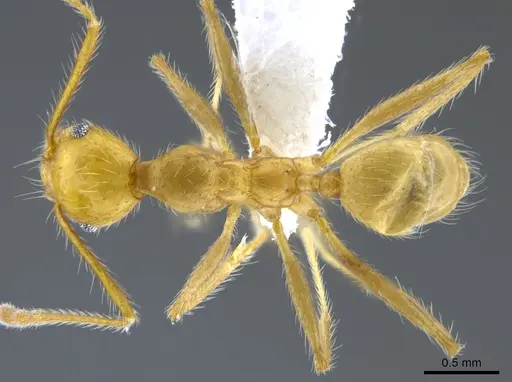
CASENT0650575
View on AntWeb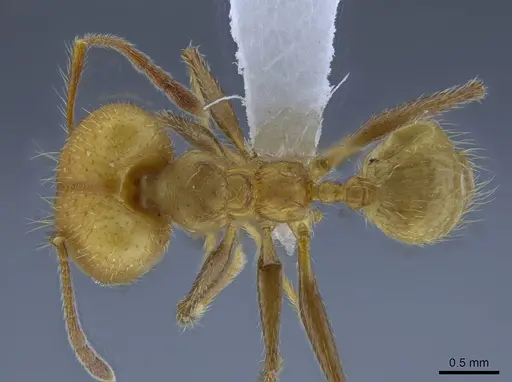
Literature
Loading distribution map...Loading products...