
Pheidole sikorae
- Sci. Name
- Pheidole sikorae
- Tribe
- Attini
- Subfamily
- Myrmicinae
- Author
- Forel, 1891
- Distribution
- Found in 1 countries
Introduction
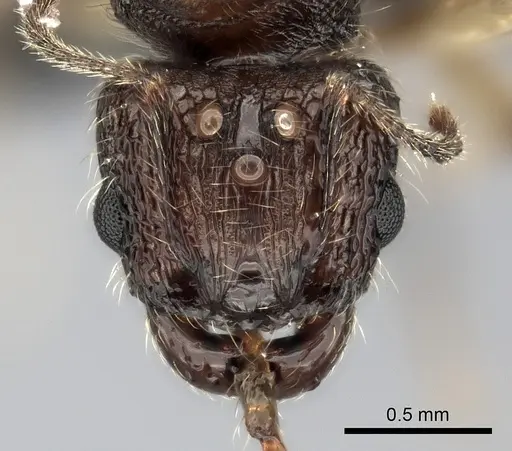
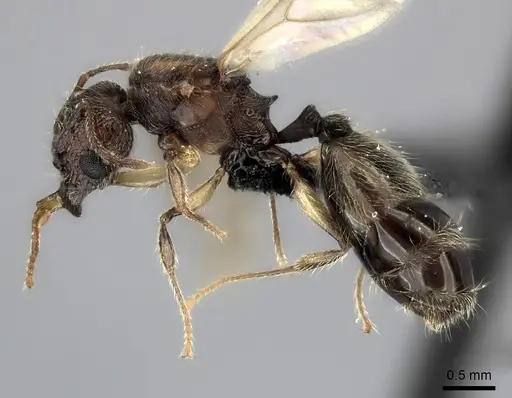
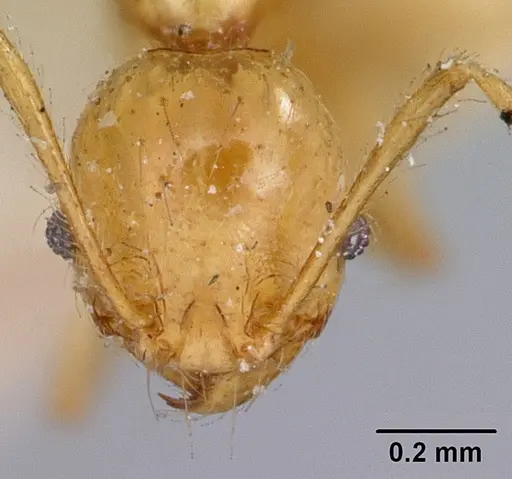
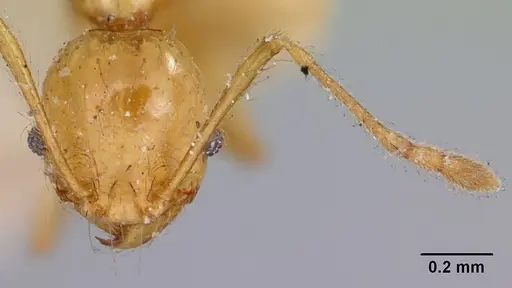
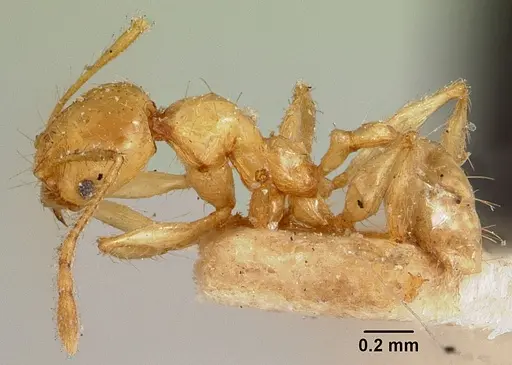
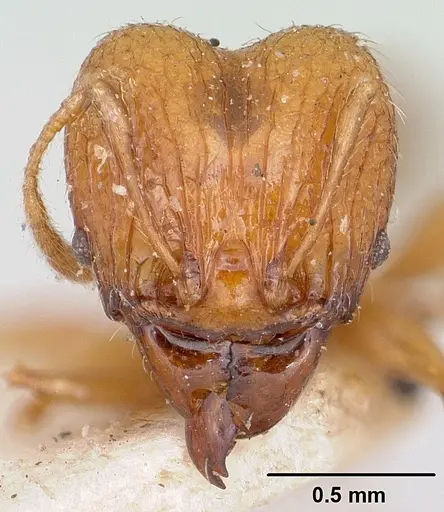
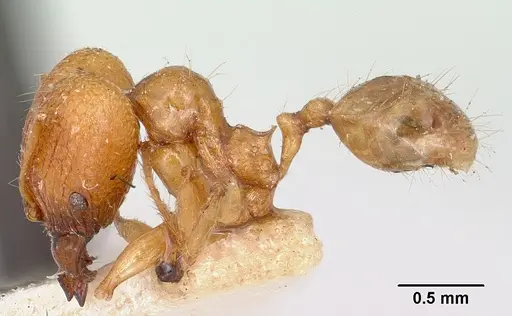
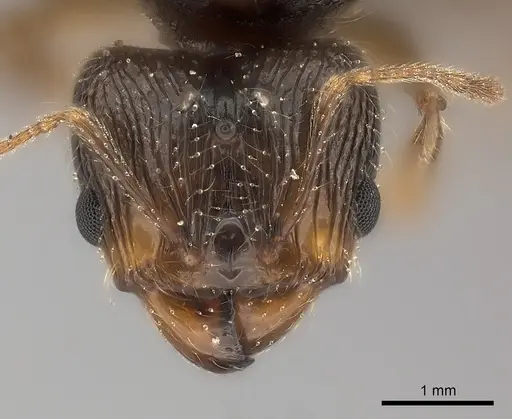
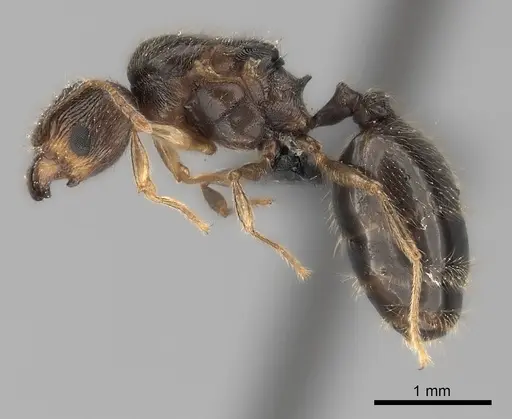
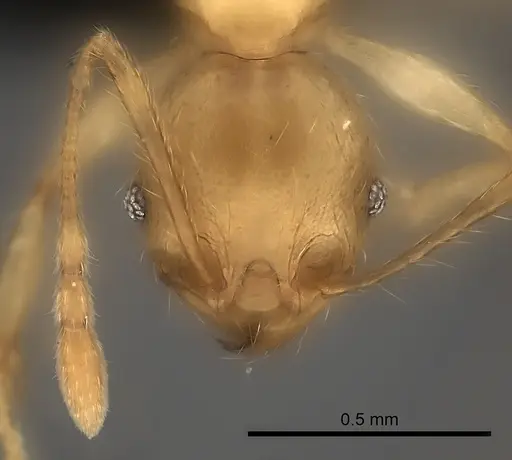
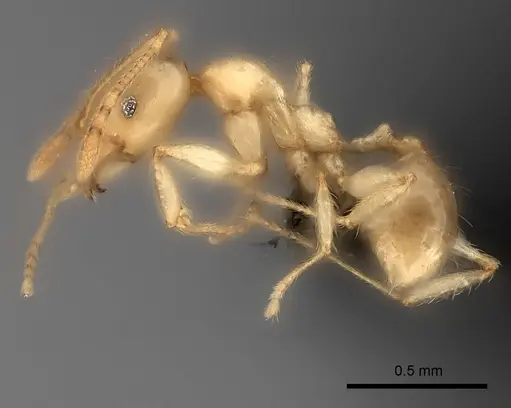
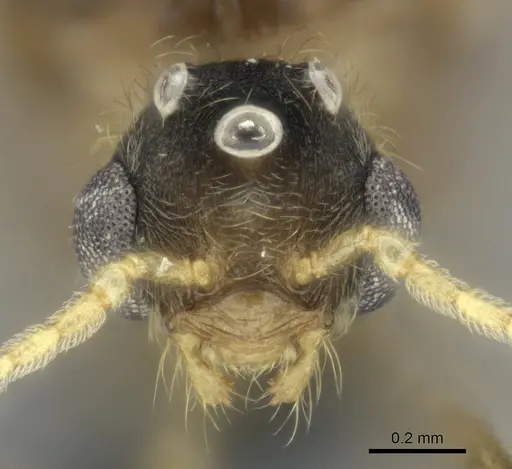
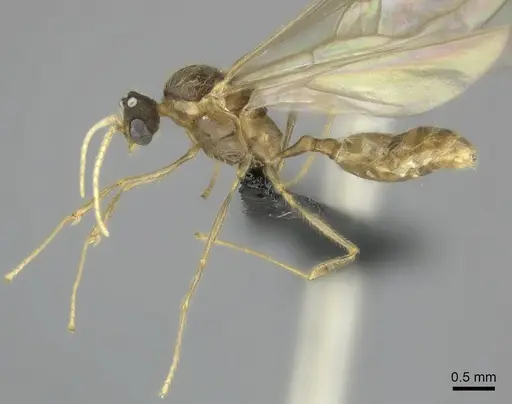
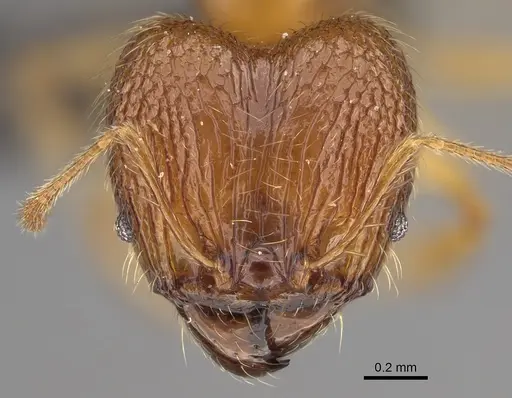
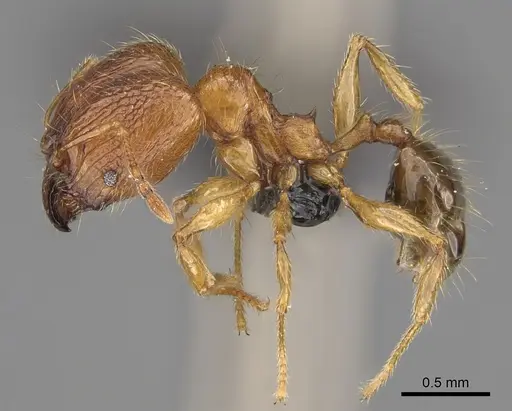
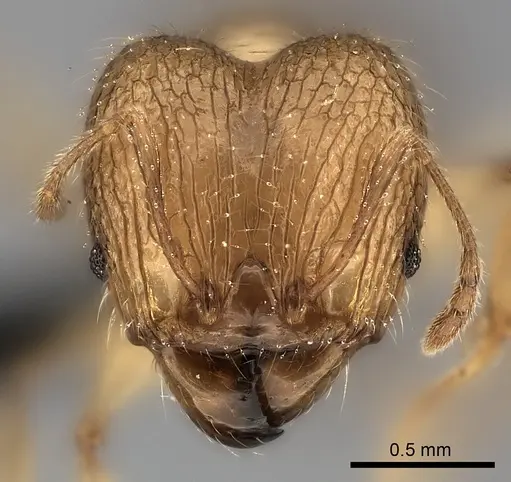
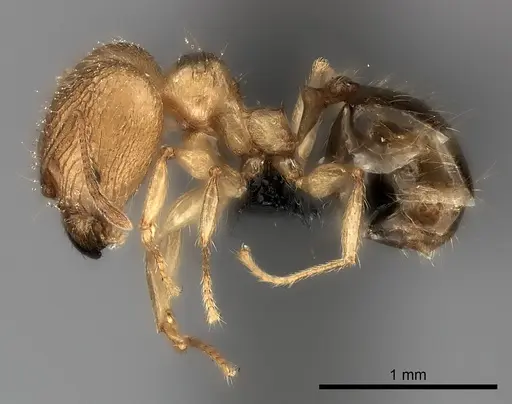
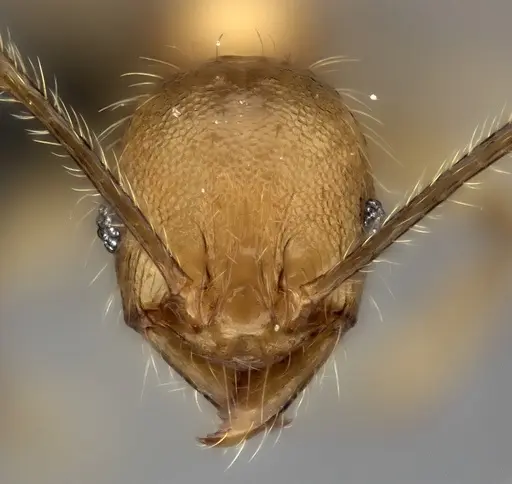
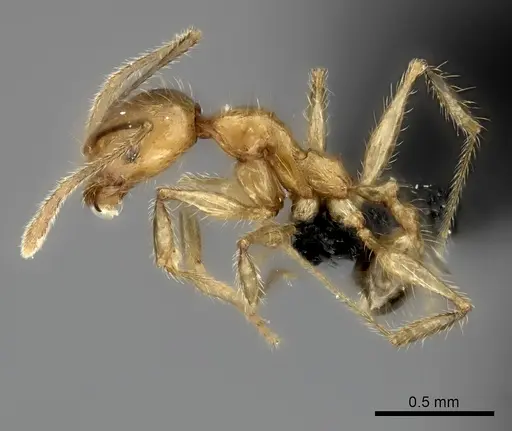
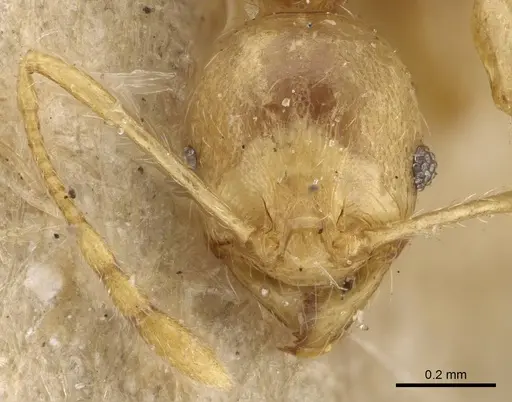
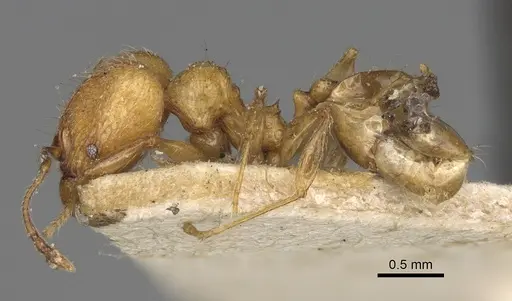
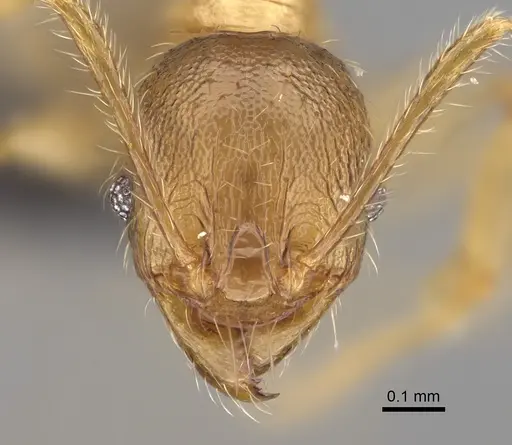
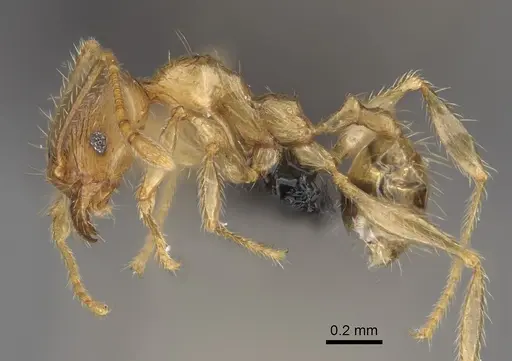
Pheidole sikorae is a moderately large ant species native to Madagascar, belonging to the Pheidole sikorae species group . Major workers have a distinctive smooth concavity lateral to the antennal socket, a key identification feature . Minor workers show variable head sculpture . Both castes are yellow to orange . This species inhabits montane and littoral rainforest at elevations between 20-1580 meters, nesting in rotten logs, dead twigs above ground, under moss, and rot pockets . One notable aspect is the high variability in minor worker head sculpture, which can make them indistinguishable from related species in some cases .
Quick Summary
- Difficulty: Medium
- Origin & Habitat: Montane and littoral rainforest in Madagascar, elevations 20-1580m [1]
- Colony Type: Unconfirmed, no specific data on queen number in research context
- Size & Growth:
- Queen: Size data unavailable, no total length measurements in research. Inferred from Pheidole genus as ~7-9mm
- Worker: Size data unavailable, no total length measurements in research. Inferred from Pheidole genus as ~2-4mm
- Colony: Colony size data unavailable
- Growth: Moderate, inferred from Pheidole genus patterns
- Development: Estimated 6-8 weeks at optimal temperature, inferred from Pheidole genus (Development time may vary with temperature)
- Antkeeping:
- Temperature: Keep warm, roughly 22-26°C, based on their rainforest habitat [1]
- Humidity: Keep nest substrate consistently moist but not waterlogged, based on nesting in rotting wood and moss [1]
- Diapause: No, tropical species from Madagascar, no hibernation needed
- Nesting: Prefer nests that hold moisture, such as Y-tong or plaster nests. Naturalistic setups with rotten wood can work [1]
- Behavior: Pheidole species are generally calm and non-aggressive. They are active foragers and moderate escape artists.
- Common Issues: dry conditions can kill colonies quickly since they need high humidity, wild-caught colonies may carry parasites that harm captive populations, slow founding phase requires patience during colony establishment
Nest Preferences and Housing
You should provide nests that mimic their natural habitat. Pheidole sikorae nests in rotten logs, dead twigs, and under moss above ground [1]. In captivity, use Y-tong or plaster nests that retain moisture. Avoid dry setups, keep the nest substrate damp but not waterlogged. A small outworld allows for foraging. Since colony size data is unavailable, start with a medium-sized nest and expand as needed [1].
Feeding and Diet
You can feed them a varied diet. Pheidole species are omnivorous, accepting protein like small insects and sugar sources like honey water. Offer protein 2-3 times per week and keep a constant sugar source available. Remove uneaten food to prevent mold.
Temperature and Humidity
Keep temperatures around 22-26°C, based on their rainforest habitat [1]. For humidity, maintain a moist nest substrate without standing water, reflecting their natural nesting in rotting wood and moss [1]. Use a water tube or occasional misting to sustain moisture levels.
Colony Founding and Growth
Founding behavior is unconfirmed, so avoid disturbing a queen if you obtain one. Colony growth is moderate, inferred from Pheidole genus patterns. Development from egg to worker is estimated at 6-8 weeks at optimal temperature. Major workers may appear as the colony grows, but specific timing is unknown.
Behavior and Temperament
Pheidole sikorae is calm and non-aggressive, suitable for moderate experience keepers. They are active foragers and moderate escape artists, so use standard barrier methods like Fluon on edges. Workers may bite if handled roughly, but sting risk is minimal.
Frequently Asked Questions
How long does it take for Pheidole sikorae to produce first workers?
Expect about 6-8 weeks from egg to first worker at optimal temperature, inferred from Pheidole genus patterns. The queen may seal herself during this time, avoid disturbance.
What do Pheidole sikorae ants eat?
They are omnivorous. Offer small insects for protein and sugar sources like honey water, based on typical Pheidole diet. Provide varied food and remove leftovers to prevent mold.
Do Pheidole sikorae ants need hibernation?
No, they do not require hibernation as a tropical species from Madagascar. Consistent warmth year-round is best for captive care.
What humidity level do Pheidole sikorae need?
Keep humidity high by maintaining a moist nest substrate, based on their natural nesting habits [1]. Mist occasionally or use a water tube to prevent dry conditions.
Are Pheidole sikorae good for beginners?
They are moderate difficulty, suitable for keepers with some experience. Main challenges are maintaining high humidity and patience during slow founding.
How big do Pheidole sikorae colonies get?
Colony size data is unavailable from research. Inferred from Pheidole genus, colonies can grow to several hundred workers, but specific numbers are not confirmed.
When should I move Pheidole sikorae to a formicarium?
Move them when the test tube is overcrowded or foraging activity increases. Since colony size data is unavailable, use a nest that holds moisture, like Y-tong or plaster [1].
Can I keep multiple Pheidole sikorae queens together?
Colony type is unconfirmed, so it is unknown if multiple queens can coexist. Avoid introducing multiple queens to prevent potential fighting.
What temperature is best for Pheidole sikorae?
Keep them at 22-26°C, based on their rainforest habitat [1]. Use a heating cable if room temperature is lower to create a gradient.
Why is my Pheidole sikorae colony dying?
Common causes include low humidity, which can kill colonies quickly, parasites from wild-caught ants, or disturbance during founding. Check humidity first.
What type of nest is best for Pheidole sikorae?
Y-tong or plaster nests work well because they retain moisture, based on natural nesting habits [1]. Avoid dry setups and ensure damp substrate.
Report an Issue
The current care sheet is based fully on literature. See inconsistencies, or something that's incorrect? Please , it will be resolved after review from an admin. Contributing to the blogs tab also helps providing information, to make us be able to further improve the caresheets. Thank you for your support!
References

This caresheet is licensed under CC BY-SA 4.0 .
Community Blogs
CASENT0063315
View on AntWeb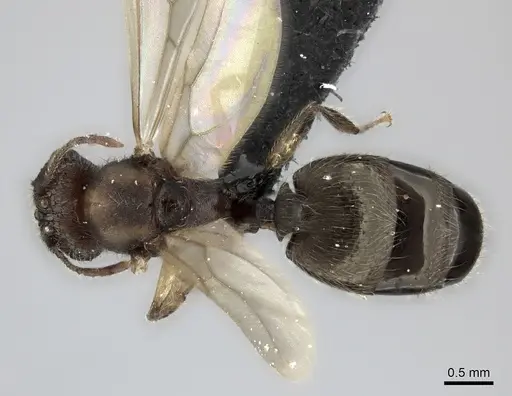
CASENT0101573
View on AntWeb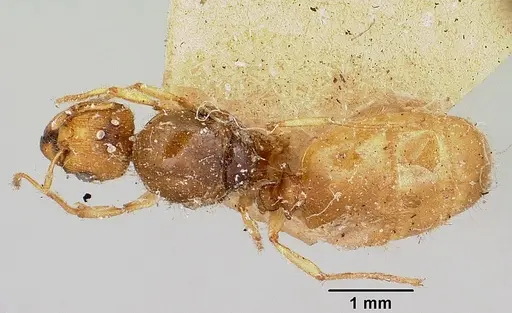
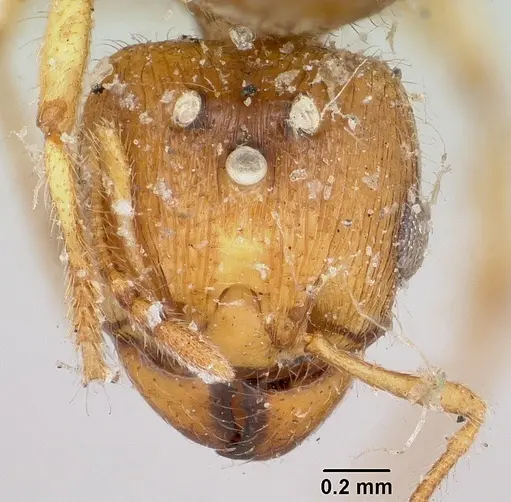
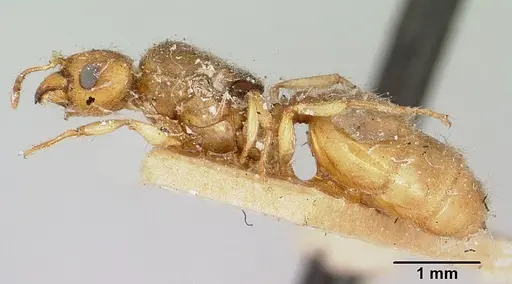
CASENT0101668
View on AntWeb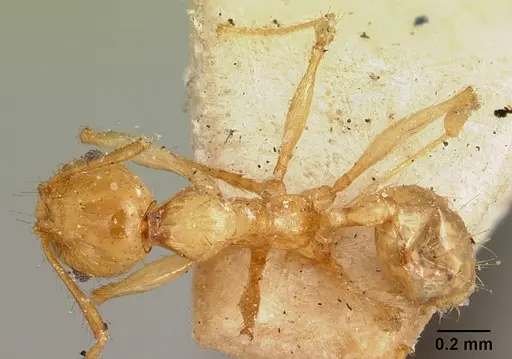
CASENT0101692
View on AntWeb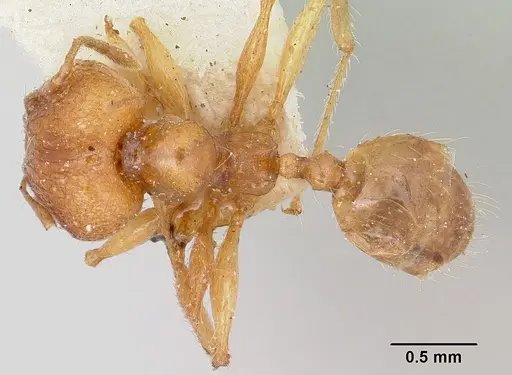
CASENT0148869
View on AntWeb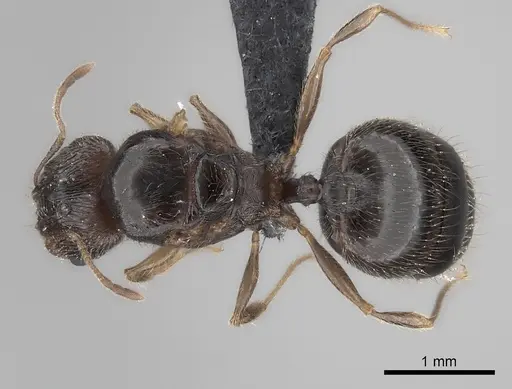
CASENT0148870
View on AntWeb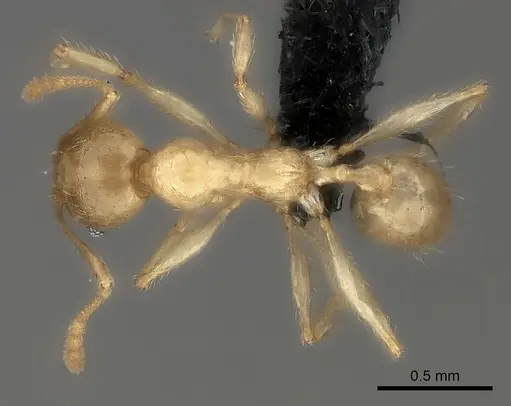
CASENT0149885
View on AntWeb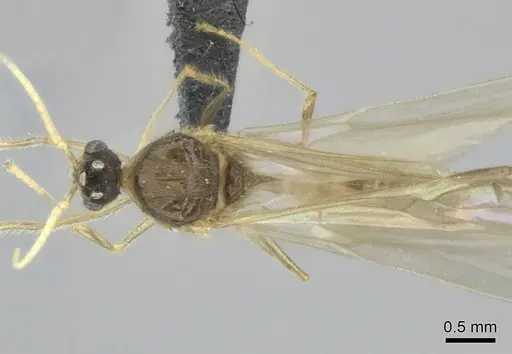
CASENT0149951
View on AntWeb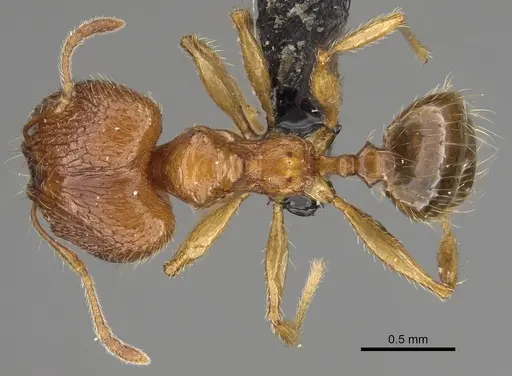
CASENT0217994
View on AntWeb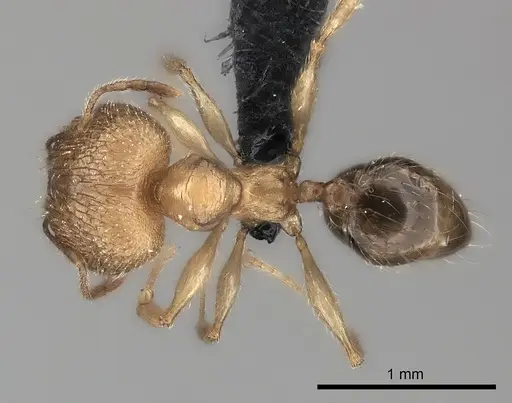
CASENT0235067
View on AntWeb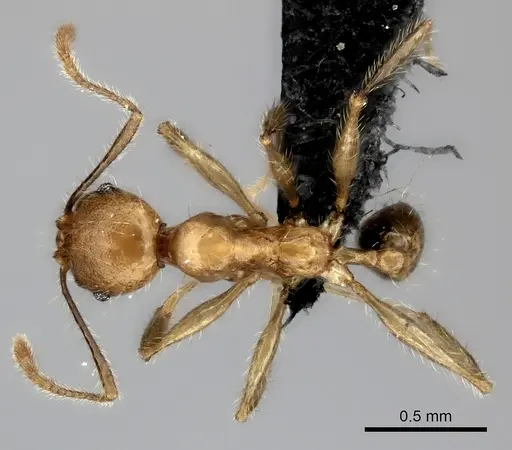
CASENT0922175
View on AntWeb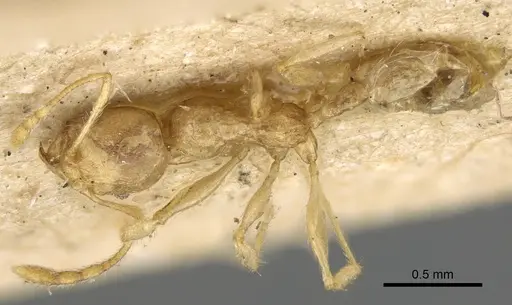
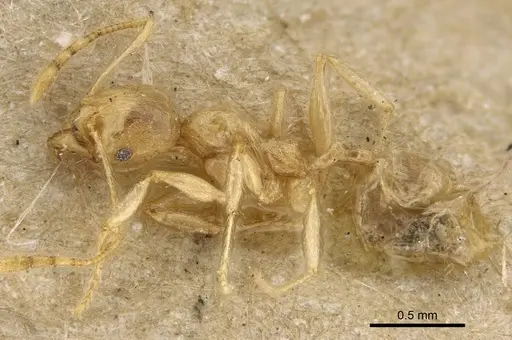
CASENT0923194
View on AntWeb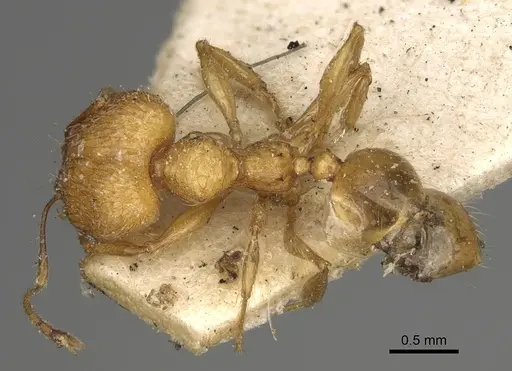
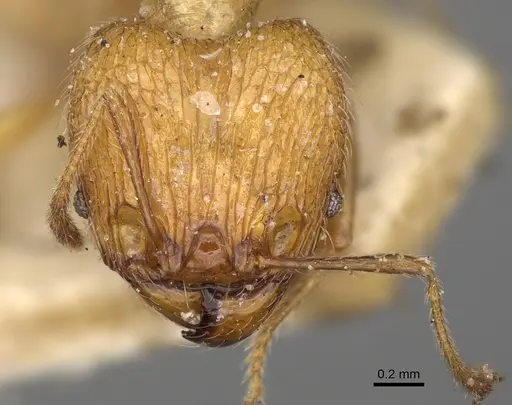
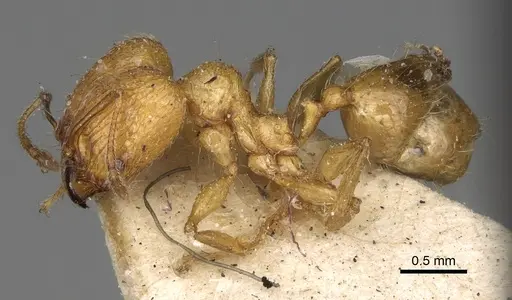
CASENT0923322
View on AntWeb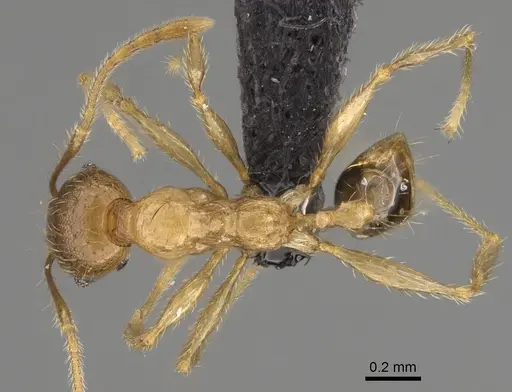
Literature
Loading distribution map...Loading products...