
Pheidole sigillata
- Sci. Name
- Pheidole sigillata
- Tribe
- Attini
- Subfamily
- Myrmicinae
- Author
- Wilson, 2003
- Distribution
- Found in 3 countries
Introduction
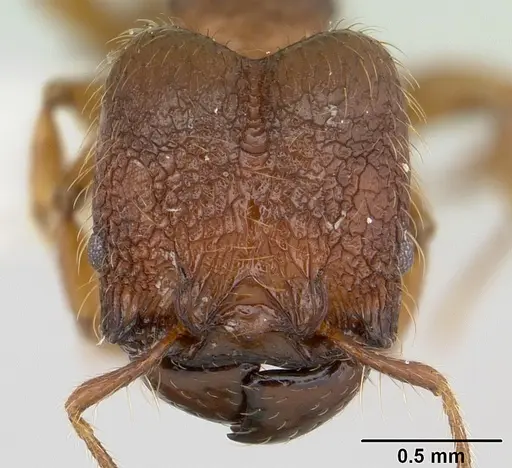
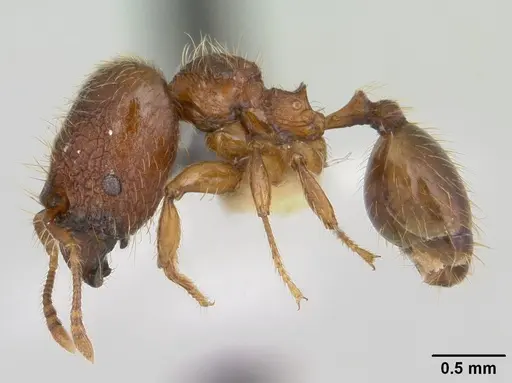
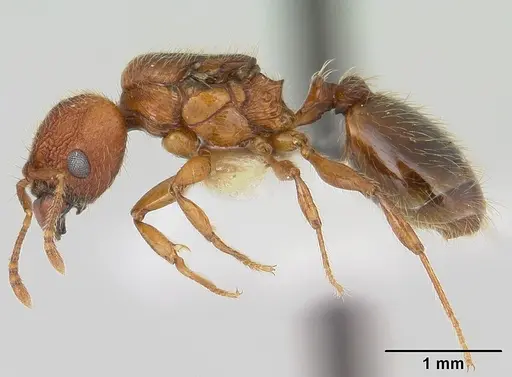
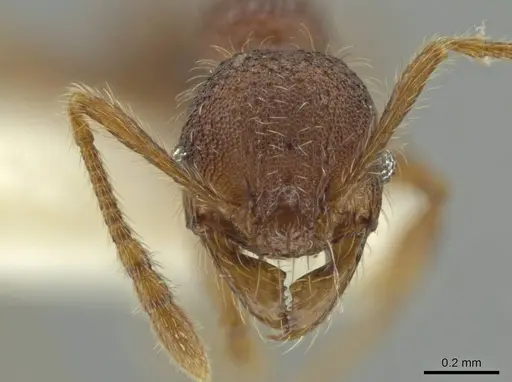
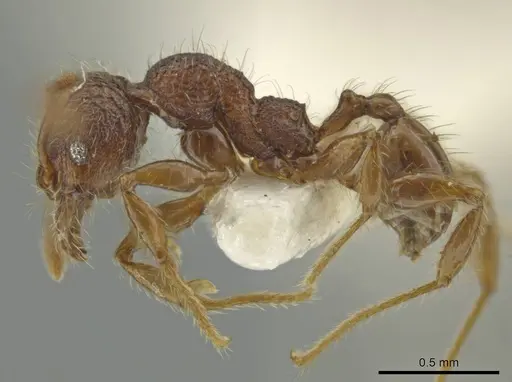
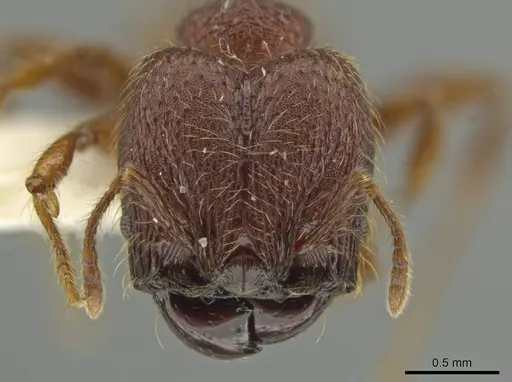
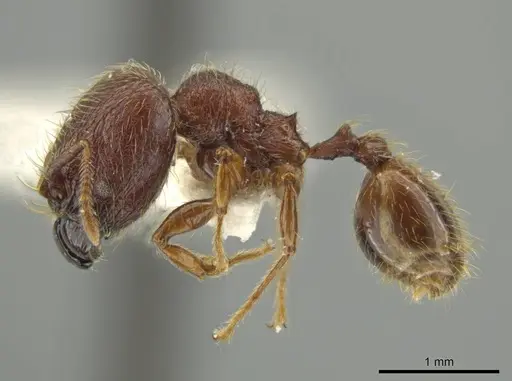
Pheidole sigillata is a small Neotropical ant species native to Brazil, Argentina, and Paraguay . It has a caste system with major workers featuring enlarged heads and smaller minor workers . This species is a twig-nesting ant, commonly colonizing hollow twigs in leaf litter across Atlantic Forest habitats . As a generalist forager, it exploits a wide range of food resources .
Quick Summary
- Difficulty: Easy
- Origin & Habitat: Native to Atlantic Forest regions of Brazil, Argentina, and Paraguay, thriving in leaf litter habitats where it nests in twigs [1][2].
- Colony Type: Likely single-queen colonies (monogyne) based on Pheidole genus patterns, but unconfirmed from specific literature.
- Size & Growth:
- Queen: Size data unavailable, inferred from Pheidole genus (~6-8mm)
- Worker: Size data unavailable, inferred from Pheidole genus (~1-3mm)
- Colony: Up to several hundred workers
- Growth: Moderate
- Development: 6-8 weeks (Development is faster in warm, tropical conditions year-round.)
- Antkeeping:
- Temperature: Keep warm, roughly 24-28°C, based on tropical habitat [1].
- Humidity: Keep substrate consistently moist but not waterlogged, mimicking leaf litter conditions.
- Diapause: No, tropical species do not require hibernation.
- Nesting: Prefer narrow-diameter twigs (11-13mm) in leaf litter [2][3]. Provide tight, enclosed spaces like Y-tong nests with small chambers.
- Behavior: Generally calm but defensive. Major workers can sting, as typical for Myrmicinae ants. Escape risk is high for minor workers due to their tiny size, use fine mesh barriers.
- Common Issues: twig-nesting requires appropriately sized nests to prevent stress, tiny minor workers can escape through standard barriers, use fine mesh, tropical species need consistent warmth, room temperature may be too cold, colonies may reject oversized chambers, prefer tight, enclosed spaces, overfeeding can lead to mold in small nests, feed small portions
Nest Preferences and Housing
Pheidole sigillata is a twig-nesting species, which is critical for successful care. In the wild, they colonize hollow twigs with diameters between 11-13mm, using existing holes or creating small perforations [3][2]. For captivity, provide narrow-diameter setups like Y-tong nests with small chambers or test tube setups with tight dimensions. Avoid large, open spaces as they cause stress. Naturalistic setups with leaf litter or debris in the outworld mimic their environment.
Feeding and Diet
As a generalist forager with a δ15N value of 7.35‰, this species exploits diverse food resources [4]. In captivity, offer protein sources like small insects (fruit flies, pinhead crickets) 2-3 times per week, and sugar sources like honey water constantly. Remove uneaten prey after 24 hours to prevent mold.
Temperature and Seasonal Care
This is a tropical species from southeastern Brazil and neighboring countries. Keep temperatures around 24-28°C using a heating cable on one side of the nest for a gradient. They do not require diapause, maintain warmth year-round. Room temperature may slow growth. [1]
Colony Structure and Castes
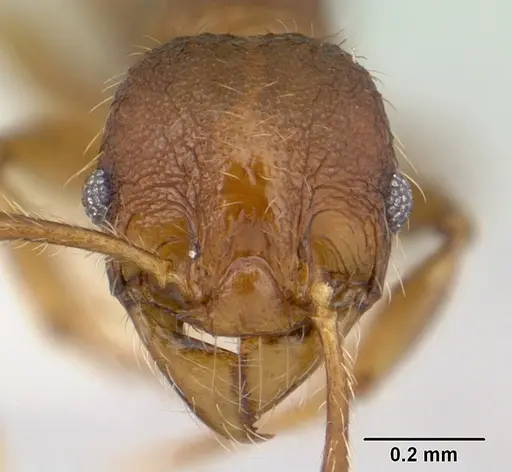
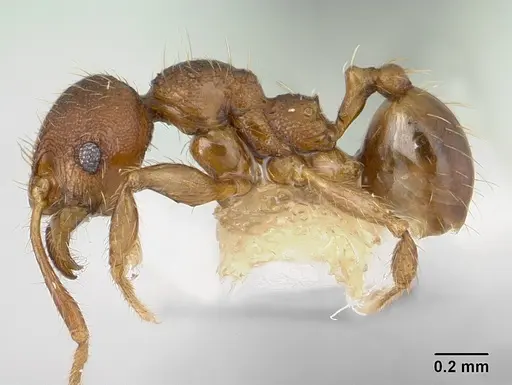
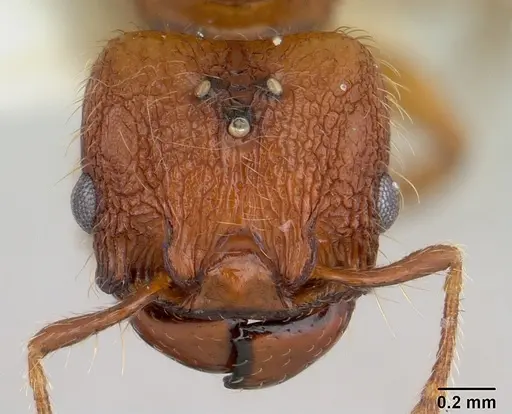
Pheidole sigillata has major and minor worker castes. Major workers have enlarged heads for defense and food processing, while minors handle foraging and brood care. Queens are the sole reproductive females, but colony structure is unconfirmed from literature. [1]
Behavior and Defense
This species is generally calm but will defend the nest vigorously. Major workers can sting if threatened, as typical for Myrmicinae ants. They are active foragers in leaf litter. Escape risk is high for minor workers due to their tiny size, use fine mesh barriers at least 0.3mm. [1]
Frequently Asked Questions
Can I keep Pheidole sigillata in a test tube?
Yes, but use narrow-diameter tubes (10-15mm) to match twig-nesting preferences. Ensure tight cotton and fine mesh barriers to prevent escapes of minor workers.
What is the best nest type for Pheidole sigillata?
Y-tong nests with small chambers or narrow setups work best, mimicking natural twig diameters of 11-13mm [2][3].
How long until first workers appear?
Expect first workers around 6-8 weeks after queen lays eggs, assuming warm temperatures.
Do they need hibernation?
No, as a tropical species, they do not require diapause. Keep them warm year-round.
What do Pheidole sigillata eat?
They are generalist feeders. Offer small insects for protein and sugar water constantly [4].
Are Pheidole sigillata good for beginners?
Yes, they are hardy and don't require hibernation. Main challenges are providing narrow nesting and escape prevention.
How big do colonies get?
Colonies likely reach up to several hundred workers, based on genus patterns.
Why are my minor workers escaping?
Minor workers are extremely tiny and can squeeze through gaps. Use fine mesh (at least 0.3mm) and ensure tight connections.
Can I keep multiple queens together?
This species is likely monogyne, so multiple queens may fight. Only keep one queen per colony.
When should I move them to a formicarium?
Move when the colony has around 50-100 workers and the test tube is crowded. Provide narrow chambers.
What temperature is ideal for Pheidole sigillata?
Keep nest temperatures between 24-28°C using a heating gradient. Room temperature may slow growth.
Report an Issue
The current care sheet is based fully on literature. See inconsistencies, or something that's incorrect? Please , it will be resolved after review from an admin. Contributing to the blogs tab also helps providing information, to make us be able to further improve the caresheets. Thank you for your support!
References

This caresheet is licensed under CC BY-SA 4.0 .
Community Blogs
CASENT0178055
View on AntWeb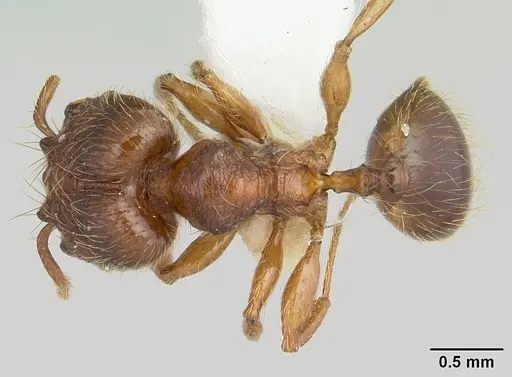
CASENT0178056
View on AntWeb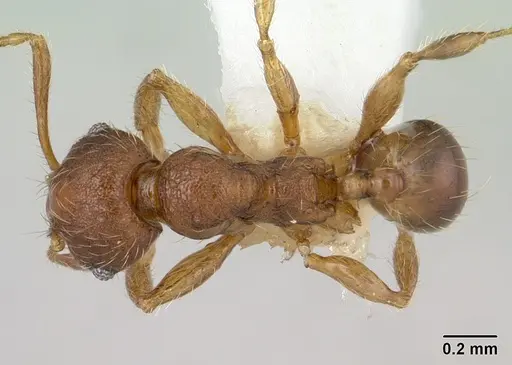
CASENT0178057
View on AntWeb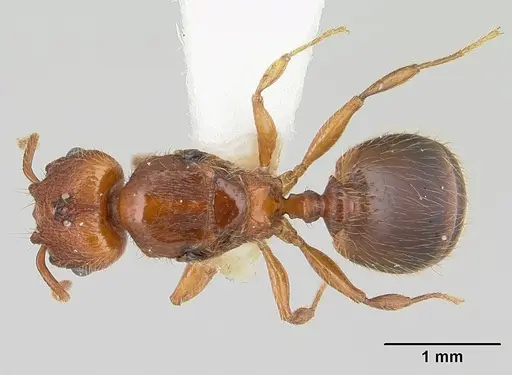
CASENT0645873
View on AntWeb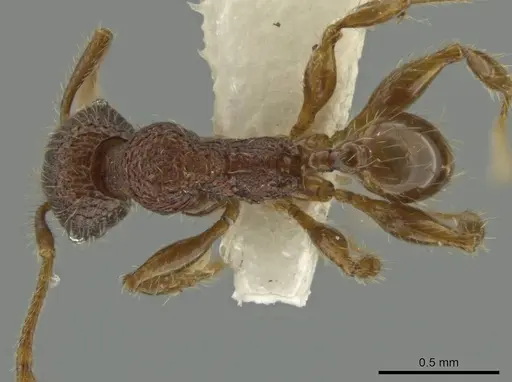
JTLC000016529
View on AntWeb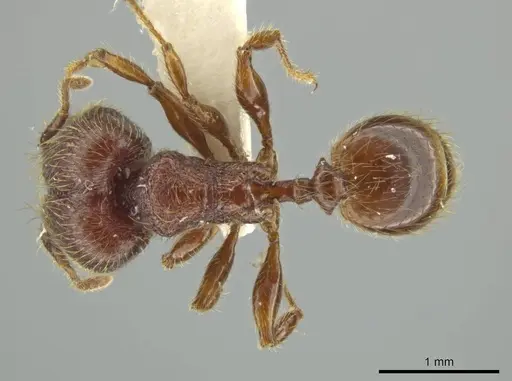
Literature
Loading distribution map...Loading products...