
Pheidole sharpi
- Sci. Name
- Pheidole sharpi
- Tribe
- Attini
- Subfamily
- Myrmicinae
- Author
- Forel, 1902
- Distribution
- Found in 1 countries
Introduction
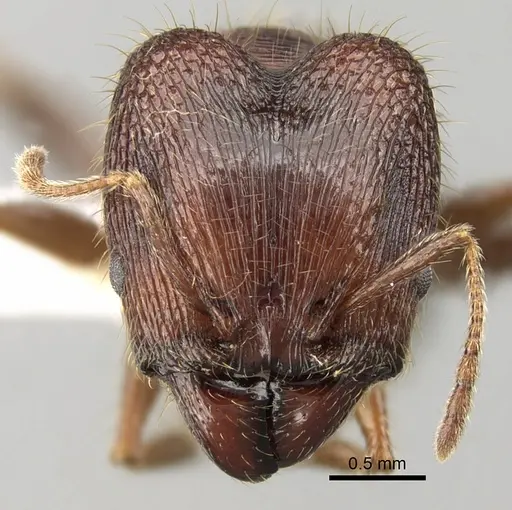
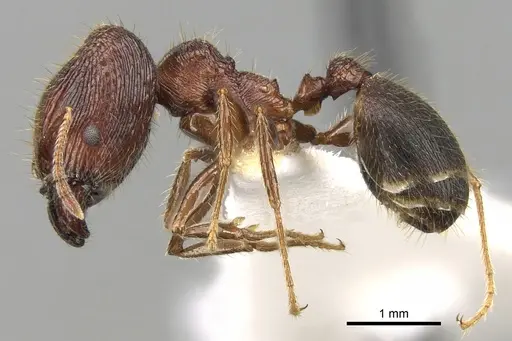
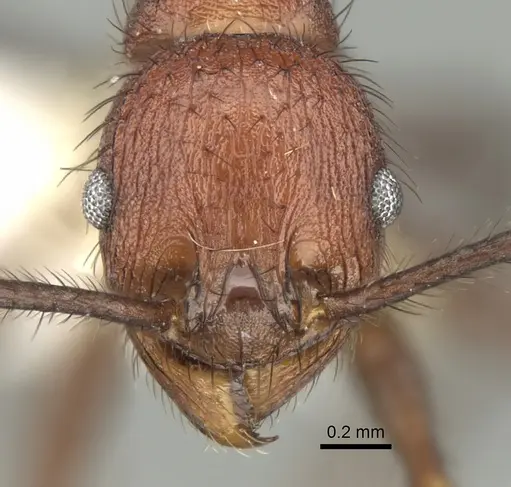
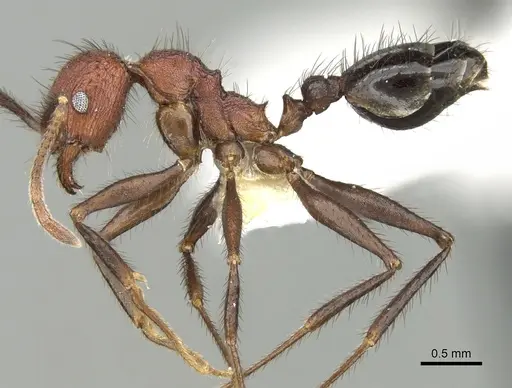
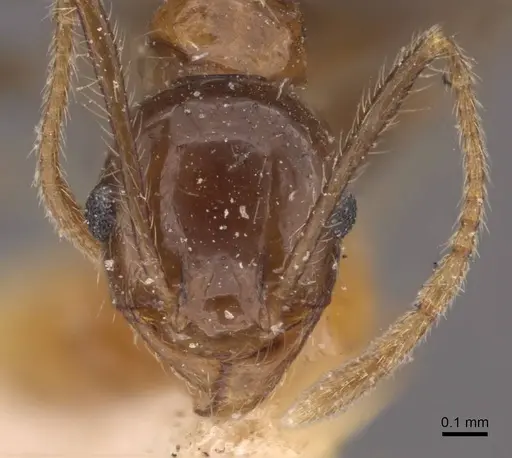
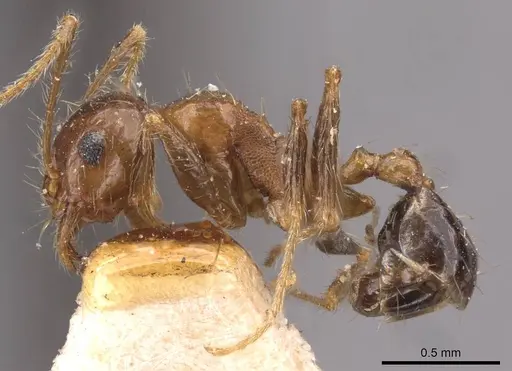
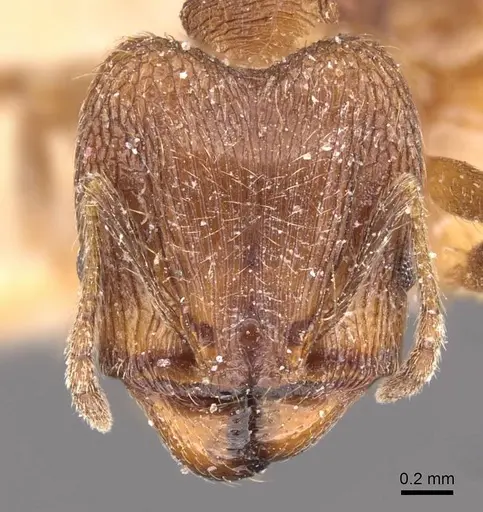
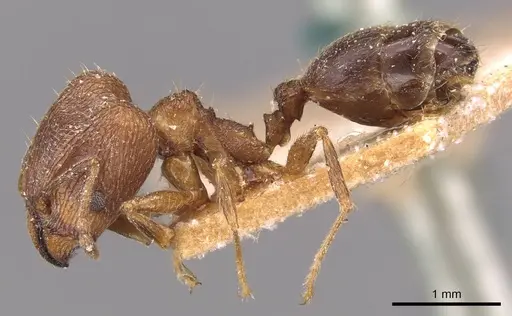
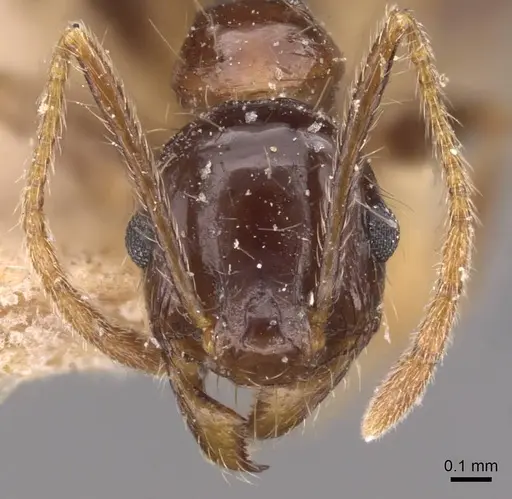
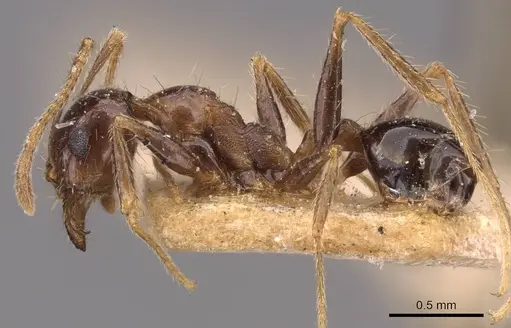
Pheidole sharpi is a small ant species native to India and Sri Lanka. Major workers have the characteristic large heads of Pheidole ants, while minor workers are much smaller. The species is found across multiple Indian states in tropical and subtropical environments . This species is diurnal and omnivorous, foraging during the day and eating both plant-based and protein foods .
Quick Summary
- Difficulty: Easy
- Origin & Habitat: Native to India and Sri Lanka, found in Kerala, Karnataka, Tamil Nadu, Maharashtra, Goa, and other states. Typically nests in ground in tropical areas [2][1].
- Colony Type: Based on Pheidole genus patterns, likely monogyne (single queen colonies). Founding behavior is unconfirmed [3].
- Size & Growth:
- Queen: Estimated ~8-10 mm, inferred from Pheidole genus [3]
- Worker: Small, inferred from Pheidole genus, size data unavailable for total length
- Colony: Up to several hundred workers, estimated
- Growth: Moderate
- Development: 6-8 weeks estimated, inferred from Pheidole genus patterns (Development time depends on temperature and feeding.)
- Antkeeping:
- Temperature: Keep warm, roughly 24-28°C, as inferred from tropical habitat [1]
- Humidity: Keep nest substrate moderately moist, with a gradient for choice [1]
- Diapause: No, tropical species does not require hibernation [1]
- Nesting: Ground-nesting species, use test tubes for founding, Y-tong or plaster nests for established colonies [3]
- Behavior: Diurnal and omnivorous, active during noon. Not particularly aggressive but will defend colony. Minor workers are small escape risks [1].
- Common Issues: temperatures below 22°C can slow colony growth., minor workers may escape through small gaps, ensure proper escape prevention., overfeeding can cause mold, remove uneaten food promptly., founding colonies are vulnerable to disturbance, keep in dark, quiet location., wild-caught colonies may carry parasites.
Housing and Nest Setup
For founding colonies, a simple test tube setup works well. Fill a test tube with water and plug the wet end with cotton, creating a humid chamber. Place the queen in this tube and seal the other end with a cotton plug coated with Fluon to prevent escapes. Keep the tube in darkness until workers emerge. Once the colony reaches 20-30 workers, move them to a small formicarium like a Y-tong nest or plaster setup. Pheidole sharpi prefers chambers scaled to their size with a moisture gradient [3].
Feeding and Diet
As an omnivorous species, Pheidole sharpi accepts protein sources like small insects and plant-based foods like seeds. Offer protein 2-3 times per week, removing uneaten prey after 24 hours. Provide sugar sources like honey water. They are diurnal, so offer food during the day [1][4].
Temperature and Seasonal Care
Keep temperatures warm, around 24-28°C, as inferred from their tropical habitat. Use a heating cable if needed. They do not require hibernation [1].
Colony Development and Growth
A newly mated queen may seal herself in a chamber and lay eggs. First workers emerge in approximately 6-8 weeks under warm conditions. Colony growth is moderate, reaching up to several hundred workers [1].
Behavior and Foraging
Pheidole sharpi is diurnal, with peak activity at noon. Workers forage individually for seeds and insects. Major workers handle defense and seed-crushing, while minors manage foraging [1][4].
Frequently Asked Questions
Can I keep Pheidole sharpi in a test tube?
Yes, test tubes work well for founding colonies. Use a water-filled test tube with a cotton plug and apply Fluon to prevent escapes [3].
How long does it take for Pheidole sharpi to produce first workers?
First workers typically emerge in 6-8 weeks under warm conditions, inferred from Pheidole genus patterns [1].
What do Pheidole sharpi ants eat?
They are omnivorous, accepting both protein like insects and plant-based foods like seeds. Offer food during the day [1][4].
Do Pheidole sharpi ants need hibernation?
No, as a tropical species, they do not require hibernation [1].
Are Pheidole sharpi good for beginners?
Yes, they are relatively hardy and do not require hibernation, but escape prevention is important due to small worker size.
How big do Pheidole sharpi colonies get?
Colonies can reach up to several hundred workers, estimated from typical Pheidole patterns [1].
When should I move Pheidole sharpi to a formicarium?
Move them once the colony reaches 20-30 workers and the test tube water is low. Use Y-tong or plaster nests [3].
Can I keep multiple Pheidole sharpi queens together?
Pheidole species are typically monogyne, so combining queens may cause fighting. Only keep one queen per colony.
What temperature is best for Pheidole sharpi?
Keep them at 24-28°C, as inferred from their tropical habitat [1].
Report an Issue
The current care sheet is based fully on literature. See inconsistencies, or something that's incorrect? Please , it will be resolved after review from an admin. Contributing to the blogs tab also helps providing information, to make us be able to further improve the caresheets. Thank you for your support!
References

This caresheet is licensed under CC BY-SA 4.0 .
Community Blogs
CASENT0281640
View on AntWeb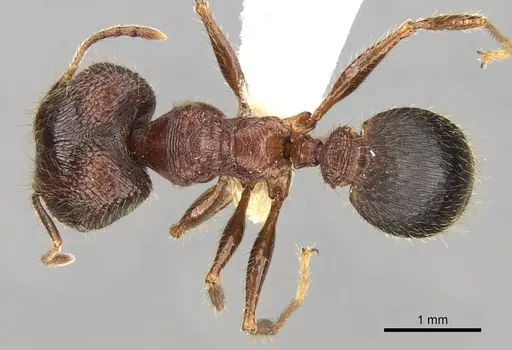
CASENT0281641
View on AntWeb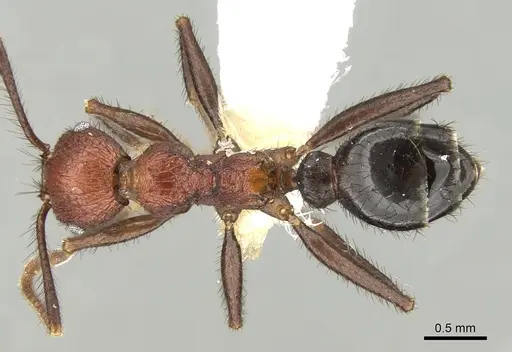
CASENT0901501
View on AntWeb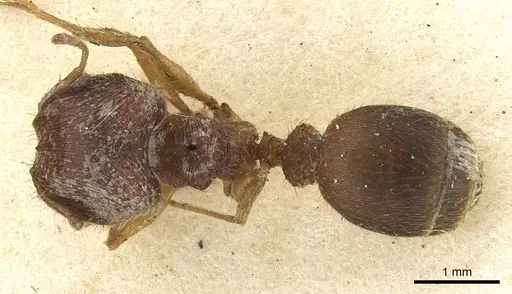
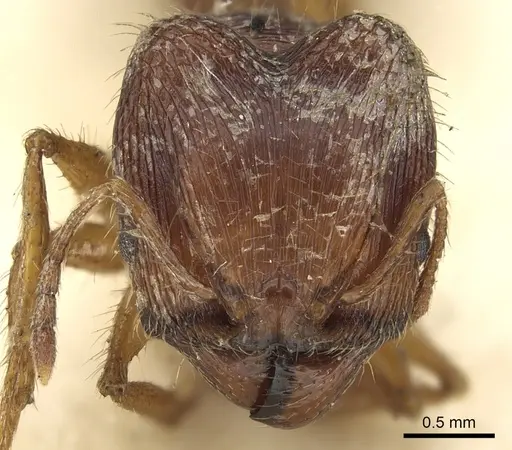
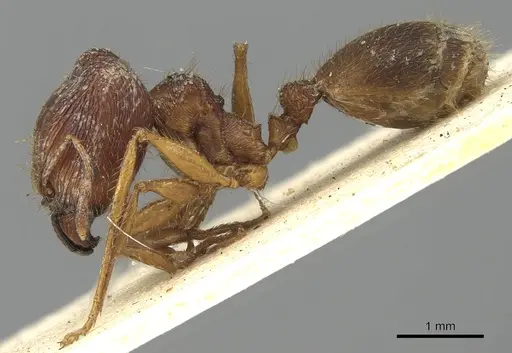
CASENT0907951
View on AntWeb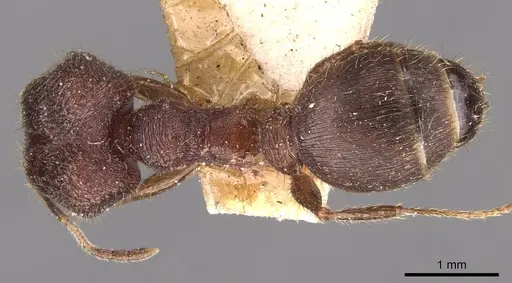
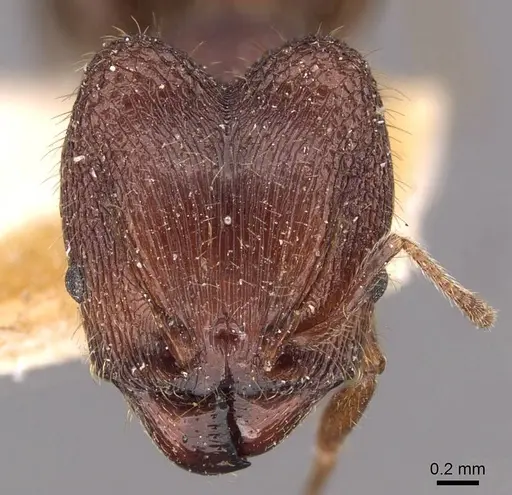
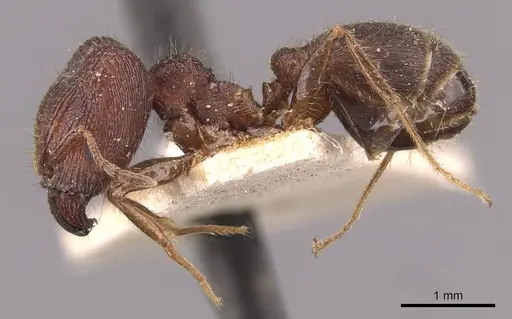
CASENT0907952
View on AntWeb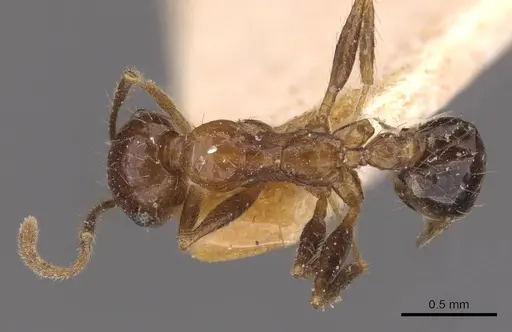
CASENT0907953
View on AntWeb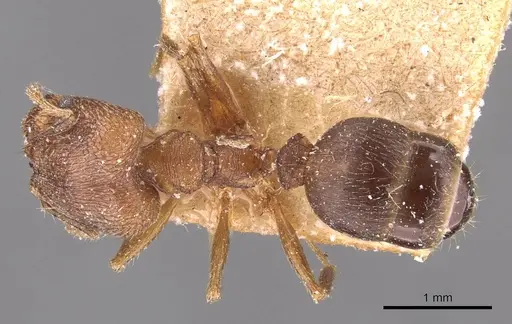
CASENT0907954
View on AntWeb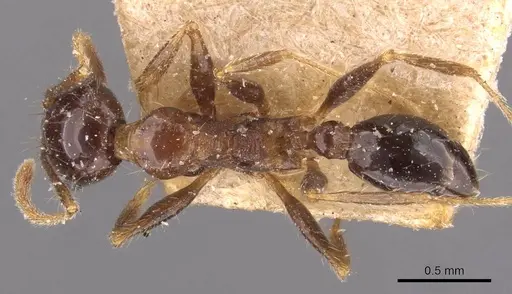
Literature
Loading distribution map...Loading products...