
Pheidole sexspinosa
- Sci. Name
- Pheidole sexspinosa
- Tribe
- Attini
- Subfamily
- Myrmicinae
- Author
- Mayr, 1870
- Distribution
- Found in 9 countries
Introduction
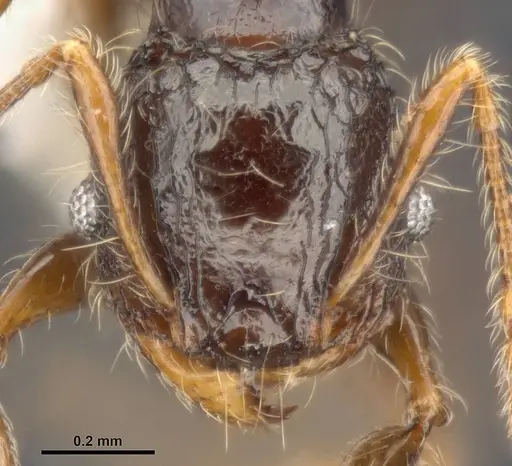
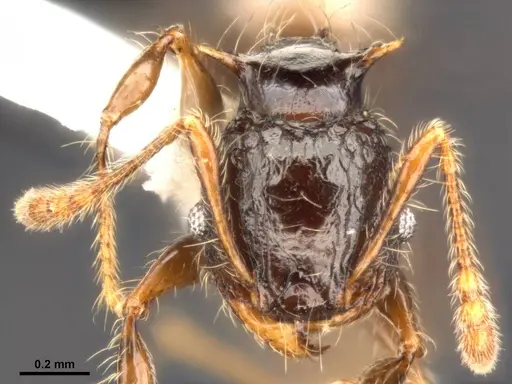
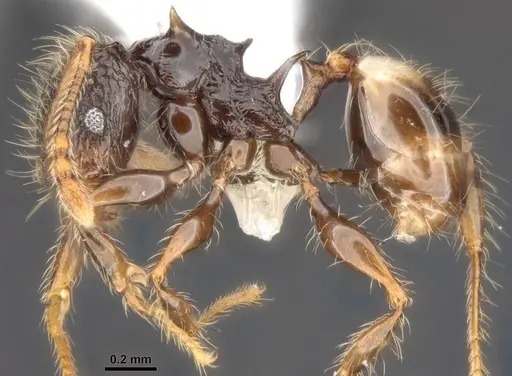
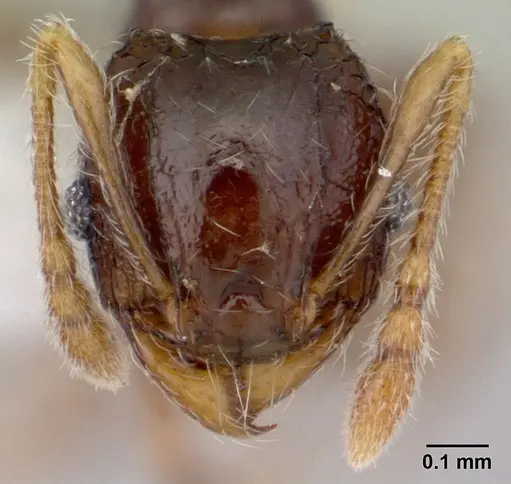
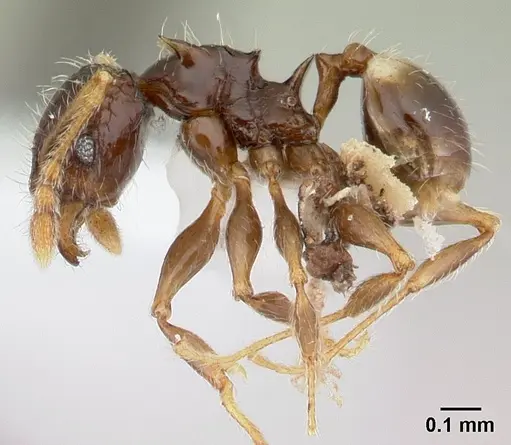
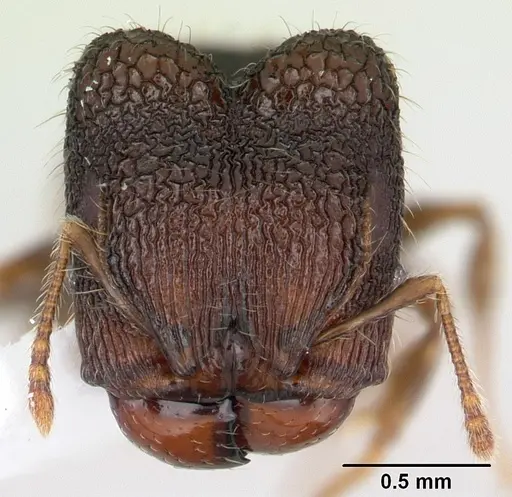
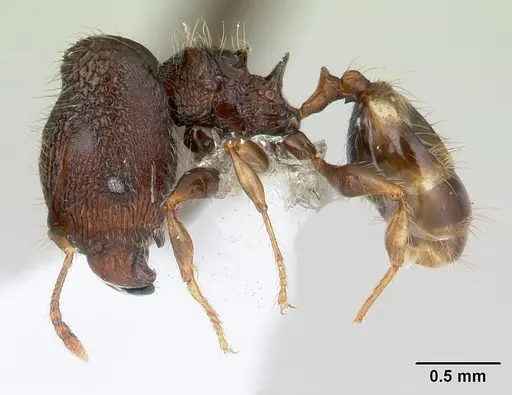
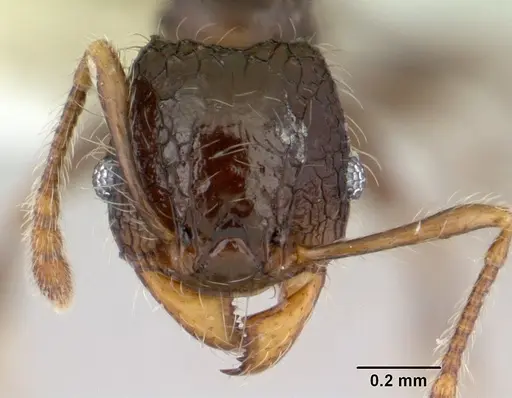
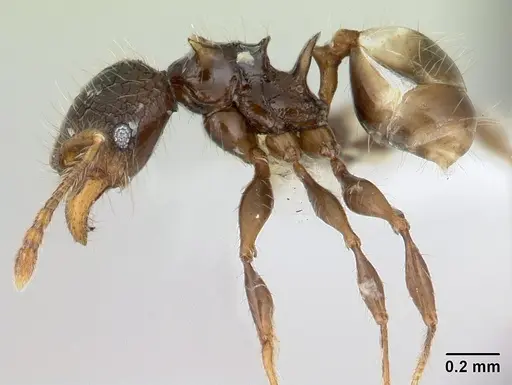
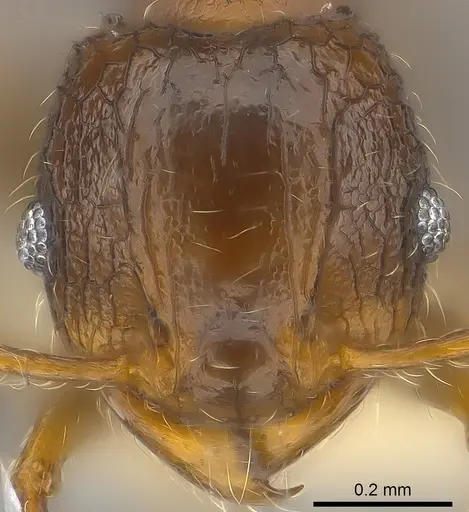
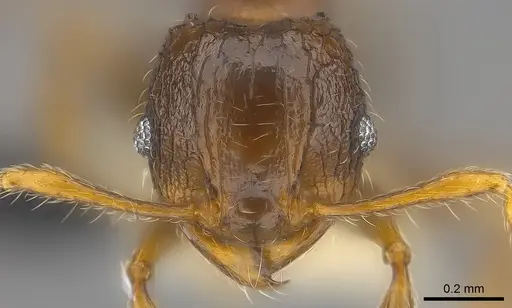
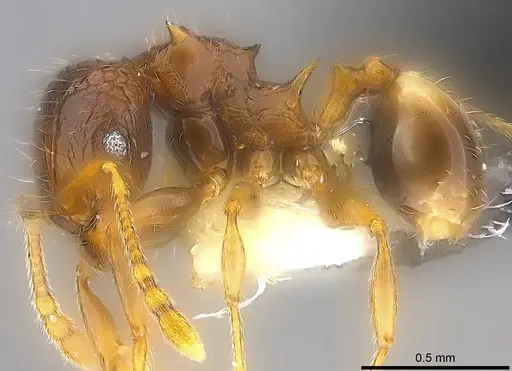
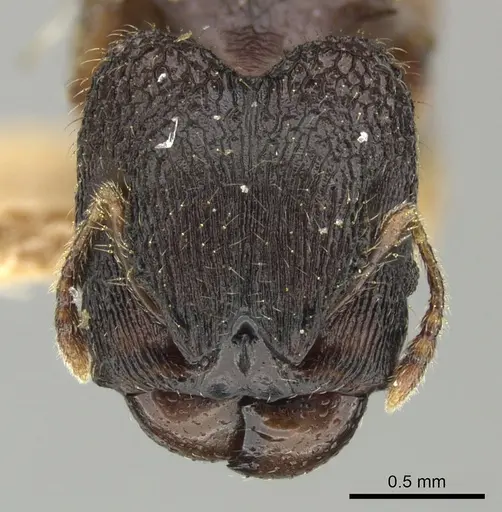
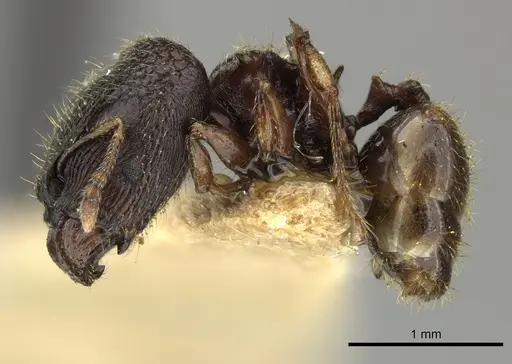
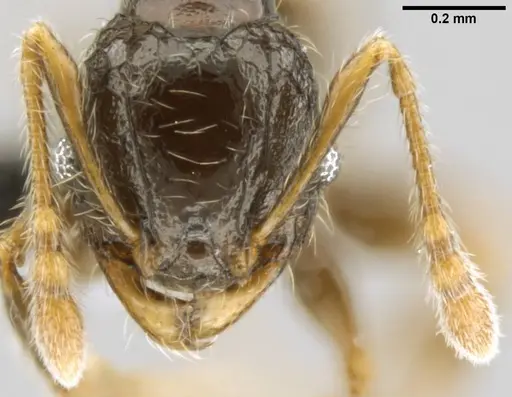
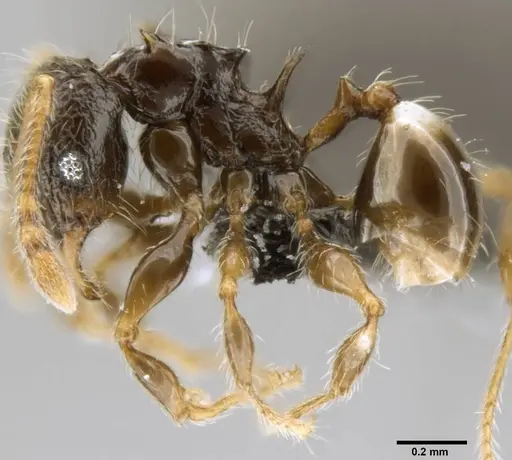
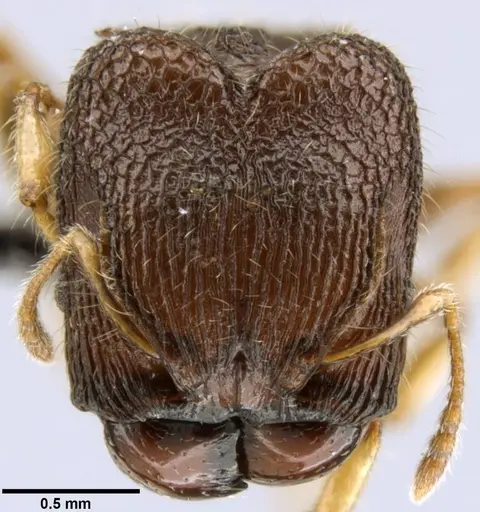
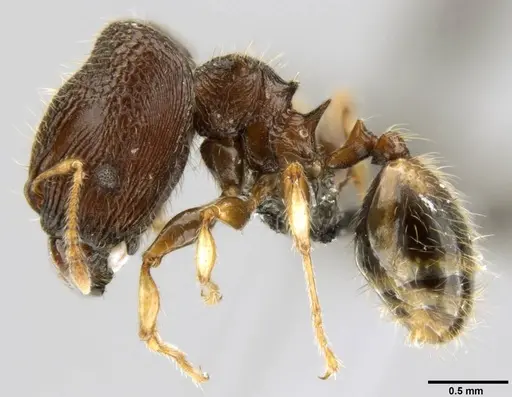
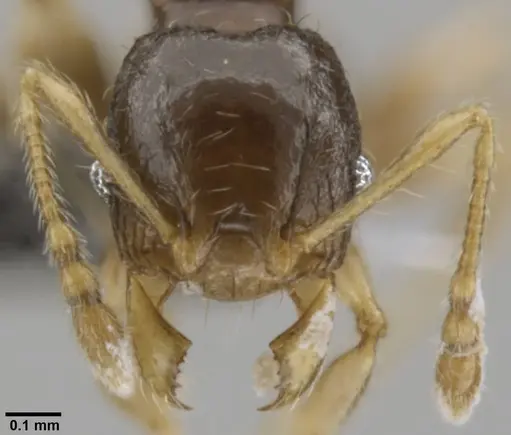
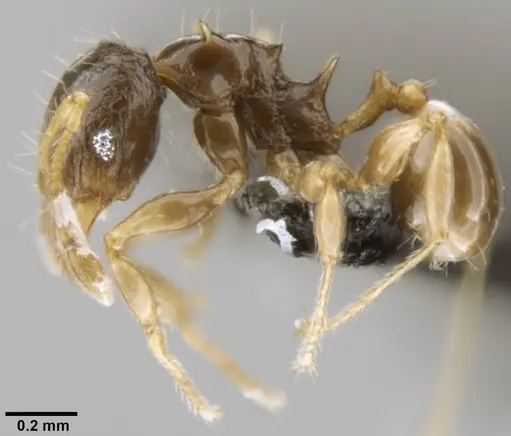
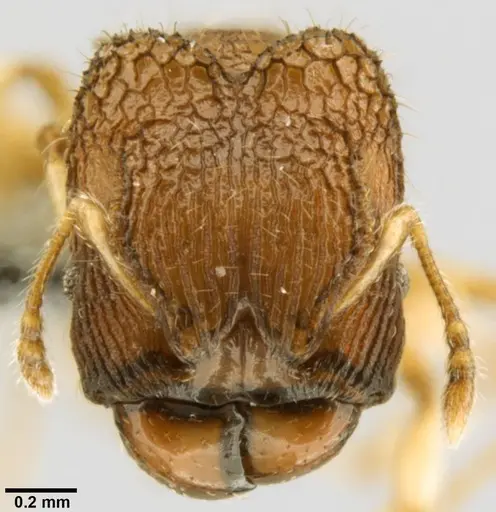
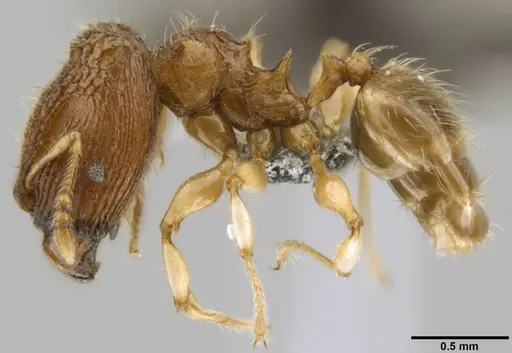
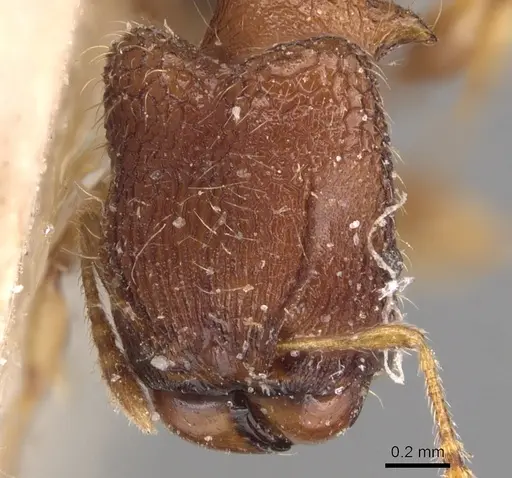
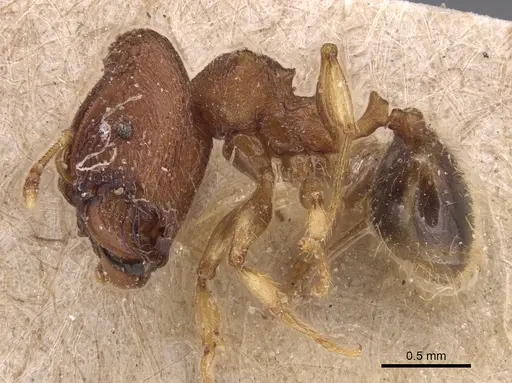
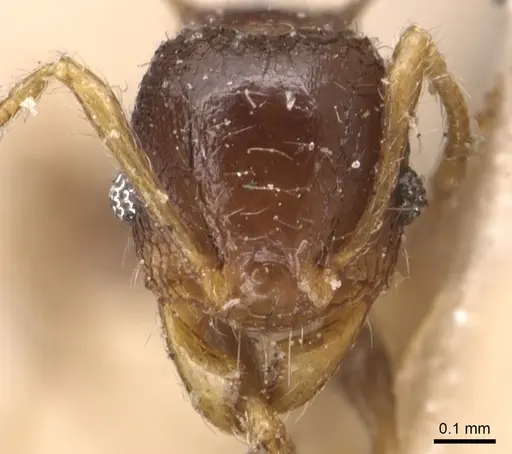
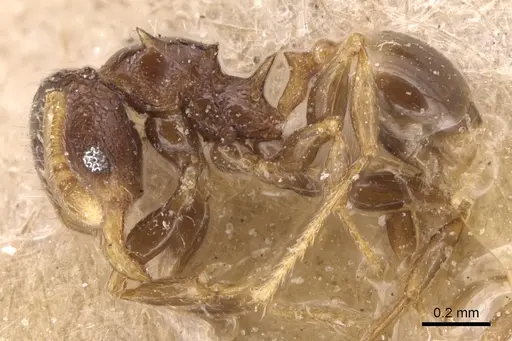
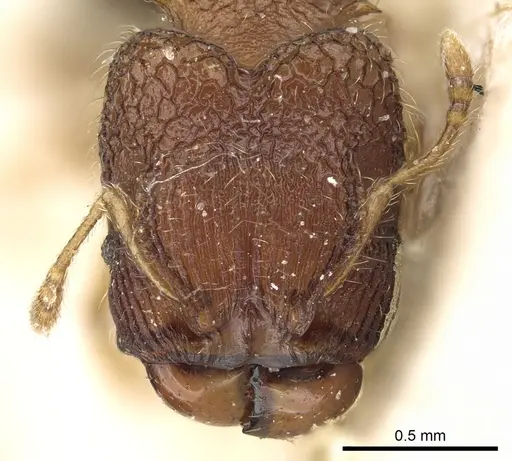
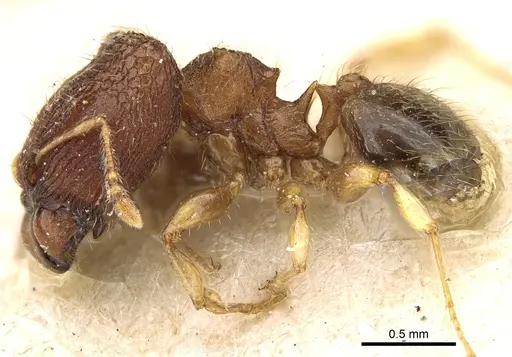
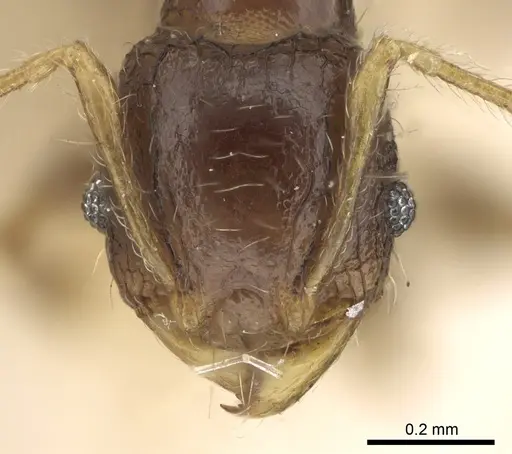
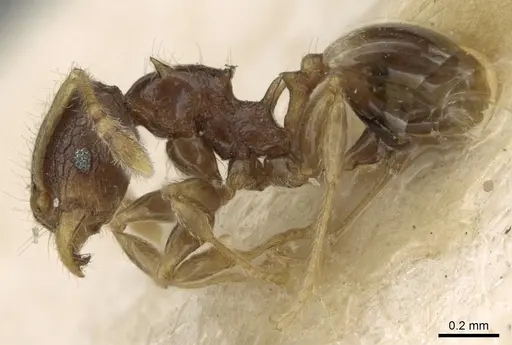
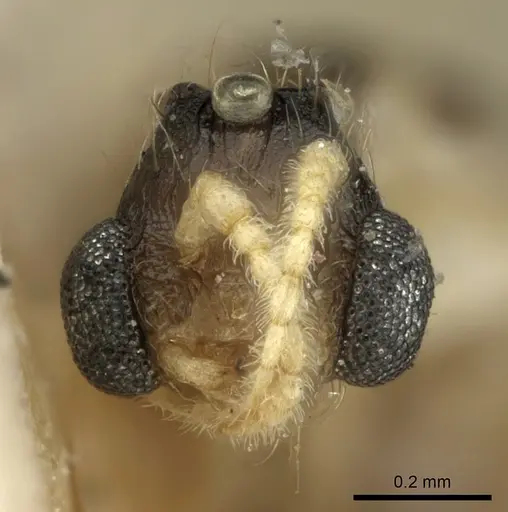
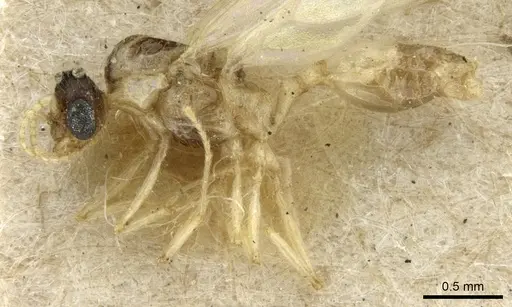
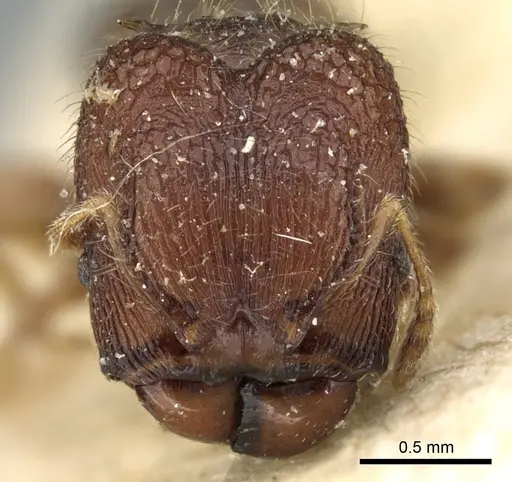
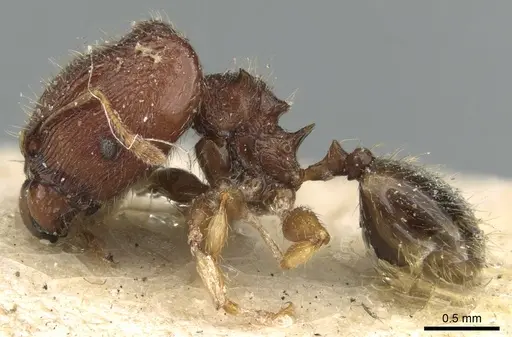
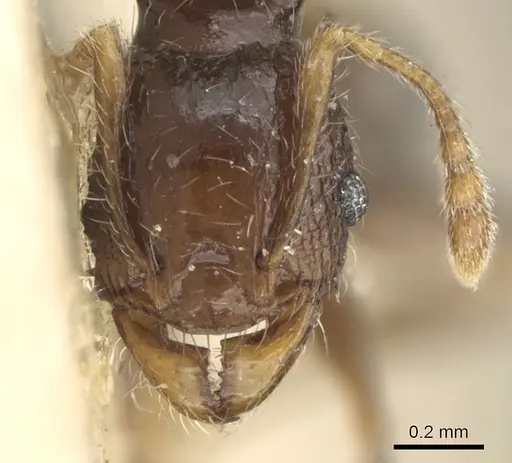
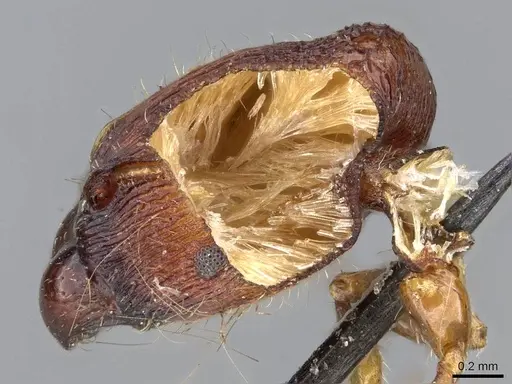
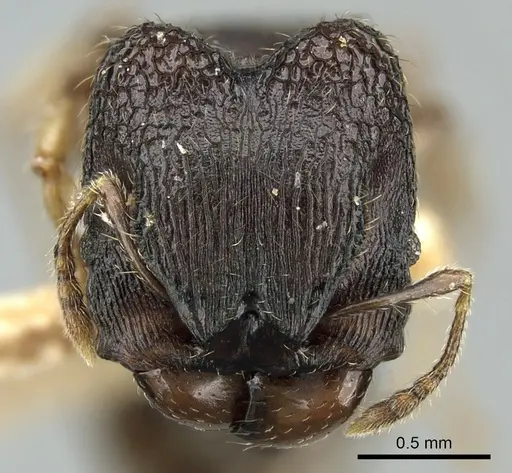
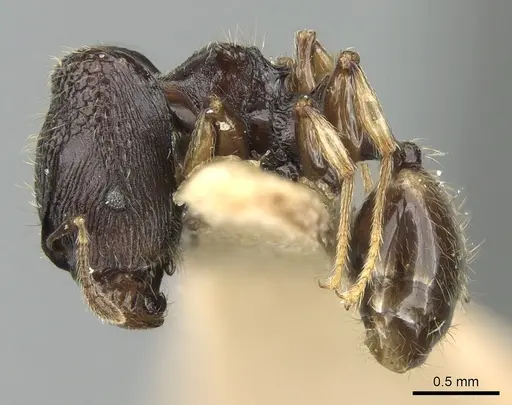
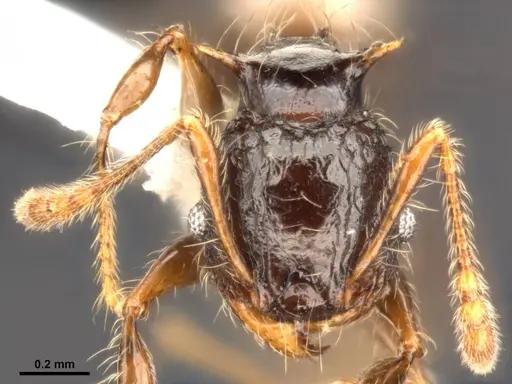
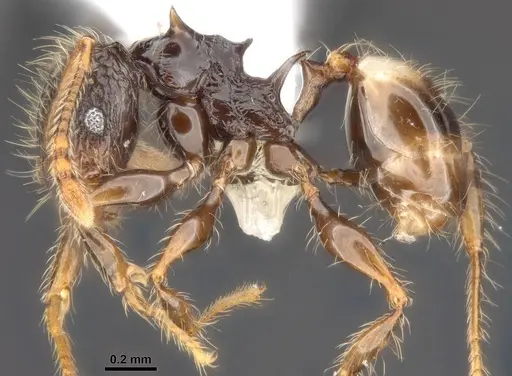
Pheidole sexspinosa is a distinctly dimorphic ant species immediately recognizable by its six spines on the mesosome - two on the pronotum, two on the mesonotum, and two on the propodeum . Major workers are reddish orange-brown with a blackish-brown gaster, while minor workers are dark orange-brown. Both castes are covered in abundant long yellowish standing hairs . This species has an extensive Pacific distribution spanning from New Guinea through the Solomon Islands, Palau, Fiji, Samoa, and French Polynesia, with a recent discovery in Singapore representing its first record in the Oriental region . Colonies nest in decayed mangrove wood and show tolerance for harsh coastal habitats like mangroves and coral rubble .
Quick Summary
- Difficulty: Medium
- Origin & Habitat: Native to the Indo-Pacific region with New Guinean origin. Found across Oceania including New Guinea, Solomon Islands, Palau, Caroline Islands, Fiji, Samoa, Tuvalu, and French Polynesia. Also recorded in Singapore and once in New Zealand as a human-introduced species. Inhabits mangrove back forests, swamp forests, and humid valley bottoms [1][3][4].
- Colony Type: Unconfirmed, research does not specify queen number or social structure.
- Size & Growth:
- Queen: size data unavailable, no total length measurements provided in research
- Worker: size data unavailable, no total length measurements provided in research
- Colony: Unknown maximum colony size, no specific data on colony size in research
- Growth: Moderate, inferred from typical Pheidole development patterns
- Development: Estimated 6-8 weeks at warm temperatures, based on typical Pheidole development (Development time is estimated, warmer temperatures may accelerate growth.)
- Antkeeping:
- Temperature: Keep warm, roughly 24-28°C, inferred from tropical mangrove habitat [1]
- Humidity: Keep nest substrate consistently moist but not waterlogged, based on mangrove habitat [1][2]
- Diapause: No, tropical species does not require hibernation [1]
- Nesting: Prefer decaying wood in humid environments, use naturalistic setups with damp substrate or Y-tong/plaster nests [1]
- Behavior: Relatively non-aggressive and subordinate to invasive species like Pheidole megacephala [5]. Generalist foragers collecting seeds, insects, and honeydew. Escape risk is high due to small worker size, use fine mesh barriers.
- Common Issues: high humidity can lead to mold growth if ventilation is poor, balance humidity with airflow, colonies may struggle if temperatures drop below 22°C, they are adapted to tropical conditions, small workers can escape through standard setups, use fine mesh and tight lids, wild-caught colonies may contain parasites, quarantine new colonies, drowning risk in water tubes, use appropriate water delivery methods
Housing and Nest Setup
You can use naturalistic setups that mimic mangrove habitats. Use a mix of soil and sand as substrate, keeping it consistently moist. Add pieces of decaying wood or cork bark for nesting sites, as colonies naturally nest in rotting wood [1]. Y-tong or plaster nests work well for moisture retention. Ensure no large gaps, minor workers are small and can escape through tiny openings. Cover ventilation holes with fine mesh.
Feeding and Diet
You should offer a varied diet: protein from small insects like fruit flies or pinhead crickets, and carbohydrates from sugar water, honey, or ripe fruit. They are omnivorous generalists, likely foraging for arthropods and honeydew in the wild [1]. Feed protein every 2-3 days and keep sugar water available. Remove uneaten food after 24 hours to prevent mold.
Temperature and Humidity Management
Keep temperatures warm, around 24-28°C, as they are tropical mangrove ants [1]. Maintain high humidity by keeping the nest substrate moist but not waterlogged, they tolerate tidal flooding in nature [2]. Use a water tube for evaporation, and if room temperature is low, add a heating cable on one side of the nest. Never let temperatures drop below 20°C for long periods.
Colony Development and Growth
Colonies grow moderately. After a queen seals herself in, she raises the first brood on stored fat reserves. First workers may emerge in 6-8 weeks under warm conditions, based on typical Pheidole development. Growth depends on food and temperature, majors develop later for defense and food processing.
Behavior and Colony Dynamics
These ants are relatively peaceful and active foragers. Majors defend the colony and process large food items, while minors handle foraging and brood care. In the wild, they are subordinate to invasive species like Pheidole megacephala [5]. In captivity, they are calm and fun to watch.
Seasonal Care and Health
As a tropical species, no hibernation is needed. Maintain consistent warmth and humidity year-round. Watch for mold, mites, and fungal infections in humid setups. Good ventilation prevents mold while keeping moisture balanced. If mold appears, remove affected materials and adjust moisture. [1][2]
Finding and Acquiring Colonies
In native ranges, search for colonies in decaying mangrove wood, such as Rhizophora stems or Excoecaria roots [1]. If collecting from the wild, check local regulations, as this species has been introduced to New Zealand [6]. Captive-bred colonies from specialized keepers are often best for healthy starts.
Frequently Asked Questions
How long does it take for Pheidole sexspinosa to have first workers?
Estimated 6-8 weeks for first workers under warm conditions, based on typical Pheidole development patterns.
Do Pheidole sexspinosa ants need hibernation?
No, they are tropical and do not require hibernation [1].
What do Pheidole sexspinosa eat?
They are omnivorous generalists. Offer small insects for protein and sugar water or fruit for carbohydrates [1].
Are Pheidole sexspinosa good for beginners?
They are medium difficulty due to humidity and temperature needs, but not recommended for absolute beginners.
How big do Pheidole sexspinosa colonies get?
Maximum colony size is unknown from research, but they may reach several hundred workers with good care.
What makes Pheidole sexspinosa easy to identify?
They have six spines on the mesosome, two on the pronotum, two on the mesonotum, and two on the propodeum [1].
Can I keep multiple queens together?
Research does not confirm colony structure, so it is unconfirmed whether multiple queens can coexist.
What temperature range is best for Pheidole sexspinosa?
Keep them warm, around 24-28°C, as they are tropical ants [1].
Why are my Pheidole sexspinosa dying?
Common causes include low temperatures, dry conditions, mold from poor ventilation, or escapes due to small size. Check warmth and humidity balance.
What kind of humidity do they need?
High humidity, keep the nest substrate moist but not waterlogged, based on their mangrove habitat [1][2].
When should I move them to a formicarium?
Move to a larger setup once the colony has 50-100 workers and the queen is laying eggs regularly, ensuring space and humidity.
Report an Issue
The current care sheet is based fully on literature. See inconsistencies, or something that's incorrect? Please , it will be resolved after review from an admin. Contributing to the blogs tab also helps providing information, to make us be able to further improve the caresheets. Thank you for your support!
References

This caresheet is licensed under CC BY-SA 4.0 .
Community Blogs
ANTWEB1008111
View on AntWeb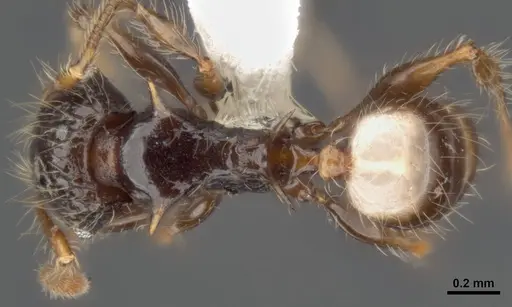
CASENT0178403
View on AntWeb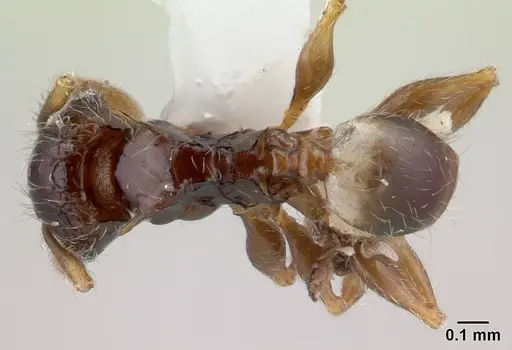
CASENT0178466
View on AntWeb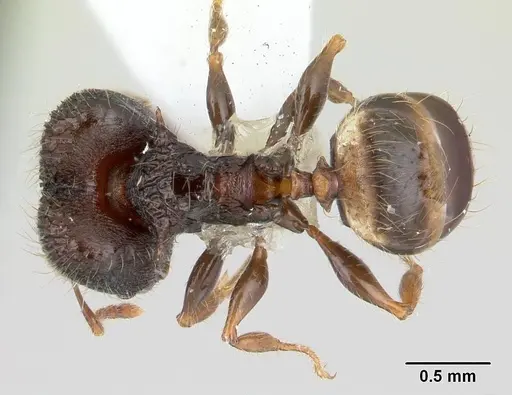
CASENT0178467
View on AntWeb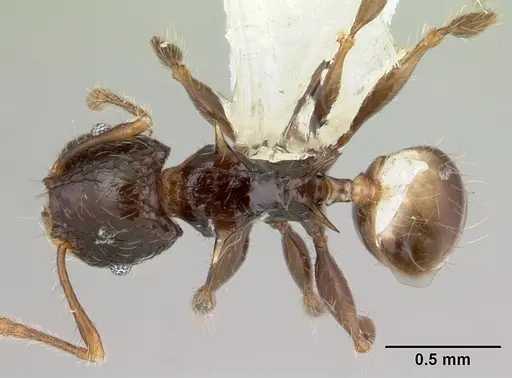
CASENT0194651
View on AntWeb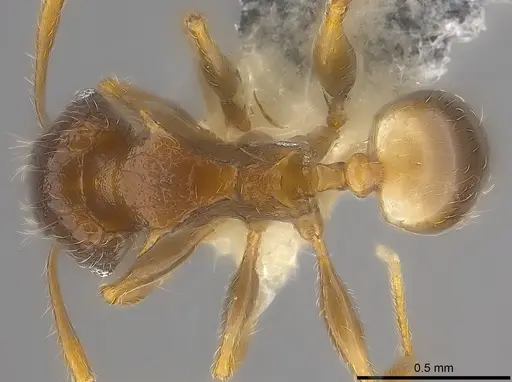
CASENT0249104
View on AntWeb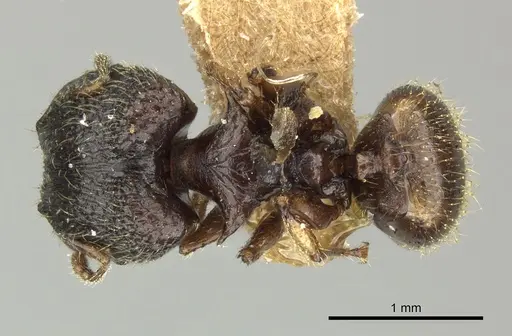
CASENT0282137
View on AntWeb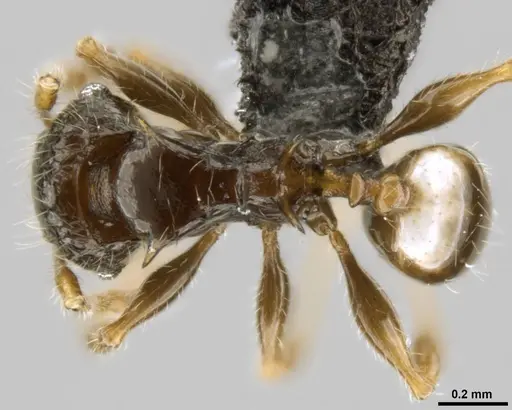
CASENT0282145
View on AntWeb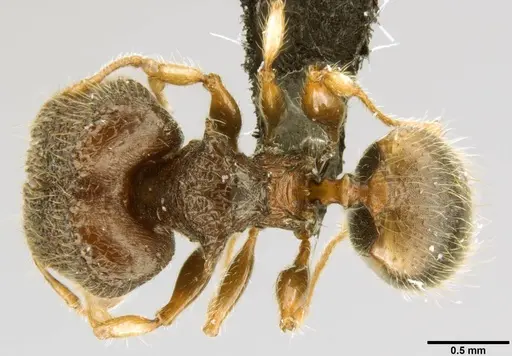
CASENT0282535
View on AntWeb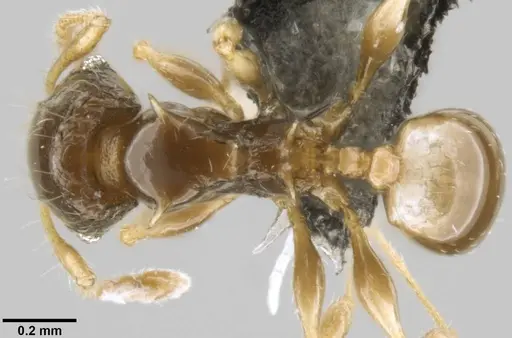
CASENT0282536
View on AntWeb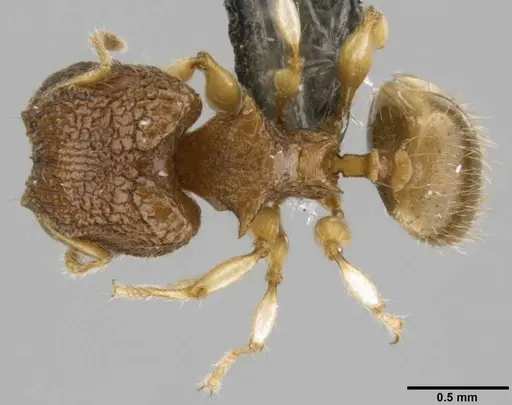
CASENT0904306
View on AntWeb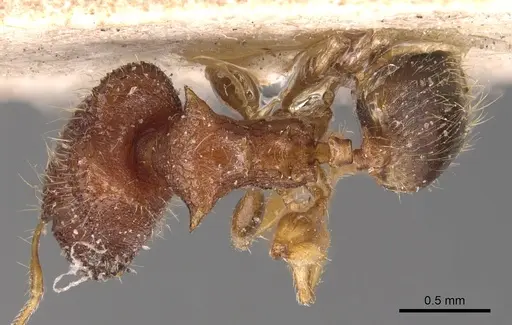
CASENT0904307
View on AntWeb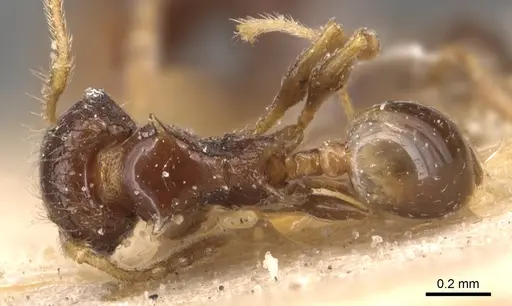
CASENT0906644
View on AntWeb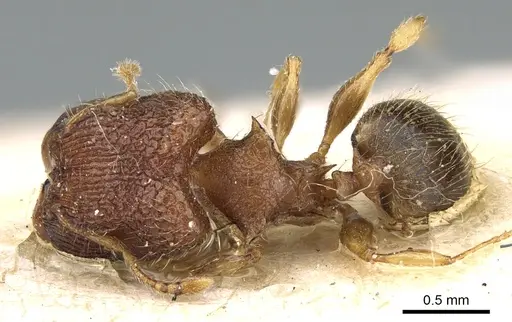
CASENT0906645
View on AntWeb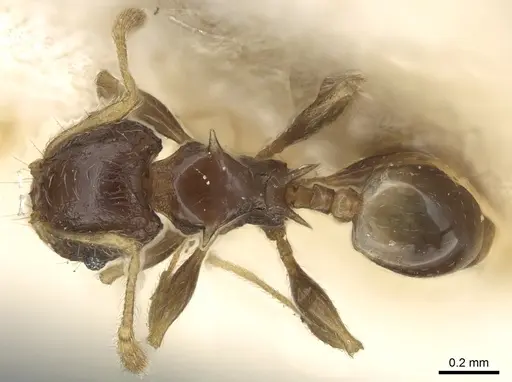
CASENT0906646
View on AntWeb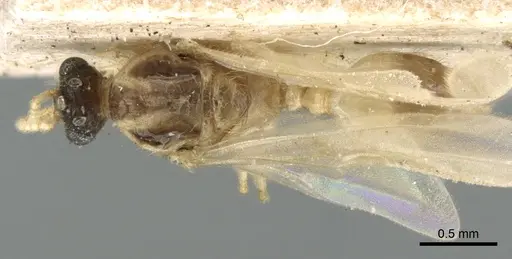
CASENT0906647
View on AntWeb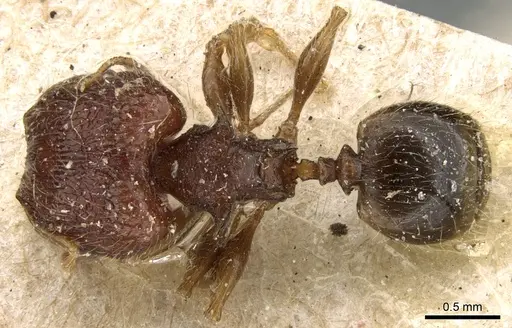
CASENT0906648
View on AntWeb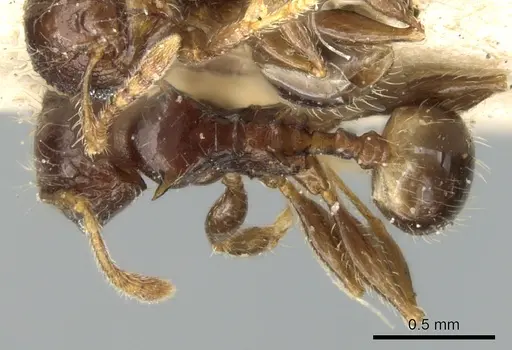

CASENT0919761
View on AntWeb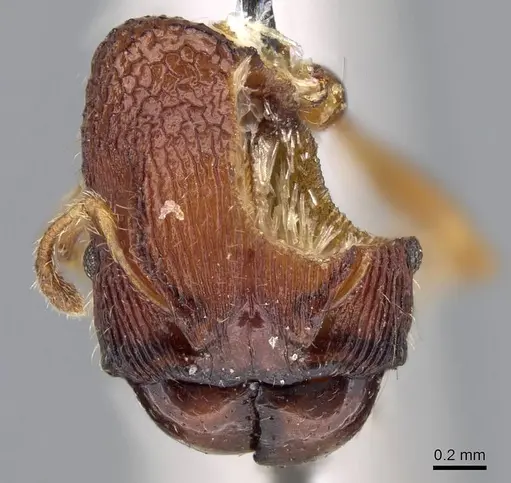
LACMENT182082
View on AntWeb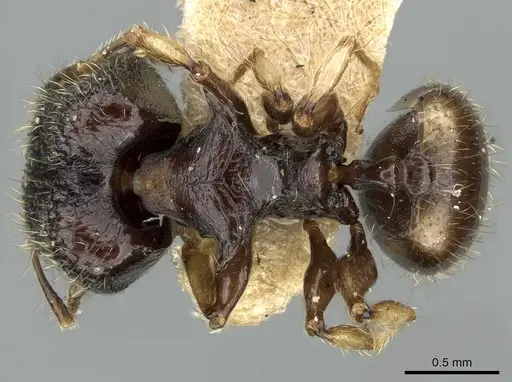
MCZ-ENT00511507
View on AntWeb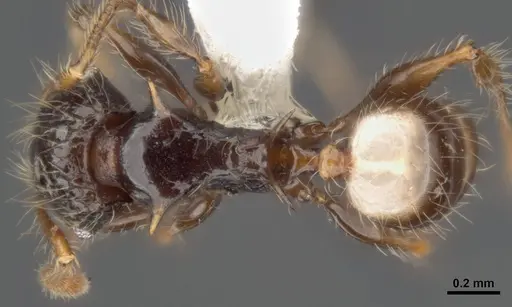
Literature
Loading distribution map...Loading products...