
Pheidole servilia
- Sci. Name
- Pheidole servilia
- Tribe
- Attini
- Subfamily
- Myrmicinae
- Author
- Wilson, 2003
- Distribution
- Found in 1 countries
Introduction
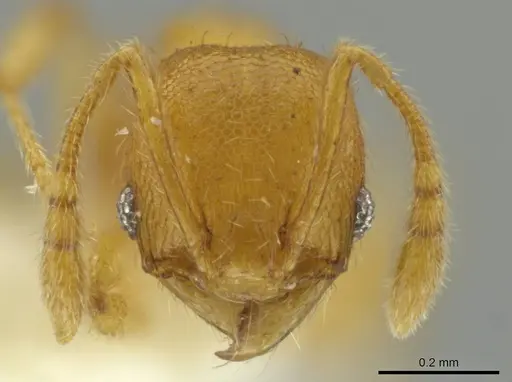
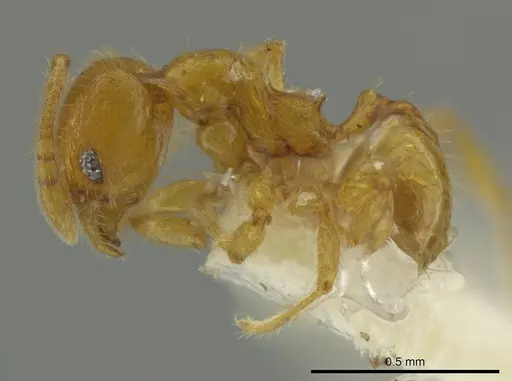
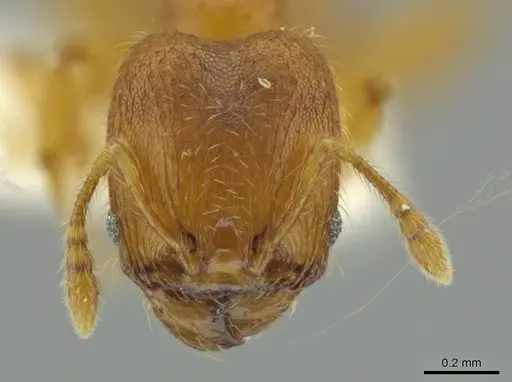
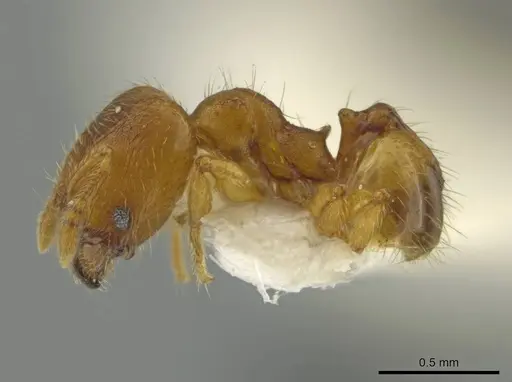
Pheidole servilia is a small Neotropical ant species native to the montane rainforests of Colombia. Body size is inferred from the Pheidole genus: queens are likely around 5-7 mm, and workers are approximately 2-4 mm. They feature a distinctive medium reddish-yellow coloration with lighter appendages for majors, and uniform medium yellow for minors. This species is only known from its type locality in Valle del Cauca at approximately 1600m elevation , making it a high-altitude species with specific environmental requirements. Like all Pheidole, they have the characteristic major worker caste with enlarged heads for seed-processing and colony defense.
Quick Summary
- Difficulty: Hard
- Origin & Habitat: Colombia (Valle del Cauca) at 1600m elevation in montane rainforest [1][2]
- Colony Type: Based on Pheidole genus patterns, likely monogyne (single queen), but colony structure is unconfirmed for this species
- Size & Growth:
- Queen: Inferred from Pheidole genus: approximately 5-7 mm
- Worker: Inferred from Pheidole genus: approximately 2-4 mm
- Colony: Unknown, colonies likely reach up to several hundred workers based on genus patterns
- Growth: Moderate, estimated based on related species
- Development: Estimated 6-8 weeks at optimal temperature based on genus patterns (Direct development data unavailable, estimate based on typical Pheidole development at 24-28°C)
- Antkeeping:
- Temperature: Keep cooler conditions around 20-24°C, as inferred from their montane habitat [1][2]
- Humidity: Keep substrate consistently moist but not waterlogged, as they originate from montane rainforest [1][2]
- Diapause: Likely required based on genus patterns and elevation, provide a cool period for 2-3 months during winter
- Nesting: Naturalistic setup with soil or plaster works well. Provide damp substrate for brood chambers. Y-tong or 3D-printed nests with moisture reservoir acceptable
- Behavior: Typical Pheidole temperament, majors are defensive but the species is not aggressive. Workers are active foragers, both on the ground and in vegetation. Minor workers dominate foraging while majors handle seed processing and colony defense. As members of the Myrmicinae subfamily, they possess a functional stinger, though less medically significant to humans than fire ants. Escape risk is low given their small size, standard barriers are sufficient.
- Common Issues: high elevation origin means they likely need cooler conditions than typical tropical ants, overheating can be fatal, specific humidity requirements from montane rainforest habitat can be difficult to maintain consistently, virtually no captive breeding data exists, this is an extremely rare species in the hobby, limited availability makes this a species for experienced keepers interested in rare species
Natural History and Distribution
Pheidole servilia is known only from its type locality in Valle del Cauca, Colombia, at approximately 1600m elevation. This places it in the Colombian Andes, specifically in a montane rainforest environment. The type specimens were collected above the Represa Calima dam by W.L. Brown and R.B. Root. The high elevation suggests this species has adapted to cooler, more humid conditions than many lowland tropical ants. The species was described by E.O. Wilson in 2003 as part of his comprehensive revision of New World Pheidole [3].
Housing and Nest Preferences
This species has not been kept in captivity to any documented degree, so all recommendations are based on genus-level patterns and the species' natural habitat. Given its montane rainforest origin at 1600m elevation, provide a setup that maintains cooler temperatures (20-24°C) and high humidity. A naturalistic setup with damp soil substrate works well for this species, as it mimics their natural ground-nesting behavior. Plaster or Y-tong nests with a built-in water reservoir can also work, provided humidity is maintained. The small size of workers means chambers should be appropriately scaled. Avoid overheating, this species is not suited to the warm conditions that work for many tropical ants. [1][2]
Feeding and Diet
Like most Pheidole species, these ants are likely omnivorous with a preference for seeds and grain. In captivity, offer a mix of seeds (millet, chia, grass seeds) that majors can process with their enlarged mandibles. Protein sources like small insects (fruit flies, pinhead crickets, mealworms) should be offered regularly. Sugar water or honey can be accepted as an energy source for workers. Feed every 2-3 days, removing uneaten food to prevent mold. The high-elevation origin suggests they may have a more varied diet than typical lowland Pheidole, but this is speculative.
Temperature and Seasonal Care
The 1600m elevation of the type locality is the most critical piece of information for temperature management. This species almost certainly requires cooler conditions than most commonly kept ant species. Aim for 20-24°C in the nest area, avoiding temperatures above 26°C. A gentle heat gradient allows workers to choose their preferred temperature. During winter months (roughly November-February in the Northern Hemisphere), consider providing a cool period around 15-18°C to simulate natural seasonal conditions. This species likely experiences significant temperature variation in its native habitat and may require a diapause period for successful colony maintenance and breeding. [1][2]
Behavior and Colony Dynamics
Pheidole servilia exhibits the typical Pheidole social structure with distinct major and minor worker castes. Minor workers handle most foraging and brood care, while majors specialize in seed processing and colony defense. The species is not aggressive and poses no stinging threat to keepers, though they possess a functional stinger as members of the Myrmicinae subfamily. Workers are active foragers, likely searching both on the ground and in low vegetation for seeds and small arthropods. Colonies likely reach several hundred workers over time, though no specific data exists for this species. The small size of workers means escape prevention is straightforward, standard barriers are adequate.
Frequently Asked Questions
How do I keep Pheidole servilia ants?
This is an extremely rare species with no documented captive care. Based on its high-elevation montane rainforest origin in Colombia, provide cooler temperatures (20-24°C), high humidity, and damp substrate. A naturalistic setup or plaster nest works well. This species is recommended only for experienced antkeepers interested in rare species [1][2].
What do Pheidole servilia eat?
Like other Pheidole, they likely accept seeds, small insects, and sugar sources. Offer a mix of grass/millet seeds, small protein (fruit flies, pinhead crickets), and occasional sugar water or honey.
How long does it take for Pheidole servilia to develop from egg to worker?
Unknown for this species. Based on typical Pheidole development, estimate 6-8 weeks from egg to first worker at optimal temperature (around 24°C).
What temperature do Pheidole servilia need?
Cooler than typical tropical ants due to their 1600m elevation origin. Keep nest area at 20-24°C, avoiding temperatures above 26°C. A gentle heat gradient allows workers to regulate their own temperature [1][2].
Do Pheidole servilia need hibernation?
Likely yes. The high-elevation Andean origin suggests they experience seasonal temperature changes. Provide a cool period around 15-18°C for 2-3 months during winter.
How big do Pheidole servilia colonies get?
Unknown for this specific species. Based on genus patterns, colonies likely reach up to several hundred workers over 1-2 years.
Can I keep multiple Pheidole servilia queens together?
Not recommended. While colony structure is unconfirmed for this species, most Pheidole are monogyne (single queen). Combining unrelated queens has not been studied and risks fatal aggression.
Is Pheidole servilia a good species for beginners?
No. This is an extremely rare species in the antkeeping hobby with virtually no captive breeding data. It is recommended only for experienced keepers interested in keeping rare species.
Where is Pheidole servilia found?
Only known from Valle del Cauca, Colombia at approximately 1600m elevation. The type locality is near Represa Calima in the Colombian Andes [1][2].
Report an Issue
The current care sheet is based fully on literature. See inconsistencies, or something that's incorrect? Please , it will be resolved after review from an admin. Contributing to the blogs tab also helps providing information, to make us be able to further improve the caresheets. Thank you for your support!
References

This caresheet is licensed under CC BY-SA 4.0 .
Community Blogs
CASENT0645871
View on AntWeb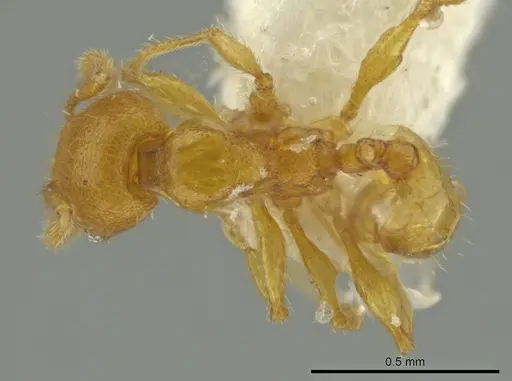
JTLC000016528
View on AntWeb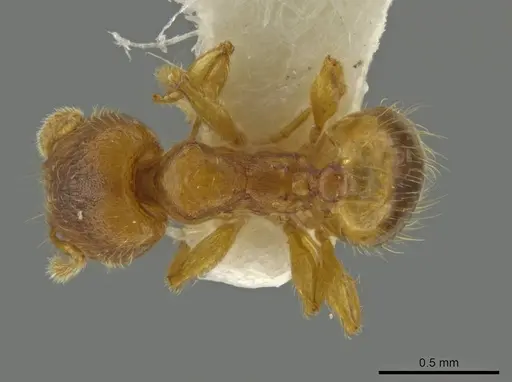
Literature
Loading distribution map...Loading products...