
Pheidole seligmanni
- Sci. Name
- Pheidole seligmanni
- Tribe
- Attini
- Subfamily
- Myrmicinae
- Author
- Wilson, 2003
- Distribution
- Found in 1 countries
Introduction
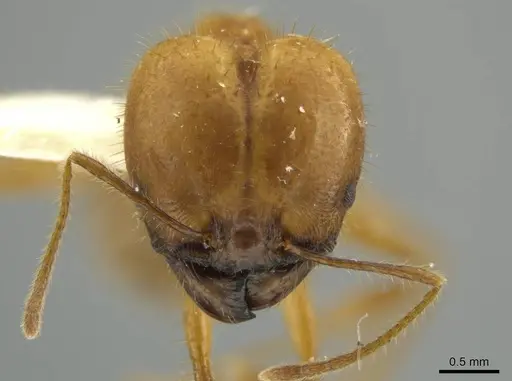
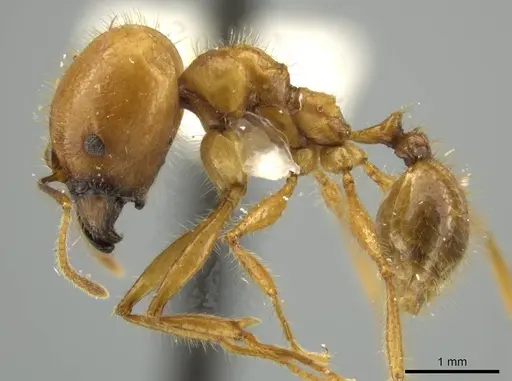
Pheidole seligmanni is a large ant from the diligens group, native only to Huila, Colombia . Major workers have distinctive ridges (carinulae) running from the inner eye surface to the antennal fossae, while minor workers have wraparound carinulae covering the back of the head . Both castes lack propodeal spines, which is unusual for the genus . The species is medium yellow overall, with majors having a darker anterior head . This species is notable for its unique head morphology and absence of propodeal spines, and it was named after conservationist Peter A. Seligmann .
Quick Summary
- Difficulty: Hard
- Origin & Habitat: Known only from Parque Nacional Cuevas de los Guacharos, Huila, Colombia, where the type colony was collected under moss on a rotting log in a cloud forest environment [1][2][3].
- Colony Type: Unconfirmed, no colony structure data exists for this species.
- Size & Growth:
- Queen: size data unavailable
- Worker: size data unavailable
- Colony: Unknown
- Growth: Unknown
- Development: Unknown, no direct measurements exist. Based on typical Pheidole patterns from tropical regions, estimate 4-8 weeks at optimal temperature. (This is an inference based on genus-level patterns, not species-specific data.)
- Antkeeping:
- Temperature: Unknown, as a cloud forest species from Huila, likely prefers warm, stable conditions around 24-26°C. Start in this range and observe colony activity.
- Humidity: Unknown, type collection under moss on rotting log indicates damp conditions [3]. Keep nest substrate consistently moist but not waterlogged.
- Diapause: Unknown, no seasonal data exists. As a tropical species, it may not require formal hibernation.
- Nesting: Based on type collection, they nest under moss on rotting logs [3]. In captivity, use a naturalistic setup with moist substrate, rotting wood, or cork, and Y-tong or plaster nests with good humidity retention.
- Behavior: No specific behavior data exists for Pheidole seligmanni. Based on general Pheidole patterns, they are likely peaceful ants [3]. Major workers may defend the colony and process seeds, while minors handle foraging. Escape risk is moderate due to small size of minors, requiring fine mesh barriers.
- Common Issues: no captive breeding data exists, care must be inferred from related species, which may not be accurate, humidity requirements are uncertain, improper moisture can lead to mold or dehydration, growth rate is unknown, feeding must be adjusted based on observation to avoid overfeeding or underfeeding, wild-caught colonies may have parasites that kill them in captivity
Nest Preferences
In the wild, Pheidole seligmanni was collected under moss on a rotting log in a Colombian cloud forest [1][2][3]. This indicates they prefer humid, shaded microhabitats with access to decomposing organic matter. In captivity, replicate these conditions using a moist soil/peat substrate mixture, pieces of cork or rotting wood, and a layer of moss on top to retain humidity [3]. Alternatively, a Y-tong or plaster nest with good moisture retention works well.
Feeding and Diet
Diet is not specified in the research for Pheidole seligmanni. Based on general Pheidole patterns, they are likely omnivorous with a preference for seeds and grain, supplemented with protein sources like small insects [3]. In captivity, offer seeds continuously and protein prey occasionally, but adjust based on colony response.
Temperature and Care
No specific temperature data exists for this species. As a cloud forest ant from Huila, they likely prefer warm, stable conditions [1][2]. Start around 24-26°C and monitor colony behavior, if workers are sluggish, raise slightly, if they avoid heated areas, lower. Avoid temperature extremes and sudden fluctuations.
Behavior and Temperament
No specific behavior data exists for Pheidole seligmanni. Based on general Pheidole patterns, they are likely peaceful ants that focus on foraging and seed-processing rather than aggression [3]. Major workers may defend the colony, while minors handle brood care and foraging. Escape prevention should be moderate, minors are very small, requiring fine mesh on ventilation holes and sealed connections.
Frequently Asked Questions
How long does it take for Pheidole seligmanni to produce first workers?
This is unknown, no species-specific development data exists. Based on typical Pheidole patterns from tropical regions, expect roughly 4-8 weeks from egg to first worker at optimal temperature (around 24-26°C) [3].
What do Pheidole seligmanni ants eat?
Diet is not specified for this species. Based on general Pheidole patterns, they likely eat seeds and grain plus small insects for protein [3]. Offer seeds continuously and protein prey occasionally.
Are Pheidole seligmanni ants good for beginners?
This species is not recommended for beginners. It has never been kept in captivity and almost no biological data exists, care must be inferred from related species. Additionally, it may not be available in the antkeeping hobby.
What temperature do Pheidole seligmanni ants need?
No exact data exists. As a Colombian cloud forest species, they likely prefer warm, stable conditions around 24-26°C [1][2]. Start in this range and adjust based on colony activity.
How big do Pheidole seligmanni colonies get?
Unknown, no colony size data exists for this species.
Can I keep multiple Pheidole seligmanni queens together?
Unknown, no colony structure data exists for this species. Most Pheidole are single-queen, but without data, combining unrelated queens is not recommended.
What humidity do Pheidole seligmanni ants need?
Likely high humidity. The type collection was under moss on a rotting log in a cloud forest, consistently damp conditions [3]. Keep nest substrate moist but not waterlogged, with some drier areas available.
When do Pheidole seligmanni ants have nuptial flights?
Unknown, no nuptial flight data exists for this species. As a tropical Colombian species, flights likely occur during the warm, rainy season, but this is speculative.
Is Pheidole seligmanni available in the antkeeping hobby?
Almost certainly not. This species is only known from a single collection in Huila, Colombia, and has never been documented in the antkeeping trade [1][2].
Report an Issue
The current care sheet is based fully on literature. See inconsistencies, or something that's incorrect? Please , it will be resolved after review from an admin. Contributing to the blogs tab also helps providing information, to make us be able to further improve the caresheets. Thank you for your support!
References

This caresheet is licensed under CC BY-SA 4.0 .
Community Blogs
CASENT0645870
View on AntWeb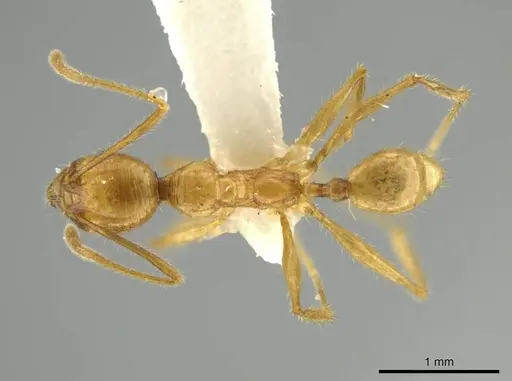
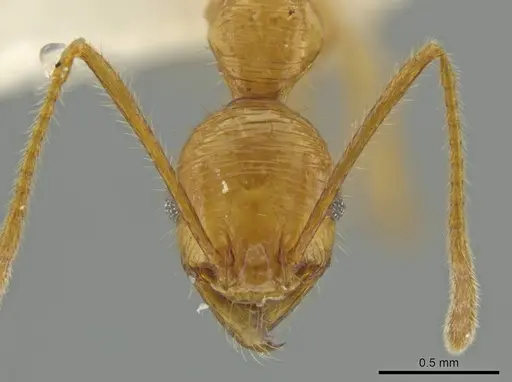
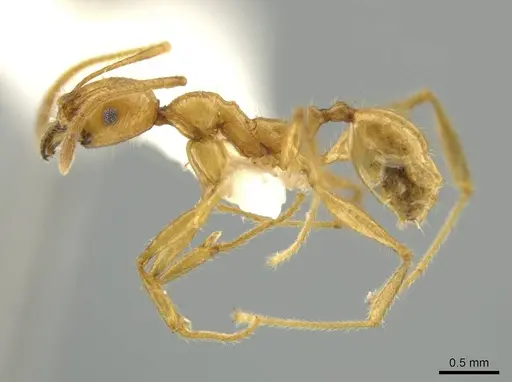
JTLC000016527
View on AntWeb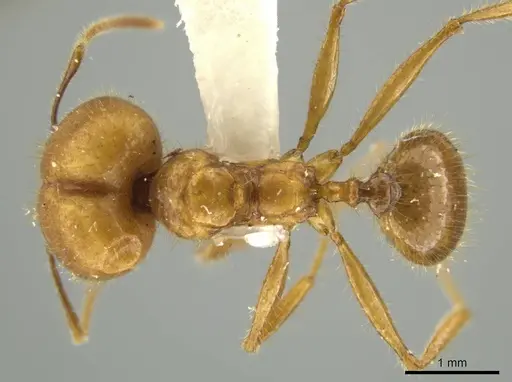
Literature
Loading distribution map...Loading products...