
Pheidole seeldrayersi
- Sci. Name
- Pheidole seeldrayersi
- Tribe
- Attini
- Subfamily
- Myrmicinae
- Author
- Forel, 1910
- Distribution
- Found in 3 countries
Introduction
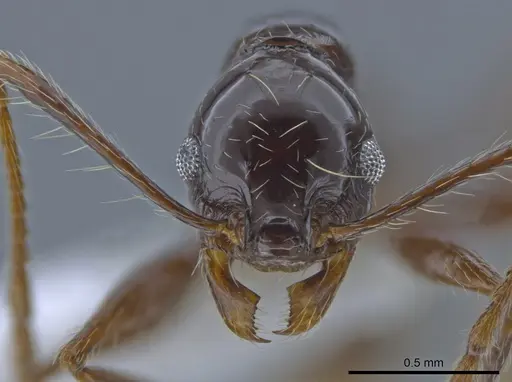
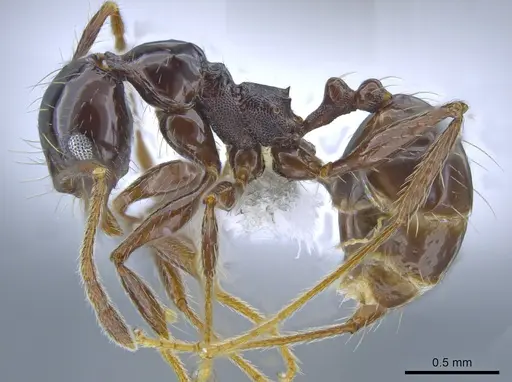
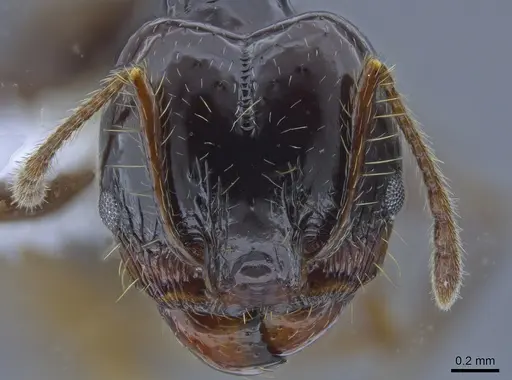
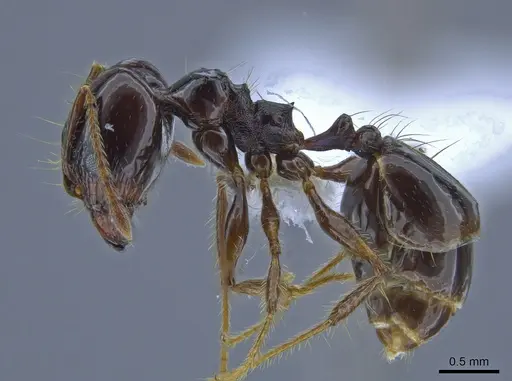
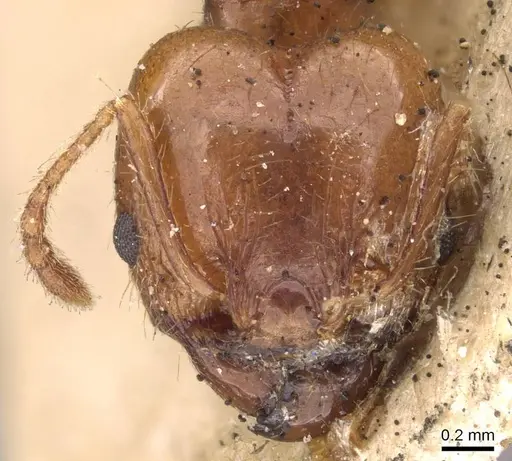
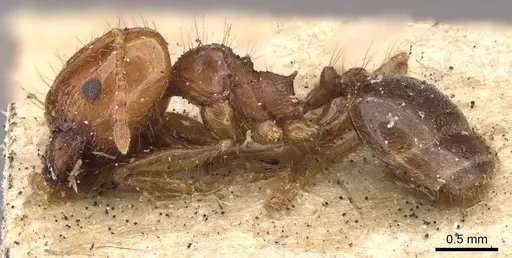
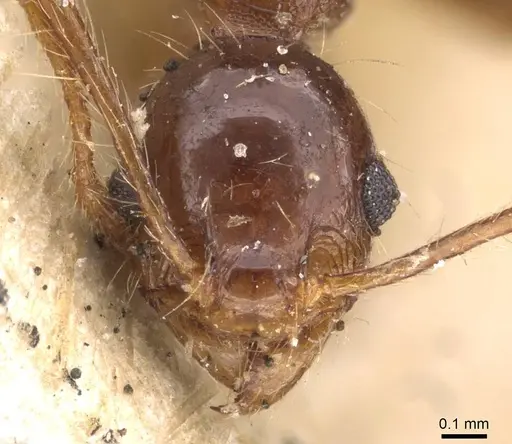
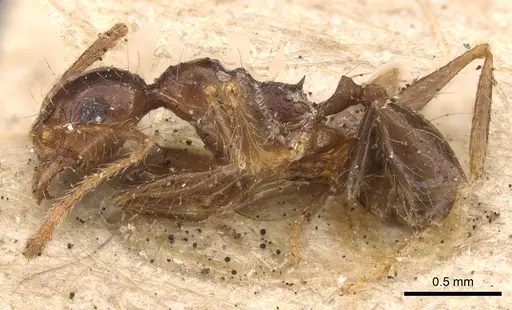
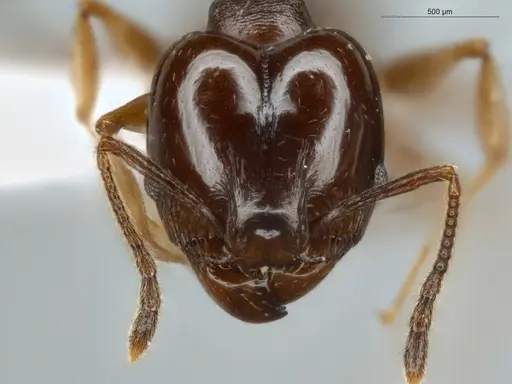
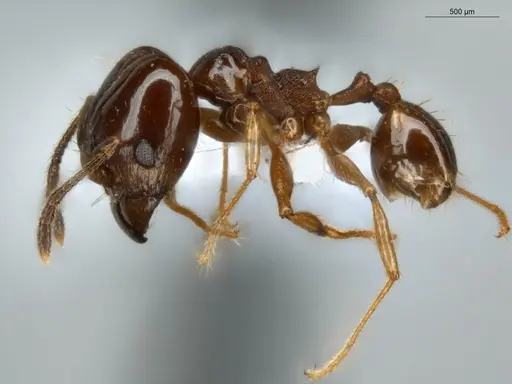
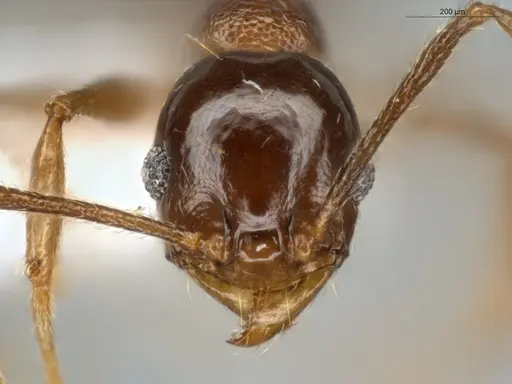
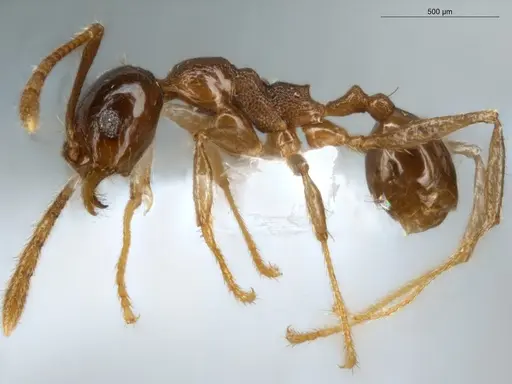
Pheidole seeldrayersi is a medium-sized ant with major workers having a somewhat flattened head, short antennal scapes, and extensive cephalic rugoreticulum. Minor workers are smaller with cordiform heads and lack propodeal spines. Body color is yellowish brown with a darker gaster . This species is found in Colombia, Bolivia, and possibly Argentina . Nothing is known about the biology of Pheidole seeldrayersi in the wild, including colony structure, founding behavior, or specific care requirements .
Quick Summary
- Difficulty: Unknown
- Origin & Habitat: Northern Neotropics: Colombia, Bolivia, possibly Argentina. Habitat likely tropical dry forest [2][1].
- Colony Type: Unconfirmed, no data on social structure.
- Size & Growth:
- Queen: Size data unavailable, no total length measurements provided in research.
- Worker: Size data unavailable, no total length measurements provided in research.
- Colony: Unknown, no data on colony size.
- Growth: Unknown
- Development: Unconfirmed, no species-specific data. (Development timeline is unknown, all estimates are inferred from genus patterns.)
- Antkeeping:
- Temperature: Not studied. As a neotropical species, likely prefer warm conditions around 24-28°C. Provide a temperature gradient.
- Humidity: Not studied. Likely prefer moderate humidity. Keep nest substrate moist but not waterlogged.
- Diapause: Unknown, likely minimal given tropical origin.
- Nesting: Not documented. Standard test tubes for founding, then formicariums with soil or plaster.
- Behavior: Pheidole species are active foragers. This species likely has typical behavior: majors defend, minors forage. Not aggressive, but escape risk due to small size.
- Common Issues: no species-specific biological data exists, care is inferred from genus patterns., escape risk due to small worker size, minor workers are very small., colony structure unconfirmed, queen number unknown., development timeline estimated, not measured for this species.
Appearance and Identification
Pheidole seeldrayersi majors have a somewhat flattened head, short antennal scapes, and extensive cephalic rugoreticulum. Minors have cordiform heads and lack propodeal spines. Body is yellowish brown with darker gaster [1].
Distribution and Habitat
This species is known from Colombia, Bolivia, and possibly Argentina. It inhabits tropical dry forest regions [2][1].
Biology and Care Knowledge Gap
Nothing is known about the biology of Pheidole seeldrayersi, including colony structure, founding behavior, or nuptial flights. All care advice is inferred from general Pheidole patterns [2].
General Pheidole Care (Inferred)
Pheidole species are typically claustral founders, preferring warm and humid conditions. They are omnivorous, eating seeds and protein. In captivity, use test tubes for founding and formicariums later. Escape prevention is critical due to small size.
Frequently Asked Questions
How long does it take for Pheidole seeldrayersi to produce first workers?
This is unconfirmed for this species. Based on typical Pheidole patterns, expect 6-10 weeks from egg to first worker at warm temperatures, but no species-specific data exists.
What do Pheidole seeldrayersi ants eat?
Not documented for this species, but Pheidole are typically omnivorous with preference for protein and seeds. Offer small insects and sugar sources.
Are Pheidole seeldrayersi good for beginners?
Difficulty is unknown due to lack of data. Based on genus patterns, they may be manageable for intermediate keepers, but species-specific care is unconfirmed.
What temperature should I keep Pheidole seeldrayersi at?
Not studied, but as a neotropical species, likely prefer 24-28°C. Provide a temperature gradient.
How big do Pheidole seeldrayersi colonies get?
Unknown for this species. Most Pheidole colonies reach several hundred workers, but no data exists for this species.
Can I keep multiple Pheidole seeldrayersi queens together?
Not documented. Many Pheidole are monogyne, but combining queens is not recommended without confirmed polygyny.
Do Pheidole seeldrayersi need hibernation?
Unknown and unlikely given tropical origin. Tropical ants typically do not hibernate.
What size escape prevention do I need for Pheidole seeldrayersi?
Critical, minor workers are very small, requiring fine mesh and tight-fitting lids to prevent escapes.
Where can I find Pheidole seeldrayersi queens to start a colony?
This species is not commonly available. If in native range, look during rainy season, but nuptial flight timing is unknown.
Report an Issue
The current care sheet is based fully on literature. See inconsistencies, or something that's incorrect? Please , it will be resolved after review from an admin. Contributing to the blogs tab also helps providing information, to make us be able to further improve the caresheets. Thank you for your support!
References

This caresheet is licensed under CC BY-SA 4.0 .
Community Blogs
CASENT0650576
View on AntWeb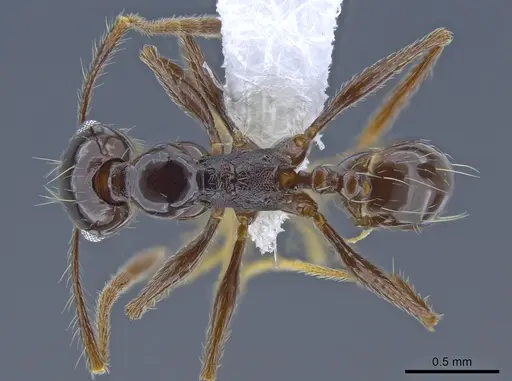
CASENT0650577
View on AntWeb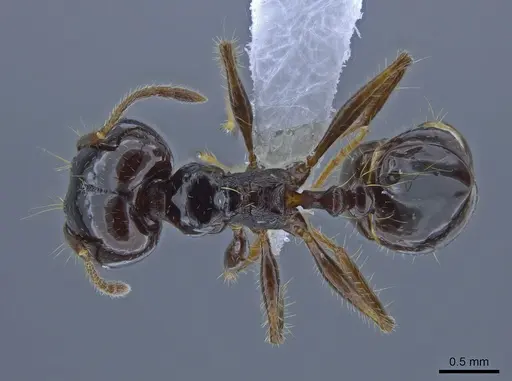
CASENT0908148
View on AntWeb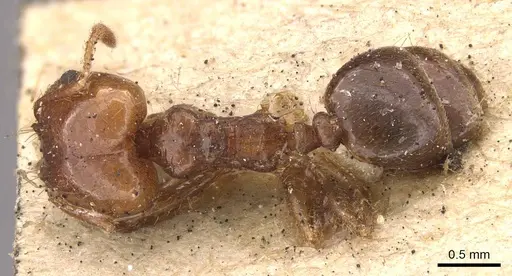
CASENT0908149
View on AntWeb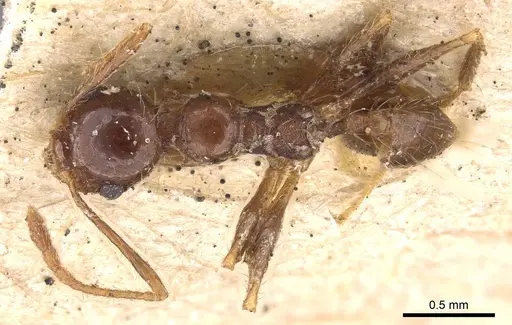
ECOFOG-IT14-0810-30-S
View on AntWeb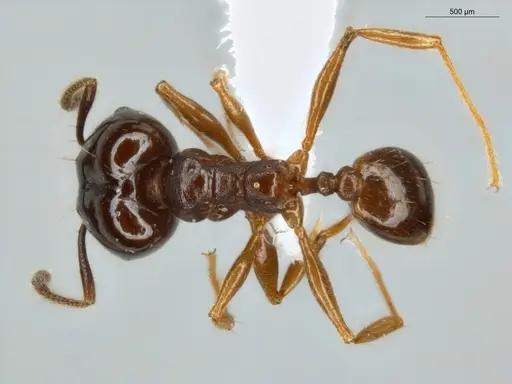
ECOFOG-IT14-0810-30
View on AntWeb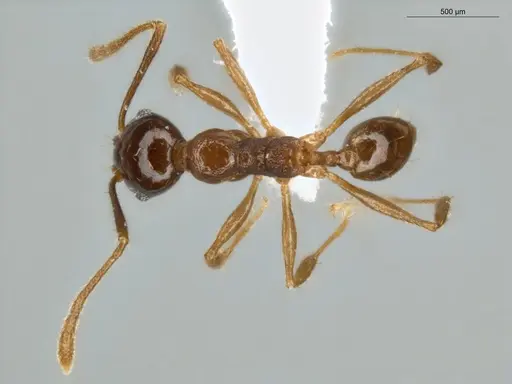
Literature
Loading distribution map...Loading products...