
Pheidole sculpturata
- Sci. Name
- Pheidole sculpturata
- Tribe
- Attini
- Subfamily
- Myrmicinae
- Author
- Mayr, 1866
- Distribution
- Found in 9 countries
Introduction
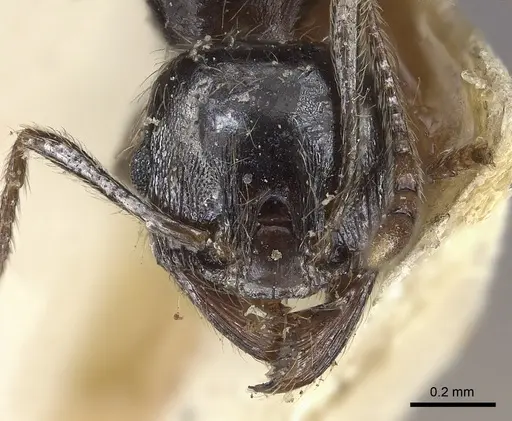
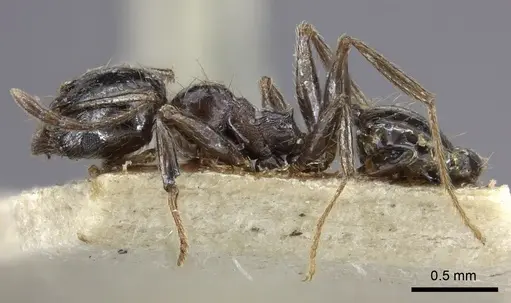
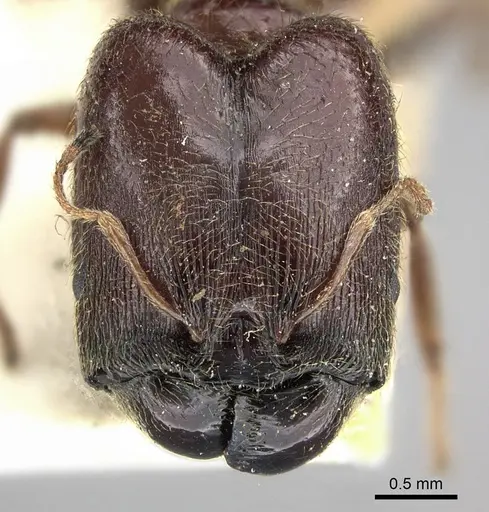
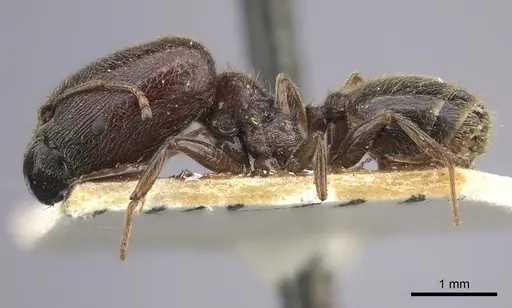
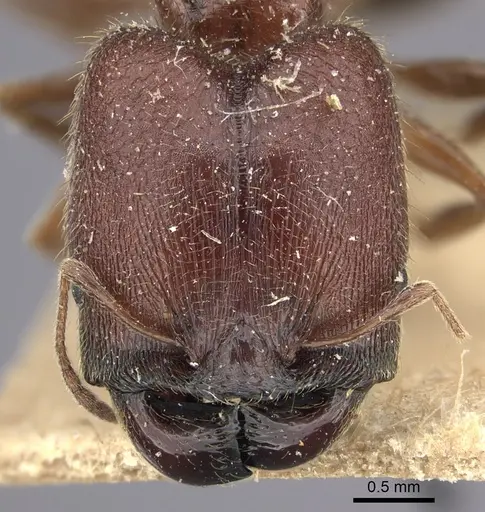
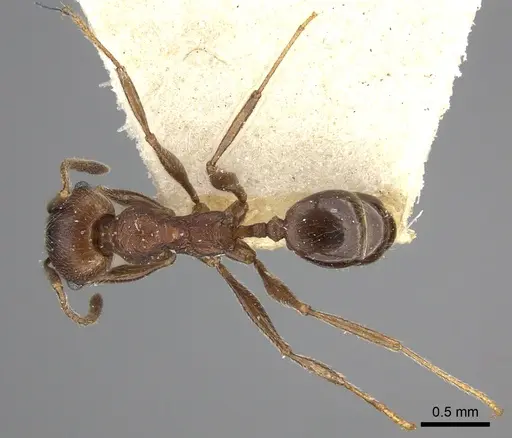
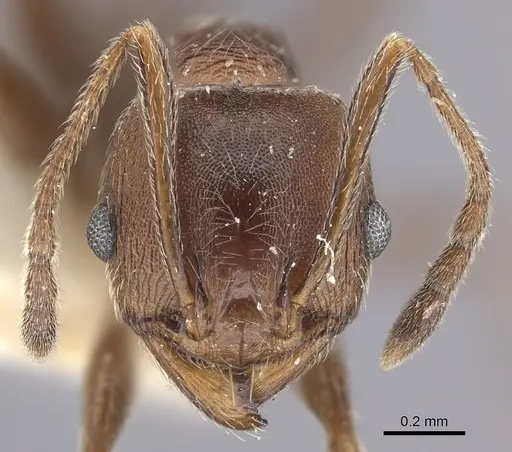
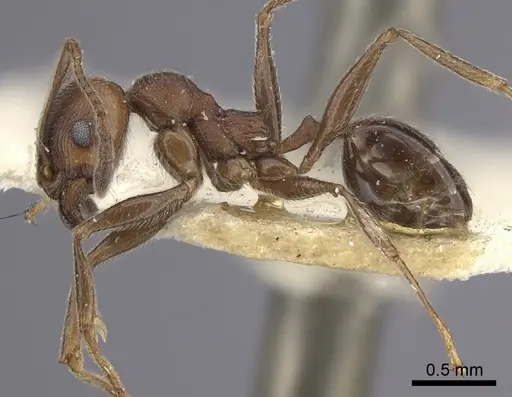
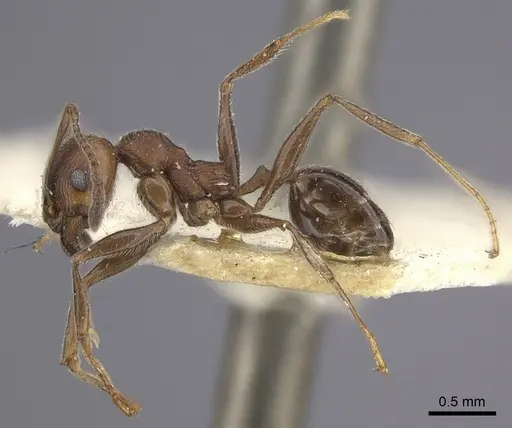
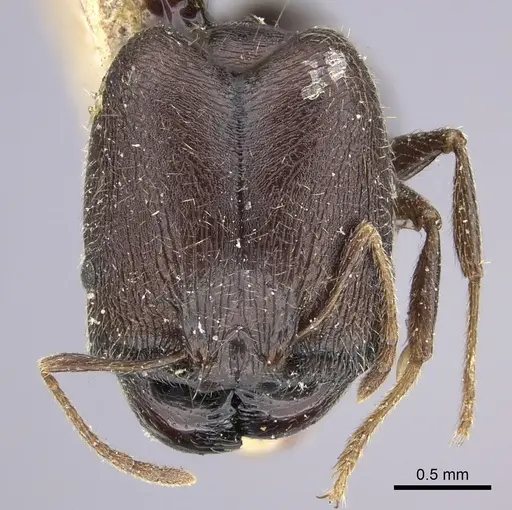
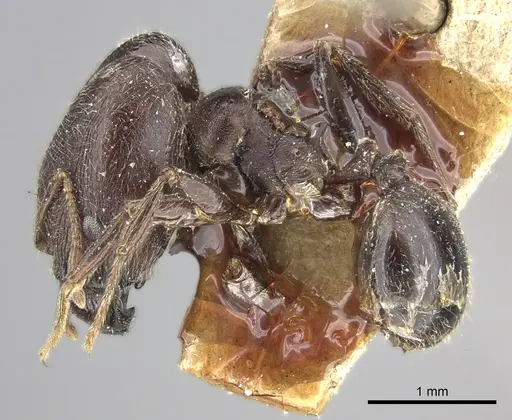
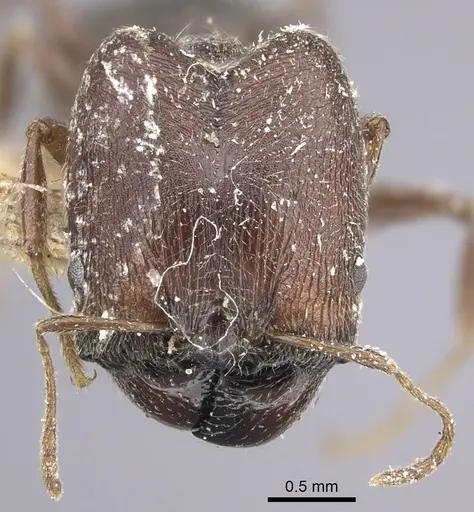
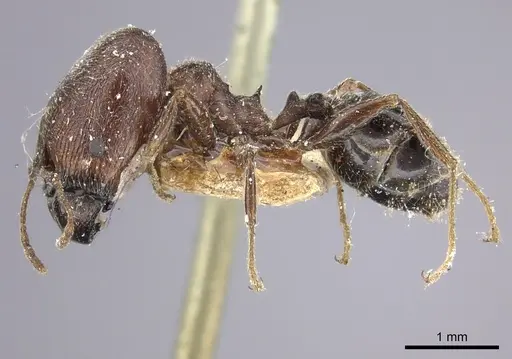
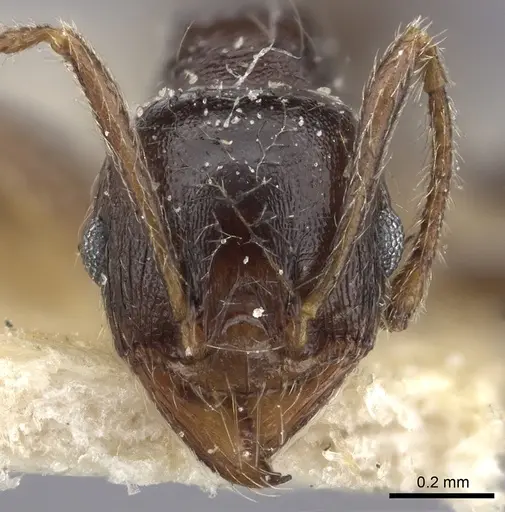
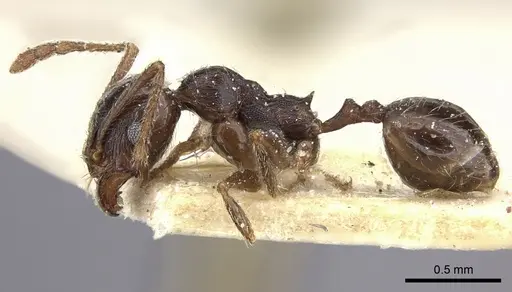
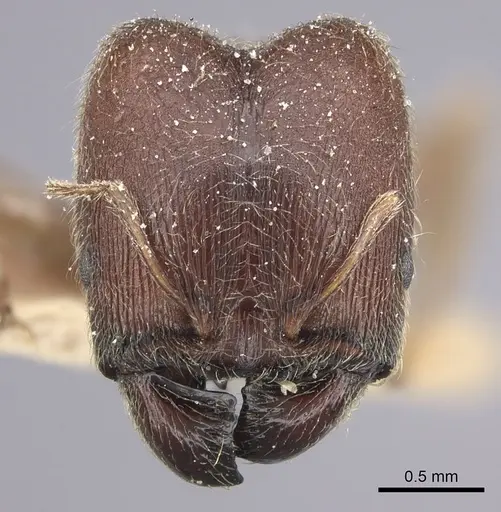
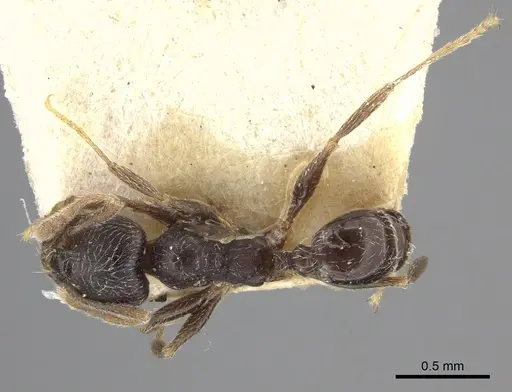
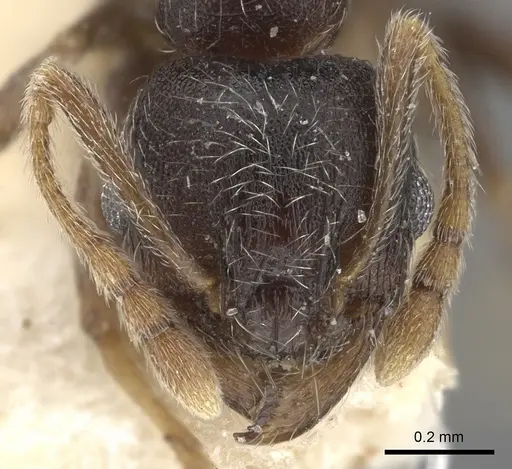
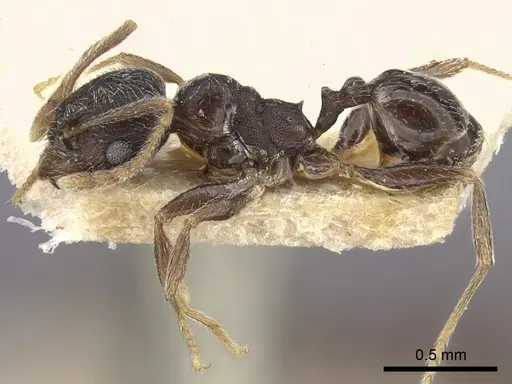
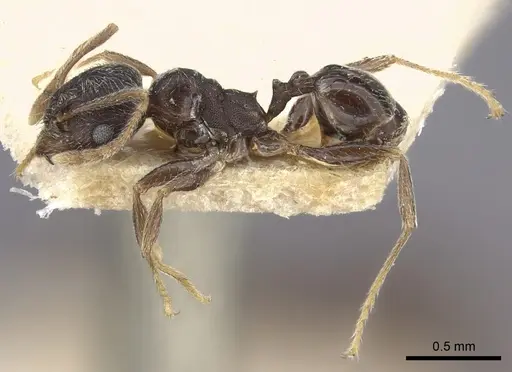
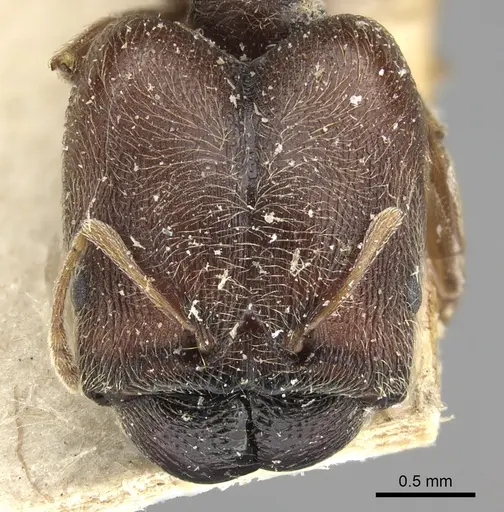
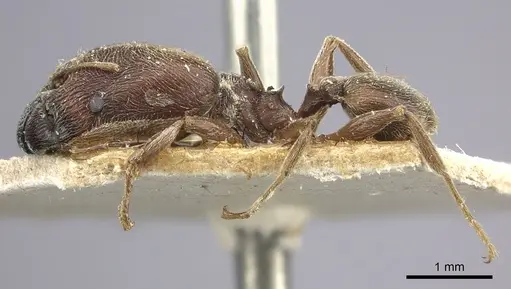
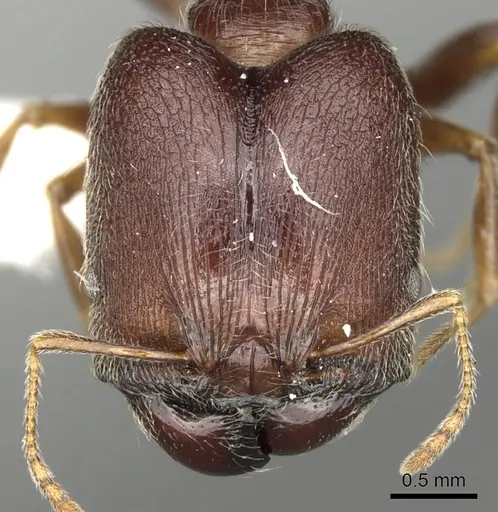
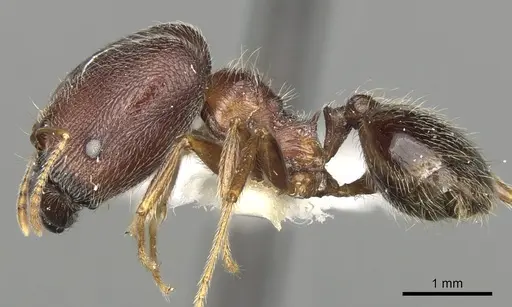
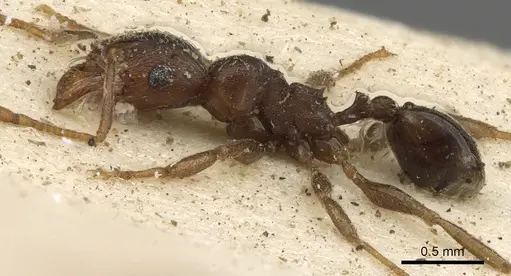
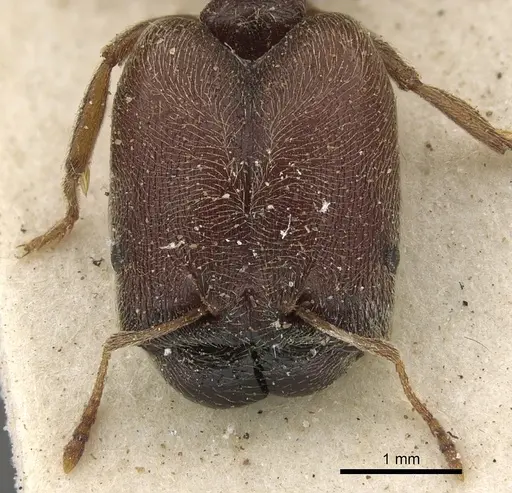
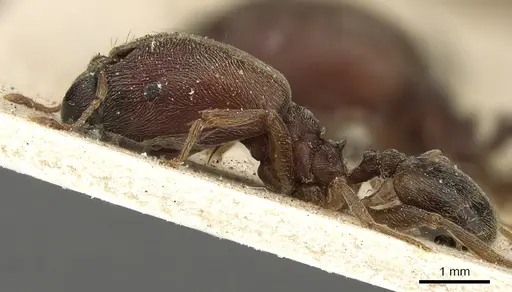
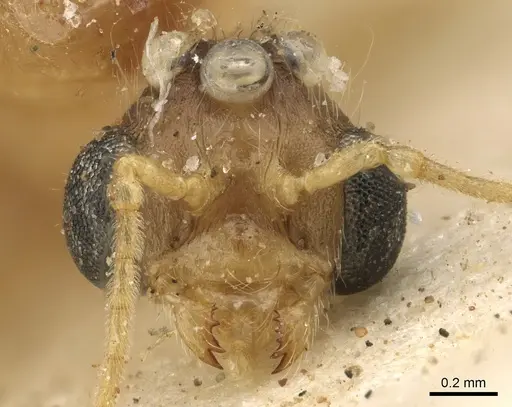
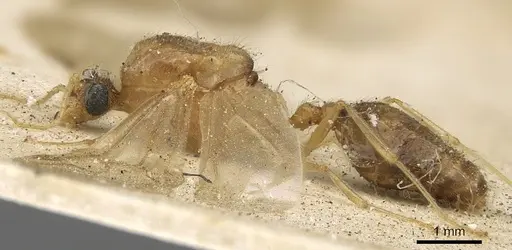
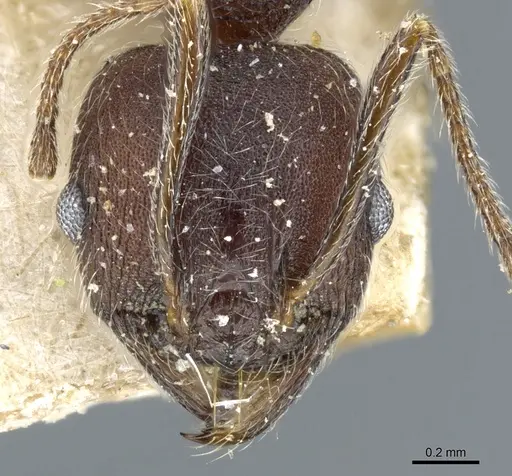
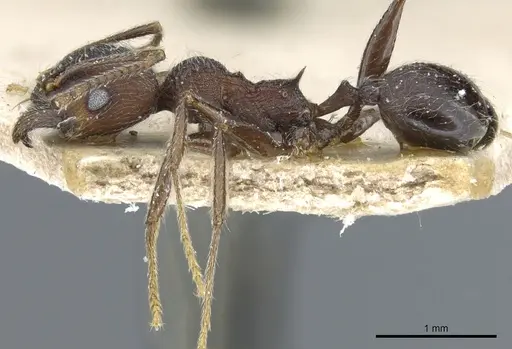
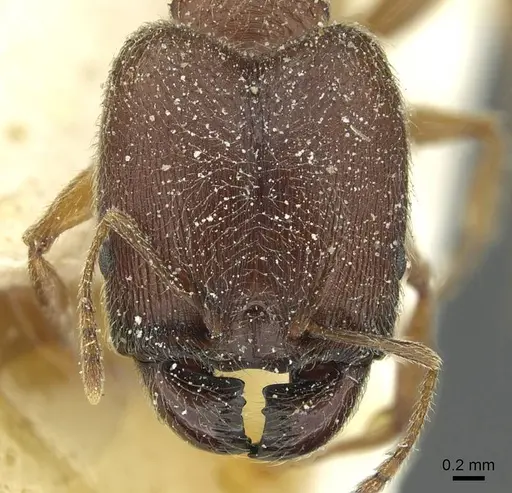
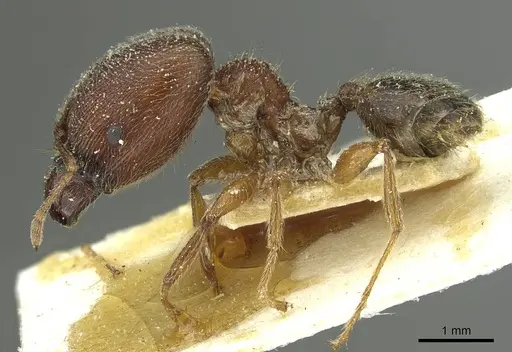
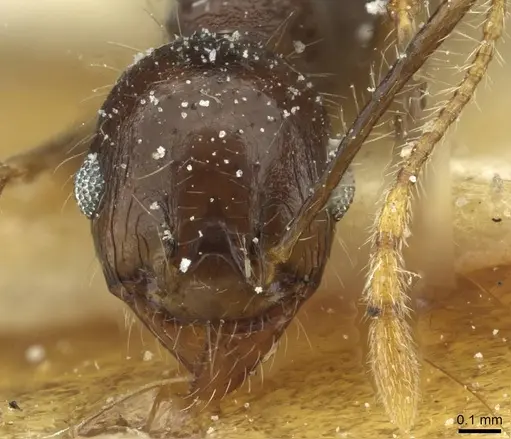
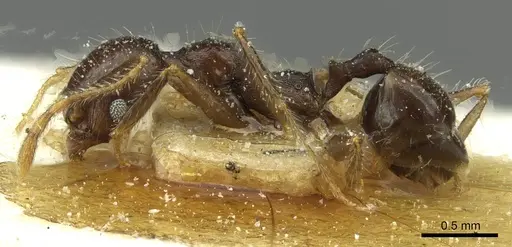
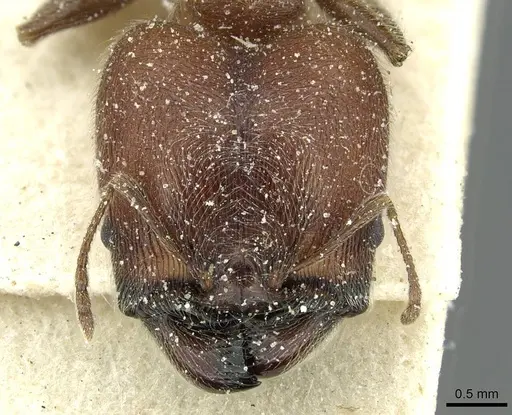
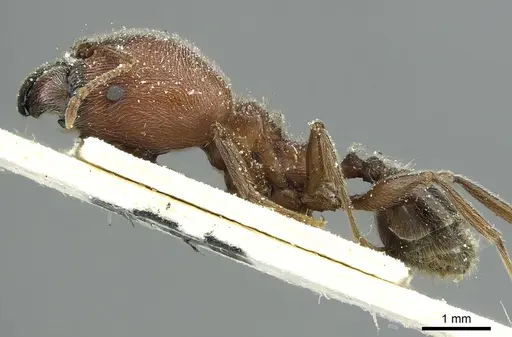
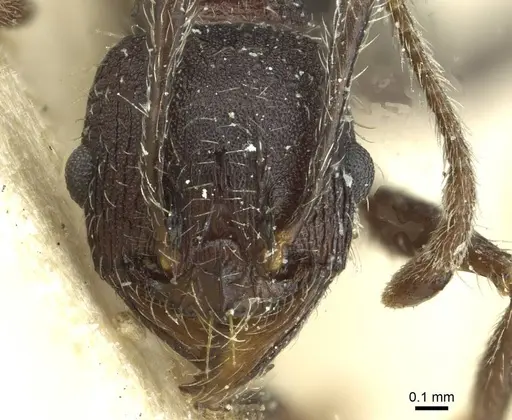
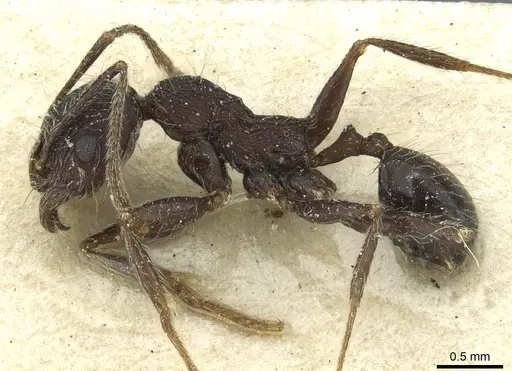
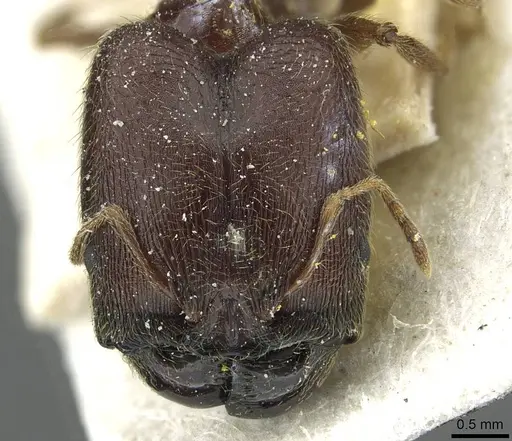
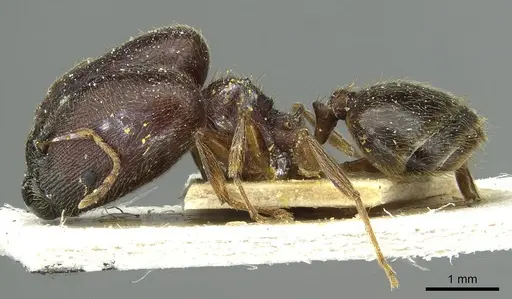
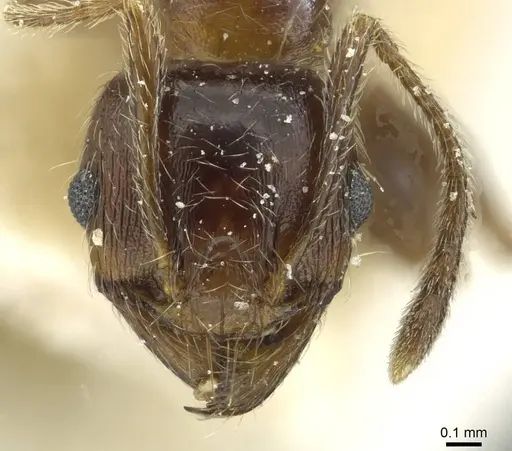
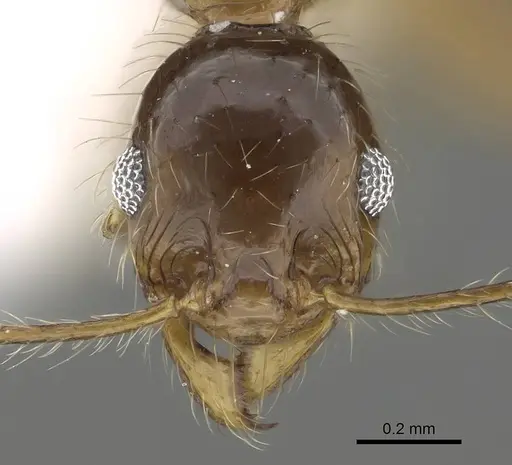
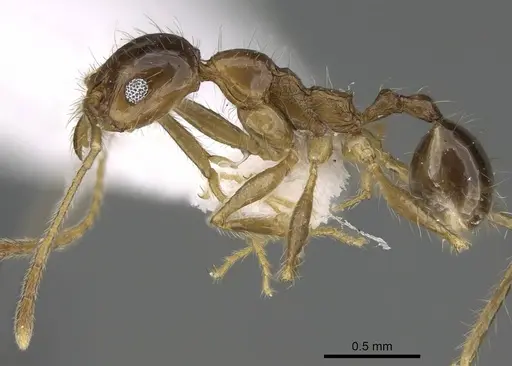
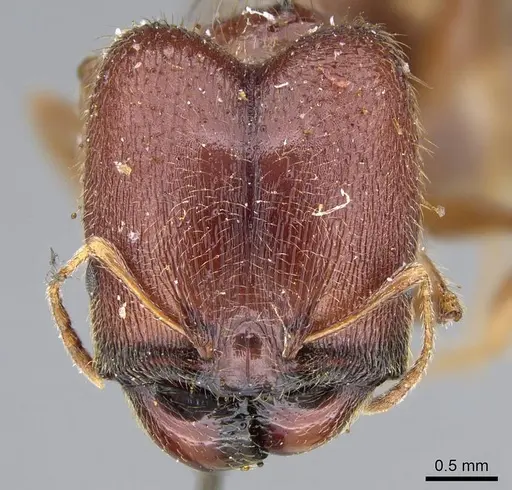
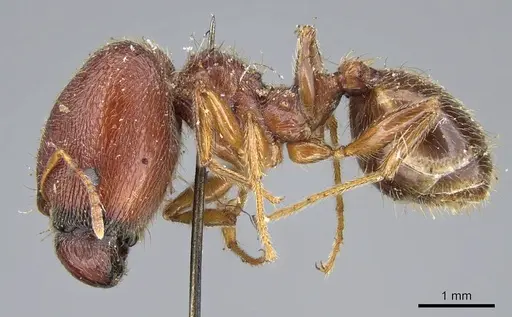
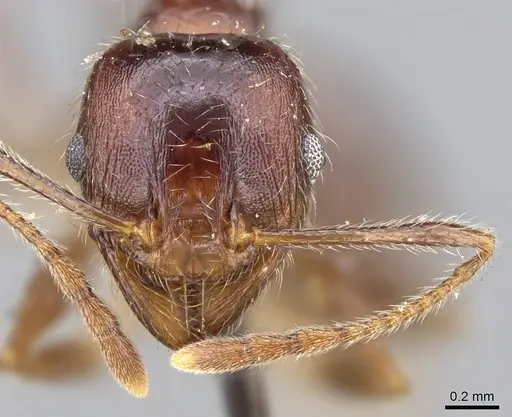
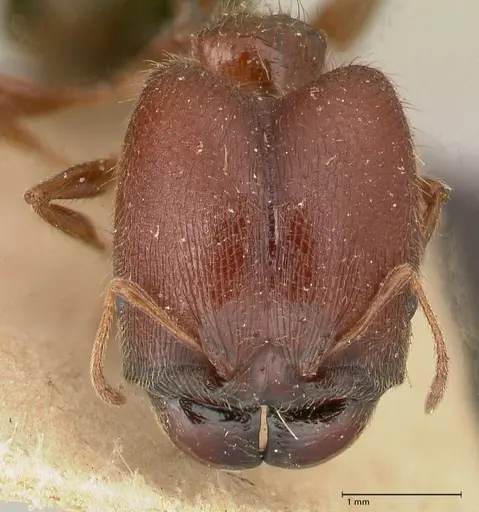
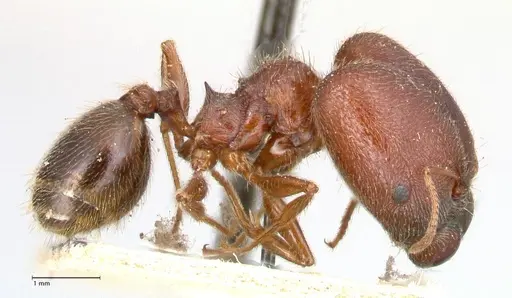
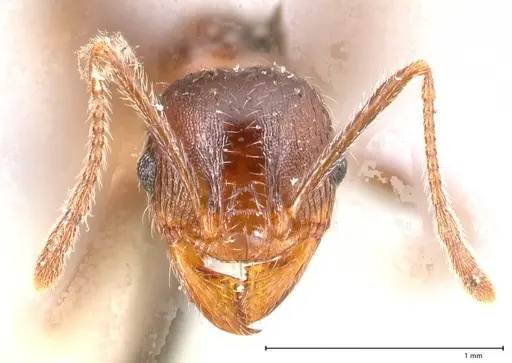
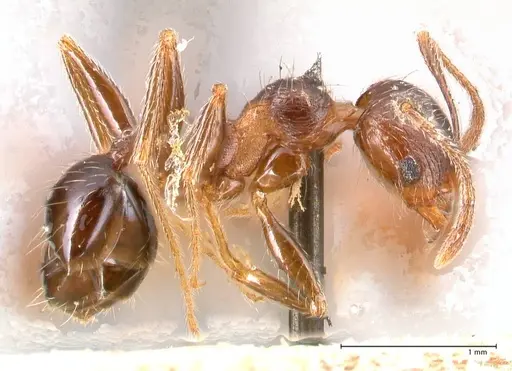
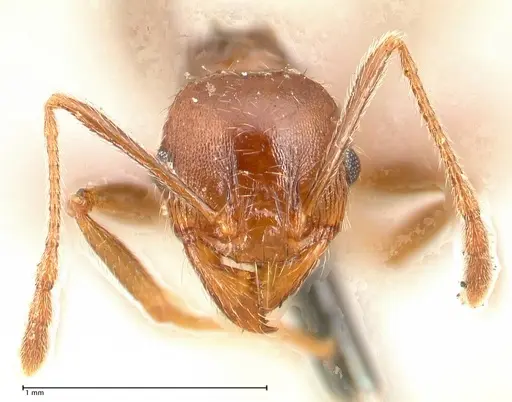
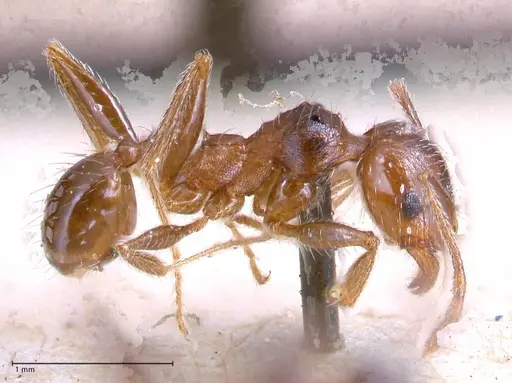
Pheidole sculpturata is a small ant species with a two-worker caste system. Minor workers measure 2.64 mm total length . Major workers (soldiers) have massive heads used for seed-crushing and defense, with a deeply emarginate head, acute propodeal spines, and dense fine pilosity over the whole body . The body is reddish brown with lighter legs and antennae . Originally described from South Africa , this species is widespread across sub-Saharan Africa, into the Arabian Peninsula (Saudi Arabia, Oman, Yemen, UAE), and recorded in southern Iran . It nests under rocks in dry loose soil next to small shrubs .
Quick Summary
- Difficulty: Easy
- Origin & Habitat: Native to the Afrotropical region, from South Africa to Sudan, with populations extending into the Arabian Peninsula (Saudi Arabia, Oman, Yemen, UAE) and Iran [4][5][1]. In its native range, it nests under rocks in dry loose soil next to shrubs [2].
- Colony Type: Likely monogyne (single-queen), based on typical Pheidole patterns, but not confirmed in available literature.
- Size & Growth:
- Queen: Estimated 5-7 mm based on genus patterns, no direct measurements available.
- Worker: Minor workers: 2.64 mm total length (TL) [1]. Major workers: larger, but exact body size not documented.
- Colony: Not documented in literature, unknown for this species.
- Growth: Moderate, based on typical Pheidole patterns.
- Development: Estimated 6-8 weeks at 22-26°C, based on genus-level data. (Development time not directly studied. Major workers (soldiers) appear as the colony matures, exact timing unknown.)
- Antkeeping:
- Temperature: Optimum range not documented. Given the wide distribution (Africa to Iran), room temperature (20-26°C) is likely safe. Provide a gentle gradient and avoid extremes above 30°C.
- Humidity: Moderate, keep nest substrate lightly moist but allow some drying between waterings. They nest under rocks in dry soil, so avoid waterlogging [2].
- Diapause: No, hibernation is not required. This is a tropical/subtropical species without a true diapause.
- Nesting: Test tubes work well for founding. For established colonies, use Y‑tong (AAC) or plaster nests with a drier area. A naturalistic soil chamber under a rock or stone mimics their wild habitat [2].
- Behavior: Pheidole sculpturata is a seed‑harvesting species with a dual diet of seeds and small insects. Minor workers forage during the day, major workers use their large heads to crack seeds and defend the colony. Based on genus, they are not aggressive toward keepers but may bite if the nest is threatened. In Iran, they have a symbiotic relationship with the scale insect Nipaecoccus viridis [1]. Minor workers (2.64 mm) are small enough to squeeze through tiny gaps, secure all exits.
- Common Issues: colonies may fail if kept too wet, they prefer drier conditions than many ants [2]., major workers can take months to appear, this is normal, not a problem., seed diet requires appropriate seed sizes or crushed seeds initially., small minor workers can escape through standard test tube setups if not properly sealed., wild‑caught colonies may carry parasites, quarantine new colonies when possible.
Housing and Nest Setup
Pheidole sculpturata adapts well to various nest types. For founding colonies, a standard test tube setup works perfectly, fill the tube one‑third with water, plug with cotton, and place the queen inside. The queen will seal herself in and lay eggs without needing to forage. Once the colony has outgrown the test tube, move them to a formicarium. A Y‑tong (AAC) nest or plaster nest works well for established colonies. Their natural nesting under rocks in dry loose soil [2] suggests they prefer drier areas in the nest, so don't saturate the substrate. A naturalistic setup with a soil chamber and a foraging area allows them to tunnel and create galleries. For the outworld, use a container with fluon or oil barriers, minor workers are small (2.64 mm) and can escape through tiny gaps.
Feeding and Diet
Pheidole sculpturata is an omnivorous seed‑harvester. In the wild, they collect seeds and hunt small insects. In captivity, offer a varied diet: small seeds (millet, chia, flax, bird seed) as a constant staple, plus protein sources like fruit flies, pinhead crickets, or mealworms 2-3 times per week. They will also accept sugar water or honey occasionally. Crush larger seeds so the minor workers can access the contents. The documented relationship with scale insects (Nipaecoccus viridis) in Iran [1] suggests they tend honeydew‑producing insects if available. Remove uneaten food after 48 hours to prevent mold.
Temperature and Seasonal Care
This species tolerates a wide temperature range given its extensive distribution from South Africa to Iran. The exact optimum is unknown, but based on its range, keep the nest area at 20-26°C for good brood development. Room temperature in most homes works well. Avoid temperatures above 30°C. They do not require a true hibernation period, activity may slow in cooler months but this is not a diapause requirement. [4][5]
Colony Development and Castes
Pheidole sculpturata has a two‑worker caste system. The colony starts with only minor workers (2.64 mm), which forage and nurse the brood. As the colony grows, major workers (soldiers) appear, they have enlarged heads with deeply emarginate shape and acute propodeal spines [2]. Major workers are not present in the founding stage, they appear as the colony matures, but the exact timing is not documented. Be patient, it can take several months. The growth rate is moderate.
Behavior and Temperament
Pheidole sculpturata is a peaceful species focused on foraging and seed‑processing. They are not aggressive toward keepers, though major workers may bite if the nest is directly threatened. Minor workers are active diurnal foragers. Given their small size (2.64 mm), escape prevention is necessary, seal all gaps. The dramatic size difference between minor and major workers makes them interesting to watch. In Iran, they have been found with scale insects, indicating they tend honeydew sources [1].
Frequently Asked Questions
How long does it take for Pheidole sculpturata to have first workers?
Based on genus patterns, expect first workers (nanitics) to emerge 6-8 weeks after the queen lays eggs at 22-26°C. No direct data is available for this species.
What do Pheidole sculpturata ants eat?
They are omnivorous seed‑harvesters. Offer small seeds (millet, chia, flax) as a staple, plus protein sources like fruit flies, pinhead crickets, or mealworms 2-3 times per week. They also accept sugar water or honey occasionally. Crush larger seeds for the minor workers [1].
Do Pheidole sculpturata ants need hibernation?
No, hibernation is not required. As an Afrotropical and Middle Eastern species, they do not have a true diapause requirement. You may see reduced activity in cooler months, but this is not necessary for colony health.
What size colony do Pheidole sculpturata reach?
Colony size is not documented in the literature. Typical Pheidole colonies can reach several hundred to a few thousand workers, but this is a guess based on genus. Do not assume a specific maximum.
Are Pheidole sculpturata good for beginners?
Yes, this species is likely beginner‑friendly. They are small but not extremely difficult to house, non‑aggressive, and have straightforward dietary needs. The main unknowns are founding behavior and exact temperature requirements, but most keepers have success with room conditions.
When should I move Pheidole sculpturata to a formicarium?
Move them when the test tube becomes crowded, typically when you see 20-30 workers, but any number is fine as long as the nest is not stressed. Use a Y‑tong or plaster nest with a drier area.
Why are my Pheidole sculpturata major workers not appearing?
Be patient. Major workers (soldiers) only appear once the colony reaches a moderate size, the exact threshold is unknown. Focus on good feeding and temperature, and the majors will appear when the colony is ready.
Can I keep multiple Pheidole sculpturata queens together?
This species is likely monogyne (single queen based on genus patterns), but it is not confirmed. Do not attempt to combine unrelated queens, as they will fight. If you find multiple queens founding together in the wild, that would be rare.
What is the best temperature for Pheidole sculpturata?
Optimum temperature is unknown. A range of 20-26°C is recommended based on the species' wide distribution across Africa and the Arabian Peninsula [4][5]. Avoid extremes above 30°C.
Report an Issue
The current care sheet is based fully on literature. See inconsistencies, or something that's incorrect? Please , it will be resolved after review from an admin. Contributing to the blogs tab also helps providing information, to make us be able to further improve the caresheets. Thank you for your support!
References

This caresheet is licensed under CC BY-SA 4.0 .
Community Blogs
CASENT0249061
View on AntWeb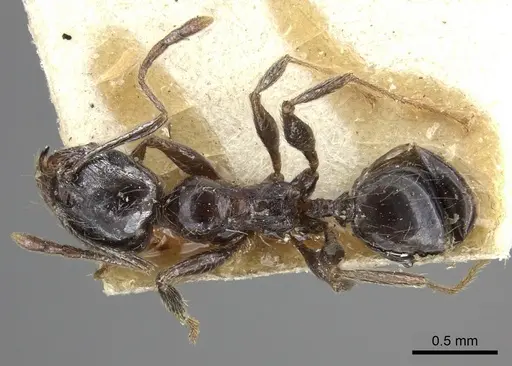
CASENT0249062
View on AntWeb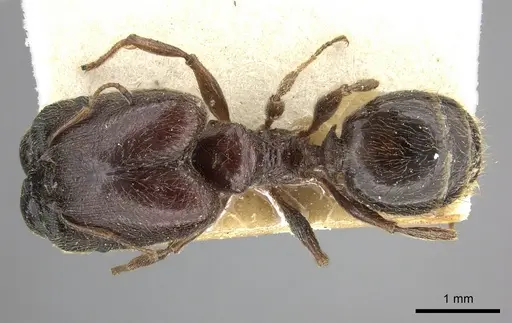
CASENT0249065
View on AntWeb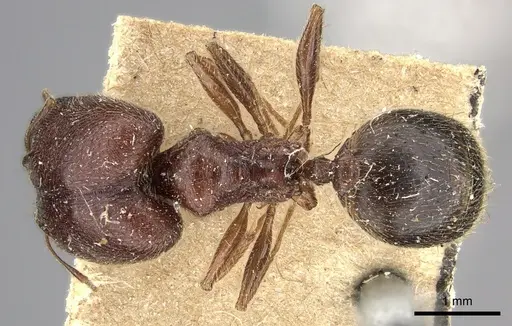
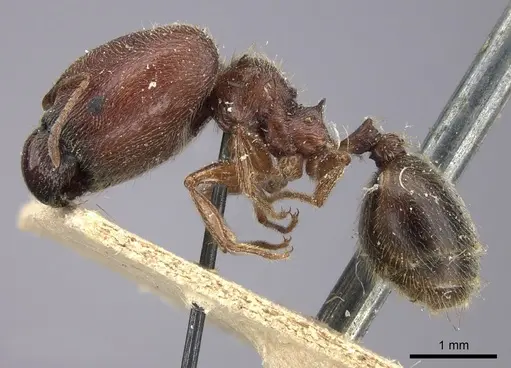
CASENT0249066
View on AntWeb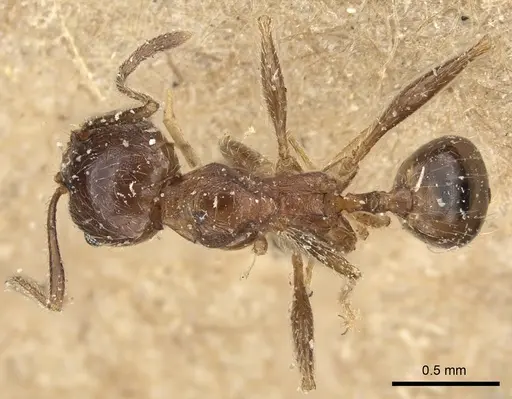
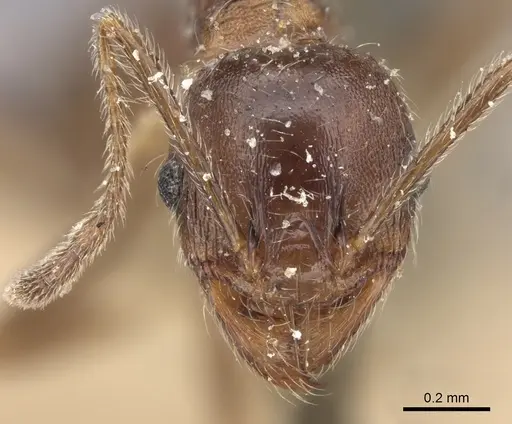
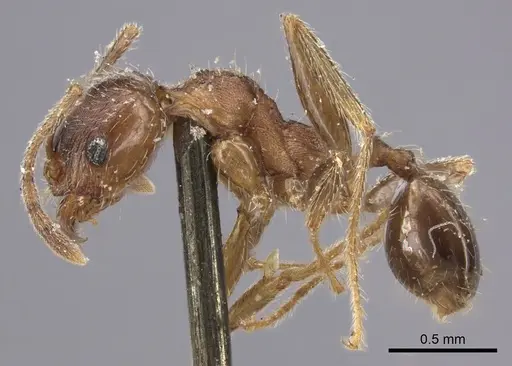
CASENT0249067
View on AntWeb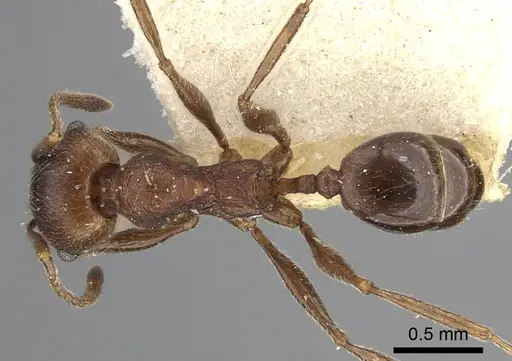
CASENT0249068
View on AntWeb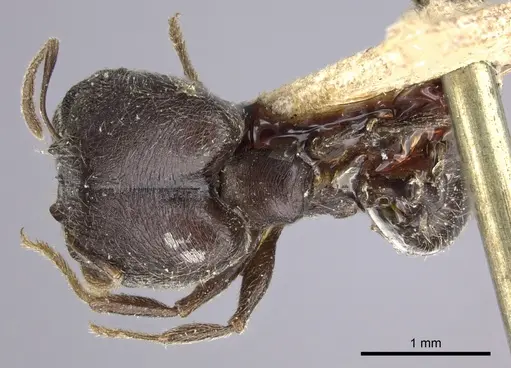
CASENT0249069
View on AntWeb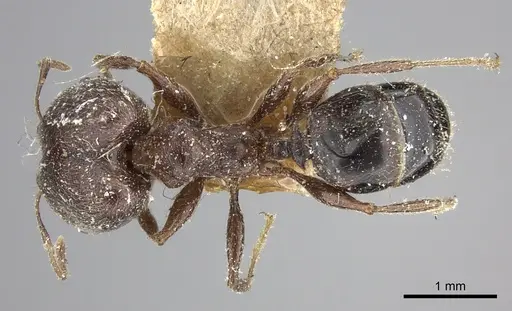
CASENT0249070
View on AntWeb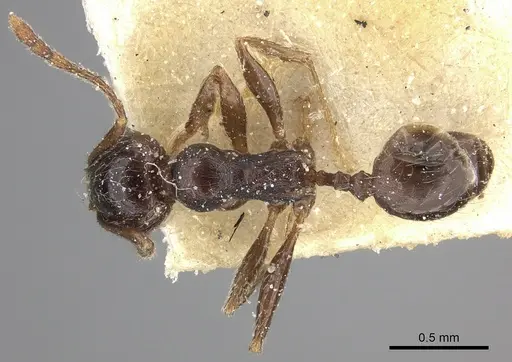
CASENT0249071
View on AntWeb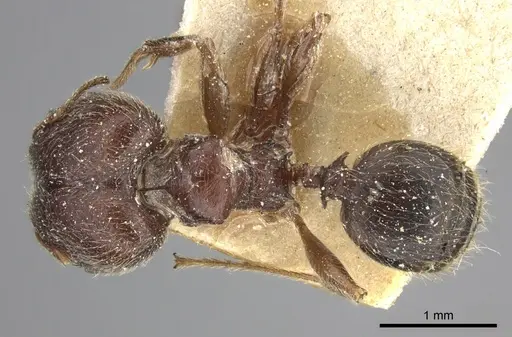
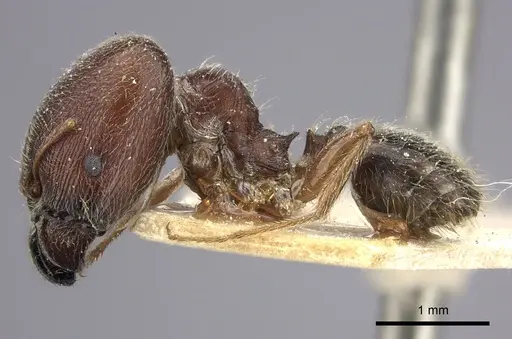
CASENT0249073
View on AntWeb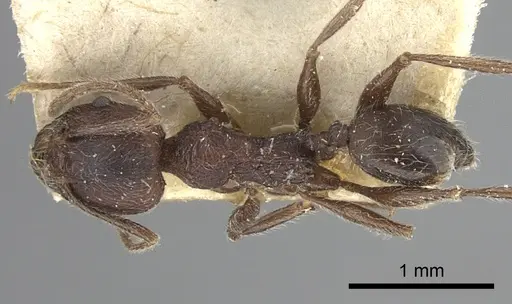
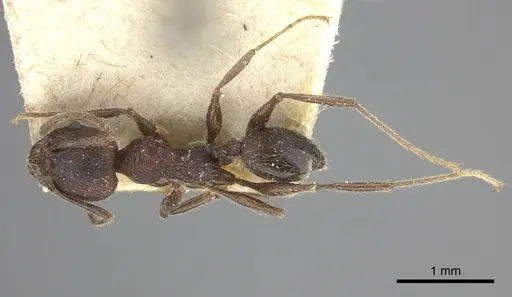
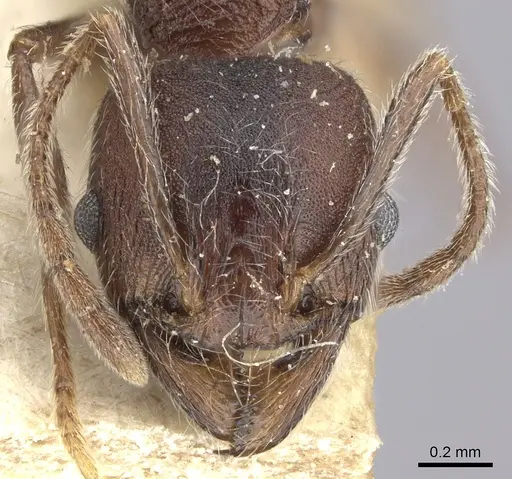
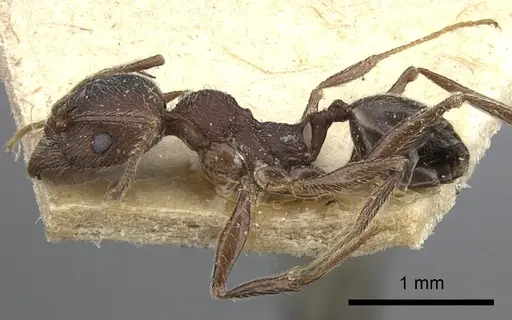
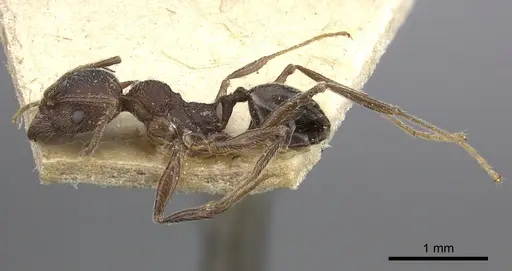
CASENT0249074
View on AntWeb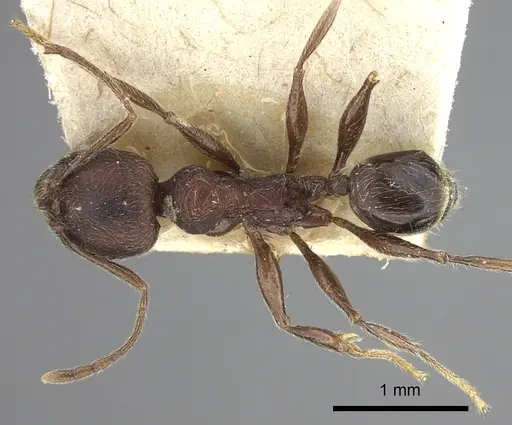
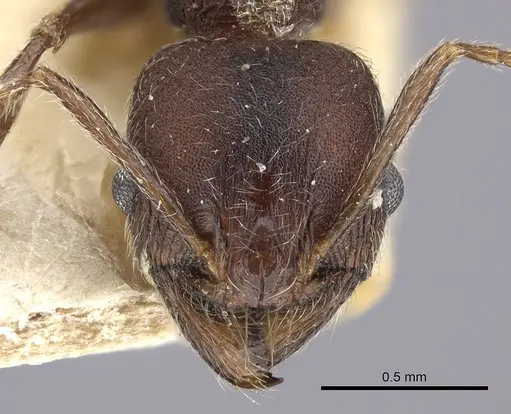
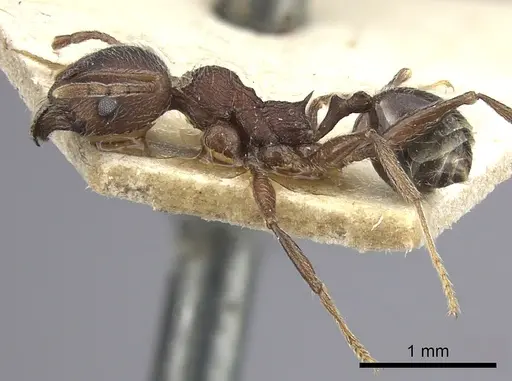
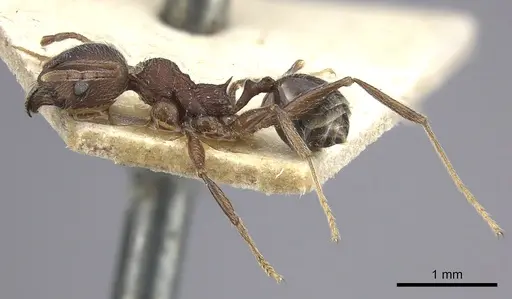
CASENT0249075
View on AntWeb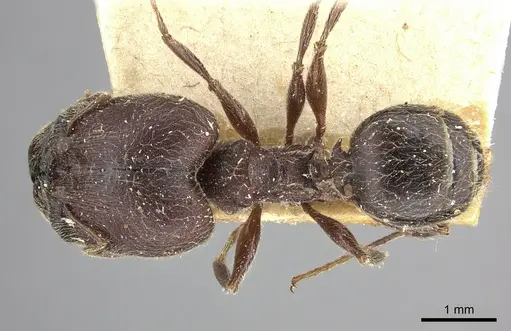
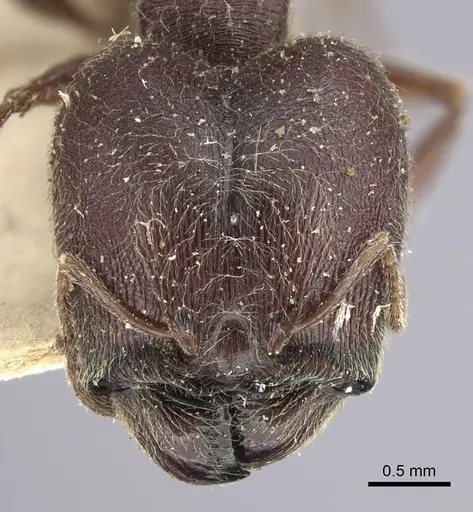
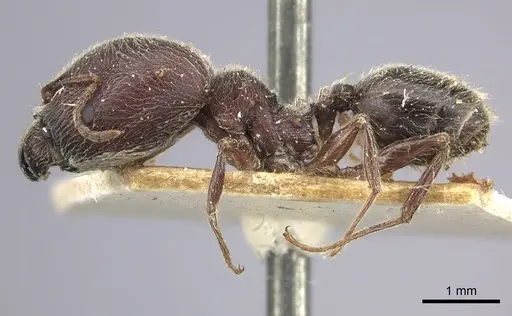
CASENT0249076
View on AntWeb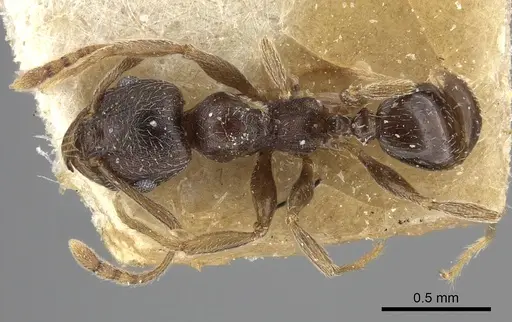
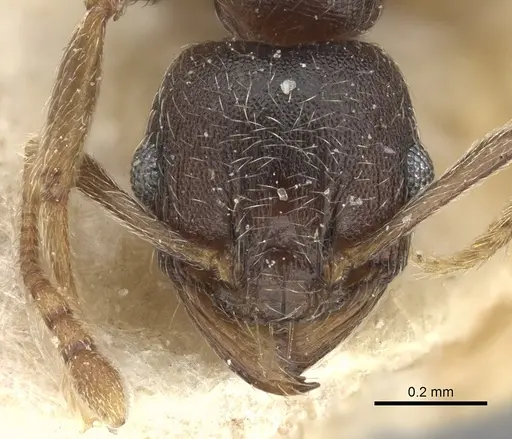
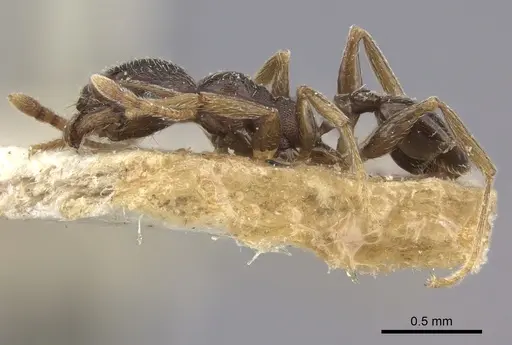
CASENT0249077
View on AntWeb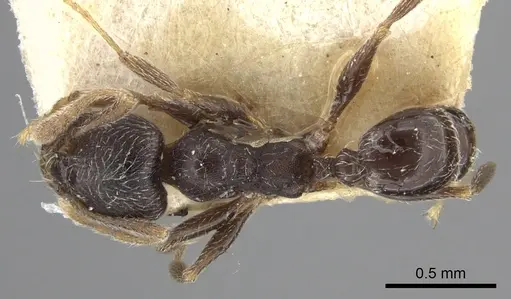
CASENT0249078
View on AntWeb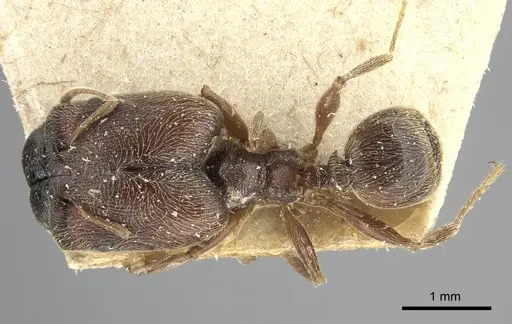
CASENT0281616
View on AntWeb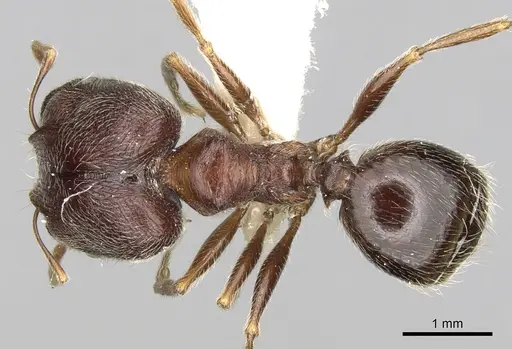
CASENT0281617
View on AntWeb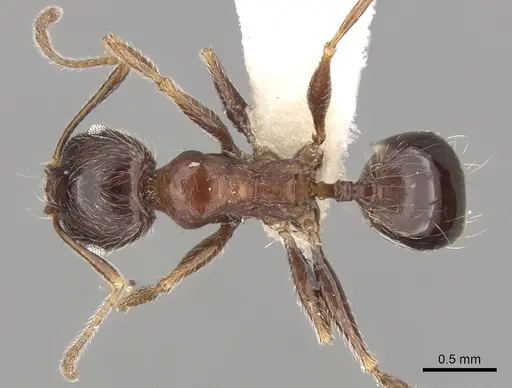
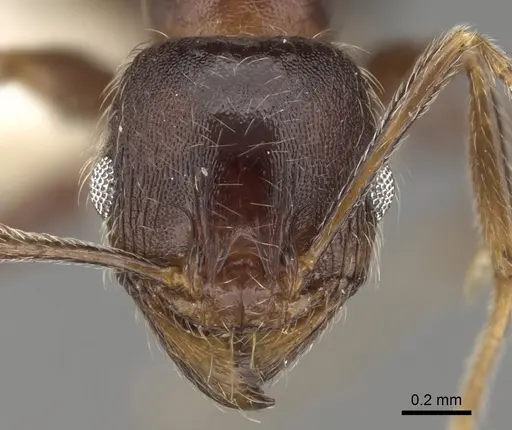
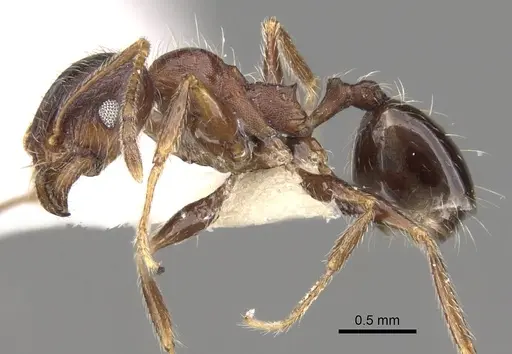
CASENT0901277
View on AntWeb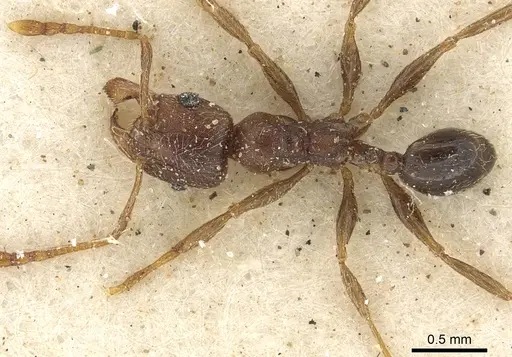
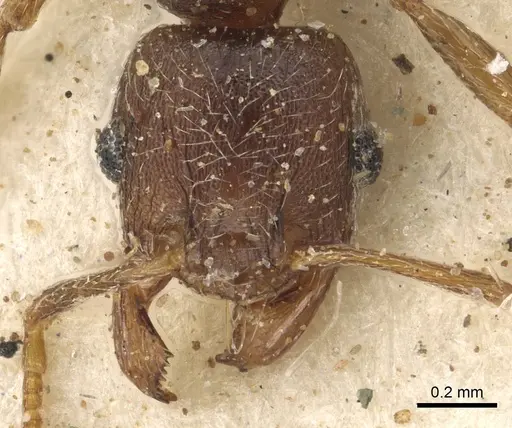
CASENT0901278
View on AntWeb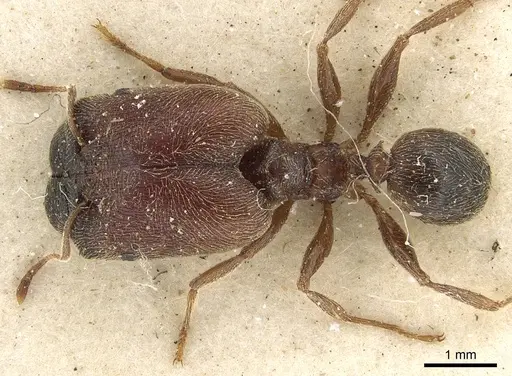
CASENT0901279
View on AntWeb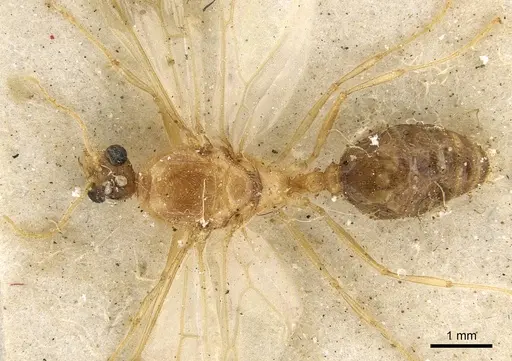
CASENT0904205
View on AntWeb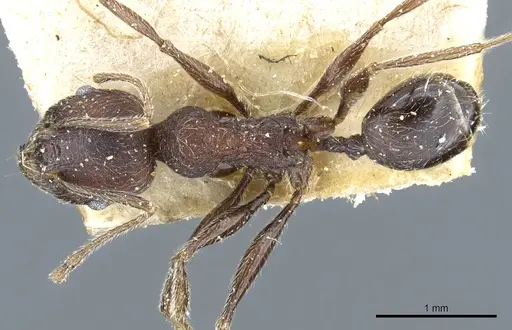
CASENT0913435
View on AntWeb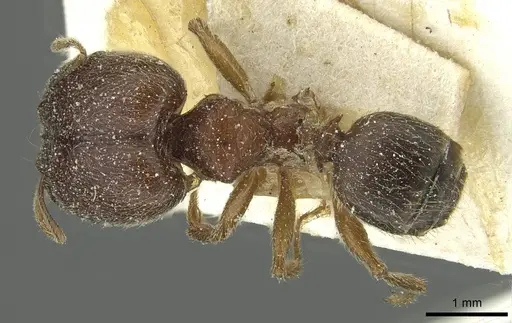
CASENT0913436
View on AntWeb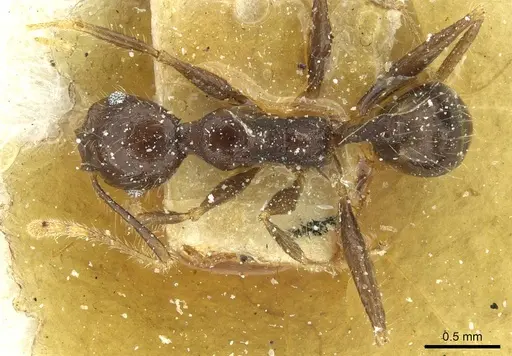
CASENT0913437
View on AntWeb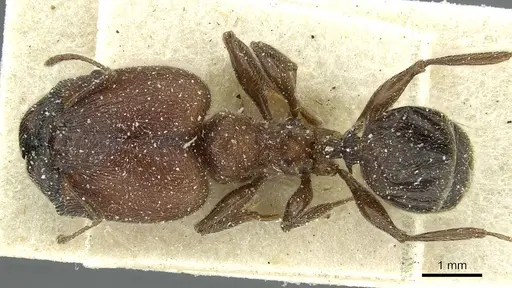
CASENT0913438
View on AntWeb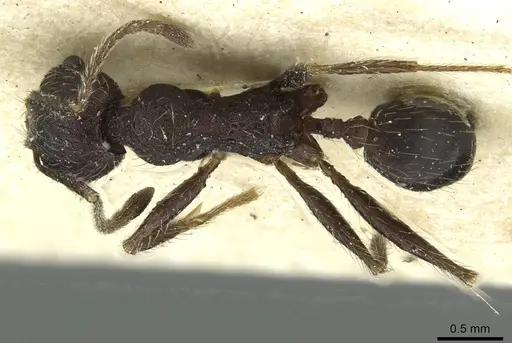
CASENT0913439
View on AntWeb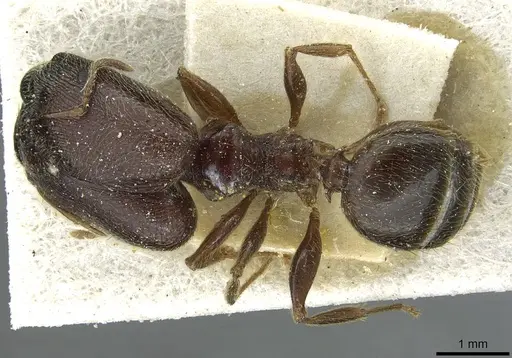
CASENT0913440
View on AntWeb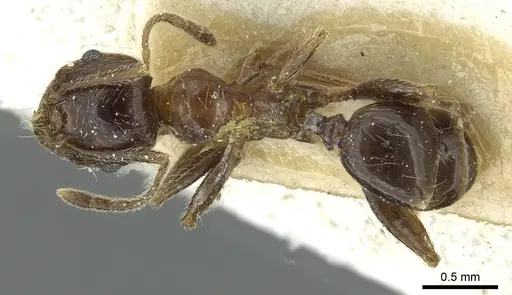
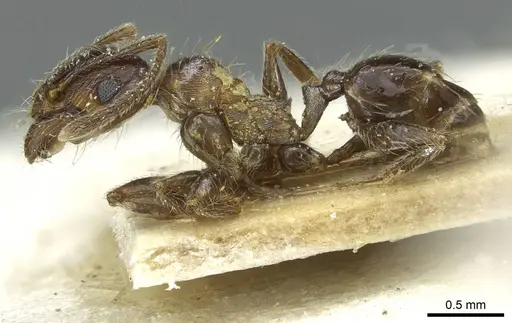
CASENT0919805
View on AntWeb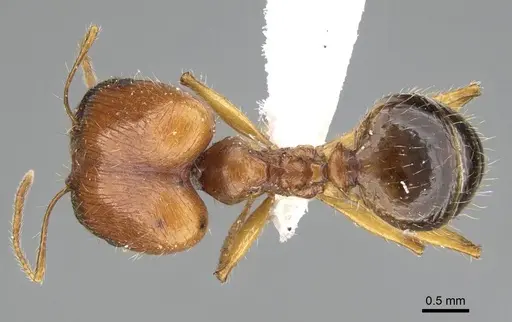
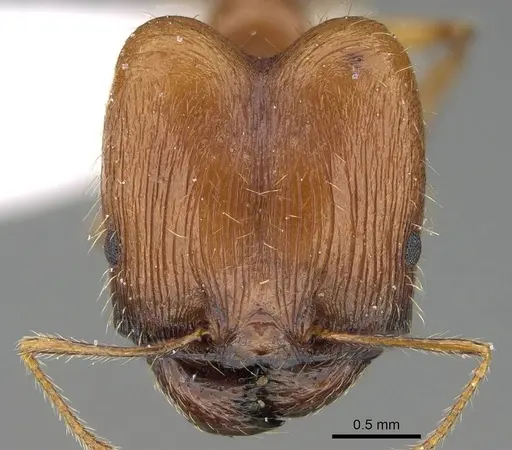
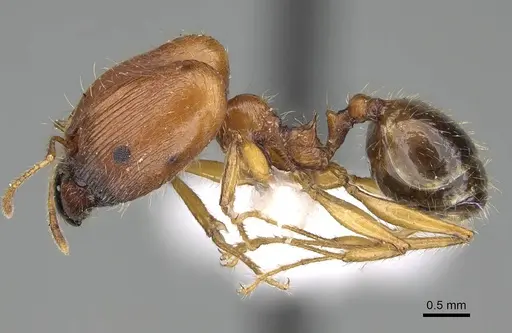
CASENT0919806
View on AntWeb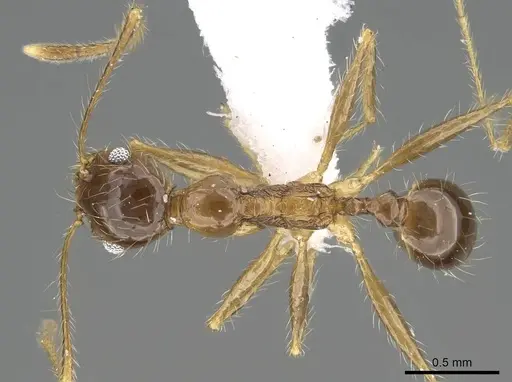
CASENT0922201
View on AntWeb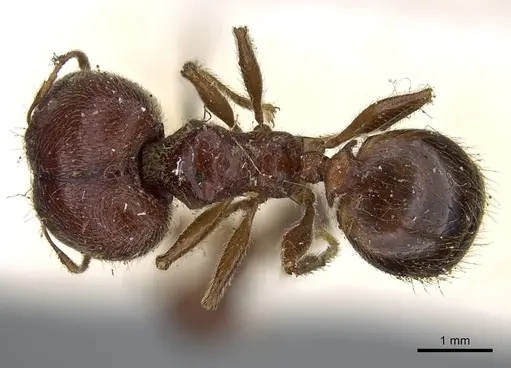
CASENT0922202
View on AntWeb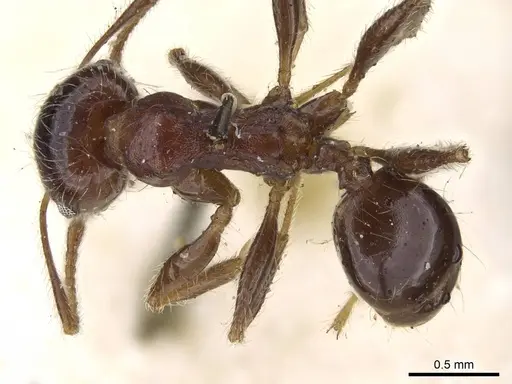
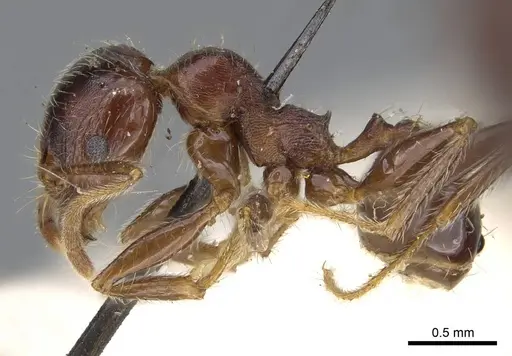
FOCOL0503
View on AntWeb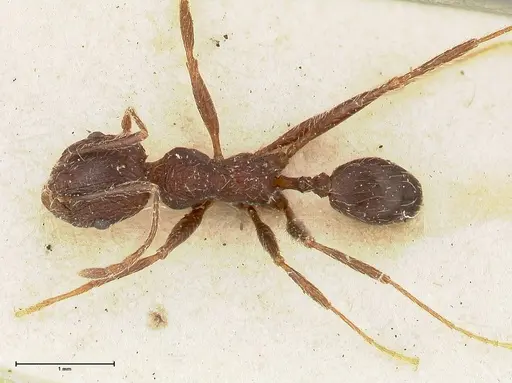
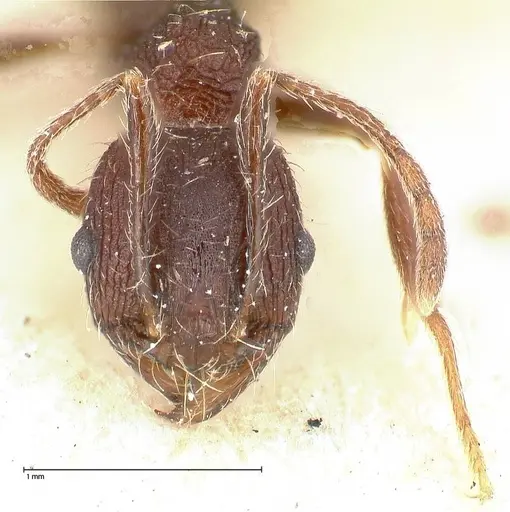
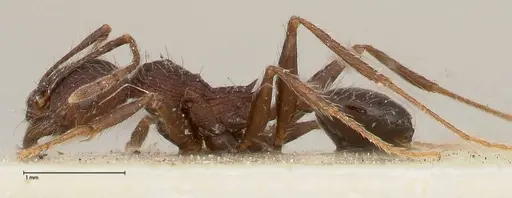
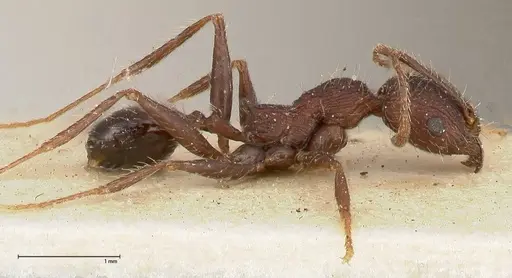
FOCOL0504
View on AntWeb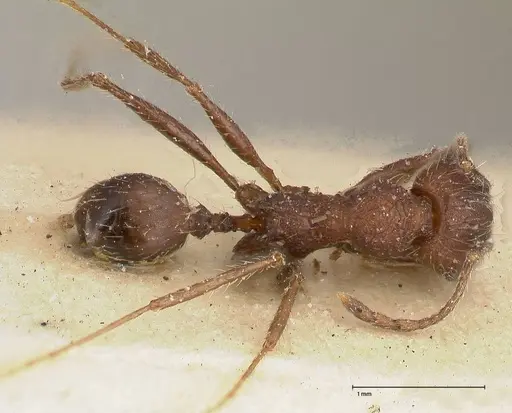
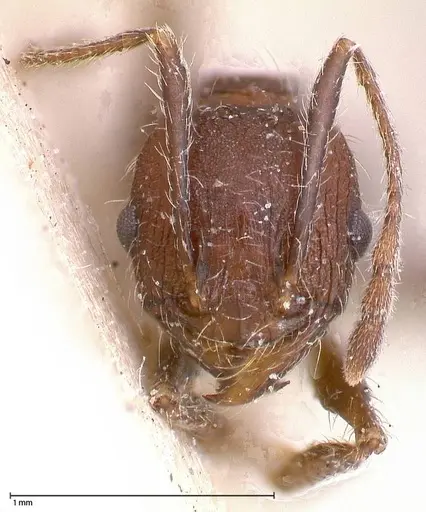
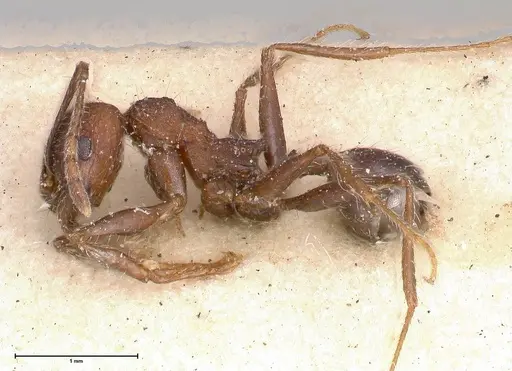
FOCOL0624
View on AntWeb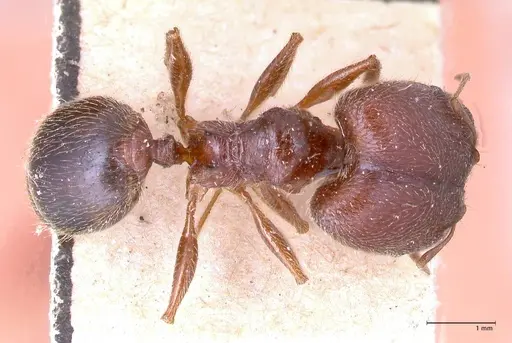
FOCOL0625-1
View on AntWeb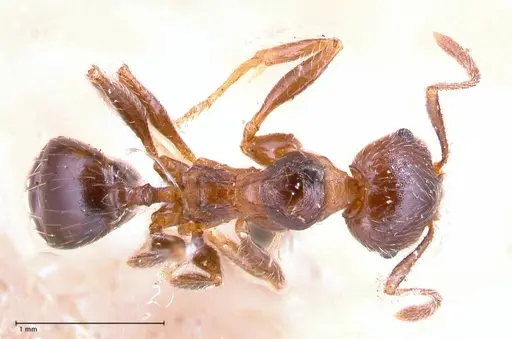
FOCOL0625-2
View on AntWeb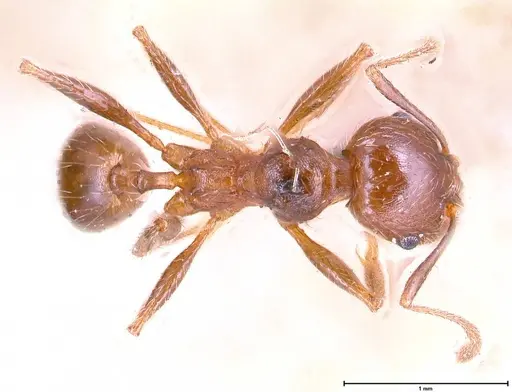
Literature
Loading distribution map...Loading products...