
Pheidole scrobifera
- Sci. Name
- Pheidole scrobifera
- Tribe
- Attini
- Subfamily
- Myrmicinae
- Author
- Emery, 1896
- Distribution
- Found in 5 countries
Introduction
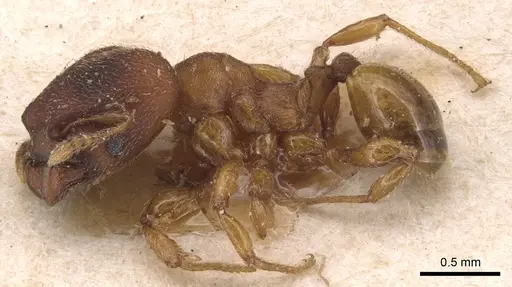
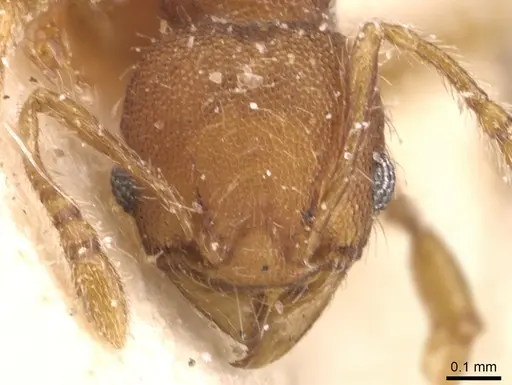
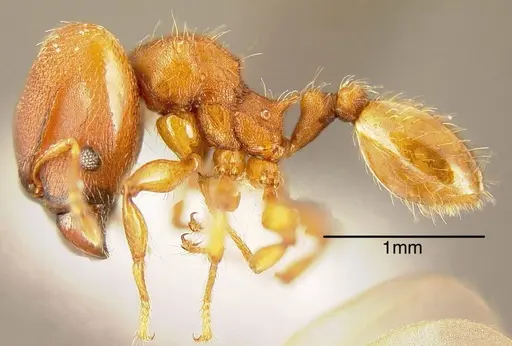
Pheidole scrobifera is a small Neotropical ant native to Central America. Majors have reddish-brown coloration with bilateral dark spots on the head, while minors are darker yellowish. They inhabit mature wet forests in Costa Rica, Honduras, Nicaragua, and Panama, nesting in rotting wood and soil on the forest floor. Workers are nocturnal foragers, active after dark .
Quick Summary
- Difficulty: Medium
- Origin & Habitat: Native to the Neotropical region, Costa Rica, Honduras, Nicaragua, and Panama. Found on the Atlantic slope of Costa Rica up to 900m elevation in mature wet forests, nesting in rotten logs and decaying wood [1][2].
- Colony Type: Colony structure is unconfirmed. No specific data on queen number for this species.
- Size & Growth:
- Queen: Size data unavailable
- Worker: Size data unavailable
- Colony: Unknown, no colony size data available
- Growth: Unknown, no development studies available
- Development: Unconfirmed, no direct measurements. Based on typical Pheidole patterns, expect 6-10 weeks at tropical temperatures [1]. (Development timeline is unconfirmed. Related Pheidole species typically develop in 6-10 weeks under warm conditions.)
- Antkeeping:
- Temperature: Keep warm, around 24-28°C. This species comes from tropical wet forests where temperatures are consistently warm [1].
- Humidity: Keep nest substrate consistently moist but not waterlogged, as they inhabit wet forests [1].
- Diapause: No, tropical species do not require hibernation [1].
- Nesting: In nature, they nest in rotting wood and soil. In captivity, use humidified nests like Y-tong or plaster, with tight chambers scaled to their small size [2][1].
- Behavior: Nocturnal foragers, workers become active after dark [2][1]. Not aggressive toward keepers but will defend nest if disturbed. Escape risk is high due to small worker size, use effective barriers.
- Common Issues: drying out is a common problem due to high humidity needs, monitor substrate moisture regularly., escape risk is high due to small worker size, ensure barriers are effective., cold temperatures can slow or stop brood development, maintain warm temperatures year-round.
Natural History and Distribution
Pheidole scrobifera is found across Central America, specifically in Costa Rica, Honduras, Nicaragua, and Panama. They inhabit the Atlantic slope of Costa Rica up to 900 meters elevation in mature wet forests. These ants nest in rotting wood and soil on the forest floor, and workers forage at night [1][2].
Housing and Nest Setup
In captivity, recreate their natural forest floor environment. Use humidified artificial nests like Y-tong or plaster, with tight chambers for their small size. Provide a water source and maintain high humidity to mimic wet forest conditions [2][1].
Feeding and Diet
Pheidole scrobifera are generalist foragers. Offer a varied diet including small seeds, grain, and protein sources like fruit flies or small insects. Provide sugar water or honey occasionally. Feed every 2-3 days and remove uneaten food to prevent mold [1].
Temperature and Seasonal Care
As a tropical species, keep temperatures between 24-28°C year-round. No hibernation is needed. If room temperature is below this range, use a heating cable to create a warm gradient [1].
Behavior and Observation
These ants are nocturnal, so most activity occurs after dark. They have major and minor worker castes, with majors defending the nest. They are not aggressive but will protect their home if disturbed [2][1].
Frequently Asked Questions
How long does it take for Pheidole scrobifera to develop from egg to worker?
The exact timeline is unconfirmed. Based on typical Pheidole patterns, expect approximately 6-10 weeks from egg to first worker at optimal tropical temperatures [1].
What temperature do Pheidole scrobifera ants need?
Keep them warm at 24-28°C. This tropical species needs consistent warmth year-round [1].
Do Pheidole scrobifera ants need hibernation?
No, they do not require hibernation. As a tropical species, they need warm temperatures maintained year-round [1].
What do Pheidole scrobifera ants eat?
They are generalist foragers. Offer small seeds, protein sources like insects, and occasional sugar water or honey [1].
Are Pheidole scrobifera good for beginners?
This species is rated as medium difficulty. The lack of documented care information and specific humidity needs make them better suited for keepers with some experience [1].
How big do Pheidole scrobifera colonies get?
The maximum colony size is unknown. No specific data exists for this species [1].
What type of nest should I use for Pheidole scrobifera?
Use humidified artificial nests like Y-tong or plaster, with tight chambers to maintain high humidity [2][1].
When are Pheidole scrobifera ants most active?
Can I keep multiple queens together in a Pheidole scrobifera colony?
The colony structure is unconfirmed. Without specific data, it is not recommended to combine unrelated queens [1].
Report an Issue
The current care sheet is based fully on literature. See inconsistencies, or something that's incorrect? Please , it will be resolved after review from an admin. Contributing to the blogs tab also helps providing information, to make us be able to further improve the caresheets. Thank you for your support!
References

This caresheet is licensed under CC BY-SA 4.0 .
Community Blogs
CASENT0635523
View on AntWeb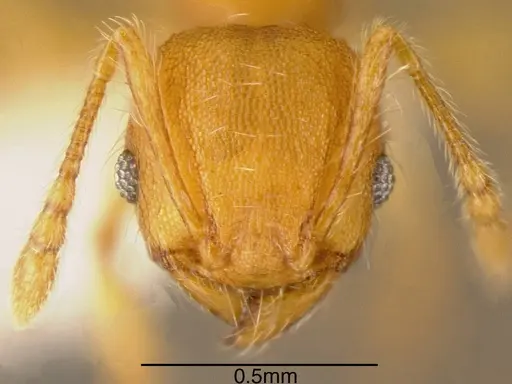
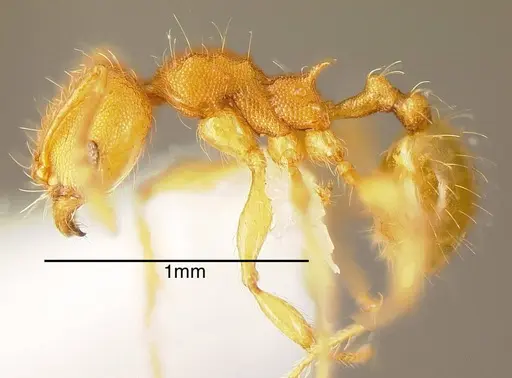
CASENT0904449
View on AntWeb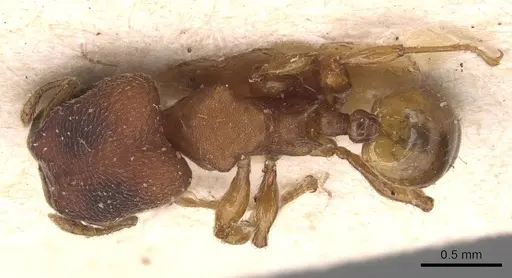
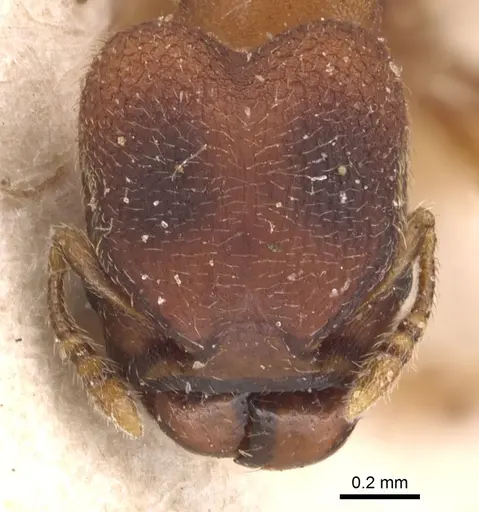
CASENT0904450
View on AntWeb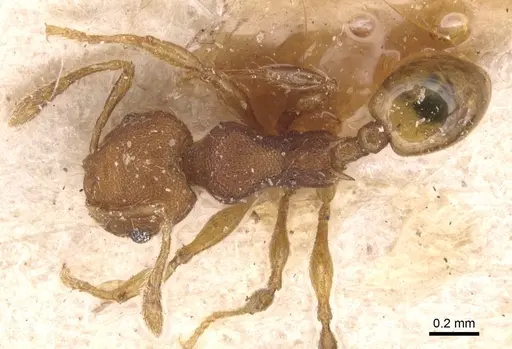
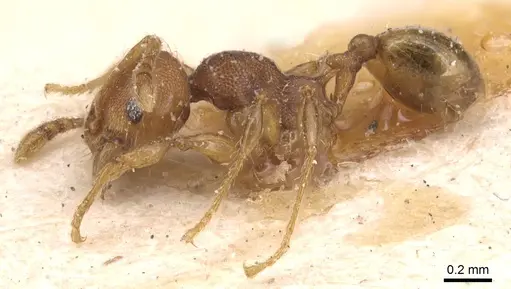
INBIOCRI002281993
View on AntWeb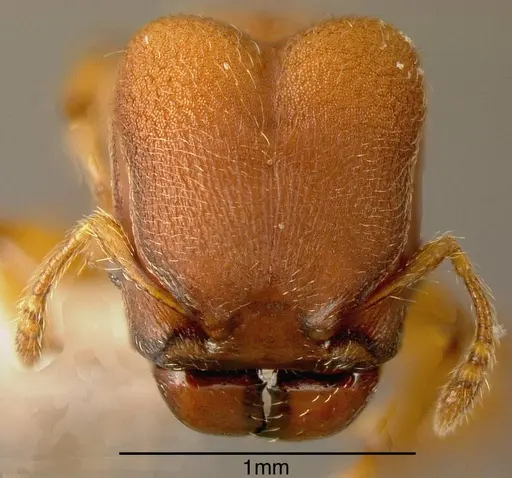
Literature
Loading distribution map...Loading products...