
Pheidole schoutedeni
- Sci. Name
- Pheidole schoutedeni
- Tribe
- Attini
- Subfamily
- Myrmicinae
- Author
- Forel, 1913
- Distribution
- Found in 1 countries
Introduction
Pheidole schoutedeni is an ant species recorded from Haut-Katanga province in the Democratic Republic of Congo . Specific size and biological data are unavailable, but like other Pheidole species, it likely has minor and major worker castes. The genus Pheidole is known for seed-harvesting behavior, but this is not confirmed for this species. This species is part of the diverse ant fauna of the DRC, but little is known about its specific biology or care requirements.
Quick Summary
- Difficulty: Medium
- Origin & Habitat: Democratic Republic of Congo, Haut-Katanga province [1].
- Colony Type: Unconfirmed, no specific data on queen number or social structure.
- Size & Growth:
- Queen: size data unavailable
- Worker: size data unavailable, inferred from Pheidole genus that minors are ~2-3 mm, majors ~3-5 mm
- Colony: up to several hundred workers, inferred from Pheidole genus
- Growth: Moderate, inferred from Pheidole genus
- Development: Estimated 6-8 weeks at warm temperatures, inferred from Pheidole genus (Development time depends on temperature.)
- Antkeeping:
- Temperature: Keep warm, roughly 24-28°C, based on typical tropical ant care.
- Humidity: Keep substrate consistently moist but not waterlogged.
- Diapause: Unknown, no data on diapause for this species.
- Nesting: Y-tong or plaster nests suitable for small ants, inferred from genus patterns.
- Behavior: Generally peaceful and non-aggressive. Escape risk is moderate due to small size, ensure tight-fitting lids.
- Common Issues: colonies may stall if temperatures drop too low, keep warm for consistent growth., major workers may take time to appear, this is normal for Pheidole species., overfeeding can lead to mold, remove uneaten food promptly., escape prevention is important due to small size, check for gaps regularly.
Housing and Nest Setup
For founding colonies, a test tube setup is suitable. Once the colony grows, move to a Y-tong or plaster nest with appropriate chamber sizes. Ensure escape prevention due to small size.
Feeding and Diet
Data on specific diet is unavailable. Based on Pheidole genus patterns, they may collect seeds and insects. Offer a variety of small seeds and protein sources, but remove uneaten food to prevent mold.
Temperature and Heating
Keep the nest warm, roughly 24-28°C, based on typical tropical ant care. Use a heating cable if needed, but monitor colony behavior.
Colony Development and Growth
Colony development data is unavailable. Based on Pheidole genus, majors may appear later in colony growth. Growth rate is likely moderate.
Behavior and Observation
Behavior data is unavailable. Based on Pheidole genus, workers may have division of labor between minors and majors. They are generally peaceful.
Frequently Asked Questions
How long does it take for Pheidole schoutedeni to have first workers?
Data is unavailable, but based on Pheidole genus patterns, first workers may appear 6-8 weeks after founding at warm temperatures.
What do I feed Pheidole schoutedeni?
Specific diet data is unavailable. Based on genus patterns, offer seeds and protein sources.
Can I keep multiple queens together?
Not recommended, as data on this species is unavailable. For Pheidole species, combining queens often leads to fighting.
What temperature do they need?
Keep warm, roughly 24-28°C, based on typical tropical ant care.
When should I move them to a formicarium?
Once the colony has 20-30 workers, but data is unavailable for this species. Move based on colony growth.
How big do colonies get?
Up to several hundred workers, inferred from Pheidole genus.
Do they need hibernation?
Unknown, no data on diapause for this species.
Why aren't my major workers appearing?
Major workers typically appear later in colony growth. If your colony is young, be patient.
Are Pheidole schoutedeni good for beginners?
Due to lack of species-specific data, difficulty is medium. They may be suitable if care requirements are met.
Report an Issue
The current care sheet is based fully on literature. See inconsistencies, or something that's incorrect? Please , it will be resolved after review from an admin. Contributing to the blogs tab also helps providing information, to make us be able to further improve the caresheets. Thank you for your support!
References

This caresheet is licensed under CC BY-SA 4.0 .
Community Blogs
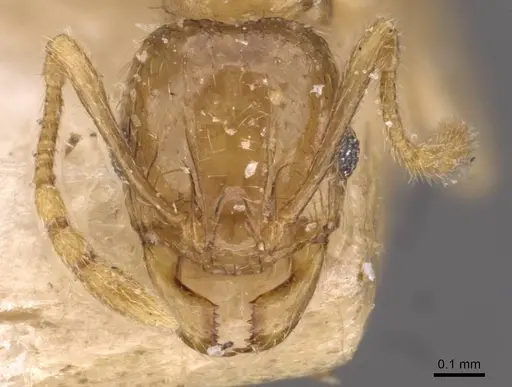
CASENT0907849
View on AntWeb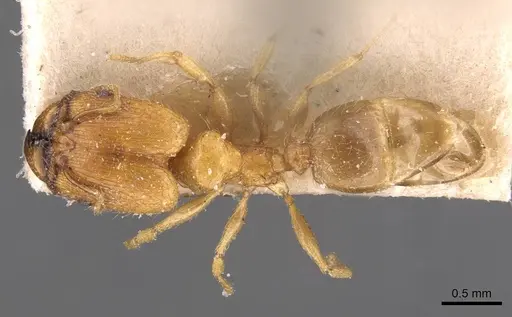
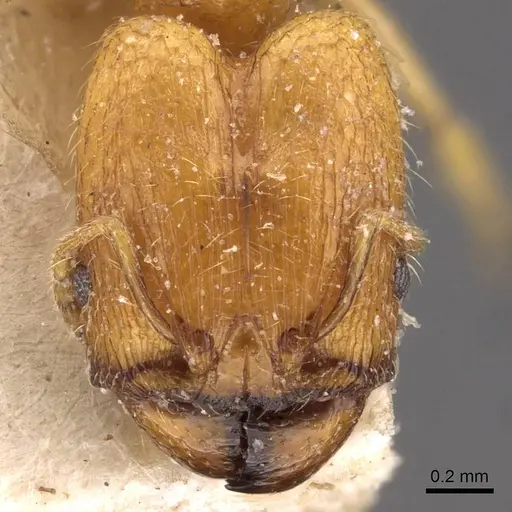
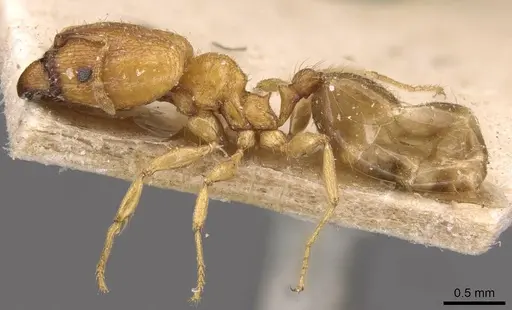
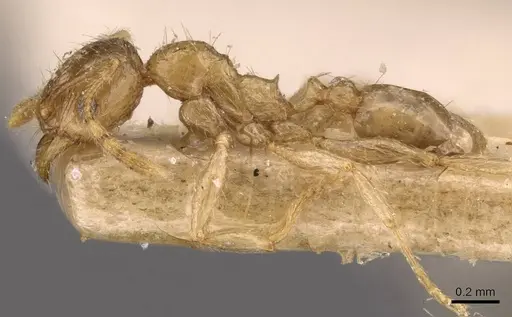
CASENT0907850
View on AntWeb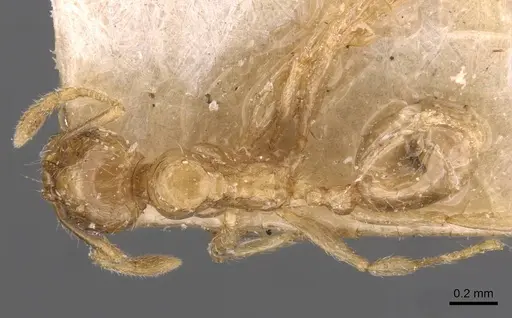
Literature
Loading distribution map...Loading products...