
Pheidole scabrata
- Sci. Name
- Pheidole scabrata
- Tribe
- Attini
- Subfamily
- Myrmicinae
- Author
- Forel, 1895
- Distribution
- Found in 1 countries
Introduction
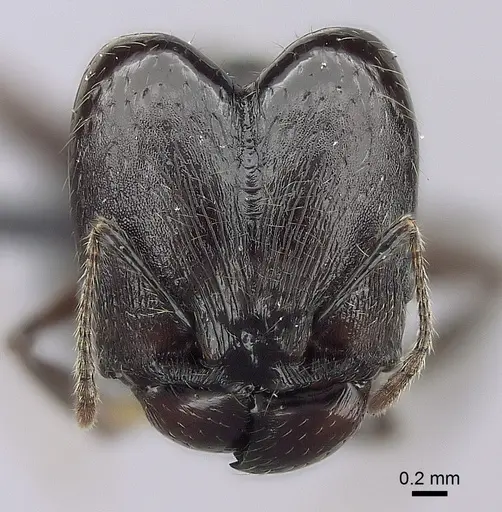
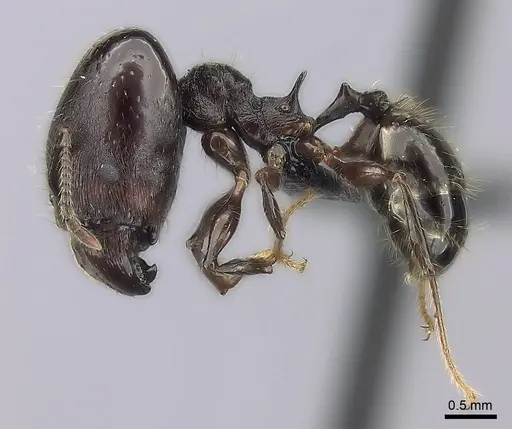
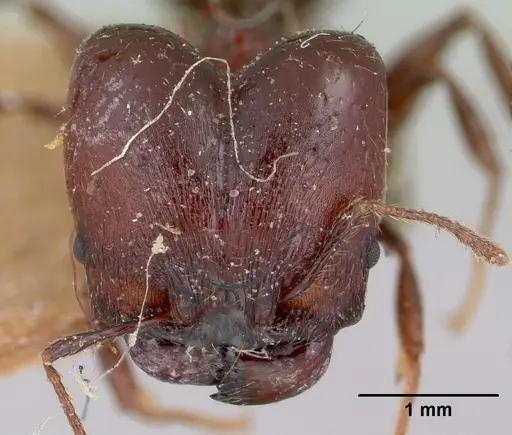
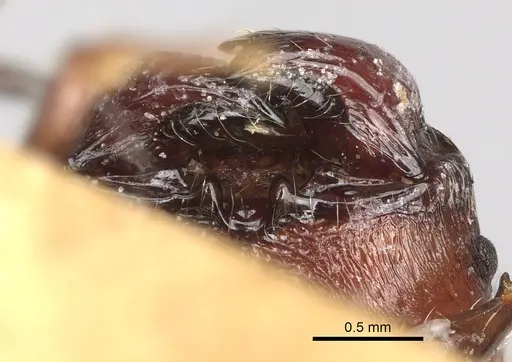
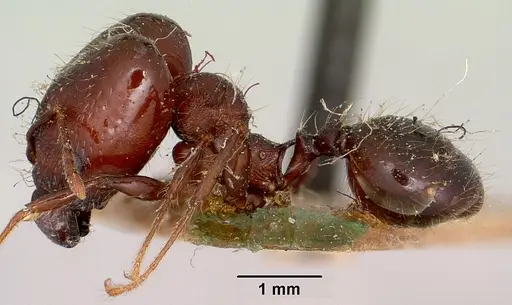
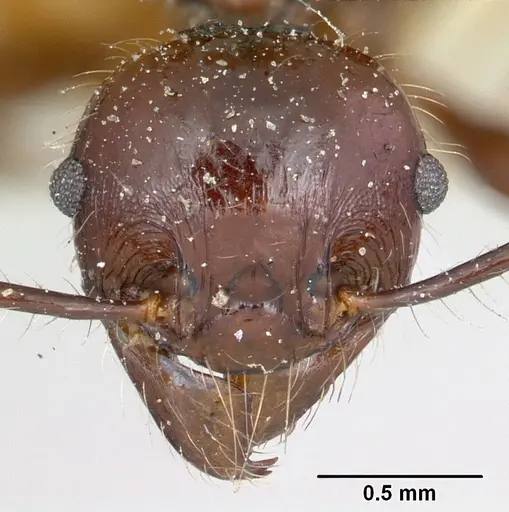
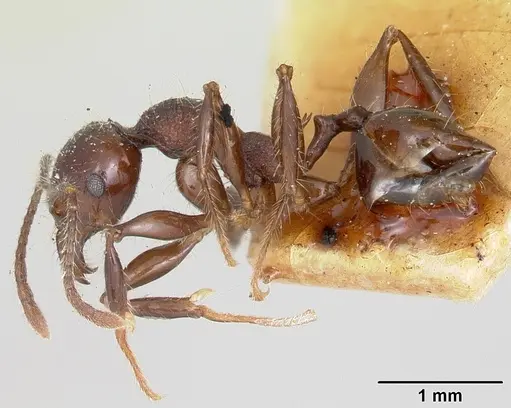
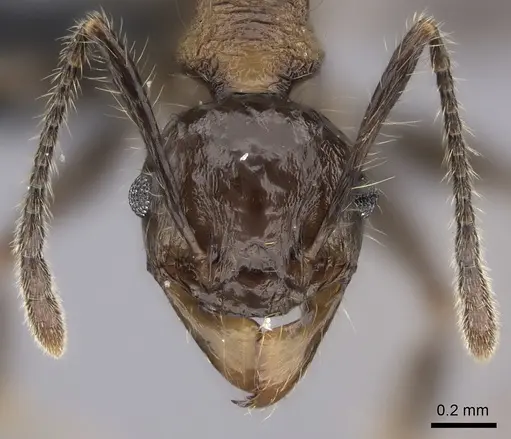
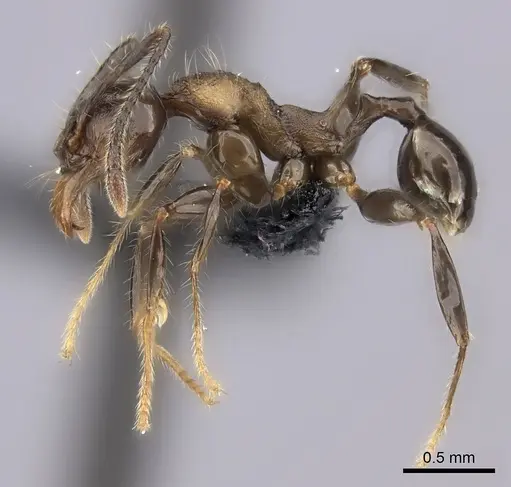
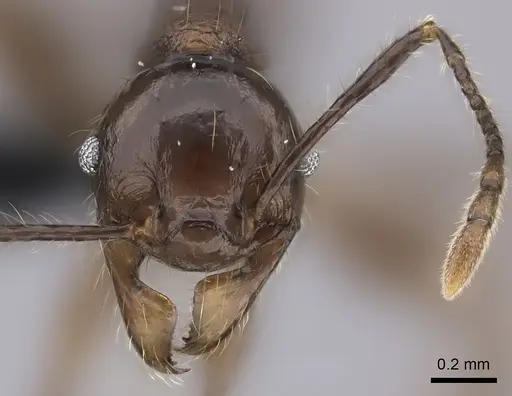
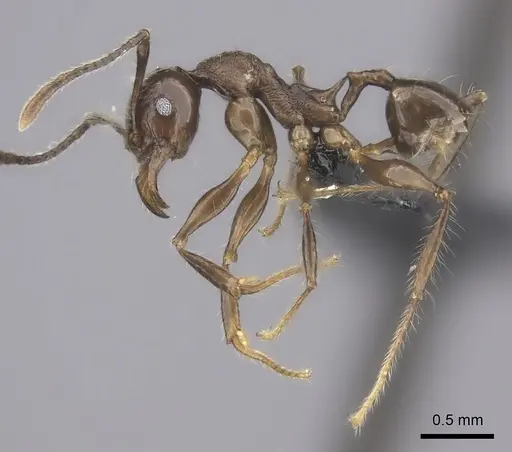
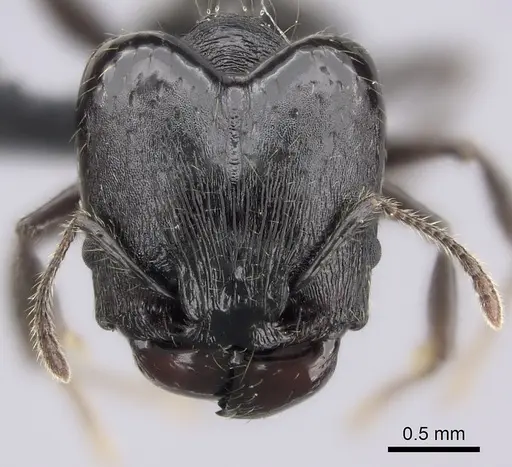
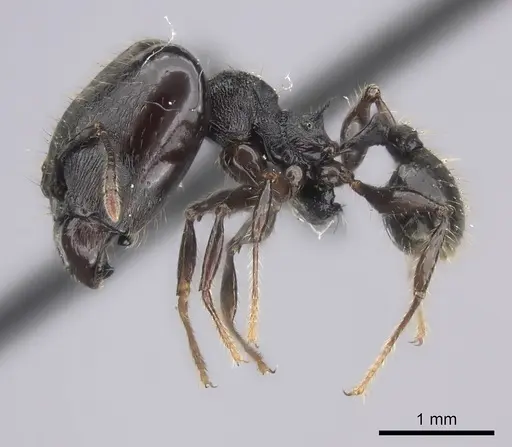
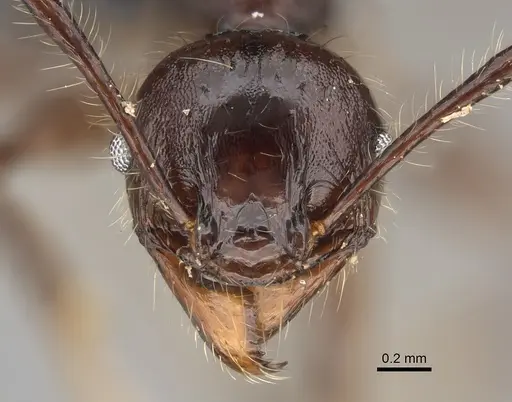
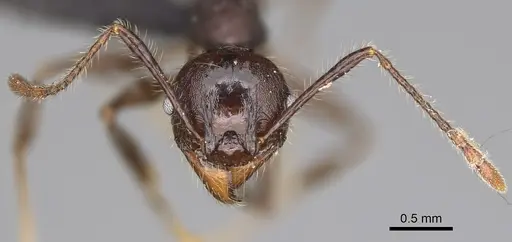
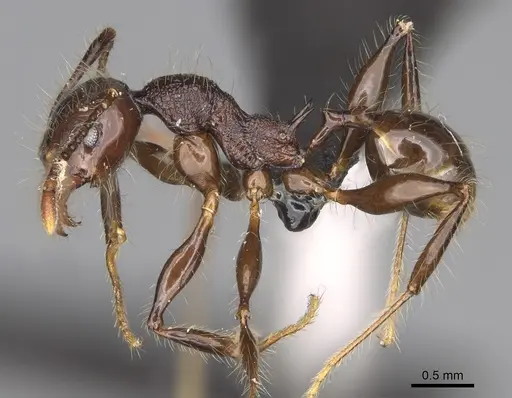
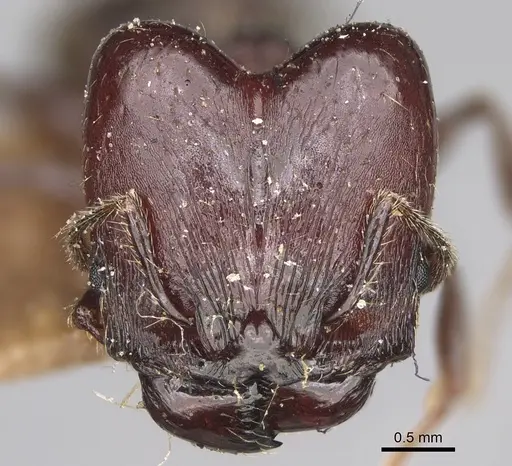
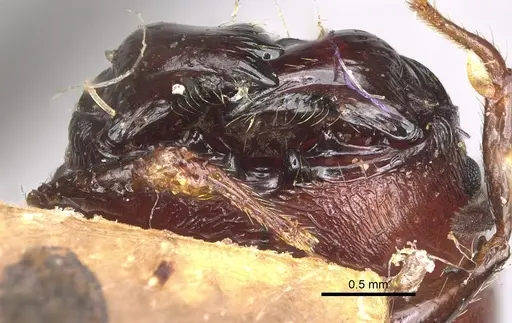
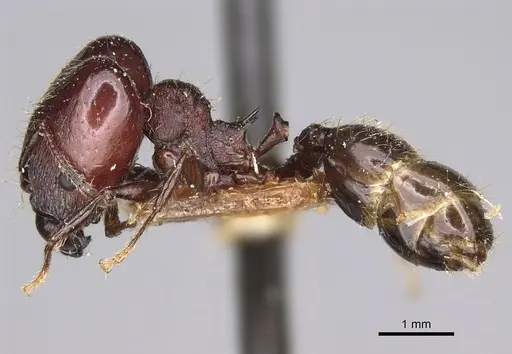
Pheidole scabrata is a big-headed ant species endemic to Madagascar. It belongs to the Pheidole longispinosa species group, with major workers having large, trapezoidal heads and minor workers being much smaller. The body is brown to dark brown, and both castes have long propodeal spines. This species nests in rotten logs and sticks on the ground at elevations of 825-1220 meters in montane and tropical forests . It was elevated to species status in 2020 .
Quick Summary
- Difficulty: Medium
- Origin & Habitat: Endemic to Madagascar, found in montane rainforest, rainforest, transitional humid forest, and tropical dry forest at 825-1220 meters elevation [1]. Nests are in rotten logs and sticks on the ground.
- Colony Type: Colony structure is not well documented. Based on typical Pheidole patterns, likely single-queen colonies with major and minor worker castes.
- Size & Growth:
- Queen: Size data unavailable, inferred from Pheidole genus to be larger than workers.
- Worker: Size data unavailable, inferred from Pheidole genus: majors larger, minors small.
- Colony: Up to several thousand workers, estimated from genus patterns [2].
- Growth: Moderate, based on typical Pheidole development patterns [2].
- Development: Estimated 6-8 weeks based on genus patterns at optimal temperature [2]. (Development time inferred from genus-level data, specific measurements for this species are unavailable.)
- Antkeeping:
- Temperature: Keep at 20-24°C. Based on their montane forest habitat, they prefer cooler conditions, avoid overheating [1].
- Humidity: Keep nest substrate consistently moist but not waterlogged. Based on their humid forest habitat [1].
- Diapause: Not confirmed, likely no true hibernation due to tropical origin [1].
- Nesting: Provide wood-based nesting material like rotten logs, cork, or plaster nests with wood inclusions [1].
- Behavior: Pheidole scabrata has distinct major and minor workers. Majors defend the nest and process large food, while minors forage and care for brood. They are not highly aggressive but will defend vigorously. Minor workers are small, so escape prevention is critical. Foraging activity is moderate [2].
- Common Issues: escape prevention is critical due to small minor workers that can squeeze through standard barriers., colonies may be slow to establish, patience needed during founding phase., high humidity requirements can lead to mold issues if ventilation is poor., wild-caught colonies may carry parasites that cause colony collapse., overheating is a risk given their montane origin, keep away from direct heat sources.
Housing and Nest Setup
Pheidole scabrata does well in nests that mimic their natural habitat in decaying wood. A Y-tong nest with cork or wood inclusions works well, as does a plaster nest with a wood chamber. Test tube setups can work for founding colonies but may need upgrading as the colony grows. Because minor workers are very small, use fine mesh barriers and ensure all connections are tight, these ants are expert escape artists. Provide an outworld with easy access to the nest for foraging [1].
Feeding and Diet
Like other Pheidole species, P. scabrata is omnivorous with a preference for protein. Offer protein sources such as small insects, and provide a sugar source like honey water regularly. Seeds may also be accepted, major workers can process larger seeds. Feed every 2-3 days, removing uneaten prey within 24 hours to prevent mold. A constant sugar water supply is recommended [2].
Temperature and Humidity
This species prefers cooler conditions due to their montane forest origin. Maintain temperatures between 20-24°C, avoid exceeding 26°C as overheating can be fatal. For humidity, aim for consistent moisture in the nest substrate without waterlogging. A water tube attached to the nest can help maintain humidity [1].
Colony Development
Pheidole colonies develop through distinct worker castes. The queen lays eggs that develop into larvae and then pupae. Once emerged, the first workers are typically smaller. As the colony grows, larger major workers appear. Growth rate is moderate, expect several months to reach 100 workers from a successful founding [2].
Behavior and Defense
Pheidole scabrata exhibits typical Pheidole colony organization. Minor workers handle foraging and brood care, while majors defend the nest and process food. When threatened, majors rush to defend while minors evacuate brood. Workers are not highly aggressive toward humans but will defend their nest vigorously. Defense includes stinging, as this species belongs to the Myrmicinae subfamily [2].
Frequently Asked Questions
How long does it take for Pheidole scabrata to produce first workers?
Expect first workers to emerge around 6-8 weeks after the queen lays eggs, assuming optimal conditions around 22-24°C. This is an estimate based on typical Pheidole genus development [2].
What do Pheidole scabrata ants eat?
They are omnivorous. Offer protein sources like small insects 2-3 times per week, and provide a constant sugar source like honey water. Seeds may also be accepted [2].
What temperature should I keep Pheidole scabrata at?
Keep them at 20-24°C. Their montane forest origin means they prefer cooler conditions, avoid temperatures above 26°C [1].
Are Pheidole scabrata good for beginners?
They are rated as medium difficulty. While not the easiest species, their requirements are straightforward once you understand humidity and temperature needs. The main challenges are escape prevention due to their tiny minor workers and patience during colony founding.
When should I move my colony to a formicarium?
Keep founding colonies in test tubes until they reach 50-100 workers. At this point, you can move them to a formicarium if desired, but ensure the new setup provides appropriate nesting material like wood or cork [2].
Do Pheidole scabrata need hibernation?
True hibernation is not required as they originate from tropical Madagascar. However, they may experience reduced activity during cooler months [1].
How big do Pheidole scabrata colonies get?
Colony size is not well documented but typical Pheidole colonies reach several thousand workers [2].
Why are my Pheidole scabrata escaping?
Minor workers are very small and can squeeze through tiny gaps. Use fine mesh, check all lid seals, and ensure tube connections are tight. Apply fluon to the rim of the outworld as an additional barrier [1].
Can I keep multiple queens together?
Pheidole scabrata is likely monogyne (single queen per colony). Combining unrelated queens is not recommended as they typically establish exclusive territories. If you acquire a wild colony, it will likely have just one functional queen [2].
Report an Issue
The current care sheet is based fully on literature. See inconsistencies, or something that's incorrect? Please , it will be resolved after review from an admin. Contributing to the blogs tab also helps providing information, to make us be able to further improve the caresheets. Thank you for your support!
References

This caresheet is licensed under CC BY-SA 4.0 .
Community Blogs
CASENT0043383
View on AntWeb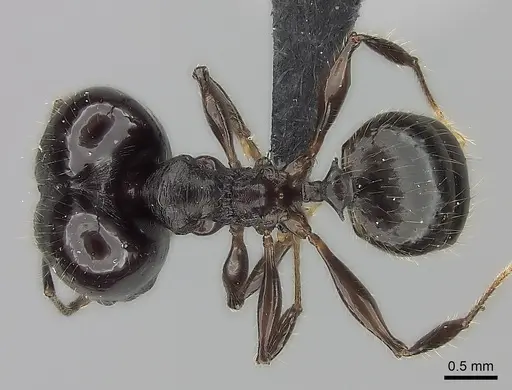
CASENT0101695
View on AntWeb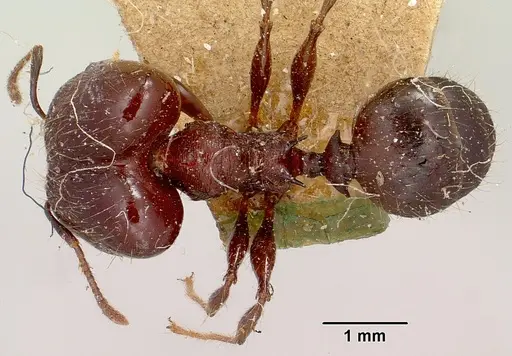
CASENT0101869
View on AntWeb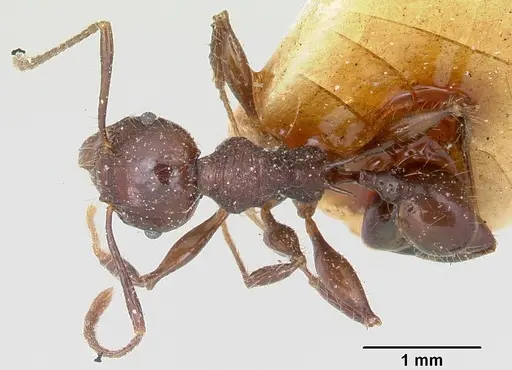
CASENT0135100
View on AntWeb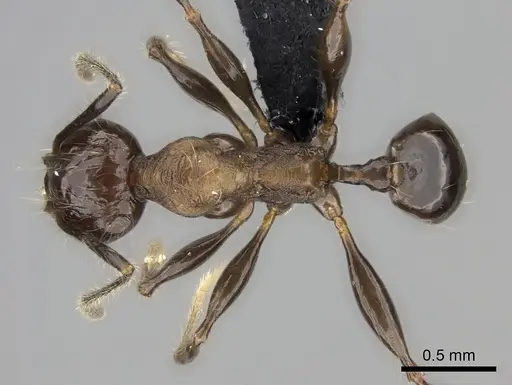
CASENT0198767
View on AntWeb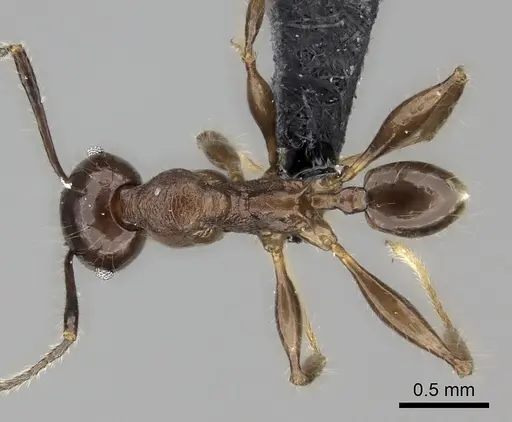
CASENT0235126
View on AntWeb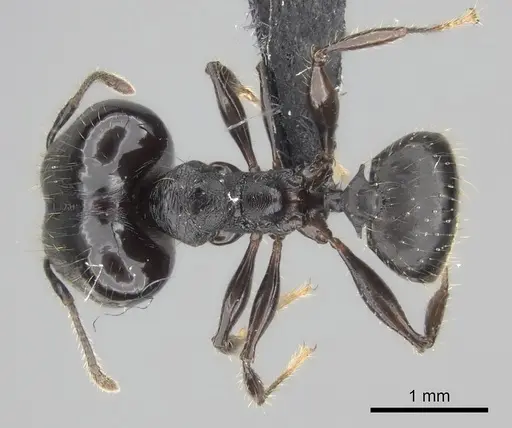
CASENT0496745
View on AntWeb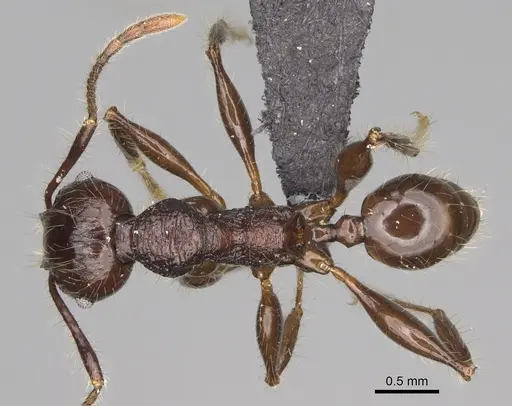
CASENT0496747
View on AntWeb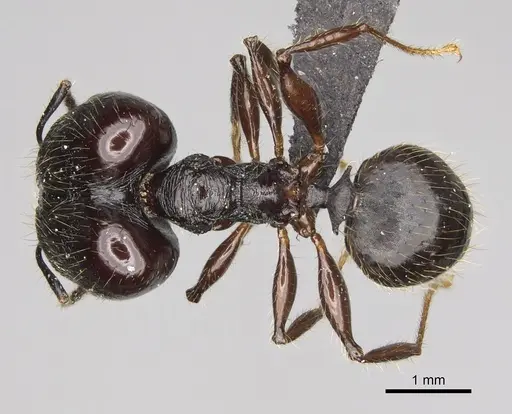
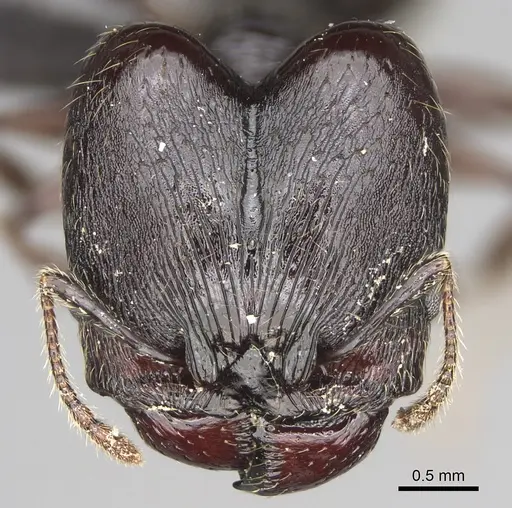
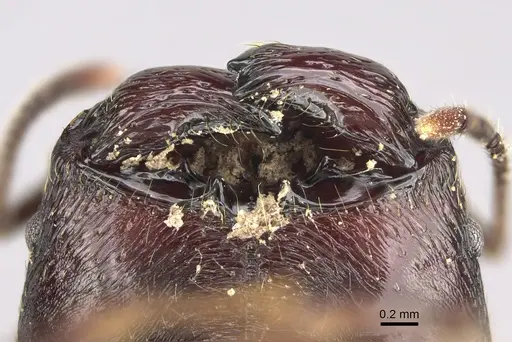
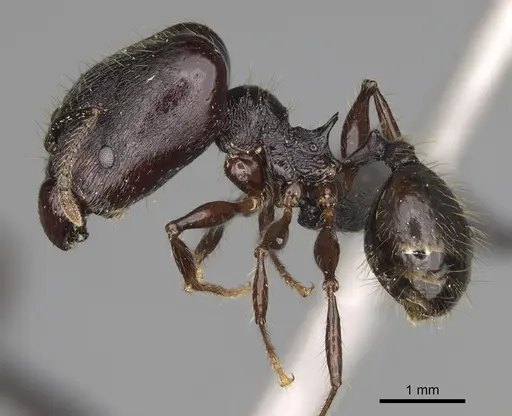
CASENT0923189
View on AntWeb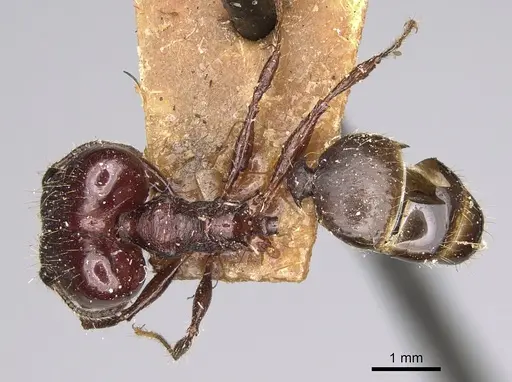
Literature
Loading distribution map...Loading products...