
Pheidole saxicola
- Sci. Name
- Pheidole saxicola
- Tribe
- Attini
- Subfamily
- Myrmicinae
- Author
- Wheeler, 1922
- Distribution
- Found in 2 countries
Introduction
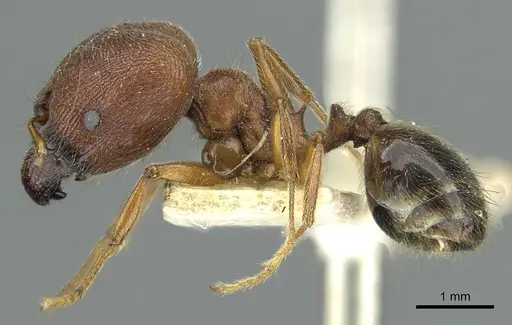
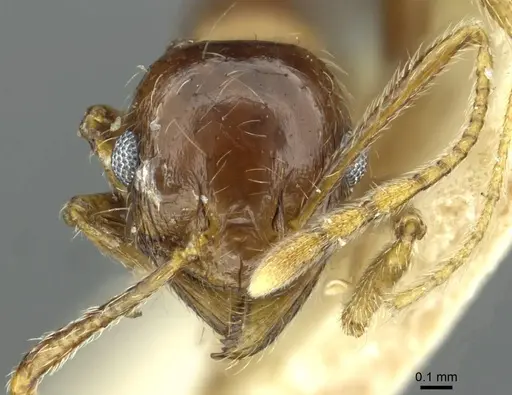
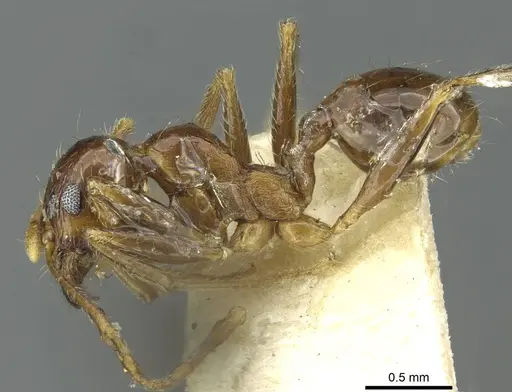
Pheidole saxicola is a small ant species native to Central and West Africa, including the Democratic Republic of Congo and Benin . The name 'saxicola' means 'rock-dwelling, ' reflecting its preference for nesting in stone crevices . Size data for this species is unavailable in the literature. As a member of the Attini tribe, P. saxicola is a seed-harvester, collecting and storing seeds from grasses like Chloris polydactyla and Andropogon species .
Quick Summary
- Difficulty: Medium
- Origin & Habitat: Democratic Republic of Congo and Benin, ground-nesting in stone crevices in tropical habitats [1][3][2].
- Colony Type: Colony structure is not directly documented, based on typical Pheidole patterns, likely monogyne (single queen) [1].
- Size & Growth:
- Queen: Size data unavailable, no total length measurements in literature.
- Worker: Size data unavailable, no total length measurements in literature.
- Colony: Up to several hundred workers, estimated based on typical Pheidole colonies [1].
- Growth: Moderate, estimated [1].
- Development: Not documented, estimated 6-8 weeks based on genus patterns [1]. (Development timeline is inferred from related Pheidole species.)
- Antkeeping:
- Temperature: Keep warm, roughly 24-28°C, as they are tropical species [1].
- Humidity: Provide a humidity gradient, keep nest substrate moist but not waterlogged [1].
- Diapause: No diapause expected for tropical species [1].
- Nesting: Prefer nests with stone crevices, provide Y-tong, plaster, or soil nests with narrow chambers [3].
- Behavior: Seed-harvesters, moderate aggression, prey for weaver ants in wild [1][3]. Small size requires excellent escape prevention.
- Common Issues: workers escaping due to small size is a common mortality risk, mold from seed storage can kill the colony if humidity is not balanced, slow growth may lead to keeper impatience and overhandling, parasites from wild-caught colonies can decimate captive colonies, predation by weaver ants in the wild means keepers should avoid housing with aggressive species
Nest Preferences and Housing
Pheidole saxicola naturally nests in stone crevices, as reflected in its name [3]. In captivity, use Y-tong, plaster, or soil nests with narrow chambers to mimic this habitat. For founding colonies, a test tube setup works well. Once the colony reaches 20-30 workers, move to a larger nest with stone fragments or rough surfaces [3][1].
Feeding and Diet
As a seed-harvester, P. saxicola collects seeds from grasses like Chloris polydactyla and Andropogon species [3]. In captivity, offer grass seeds, bird seed, or harvester ant mixes. Provide protein from small insects like fruit flies or mealworms, and sugar water for energy. Remove moldy seeds promptly [3].
Behavior and Colony Dynamics
P. saxicola is a seed-harvester and prey for weaver ants in the wild [1][3]. Colonies are likely monogyne but not confirmed. Workers are active foragers with moderate aggression toward nest intruders. Small size necessitates strict escape prevention [1].
Frequently Asked Questions
How long does it take for Pheidole saxicola to produce first workers?
Not documented, estimated 6-8 weeks based on genus patterns [1].
Can I keep Pheidole saxicola in a test tube?
Yes, test tubes work well for founding colonies. Queens seal themselves in and raise their first brood [1].
What do Pheidole saxicola ants eat?
They are seed-harvesters, offer grass seeds, bird seed, or harvester mixes, plus protein from small insects [3].
Are Pheidole saxicola good for beginners?
They are rated medium difficulty due to specific humidity needs and seed-harvesting setup [1].
How big do Pheidole saxicola colonies get?
Up to several hundred workers, estimated based on typical Pheidole colonies [1].
Do Pheidole saxicola need hibernation?
No, as a tropical species, they do not require diapause [1].
When should I move Pheidole saxicola to a formicarium?
Move when the test tube becomes crowded, typically around 20-30 workers, using a nest with stone crevices [3].
Why are my Pheidole saxicola dying?
Common causes include escape due to small size, mold from seed storage, or parasites from wild-caught colonies [1].
Can I keep multiple Pheidole saxicola queens together?
Not recommended, as the species is likely monogyne based on genus patterns [1].
Report an Issue
The current care sheet is based fully on literature. See inconsistencies, or something that's incorrect? Please , it will be resolved after review from an admin. Contributing to the blogs tab also helps providing information, to make us be able to further improve the caresheets. Thank you for your support!
References

This caresheet is licensed under CC BY-SA 4.0 .
Community Blogs
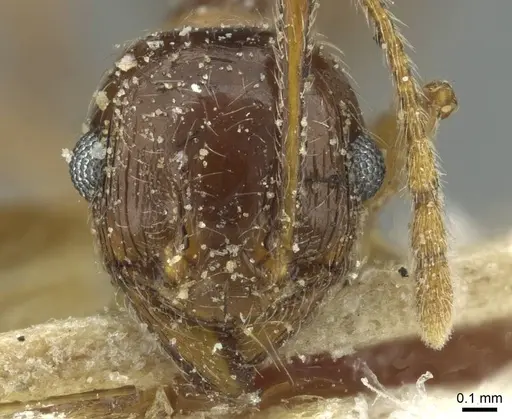
CASENT0913430
View on AntWeb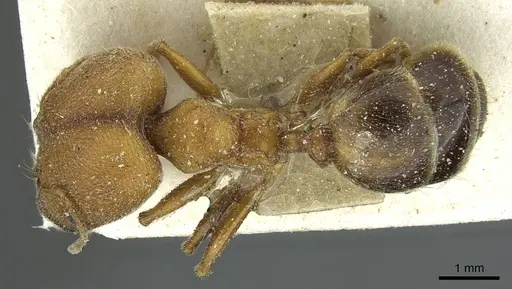
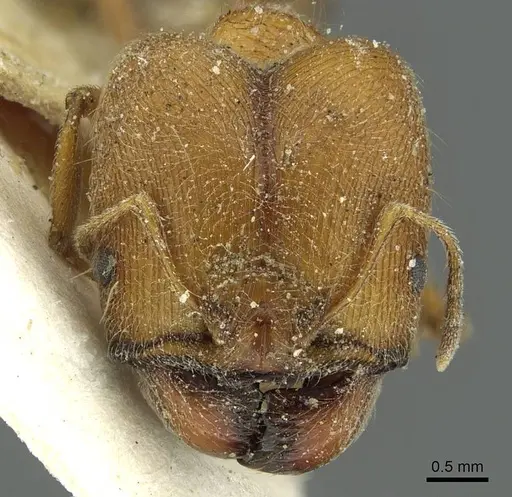
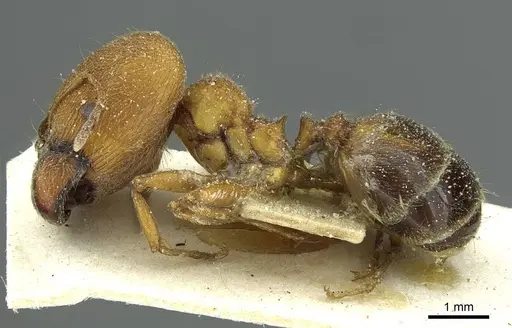
CASENT0913431
View on AntWeb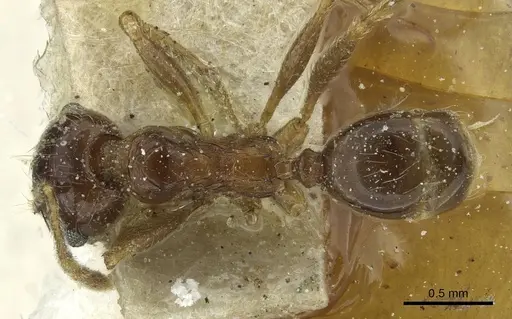
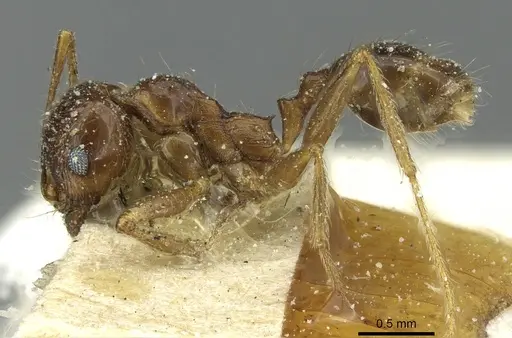
RMCAENT000017750
View on AntWeb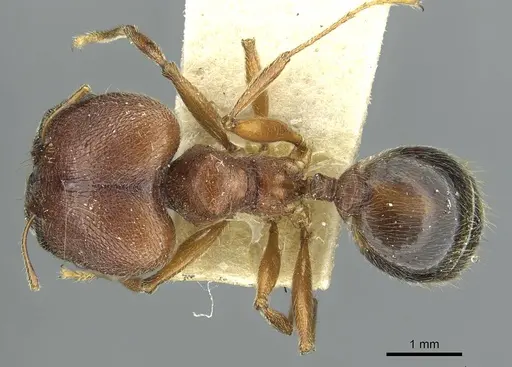
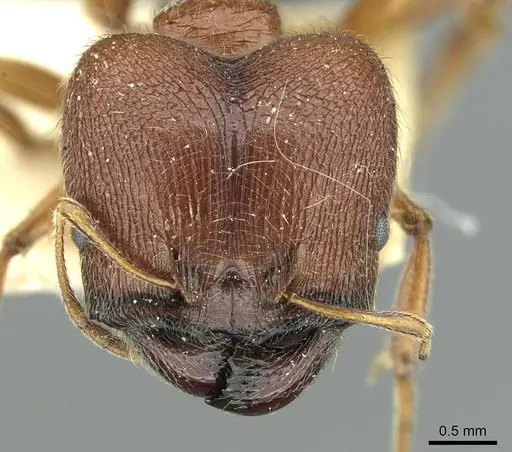
RMCAENT000017751
View on AntWeb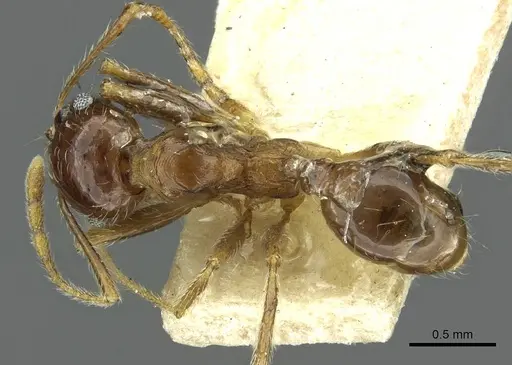
Literature
Loading distribution map...Loading products...