
Pheidole sarcina
- Sci. Name
- Pheidole sarcina
- Tribe
- Attini
- Subfamily
- Myrmicinae
- Author
- Forel, 1912
- Distribution
- Found in 0 countries
Introduction
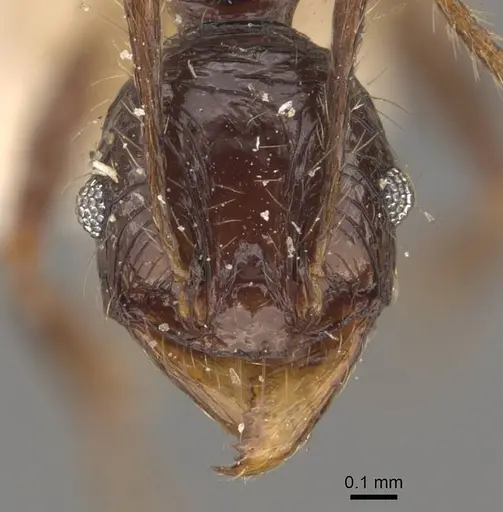
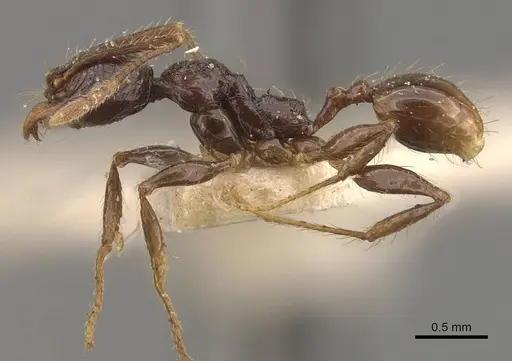
Pheidole sarcina is a small Neotropical ant native to southeastern Brazil and Ecuador. Major workers have a head width of approximately 1.54mm, while minor workers are much smaller with a head width of 0.60mm . Body length data is unavailable, but the species is typically small-bodied. It is found in Atlantic Forest habitats, commonly nesting in twigs within leaf litter . This species is notable for its generalist diet, collecting more seeds and feces than other Pheidole species in the same habitat .
Quick Summary
- Difficulty: Easy
- Origin & Habitat: Native to the Neotropical region, specifically southeastern Brazil (São Paulo) and Ecuador (Guayas). Found in Atlantic Forest habitats, typically nesting in twigs within leaf litter [1][2].
- Colony Type: Based on Pheidole genus patterns, likely monogyne (single queen colony). Colony structure is unconfirmed from direct literature.
- Size & Growth:
- Queen: Size data unavailable, inferred from Pheidole genus to be approximately 6-8 mm
- Worker: Size data unavailable, inferred from Pheidole genus to be small, approximately 2-3 mm
- Colony: Up to 500 workers, estimated based on typical Pheidole colonies
- Growth: Moderate
- Development: Estimated 6-8 weeks at optimal temperature, inferred from Pheidole genus patterns [2] (Development time may vary with temperature.)
- Antkeeping:
- Temperature: Keep at 24-28°C, inferred from tropical origin [2]
- Humidity: Keep nest substrate consistently moist but not waterlogged, as they naturally live in leaf litter [2]
- Diapause: No, inferred from tropical origin [2]
- Nesting: Use nests with small chambers, such as Y-tong or plaster nests, or naturalistic setups with twigs. They naturally nest in twigs 6-42mm in diameter [1].
- Behavior: Generally peaceful and non-aggressive. Major workers can defend the colony but sting is not significant to humans. Escape prevention is critical due to small size of minor workers [2].
- Common Issues: minor workers can escape through small gaps, use fine mesh and tight lids., colonies may be slow to establish, patience is needed., overfeeding can lead to mold in small nests., wild-caught colonies may have parasites., twig nests can dry out quickly, monitor humidity.
Nest Preferences and Housing
Pheidole sarcina naturally nests in twigs and small pieces of wood within leaf litter on the forest floor. In the wild, they colonize twigs ranging from 6mm to over 42mm in diameter, with a preference for medium-sized twigs in native forest habitats [1]. For captive care, you can recreate this with a naturalistic setup using small twigs or cork bark pieces, or use a small formicarium with chambers scaled to their tiny size. Y-tong nests or plaster nests with narrow passages work well. The key is providing small, tight spaces that match what they would find in nature. Avoid large, open spaces that would make them feel exposed. Keep the nest area humid but ensure some ventilation to prevent mold [2].
Feeding and Diet
This species is a generalist feeder, collecting more seeds and feces than other Pheidole species in their range [3]. In captivity, offer a varied diet including: small seeds (millet, grass seeds), protein sources (small insects like fruit flies, pinhead crickets, mealworms), and sugar sources (honey water, sugar water). Feed protein 2-3 times per week and keep a constant sugar water source available. Remove uneaten food promptly to prevent mold [2].
Temperature and Seasonal Care
As a Neotropical species from Brazil and Ecuador, Pheidole sarcina prefers warm conditions. Keep the nest area at 24-28°C for optimal colony health and development. A heating cable placed on one side of the nest creates a temperature gradient that allows the ants to regulate their own temperature. Unlike temperate species, they likely don't require a true diapause or hibernation period. However, they may show reduced activity during cooler periods. If your room temperature drops below 20°C, consider providing gentle warmth. Avoid temperature fluctuations and keep them away from air conditioning vents or cold windows [2].
Behavior and Colony Dynamics
Pheidole sarcina has the typical Pheidole social structure with small minor workers and larger major workers (soldiers). The majors have enlarged heads and mandibles used for defense and seed processing. The species is generally peaceful and not aggressive toward keepers. Majors can give a minor sting if handled, but it's not significant to humans. Colonies are relatively slow to establish compared to some faster-growing ants, so patience is key during the founding stage. Workers are active foragers that will venture out to collect food. The colony will grow gradually, with majors appearing as the colony reaches several dozen workers [2].
Frequently Asked Questions
How long does it take for Pheidole sarcina to produce first workers?
Expect first workers (nanitics) around 6-8 weeks after the queen lays eggs, assuming optimal temperature around 26°C. This is typical for small Pheidole species in warm conditions. Growth is gradual, don't expect rapid expansion like some tropical ants.
Can I keep multiple Pheidole sarcina queens together?
Not recommended. Pheidole sarcina is likely monogyne (single queen) like most Pheidole species. Combining unrelated queens typically results in fighting. If you have multiple foundress queens, keep them in separate setups until one establishes or consider merging only after colonies are established and workers have hatched [2].
What do Pheidole sarcina ants eat?
They are generalists. Offer small seeds (millet, grass seeds), protein (small insects like fruit flies, pinhead crickets), and sugar sources (honey water, sugar water). They unusually collect more seeds and feces than other Pheidole in the wild, so a varied diet works best [3].
What size colony does Pheidole sarcina reach?
Up to 500 workers at maturity based on typical twig-nesting Pheidole behavior. They are not among the largest Pheidole species, majors have a head width of about 1.54mm, making them a relatively small species [1].
Do Pheidole sarcina ants need hibernation?
Probably not. As a Neotropical species from Brazil and Ecuador, they don't experience true winters. They may show reduced activity in cooler conditions but likely don't require a hibernation period. Keep them at warm temperatures year-round [2].
What nest type is best for Pheidole sarcina?
A naturalistic setup with small twigs or cork bark works well since they naturally nest in twigs in leaf litter. Alternatively, a Y-tong or plaster nest with small, tight chambers scaled to their tiny size is ideal. Avoid large, open spaces [1].
Why are my Pheidole sarcina workers dying?
Common causes include: too low humidity (they're leaf litter species), temperature too cold (need 24-28°C), mold from overfeeding, or parasites from wild-caught colonies. Check your setup parameters and ensure food is being consumed. If the colony was wild-caught, parasites are a common issue [2].
How do I prevent Pheidole sarcina from escaping?
Escape prevention is critical because minor workers are very small. Use fine mesh on any ventilation, ensure lids fit tightly, and apply fluon or another barrier to the rim of the nest. Check for any tiny gaps regularly, they can squeeze through small openings [2].
Is Pheidole sarcina good for beginners?
Yes, this is a good species for beginners. They're relatively easy to care for, don't require hibernation, and are peaceful. The main challenges are their small size (requiring good escape prevention) and somewhat slow colony growth. They're more forgiving than some exotic species but still rewarding to keep [2].
Report an Issue
The current care sheet is based fully on literature. See inconsistencies, or something that's incorrect? Please , it will be resolved after review from an admin. Contributing to the blogs tab also helps providing information, to make us be able to further improve the caresheets. Thank you for your support!
References

This caresheet is licensed under CC BY-SA 4.0 .
Community Blogs
CASENT0908161
View on AntWeb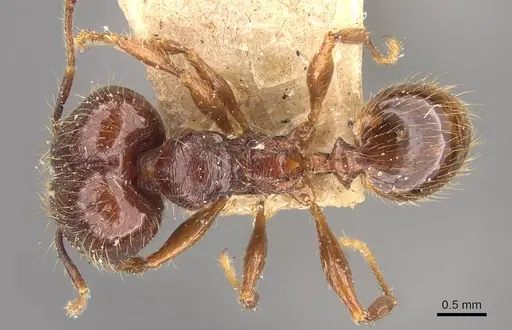
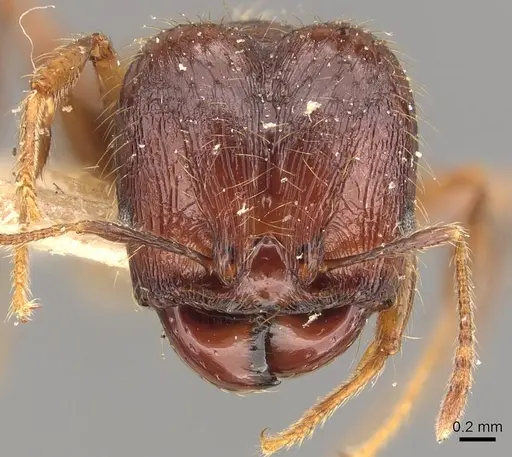
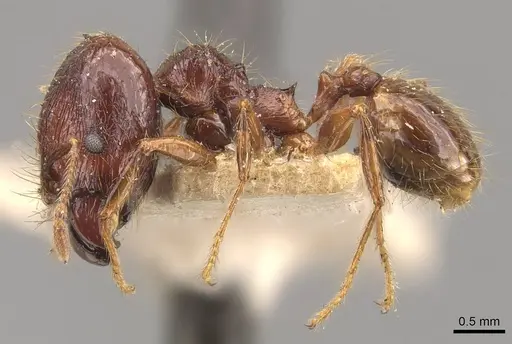
CASENT0908162
View on AntWeb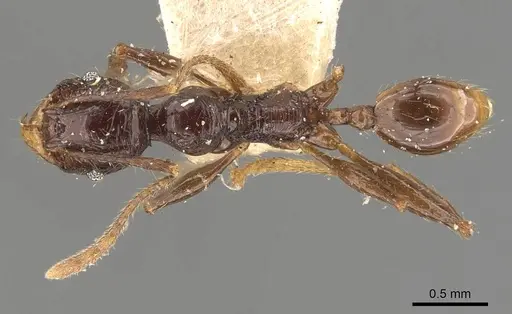
Literature
Loading distribution map...Loading products...