
Pheidole sagei
- Sci. Name
- Pheidole sagei
- Tribe
- Attini
- Subfamily
- Myrmicinae
- Author
- Forel, 1902
- Distribution
- Found in 2 countries
Introduction
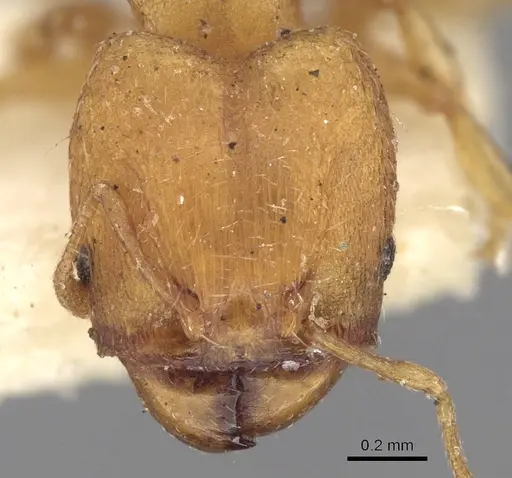
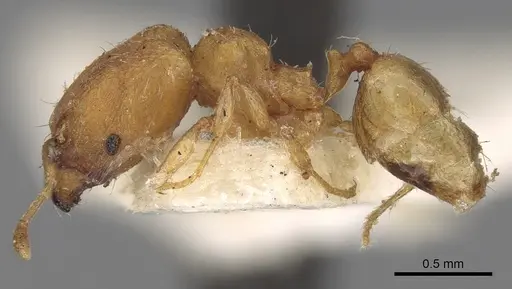
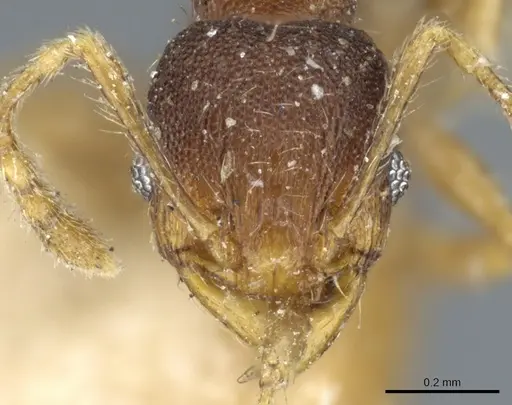
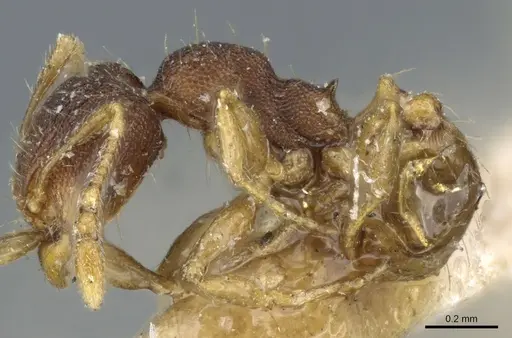
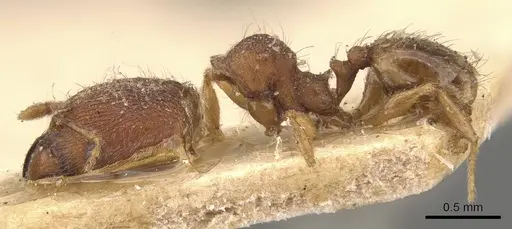
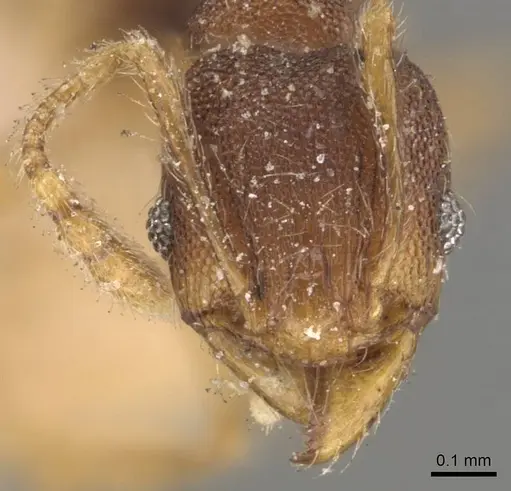
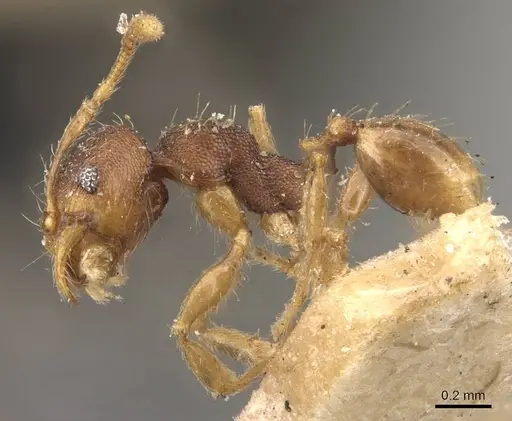
Pheidole sagei is a small ant species native to the Himalayan region, found across India, Nepal, Pakistan, and southern China. Workers are small, with sizes inferred from Pheidole genus patterns (approximately 2-4 mm for minors, majors with enlarged heads), and are pale to reddish-brown in color. The species is recorded at elevations from 900m to 4500m in the Himalayas . It is a primary forest specialist, never found in secondary forests or human-modified landscapes . What makes P. sagei special is its strict habitat specialization, requiring pristine highland forest conditions, which makes it challenging to keep in captivity.
Quick Summary
- Difficulty: Medium
- Origin & Habitat: Himalayan region, found in India, Nepal, Pakistan, and China (Yunnan). Lives in primary forest at elevations between 900-4500m [1][2][3].
- Colony Type: Likely monogyne, based on Pheidole genus patterns, single queen colonies.
- Size & Growth:
- Queen: size data unavailable, inferred from Pheidole genus (~5-7 mm)
- Worker: size data unavailable, inferred from Pheidole genus (~2-4 mm for minors, majors larger)
- Colony: up to several hundred workers, inferred from Pheidole genus patterns
- Growth: Moderate
- Development: Estimated 6-8 weeks, inferred from genus patterns (Development time inferred from Pheidole genus patterns, direct observations unavailable for this species)
- Antkeeping:
- Temperature: Keep cool, around 20-24°C, based on Himalayan habitat. Avoid temperatures above 26°C [1].
- Humidity: Keep nest substrate slightly moist, as they come from damp mountain forests. Provide a water source.
- Diapause: Yes, likely requires winter diapause at cool temperatures (10-15°C) for several months, based on Himalayan species patterns [1].
- Nesting: In nature, nest in soil under stones or in rotting wood in primary forest. In captivity, use a test tube setup for founding, then move to a Y-tong or plaster nest with small chambers [4].
- Behavior: Pheidole sagei is not aggressive and will flee rather than fight. They are seed-eaters but also collect small insects and honeydew. Major workers guard the nest and help process seeds. Escape risk is moderate, use standard barrier precautions.
- Common Issues: high elevation specialist may not survive in warm lowland climates without cooling [1], primary forest specialist struggles in modified habitats, avoid keeping near direct sunlight or dry conditions [3], slow founding phase, queens can take months to raise first workers, beginners often give up too soon, colonies may fail if kept too warm, this species prefers cool conditions [1], major workers develop slowly, don't expect soldiers until colony is well-established
Housing and Nest Setup
For founding colonies, use a standard test tube setup with a water reservoir. Place the tube in a dark, quiet location and avoid disturbing the queen for 4-6 weeks until eggs appear. Once the colony reaches 20-30 workers, you can move them to a proper nest. A Y-tong nest or plaster nest works well, the chambers should be small and tight since these are tiny ants. Add a shallow outworld for foraging. Because they are primary forest ants, consider adding a thin layer of forest soil or leaf litter to the outworld to provide humidity retention and foraging enrichment [3][4]. Keep the nest area away from direct sunlight and heating sources, they prefer cool, stable conditions.
Feeding and Diet
Pheidole sagei is primarily granivorous, they collect and process seeds. Offer small seeds like grass seeds, dandelion seeds, or commercial ant seeds. Major workers use their enlarged heads to crack seeds open. They also accept small insects like fruit flies, pinhead crickets, or small mealworms. Offer a sugar source (honey water or sugar water) once a week. Feed seeds every 1-2 weeks and protein (insects) weekly. Remove uneaten food promptly to prevent mold. The colony will store seeds in the nest, this is normal behavior.
Temperature and Seasonal Care
This is a critical aspect of keeping P. sagei. As a Himalayan high-elevation species, they are adapted to cool conditions. Keep the nest at 20-24°C year-round, never exceed 26°C. Room temperature in most homes is actually ideal. In winter, reduce temperature to 10-15°C for 2-3 months to provide a proper diapause (winter rest). This mimics their natural seasonal cycle at high elevations. Do not heat the nest actively, if your room is naturally cool in winter, that may be sufficient. Monitor for overheating in summer [1][2].
Colony Development and Growth
Pheidole colonies start slowly. The queen (founding behavior unconfirmed) raises the first brood alone. Expect 4-8 weeks for eggs to develop into workers (nanitics) at warm room temperature. These first workers are tiny and called nanitics, they are smaller than normal workers. After that, growth is steady but not fast. Major workers (soldiers) typically appear once the colony reaches 50+ workers. The development of majors depends on colony needs. A mature colony may have several hundred workers with a significant proportion being majors.
Behavior and Observation
These are peaceful ants that prefer to avoid conflict. When threatened, they will flee rather than fight. Major workers stand guard at nest entrances and can deliver a mild bite with their powerful jaws, but they are not dangerous to humans. Workers forage individually rather than in trails, they search for seeds and small insects around the nest. You will see majors processing seeds while minors tend to brood and forage. They are not nocturnal, activity follows daylight hours. The colony will establish defined foraging routes once established.
Frequently Asked Questions
How long does it take for Pheidole sagei to raise first workers?
Expect 6-8 weeks from egg to worker at room temperature (20-24°C). The queen raises the first brood alone. Be patient, this is a slow process and disturbing the queen can cause her to eat the brood or abandon the nest.
What do Pheidole sagei ants eat?
They are primarily seed-eaters. Offer small seeds like grass, dandelion, or commercial ant seeds. They also accept small insects (fruit flies, pinhead crickets) and sugar sources (honey water). Major workers help crack open seeds for the colony.
Do Pheidole sagei ants need hibernation?
Yes, as a Himalayan species they likely require a winter rest period. Reduce temperatures to 10-15°C for 2-3 months during winter. This mimics their natural high-elevation seasonal cycle and helps maintain colony health long-term [1].
Can I keep multiple Pheidole sagei queens together?
No. This is likely a monogyne species with a single queen per colony. Combining unrelated queens will result in fighting. Only keep one queen per colony.
What temperature range is best for Pheidole sagei?
Keep them at 20-24°C, this is a cool-adapted Himalayan species that does not tolerate heat. Room temperature is ideal. Never exceed 26°C. In winter, they need a cool period at 10-15°C [1].
How big do Pheidole sagei colonies get?
Up to several hundred workers at maturity, inferred from Pheidole genus patterns. Major workers (soldiers) appear once the colony reaches 50+ workers. The ratio of majors to minors varies based on colony needs.
Why are my Pheidole sagei dying?
The most common causes are: too high temperature (keep below 26°C), too dry conditions (keep substrate slightly moist), or disturbance during founding (leave the queen alone for the first 6-8 weeks). Also ensure they are not in direct sunlight or near heating vents [3].
When should I move my colony to a formicarium?
Wait until the colony has 20-30 workers before moving. Moving too early can stress the queen. Use a small Y-tong or plaster nest with tight chambers scaled to their tiny size. Add a foraging area with some substrate.
Is Pheidole sagei good for beginners?
Medium difficulty, they are not the easiest but also not the hardest. The main challenges are their slow founding phase (requires patience) and their specific temperature needs (cool, not warm). If you can provide cool, stable conditions and are patient during founding, they are manageable for beginners.
Report an Issue
The current care sheet is based fully on literature. See inconsistencies, or something that's incorrect? Please , it will be resolved after review from an admin. Contributing to the blogs tab also helps providing information, to make us be able to further improve the caresheets. Thank you for your support!
References

This caresheet is licensed under CC BY-SA 4.0 .
Community Blogs
CASENT0281695
View on AntWeb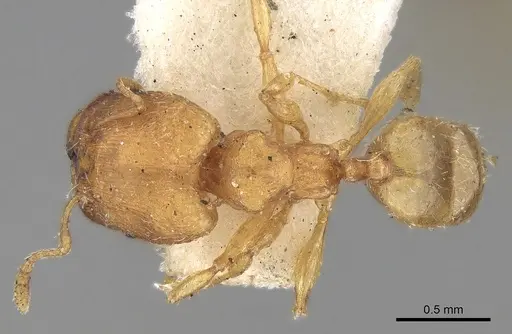
CASENT0904262
View on AntWeb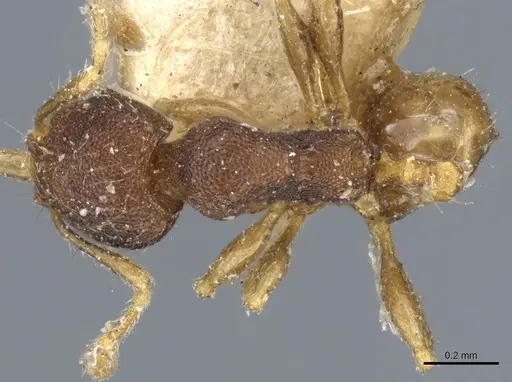
CASENT0907995
View on AntWeb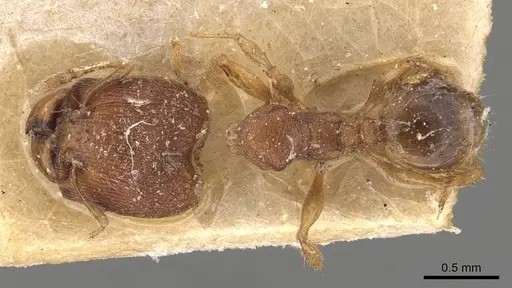
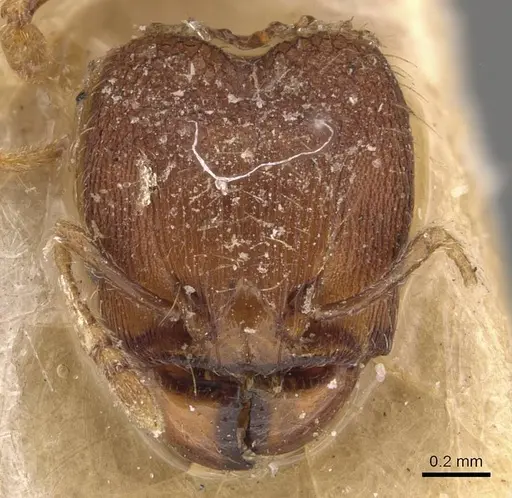
CASENT0907996
View on AntWeb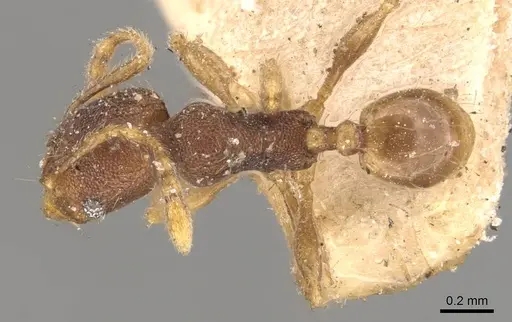
Literature
Loading distribution map...Loading products...