
Pheidole sagax
- Sci. Name
- Pheidole sagax
- Tribe
- Attini
- Subfamily
- Myrmicinae
- Author
- Wilson, 2003
- Distribution
- Found in 5 countries
Introduction
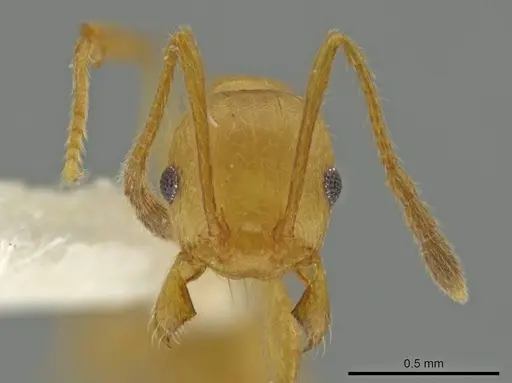
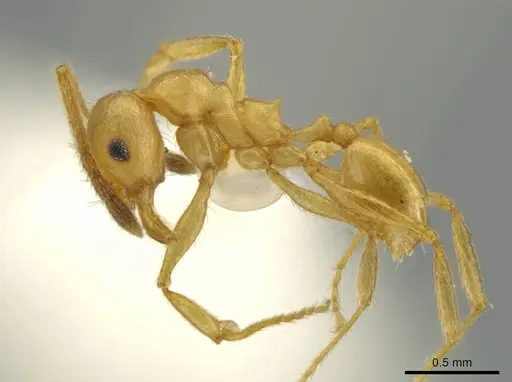
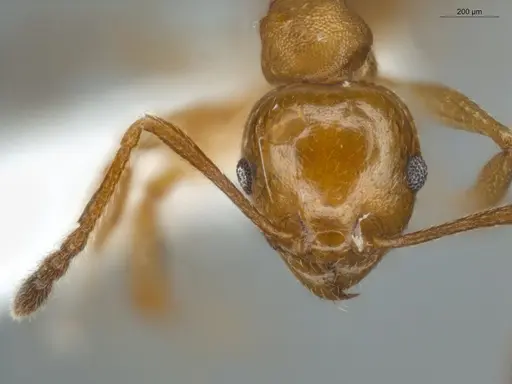
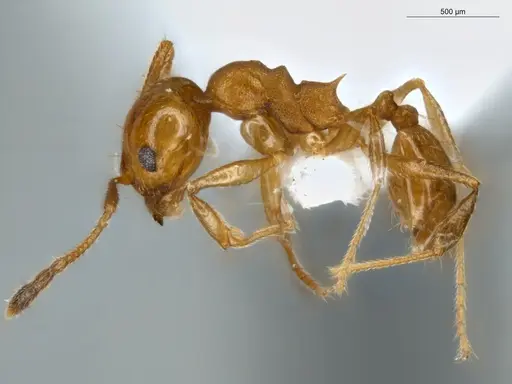
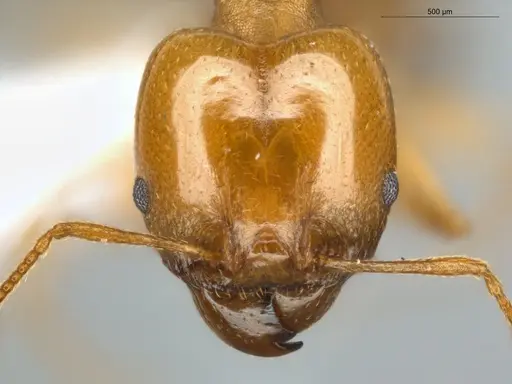
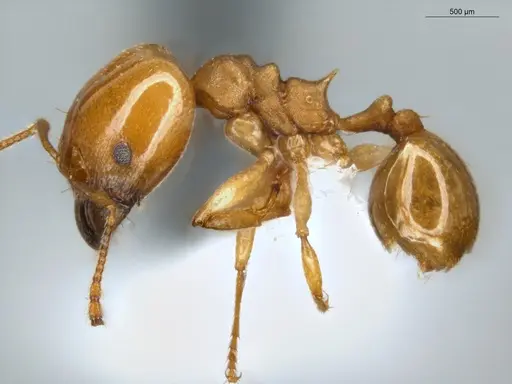
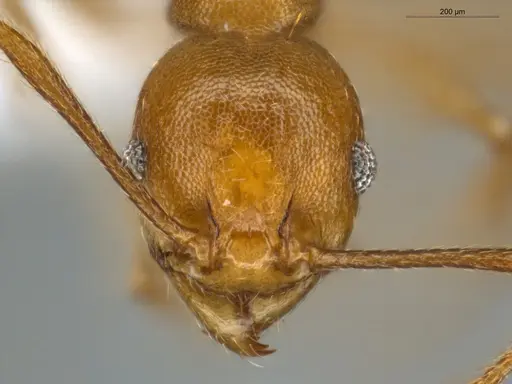
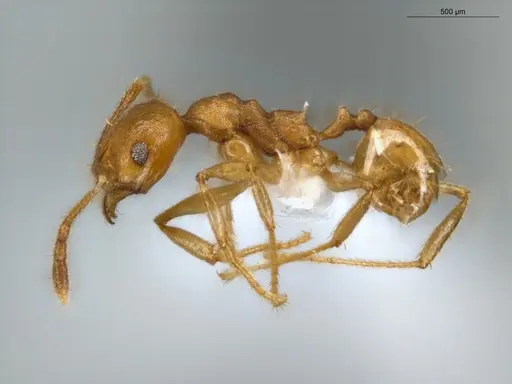
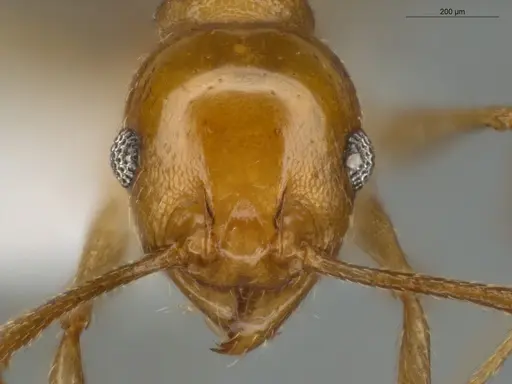
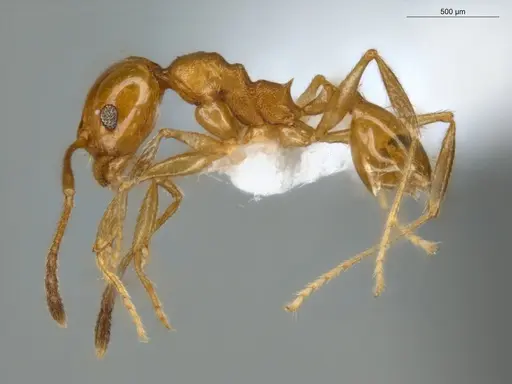
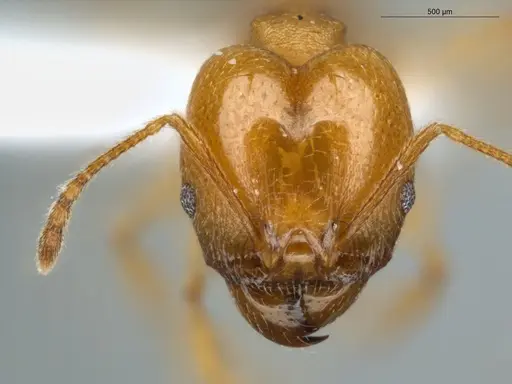
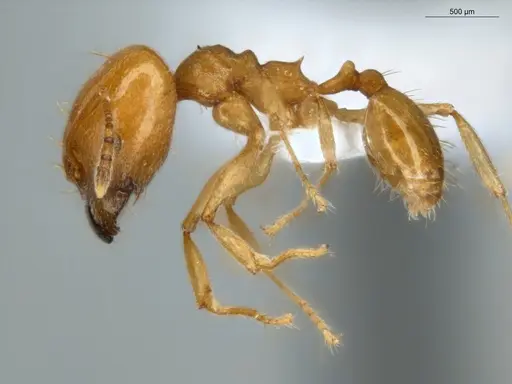
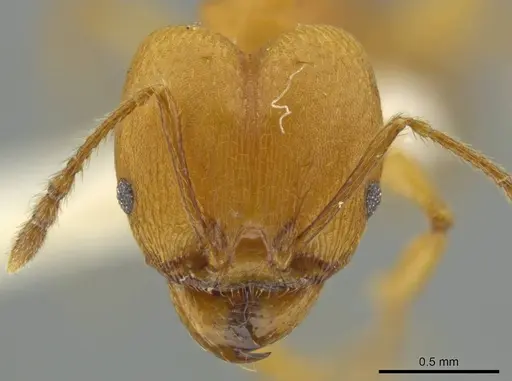
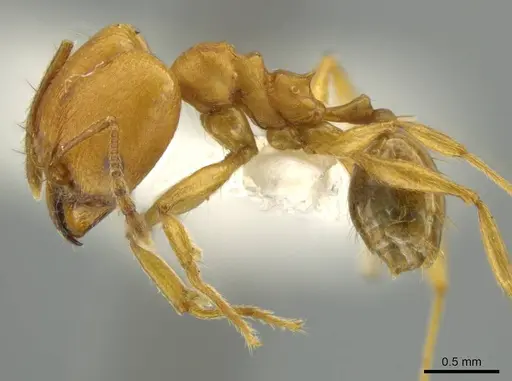
Pheidole sagax is a small Neotropical ant belonging to the diligens group, native to forests across northern South America. The species was described by E.O. Wilson in 2003 and is known from Colombia, Nicaragua, Ecuador, Venezuela, Brazil, and French Guiana . Both major and minor workers are uniformly medium yellow in color, with majors distinguished by their distinctive semicircular occipital lobes and foveolate head and mesosoma . Size data for body length is unavailable, but inferred from Pheidole genus that majors are ~2-3mm and minors ~1-2mm. This species nests in mixed locations in forest environments and shows strong recruitment of major workers to food sources, foraging at distances up to 2.59 meters on average . A notable behavior is their recruitment of major workers to food sources, which helps in processing larger food items and defending resources .
Quick Summary
- Difficulty: Medium
- Origin & Habitat: Found across the Neotropical region including Colombia (Meta and Cundinamarca), Nicaragua, Ecuador, Venezuela, Brazil, and French Guiana. In Colombia, the type series was collected from a forested ravine 5km north of Villavicencio. They inhabit terra firme forest in Amazonian regions and show low flood tolerance [5][1][2][3][4].
- Colony Type: Colony structure is not well documented in scientific literature. As a Pheidole species, they likely form single-queen colonies (monogyne) with major and minor worker castes, but this is unconfirmed.
- Size & Growth:
- Queen: Size data unavailable, inferred from Pheidole genus that queens are ~4-8mm
- Worker: Size data unavailable, inferred from Pheidole genus that major workers are ~2-3mm and minor workers ~1-2mm
- Colony: Up to several hundred workers, estimated from typical Pheidole colony sizes [5]
- Growth: Moderate, inferred from related species
- Development: Estimated 6-8 weeks at optimal temperatures of 24-28°C, based on related Pheidole species [4] (Development time is estimated, direct measurements not available for P. sagax)
- Antkeeping:
- Temperature: Keep at 24-28°C. As a tropical species from Amazonian regions, they need warm conditions. A heating cable on one side of the nest creates a gentle gradient [5][4].
- Humidity: Moderate to high humidity. Keep the nest substrate moist but allow some drying between waterings. Their low flood tolerance indicates they avoid saturated conditions [5].
- Diapause: No, as a tropical species, they do not require hibernation. Maintain consistent warm temperatures year-round [4].
- Nesting: Mixed nesting preferences, in nature they likely nest in soil and rotting wood. A Y-tong (AAC) nest or plaster formicarium works well [5].
- Behavior: This species is ground-foraging and shows strong recruitment behavior. Major workers are recruited in high proportions to food sources, traveling significantly greater distances than minor workers (average 2.59m) [5]. They are not aggressive but will defend food resources. Escape prevention should be moderate due to their small size.
- Common Issues: tropical species requires consistent warmth, cold drafts or room temperature below 24°C can slow or stop brood development, low flood tolerance means overwatering can be fatal, avoid saturated substrate, slow growth compared to temperate species may frustrate beginners expecting rapid colony development, wild-caught colonies from the Neotropics may carry parasites or diseases that affect captive survival, colonies may be slow to establish, patience is required
Housing and Nest Setup
Pheidole sagax can be housed in standard ant-keeping setups. A Y-tong (AAC) nest or plaster formicarium works well, providing chambers that accommodate both major and minor workers. Since they show mixed nesting preferences in the wild, offering some damp substrate or a small water reservoir connected to the nest helps maintain humidity. Test tube setups can work for founding colonies but will need upgrading as the colony grows. Ensure the outworld is escape-proof, while not the smallest ants, they can still squeeze through small gaps. [5][4]
Feeding and Diet
Pheidole sagax is omnivorous. They readily accept protein sources like small insects (fruit flies, pinhead crickets, mealworms) and will recruit major workers to large food items. Sugar sources like honey water or sugar water are typically accepted. In the wild, they forage for seeds, insect prey, and honeydew from aphids. Feed protein 2-3 times per week and keep a sugar source available constantly. Remove uneaten prey after 24-48 hours to prevent mold. [5]
Temperature and Seasonal Care
As a Neotropical species from Amazonian regions, P. sagax requires warm temperatures year-round. Keep the nest area at 24-28°C. A heating cable placed on top of the nest can create a gentle thermal gradient. They do not require hibernation or diapause, maintaining consistent tropical temperatures is essential for brood development. Avoid cold drafts and ensure room temperature stays within their preferred range. [5][4]
Colony Dynamics and Caste System
Pheidole sagax, like all Pheidole species, has distinct major and minor worker castes. Major workers (soldiers) have distinctive large heads with semicircular occipital lobes and are specialized for defense and seed processing. Minor workers handle most foraging, brood care, and nest maintenance. Studies show this species recruits a high proportion of major workers to food sources, and they forage at greater distances than minors. The colony will grow from a few workers (nanitics) to eventually include many majors as the colony reaches several hundred workers. [5][2]
Behavior and Foraging
This is an active ground-foraging species. Workers search for food individually but recruit nestmates when quality food is found. The species shows significant recruitment of major workers to food sources, which distinguishes it from some related species. They are not particularly aggressive toward keepers but will defend resources. Their foraging distance of nearly 2.6 meters on average is relatively long for an ant of their size, indicating active and wide-ranging foraging behavior. [5]
Frequently Asked Questions
How long does it take for Pheidole sagax to raise first workers?
Expect 6-8 weeks from founding to first workers (nanitics) at optimal temperatures of 24-28°C. This is an estimate based on related Pheidole species, development time has not been directly documented for P. sagax.
Can I keep multiple Pheidole sagax queens together?
Not recommended. While Pheidole can sometimes found colonies pleometrotically (multiple queens together), the typical colony structure is single-queen (monogyne). Combining unrelated foundresses risks fighting and colony failure.
What do Pheidole sagax eat?
They are omnivorous. Offer small insects (fruit flies, pinhead crickets, mealworms) as protein 2-3 times weekly, and keep sugar water or honey available at all times. They will also collect seeds.
Are Pheidole sagax good for beginners?
They are moderate difficulty. The main challenges are maintaining tropical temperatures year-round and having patience during slow colony growth. They are not as forgiving as some temperate species but not as demanding as specialized predators.
When should I move my colony to a formicarium?
Move from a test tube setup to a formicarium when the colony reaches 50-100 workers and the test tube becomes crowded. Ensure the new setup can maintain proper humidity and has space for colony growth.
Do Pheidole sagax need hibernation?
No. As a tropical species from the Amazon region, they do not require hibernation or winter cooling. Keep them warm year-round at 24-28°C.
Why are my Pheidole sagax dying?
Common causes include: temperatures below 24°C (cold stress), overly wet or flooded substrate (they have low flood tolerance), parasites from wild-caught colonies, or insufficient protein in their diet. Check temperature and humidity first.
How big do Pheidole sagax colonies get?
Based on typical Pheidole colony sizes, expect up to several hundred workers at maturity. The colony will develop a significant number of major workers over time.
Report an Issue
The current care sheet is based fully on literature. See inconsistencies, or something that's incorrect? Please , it will be resolved after review from an admin. Contributing to the blogs tab also helps providing information, to make us be able to further improve the caresheets. Thank you for your support!
References

This caresheet is licensed under CC BY-SA 4.0 .
Community Blogs
CASENT0645865
View on AntWeb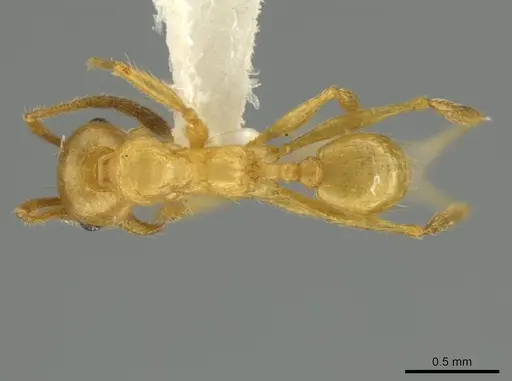
ECOFOG-IT14-0403-12
View on AntWeb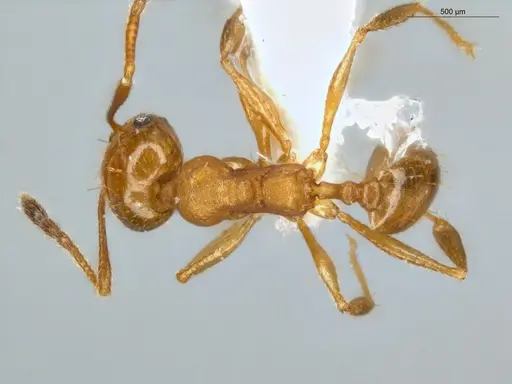
ECOFOG-IT14-0435-72-S
View on AntWeb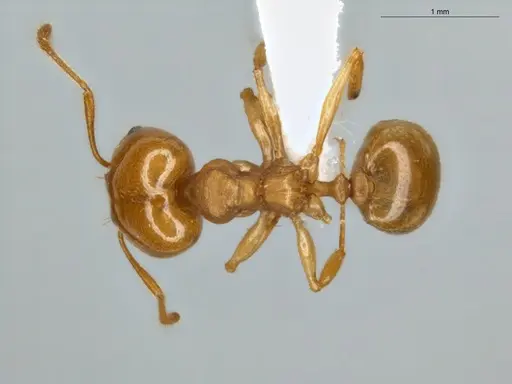
ECOFOG-LA15-0251-20
View on AntWeb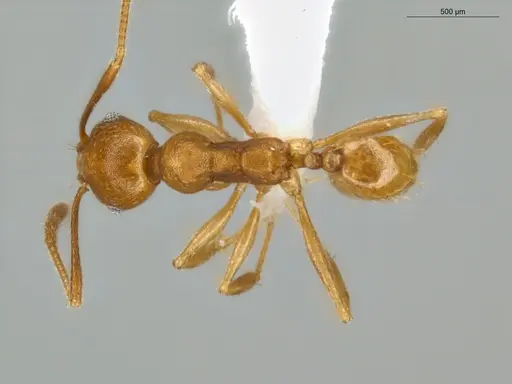
ECOFOG-MI15-0119-11
View on AntWeb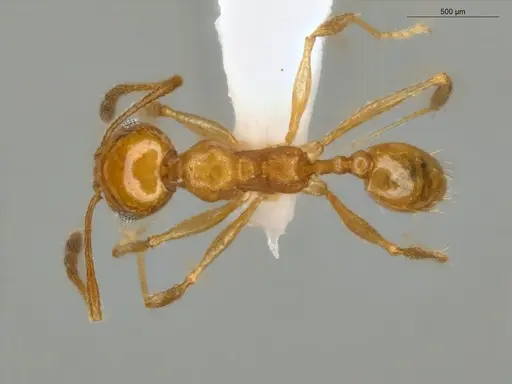
ECOFOG-MI15-0425-04-S
View on AntWeb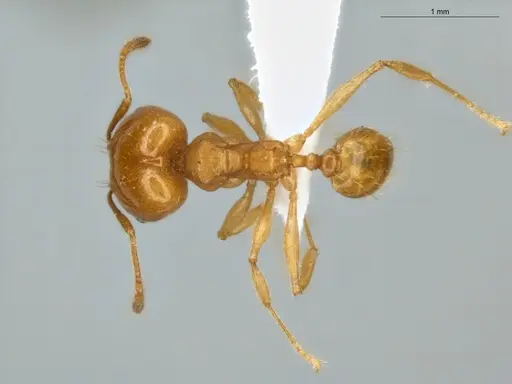
JTLC000016519
View on AntWeb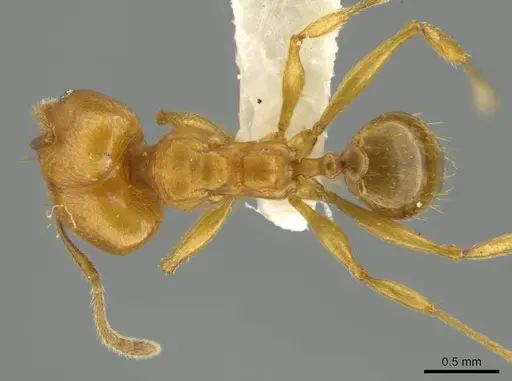
Literature
Loading distribution map...Loading products...