
Pheidole sabahna
- Sci. Name
- Pheidole sabahna
- Tribe
- Attini
- Subfamily
- Myrmicinae
- Author
- Eguchi, 2000
- Distribution
- Found in 2 countries
Introduction
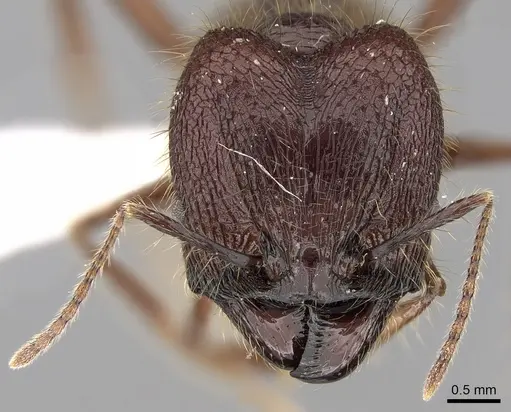
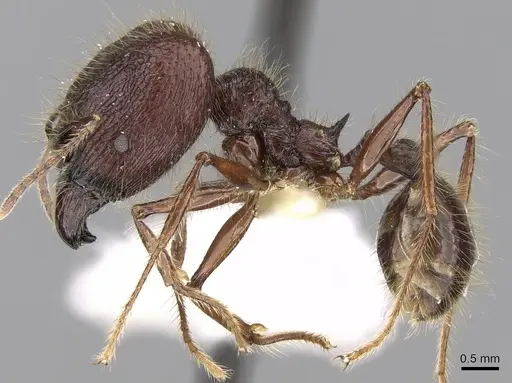
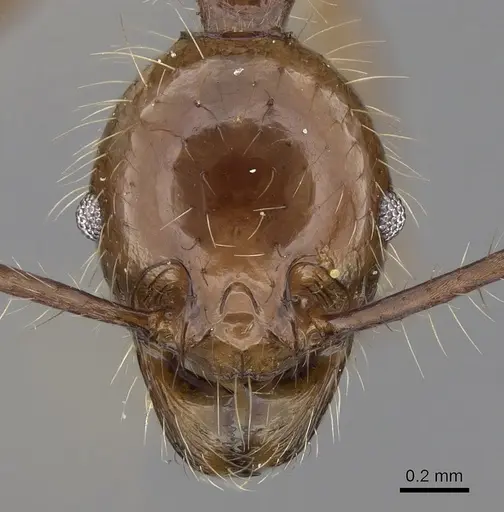
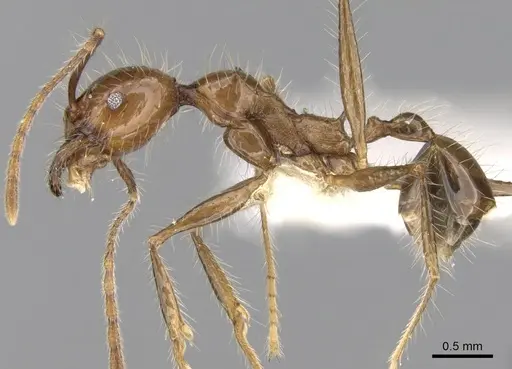
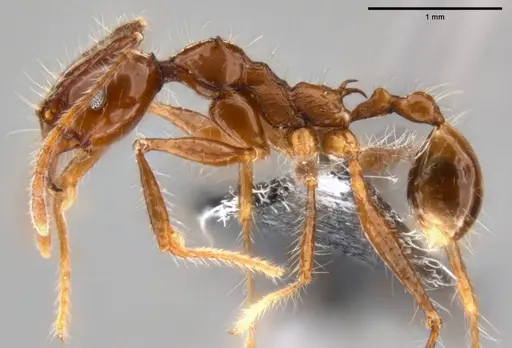
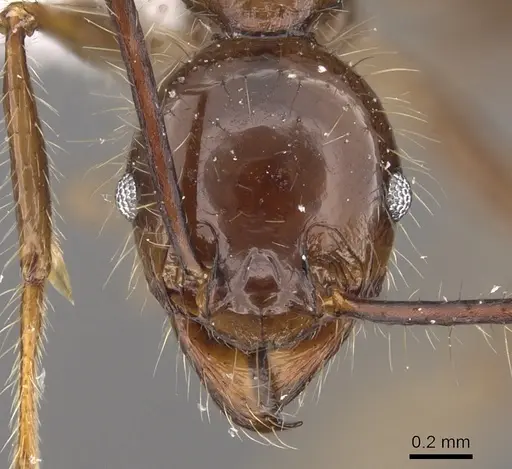
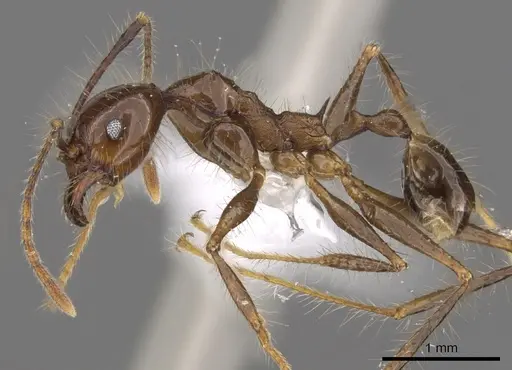
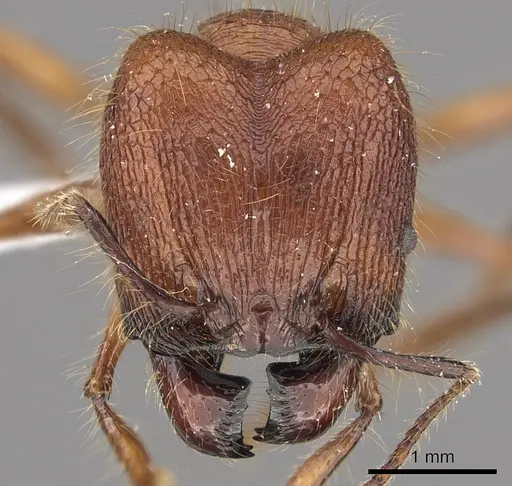
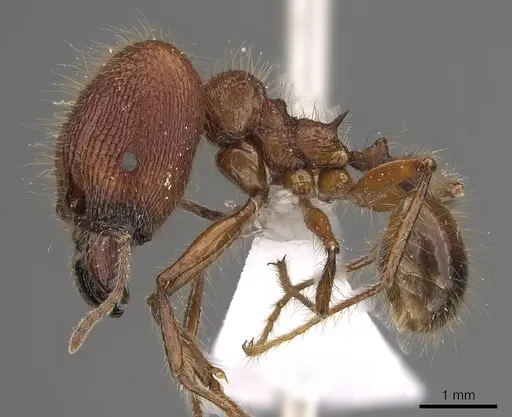
Pheidole sabahna is a Borneo endemic ant found in lowland and hill forests of Sabah and Brunei . Workers have two castes: majors with total length up to 5.9 mm and minors with total length up to 3.7 mm . They nest in soil, often in disturbed areas like logging fronts . In their natural habitat, they forage as generalist predators . Colony founding behavior is unconfirmed for this species.
Quick Summary
- Difficulty: Medium
- Origin & Habitat: Borneo endemic, lowland dipterocarp and hill forests of Sabah and Brunei [1][2]
- Colony Type: Unconfirmed, no specific data on queen number
- Size & Growth:
- Antkeeping:
- Temperature: Keep warm, roughly 24-28°C, inferred from tropical habitat [1]
- Humidity: Keep nest substrate consistently moist but not waterlogged, similar to forest floor conditions [2]
- Diapause: No, tropical species from equatorial Borneo [1]
- Nesting: Soil nests in nature, use secure enclosed nests with fine substrate in captivity [2]
- Behavior: Minors are small (3.5 mm TL) and can escape easily. They are generalist foragers and not aggressive toward humans. Defense involves majors using large mandibles [2].
- Common Issues: minors are only 3.5 mm TL and can escape through tiny gaps in lids or mesh., tropical species require consistent warmth, temperatures below 20°C can kill the colony., high humidity needs increase mold risk without adequate ventilation., wild-caught colonies from logging areas may carry parasitic mites.
Natural History and Distribution
Pheidole sabahna is found only on Borneo, specifically in Sabah and Brunei [1][2]. They inhabit lowland and hill forests, particularly dipterocarp forests [1]. Specimens have been collected in pitfall traps and from soil nests at logging fronts [2][1]. One paratype was collected in Sabah in 1998 [4].
Nest Preferences
In nature, Pheidole sabahna nests in soil, especially in disturbed areas like logging fronts [2]. In captivity, provide a secure enclosed nest with fine substrate such as sand or loam mixed with coco fiber. Maintain high humidity with good drainage [2].
Feeding and Diet
Stable isotope analysis shows Pheidole sabahna is at a higher trophic level, indicating they are generalist predators and scavengers [3]. In captivity, feed small live prey like fruit flies or springtails, and offer sugar water or honey.
Temperature and Care
As a tropical species from equatorial Borneo, Pheidole sabahna requires warm stable temperatures [1]. Keep the nest area at 24-28°C with minimal fluctuation. Use a heating cable on one side to create a gradient. They do not require hibernation.
Behavior and Temperament
Pheidole sabahna has dimorphic workers: majors for defense and minors for foraging [2]. Minors are 3.5 mm TL, so escape prevention is critical. They are not aggressive toward humans, and their stinger is too small to penetrate skin [2].
Frequently Asked Questions
Can I keep Pheidole sabahna in a test tube?
Yes, use standard test tube setups with a water reservoir. Keep warm at 25-28°C. Move to a formicarium when colony has 20-30 workers.
How long until Pheidole sabahna first workers arrive?
Unknown, no species-specific data. Based on tropical Pheidole patterns, it may take 6-10 weeks at 25-28°C, but this is an estimate.
Do Pheidole sabahna need hibernation?
No, they are tropical and remain active year-round [1].
Can I keep multiple Pheidole sabahna queens together?
Not recommended. Most Pheidole are monogyne, but for this species, it is unconfirmed.
What do Pheidole sabahna eat?
They are generalist predators. Feed small live insects and sugar water [3].
How big do Pheidole sabahna colonies get?
Maximum colony size is unknown.
Where should I place the heating cable for Pheidole sabahna?
Place the heating element on top or the side of the nest, not underneath, to prevent overheating and moisture issues.
Report an Issue
The current care sheet is based fully on literature. See inconsistencies, or something that's incorrect? Please , it will be resolved after review from an admin. Contributing to the blogs tab also helps providing information, to make us be able to further improve the caresheets. Thank you for your support!
References

This caresheet is licensed under CC BY-SA 4.0 .
Community Blogs
CASENT0281651
View on AntWeb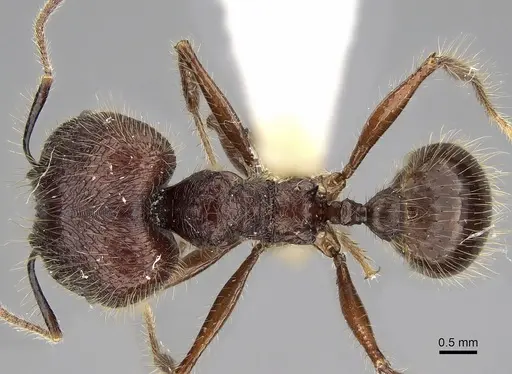
CASENT0281652
View on AntWeb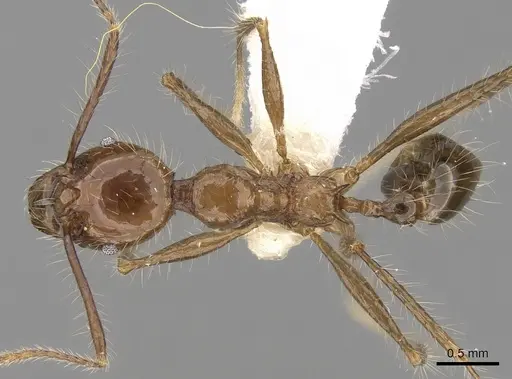
CASENT0282602
View on AntWeb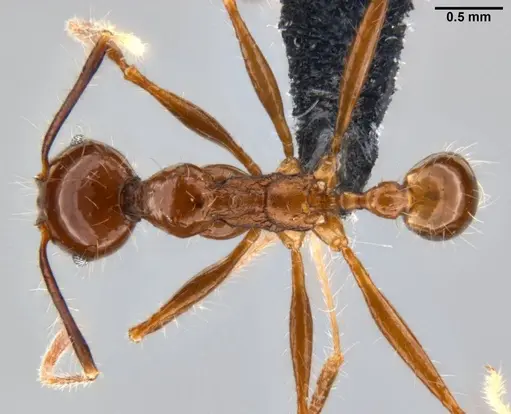
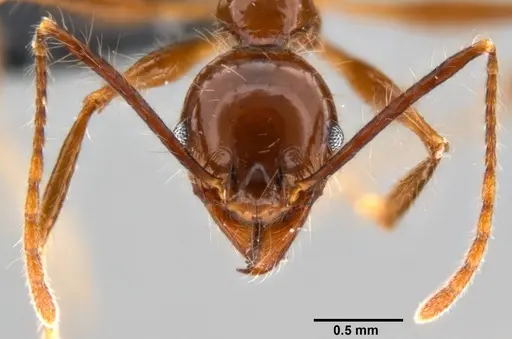
CASENT0901642
View on AntWeb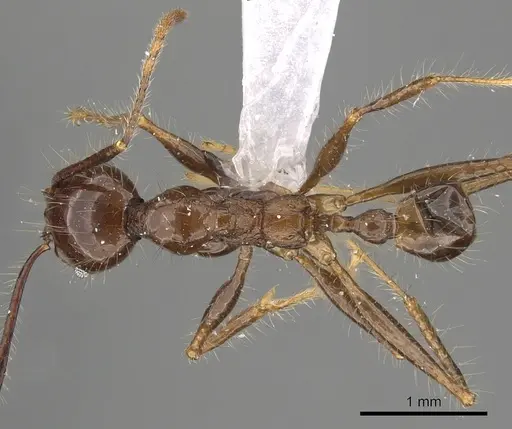
CASENT0901643
View on AntWeb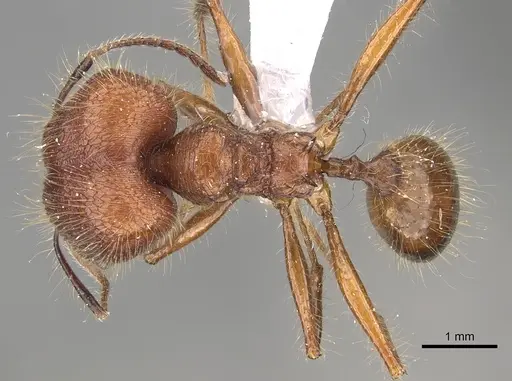
Literature
Loading distribution map...Loading products...